White Oval Tables
Elevate your home decor with the timeless elegance of white oval tables, a perfect blend of style and functionality for any living space. These versatile pieces seamlessly complement a variety of interior designs, from modern minimalism to classic sophistication. Whether you're looking to enhance your dining room, living area, or even a cozy breakfast nook, white oval tables provide an inviting focal point that encourages conversation and connection. Explore our diverse selection to find the ideal table that suits your aesthetic and meets your needs, adding a touch of grace and charm to your home.
Sort
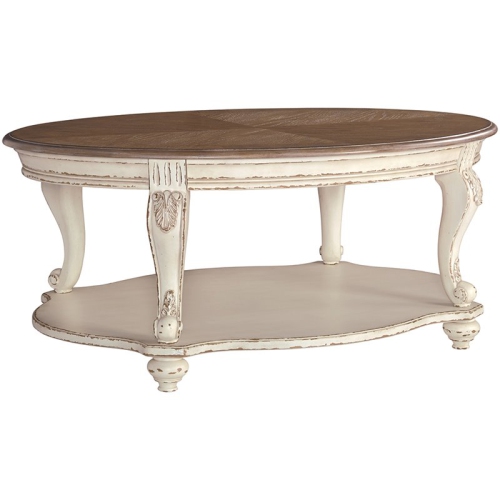
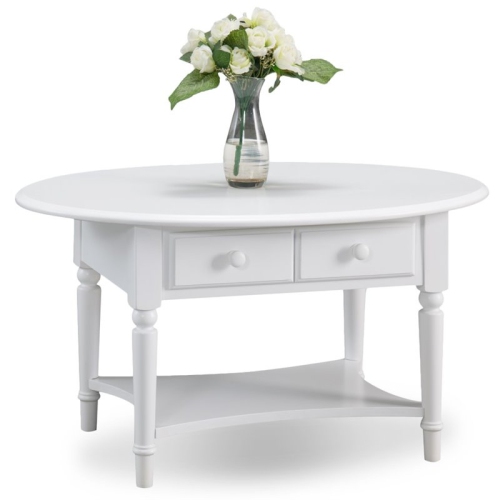

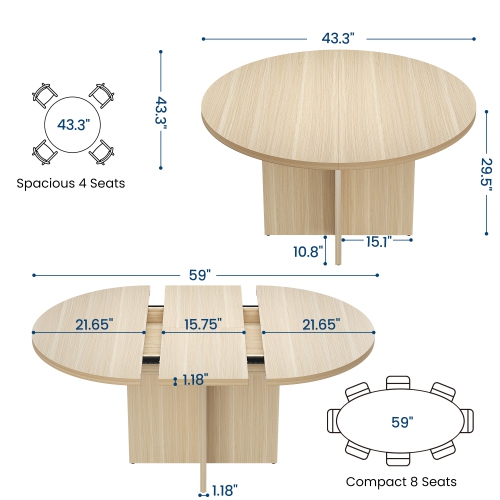
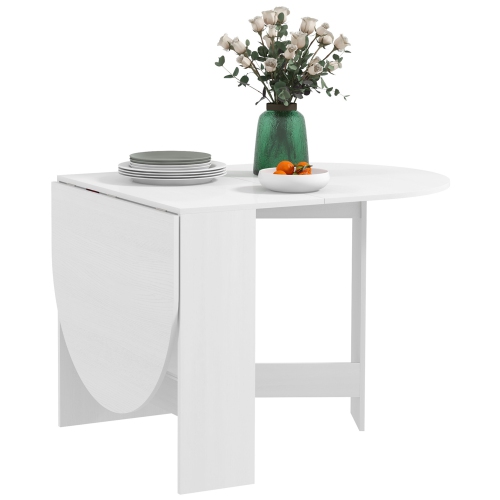
Rounded ends with room for everyday routines
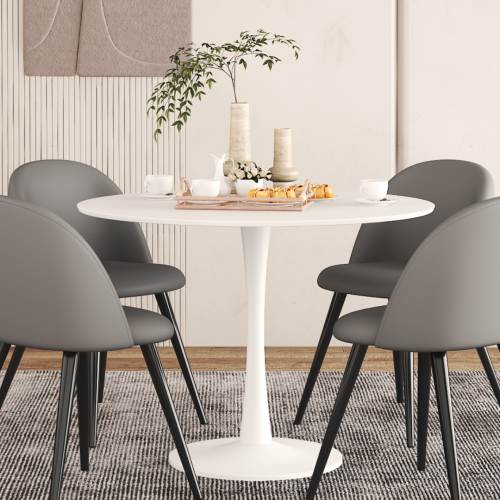
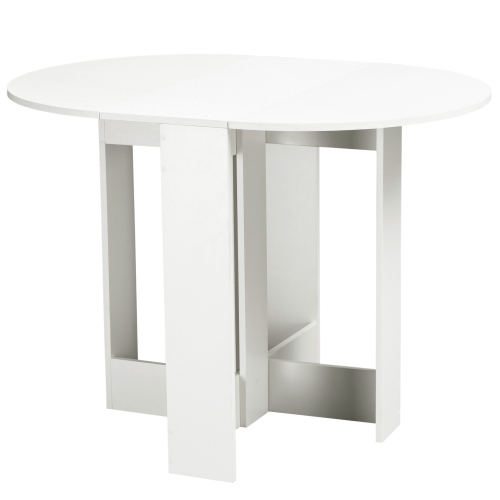
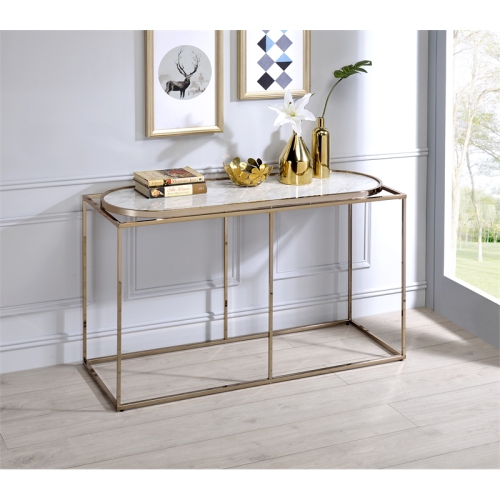
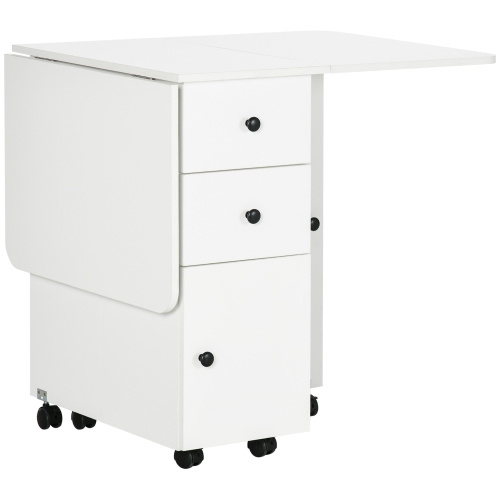
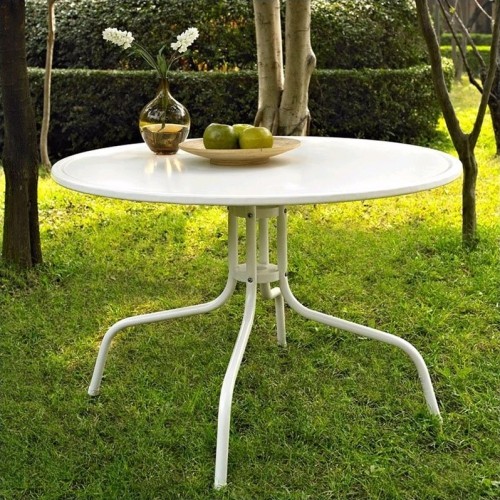
White oval tables combine an elongated surface with rounded ends, making them a versatile choice for dining rooms, kitchens, living rooms, and smaller seating areas. The shape offers a softer outline than a rectangular table while retaining useful length for place settings, serving dishes, books, or everyday essentials. A white finish can create a crisp focal point against darker flooring or blend into a room with pale walls and light upholstery. The effect depends on the finish: glossy white reflects light and has a sleek appearance, while matte white creates a more understated look. Warm whites pair naturally with oak tones and woven textures; cooler whites sit comfortably alongside glass, chrome, and grey furnishings. White oval dining tables suit shared meals, homework, and casual gatherings, while lower coffee tables provide a central surface in front of a sofa. Compact oval side tables work beside an armchair or bed, where a narrow top can hold a lamp and a drink without the visual weight of a larger cabinet. Rounded ends remove projecting corners, which can make the shape feel less intrusive along a walking route, although sufficient clearance is still essential. In an open-plan room, an oval dining table can echo curved chair backs or balance the straight lines of kitchen cabinetry. A pedestal base emphasizes the continuous outline of the top, whereas separate legs can give the table a lighter or more traditional appearance. Details such as a bevelled edge, tapered legs, or a substantial column base change the character of the piece as much as its colour. For a household that uses the dining area throughout the day, the most useful design is one that feels comfortable during a quick breakfast, accommodates a laptop when needed, and leaves enough space for dinner without crowding the room. An oval top can support those different routines, provided its dimensions and base suit the space.
Size and seating capacity matter more than the shape alone. As a general reference, oval dining tables around 47–60 inches long may accommodate four to six people, while tables around 72–96 inches long may suit six to eight, depending on their width, leg placement, and chair dimensions. These ranges are starting points rather than guarantees: broad armchairs take up more room than slim dining chairs, and a base near the curved ends may limit where someone can sit comfortably. Allowing roughly 24 inches of table edge per diner helps establish a practical layout, with more room useful for wider chairs or generous place settings. Around 36 inches between the table edge and a wall or cabinet generally allows space to pull out a chair; closer to 42–48 inches is preferable where people regularly walk behind seated diners. Measuring the usable floor area, rather than the room alone, accounts for sideboards, door swings, and other furniture. A footprint marked with painter’s tape can help show whether the rounded ends leave enough room near a doorway or kitchen island. Table height also deserves attention. Many dining tables stand about 28–30 inches high, and the gap beneath the tabletop or apron determines whether knees and chair arms fit comfortably. For an oval coffee table, a height close to the sofa’s seat height usually keeps drinks and books within easy reach. Leaving approximately 14–18 inches between the sofa and table provides a useful balance of access and legroom, adjusted for the people using the space. A side table generally works best when its surface sits near the height of the adjacent chair arm. In a compact, evenly proportioned nook, White Square Tables offer another shape to consider, while an oval design often fits naturally into a longer seating or dining area. Extension mechanisms can add flexibility for occasional guests, but the fully extended footprint and storage needs for removable leaves should be part of the space calculation.
Materials, construction, and care determine how well a white oval table stands up to its intended use. Painted solid wood brings natural variation beneath an opaque finish and can develop small marks with everyday use; joints and surface movement also respond to changes in indoor humidity. Engineered wood with a painted, laminated, or veneered surface offers different looks and maintenance needs, so the surface description matters as much as the core material. Laminate is often practical for busy dining areas because many finishes wipe clean easily, though edges and seams still need protection from standing liquid. Lacquered and high-gloss surfaces have a smooth, polished appearance but may show fingerprints or fine scratches more readily. Stone and stone-look tops should not be treated as interchangeable: natural marble can stain or etch from acidic spills, while ceramic and manufactured surfaces have their own care requirements. A white tabletop may reveal coffee rings, sauce splashes, or pen marks quickly, making prompt cleaning particularly useful in homes where the table doubles as a craft or homework surface. A soft cloth, a mild cleaner approved for the finish, and drying after wiping are sensible basics. Coasters, placemats, and trivets help separate the surface from moisture, abrasive dish bases, and hot cookware; even a durable top should not be assumed to tolerate direct heat. Stability depends on the whole table, including secure connections, appropriate leg placement, and a base proportioned to the top. A pedestal may offer flexible chair positioning, but its footprint can affect foot space, while a four-leg design needs enough clearance between supports. For coffee and side tables, lower shelves can keep books or remotes off the main surface, although they also add another area to dust. Households with children should consider edge profiles and stability alongside appearance, since a rounded outline does not eliminate tipping or impact risks. Matching the finish, structure, and maintenance needs to daily habits helps a white oval table remain both useful and visually at home in its setting.
Size and seating capacity matter more than the shape alone. As a general reference, oval dining tables around 47–60 inches long may accommodate four to six people, while tables around 72–96 inches long may suit six to eight, depending on their width, leg placement, and chair dimensions. These ranges are starting points rather than guarantees: broad armchairs take up more room than slim dining chairs, and a base near the curved ends may limit where someone can sit comfortably. Allowing roughly 24 inches of table edge per diner helps establish a practical layout, with more room useful for wider chairs or generous place settings. Around 36 inches between the table edge and a wall or cabinet generally allows space to pull out a chair; closer to 42–48 inches is preferable where people regularly walk behind seated diners. Measuring the usable floor area, rather than the room alone, accounts for sideboards, door swings, and other furniture. A footprint marked with painter’s tape can help show whether the rounded ends leave enough room near a doorway or kitchen island. Table height also deserves attention. Many dining tables stand about 28–30 inches high, and the gap beneath the tabletop or apron determines whether knees and chair arms fit comfortably. For an oval coffee table, a height close to the sofa’s seat height usually keeps drinks and books within easy reach. Leaving approximately 14–18 inches between the sofa and table provides a useful balance of access and legroom, adjusted for the people using the space. A side table generally works best when its surface sits near the height of the adjacent chair arm. In a compact, evenly proportioned nook, White Square Tables offer another shape to consider, while an oval design often fits naturally into a longer seating or dining area. Extension mechanisms can add flexibility for occasional guests, but the fully extended footprint and storage needs for removable leaves should be part of the space calculation.
Materials, construction, and care determine how well a white oval table stands up to its intended use. Painted solid wood brings natural variation beneath an opaque finish and can develop small marks with everyday use; joints and surface movement also respond to changes in indoor humidity. Engineered wood with a painted, laminated, or veneered surface offers different looks and maintenance needs, so the surface description matters as much as the core material. Laminate is often practical for busy dining areas because many finishes wipe clean easily, though edges and seams still need protection from standing liquid. Lacquered and high-gloss surfaces have a smooth, polished appearance but may show fingerprints or fine scratches more readily. Stone and stone-look tops should not be treated as interchangeable: natural marble can stain or etch from acidic spills, while ceramic and manufactured surfaces have their own care requirements. A white tabletop may reveal coffee rings, sauce splashes, or pen marks quickly, making prompt cleaning particularly useful in homes where the table doubles as a craft or homework surface. A soft cloth, a mild cleaner approved for the finish, and drying after wiping are sensible basics. Coasters, placemats, and trivets help separate the surface from moisture, abrasive dish bases, and hot cookware; even a durable top should not be assumed to tolerate direct heat. Stability depends on the whole table, including secure connections, appropriate leg placement, and a base proportioned to the top. A pedestal may offer flexible chair positioning, but its footprint can affect foot space, while a four-leg design needs enough clearance between supports. For coffee and side tables, lower shelves can keep books or remotes off the main surface, although they also add another area to dust. Households with children should consider edge profiles and stability alongside appearance, since a rounded outline does not eliminate tipping or impact risks. Matching the finish, structure, and maintenance needs to daily habits helps a white oval table remain both useful and visually at home in its setting.
Top selling and popular products
-
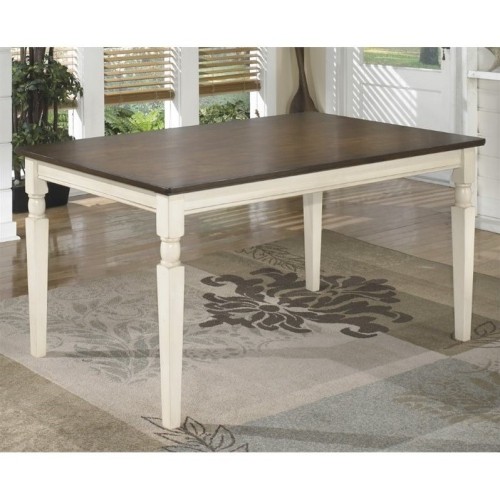 Your price for this item is $399
 -
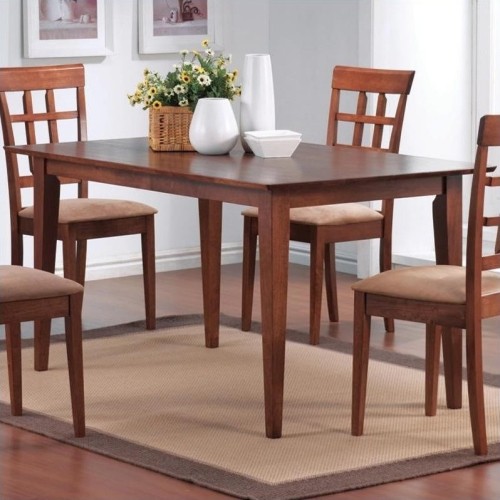 Your price for this item is $567.67
 -
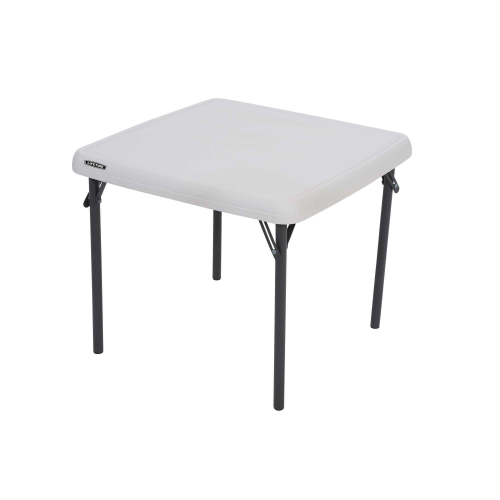 Your price for this item is $71.99
 -
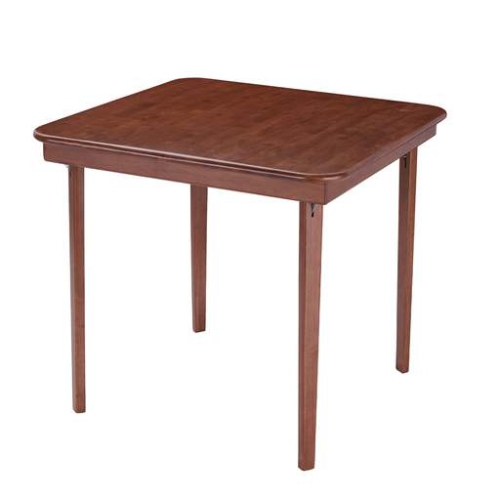 Your price for this item is $393.99
 -
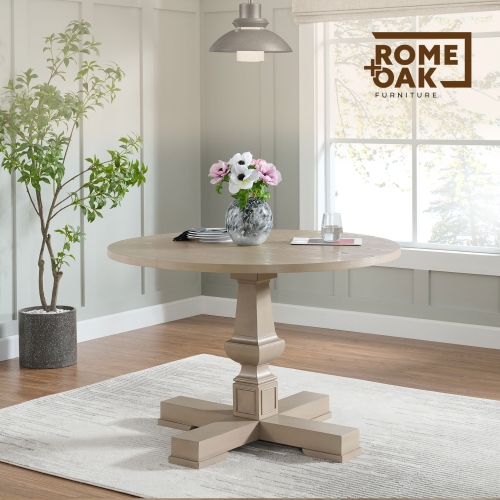 Your price for this item is $918.99
 -
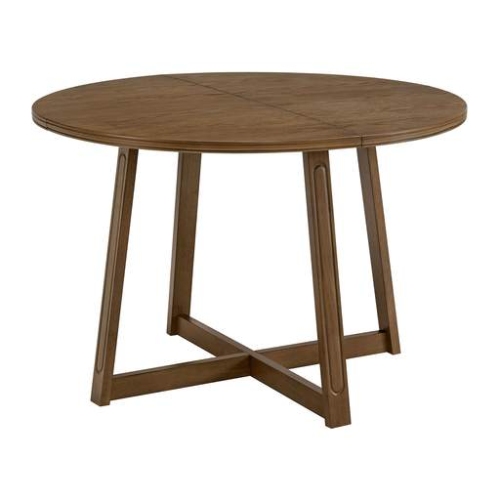 Your price for this item is $752.99
 -
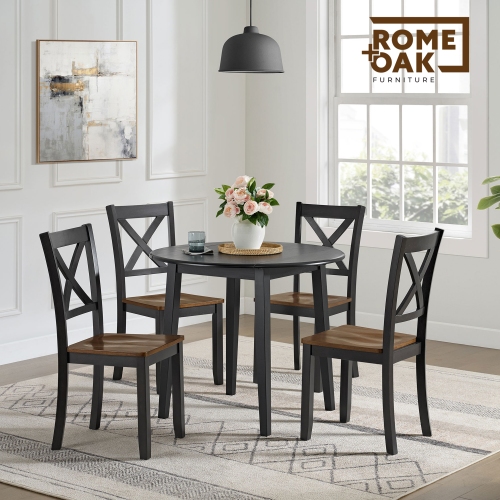 Your price for this item is $305.99
 -
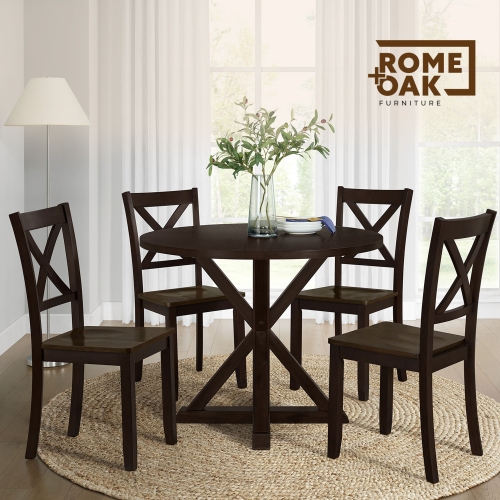 Your price for this item is $782.99
Discover more categories related to White Oval Tables
Top Collections:
Pokemon Centers, Kindle Devices, Best Budget Office Chairs, Apple iPhones 16, Best Laptops for Writers, iPhone 15 Apple, Canon G7X Cameras, Refurbished Apple Laptops, Alarm Clock, Motorola Razr Phones
Some products may be subject to Environmental Handling Fees
(EHF) depending on your province.
Learn more about EHFs.