White Queen Duvet Covers
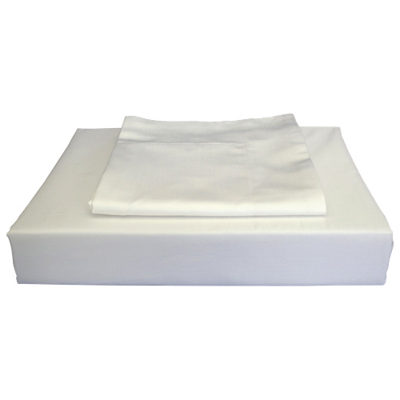
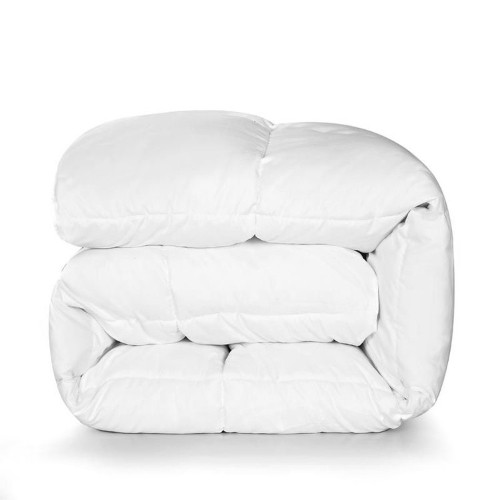
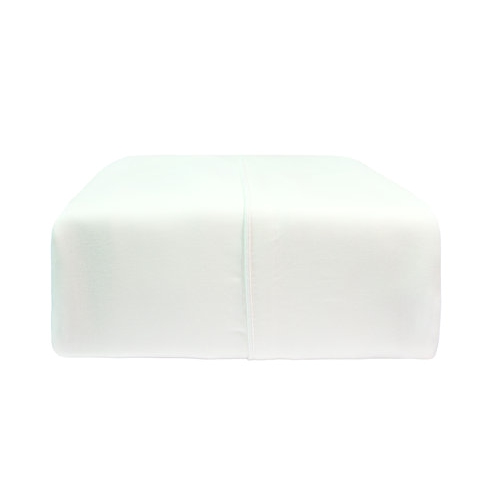
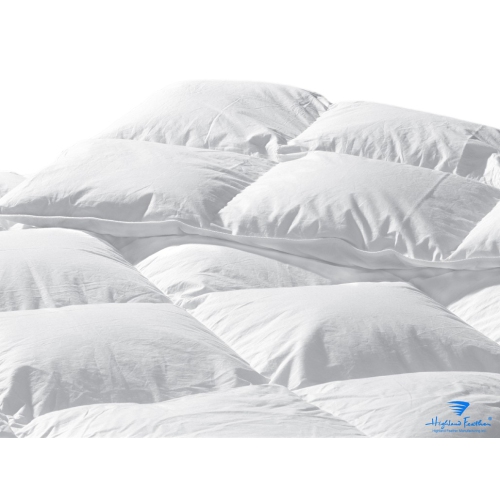
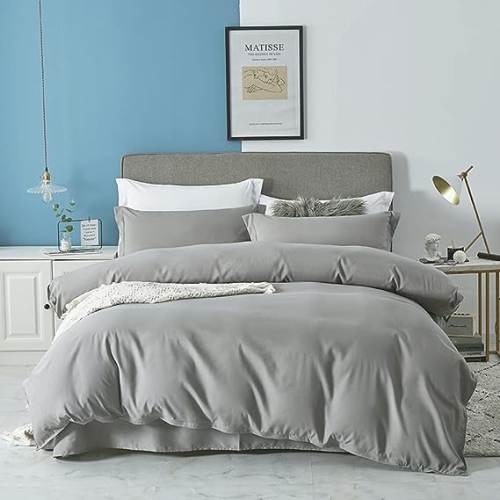
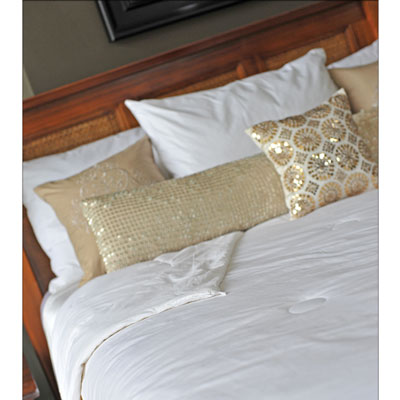
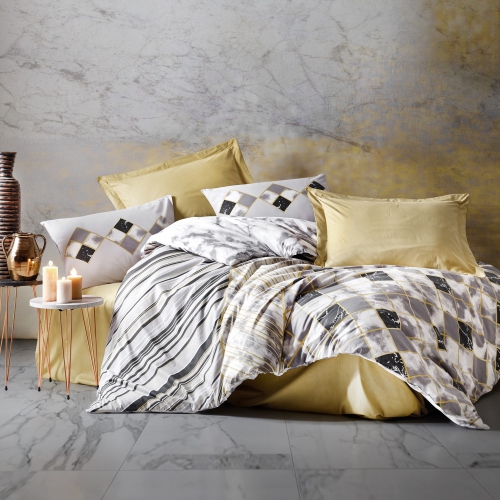
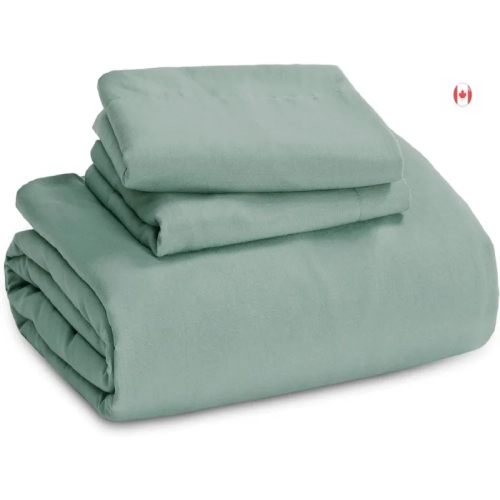
Transform your bedroom into a serene oasis with these white queen duvet covers. Crafted with both style and comfort in mind, these duvet covers are the perfect addition to almost any modern or traditional bedroom decor. Whether you prefer a crisp, clean look or a soft, textured feel, this wide range of white duvet covers offers something for every taste. Elevate your sleeping experience and create a calming atmosphere with these luxurious white queen duvet covers.
Sort




Why duvet cover fit matters beyond the size label
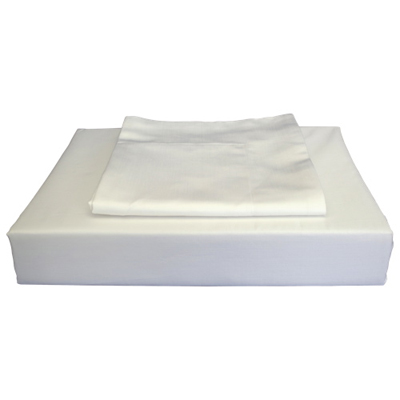
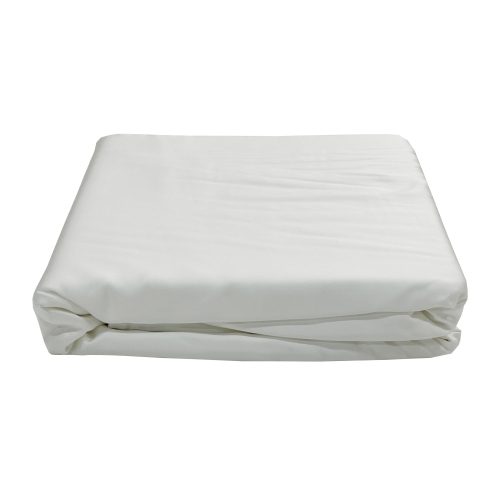
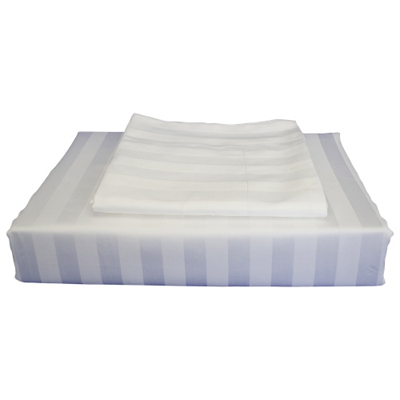
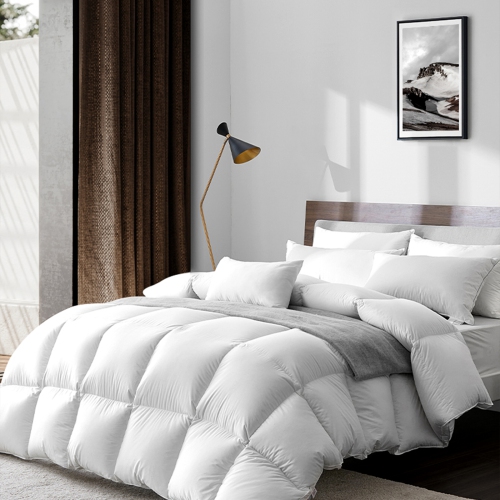
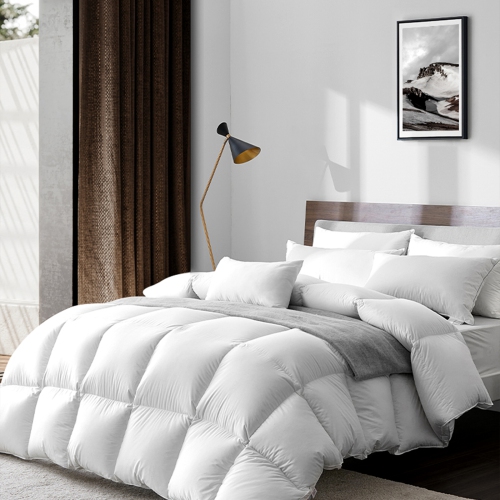
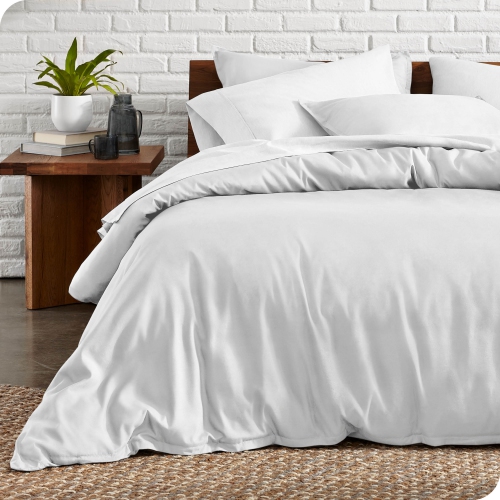
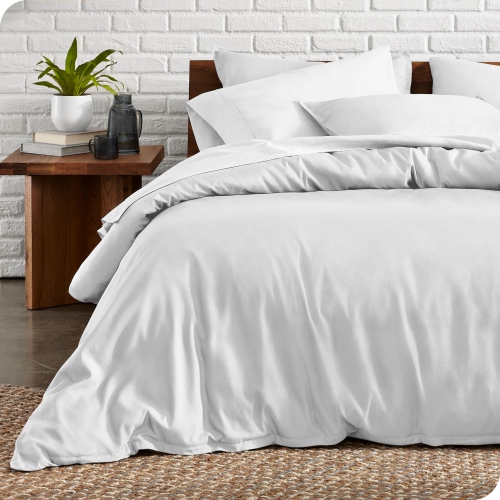
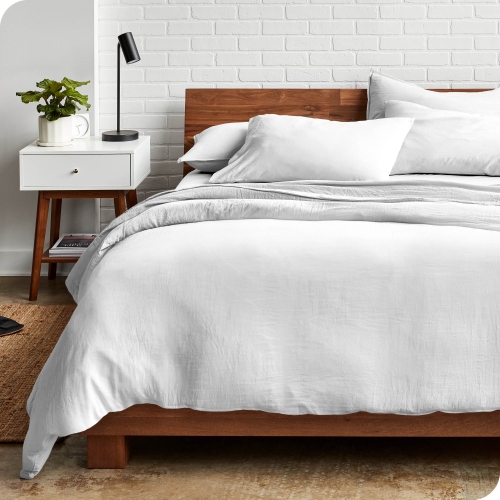
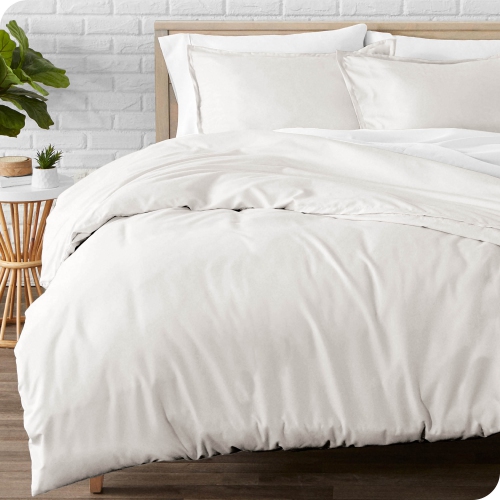
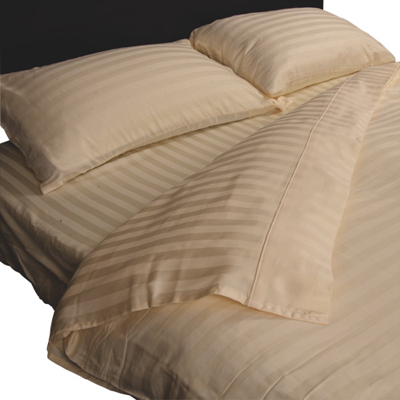
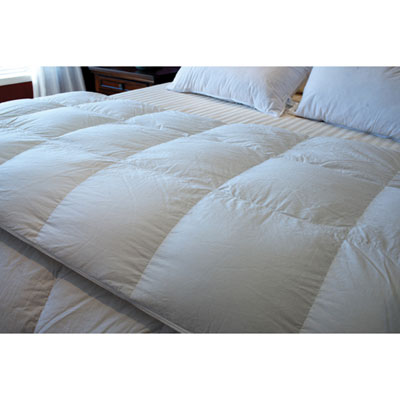
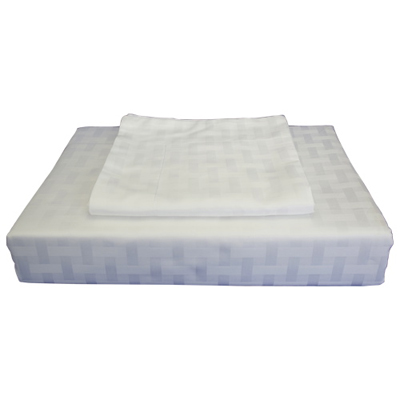
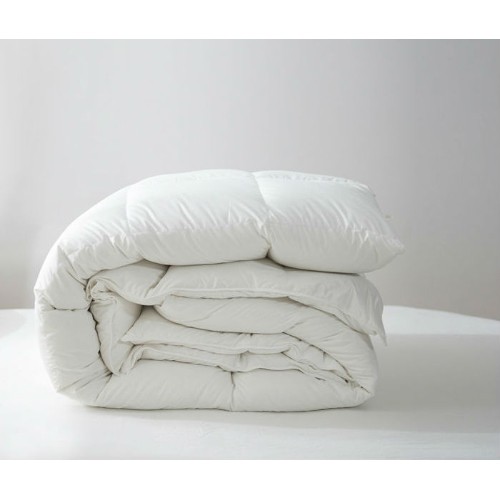
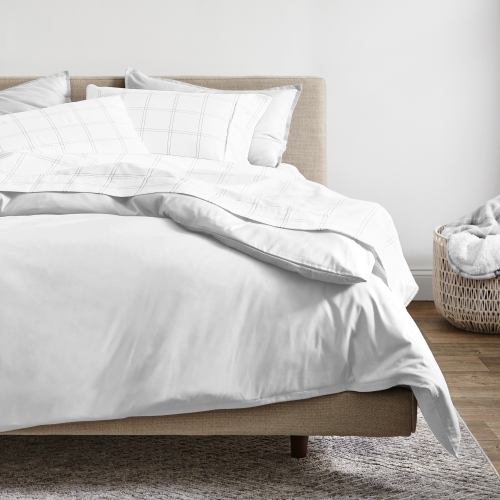
White queen duvet covers offer a clean, versatile foundation for a queen-size bed, with a removable outer layer that protects a duvet insert and gives the bedding its visible colour and texture. Unlike a comforter with a sewn-in filling, a duvet cover is designed to be taken off for laundering, making it practical for everyday bedrooms, guest rooms, and shared beds. A queen duvet cover commonly measures around 90 inches by 90 inches, but dimensions vary by manufacturer, and some covers carry a combined full/queen designation. The measurements of the cover and insert matter more than the size label alone: a close match helps the filling spread evenly, while an oversized cover can leave empty fabric along the edges. A queen mattress typically measures 60 inches by 80 inches, so the finished drape also depends on mattress depth, the bed frame, and how much bedding hangs over each side. On a tall mattress, a shorter drop can reveal more of the sheets; on a lower platform bed, the same cover may look more generous. White works equally well with pale wood, dark upholstered headboards, painted furniture, and patterned rugs, allowing the bed to feel coordinated without matching every surface in the room. Its appearance can range from bright and crisp to gently softened, depending on the fabric, weave, and lighting. Smooth white bedding creates a tailored look, while subtle stripes, embroidered borders, or raised textures add detail without introducing another colour. For a softer off-white alternative, Ivory Queen Duvet Covers offer a different direction alongside cream upholstery or beige accents. The distinction is especially noticeable when bedding sits next to an existing white sheet or pillowcase, where differences in undertone become easier to see. Coordinating those tones can create a uniform finish, while deliberately mixing shades gives the bed a more relaxed, layered appearance.
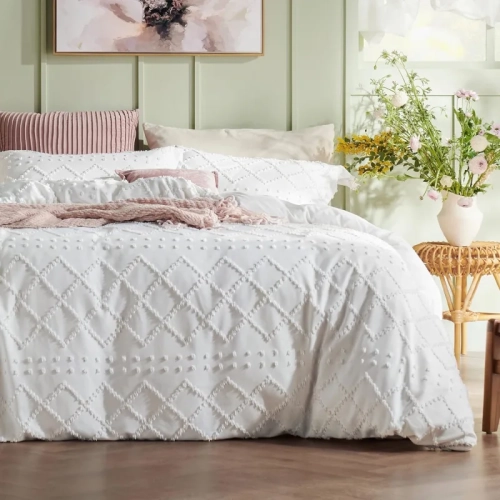
Fabric and construction make a substantial difference to how white queen duvet covers feel, fall across the bed, and hold up to regular use. Cotton is a familiar choice for its absorbency and breathability, though the weave influences its character. Cotton percale generally has a matte surface and a crisp hand, making it appealing to anyone who likes bedding with a freshly pressed appearance. Cotton sateen tends to feel smoother and drape more fluidly, with a subtle sheen that catches the light across folds. Linen brings a more textured surface and a naturally relaxed look; its characteristic creasing suits a bed that is loosely arranged rather than tucked into sharp corners. Polyester microfibre usually feels soft and lightweight and often resists wrinkling, while cotton-polyester blends can balance a familiar fabric feel with easier care. Individual results depend on the fibre blend and construction, so a material name alone does not describe the entire experience. Thread count can provide context for some woven cotton fabrics, but it is not a stand-alone measure of softness or durability, and it is not directly comparable across every fabric type. Even weaving, secure seams, and a well-finished closure are useful details for bedding that will be washed repeatedly. Texture also changes the practical feel of a white cover. Waffle weaves, tufting, and clipped patterns give the surface depth, whereas a smooth weave may be preferable for someone who dislikes raised details against their skin. In a home with pets, pronounced loops or loose decorative threads may be more prone to catching on claws. Because white fabric can reveal a darker insert or printed filling shell underneath, opacity is another consideration, particularly with lightweight covers. A plain white insert generally creates a more consistent appearance. The duvet insert supplies most of the loft, while the cover affects the surface feel and finish, allowing the two layers to serve different purposes. That separation makes a white cover useful when refreshing a bedroom without replacing a comfortable insert.
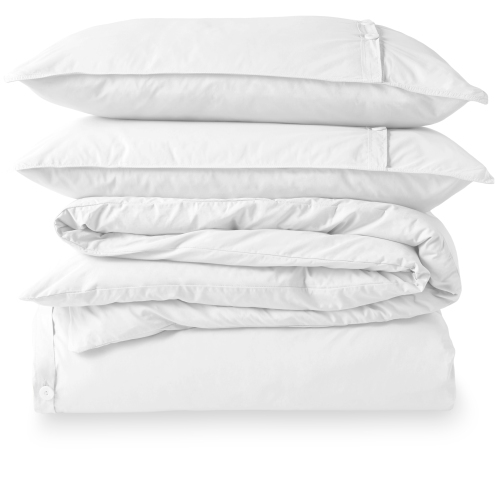
Everyday convenience often comes down to details that are easy to overlook when considering appearance alone. Interior corner ties or loops can help keep a compatible insert in place, reducing the bunching that leaves one sleeper with a thick fold and the other with an empty section of cover. Additional attachment points along the sides may provide more support, particularly for inserts that shift during sleep. A zip closure can give the foot of the bed a discreet, continuous edge, while buttons offer a familiar fastening that can often be replaced individually if one loosens. Hidden closures and fabric flaps help keep fastening hardware out of sight. For duvet cover sets, the package contents deserve attention: some include pillow shams, while others contain only the cover, and a duvet insert or fitted sheet should not be assumed to be included. Sham dimensions also need to suit the pillows already on the bed. Care requirements vary with the fibre, trim, and construction, but many everyday covers are machine washable. The care label determines the appropriate wash cycle, drying method, and whether ironing or any whitening treatment is suitable. White bedding makes spills and marks more visible, so treating stains promptly with a fabric-appropriate method can help maintain its appearance. Chlorine bleach is not suitable for every white fabric, particularly where delicate fibres, finishes, or decorative details are involved. Giving the cover enough room in the washing machine supports thorough cleaning and rinsing, and drying it fully before storage helps keep it fresh between uses. Removing it promptly after drying can reduce deep creases, while smoothing the fabric over the insert brings back a neater finish. A spare cover makes laundry-day changes simpler in a frequently used bedroom or a guest room between visits. White queen duvet covers can also make thoughtful housewarming or wedding gifts when the recipient’s insert dimensions, preferred fabric, and laundry setup are known. Their broad styling flexibility suits many bedrooms, but the most useful choice is one that fits well, feels comfortable, and fits naturally into the household’s care routine.
Fabric and construction make a substantial difference to how white queen duvet covers feel, fall across the bed, and hold up to regular use. Cotton is a familiar choice for its absorbency and breathability, though the weave influences its character. Cotton percale generally has a matte surface and a crisp hand, making it appealing to anyone who likes bedding with a freshly pressed appearance. Cotton sateen tends to feel smoother and drape more fluidly, with a subtle sheen that catches the light across folds. Linen brings a more textured surface and a naturally relaxed look; its characteristic creasing suits a bed that is loosely arranged rather than tucked into sharp corners. Polyester microfibre usually feels soft and lightweight and often resists wrinkling, while cotton-polyester blends can balance a familiar fabric feel with easier care. Individual results depend on the fibre blend and construction, so a material name alone does not describe the entire experience. Thread count can provide context for some woven cotton fabrics, but it is not a stand-alone measure of softness or durability, and it is not directly comparable across every fabric type. Even weaving, secure seams, and a well-finished closure are useful details for bedding that will be washed repeatedly. Texture also changes the practical feel of a white cover. Waffle weaves, tufting, and clipped patterns give the surface depth, whereas a smooth weave may be preferable for someone who dislikes raised details against their skin. In a home with pets, pronounced loops or loose decorative threads may be more prone to catching on claws. Because white fabric can reveal a darker insert or printed filling shell underneath, opacity is another consideration, particularly with lightweight covers. A plain white insert generally creates a more consistent appearance. The duvet insert supplies most of the loft, while the cover affects the surface feel and finish, allowing the two layers to serve different purposes. That separation makes a white cover useful when refreshing a bedroom without replacing a comfortable insert.
Everyday convenience often comes down to details that are easy to overlook when considering appearance alone. Interior corner ties or loops can help keep a compatible insert in place, reducing the bunching that leaves one sleeper with a thick fold and the other with an empty section of cover. Additional attachment points along the sides may provide more support, particularly for inserts that shift during sleep. A zip closure can give the foot of the bed a discreet, continuous edge, while buttons offer a familiar fastening that can often be replaced individually if one loosens. Hidden closures and fabric flaps help keep fastening hardware out of sight. For duvet cover sets, the package contents deserve attention: some include pillow shams, while others contain only the cover, and a duvet insert or fitted sheet should not be assumed to be included. Sham dimensions also need to suit the pillows already on the bed. Care requirements vary with the fibre, trim, and construction, but many everyday covers are machine washable. The care label determines the appropriate wash cycle, drying method, and whether ironing or any whitening treatment is suitable. White bedding makes spills and marks more visible, so treating stains promptly with a fabric-appropriate method can help maintain its appearance. Chlorine bleach is not suitable for every white fabric, particularly where delicate fibres, finishes, or decorative details are involved. Giving the cover enough room in the washing machine supports thorough cleaning and rinsing, and drying it fully before storage helps keep it fresh between uses. Removing it promptly after drying can reduce deep creases, while smoothing the fabric over the insert brings back a neater finish. A spare cover makes laundry-day changes simpler in a frequently used bedroom or a guest room between visits. White queen duvet covers can also make thoughtful housewarming or wedding gifts when the recipient’s insert dimensions, preferred fabric, and laundry setup are known. Their broad styling flexibility suits many bedrooms, but the most useful choice is one that fits well, feels comfortable, and fits naturally into the household’s care routine.
Top selling and popular products
-
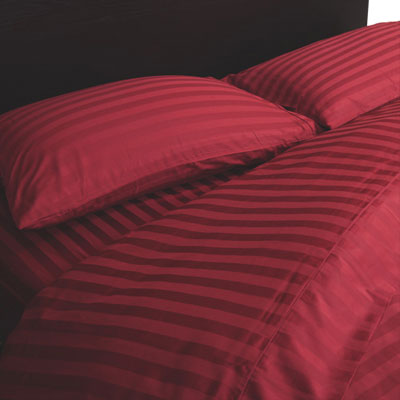 Your price for this item is $134.99
 -
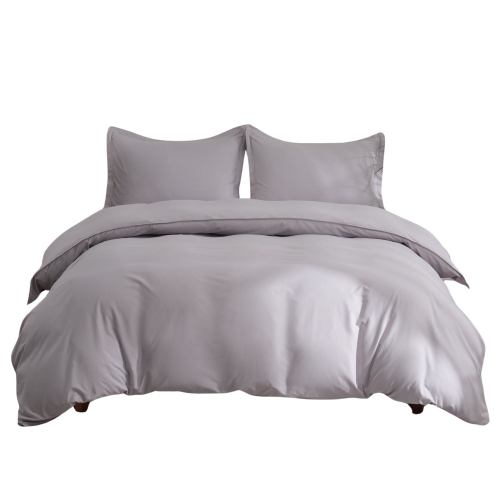 Your price for this item is $270
 -
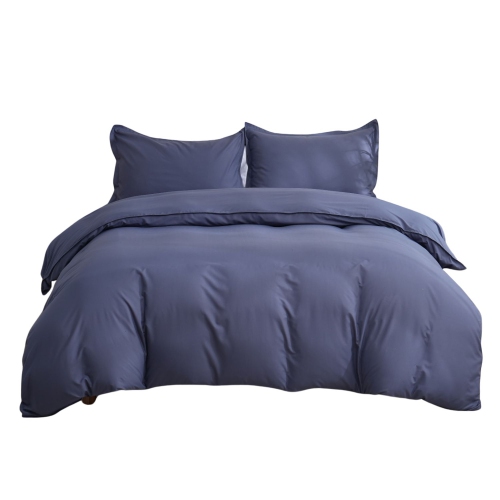 Your price for this item is $240
 -
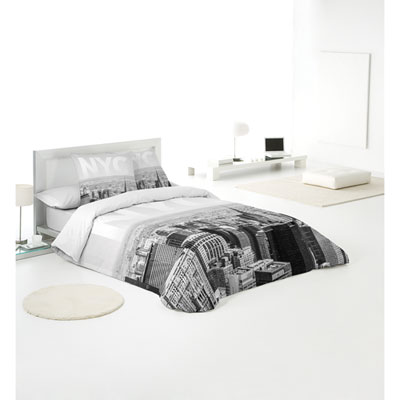 Your price for this item is $135.98
 -
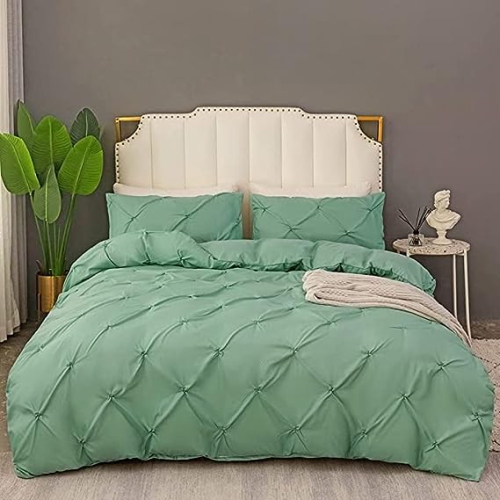 Your price for this item is $39.99
 -
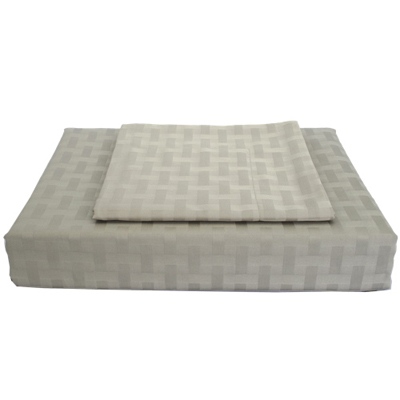 Your price for this item is $189.99
 -
 Your price for this item is $149.99
 -
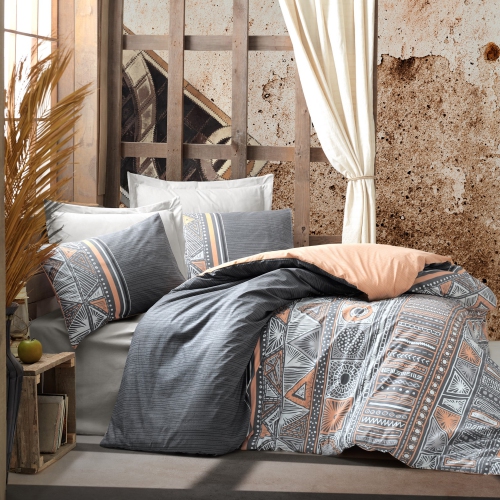 Your price for this item is $139.99
Discover more categories related to White Queen Duvet Covers
Top Collections:
Pokemon Centers, Kindle Devices, Best Budget Office Chairs, Apple iPhones 16, Best Laptops for Writers, iPhone 15 Apple, Canon G7X Cameras, Refurbished Apple Laptops, Alarm Clock, Motorola Razr Phones
Some products may be subject to Environmental Handling Fees
(EHF) depending on your province.
Learn more about EHFs.