Wine Display Racks
Are you looking to showcase your collection of fine wines in style? Our wine display racks are designed to elevate your wine storage and add a touch of sophistication to your space. Whether you're a wine connoisseur or simply enjoy the occasional glass, these racks offer a functional and aesthetically pleasing solution for organizing and displaying your favorite bottles. With a variety of sizes, materials, and designs to choose from, finding the perfect wine display rack to complement your home decor has never been easier. Shop our selection today and take your wine storage to new heights.
Sort
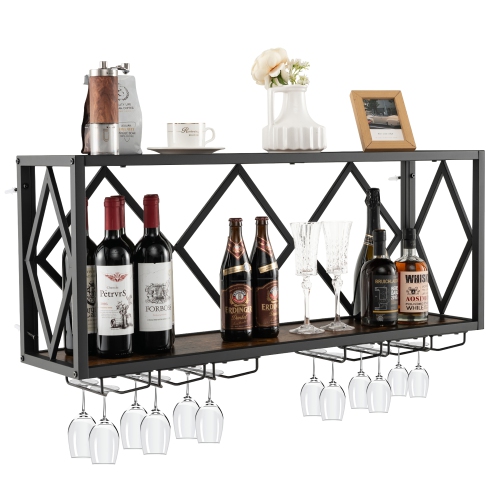
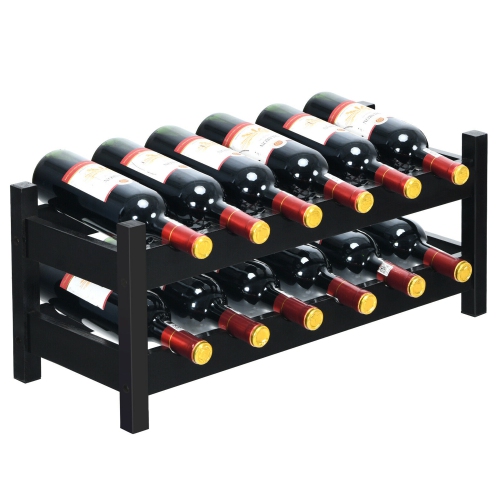
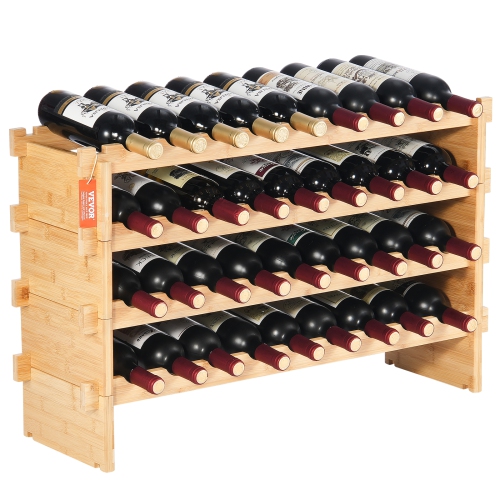
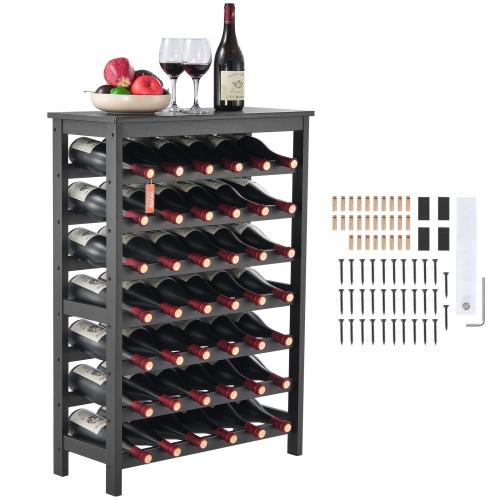
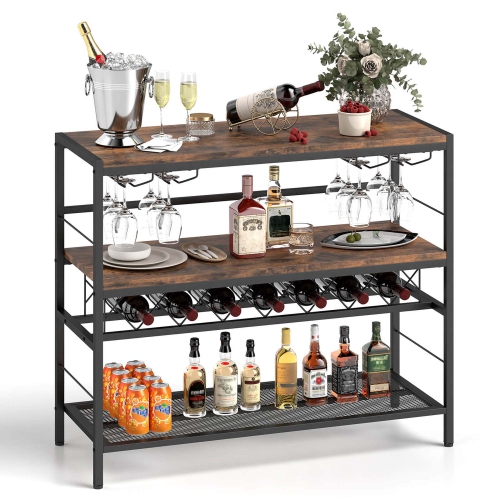
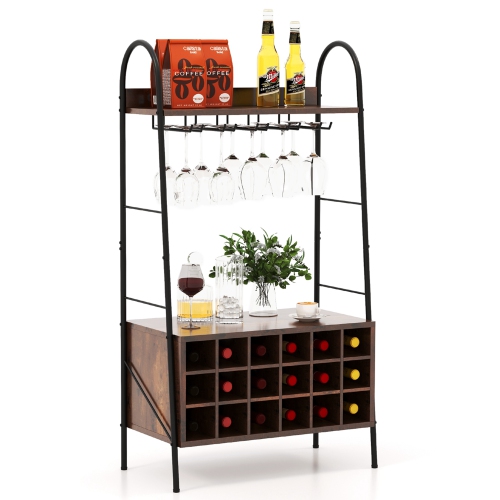
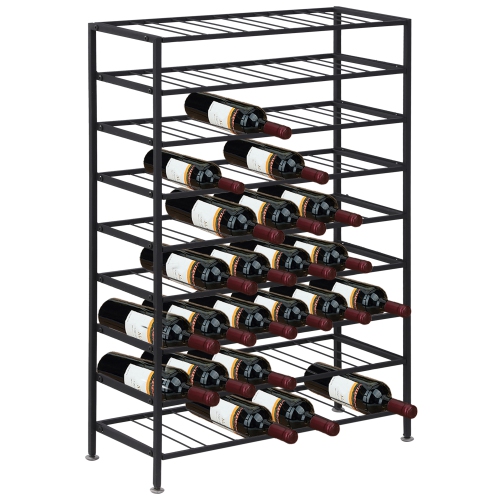
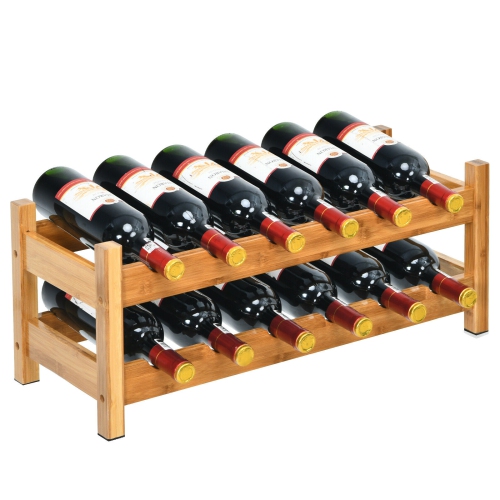
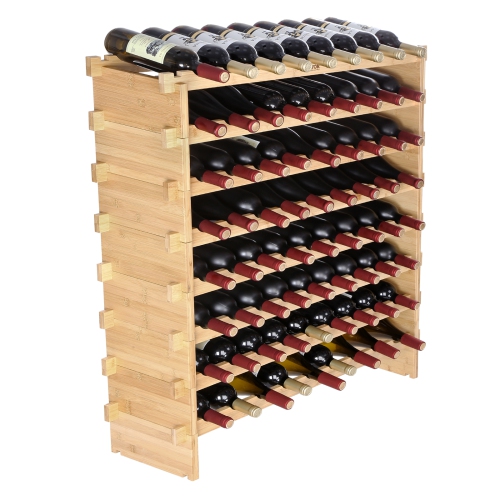
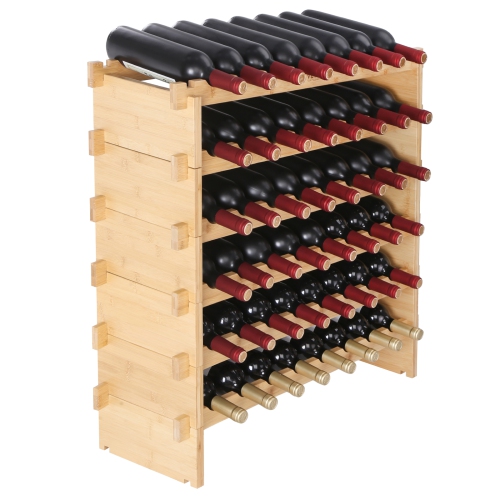
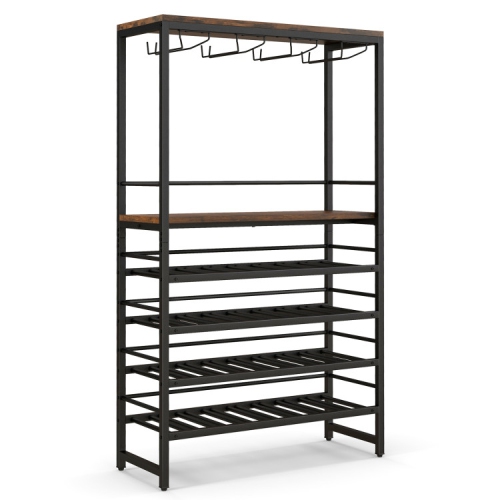
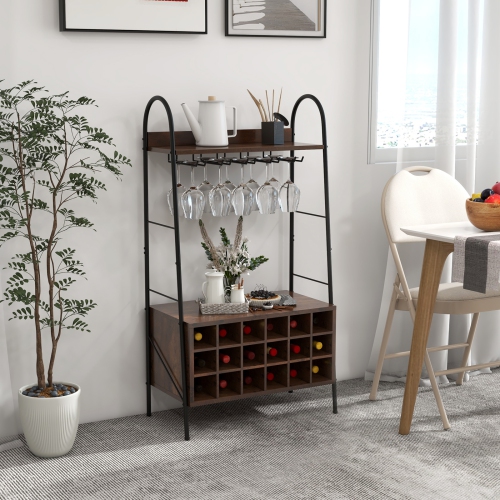
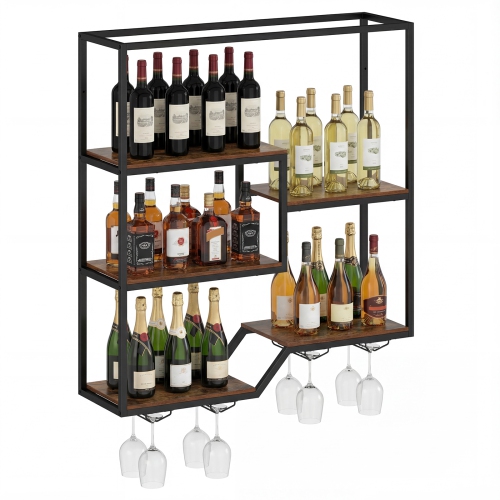
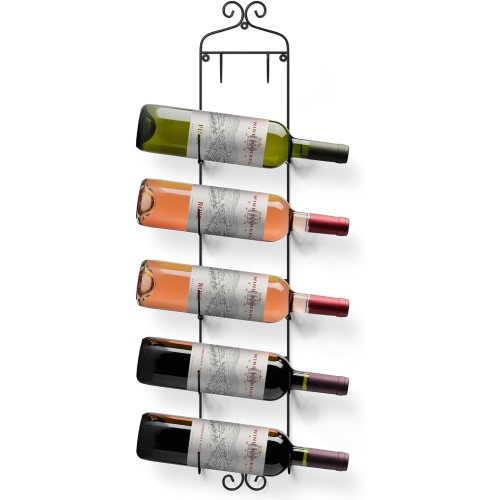
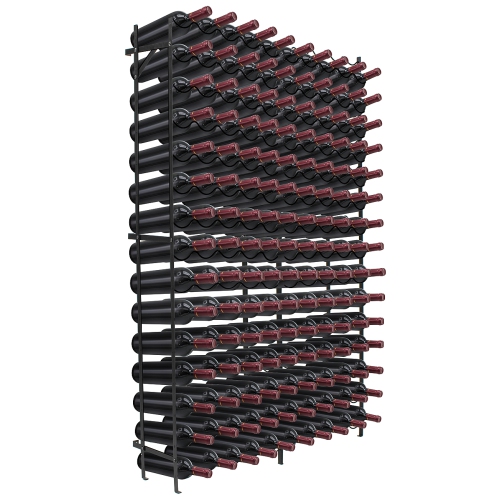
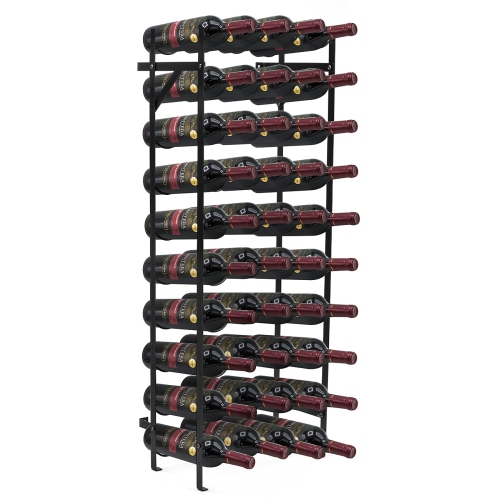
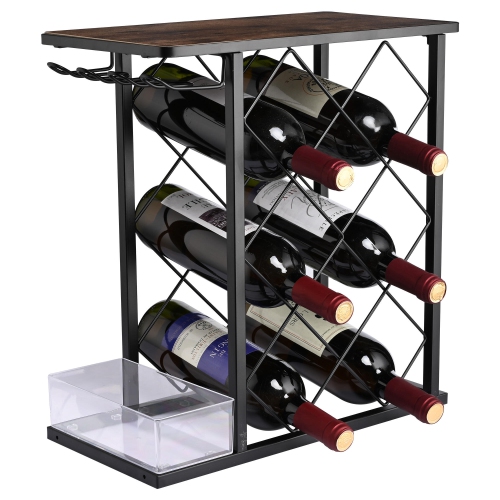
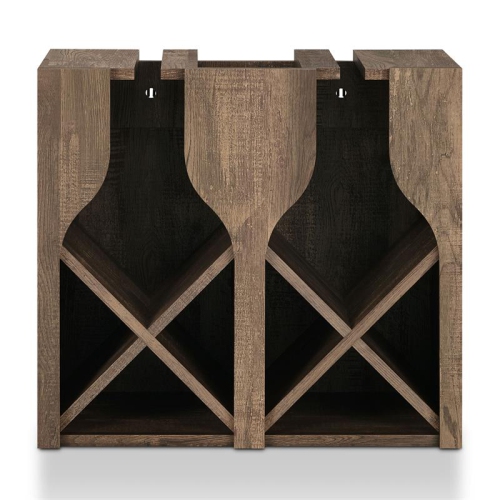
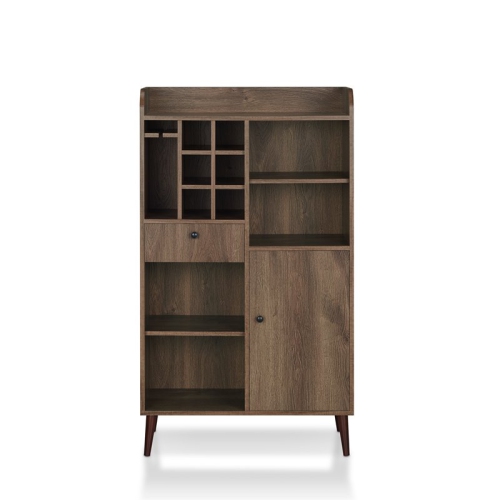
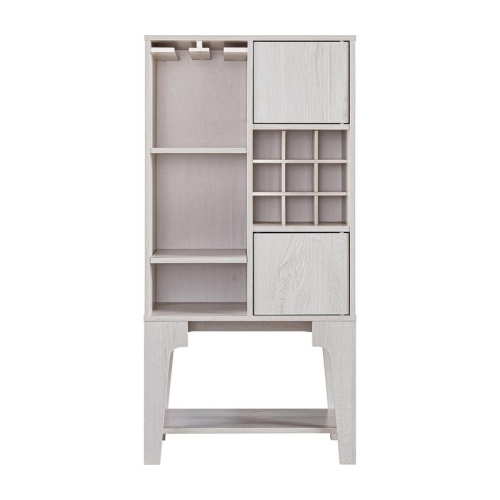
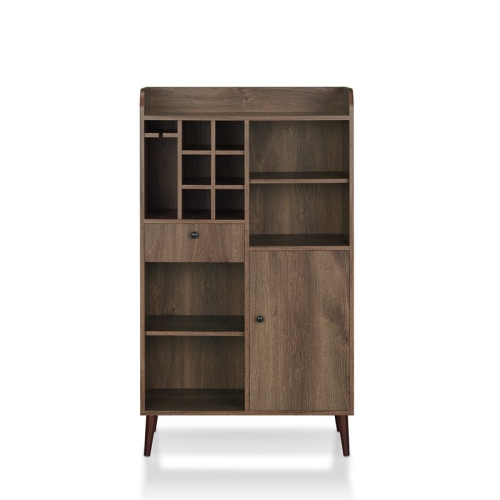
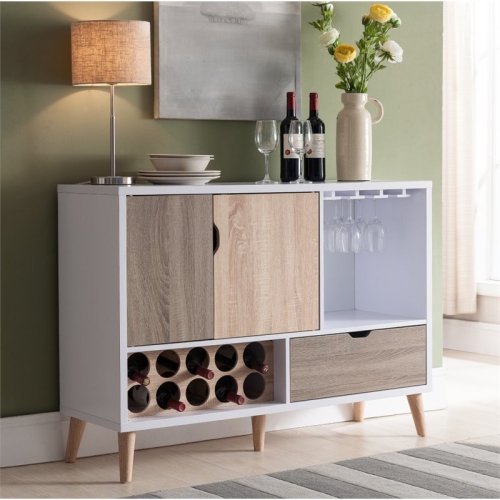
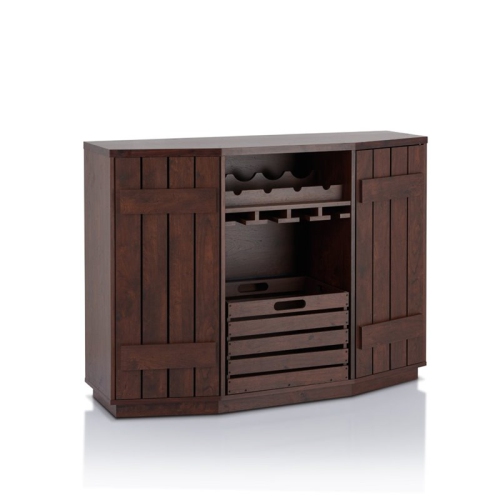
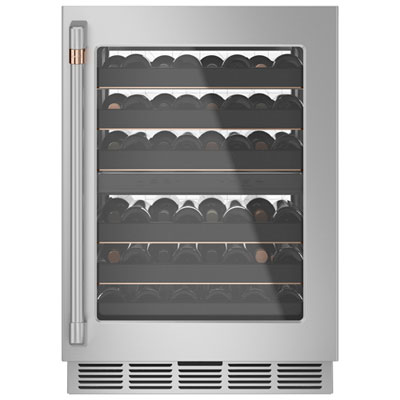
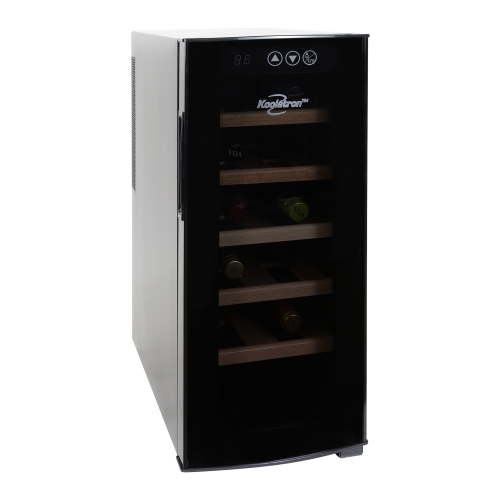


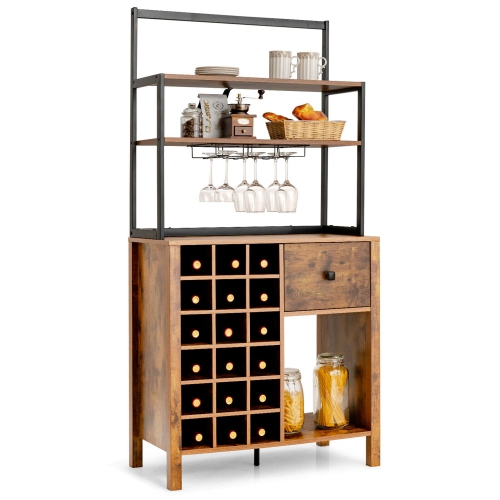
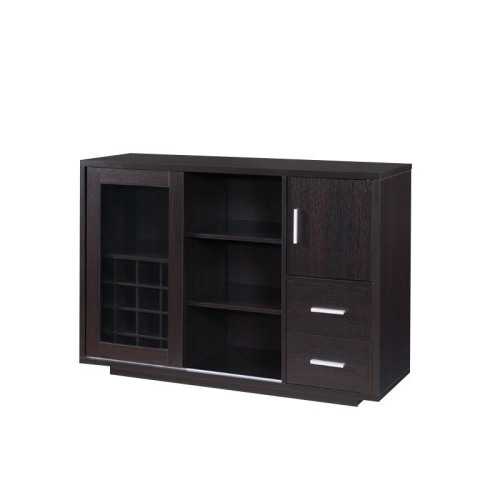
Bottle displays that balance room design with easy access
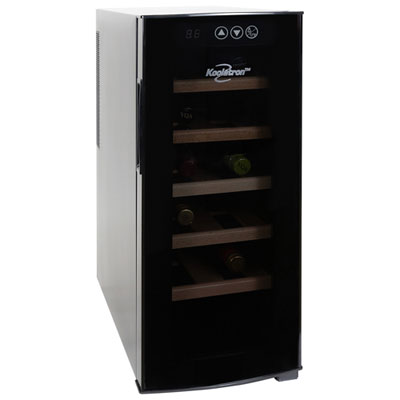
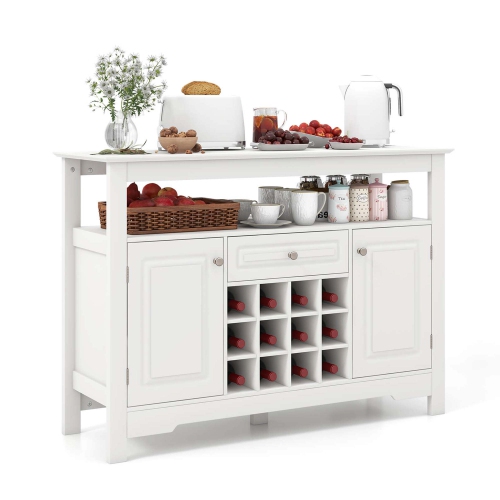
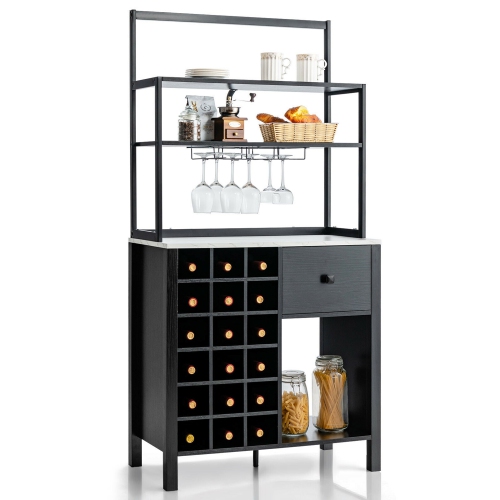
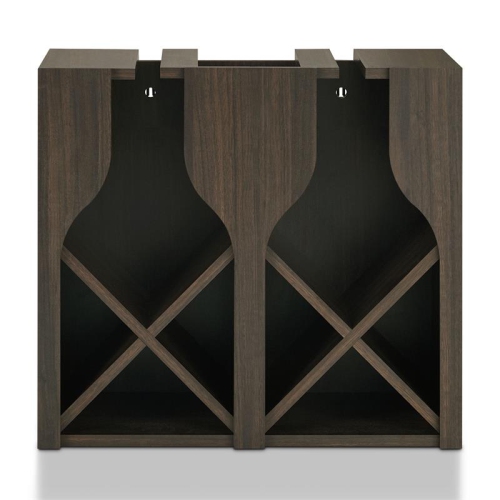
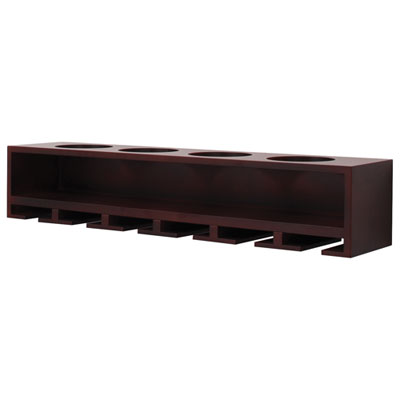
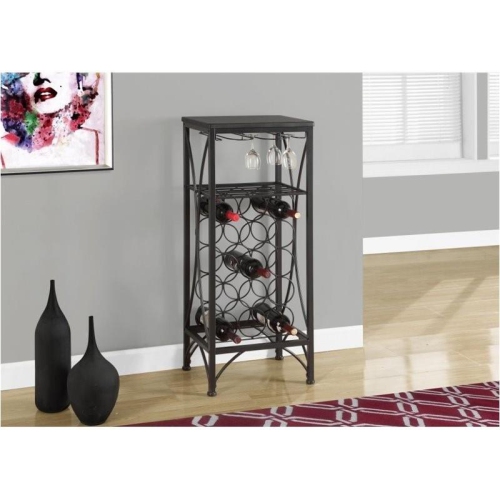
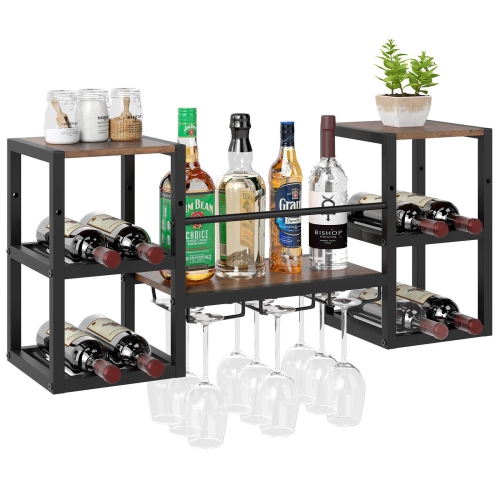
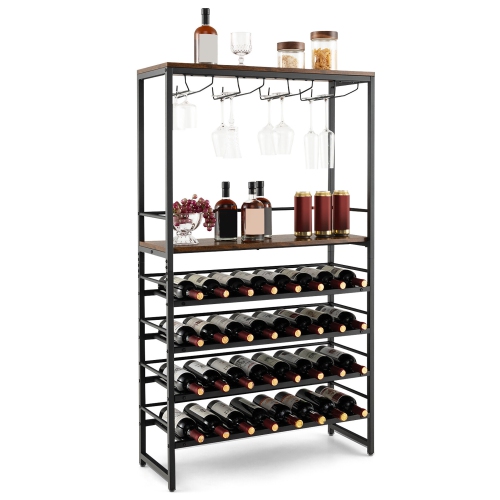
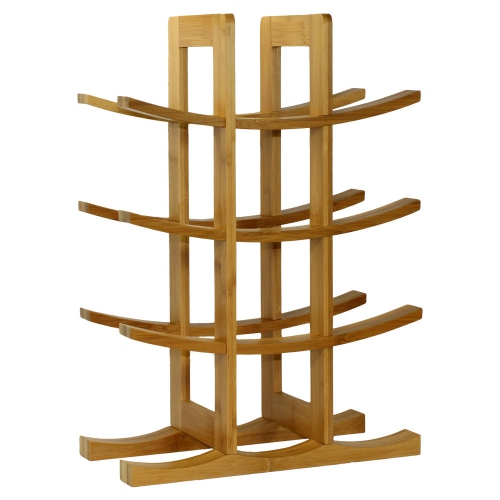
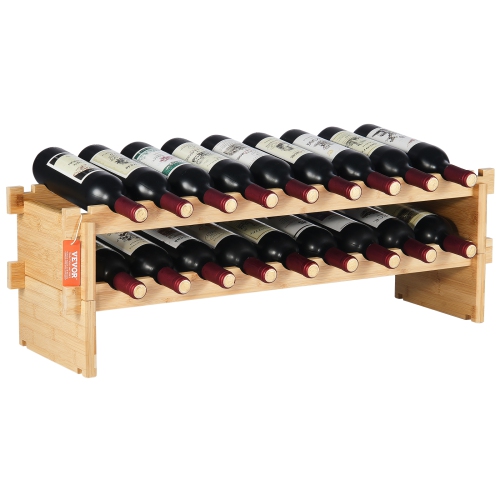
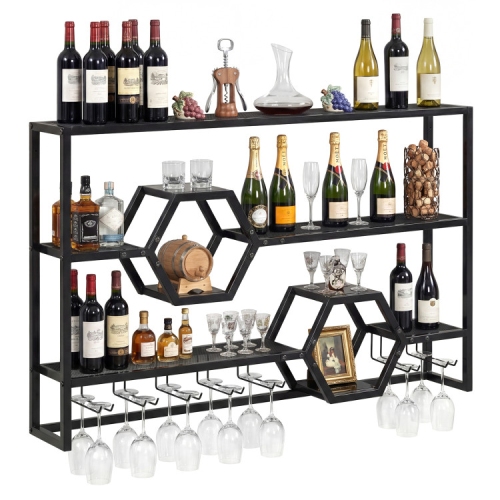
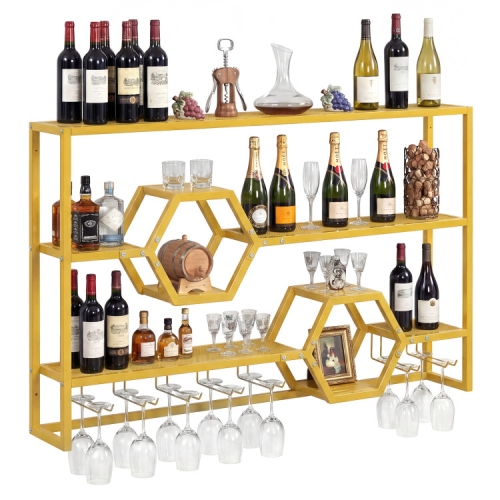
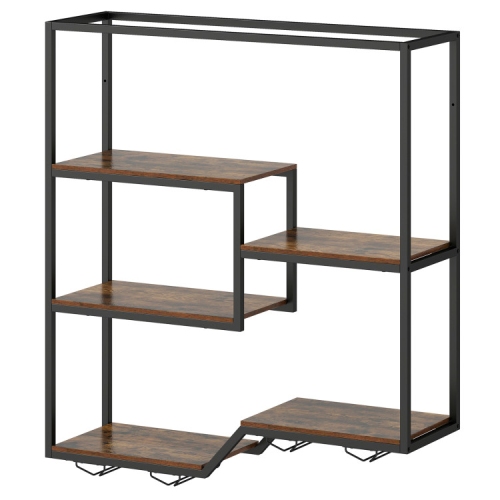
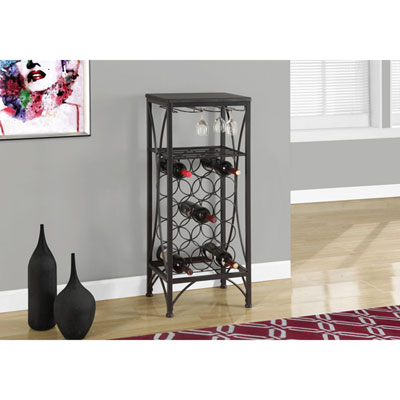
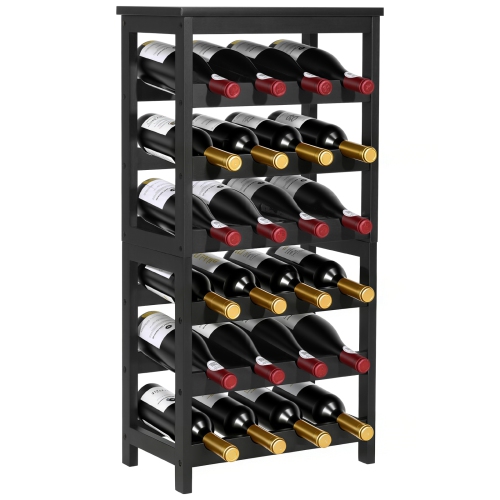
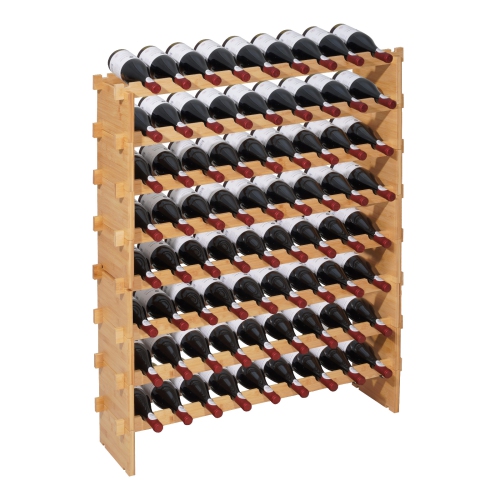
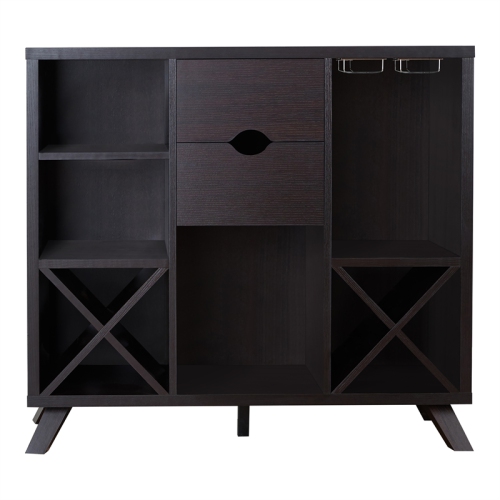
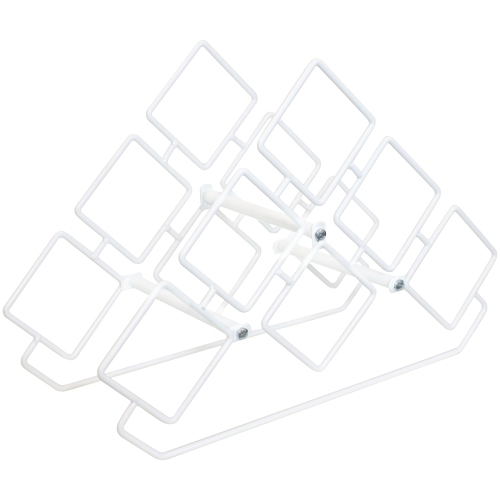
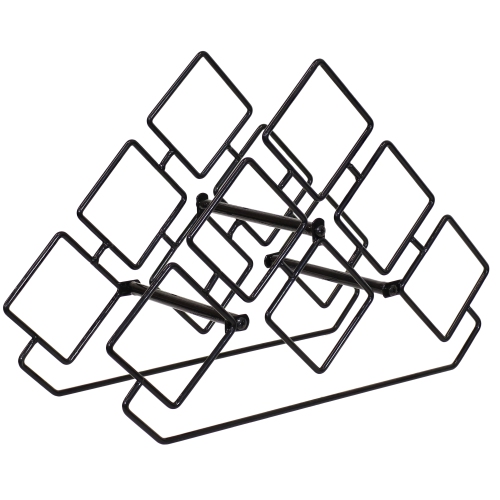
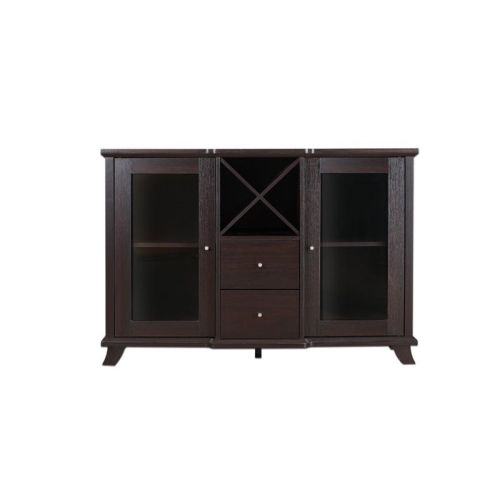
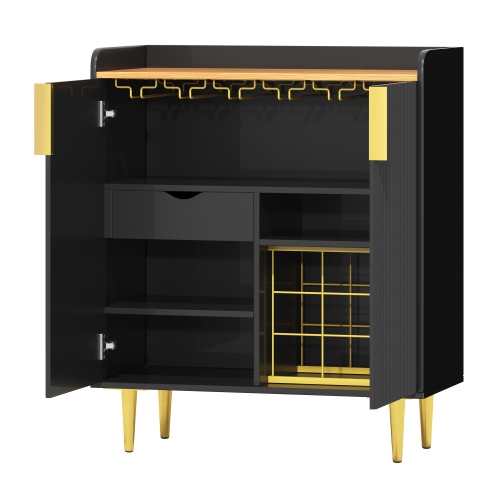
Wine display racks give bottles a designated place while making their labels, shapes, and arrangement part of a room’s design. They range from small countertop holders for a few favourites to freestanding shelving and wall-mounted displays for a larger collection. Wall-mounted wine racks leave counters and floors clear, making them a practical fit for a dining nook, a narrow alcove, or the wall beside a home bar. Label-forward designs hold bottles with their labels facing the room, so different wines are easier to identify without lifting each bottle from its support. Other layouts present bottles neck-first for a more compact arrangement. Freestanding wine racks offer storage without requiring every bottle support to be attached to a wall, although taller units may still need anchoring for safety. Some furniture-style designs combine bottle compartments with a top surface or shelves for serving accessories, bringing several functions into one footprint. Tabletop and countertop wine racks suit smaller collections and frequently used bottles, with compact shapes that can sit on a sideboard or a suitably sized pantry shelf. Modular wine racks use compatible sections that connect or stack, allowing a layout to grow within the limits of the system and the space. These different formats serve distinct purposes: a compact holder keeps dinner selections close at hand, while a larger display makes a collection easier to organize by region, grape variety, or occasion. Bottle orientation also changes the visual effect. A single horizontal row creates a restrained display above a cabinet, whereas repeated rows can turn an otherwise unused wall into a focal point. The most useful arrangement leaves enough room to read labels, grasp a bottle securely, and return it without brushing neighbouring glass. For shared dining and living spaces, a rack that balances visibility with easy access can feel like a natural extension of the furniture rather than a separate storage area.
Materials and construction influence both the appearance of a wine display rack and how it performs in everyday use. Wood brings visible grain and a substantial, furniture-like presence to dining rooms and home bars. Its finish can blend with an existing sideboard or introduce contrast against painted cabinetry. Metal racks often use slimmer supports, allowing more of each bottle to remain visible and lending themselves to open, geometric layouts. Powder-coated surfaces, plated finishes, and combinations of wood and metal offer different textures, but the quality of the joints and bottle supports matters as much as the surface treatment. Smooth contact points help prevent labels from catching, while well-spaced cradles keep bottles from resting directly against one another. For a warm metallic accent, Gold Wine Racks can complement brass-toned cabinet hardware, framed artwork, or bar accessories without requiring every finish in the room to match. Fit involves more than measuring the rack’s outside dimensions. Bottles vary in diameter, length, shoulder shape, and weight, so a stated capacity does not necessarily apply equally to slender bottles, broad sparkling-wine bottles, and larger formats. Individual opening dimensions and supported bottle sizes are especially important when a collection includes several shapes. A countertop rack also needs adequate clearance below upper cabinets, including space to lift or slide bottles out. On a dining-room floor, the rack’s depth should leave a comfortable walking route and avoid interference with chair movement. Wall-mounted designs require fixings appropriate to the wall construction and the weight of the fully loaded rack, not just the empty frame. Freestanding models benefit from a level base and any anti-tip hardware specified by the manufacturer. Modular sections should be joined only in supported configurations; extra height or width can change the demands on the base and connections. These details help distinguish a rack that simply occupies a space from one that works comfortably within it.
Wine display racks are intended to support and present bottles, but an open rack does not provide the controlled storage conditions of a wine cellar or wine fridge. Placement therefore matters, particularly for bottles that will remain on display for an extended period. A spot away from direct sunlight, cooking appliances, and heating vents offers a more suitable setting than a bright windowsill or the space immediately beside an oven. Horizontal storage is commonly used for wine sealed with natural cork because it keeps the wine in contact with the cork; bottles with other closures may have different storage needs. An upright display can be convenient for short-term presentation, but the rack’s intended orientation and the wine producer’s storage advice remain relevant. Day-to-day care is usually straightforward when the materials and finish receive appropriate attention. A soft cloth removes dust from bottle supports and open shelves, while spills should be wiped up promptly to reduce the risk of staining wood or marking metal finishes. Abrasive pads and harsh cleaning products can damage protective coatings, so care directions are worth keeping with the assembly information. Periodic checks of fasteners, connectors, and wall attachments help identify movement before a loose component becomes a problem. In homes with children or pets, secure positioning and a location away from busy play areas are particularly important. Within those practical boundaries, wine racks suit a wide range of households, from apartment dwellers keeping a handful of bottles for dinner to frequent hosts who want an orderly selection beside the serving area. A rack with open shelving can keep suitable glasses and accessories nearby, provided its shelves and hanging supports are designed for that use. As a housewarming or wedding gift for an adult who enjoys wine, a compact display rack offers a lasting addition to a dining space without assuming a large collection. A well-proportioned design can remain useful as tastes change, giving everyday bottles and special selections the same secure, accessible place.
Materials and construction influence both the appearance of a wine display rack and how it performs in everyday use. Wood brings visible grain and a substantial, furniture-like presence to dining rooms and home bars. Its finish can blend with an existing sideboard or introduce contrast against painted cabinetry. Metal racks often use slimmer supports, allowing more of each bottle to remain visible and lending themselves to open, geometric layouts. Powder-coated surfaces, plated finishes, and combinations of wood and metal offer different textures, but the quality of the joints and bottle supports matters as much as the surface treatment. Smooth contact points help prevent labels from catching, while well-spaced cradles keep bottles from resting directly against one another. For a warm metallic accent, Gold Wine Racks can complement brass-toned cabinet hardware, framed artwork, or bar accessories without requiring every finish in the room to match. Fit involves more than measuring the rack’s outside dimensions. Bottles vary in diameter, length, shoulder shape, and weight, so a stated capacity does not necessarily apply equally to slender bottles, broad sparkling-wine bottles, and larger formats. Individual opening dimensions and supported bottle sizes are especially important when a collection includes several shapes. A countertop rack also needs adequate clearance below upper cabinets, including space to lift or slide bottles out. On a dining-room floor, the rack’s depth should leave a comfortable walking route and avoid interference with chair movement. Wall-mounted designs require fixings appropriate to the wall construction and the weight of the fully loaded rack, not just the empty frame. Freestanding models benefit from a level base and any anti-tip hardware specified by the manufacturer. Modular sections should be joined only in supported configurations; extra height or width can change the demands on the base and connections. These details help distinguish a rack that simply occupies a space from one that works comfortably within it.
Wine display racks are intended to support and present bottles, but an open rack does not provide the controlled storage conditions of a wine cellar or wine fridge. Placement therefore matters, particularly for bottles that will remain on display for an extended period. A spot away from direct sunlight, cooking appliances, and heating vents offers a more suitable setting than a bright windowsill or the space immediately beside an oven. Horizontal storage is commonly used for wine sealed with natural cork because it keeps the wine in contact with the cork; bottles with other closures may have different storage needs. An upright display can be convenient for short-term presentation, but the rack’s intended orientation and the wine producer’s storage advice remain relevant. Day-to-day care is usually straightforward when the materials and finish receive appropriate attention. A soft cloth removes dust from bottle supports and open shelves, while spills should be wiped up promptly to reduce the risk of staining wood or marking metal finishes. Abrasive pads and harsh cleaning products can damage protective coatings, so care directions are worth keeping with the assembly information. Periodic checks of fasteners, connectors, and wall attachments help identify movement before a loose component becomes a problem. In homes with children or pets, secure positioning and a location away from busy play areas are particularly important. Within those practical boundaries, wine racks suit a wide range of households, from apartment dwellers keeping a handful of bottles for dinner to frequent hosts who want an orderly selection beside the serving area. A rack with open shelving can keep suitable glasses and accessories nearby, provided its shelves and hanging supports are designed for that use. As a housewarming or wedding gift for an adult who enjoys wine, a compact display rack offers a lasting addition to a dining space without assuming a large collection. A well-proportioned design can remain useful as tastes change, giving everyday bottles and special selections the same secure, accessible place.
Top selling and popular products
-
 Your price for this item is $579.72
 -
 Your price for this item is $567.59
 -
 Your price for this item is $67.15
 -
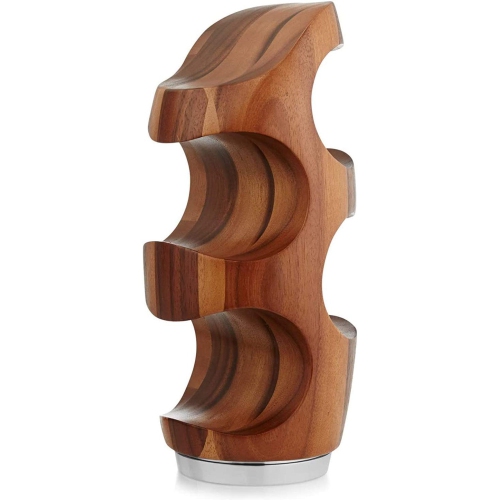 Your price for this item is $151.53
 -
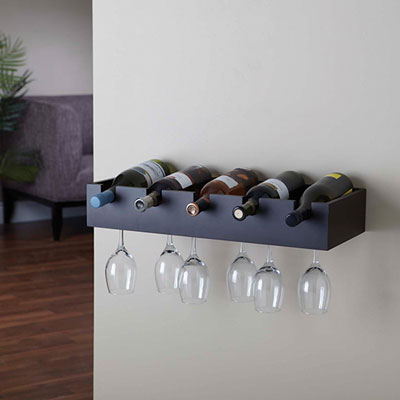 Your price for this item is $35.98
 -
 Your price for this item is $737.82
 -
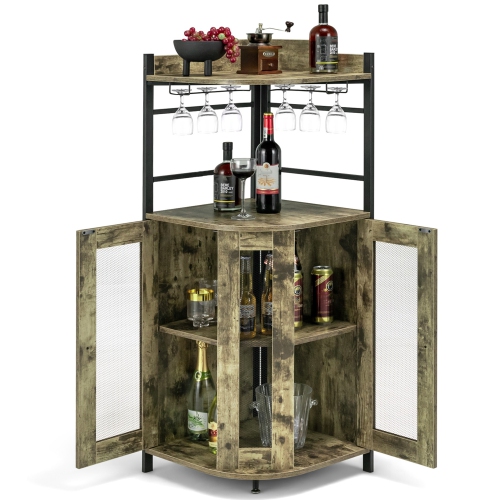 Your price for this item is $177.99
 -
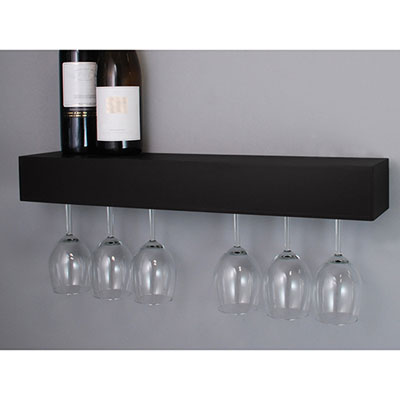 Your price for this item is $29.48
Discover more categories related to Wine Display Racks
Top Collections:
Pokemon Centers, Kindle Devices, Best Budget Office Chairs, Apple iPhones 16, Best Laptops for Writers, iPhone 15 Apple, Canon G7X Cameras, Refurbished Apple Laptops, Alarm Clock, Motorola Razr Phones
Some products may be subject to Environmental Handling Fees
(EHF) depending on your province.
Learn more about EHFs.