Wood And Leather Office Chairs
Wood and leather office chairs provide an elegant and sophisticated look to any workspace. These chairs are not only aesthetically pleasing but also provide comfort and support to those who use them. Wood and leather office chairs come in a variety of styles and sizes to suit any office environment. Here are some of the great options for you.
Sort
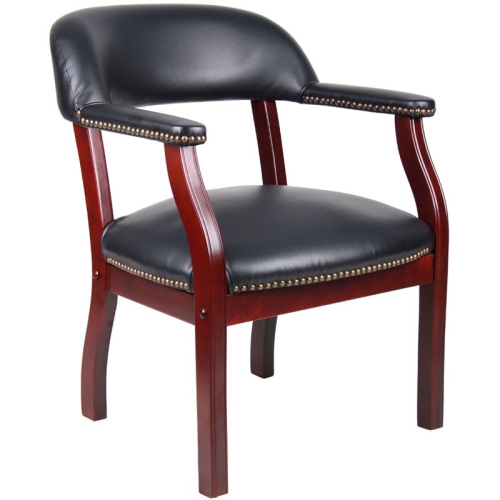
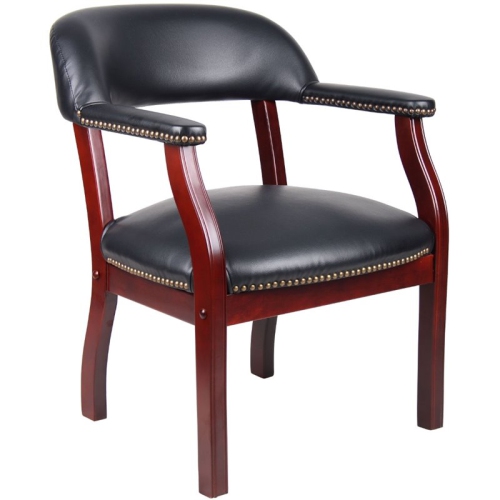
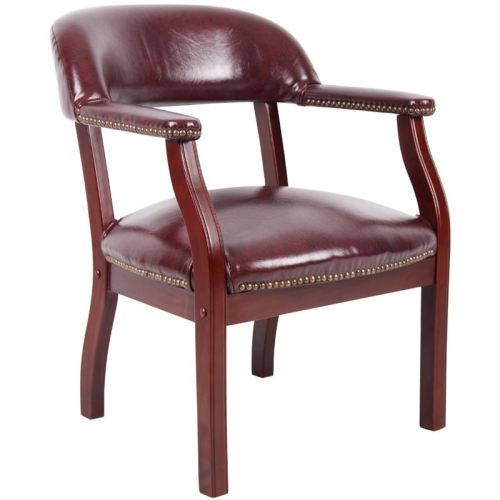
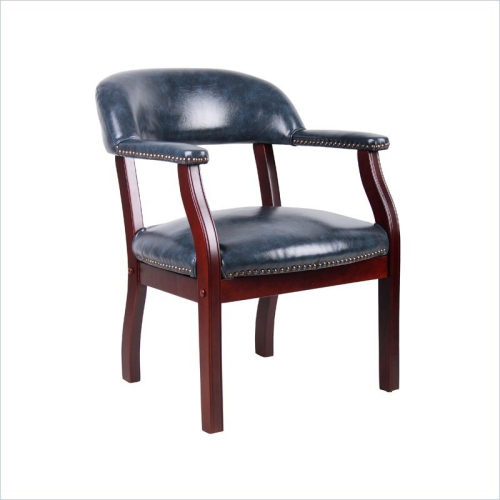
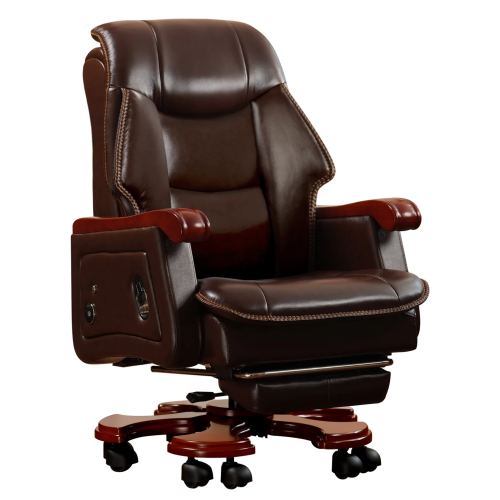
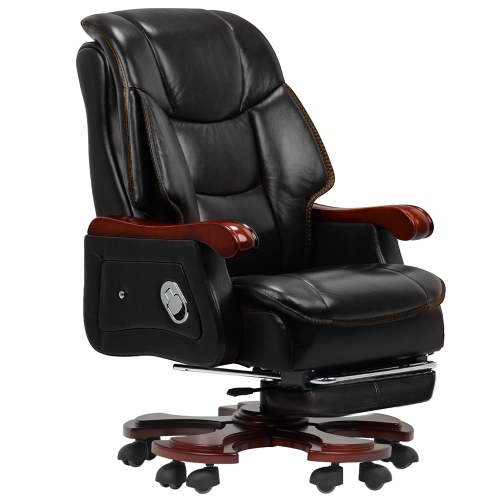
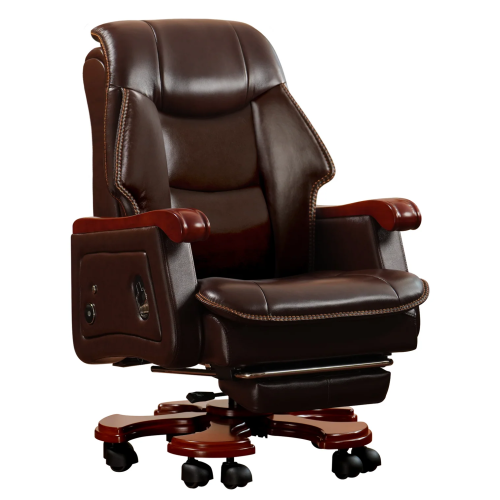
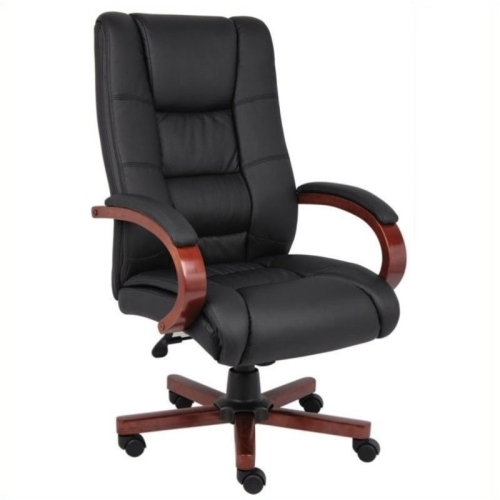
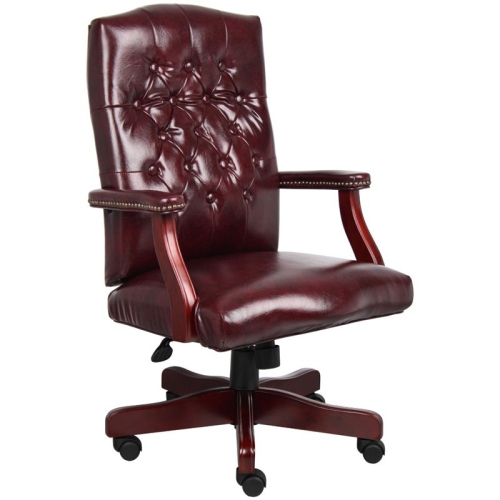
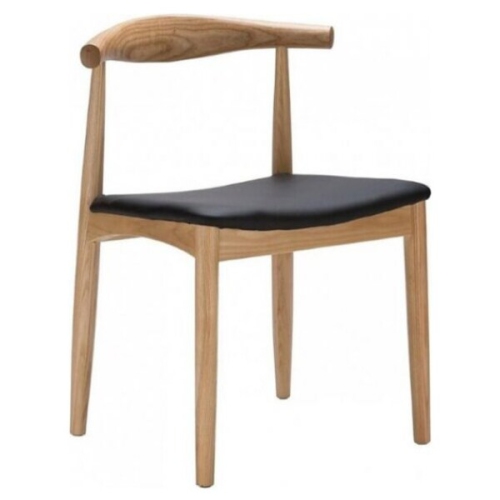
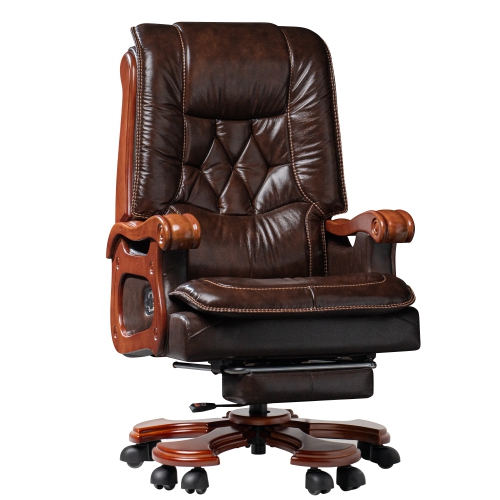
Balance timeless materials with comfort for productive workspaces
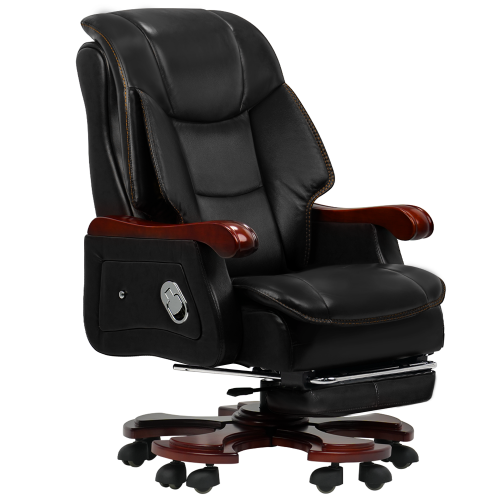
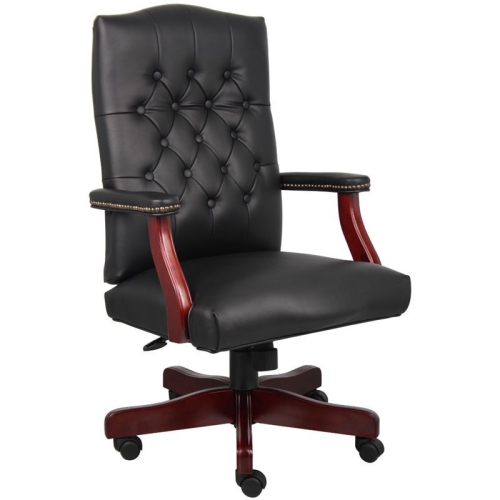
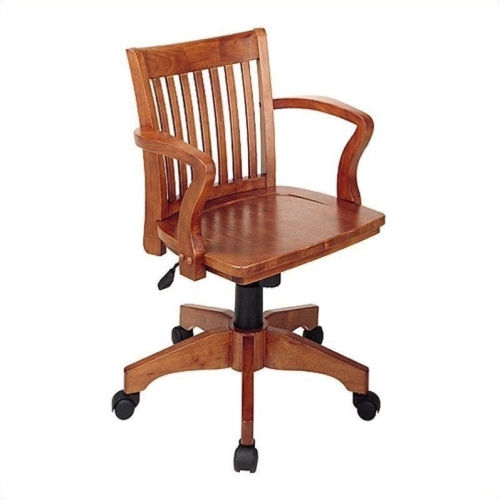
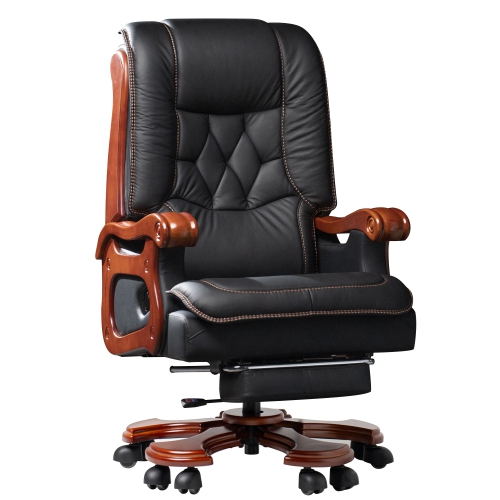
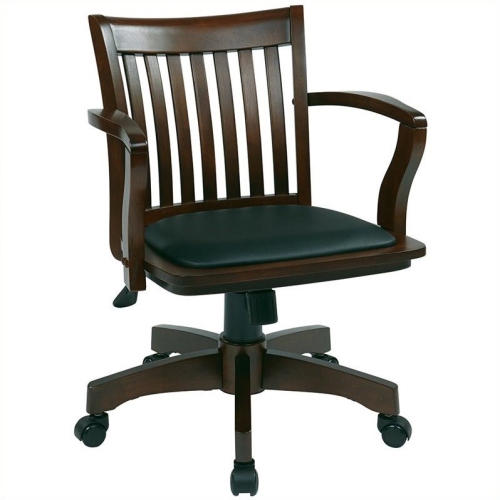
Wood and leather office chairs bring together the warmth of natural-looking wood and the smooth, inviting feel of leather, creating a polished focal point for a home office, study, reception area, or executive workspace. Their appearance can range from traditional and richly detailed to clean-lined and contemporary, making them easy to coordinate with desks, bookcases, flooring, and other furniture. Wood may be used in the frame, backrest, armrests, base, or decorative details, and its look can vary from the pale, understated character of maple to the deeper tones often associated with walnut or oak. When choosing a chair, examine how the wood is incorporated into the design and look for a sturdy frame, secure joints, and a finish that suits the room. Leather adds visual depth while offering a surface that is generally simple to wipe clean after everyday use. Full-grain and top-grain leather are valued for their natural texture and ability to develop character over time, while bonded leather and other leather materials can offer a more accessible way to achieve a similar appearance. The right option depends on how often the chair will be used, the amount of time spent seated, and the level of maintenance that feels practical. A chair used for occasional paperwork may have different requirements from one used through full workdays of video meetings, writing, studying, and computer work. For a coordinated look beyond the office, explore Wood And Leather Dining Chairs for seating that carries the same material combination into a dining or multipurpose space.
Comfort and adjustability are just as important as appearance, particularly when a wood and leather office chair will be part of a daily routine. Begin by considering the seat height and whether it can be adjusted so that feet rest flat on the floor, knees remain comfortably positioned, and the desk surface sits at a natural elbow height. A padded seat can make a noticeable difference during longer sessions, while a shaped backrest may help support an upright posture. Look for features such as adjustable lumbar support, a recline mechanism, a tilt lock, padded armrests, and a seat with enough width and depth for relaxed movement. A chair with a fixed wooden back can look striking, but it may not provide the same flexibility as a design with a contoured backrest or adjustable support. Leather can also feel warmer and less forgiving than mesh or heavily cushioned upholstery, especially in a room that receives direct sunlight or during the warmer part of the year, so padding, ventilation, and the chair’s overall construction deserve close attention. During cooler months, the smooth surface of leather can feel comfortable and substantial, while a breathable shirt or a light seat cushion may help improve comfort as the weather warms. Pay attention to the chair’s dimensions, including overall height, seat height, armrest height, and base width, before placing it in a compact workspace. Casters can make it easier to move between a desk, filing area, and shelving, while a stationary frame may be better suited to a formal study or meeting area. Weight capacity is another practical detail, as is the floor type: rolling casters and protective mats can help a chair move smoothly on hard flooring, while carpet may call for a different caster design.
The best wood and leather office chairs are selected with both the room and the person using them in mind. They can suit professionals furnishing a private office, students creating a focused study corner, or anyone replacing a dining chair with dedicated seating for a computer desk. Their refined appearance also makes them a thoughtful housewarming, graduation, or new-home-office gift when the recipient values classic materials and furniture that feels more substantial than a temporary workspace solution. Before purchasing, measure the available area and compare the chair’s proportions with the desk, since a broad chair with arms may not slide fully beneath a smaller work surface. Consider the room’s lighting as well: darker leather and wood can create a rich, formal atmosphere, whereas lighter finishes may help an office feel open and relaxed. Care is usually straightforward, but following the manufacturer’s instructions is important because different leather finishes and wood coatings respond differently to cleaning products. Dust wood surfaces with a soft, dry cloth, remove spills promptly with a lightly damp cloth when appropriate, and avoid placing the chair where prolonged direct sunlight, heat vents, or excessive moisture could affect the materials. Use leather cleaner or conditioner only when it is recommended for that specific finish, and test any care product in an inconspicuous area first. Keep sharp objects, rough clothing hardware, and pet claws away from the upholstery to reduce the chance of scratches, and tighten hardware if the chair begins to feel loose. With suitable proportions, supportive features, and materials that match the demands of the space, a wood and leather office chair can provide a comfortable place to work while adding a sense of warmth and structure to the room.
Comfort and adjustability are just as important as appearance, particularly when a wood and leather office chair will be part of a daily routine. Begin by considering the seat height and whether it can be adjusted so that feet rest flat on the floor, knees remain comfortably positioned, and the desk surface sits at a natural elbow height. A padded seat can make a noticeable difference during longer sessions, while a shaped backrest may help support an upright posture. Look for features such as adjustable lumbar support, a recline mechanism, a tilt lock, padded armrests, and a seat with enough width and depth for relaxed movement. A chair with a fixed wooden back can look striking, but it may not provide the same flexibility as a design with a contoured backrest or adjustable support. Leather can also feel warmer and less forgiving than mesh or heavily cushioned upholstery, especially in a room that receives direct sunlight or during the warmer part of the year, so padding, ventilation, and the chair’s overall construction deserve close attention. During cooler months, the smooth surface of leather can feel comfortable and substantial, while a breathable shirt or a light seat cushion may help improve comfort as the weather warms. Pay attention to the chair’s dimensions, including overall height, seat height, armrest height, and base width, before placing it in a compact workspace. Casters can make it easier to move between a desk, filing area, and shelving, while a stationary frame may be better suited to a formal study or meeting area. Weight capacity is another practical detail, as is the floor type: rolling casters and protective mats can help a chair move smoothly on hard flooring, while carpet may call for a different caster design.
The best wood and leather office chairs are selected with both the room and the person using them in mind. They can suit professionals furnishing a private office, students creating a focused study corner, or anyone replacing a dining chair with dedicated seating for a computer desk. Their refined appearance also makes them a thoughtful housewarming, graduation, or new-home-office gift when the recipient values classic materials and furniture that feels more substantial than a temporary workspace solution. Before purchasing, measure the available area and compare the chair’s proportions with the desk, since a broad chair with arms may not slide fully beneath a smaller work surface. Consider the room’s lighting as well: darker leather and wood can create a rich, formal atmosphere, whereas lighter finishes may help an office feel open and relaxed. Care is usually straightforward, but following the manufacturer’s instructions is important because different leather finishes and wood coatings respond differently to cleaning products. Dust wood surfaces with a soft, dry cloth, remove spills promptly with a lightly damp cloth when appropriate, and avoid placing the chair where prolonged direct sunlight, heat vents, or excessive moisture could affect the materials. Use leather cleaner or conditioner only when it is recommended for that specific finish, and test any care product in an inconspicuous area first. Keep sharp objects, rough clothing hardware, and pet claws away from the upholstery to reduce the chance of scratches, and tighten hardware if the chair begins to feel loose. With suitable proportions, supportive features, and materials that match the demands of the space, a wood and leather office chair can provide a comfortable place to work while adding a sense of warmth and structure to the room.
Top selling and popular products
-
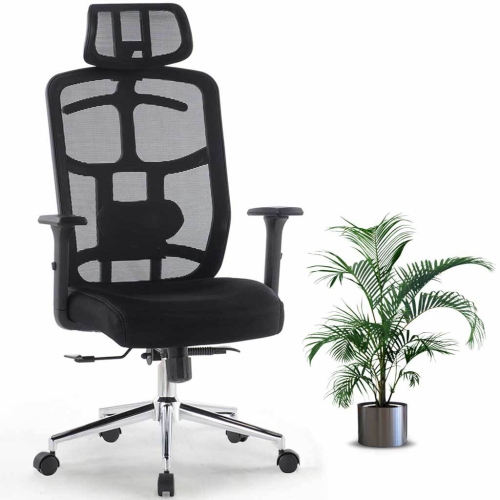 Your price for this item is $119.99
 -
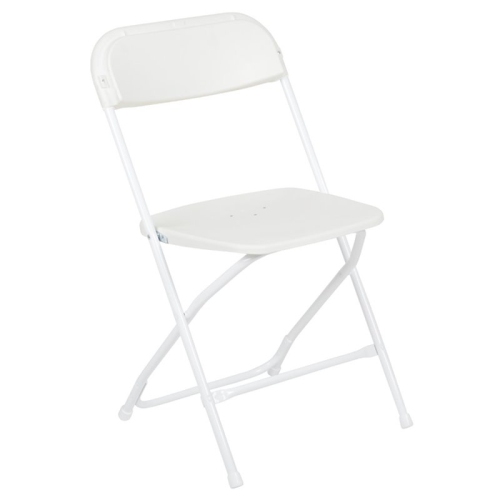 Your price for this item is $123
 -
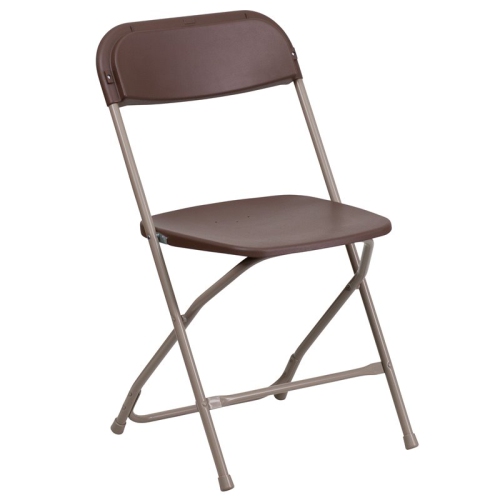 Your price for this item is $139.99
 -
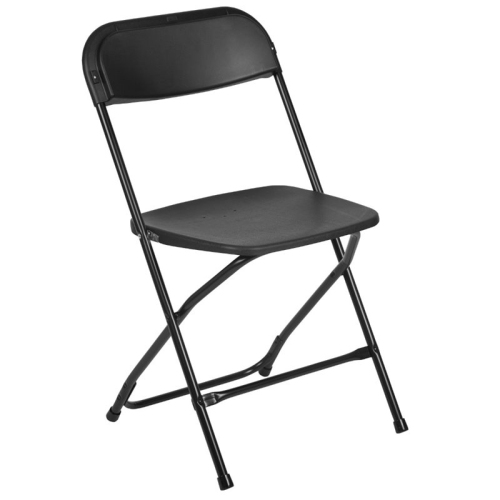 Your price for this item is $139.99
 -
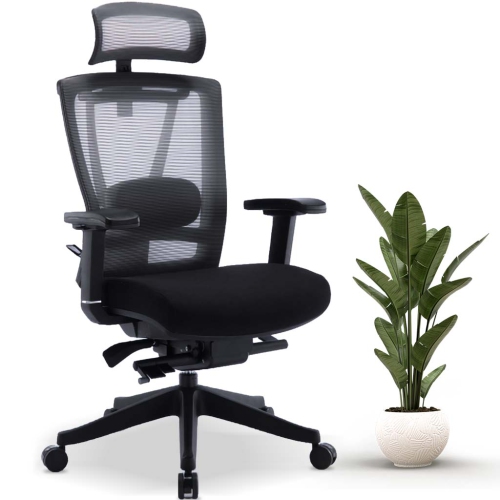 Your price for this item is $379.99
 -
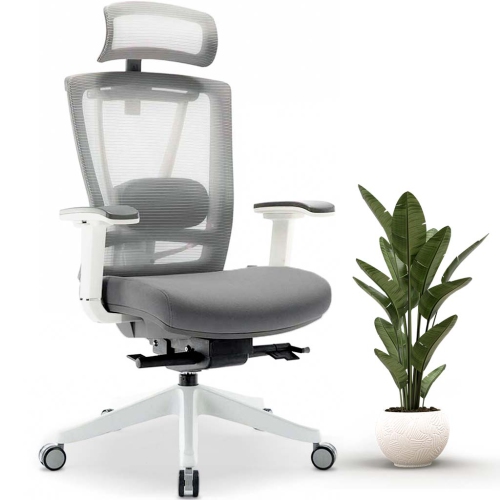 Your price for this item is $379.99
 -
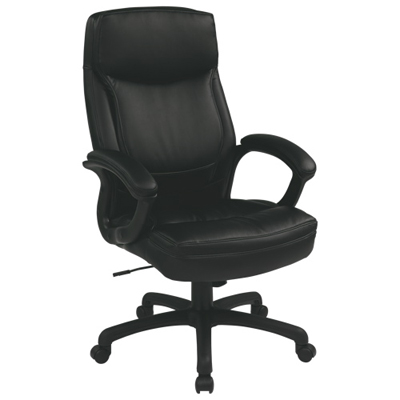 Your price for this item is $594.99
 -
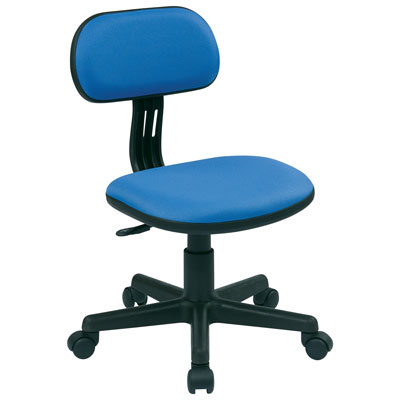 Your price for this item is $174.98
Discover more categories related to Wood And Leather Office Chairs
Top Collections:
Best Laptops for Video Editing, Pokemon Centers, Samsung Z Fold, Kindle Devices, Best Cell Phones Under $300, Best Laptops for Writers, Best Budget Office Chairs, Best Cell Phones Under $500, Best Laptop Computers for Students, iPhone 15 Apple
Some products may be subject to Environmental Handling Fees
(EHF) depending on your province.
Learn more about EHFs.