Wood Armoire Wardrobe
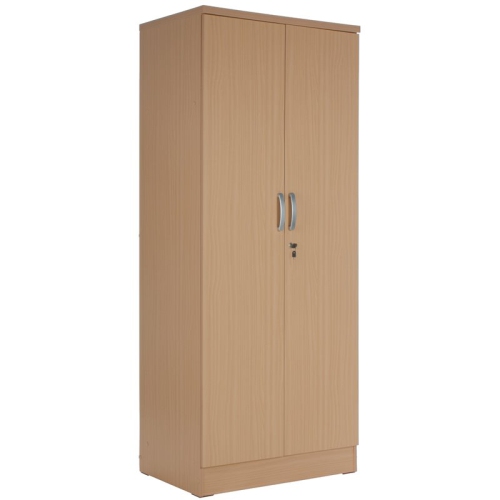
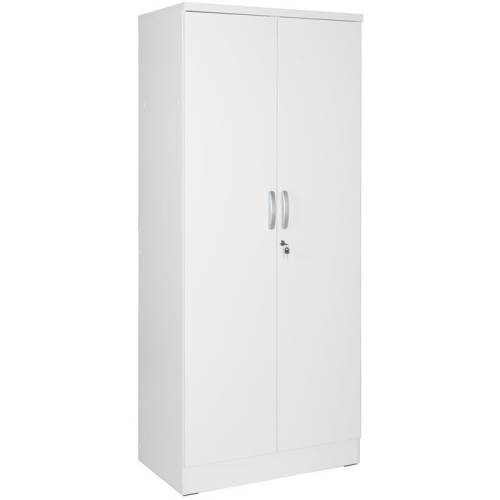
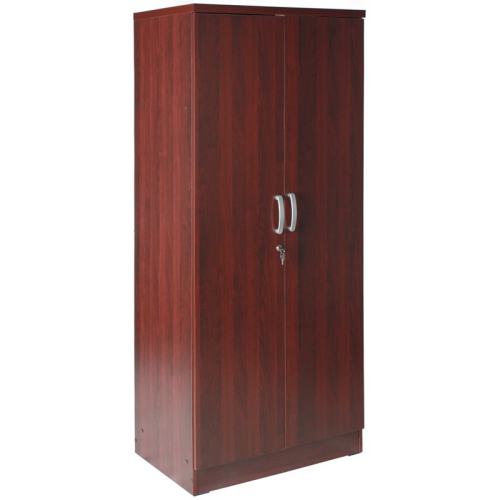
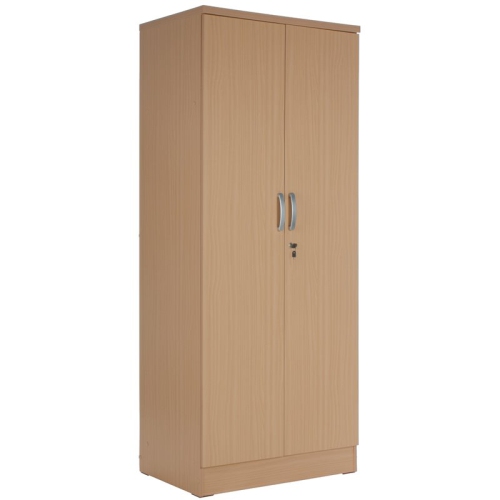
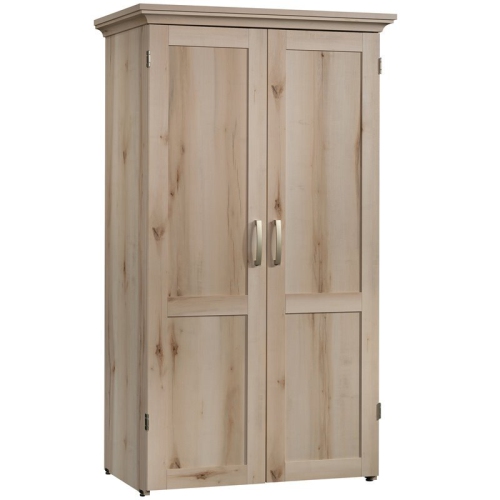
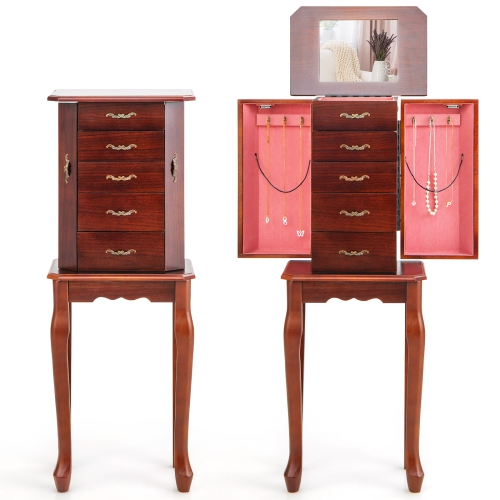
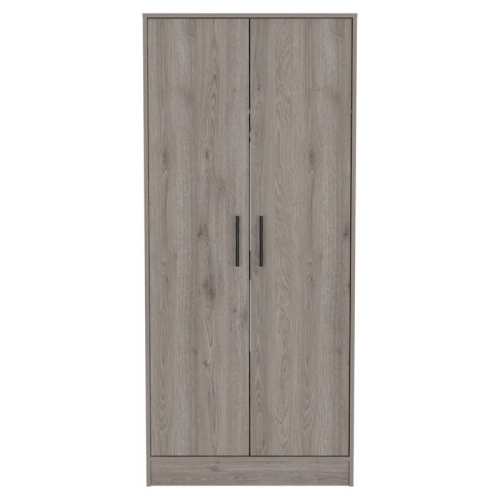
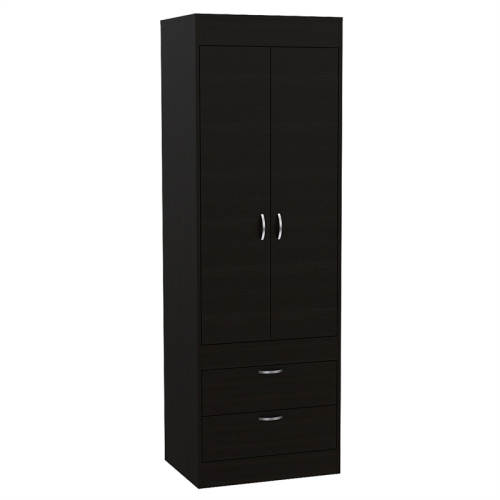
Armoire wardrobes are typically taller than a regular wardrobe, and they usually have two doors that open to reveal a large storage space. Wood armoire wardrobes are especially desirable because of their timeless look and classic style. Here are some great options available.
Sort
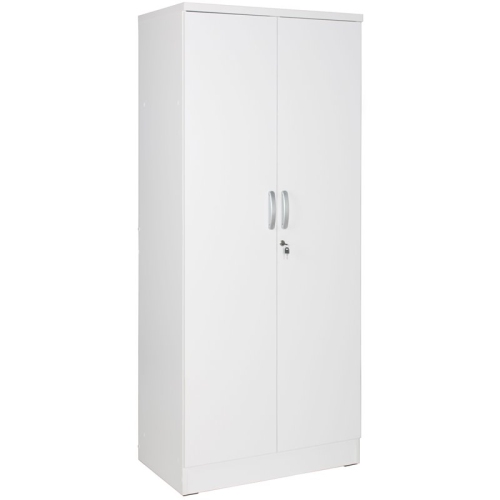
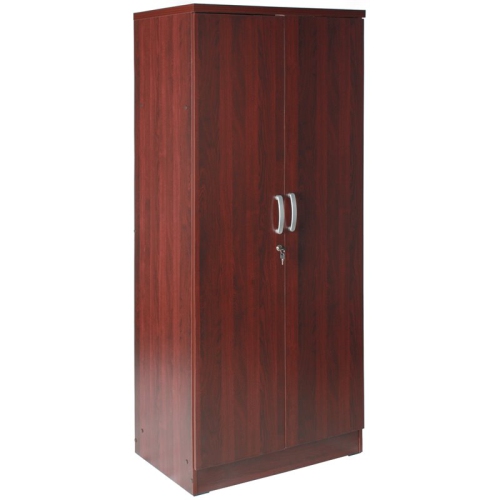
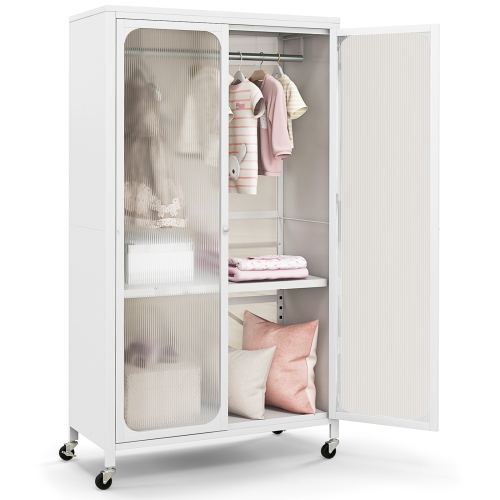
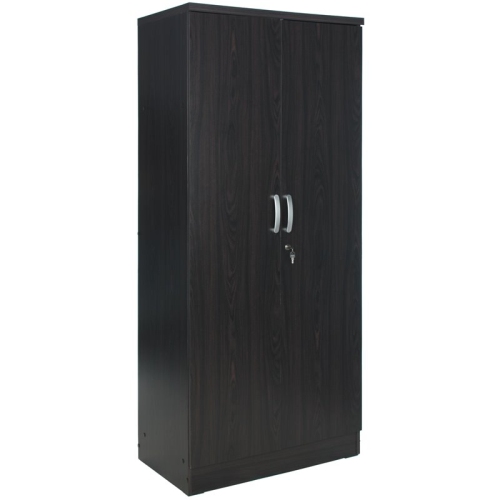

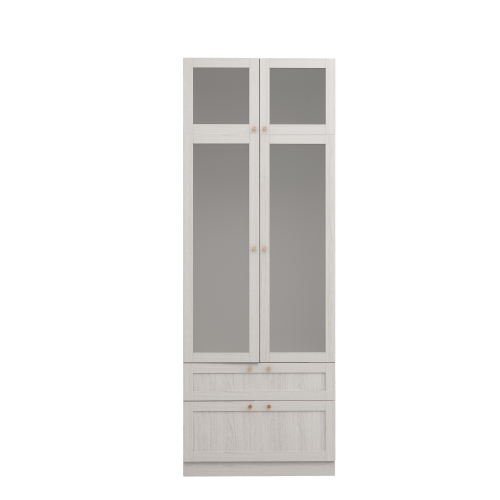

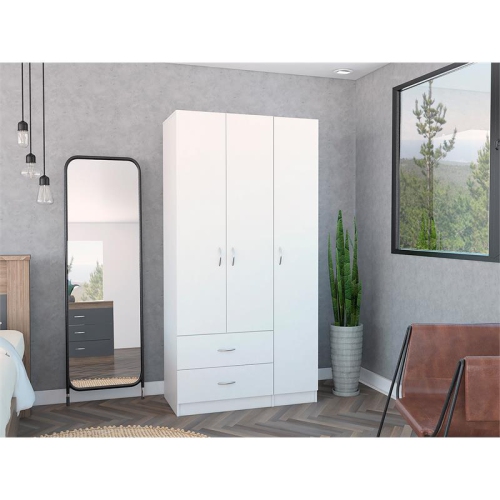
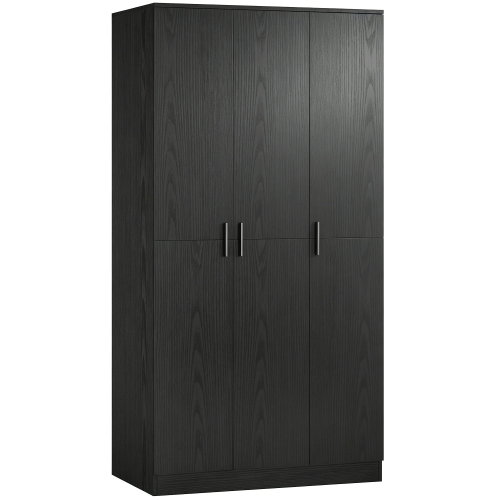
Flexible storage for clothing, linens, and changing spaces
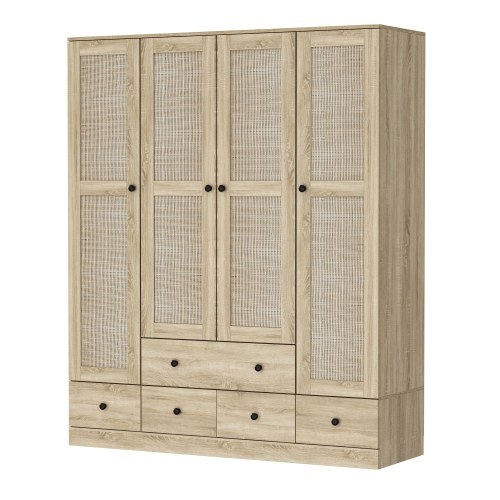
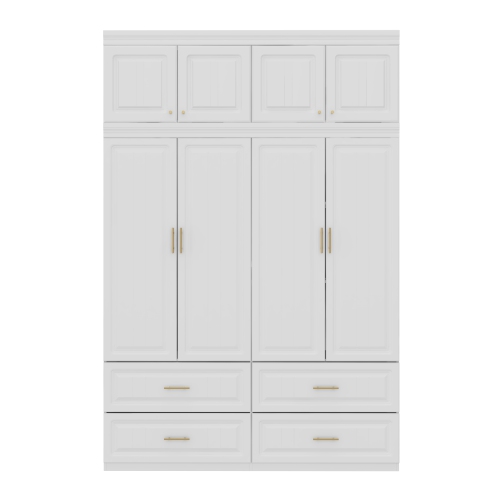
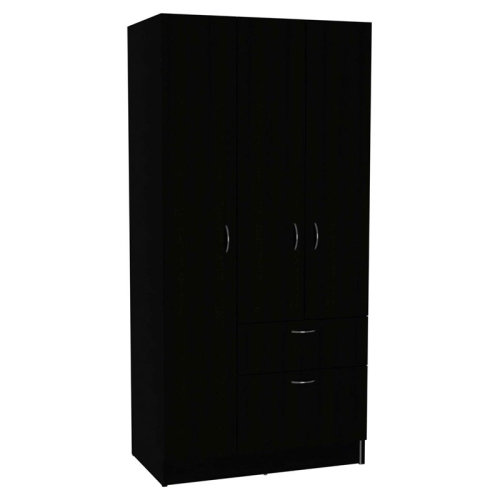
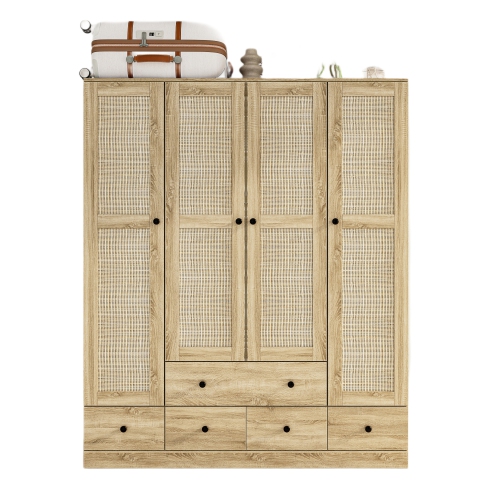
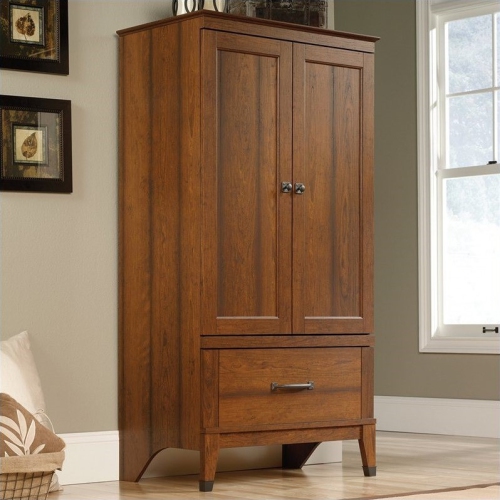
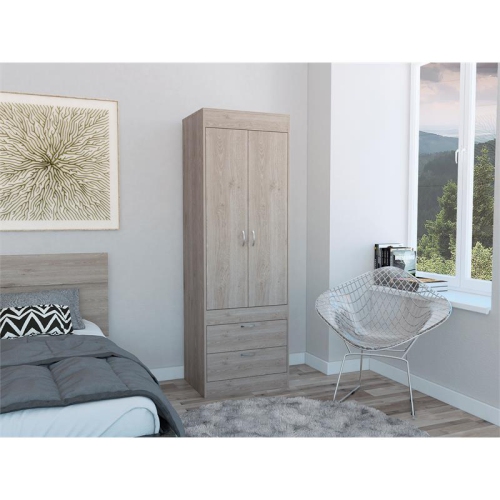
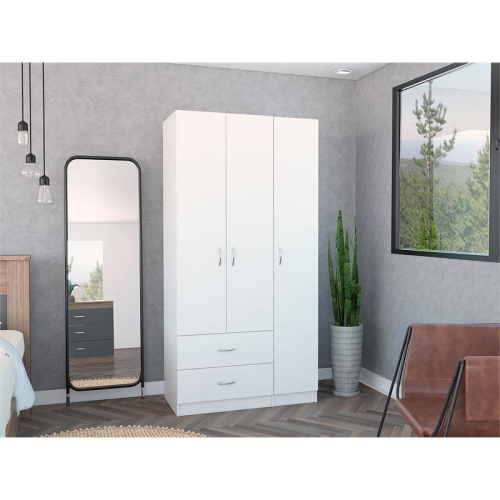
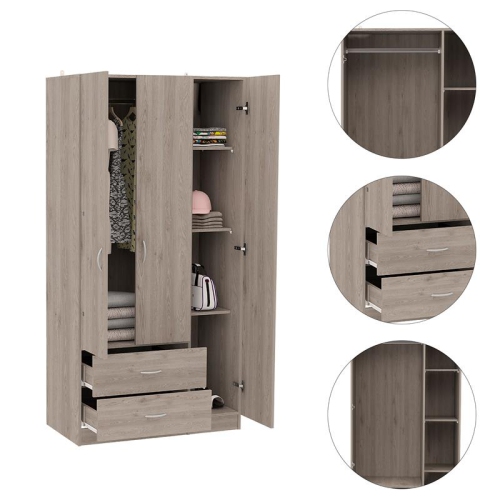
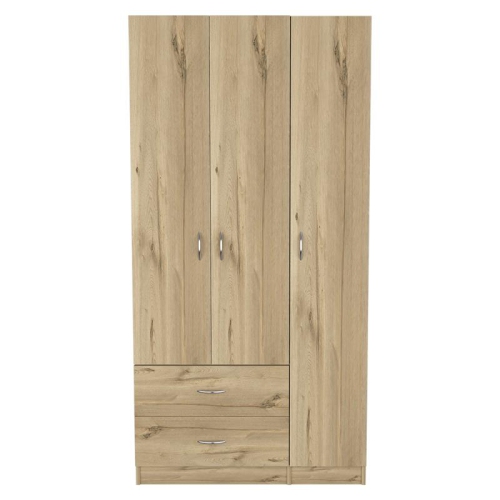
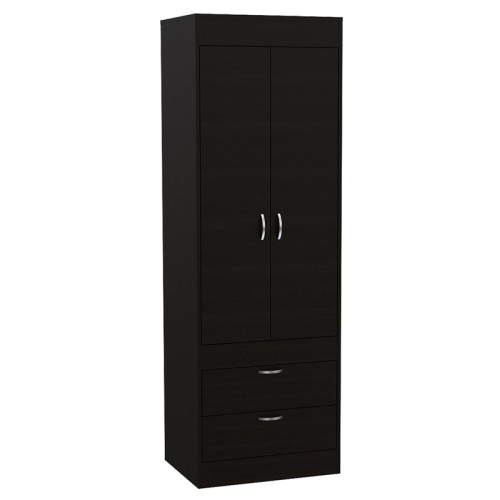
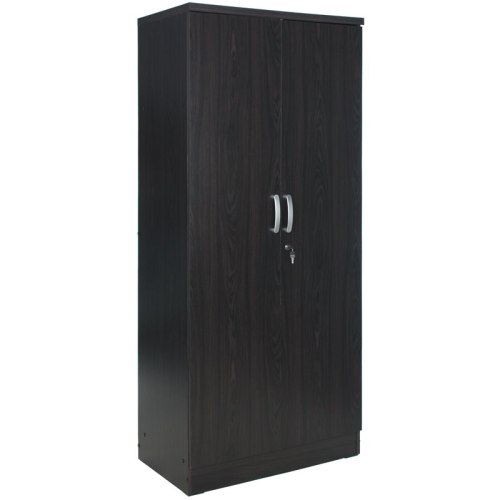
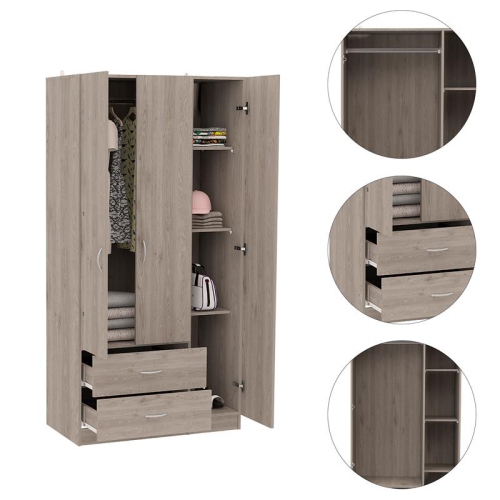
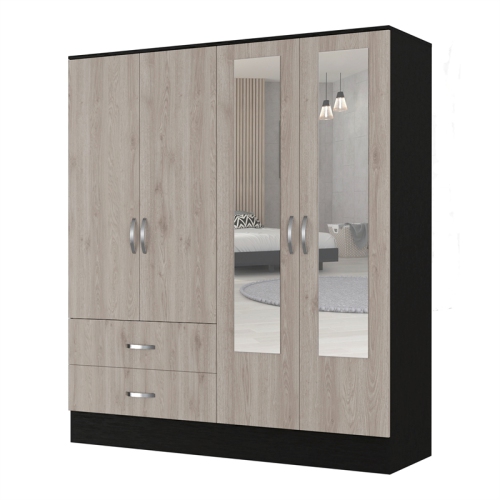
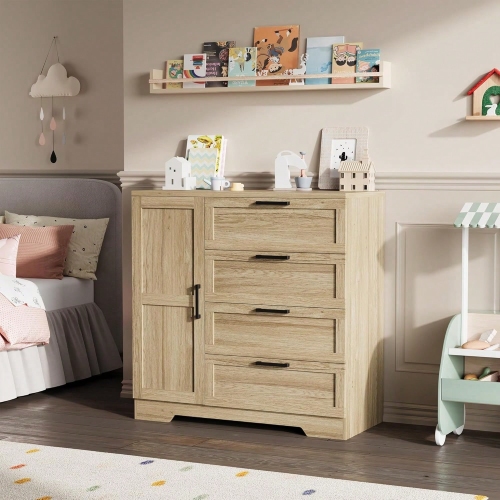
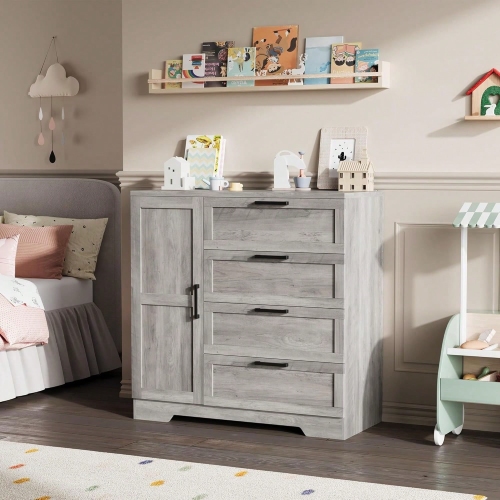
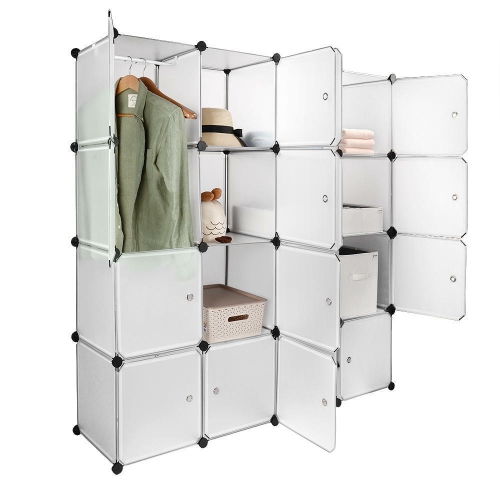
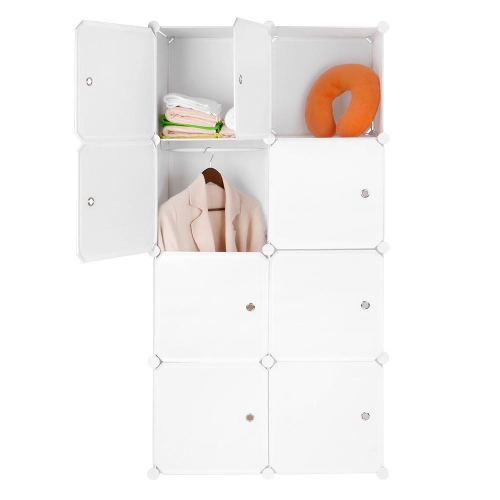
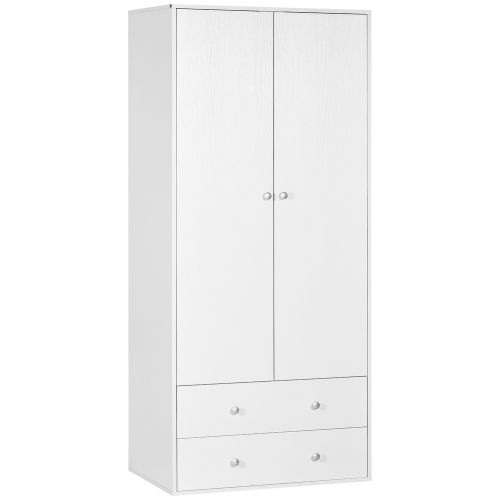
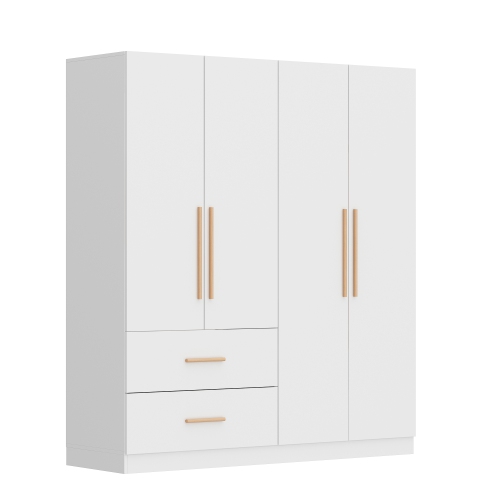
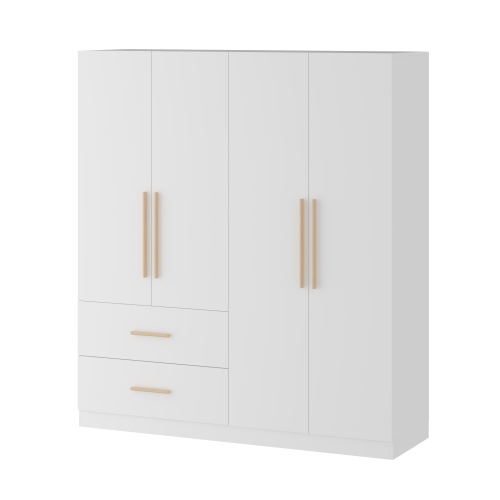
A wood armoire wardrobe combines the practical storage of a wardrobe with the presence of a freestanding furniture piece. Unlike a built-in closet, it can be positioned where it best suits the room and relocated as your needs change, making it useful in bedrooms, guest rooms, entryways, dressing areas, and even living spaces. Behind its doors, a hanging rail can keep shirts, dresses, jackets, uniforms, and seasonal layers neatly arranged, while shelves and drawers provide room for folded clothing, shoes, handbags, linens, or accessories. Some designs have a tall, traditional silhouette with decorative moulding and panelled doors, while others use clean lines, simple hardware, and a restrained finish that fits comfortably in a contemporary home. Natural-looking wood grain can add warmth beside painted walls and soft textiles, while darker finishes can create a more grounded, classic appearance. If your room has limited closet space, an armoire can turn an unused wall into a dedicated storage zone without requiring permanent renovations. It can also be a helpful choice for older homes, apartments, rentals, or guest accommodations where closet layouts may be modest or difficult to change. For a more streamlined look, explore a Modern Wood Armoire with a profile that complements current furniture and décor. A wood armoire wardrobe may also suit a nursery or child’s room as storage needs develop, although the interior layout and overall size should be appropriate for the user and the available space.
When choosing a wood armoire wardrobe, start by measuring the intended location carefully. Record the height, width, and depth of the available area, then account for baseboards, trim, nearby furniture, light switches, and the clearance required for doors to open fully. A tall armoire may offer generous capacity but can overwhelm a compact room, while a narrower design may work well in a hallway or smaller bedroom. Check the dimensions of doorways, stairwells, elevators, and other routes into your home as well, since a large furniture piece must be able to reach its final position. Consider how you organize clothing in everyday life. A full-length hanging section is useful for coats, dresses, trousers, and longer garments, whereas a divided interior may be more convenient for shirts, children’s clothing, or smaller collections. Adjustable shelves can accommodate changing storage needs, and drawers are handy for socks, belts, scarves, and other items that are easily misplaced on open shelves. If footwear will be stored inside, allow for adequate shelf height and ventilation, and keep heavier items low to make the cabinet easier to use. Construction is another important consideration. Solid wood can offer a substantial feel and visible grain, while engineered wood components can provide consistent surfaces and a broad range of finishes. Look at the material used for the frame, doors, shelves, drawer fronts, and back panel, as these parts contribute to the armoire’s durability and stability. Smoothly finished edges, sturdy hinges, well-supported shelves, and drawers that open without sticking are useful signs of thoughtful construction. Hardware also affects the experience: knobs and pulls should be comfortable to grasp, and door mechanisms should suit the available space. Before bringing the armoire into service, follow the assembly instructions closely and use the supplied wall-anchoring hardware where recommended, particularly in homes with children or pets. Keep the unit on a level surface, avoid placing excessive weight on a single shelf, and distribute heavier belongings toward the lower sections.
A wood armoire wardrobe can help create a calmer daily routine by giving frequently used items a defined place. In a bedroom, clothing can be grouped by type, season, or frequency of use, with everyday pieces kept at an easy-to-reach height and occasional items stored above or below. During the cooler months, it can hold heavier sweaters, outer layers, blankets, and winter accessories without crowding a smaller closet. As the weather warms, lighter clothing, swimwear, and spare linens can take their place, while less-used items move to the upper shelves. In an entryway, an armoire can keep coats, hats, bags, and footwear contained instead of scattered across chairs and floors. In a guest room, it gives visitors a dedicated place for luggage and clothing, helping the space feel welcoming and considered. A larger cabinet can also support a flexible home: one section might hold clothing, another spare bedding, and a drawer or shelf might organize personal accessories. For households that move between rooms or change layouts over time, the freestanding design offers more flexibility than fixed storage. A wood armoire wardrobe can be a thoughtful housewarming gift for someone furnishing a first home, a useful addition to a guest suite, or a practical present for a family member preparing a nursery or reorganizing a bedroom. To maintain its appearance, dust the exterior and interior with a soft, dry cloth, wipe spills promptly, and use cleaning products only when they are suitable for the finish. Avoid overfilling the doors or shelves, and periodically check hinges, handles, shelf supports, and anchoring points. With an appropriate size, well-planned interior, and finish that works with the surrounding room, a wood armoire wardrobe can provide dependable storage while adding the warmth and character of a substantial furniture piece.
When choosing a wood armoire wardrobe, start by measuring the intended location carefully. Record the height, width, and depth of the available area, then account for baseboards, trim, nearby furniture, light switches, and the clearance required for doors to open fully. A tall armoire may offer generous capacity but can overwhelm a compact room, while a narrower design may work well in a hallway or smaller bedroom. Check the dimensions of doorways, stairwells, elevators, and other routes into your home as well, since a large furniture piece must be able to reach its final position. Consider how you organize clothing in everyday life. A full-length hanging section is useful for coats, dresses, trousers, and longer garments, whereas a divided interior may be more convenient for shirts, children’s clothing, or smaller collections. Adjustable shelves can accommodate changing storage needs, and drawers are handy for socks, belts, scarves, and other items that are easily misplaced on open shelves. If footwear will be stored inside, allow for adequate shelf height and ventilation, and keep heavier items low to make the cabinet easier to use. Construction is another important consideration. Solid wood can offer a substantial feel and visible grain, while engineered wood components can provide consistent surfaces and a broad range of finishes. Look at the material used for the frame, doors, shelves, drawer fronts, and back panel, as these parts contribute to the armoire’s durability and stability. Smoothly finished edges, sturdy hinges, well-supported shelves, and drawers that open without sticking are useful signs of thoughtful construction. Hardware also affects the experience: knobs and pulls should be comfortable to grasp, and door mechanisms should suit the available space. Before bringing the armoire into service, follow the assembly instructions closely and use the supplied wall-anchoring hardware where recommended, particularly in homes with children or pets. Keep the unit on a level surface, avoid placing excessive weight on a single shelf, and distribute heavier belongings toward the lower sections.
A wood armoire wardrobe can help create a calmer daily routine by giving frequently used items a defined place. In a bedroom, clothing can be grouped by type, season, or frequency of use, with everyday pieces kept at an easy-to-reach height and occasional items stored above or below. During the cooler months, it can hold heavier sweaters, outer layers, blankets, and winter accessories without crowding a smaller closet. As the weather warms, lighter clothing, swimwear, and spare linens can take their place, while less-used items move to the upper shelves. In an entryway, an armoire can keep coats, hats, bags, and footwear contained instead of scattered across chairs and floors. In a guest room, it gives visitors a dedicated place for luggage and clothing, helping the space feel welcoming and considered. A larger cabinet can also support a flexible home: one section might hold clothing, another spare bedding, and a drawer or shelf might organize personal accessories. For households that move between rooms or change layouts over time, the freestanding design offers more flexibility than fixed storage. A wood armoire wardrobe can be a thoughtful housewarming gift for someone furnishing a first home, a useful addition to a guest suite, or a practical present for a family member preparing a nursery or reorganizing a bedroom. To maintain its appearance, dust the exterior and interior with a soft, dry cloth, wipe spills promptly, and use cleaning products only when they are suitable for the finish. Avoid overfilling the doors or shelves, and periodically check hinges, handles, shelf supports, and anchoring points. With an appropriate size, well-planned interior, and finish that works with the surrounding room, a wood armoire wardrobe can provide dependable storage while adding the warmth and character of a substantial furniture piece.
Top selling and popular products
-
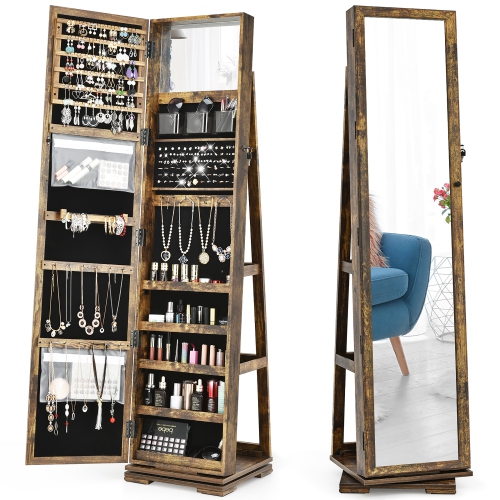 Your price for this item is $224.99
 -
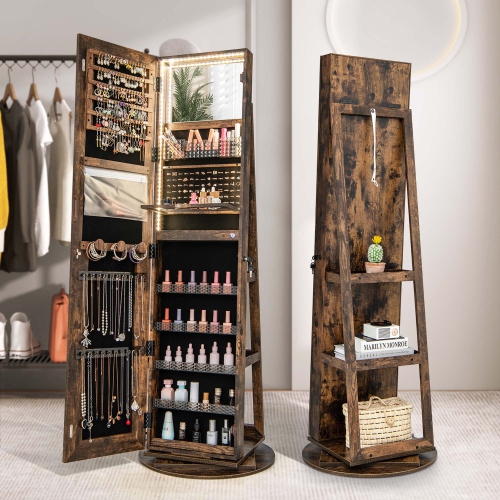 Your price for this item is $289.99
 -
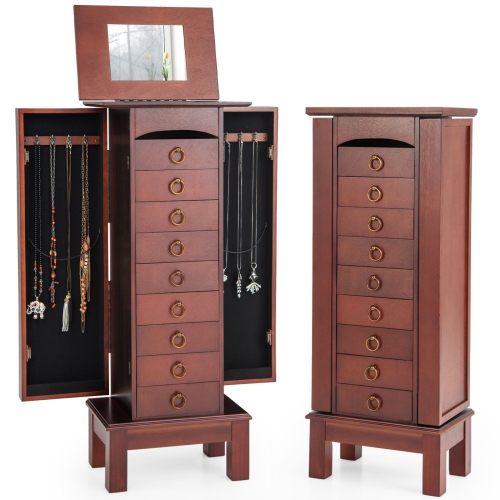 Your price for this item is $199.99
 -
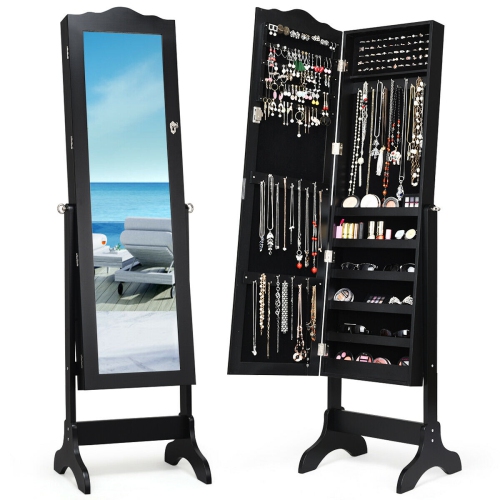 Your price for this item is $169.99
 -
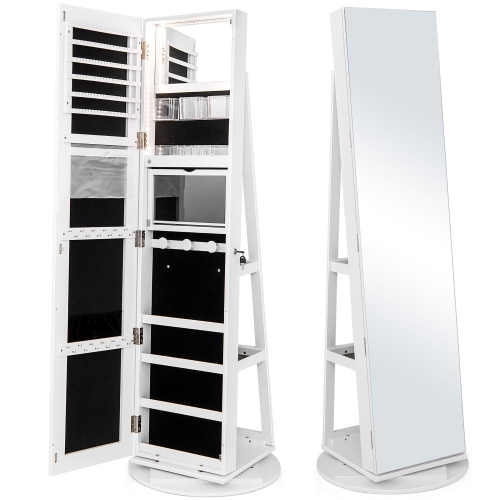 Your price for this item is $199.99
 -
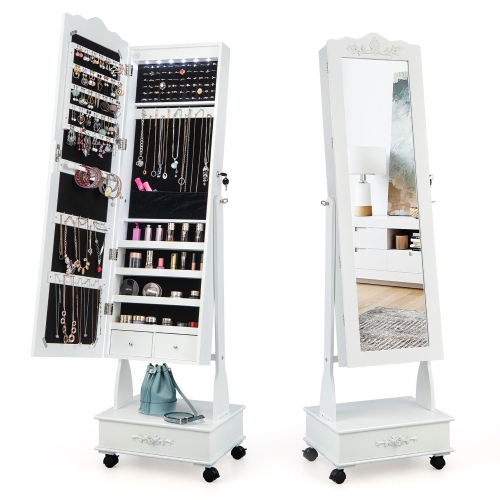 Your price for this item is $189.99
 -
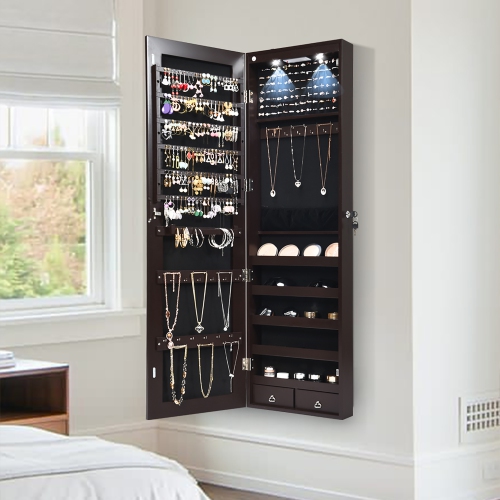 Your price for this item is $169.99
 -
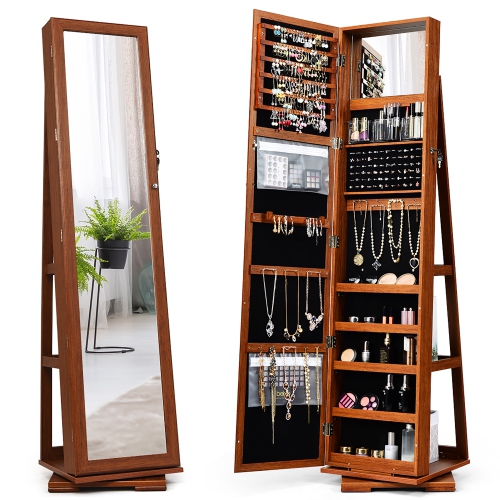 Your price for this item is $229.99
Discover more categories related to Wood Armoire Wardrobe
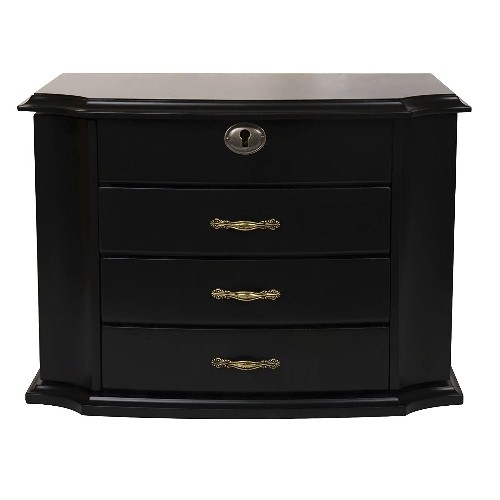
Top Collections:
Best Laptops for Video Editing, Pokemon Centers, Samsung Z Fold, Kindle Devices, Best Cell Phones Under $300, Best Laptops for Writers, Best Budget Office Chairs, Best Cell Phones Under $500, Best Laptop Computers for Students, iPhone 15 Apple
Some products may be subject to Environmental Handling Fees
(EHF) depending on your province.
Learn more about EHFs.