Wood Pellet BBQs
Get ready to elevate your outdoor cooking game with our selection of wood pellet BBQs. These versatile grills offer a unique and flavorful way to barbecue, giving your food that delicious smoky taste that everyone loves. Whether you're a seasoned grill master or just starting out, wood pellet BBQs are easy to use and maintain, making them the perfect choice for all your backyard gatherings and cookouts. Explore our range of wood pellet BBQs and take your outdoor cooking experience to the next level.
Sort


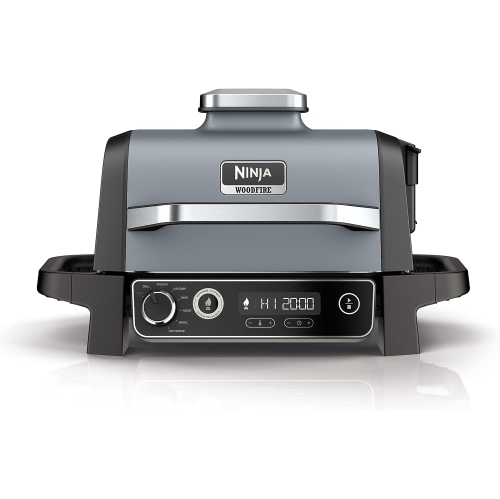


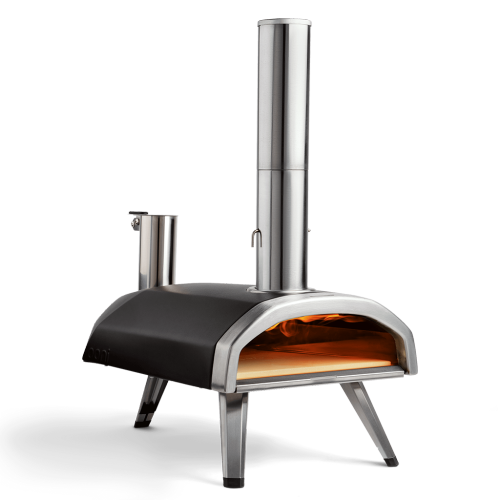
Consistent smoke and temperature control for relaxed outdoor cooking
Wood pellet BBQs bring together the smoky character of a traditional wood-fired cook with the convenience of digital temperature control. Instead of loading charcoal or managing a bed of logs, you fill the hopper with compressed hardwood pellets, select a cooking temperature, and let the BBQ regulate the fire as you cook. An electric motor turns an auger that moves pellets from the hopper into a small fire pot, while a fan circulates heat and smoke through the cooking chamber. This steady, indirect heat makes pellet BBQs especially useful for low-and-slow cooking, where brisket, pork shoulder, ribs, chicken, and other larger cuts benefit from several hours of consistent warmth. Many models also handle everyday grilling, roasting, baking, and, depending on their maximum temperature and design, higher-heat searing. Hardwood pellet flavours can add a distinctive character to food, with options such as hickory, apple, maple, or mesquite influencing the aroma and taste of everything from burgers to vegetables. A pellet BBQ can become the centre of a relaxed weekend meal: the hopper is filled, the temperature is set, and there is more time to prepare sides, enjoy conversation, or keep an eye on the rest of the gathering rather than constantly adjusting vents and adding fuel. Digital displays make it easier to follow the selected temperature, while integrated meat probes on some models help monitor the internal temperature of food without lifting the lid. Wi-Fi-enabled BBQs can add remote monitoring and notifications through a compatible smartphone app, which may be helpful when a long cook overlaps with other household tasks. As with any outdoor cooking appliance, the BBQ should be placed on a stable, level surface with suitable clearance from walls, railings, overhead coverings, and combustible materials, and it requires access to a properly rated outdoor power connection.
When choosing among wood pellet BBQs, start with the way you expect to cook and the number of people you usually serve. A compact cooking area may suit couples, smaller families, balconies or patios where permitted, and cooks who tend to prepare a few steaks, burgers, or chicken pieces at a time. A larger grate provides room for several racks of ribs, a whole turkey, multiple trays of vegetables, or different foods with different cooking times, making it more practical for frequent entertaining. Consider the hopper capacity as well: a larger hopper can reduce the need to refill pellets during extended smoking sessions, while a smaller unit may be easier to fit into a limited outdoor space. Temperature range is another important detail. Pellet BBQs are known for controlled lower-temperature smoking, but maximum heat varies, so check whether a model is intended mainly for smoking and roasting or whether it also offers the high heat needed for direct searing. Some designs include separate zones, adjustable racks, sear plates, or dedicated accessories that expand how the cooking surface can be used. Construction and mobility matter as well. Look for sturdy legs, locking casters, durable handles, and a lid that opens smoothly, particularly if the BBQ will be moved between storage and the cooking area during cooler months. A fitted cover can help protect the appliance between uses, but it should only be placed over a clean, dry BBQ according to the care instructions. Pellet BBQs also need regular maintenance. Grease should be managed with the provided tray or collection system, cooking grates should be brushed when appropriate, and ash should be removed from the fire pot once the appliance has cooled and been disconnected from power. Keeping the hopper and pellet feed area dry is important because moisture can cause pellets to swell and interfere with the auger. Before buying, review the required electrical connection, cooking dimensions, included probes or racks, control method, warranty information, and availability of compatible pellets and replacement parts.
Wood pellet BBQs can be a thoughtful gift for a new homeowner, a home cook who enjoys trying longer recipes, or someone who likes hosting meals outdoors during the warmer part of the year and the cooler months that follow. They suit cooks who appreciate a gentle hardwood-smoked flavour but prefer a more controlled process than tending a charcoal fire. They can also make outdoor cooking feel more approachable for someone learning how to smoke meat, since digital controls and temperature probes provide useful structure while they build experience. Pellet BBQs are not entirely hands-off: the cook still needs to season food, check the fire and temperature, turn or reposition items when necessary, and allow time for proper preheating and resting. Pellets also need to be selected and stored with care, since different hardwoods can complement different foods and damp fuel may not feed properly. For cooks who place a premium on compact storage and a straightforward live-fire setup, a Portable Charcoal BBQ may be a better fit, but it offers a different cooking experience and does not provide the same automated pellet-feeding system. Whether the plan involves slow-smoking ribs for a family meal, roasting vegetables alongside a Sunday dinner, baking a pizza outdoors, or grilling simple weeknight fare, the right wood pellet BBQ should match the available space, preferred cooking style, serving size, temperature range, and level of control. With sensible placement, dry pellet storage, routine cleaning, and attention to the manufacturer’s instructions, it can support a wide range of outdoor meals throughout the changing seasons.
Top selling and popular products
-
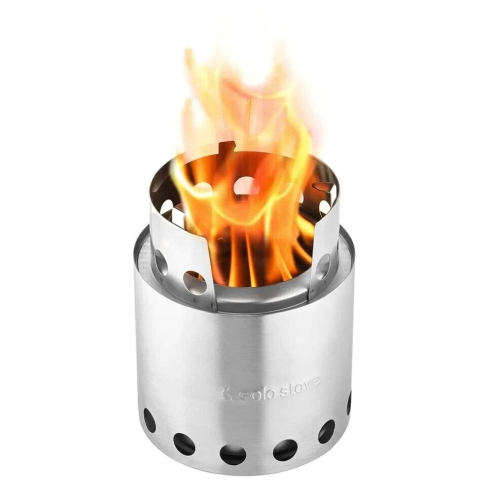 Your price for this item is $99.99
-
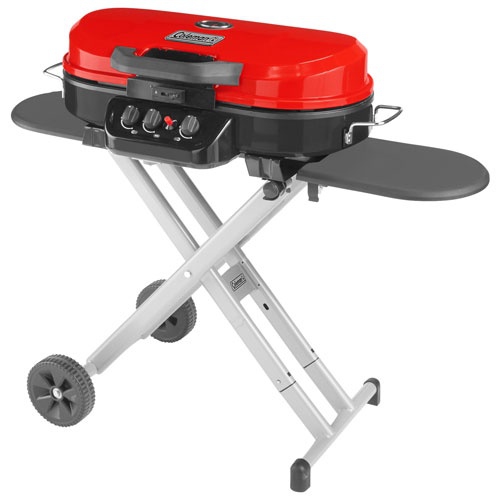 Your price for this item is $513.99
-
 Your price for this item is $349.98
-
 Your price for this item is $209.95
-
 Your price for this item is $143.99
-
 Your price for this item is $299
-
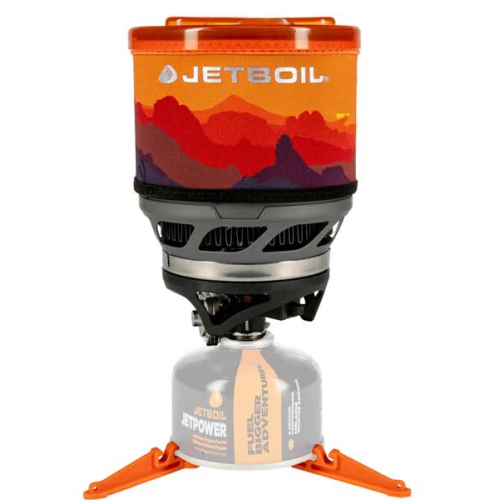 Your price for this item is $209.95
-
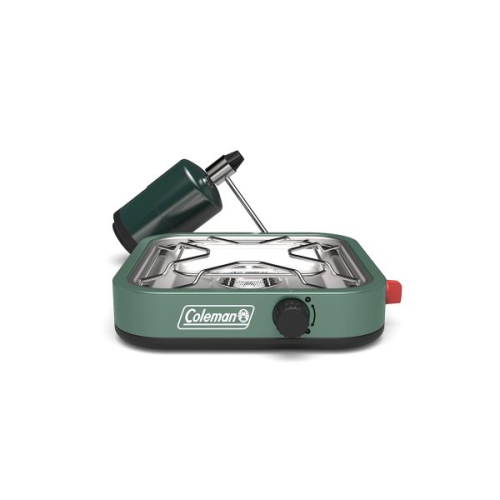 Your price for this item is $111.99
Discover more categories related to Wood Pellet BBQs


Top Collections:
Pokemon Centers, Kindle Devices, Best Budget Office Chairs, Canon G7X Cameras, Apple iPhones 16, Samsung Galaxy Phones, Refurbished Apple Laptops, Laptops for Students, iPhone 15 Apple, Budget Smartphones
Some products may be subject to Environmental Handling Fees
(EHF) depending on your province.
Learn more about EHFs.