Wood Platform Beds
Looking for a stylish and functional addition to your bedroom? Look no further than our selection of wood platform beds. Crafted with durability and timeless appeal in mind, these platform beds offer a sleek and contemporary look that effortlessly enhances any bedroom decor. Whether you prefer the warmth of natural wood tones or the modern allure of painted finishes, our wood platform beds are designed to provide both comfort and style. With their sturdy construction and minimalist design, these beds not only provide a supportive surface for your mattress but also create an inviting atmosphere for a good night's sleep. Explore our range of wood platform beds and find the perfect piece to transform your bedroom into a cozy sanctuary.
Sort
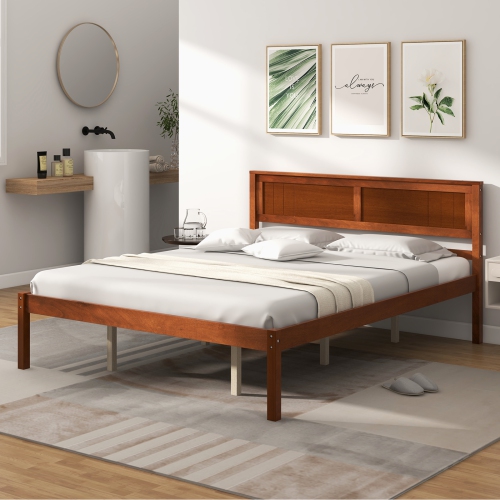
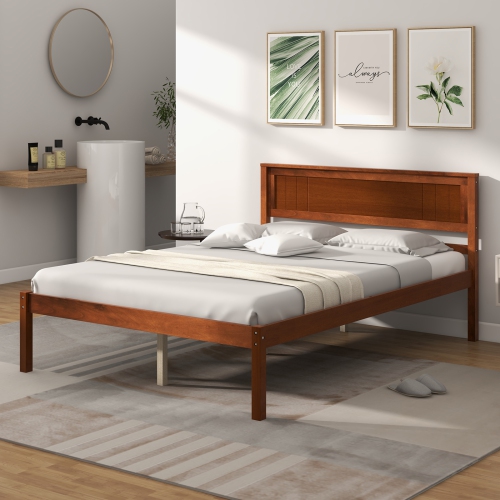


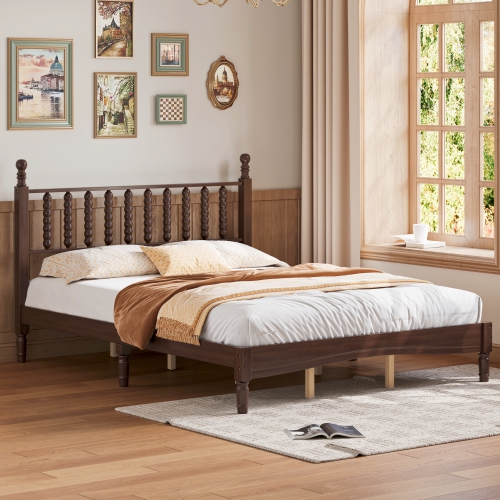
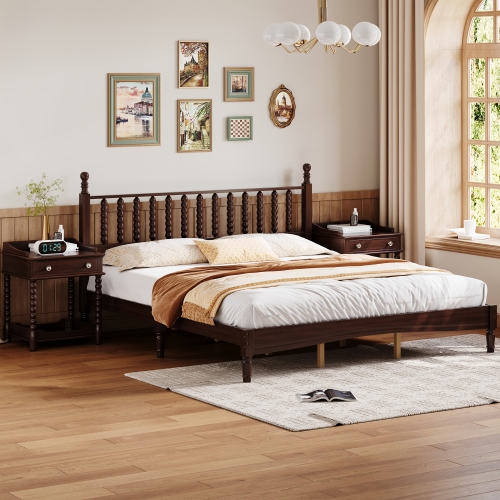
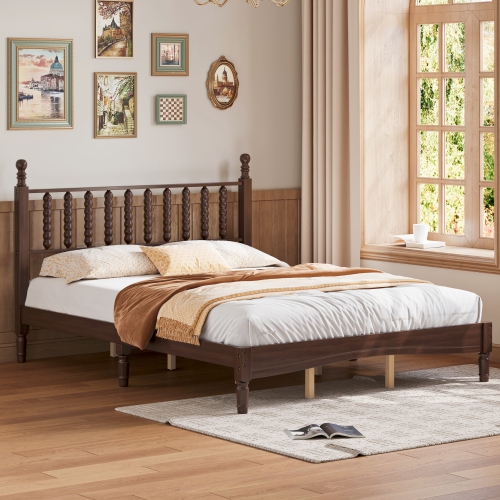
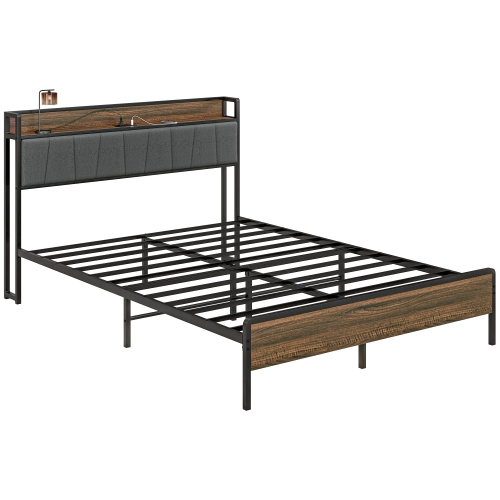
A simpler mattress setup with the warmth of wood
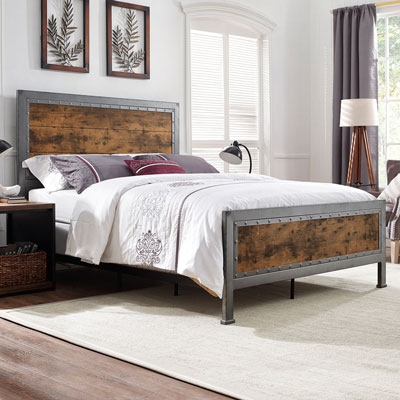
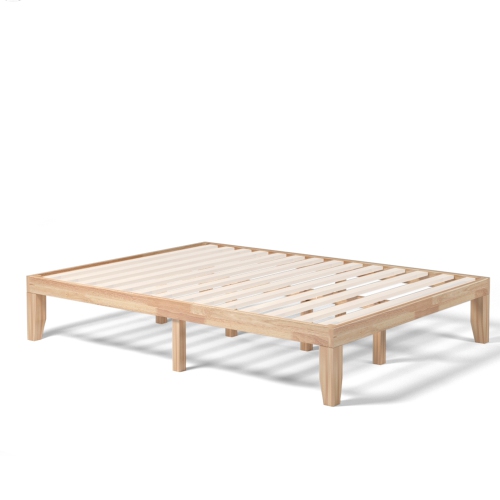
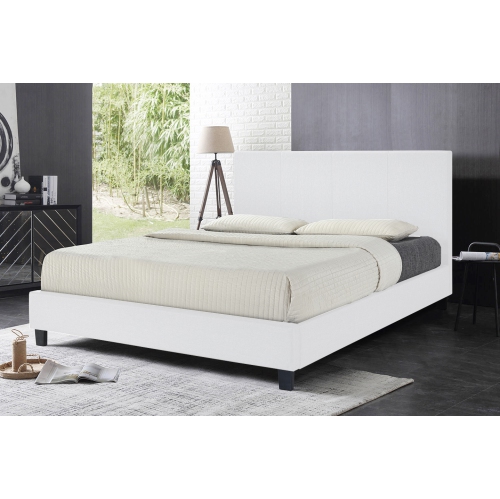
Wood platform beds pair a wooden frame with a built-in mattress support surface, usually made from slats or a solid panel. Most are designed to support a compatible mattress without a box spring, creating a simpler bed setup with fewer layers between the mattress and frame. Their appeal is both practical and visual: the platform provides a defined foundation, while exposed wood adds grain, texture, and colour to the bedroom. A pale finish can sit comfortably alongside white bedding and light curtains, while a deeper brown frame brings contrast to neutral walls. Solid wood platform beds may use woods such as oak, pine, rubberwood, or acacia, each with its own grain pattern and characteristics. Oak often has a pronounced grain, while pine tends to show knots and may pick up dents more readily than many harder woods. Construction matters as much as the wood species, so the joints, side rails, slats, and centre supports deserve attention alongside the finish. Some wooden bed frames combine solid wood components with plywood, engineered wood, or wood veneers. A veneer is a thin layer of real wood over a supporting core, allowing a visible wood surface without solid timber throughout. These materials serve different purposes, and a frame’s overall durability depends on how its parts work together rather than on a single material label. Style also changes the way a platform bed occupies a room. Tapered legs and a slim headboard create a lighter profile, while broad rails and a substantial panel headboard make the bed feel more prominent. A headboard-free frame leaves space for artwork above the pillows and can work well beneath a window, provided it does not obstruct access. For a main bedroom, guest room, or a first apartment, wood platform beds offer a foundation that can suit different bedding colours and furniture arrangements over time.
The right fit begins with both the mattress dimensions and the frame’s outside measurements. Twin, full or double, queen, and king describe mattress sizes, but the surrounding rails, headboard, and footboard can make the assembled bed noticeably larger. In a compact bedroom, a frame that projects beyond the mattress may narrow the route to a wardrobe or leave less room beside a dresser. Measuring the entire footprint helps preserve comfortable walking space and clearance for doors and drawers. Height deserves the same attention. The finished sleeping height is the platform height plus the mattress thickness, so a low frame with a deep mattress may feel quite different from its appearance in a photograph. Someone who prefers to sit on the edge with their feet resting on the floor may find this measurement especially useful. A taller mattress can also cover much of a short headboard, changing both its appearance and the support it offers behind pillows. Mattress compatibility is another essential consideration. Foam, latex, and hybrid mattresses can have different foundation requirements, including limits on the distance between slats. Closely spaced slats may provide suitable support for many mattresses, but the mattress manufacturer’s specifications should determine the appropriate spacing and foundation type. A solid platform is not automatically the right choice for every mattress, particularly where ventilation requirements apply. Slatted bases leave openings beneath the mattress, although bedding and stored belongings should not block that space unnecessarily. Larger frames often include a centre rail and additional legs to help distribute weight; those components need to be installed as directed and make proper contact with the floor. Check the stated weight capacity and whether it includes the mattress, rather than assuming that a wooden frame can carry any load. An adjustable mattress base requires its own compatibility check, since standard platform slats and rails may not accommodate the mechanism. These details help match the bed to everyday use, whether it supports one sleeper, a shared mattress, or visiting family in a guest bedroom.
Daily convenience often comes down to details that are easy to overlook when focusing on the headboard. Raised wood platform beds can leave room underneath for shallow storage bins, while designs with built-in drawers keep spare sheets and clothing close at hand. Drawer storage needs enough side or foot clearance to open fully, especially beside nightstands or near a wall. For separate bins, measure the opening beneath the side rail rather than relying only on the height of the legs, and account for any centre supports that divide the space. A frame with little floor clearance creates a more grounded look but may make cleaning underneath harder. Exposed platform edges also affect how the bed feels in use: a wide ledge can catch a shin in a narrow passage, while rounded corners may be more comfortable where space is tight. A wooden headboard offers a firm surface behind pillows and is generally straightforward to dust; sleepers who prefer a padded backrest for reading may also want to compare fabric platform beds. For wood surfaces, routine care usually means removing dust with a soft cloth and wiping spills promptly, following the finish manufacturer’s cleaning directions. Avoid soaking joints or leaving a damp cloth on the frame, and use only cleaning products suitable for its coating. Felt pads beneath bedside accessories can help limit scratches on broad wooden ledges, while appropriate floor protectors beneath the legs can reduce marks on flooring without compromising stability. Assembly and maintenance also influence long-term performance. Follow the specified tightening sequence, fit every required support, and check fasteners periodically or whenever movement develops. Squeaking can come from loose connections, shifting slats, or uneven contact with the floor, so it is worth identifying the source rather than assuming the wood itself is at fault. When moving the bed, lift or disassemble it as directed instead of dragging it across the room. A well-matched frame combines suitable mattress support, manageable dimensions, and a finish that fits naturally into the bedroom’s daily routine.
The right fit begins with both the mattress dimensions and the frame’s outside measurements. Twin, full or double, queen, and king describe mattress sizes, but the surrounding rails, headboard, and footboard can make the assembled bed noticeably larger. In a compact bedroom, a frame that projects beyond the mattress may narrow the route to a wardrobe or leave less room beside a dresser. Measuring the entire footprint helps preserve comfortable walking space and clearance for doors and drawers. Height deserves the same attention. The finished sleeping height is the platform height plus the mattress thickness, so a low frame with a deep mattress may feel quite different from its appearance in a photograph. Someone who prefers to sit on the edge with their feet resting on the floor may find this measurement especially useful. A taller mattress can also cover much of a short headboard, changing both its appearance and the support it offers behind pillows. Mattress compatibility is another essential consideration. Foam, latex, and hybrid mattresses can have different foundation requirements, including limits on the distance between slats. Closely spaced slats may provide suitable support for many mattresses, but the mattress manufacturer’s specifications should determine the appropriate spacing and foundation type. A solid platform is not automatically the right choice for every mattress, particularly where ventilation requirements apply. Slatted bases leave openings beneath the mattress, although bedding and stored belongings should not block that space unnecessarily. Larger frames often include a centre rail and additional legs to help distribute weight; those components need to be installed as directed and make proper contact with the floor. Check the stated weight capacity and whether it includes the mattress, rather than assuming that a wooden frame can carry any load. An adjustable mattress base requires its own compatibility check, since standard platform slats and rails may not accommodate the mechanism. These details help match the bed to everyday use, whether it supports one sleeper, a shared mattress, or visiting family in a guest bedroom.
Daily convenience often comes down to details that are easy to overlook when focusing on the headboard. Raised wood platform beds can leave room underneath for shallow storage bins, while designs with built-in drawers keep spare sheets and clothing close at hand. Drawer storage needs enough side or foot clearance to open fully, especially beside nightstands or near a wall. For separate bins, measure the opening beneath the side rail rather than relying only on the height of the legs, and account for any centre supports that divide the space. A frame with little floor clearance creates a more grounded look but may make cleaning underneath harder. Exposed platform edges also affect how the bed feels in use: a wide ledge can catch a shin in a narrow passage, while rounded corners may be more comfortable where space is tight. A wooden headboard offers a firm surface behind pillows and is generally straightforward to dust; sleepers who prefer a padded backrest for reading may also want to compare fabric platform beds. For wood surfaces, routine care usually means removing dust with a soft cloth and wiping spills promptly, following the finish manufacturer’s cleaning directions. Avoid soaking joints or leaving a damp cloth on the frame, and use only cleaning products suitable for its coating. Felt pads beneath bedside accessories can help limit scratches on broad wooden ledges, while appropriate floor protectors beneath the legs can reduce marks on flooring without compromising stability. Assembly and maintenance also influence long-term performance. Follow the specified tightening sequence, fit every required support, and check fasteners periodically or whenever movement develops. Squeaking can come from loose connections, shifting slats, or uneven contact with the floor, so it is worth identifying the source rather than assuming the wood itself is at fault. When moving the bed, lift or disassemble it as directed instead of dragging it across the room. A well-matched frame combines suitable mattress support, manageable dimensions, and a finish that fits naturally into the bedroom’s daily routine.
Top selling and popular products
-
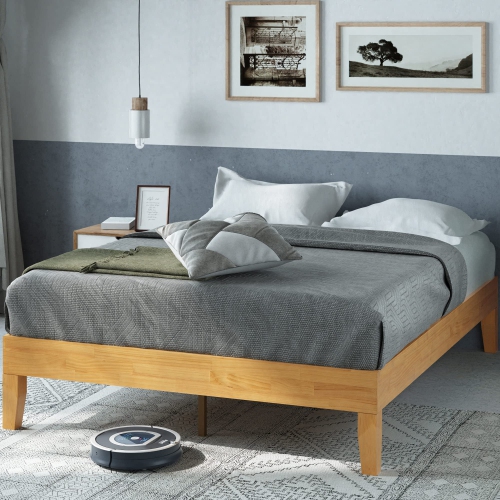 Your price for this item is $493.52
 -
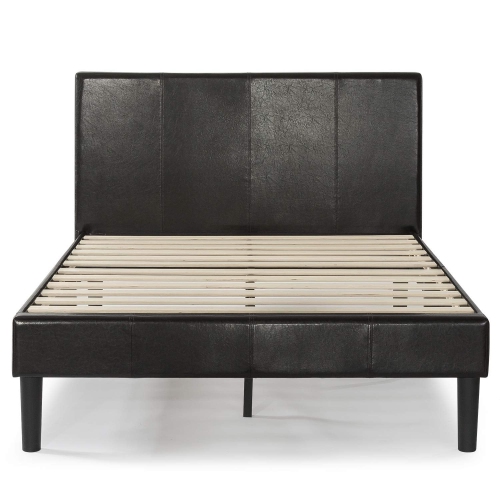 Your price for this item is $611.85
 -
 Your price for this item is $824.18
 -
 Your price for this item is $799.99
 -
 Your price for this item is $985.42
 -
 Your price for this item is $157.99
 -
 Your price for this item is $862.99
 -
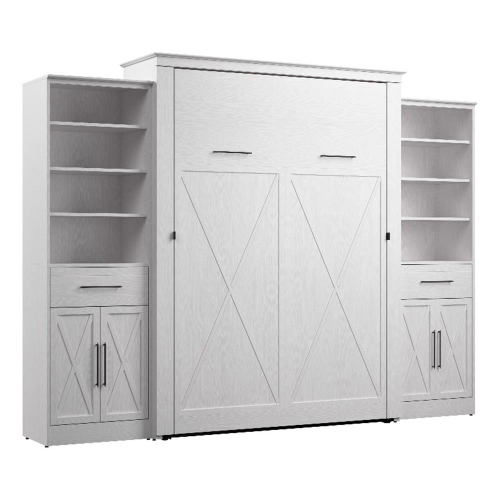 Your price for this item is $3519.99
Discover more categories related to Wood Platform Beds
Top Collections:
Pokemon Centers, Kindle Devices, Best Budget Office Chairs, Apple iPhones 16, Best Laptops for Writers, iPhone 15 Apple, Canon G7X Cameras, Refurbished Apple Laptops, Alarm Clock, Motorola Razr Phones
Some products may be subject to Environmental Handling Fees
(EHF) depending on your province.
Learn more about EHFs.