Wooden Picture Frames
Looking for a timeless and elegant way to display your cherished memories? Look no further than our collection of wooden picture frames. Crafted with care and attention to detail, these frames are the perfect addition to any home decor. Whether you're looking for a rustic farmhouse style or a sleek modern design, we have a wide variety of wooden frames to suit your personal taste. From classic natural wood finishes to rich stained options, our collection offers something for everyone. Choose from various sizes and shapes to find the perfect frame to showcase your favorite photographs or artwork. With their durability and versatility, our wooden picture frames are sure to add a touch of warmth and sophistication to any space.
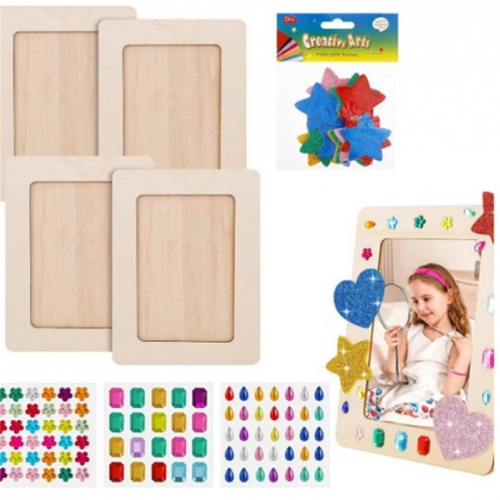
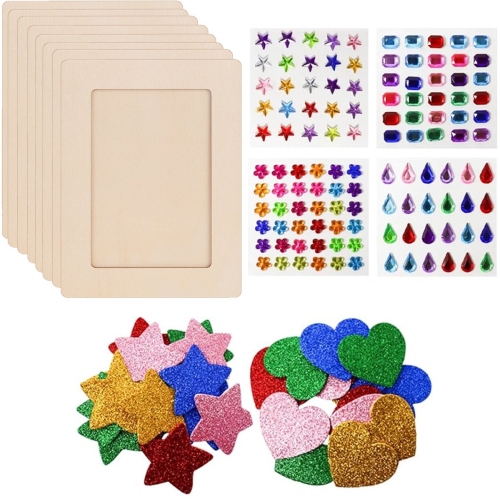
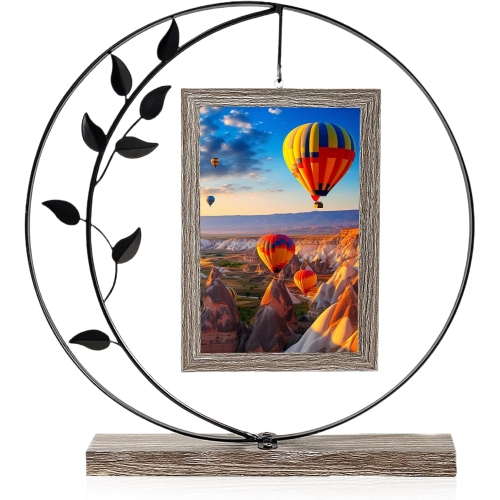
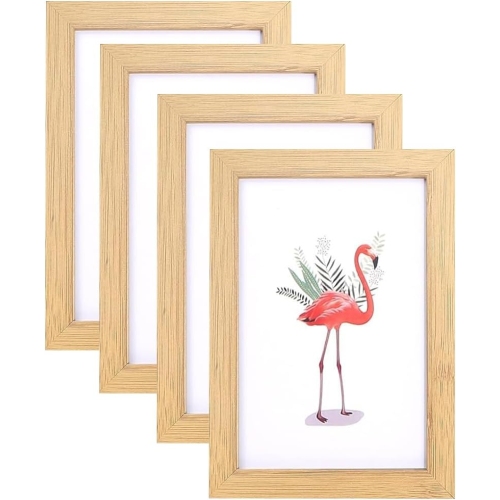
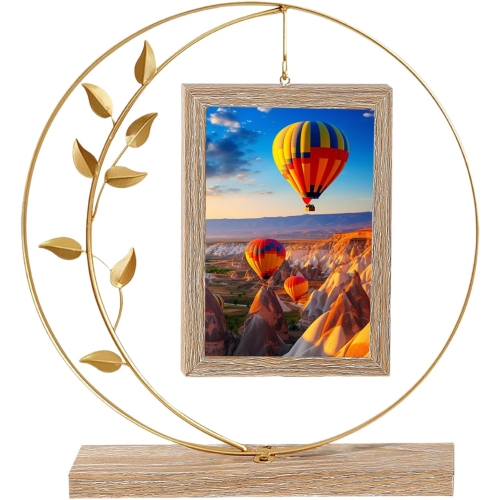
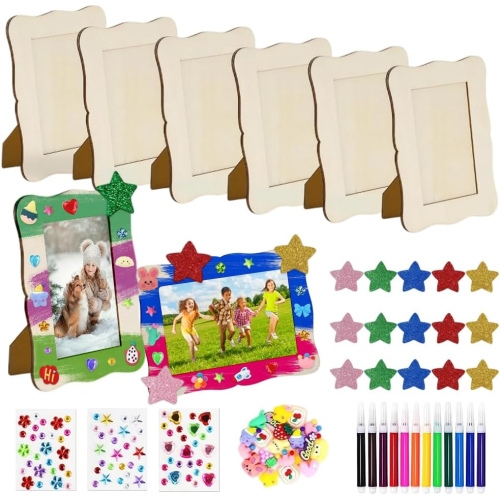
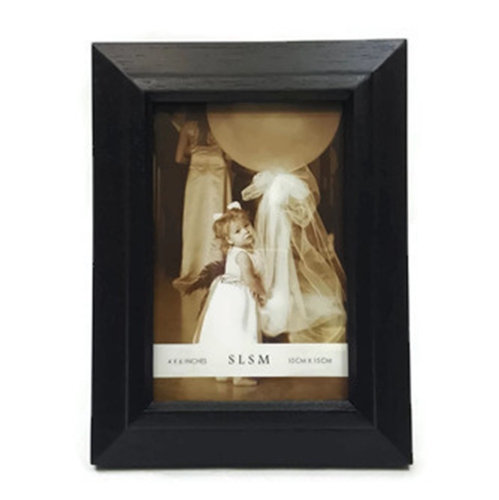
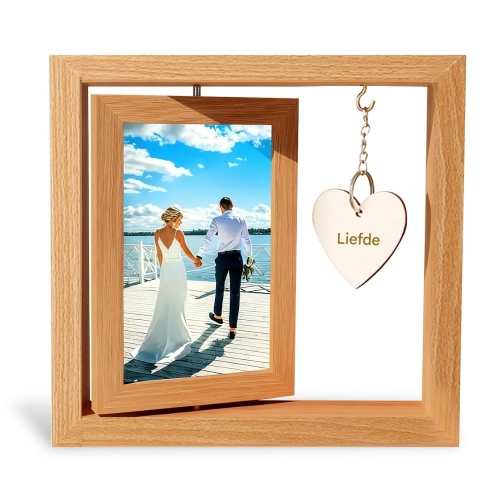

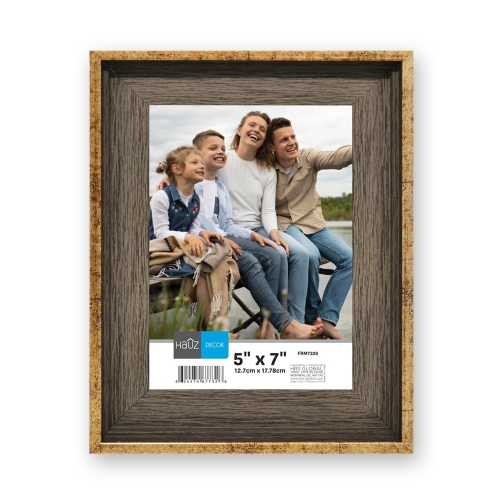
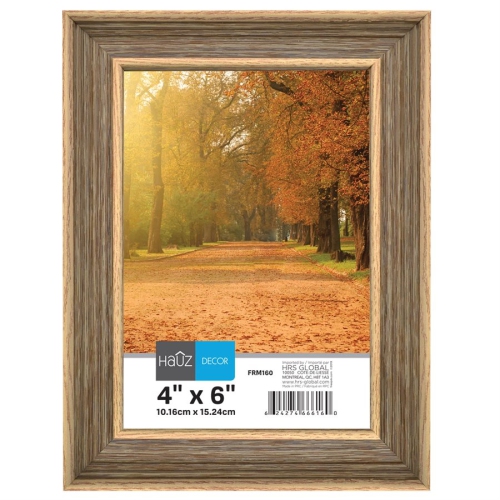
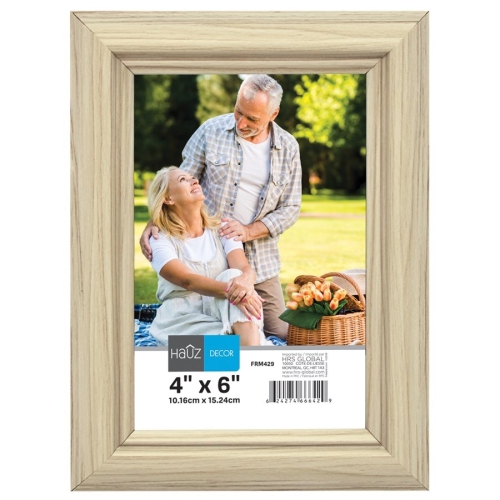
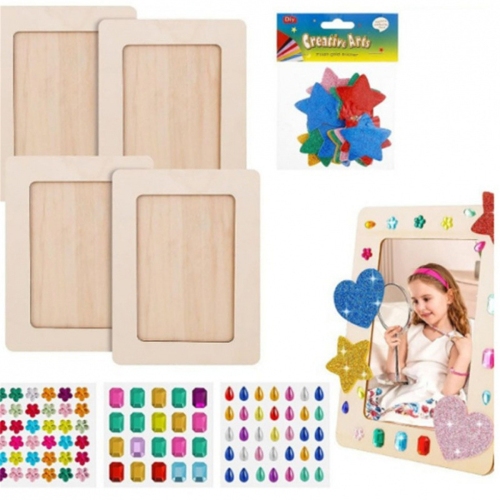
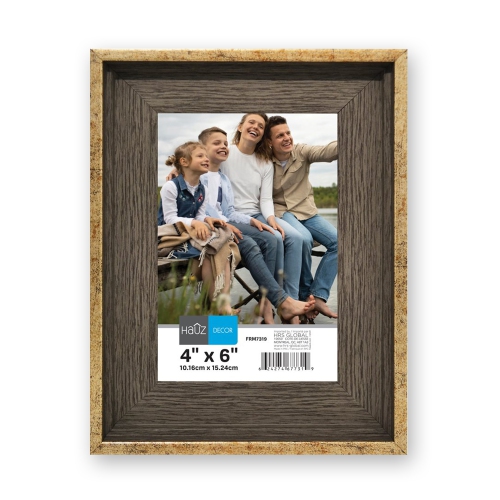
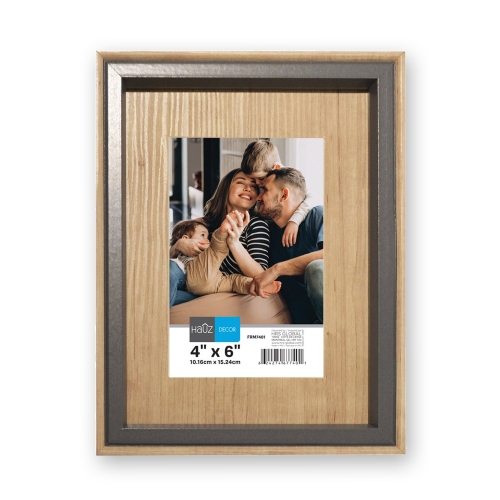
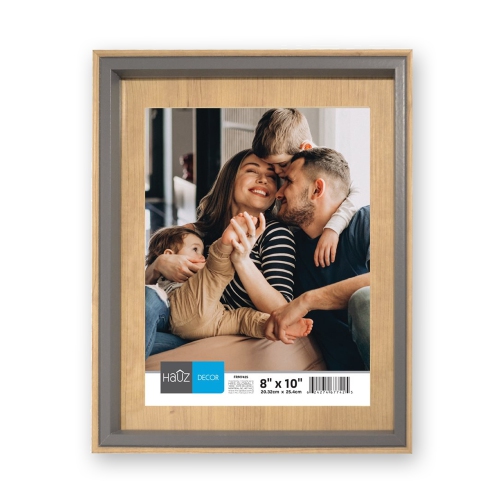


How wood tones change the feel of a photograph
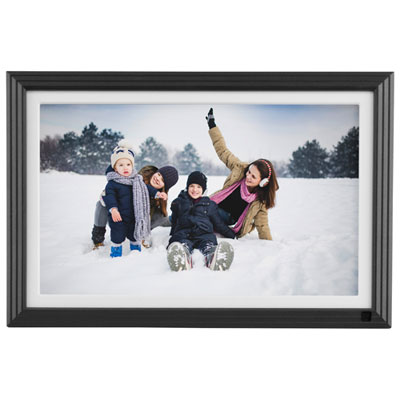
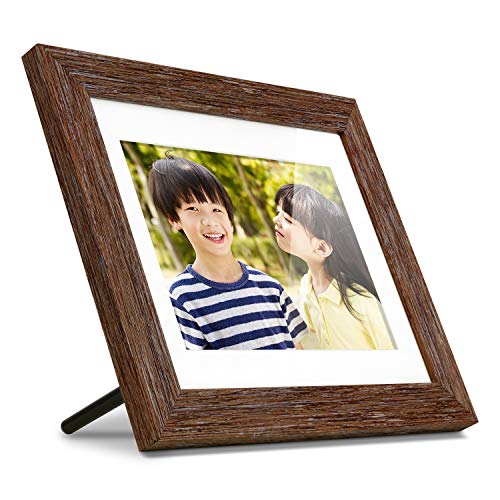
Size and fit determine how comfortably an image sits inside a wooden picture frame. Common photo formats include 4 × 6 inch, 5 × 7 inch, and 8 × 10 inch sizes, while larger formats such as 11 × 14 inch suit enlargements, artwork, and displays with a generous mat border. The stated frame size generally refers to the image or insert it accepts, not its outside dimensions. A broad wooden border can add considerably to the overall footprint, which matters when fitting a frame onto a narrow shelf or arranging several pieces above a console. Frames supplied with mats may list both the full insert size and the smaller photograph size the mat accommodates. A mat creates breathing room around an image and, in a properly fitted assembly, helps keep its surface away from the glazing. Its opening usually overlaps the edges of the photograph slightly to hold the image neatly in view, so signatures, captions, and faces near the border deserve particular attention. White and cream mats keep the presentation restrained, while darker mats can emphasize contrast or draw out a colour in the artwork. For photographs, original drawings, or meaningful documents intended for long-term display, acid-free mats and suitable backing materials help reduce the risk of damage from direct contact with acidic components. Standard glass offers clarity and a familiar feel, while acrylic glazing is lighter and less prone to shattering, though it can scratch more easily. UV-filtering glazing may help limit light-related fading, but it does not make an image immune to damage from prolonged exposure. Depth matters, too: a flat photo frame is different from a shadow box designed to accommodate dimensional keepsakes. A ticket, fabric patch, or small memento needs sufficient clearance and appropriate mounting rather than pressure from the front panel. These details help distinguish a frame that simply matches the room from one that also suits what it will hold.
Wooden photo frames work equally well as individual accents and as part of a larger display, provided their supports suit the intended placement. A tabletop frame needs a stable easel back and enough room for the support to open fully; a deep shelf or sideboard is often more forgiving than a narrow ledge. Portrait and landscape positioning depend on the backing and hardware, so a frame that accepts the correct photo size may still need a closer look before it suits a particular arrangement. Wall displays require hanging hardware and wall fixings appropriate for the frame’s total weight and the wall surface. Large frames with glass can be noticeably heavier than smaller designs or those with acrylic fronts. Consistent spacing brings order to a gallery wall, even when the images vary in size. Matching wooden frames can tie together children’s drawings, family portraits, and travel photographs, while a mixture of related wood tones makes a collection feel more personal. A single larger frame can give a graduation portrait or wedding photograph room to stand on its own. Frames also make thoughtful gifts for housewarmings, anniversaries, graduations, and new parents, particularly when the finish suits the recipient’s space and the format fits a photograph they already treasure. For everyday durability, well-fitted corners, secure backing clips, and a sound hanging attachment are useful details to look for. Care is usually straightforward: a soft, dry cloth removes dust from the wooden moulding, while the glazing should be cleaned according to its material and the manufacturer’s directions. Applying an appropriate cleaner to a cloth rather than spraying the assembled frame helps prevent liquid from reaching the wood, backing, or photograph. Abrasive cloths can mark acrylic, and excess moisture can damage some finishes. Placement away from direct sunlight and areas prone to splashes helps protect both the frame and its contents. With the right proportions, construction, and finish, a wooden frame becomes a quiet part of daily life, keeping a favourite face, meaningful place, or small achievement in view.
Top selling and popular products
-
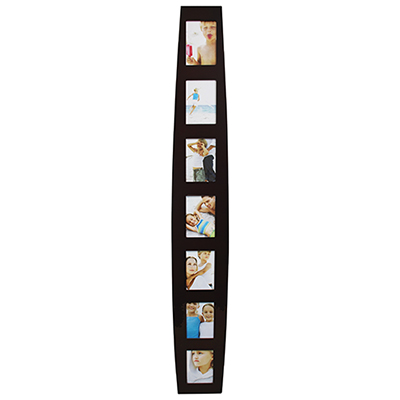 Your price for this item is $99.98
 -
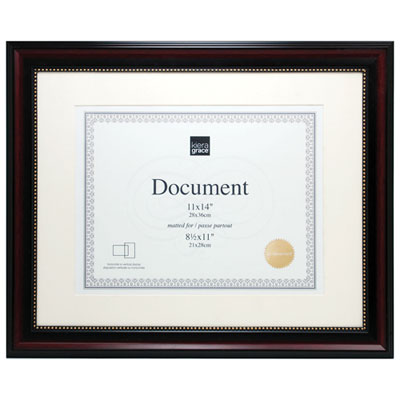 Your price for this item is $89.99
 -
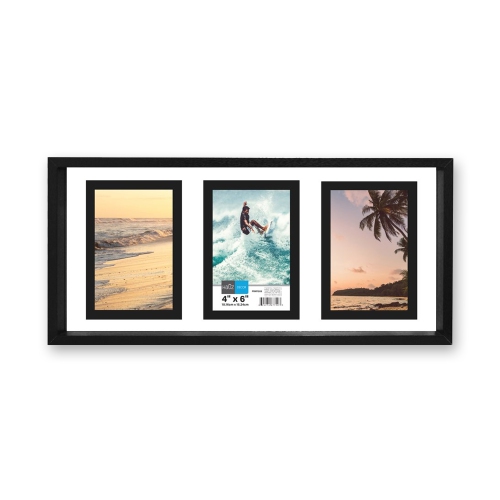 Your price for this item is $16.97
 -
 Your price for this item is $14.99
 -
 Your price for this item is $8.97
 -
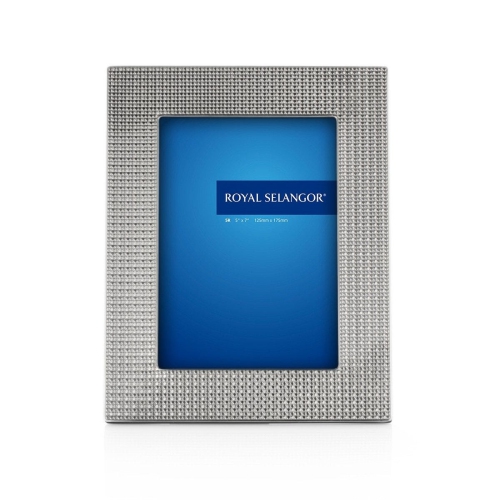 Your price for this item is $225
 -
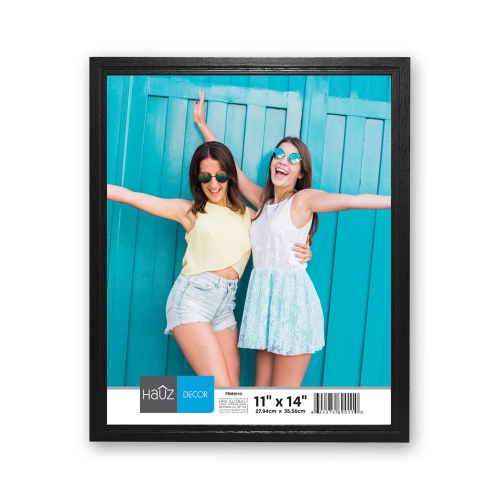 Your price for this item is $14.97
 -
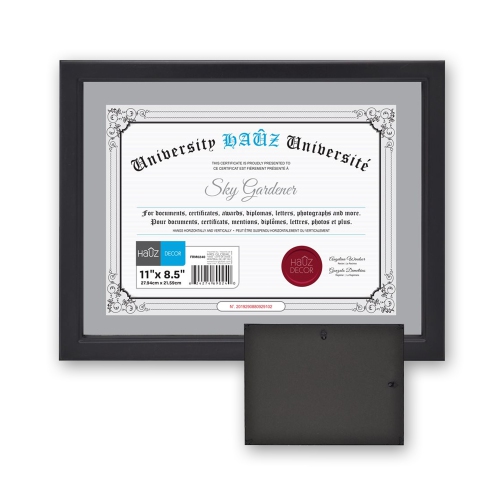 Your price for this item is $6.97