Wooden Rabbit Cages
If you're a proud rabbit owner, you know how important it is to provide your furry friend with a comfortable and secure living space. That's where wooden rabbit cages come in. These stylish and functional cages are designed with the needs of rabbits in mind, offering ample space for hopping, playing, and resting. Whether you have a small or large rabbit, there's a wooden cage that will suit your pet perfectly. Browse through our wide selection of wooden rabbit cages to find the ideal home for your beloved bunny companion.
Sort

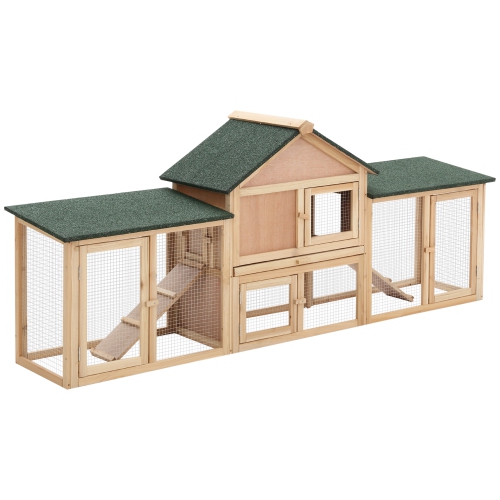
Why floor space matters more than a hutch’s appearance
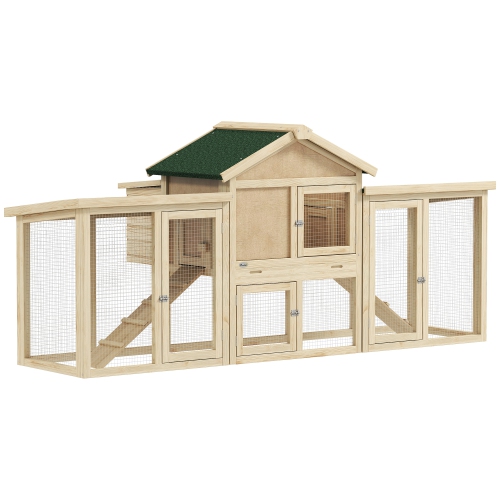
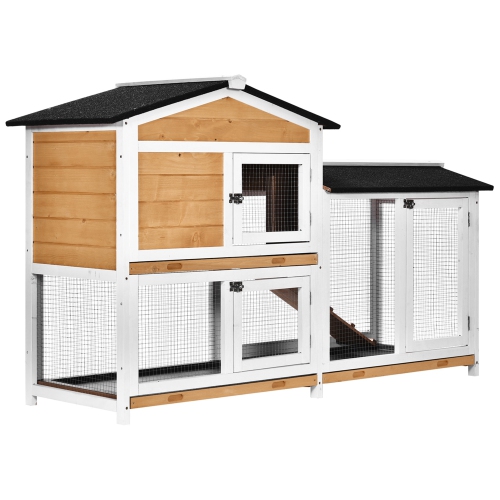
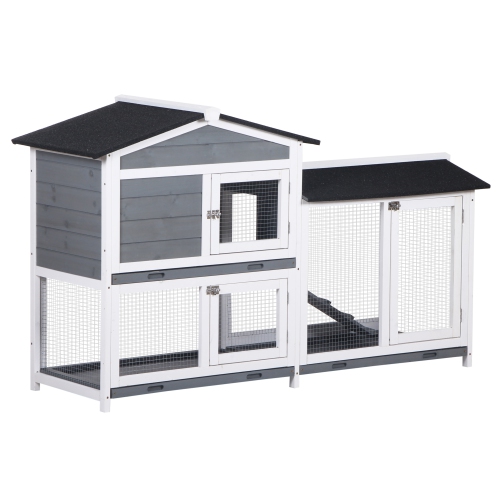
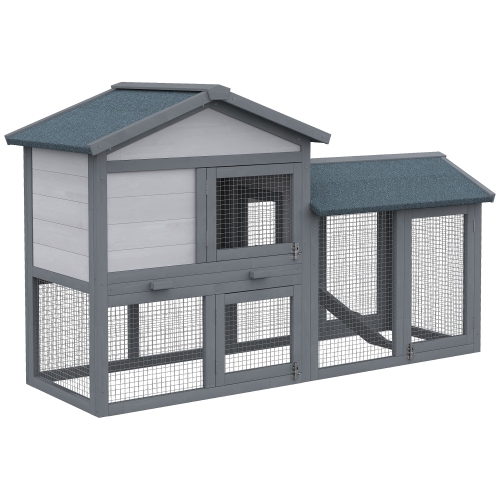
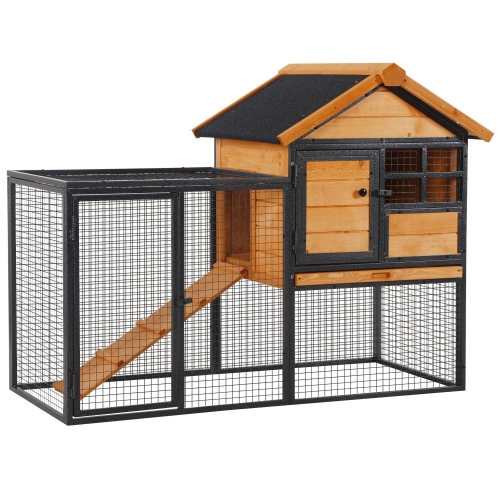
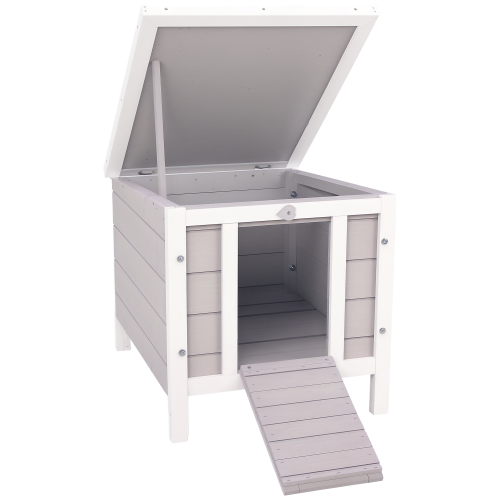
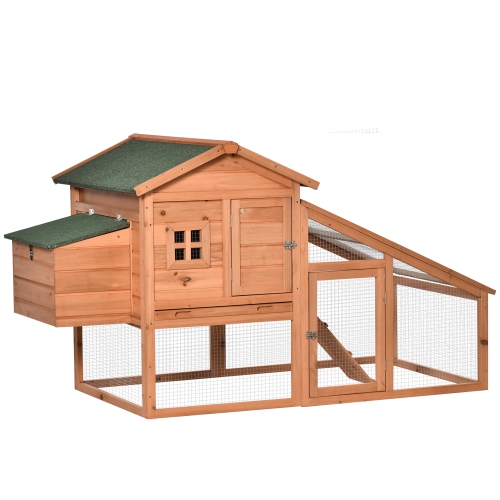
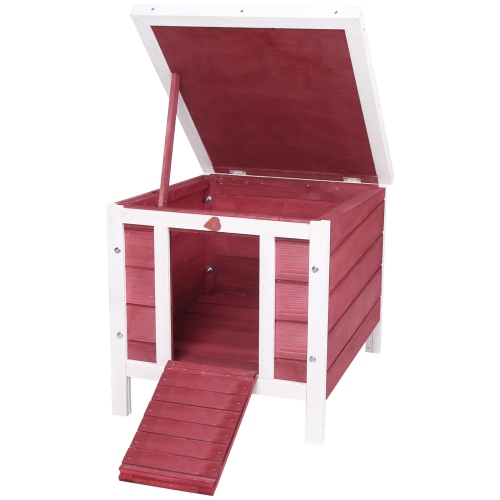
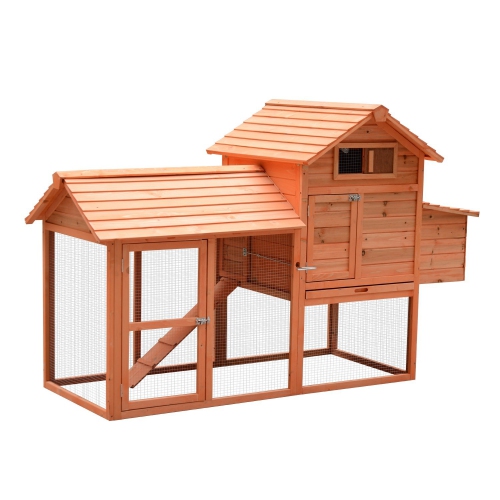
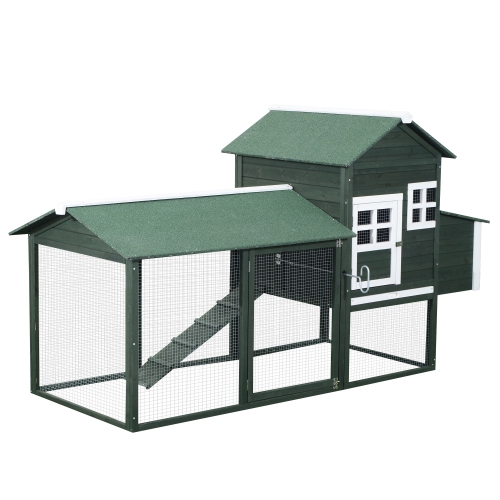
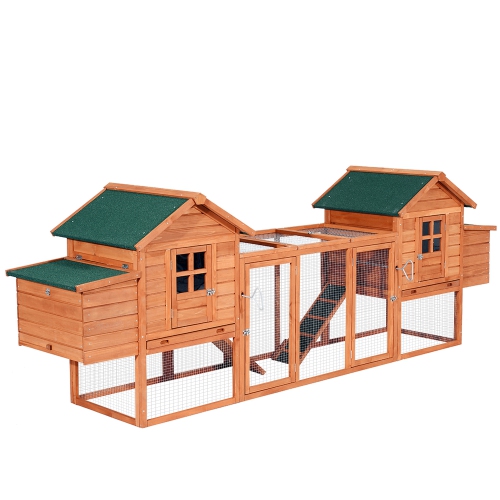
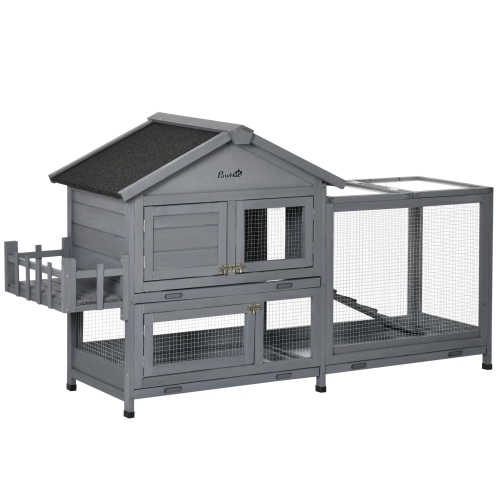
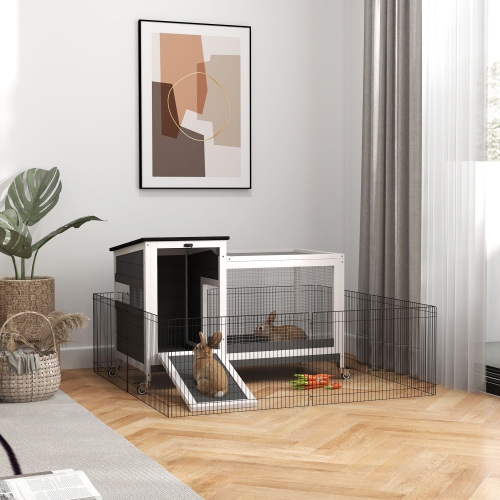
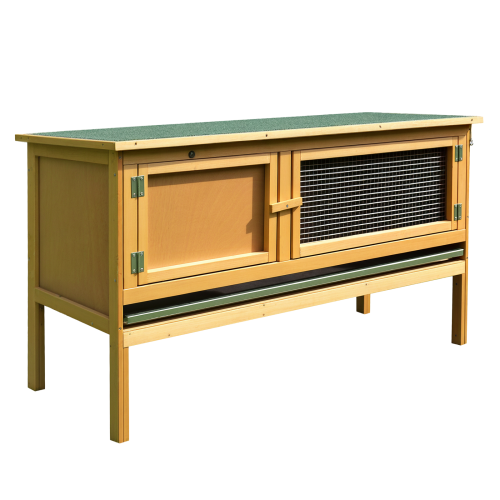
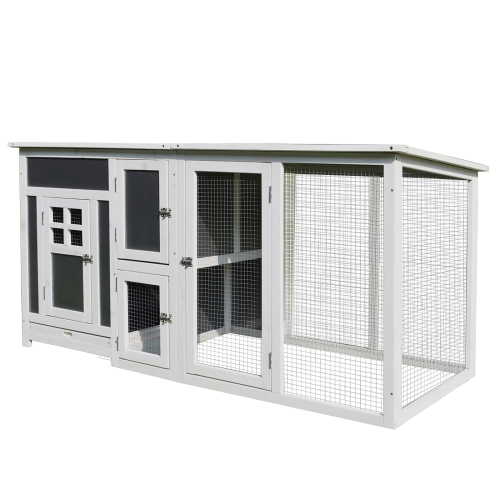
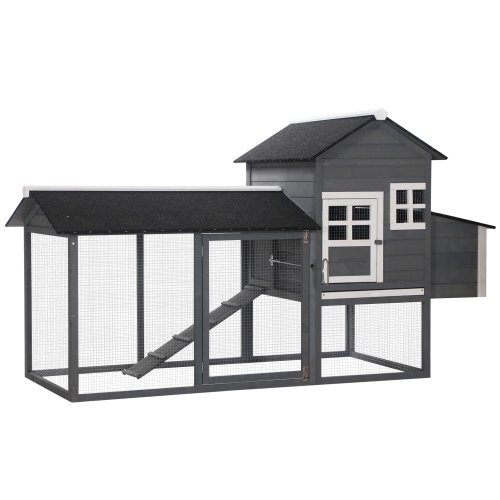
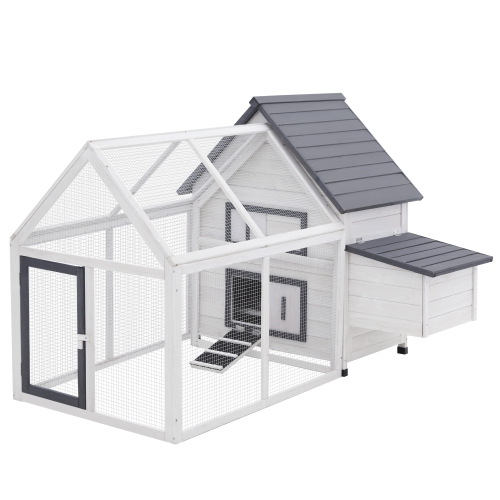
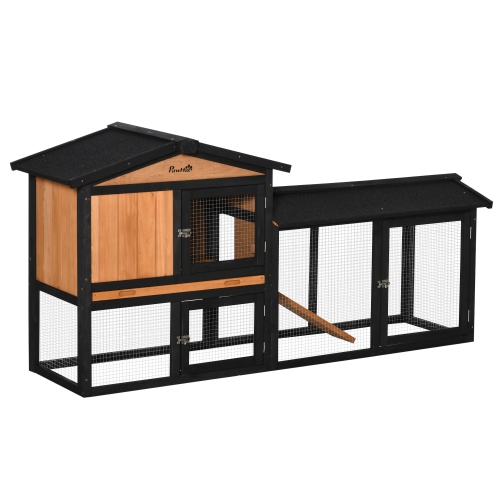
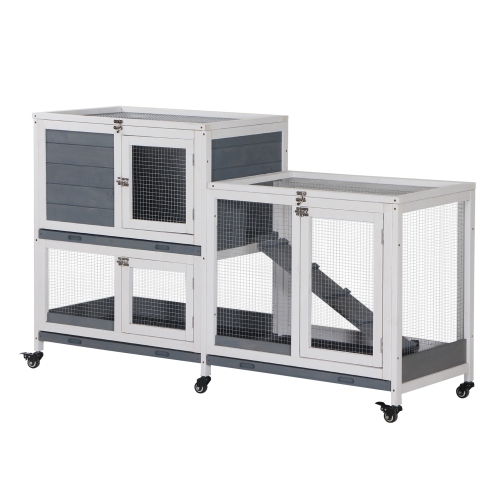
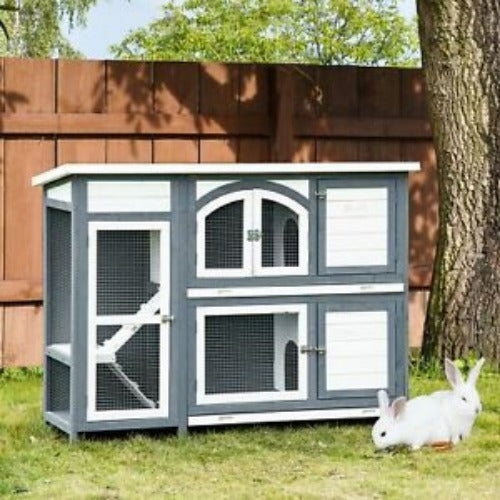
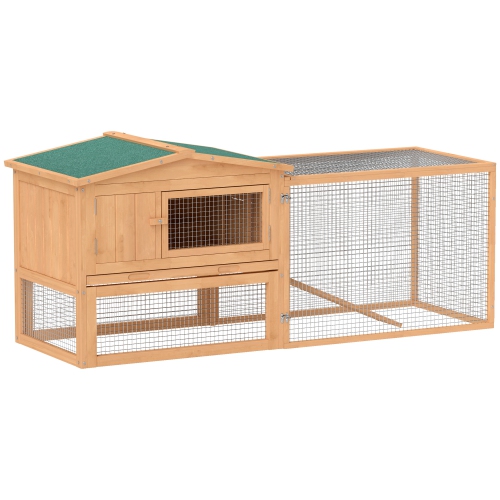
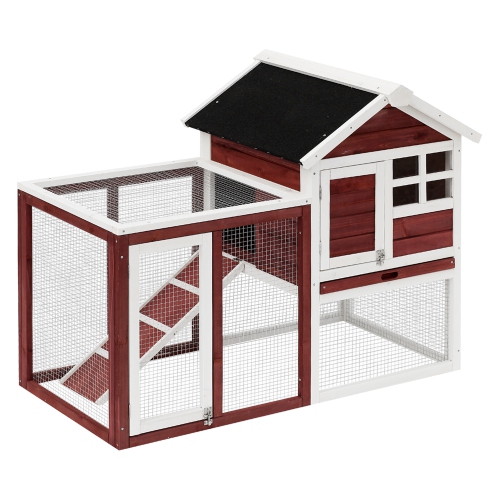
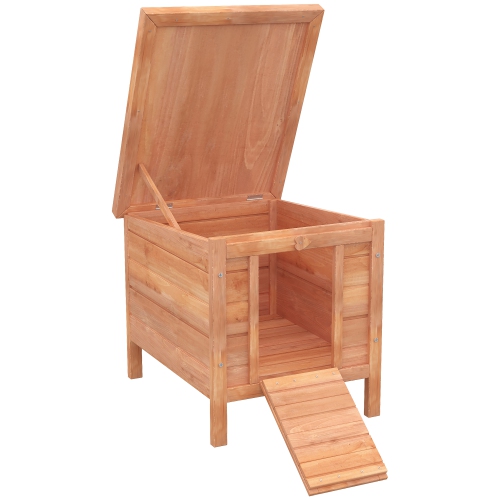
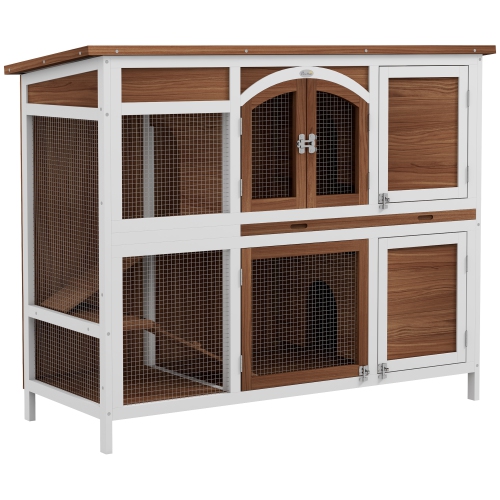
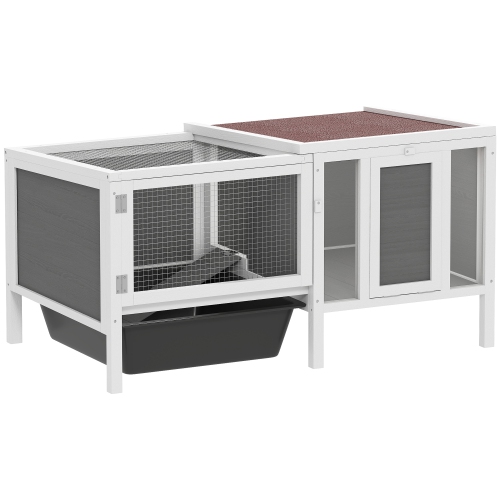
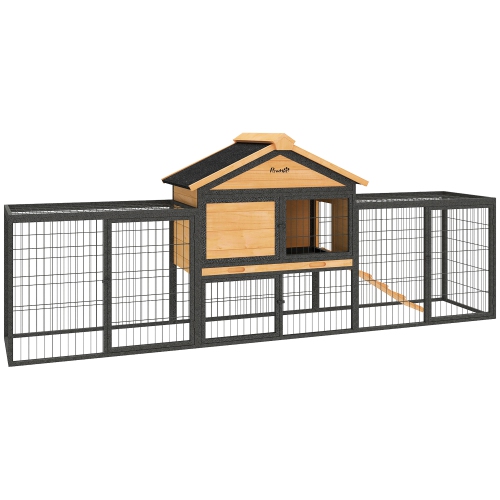
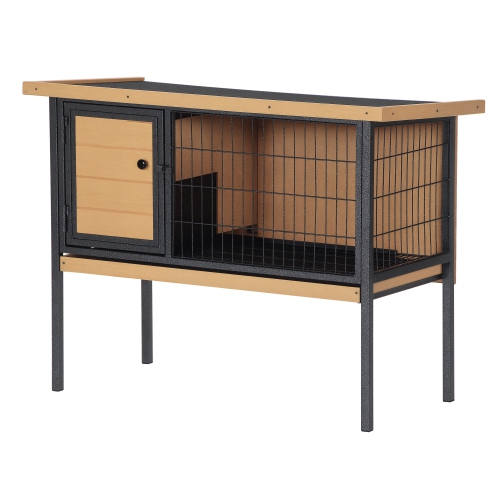
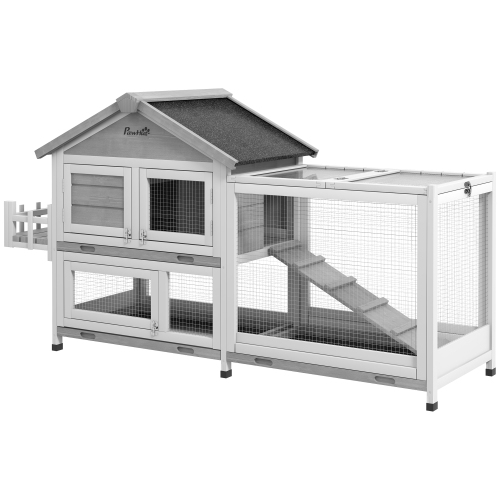
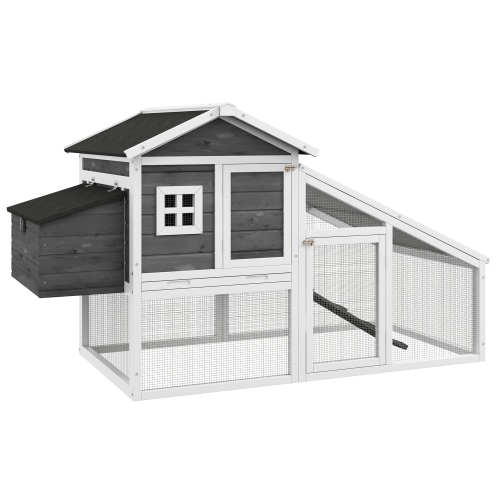
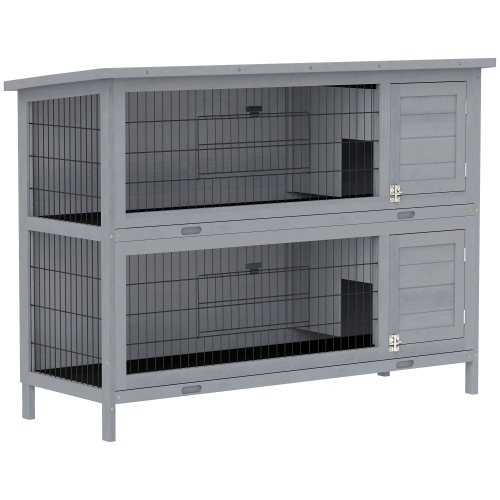
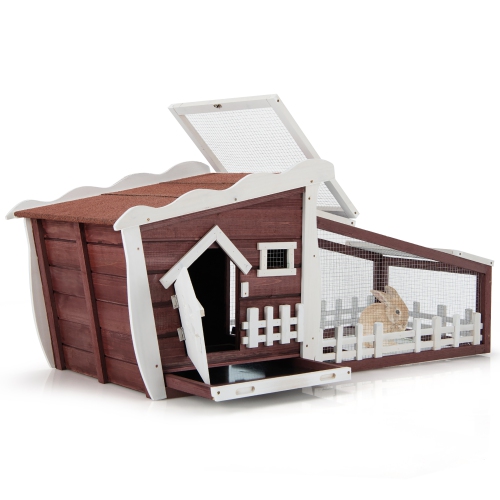
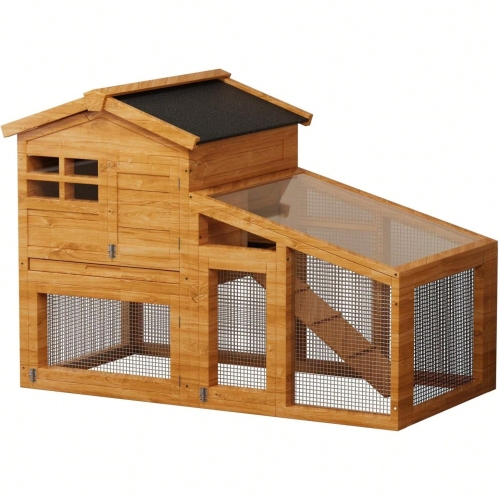
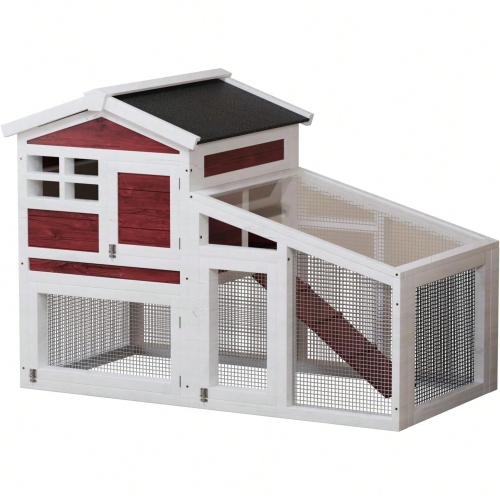
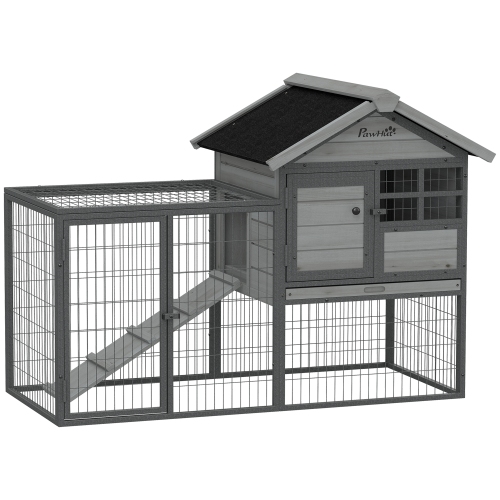
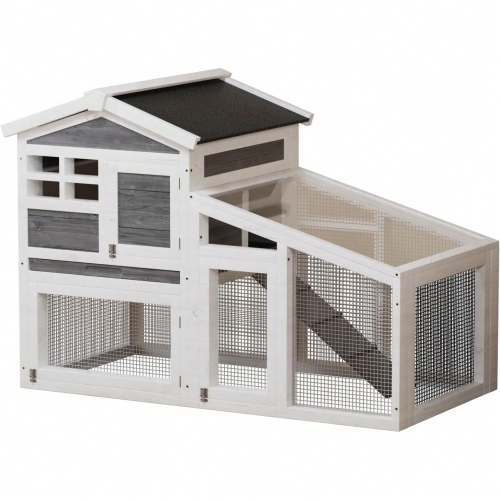
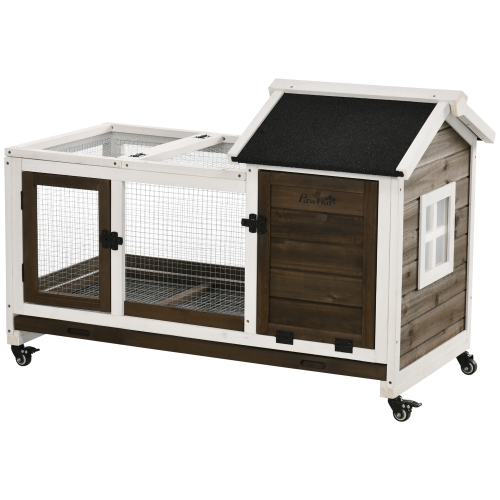
Wooden rabbit cages combine a framed enclosure with a sheltered resting area, creating a defined home base for rabbits within a larger living space. Often described as hutches, these enclosures can suit households that prefer the look of wood alongside their furniture while still needing practical features for daily animal care. Natural grain, painted finishes, and simple panelled designs give wooden cages a different appearance from all-metal enclosures, but the layout matters more than the decorative details. Rabbits need enough usable room to stretch out fully, stand upright without their ears touching the roof, and move comfortably between feeding, resting, and toileting areas. A cage or hutch is best understood as one part of their housing rather than a replacement for a spacious exercise area where they can run, hop, and explore every day. A sheltered compartment can offer a quiet retreat, while mesh-fronted sections provide airflow and a clear view into the enclosure. For a rabbit that likes to rest out of sight before returning to watch household activity, that balance of privacy and openness can make the space more useful. Wooden construction also lends itself to different configurations, from low, single-level layouts to raised hutches with storage space beneath them. Raised designs can make some care tasks easier to reach, although rabbits still need safe access to their exercise space. Multi-level styles add variety, but platforms and upper compartments do not replace a generous, uninterrupted floor area. Households with a bonded pair need to account for both rabbits’ size and movement, with enough room for them to rest together or spend time apart. Within the broader category of Wooden Animal Cages, rabbit housing has distinct requirements: an enclosure suited to a smaller animal may lack the floor space, access, or proportions a rabbit needs.
The materials in a wooden rabbit cage affect how it feels in the home and how well it stands up to chewing, cleaning, and everyday use. Solid wood frames can provide a sturdy structure, but wood is not chew-proof, and exposed corners are likely to attract attention from curious rabbits. The wood species, any treatments, and the suitability of coatings for rabbit housing are more meaningful than a finish that simply looks smooth or polished. Paint or sealant should not be assumed safe to chew, and accessible surfaces need regular inspection for splinters, loose pieces, or damaged edges. Mesh panels should be securely attached, with spacing appropriate to the rabbit’s size and no sharp wire ends within reach. Firm door frames, reliable latches, and well-fitted hinges help keep access points secure, particularly in busy homes where an enclosure may be opened several times a day. Underfoot comfort is equally important. Solid flooring with suitable bedding or a rabbit-safe, nonslip covering supports comfortable movement; exposed wire mesh is not an appropriate everyday walking surface for rabbit feet. Smooth plastic trays may simplify cleaning, but they can also need a suitable covering for grip. A rabbit landing from a small hop or turning towards a hay feeder should not have to scramble for footing. Where a design includes a ramp, its width, slope, traction, and edge protection all affect usability. Young, older, or less mobile rabbits may be better served by a single-level arrangement that keeps essentials within easy reach. Interior dimensions deserve close attention because overall measurements can include legs, roof overhangs, and other sections that add no living space. Once a litter tray, hay station, water bowl, and hide are in place, the remaining floor area needs to stay open enough for comfortable movement. Wide access doors can make those fittings easier to arrange without awkward gaps or cramped corners.
Living with a wooden rabbit cage involves a steady routine of feeding, tidying, and checking the structure, so useful access features can matter as much as its shape or colour. A broad front opening makes it easier to lift out a litter tray without tipping its contents, while a securely supported opening lid can help with reaching interior corners. Removable base trays are convenient when they slide out smoothly and fit securely, but their edges and the surrounding wood still need attention. Hay fragments, bedding, and moisture can collect along seams, especially where a resting compartment meets an open section. Wood can absorb spills and urine if it is left unprotected, making prompt spot cleaning and a well-positioned litter tray important for keeping the enclosure in good condition. Rabbit-appropriate cleaning products, used according to their directions, help avoid unsuitable residues, and washed surfaces need to dry before fresh bedding goes back in. Washable floor protection beneath an indoor enclosure can also help protect household flooring from stray hay and splashes around a water bowl. Placement works best when the rabbit can take part in normal household life without being exposed to constant noise or disturbance. A quiet section of a shared room, with clear access to an attached exercise pen, can be more practical than a tucked-away spot that makes daily interaction difficult. In homes with children, doors and latches should allow adults to supervise care easily; rabbits need gentle handling and the freedom to retreat rather than being repeatedly lifted from their shelter. Other household pets should not be able to reach through the mesh or disturb a resting rabbit. Durable housing also depends on ongoing checks for loosened fittings, chewed supports, and worn floor coverings, rather than the frame alone. For an established rabbit owner, housing can be a thoughtful gift when its dimensions and layout have been agreed upon beforehand. The most useful wooden rabbit cages bring together comfortable living space, straightforward cleaning access, secure construction, and an appearance that fits naturally into the home, while leaving room for the exercise and companionship rabbits need beyond the enclosure.
The materials in a wooden rabbit cage affect how it feels in the home and how well it stands up to chewing, cleaning, and everyday use. Solid wood frames can provide a sturdy structure, but wood is not chew-proof, and exposed corners are likely to attract attention from curious rabbits. The wood species, any treatments, and the suitability of coatings for rabbit housing are more meaningful than a finish that simply looks smooth or polished. Paint or sealant should not be assumed safe to chew, and accessible surfaces need regular inspection for splinters, loose pieces, or damaged edges. Mesh panels should be securely attached, with spacing appropriate to the rabbit’s size and no sharp wire ends within reach. Firm door frames, reliable latches, and well-fitted hinges help keep access points secure, particularly in busy homes where an enclosure may be opened several times a day. Underfoot comfort is equally important. Solid flooring with suitable bedding or a rabbit-safe, nonslip covering supports comfortable movement; exposed wire mesh is not an appropriate everyday walking surface for rabbit feet. Smooth plastic trays may simplify cleaning, but they can also need a suitable covering for grip. A rabbit landing from a small hop or turning towards a hay feeder should not have to scramble for footing. Where a design includes a ramp, its width, slope, traction, and edge protection all affect usability. Young, older, or less mobile rabbits may be better served by a single-level arrangement that keeps essentials within easy reach. Interior dimensions deserve close attention because overall measurements can include legs, roof overhangs, and other sections that add no living space. Once a litter tray, hay station, water bowl, and hide are in place, the remaining floor area needs to stay open enough for comfortable movement. Wide access doors can make those fittings easier to arrange without awkward gaps or cramped corners.
Living with a wooden rabbit cage involves a steady routine of feeding, tidying, and checking the structure, so useful access features can matter as much as its shape or colour. A broad front opening makes it easier to lift out a litter tray without tipping its contents, while a securely supported opening lid can help with reaching interior corners. Removable base trays are convenient when they slide out smoothly and fit securely, but their edges and the surrounding wood still need attention. Hay fragments, bedding, and moisture can collect along seams, especially where a resting compartment meets an open section. Wood can absorb spills and urine if it is left unprotected, making prompt spot cleaning and a well-positioned litter tray important for keeping the enclosure in good condition. Rabbit-appropriate cleaning products, used according to their directions, help avoid unsuitable residues, and washed surfaces need to dry before fresh bedding goes back in. Washable floor protection beneath an indoor enclosure can also help protect household flooring from stray hay and splashes around a water bowl. Placement works best when the rabbit can take part in normal household life without being exposed to constant noise or disturbance. A quiet section of a shared room, with clear access to an attached exercise pen, can be more practical than a tucked-away spot that makes daily interaction difficult. In homes with children, doors and latches should allow adults to supervise care easily; rabbits need gentle handling and the freedom to retreat rather than being repeatedly lifted from their shelter. Other household pets should not be able to reach through the mesh or disturb a resting rabbit. Durable housing also depends on ongoing checks for loosened fittings, chewed supports, and worn floor coverings, rather than the frame alone. For an established rabbit owner, housing can be a thoughtful gift when its dimensions and layout have been agreed upon beforehand. The most useful wooden rabbit cages bring together comfortable living space, straightforward cleaning access, secure construction, and an appearance that fits naturally into the home, while leaving room for the exercise and companionship rabbits need beyond the enclosure.
Top selling and popular products
-
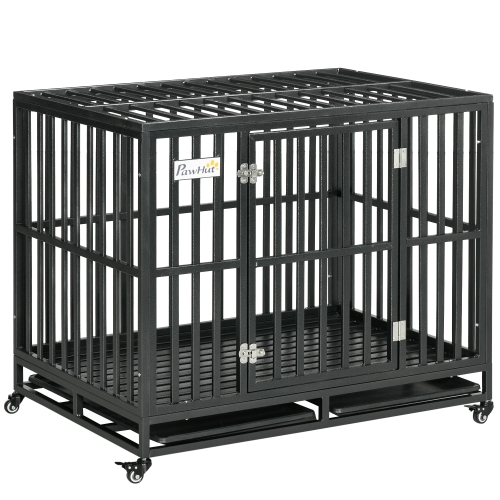 Your price for this item is $229.99
 -
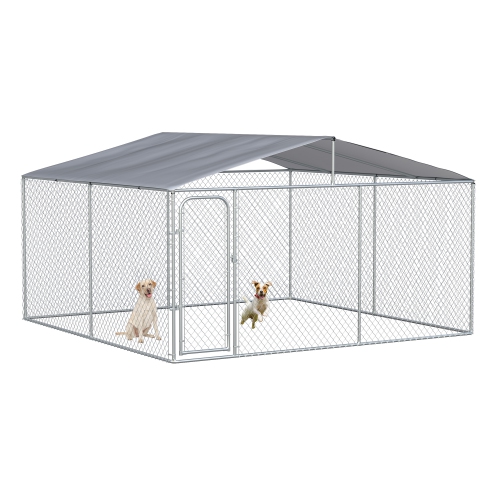 Your price for this item is $499.99
 -
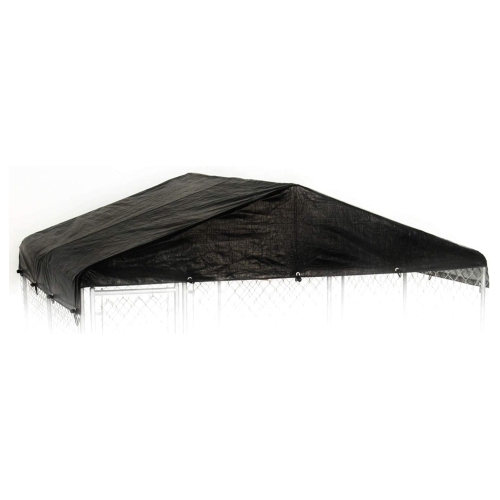 Your price for this item is $702.99
 -
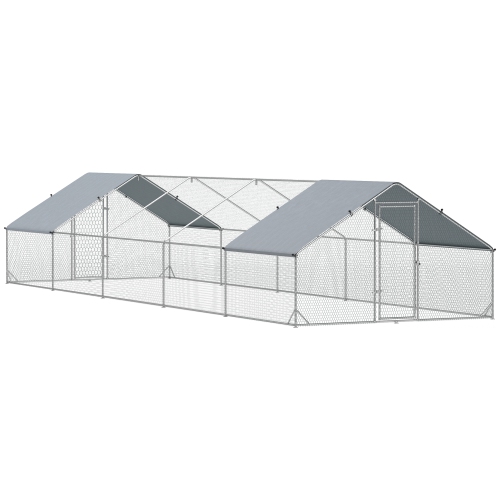 Your price for this item is $479.99
 -
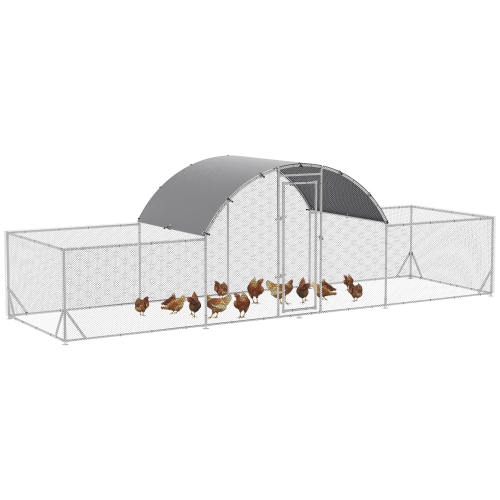 Your price for this item is $216.99
 -
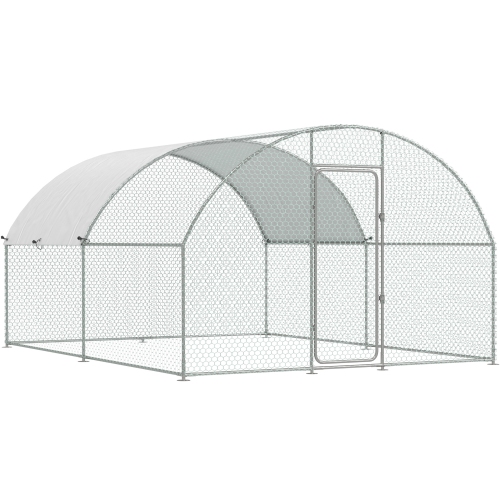 Your price for this item is $239.99
 -
 Your price for this item is $164.99
 -
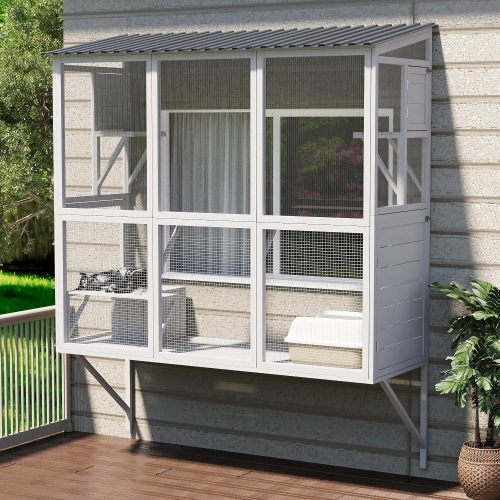 Your price for this item is $269.99
Discover more categories related to Wooden Rabbit Cages
Top Collections:
Pokemon Centers, Budget 4K TVs, Best Budget Office Chairs, Kindle Devices, Canon G7X Cameras, Apple iPhones 16, iPhone 15 Apple, Laptops for Business Work, Xiaomi Phones, Flip Phones
Some products may be subject to Environmental Handling Fees
(EHF) depending on your province.
Learn more about EHFs.