Yarn Pouves
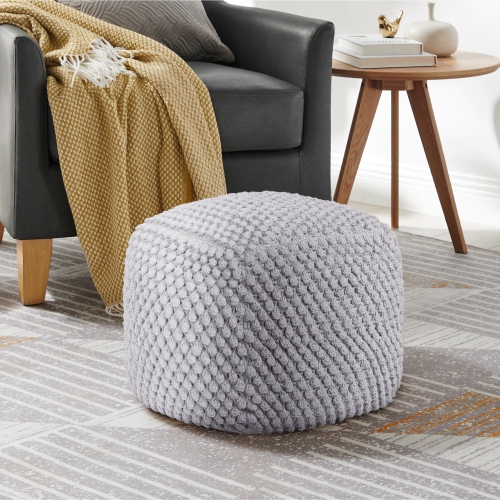
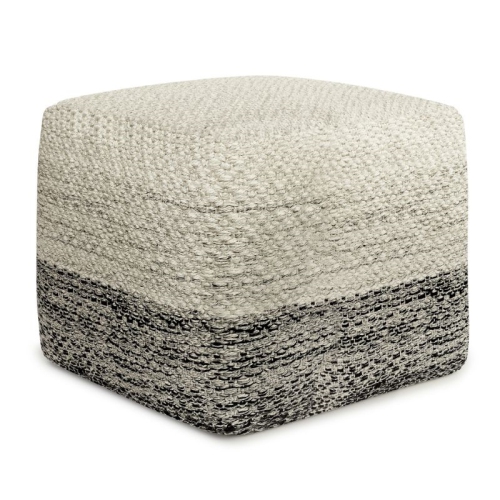
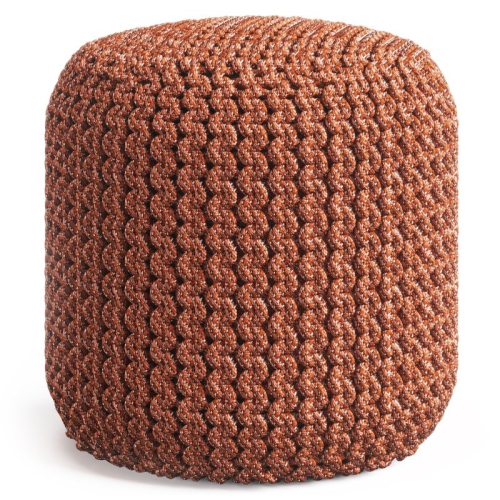
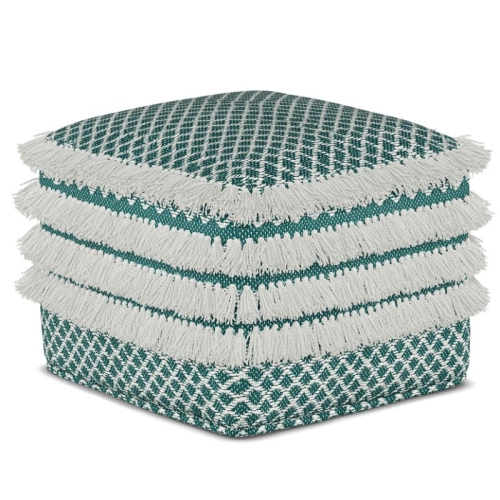
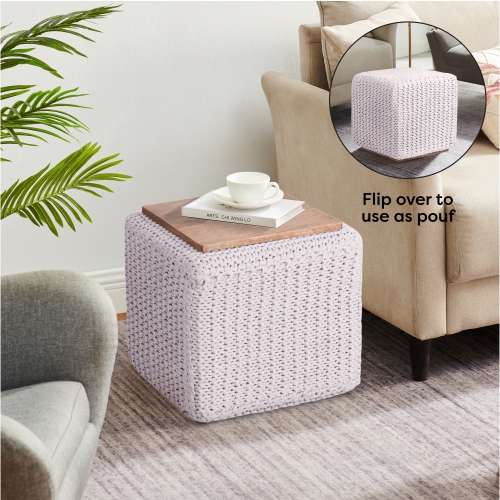
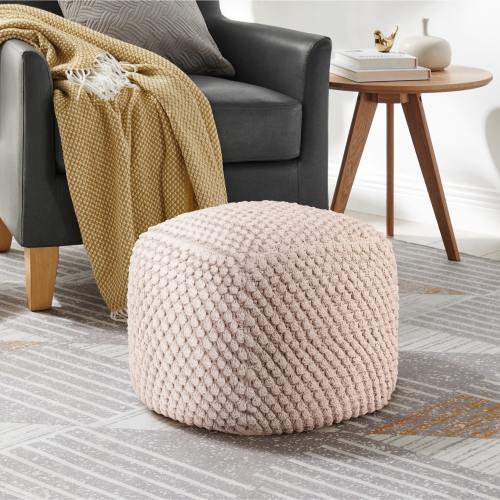
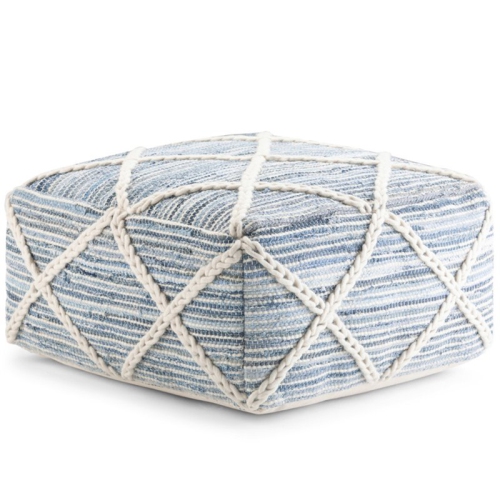
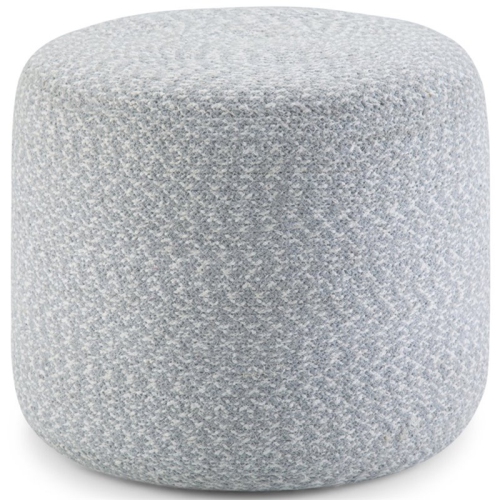
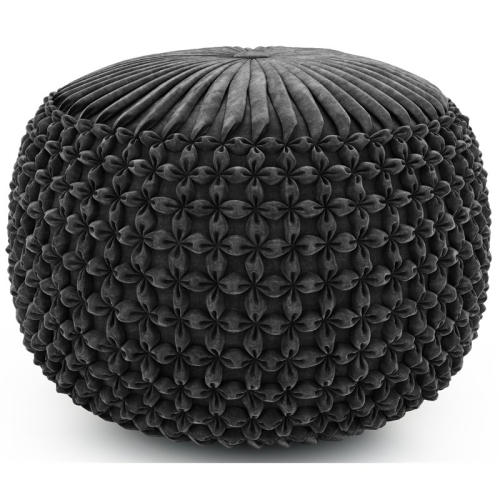
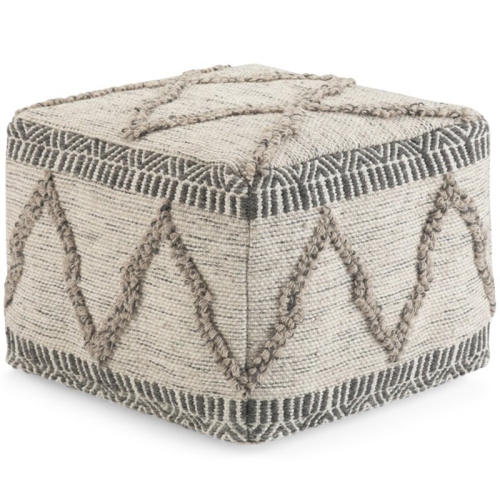
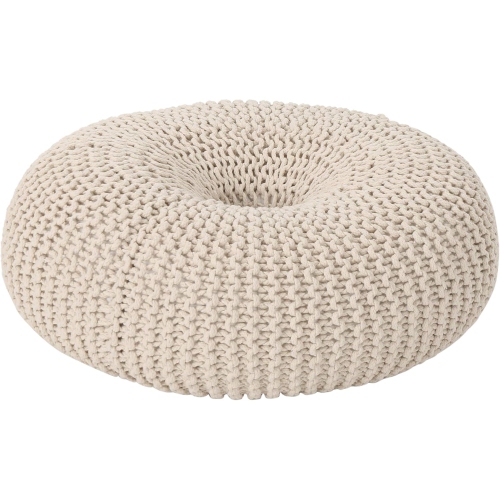
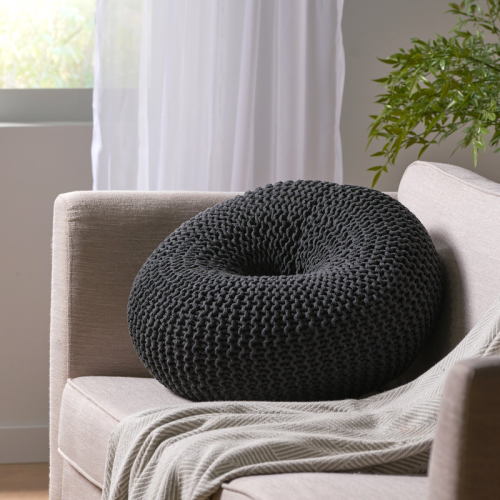
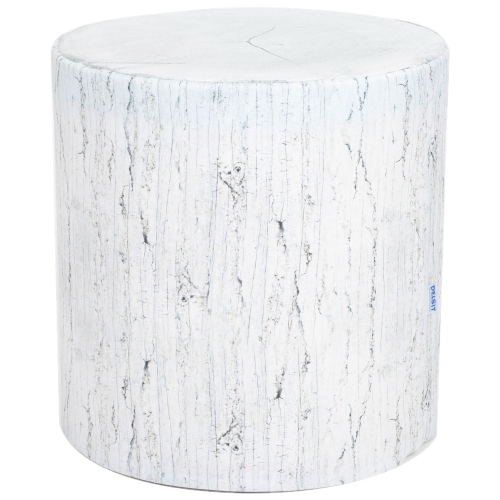
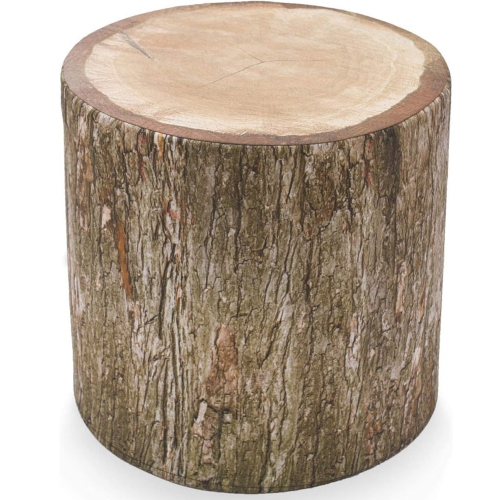
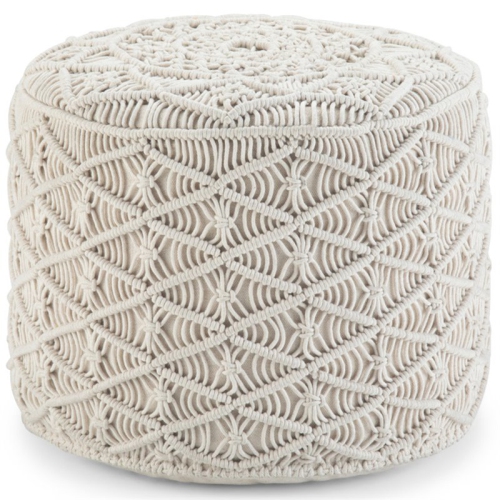
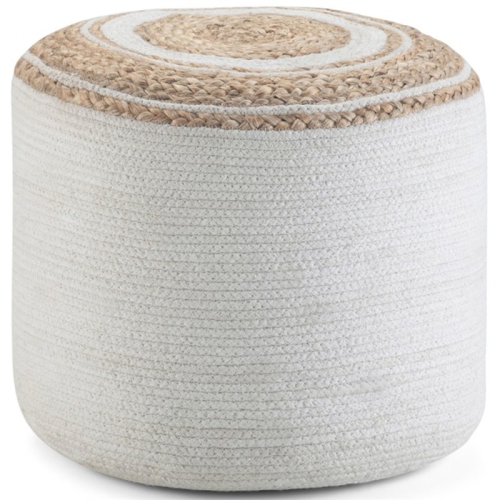
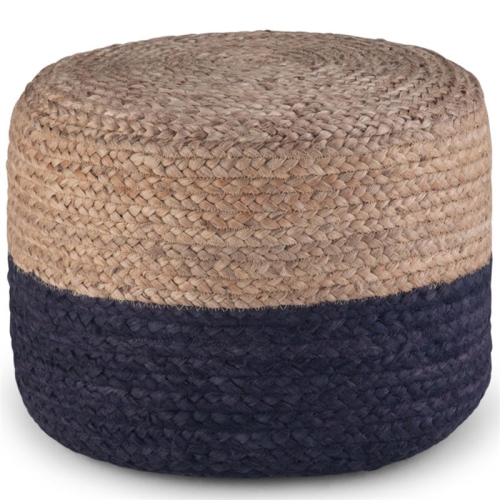
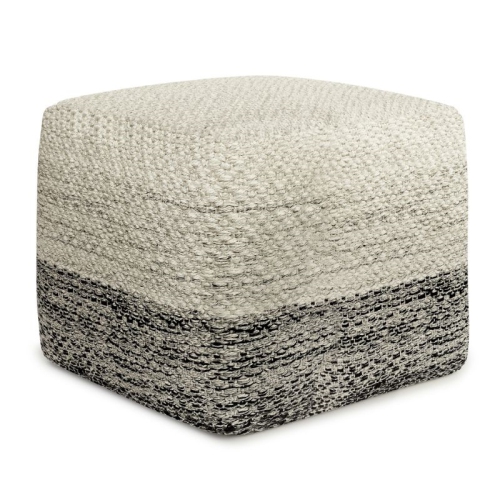
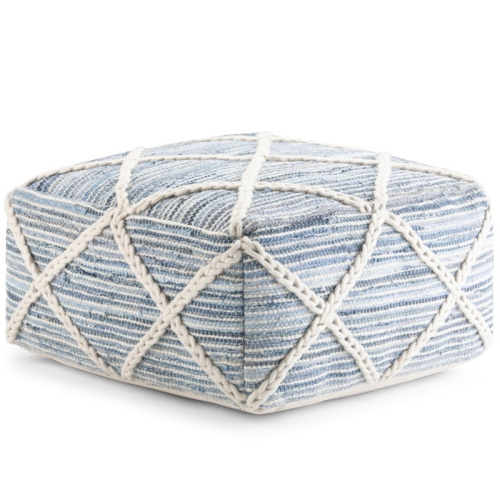
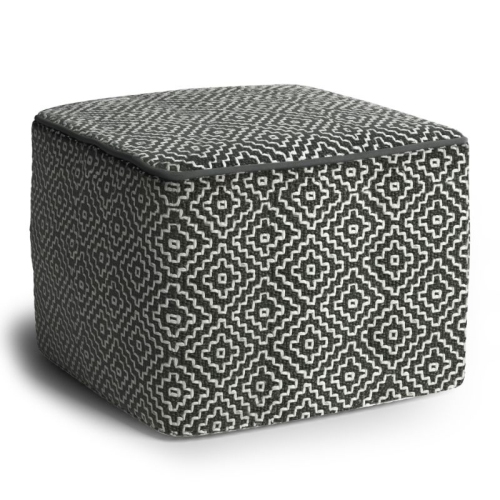
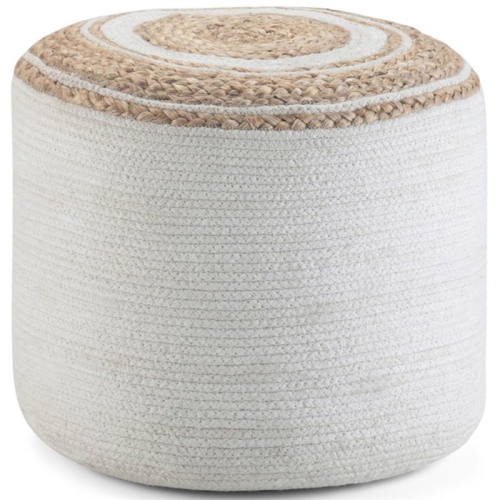
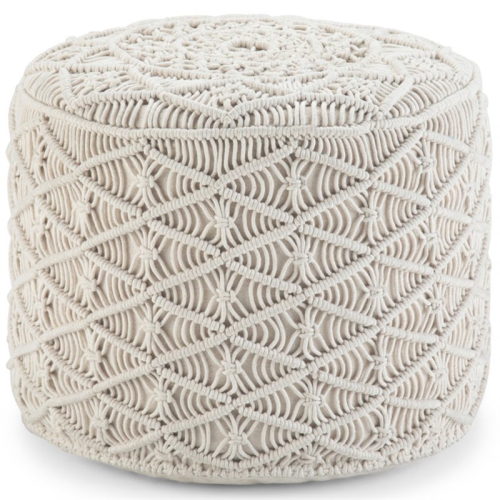
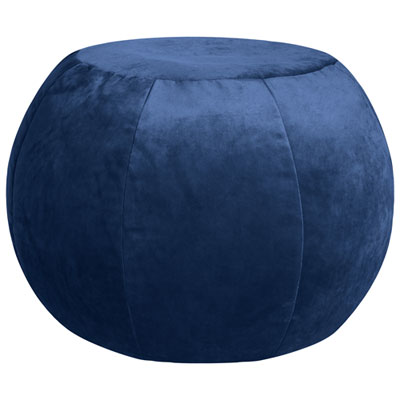
Yarn poufs are a great way to add extra seating or storage to your home. They're also a fun way to add some style to your space. Yarn poufs come in a variety of colors and textures, so you can find one that fits your style. Here are some great options available.
Sort

Yarn choices and gauge shape every handmade project
Yarn is the starting point for countless creative projects, from cosy scarves and textured blankets to fitted sweaters, soft accessories, and decorative pieces for the home. The Yarn Pouves collection can help knitters and crocheters find materials suited to projects of different sizes, patterns, and skill levels. When choosing yarn, begin with the project instructions and check the recommended fibre, weight, yardage, and gauge. Yarn weight affects the drape, warmth, stitch definition, and overall appearance of a finished piece, while fibre content influences how it feels in the hand and how it responds to washing. Wool and wool blends are often valued for warmth and elasticity, cotton is a practical choice for lighter pieces and defined stitches, and acrylic or other easy-care fibres can be useful for everyday projects that need straightforward maintenance. Texture matters as well: smooth yarn makes individual stitches easier to see, while boucle, brushed, chenille, and other novelty textures can add depth but may make intricate patterns more difficult to read. Colour is an important part of the selection process, especially when a project includes stripes, colourwork, or several matching skeins. If the yarn is intended as a gift, consider the recipient’s preferred colours, the types of projects they enjoy, and whether they tend to knit, crochet, or experiment with both. A thoughtfully chosen yarn can be an inviting gift for a beginner learning their first stitches or an experienced maker planning a larger project during the cooler months.
Making a gauge swatch is one of the most useful steps before beginning a garment, blanket, or other project where size matters. A standard knitting gauge is commonly measured over 4 inch (10 cm) in the centre of a swatch, allowing the maker to compare the number of stitches and rows with the pattern or yarn label. To prepare an accurate sample, knit or crochet a square that is about 6 inch (15 cm) on each side rather than making only a small 4 inch square. The extra area creates a border around the section being measured and helps prevent the edge stitches from distorting the result. Use the same yarn, needles or hook, stitch pattern, and technique planned for the finished item. If the project will be worked in the round, a swatch made flat may not reflect the same tension, so matching the construction method is helpful. Once the sample is complete, wash and block it in the same way the finished piece will be treated. Fibre can relax, expand, contract, or change texture after washing, and measuring before this step can lead to an inaccurate result. Lay the dry swatch flat without stretching it, place a ruler in the centre, and count the stitches across 4 inch horizontally. Then count the rows over 4 inch vertically. Compare both measurements with the instructions on the pattern or the information on the yarn label. If there are too many stitches in 4 inch, try a larger needle or hook; if there are too few, move to a smaller size. Adjusting needle or hook size is usually preferable to pulling the fabric tighter or looser by hand, since consistent tension will be easier to maintain throughout the project.
Beyond gauge, think about how much yarn the project requires and whether the available quantity includes enough yardage for the planned size, stitch pattern, and finishing details. Cables, colourwork, raised textures, and dense crochet stitches can use more yarn than a simple stockinette or open pattern, while a larger size may require additional skeins. Buying enough yarn from the same colour lot can help keep the shade consistent, particularly for a blanket, cardigan, or other broad surface. It is also useful to keep the label until the project is finished, since it contains care instructions, fibre details, lot information, and recommended needle or hook sizes. Store yarn cleanly and keep unfinished work protected between sessions, especially when a project will be carried through changing temperatures or taken along while travelling. Yarn supplies can make a personal present for someone who enjoys quiet, hands-on hobbies, and they pair naturally with a pattern, project bag, stitch markers, measuring tape, or other basic tools. Makers decorating a reading corner, nursery, bedroom, or living area may also be comparing soft textile projects with other tactile home accents; for a different direction in home décor, browse Black Poufs. Whether the goal is a first practice swatch or a carefully planned handmade piece, choosing the right yarn and confirming gauge before casting on or beginning a foundation chain can make the process smoother and help the finished project look and fit as intended.
Making a gauge swatch is one of the most useful steps before beginning a garment, blanket, or other project where size matters. A standard knitting gauge is commonly measured over 4 inch (10 cm) in the centre of a swatch, allowing the maker to compare the number of stitches and rows with the pattern or yarn label. To prepare an accurate sample, knit or crochet a square that is about 6 inch (15 cm) on each side rather than making only a small 4 inch square. The extra area creates a border around the section being measured and helps prevent the edge stitches from distorting the result. Use the same yarn, needles or hook, stitch pattern, and technique planned for the finished item. If the project will be worked in the round, a swatch made flat may not reflect the same tension, so matching the construction method is helpful. Once the sample is complete, wash and block it in the same way the finished piece will be treated. Fibre can relax, expand, contract, or change texture after washing, and measuring before this step can lead to an inaccurate result. Lay the dry swatch flat without stretching it, place a ruler in the centre, and count the stitches across 4 inch horizontally. Then count the rows over 4 inch vertically. Compare both measurements with the instructions on the pattern or the information on the yarn label. If there are too many stitches in 4 inch, try a larger needle or hook; if there are too few, move to a smaller size. Adjusting needle or hook size is usually preferable to pulling the fabric tighter or looser by hand, since consistent tension will be easier to maintain throughout the project.
Beyond gauge, think about how much yarn the project requires and whether the available quantity includes enough yardage for the planned size, stitch pattern, and finishing details. Cables, colourwork, raised textures, and dense crochet stitches can use more yarn than a simple stockinette or open pattern, while a larger size may require additional skeins. Buying enough yarn from the same colour lot can help keep the shade consistent, particularly for a blanket, cardigan, or other broad surface. It is also useful to keep the label until the project is finished, since it contains care instructions, fibre details, lot information, and recommended needle or hook sizes. Store yarn cleanly and keep unfinished work protected between sessions, especially when a project will be carried through changing temperatures or taken along while travelling. Yarn supplies can make a personal present for someone who enjoys quiet, hands-on hobbies, and they pair naturally with a pattern, project bag, stitch markers, measuring tape, or other basic tools. Makers decorating a reading corner, nursery, bedroom, or living area may also be comparing soft textile projects with other tactile home accents; for a different direction in home décor, browse Black Poufs. Whether the goal is a first practice swatch or a carefully planned handmade piece, choosing the right yarn and confirming gauge before casting on or beginning a foundation chain can make the process smoother and help the finished project look and fit as intended.
Top selling and popular products
-
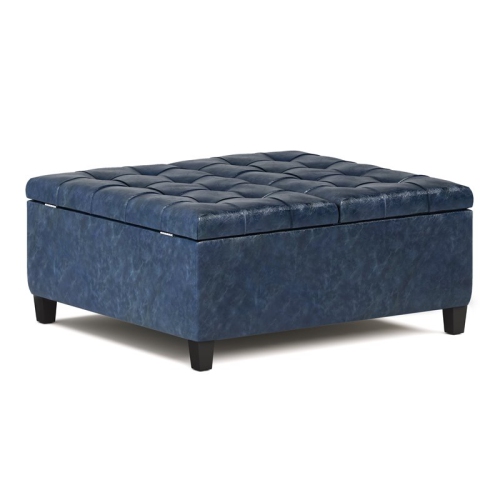 Your price for this item is $1016.33
 -
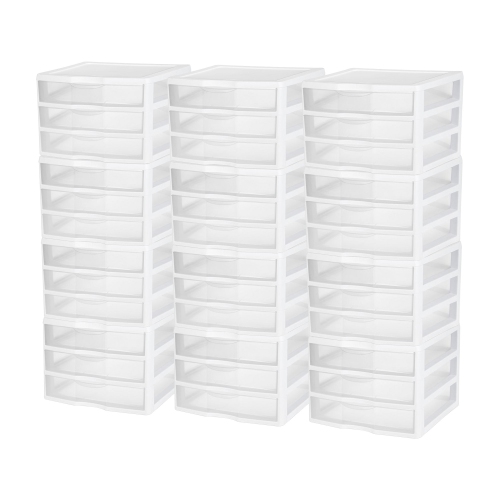 Your price for this item is $530.99
 -
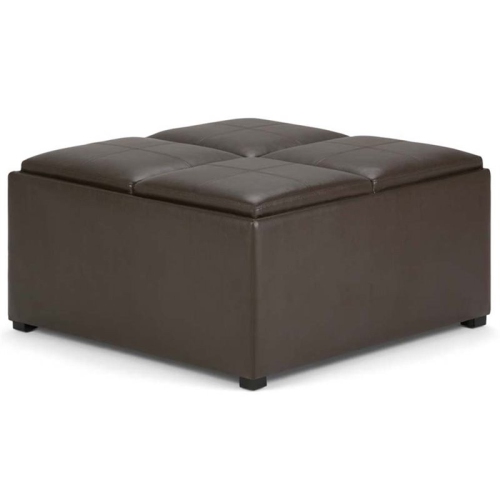 Your price for this item is $1109.94
 -
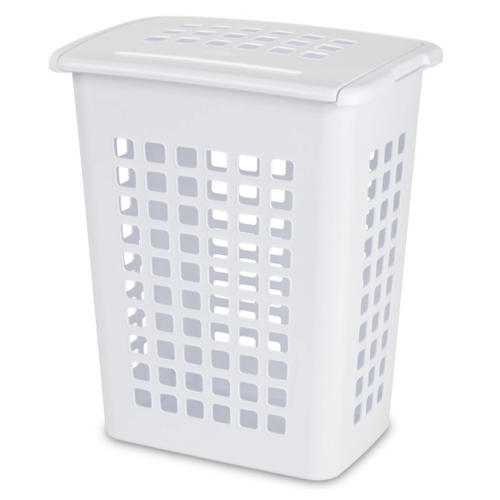 Your price for this item is $1403.99
 -
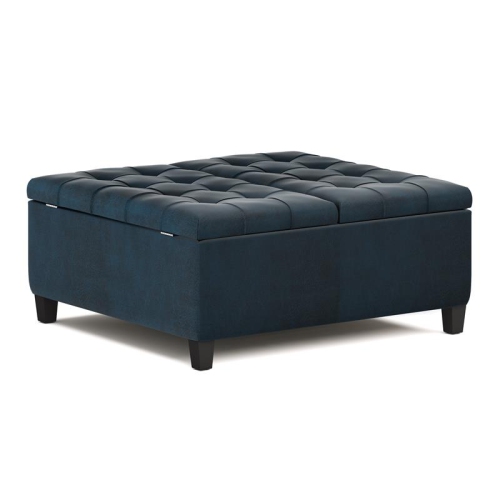 Your price for this item is $1018.38
 -
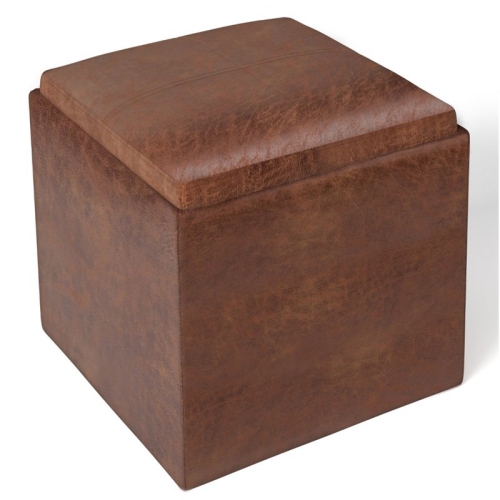 Your price for this item is $339.24
 -
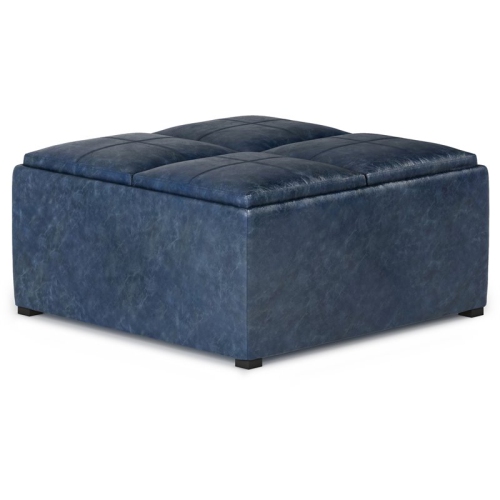 Your price for this item is $1174.21
 -
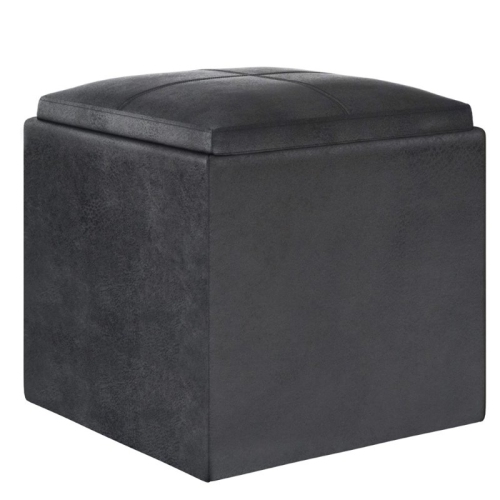 Your price for this item is $346.6
Discover more categories related to Yarn Pouves
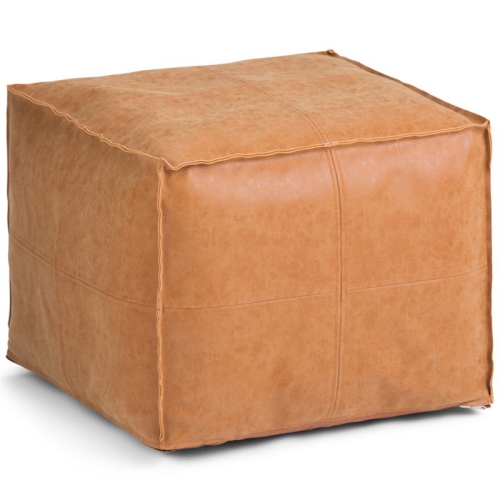
Top Collections:
Pokemon Centers, Kindle Devices, Best Budget Office Chairs, Apple iPhones 16, Best Laptops for Writers, iPhone 15 Apple, Canon G7X Cameras, Refurbished Apple Laptops, Alarm Clock, Motorola Razr Phones
Some products may be subject to Environmental Handling Fees
(EHF) depending on your province.
Learn more about EHFs.