Home Security Systems

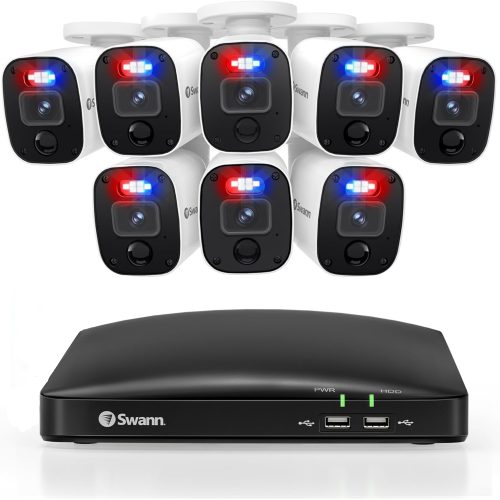
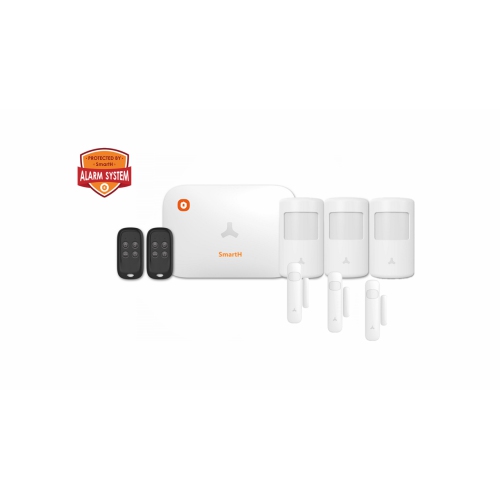
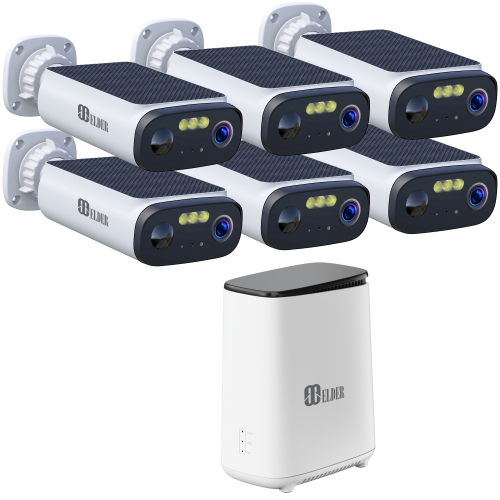
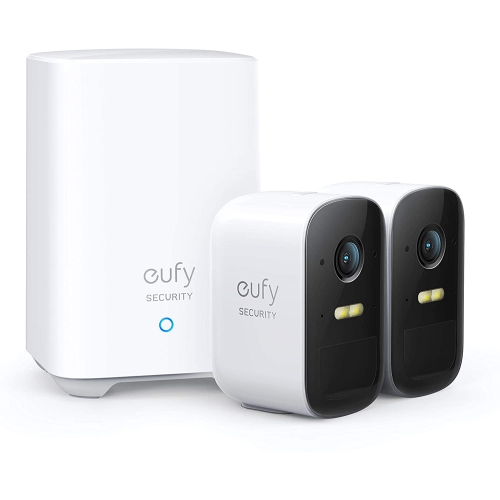
Find home security systems that suit your space and how you want to monitor it. Compare options by coverage, installation requirements, and monitoring features, and check compatibility with your existing devices. Consider whether a system can support additional devices as your needs change and whether any features require a subscription.
Read More

Sort

How your home’s layout shapes its security needs

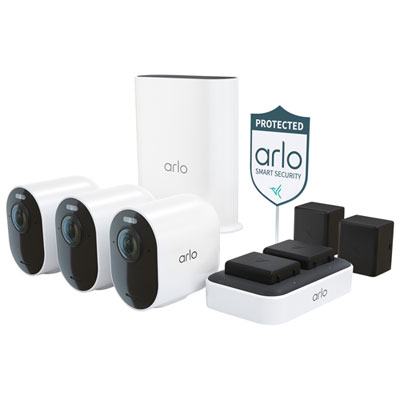
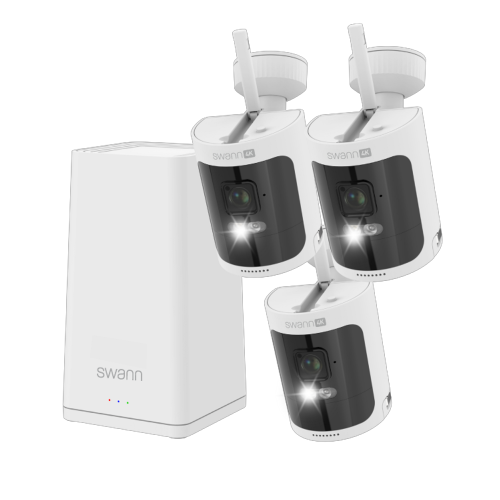
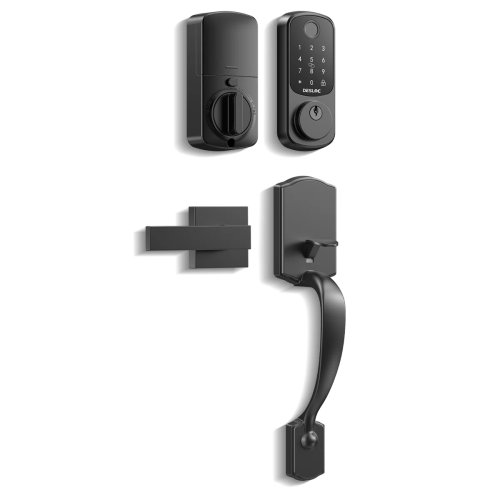
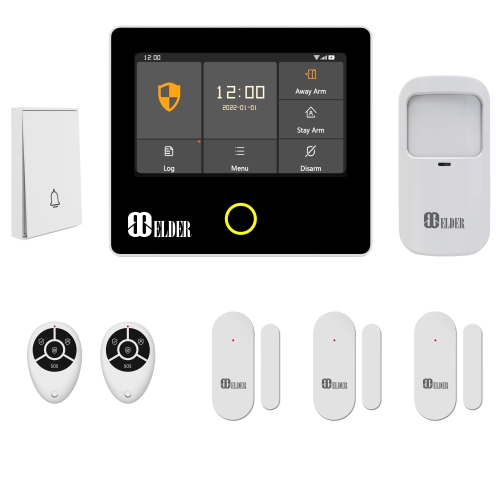
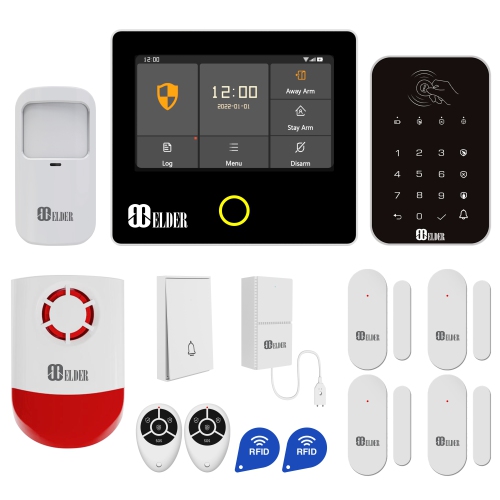
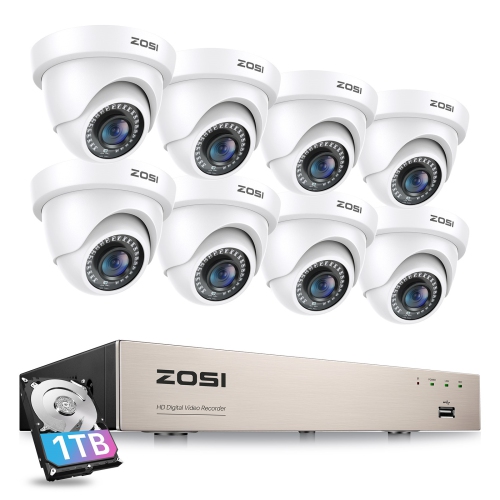
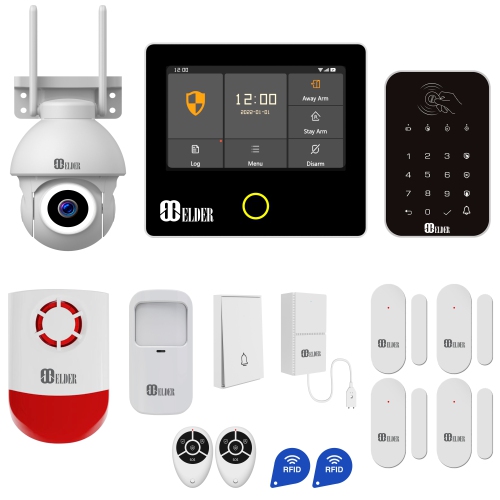
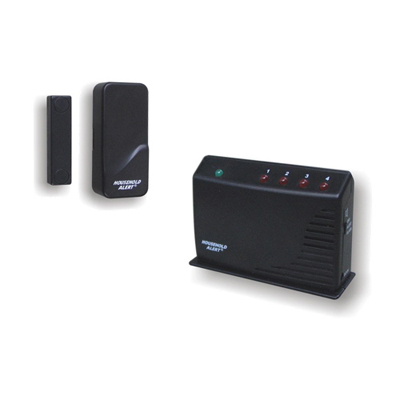
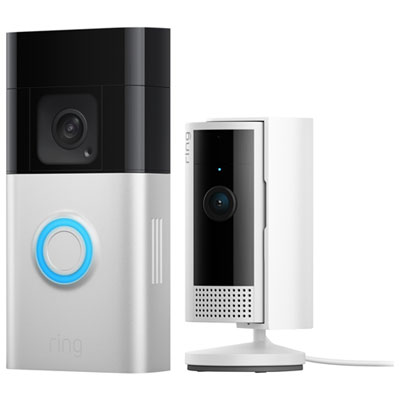
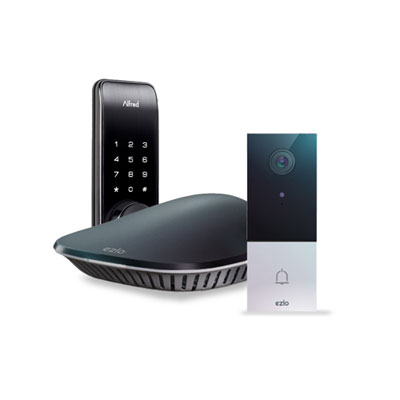
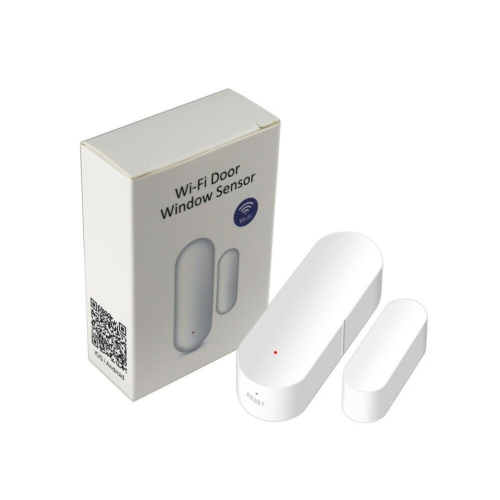
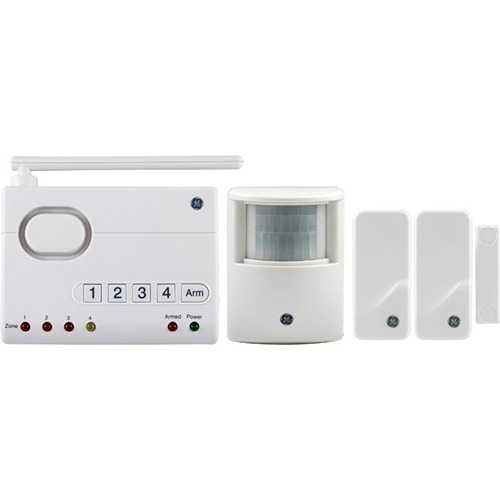
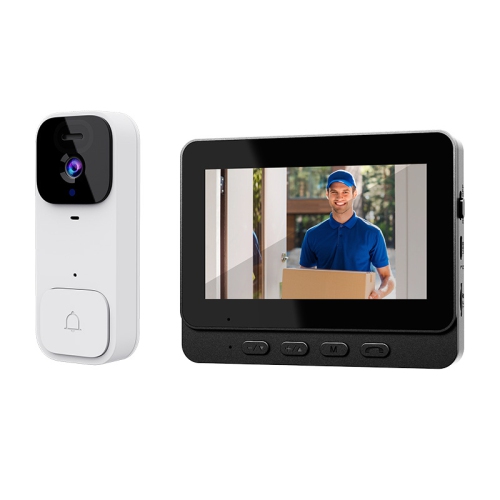
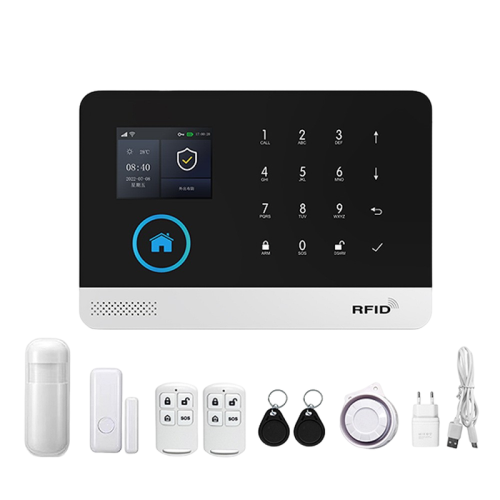
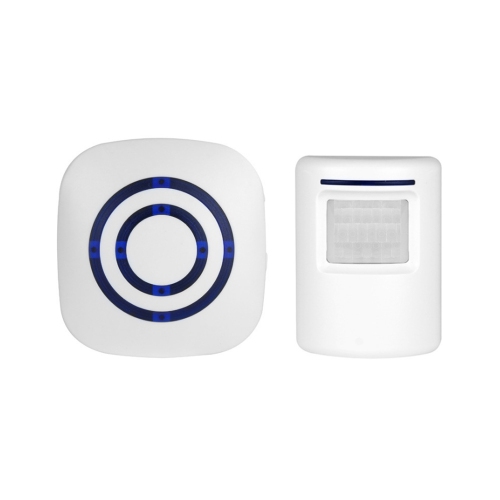
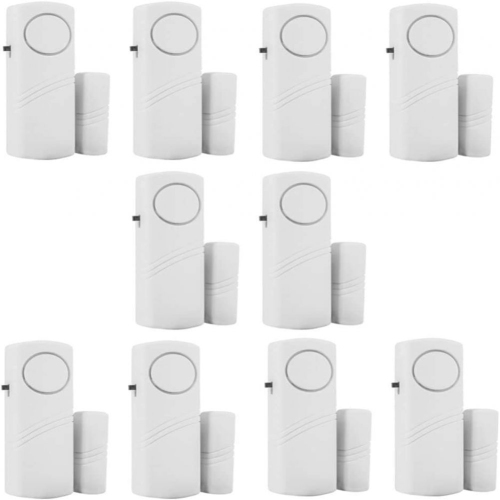
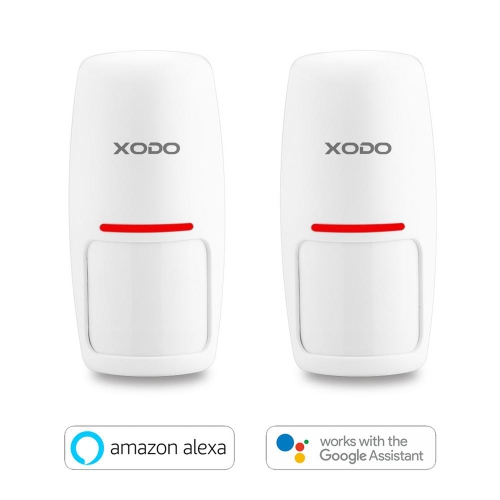
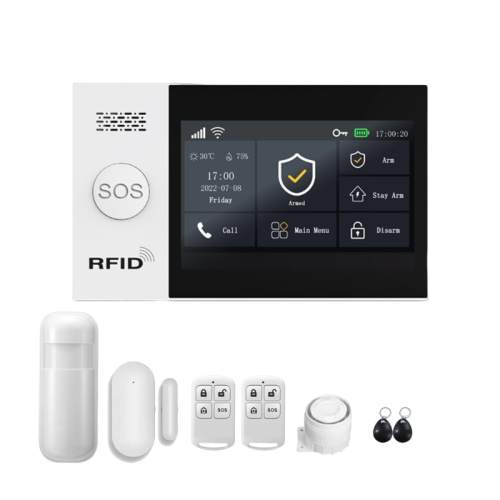
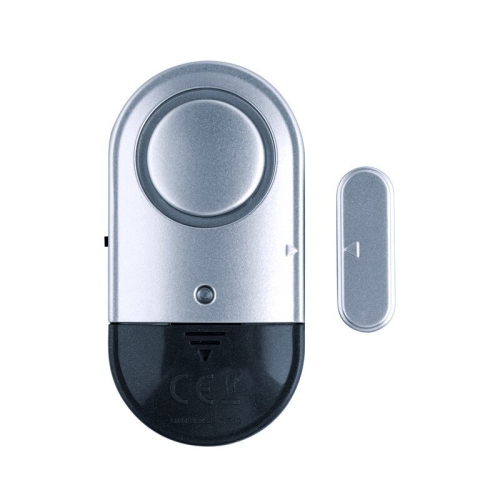
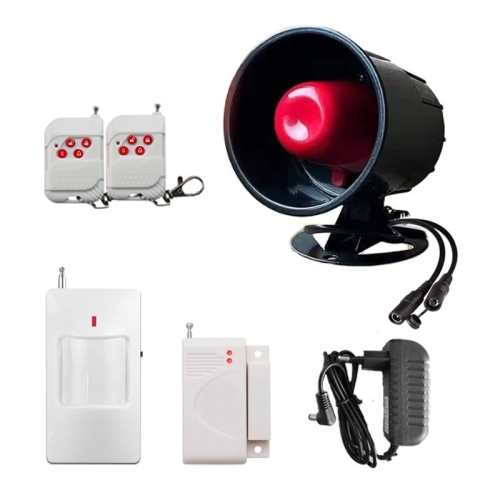
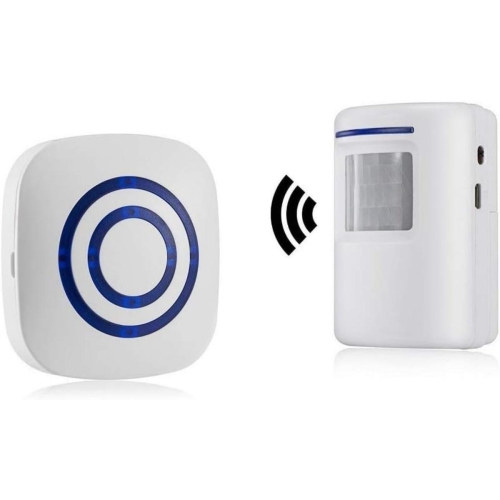
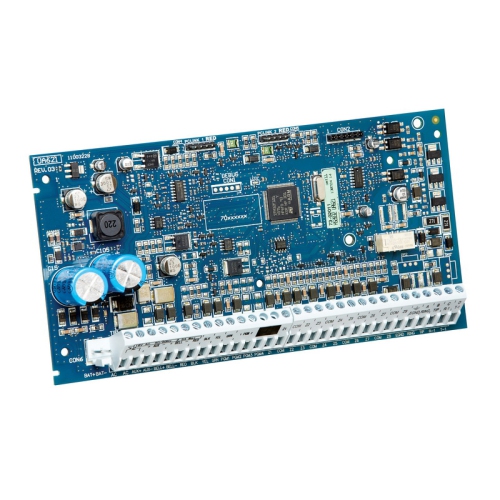
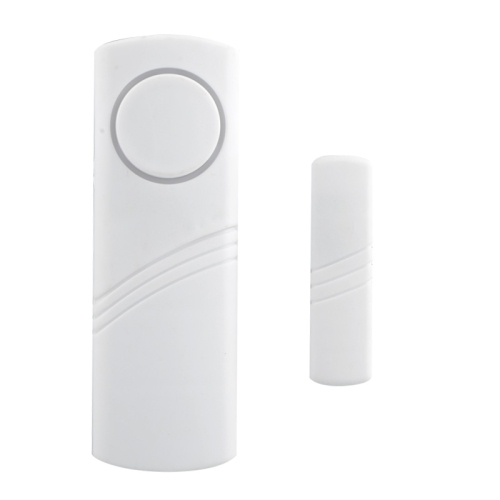
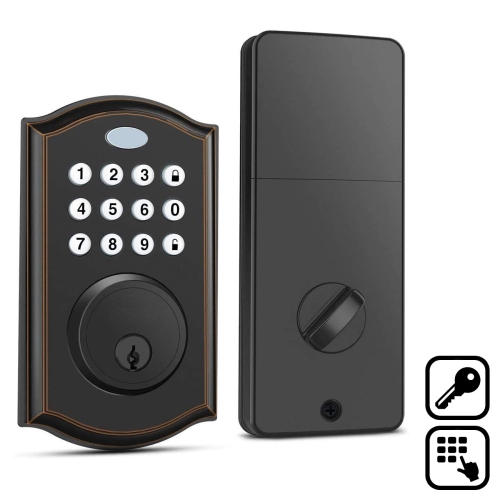
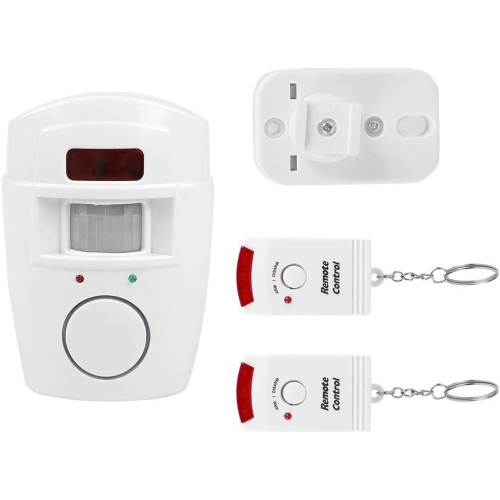
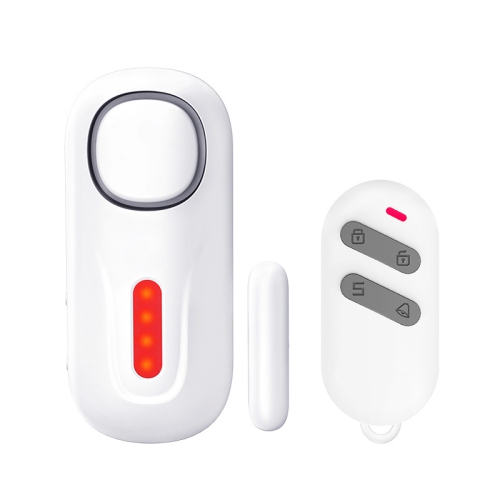
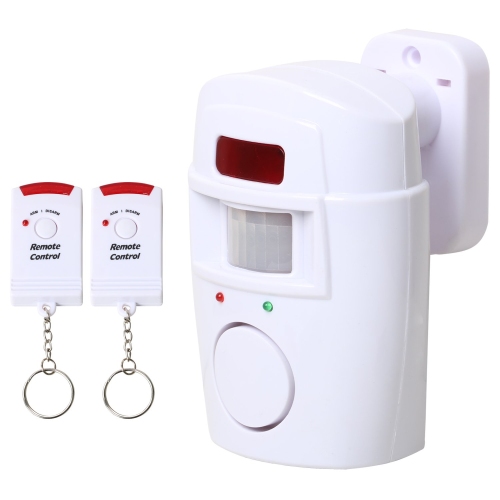
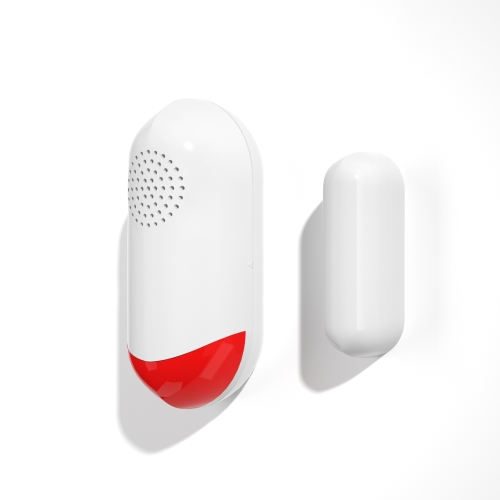
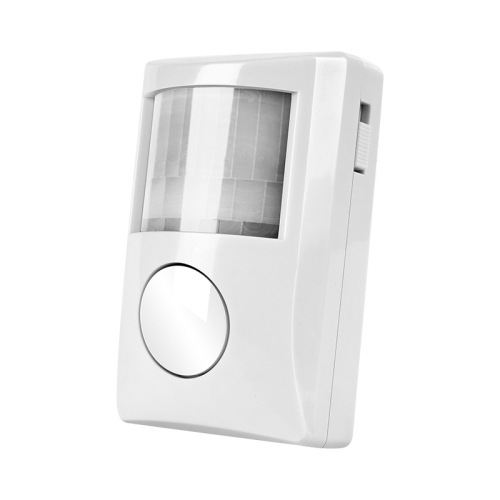
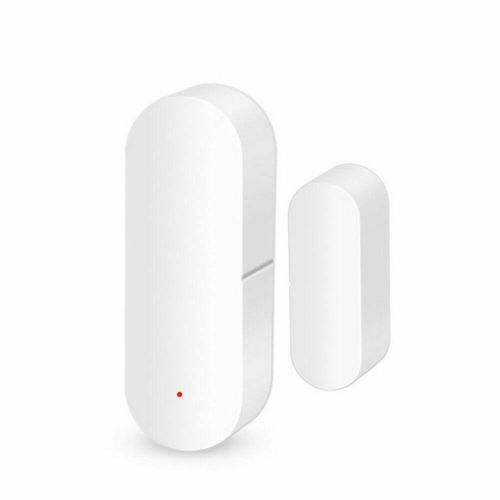
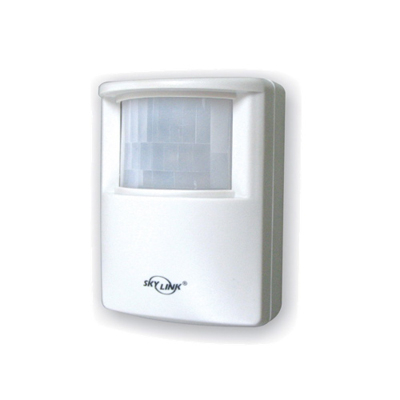
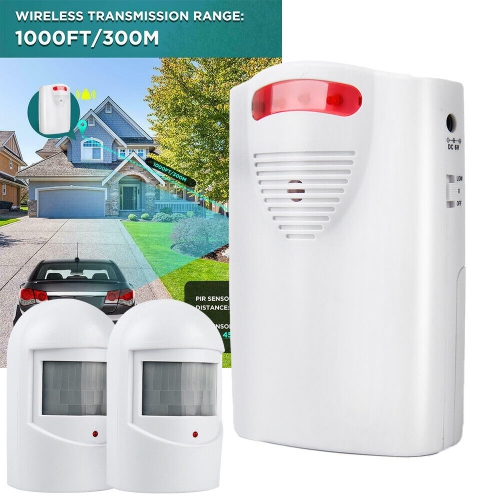
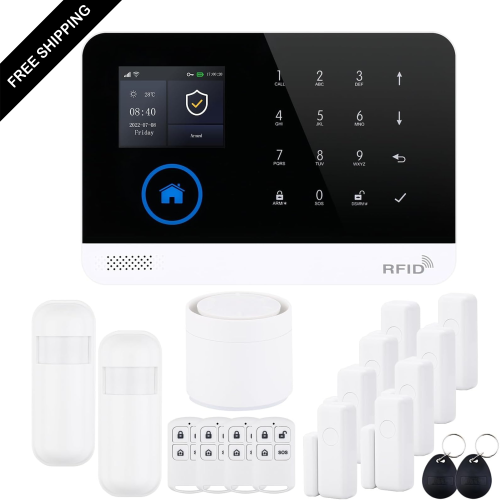
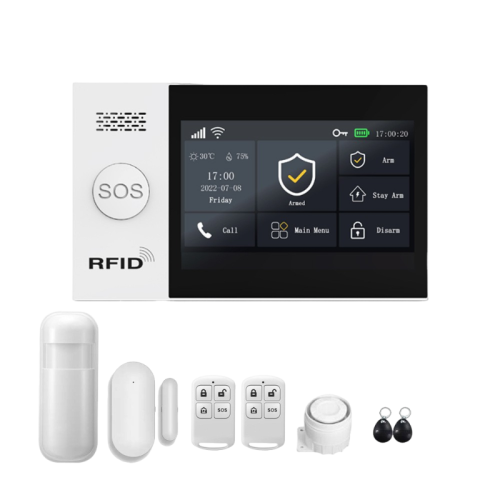
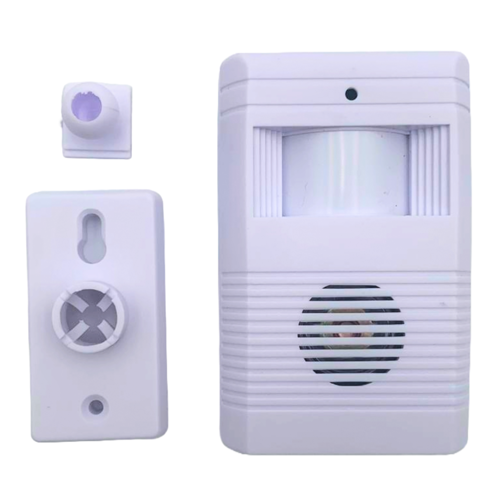
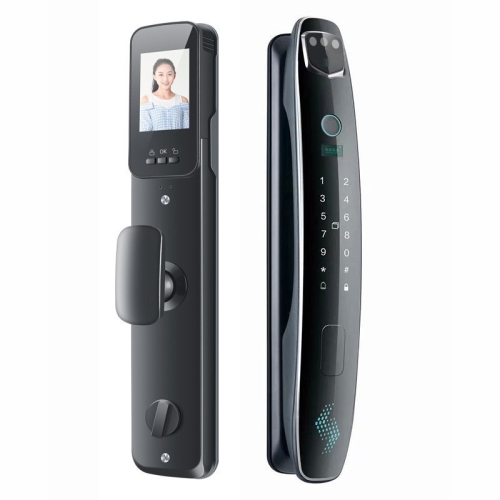
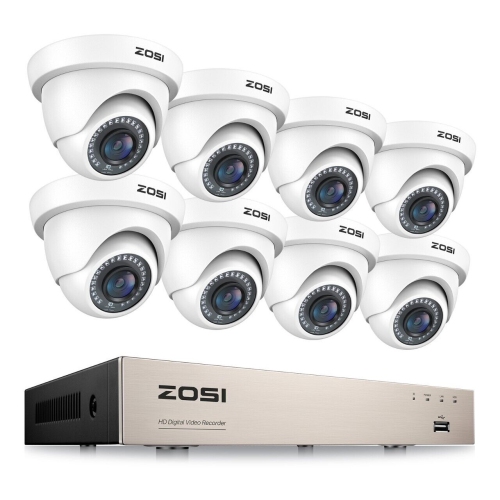
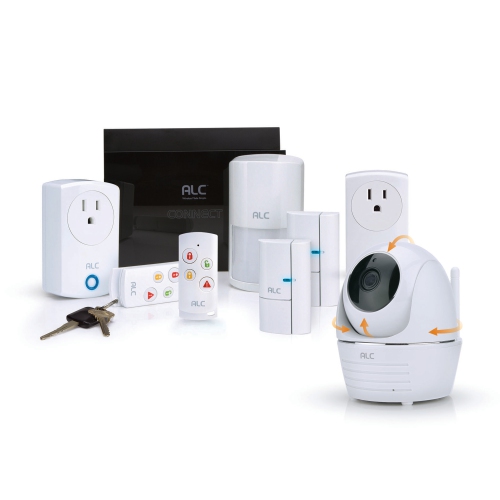
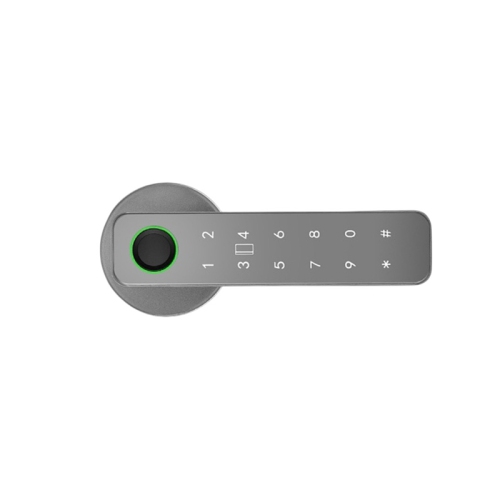
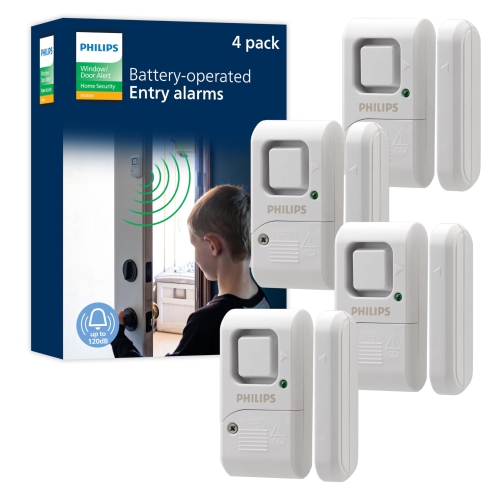
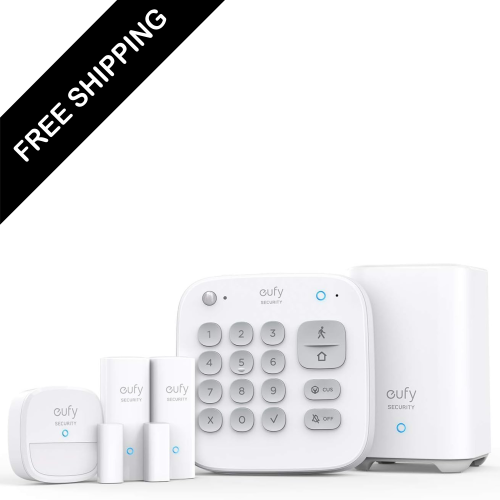
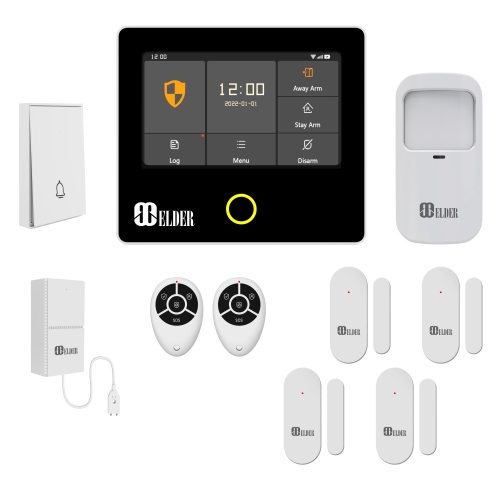
Home security systems combine sensors, alarms, and connected controls to help detect activity around a property and notify residents when attention may be needed. Many systems use a central hub or base station to link door and window sensors, motion detectors, and an audible siren, with a keypad or mobile app for everyday operation. Security cameras can add visual context, showing whether an alert came from a visitor at the entrance or movement beside the garage. The right combination depends on the layout of the home and the areas that need coverage, rather than simply the number of components included. A condo with one main entrance has different requirements from a detached house with patio doors, an attached garage, and several ground-level windows. Contact sensors detect when an entry point opens, while motion detectors monitor activity within a defined area. Glass-break sensors offer another form of detection where compatible, particularly around larger glazed doors or windows. Placement matters: a sensor must fit its frame and maintain the manufacturer’s specified alignment, and a motion detector needs a clear view of the intended space. Pet-aware detection may help reduce unwanted alarms, but performance depends on the animal’s size, movement, and the sensor’s installation limits. Wireless systems can suit renters and households that prefer fewer visible cables, although adhesive mounts still need suitable surfaces and permission where required. Wired configurations may suit permanent installations or homes with compatible existing wiring. Neither approach automatically determines how a system is monitored. A professionally installed system can simplify component placement and setup, while a do-it-yourself system offers more control over installation and future changes. Expandability is also useful for households whose needs may change, such as adding coverage to a home office, another entrance, or a detached workspace. Compatibility between the hub and any additional sensors is essential, since similar-looking components do not necessarily work together. Clear controls and accessible keypad placement also make daily use easier for household members with different routines or mobility needs.
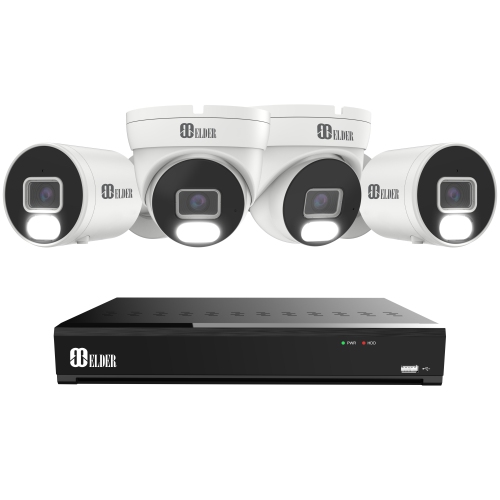
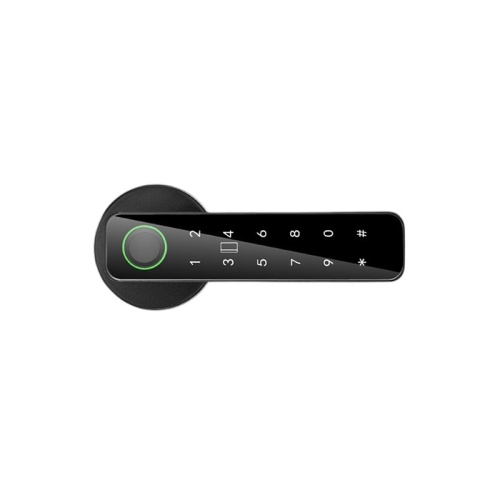
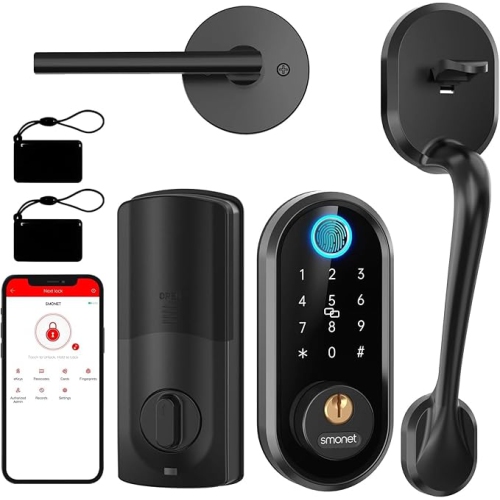
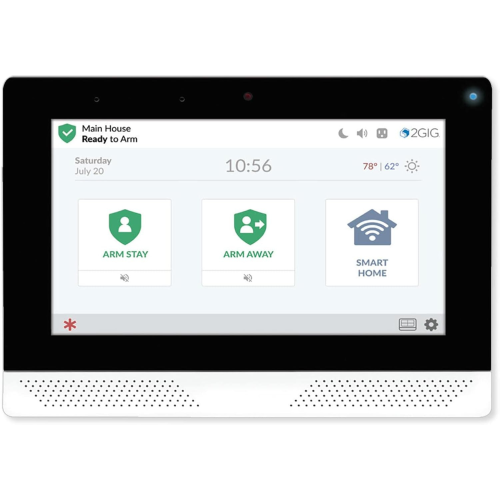
Monitoring determines what happens after a home security system detects a possible problem. With self-monitoring, alerts usually go to an app or another supported notification channel, leaving the account holder or an authorized contact to review the event and decide what action to take. Professional monitoring connects a supported system to a monitoring centre, where staff can follow established procedures and request emergency assistance when appropriate. Response depends on the service, the information received, local requirements, and the circumstances; an alarm does not guarantee immediate dispatch or arrival. This distinction matters for anyone who may be unable to check a phone during work, travel, or sleep. Some systems support both approaches, while others have more limited options. Features such as saved video, cellular backup, and advanced notifications may depend on separate services or subscriptions, so equipment capabilities and ongoing service requirements are worth considering together. Reliable communication is equally important. A wireless sensor connection does not necessarily mean the hub operates without power or internet access. Battery backup can keep supported equipment running during a power interruption, and cellular backup may provide another communication path if the main internet connection fails. Backup duration and supported functions vary, particularly for cameras and video recording. At home, straightforward arming modes help match security settings to daily life. A stay mode may protect selected entry points while allowing movement indoors, whereas an away mode can activate additional motion detection. Individual access codes can make it easier to identify authorized entries and remove access when it is no longer needed. Temporary access may be useful for a visiting relative or a trusted person checking the property. App usability also deserves attention: clear notifications, visible battery status, and manageable permissions are more useful than a crowded screen of rarely used controls. Strong account passwords, supported multi-factor authentication, and software updates help protect access to the system. Where required, local alarm registration and household familiarity with cancellation procedures can also help reduce avoidable false-alarm responses.
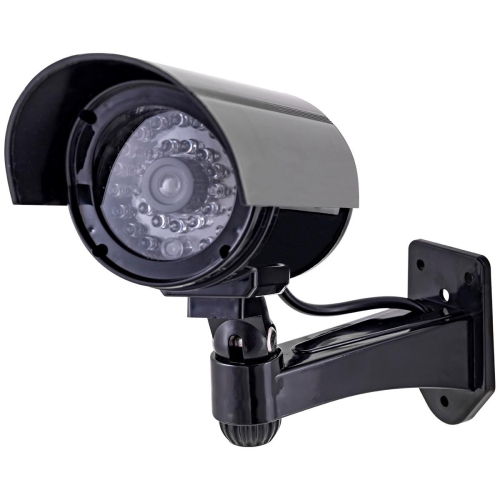
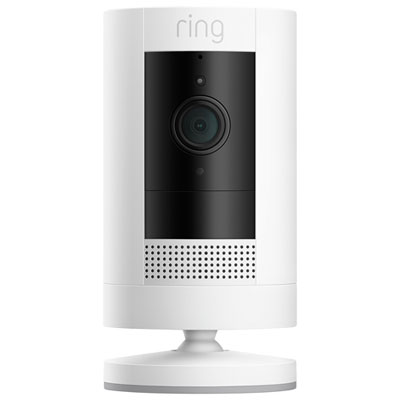
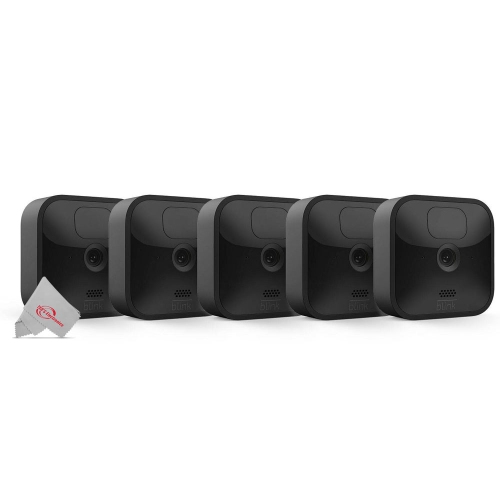
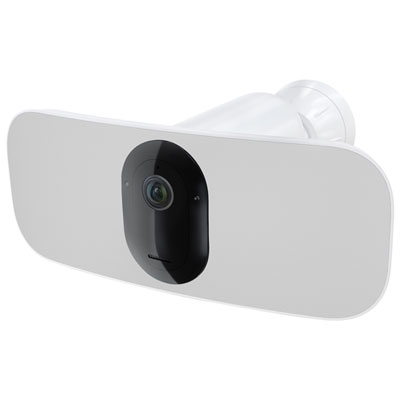
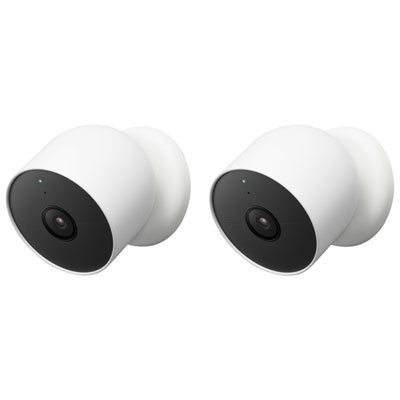
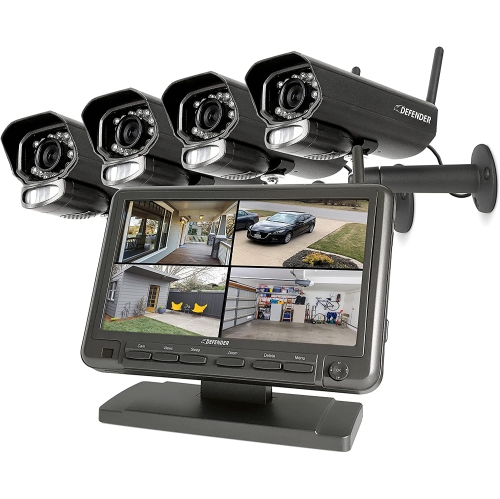
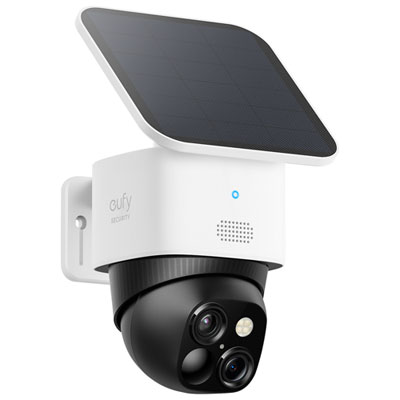
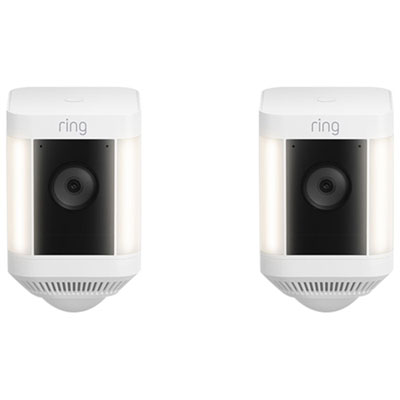
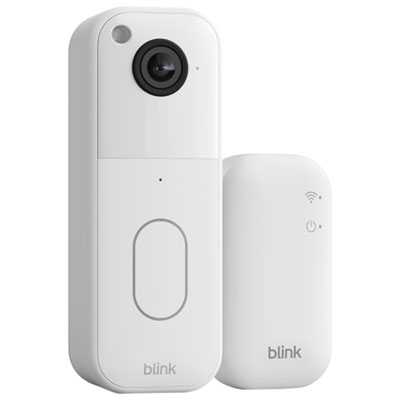
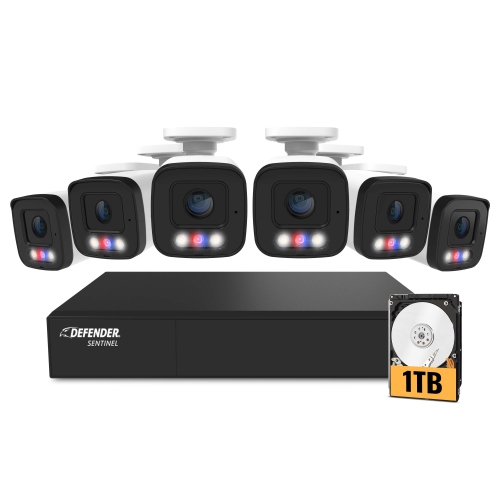
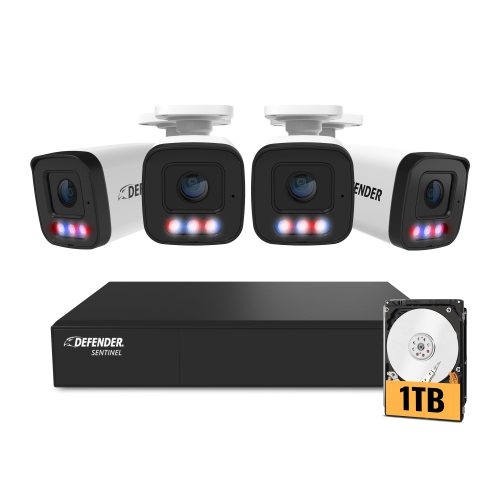
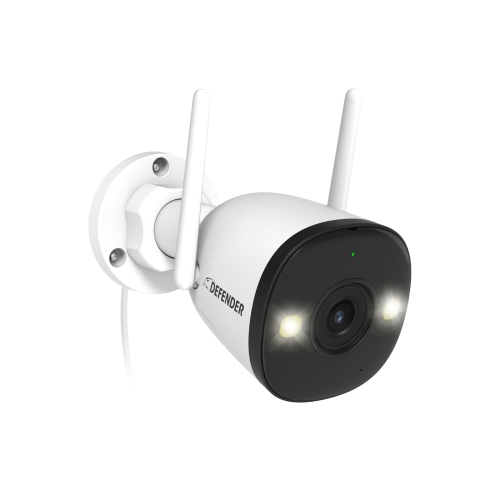
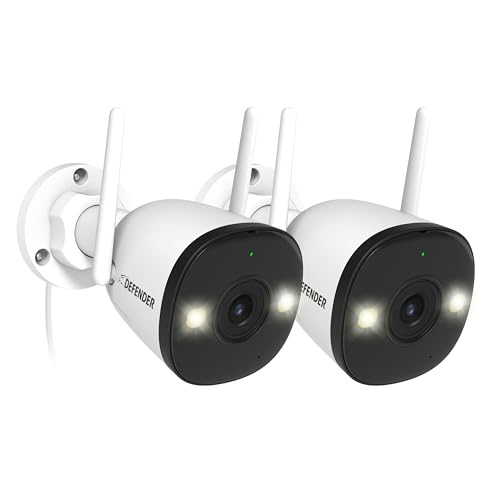
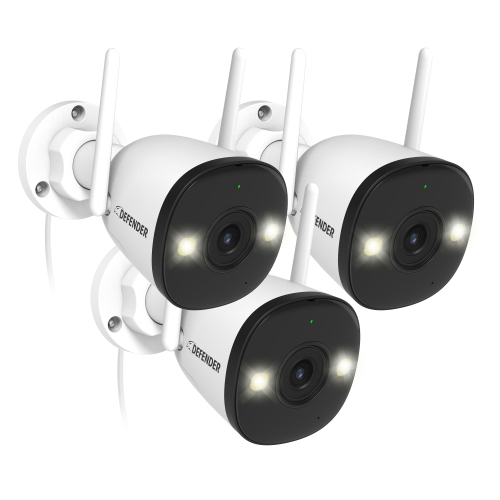
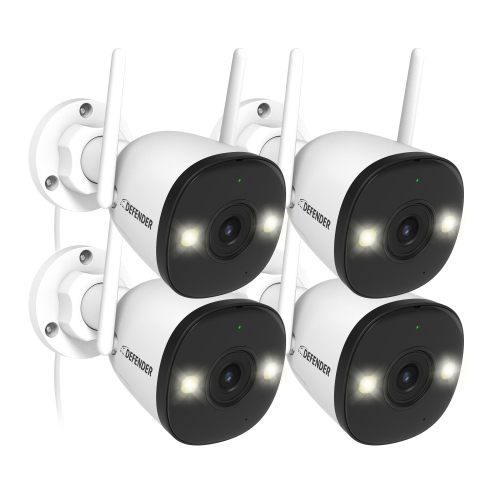
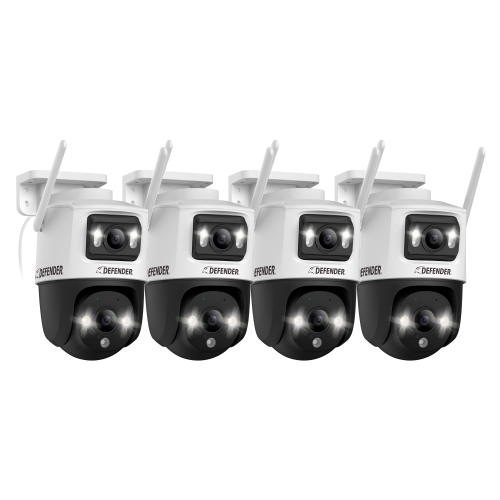
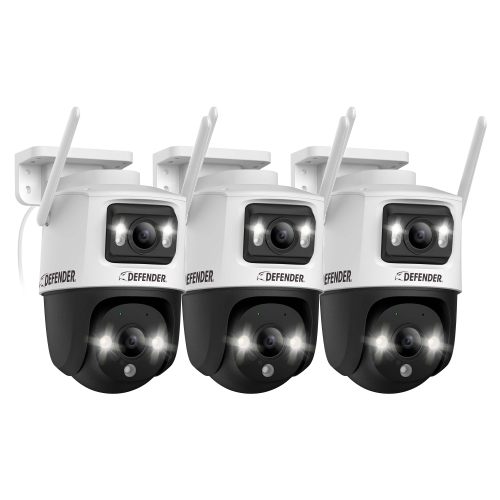
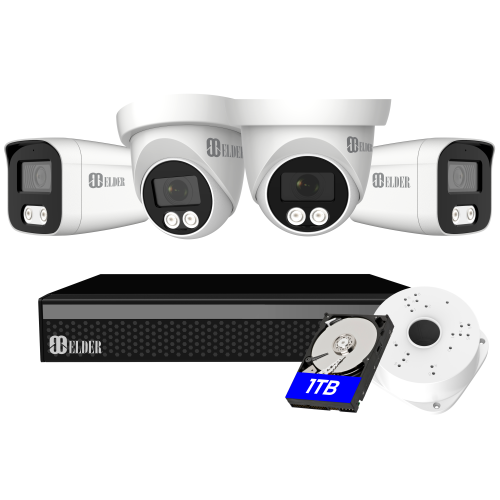
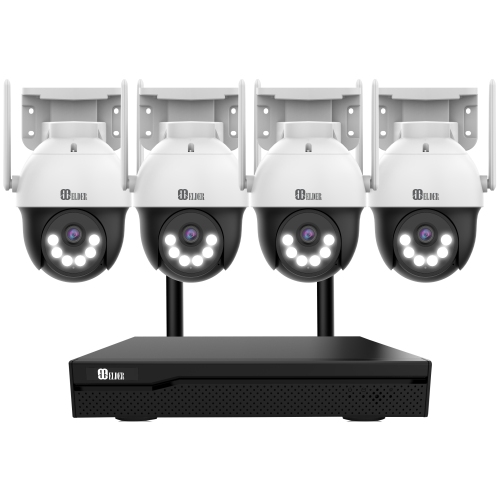
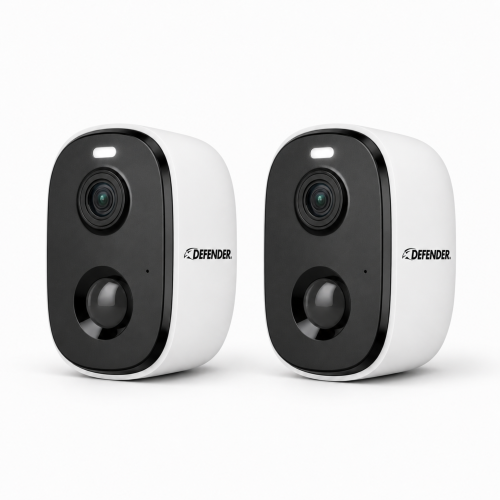
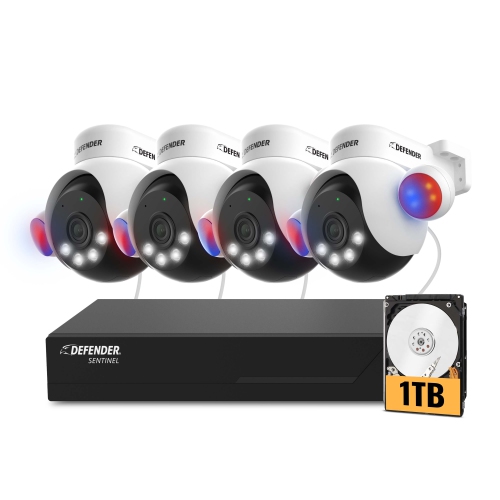
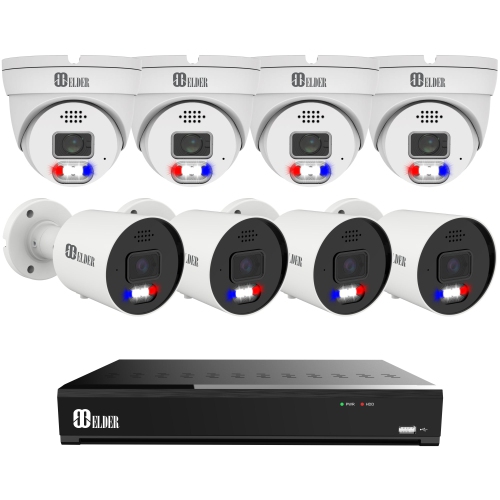
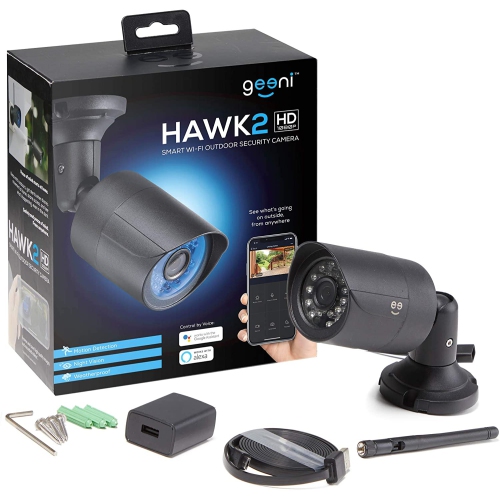
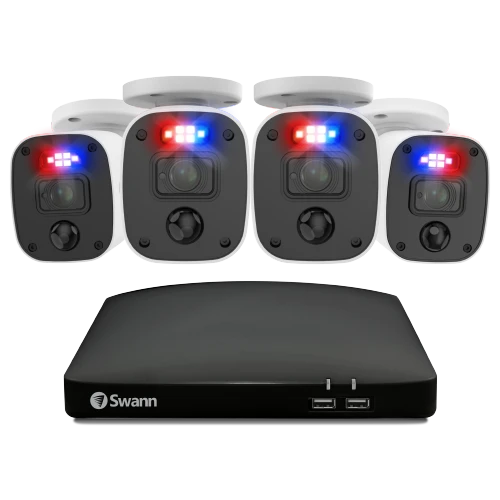
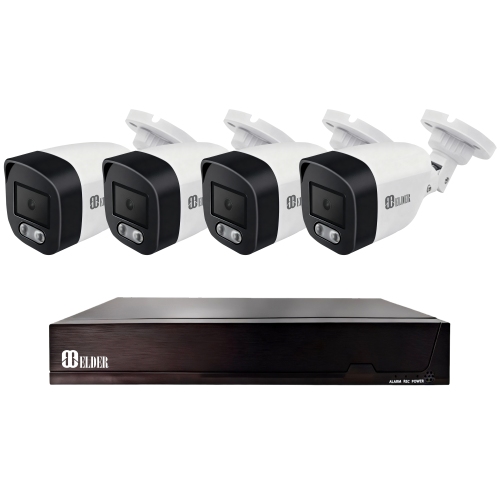
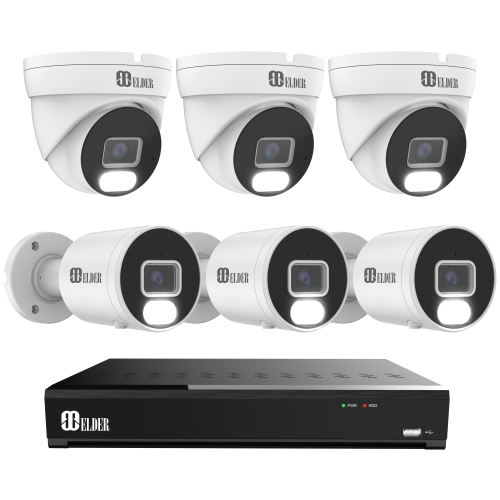
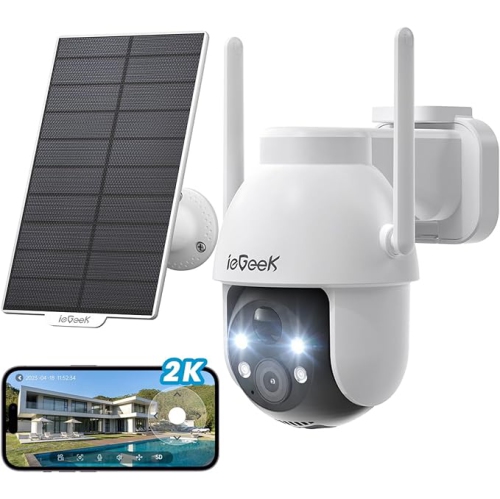
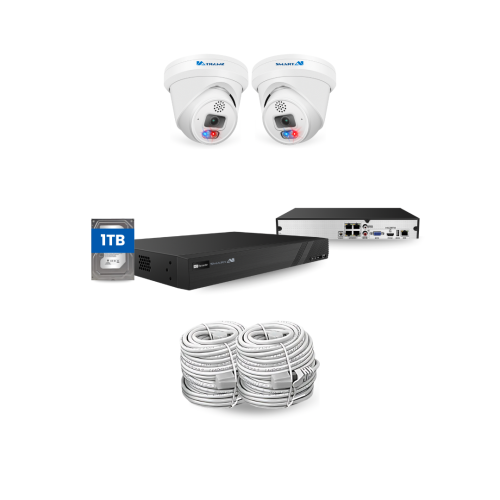
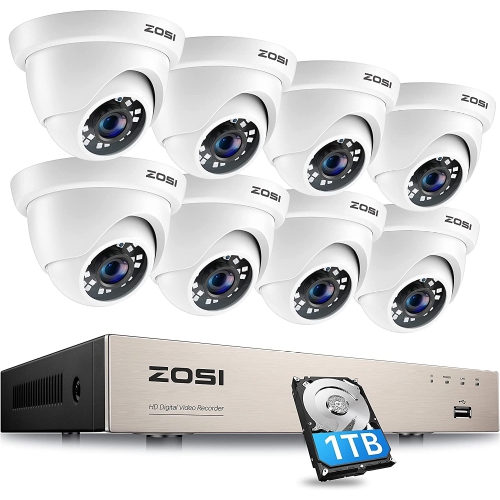
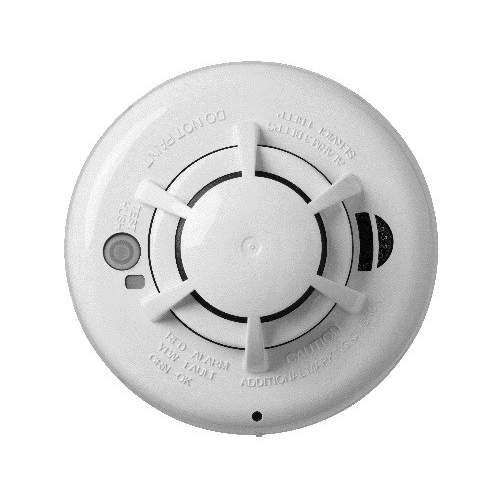
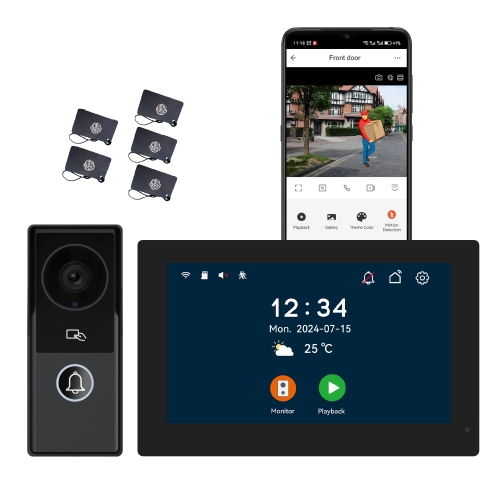
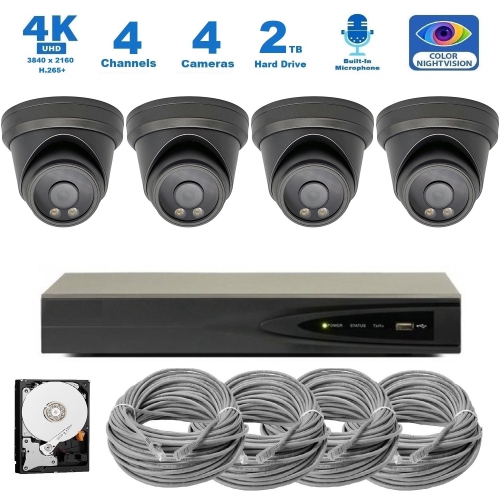
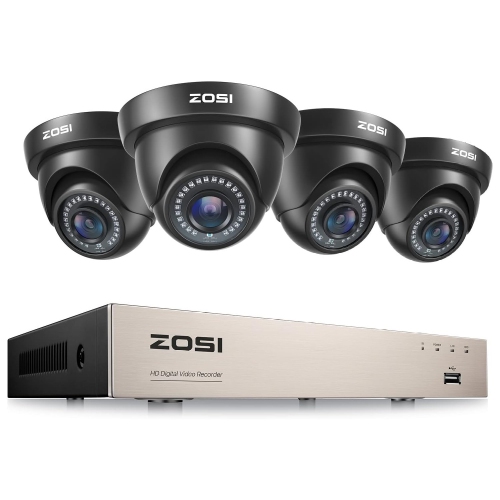
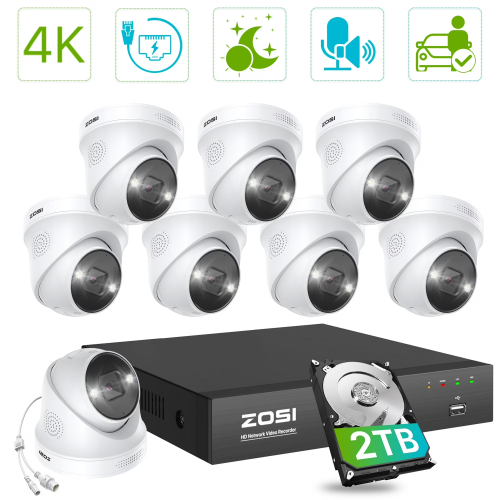
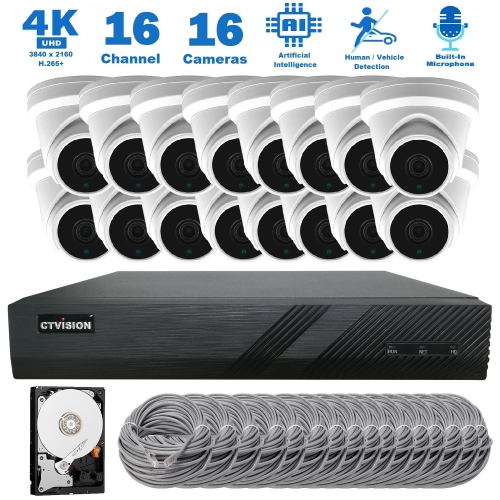
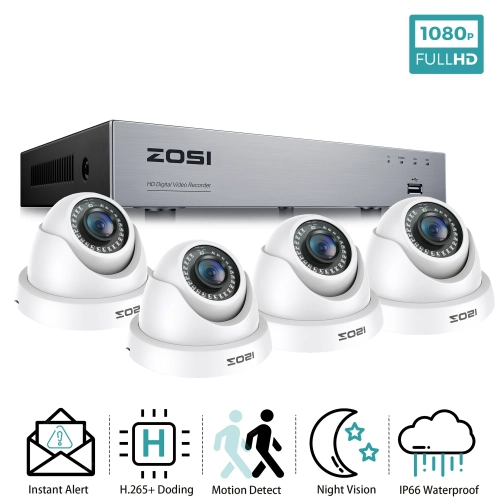
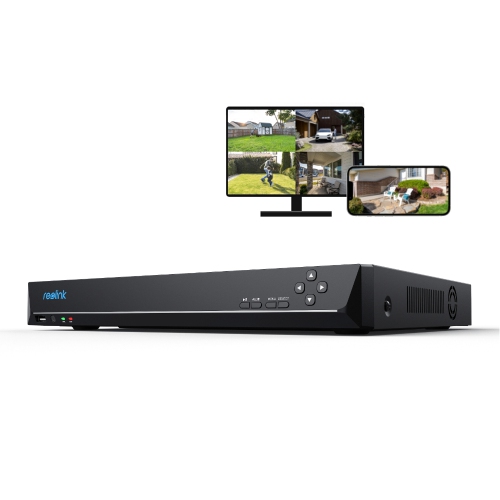
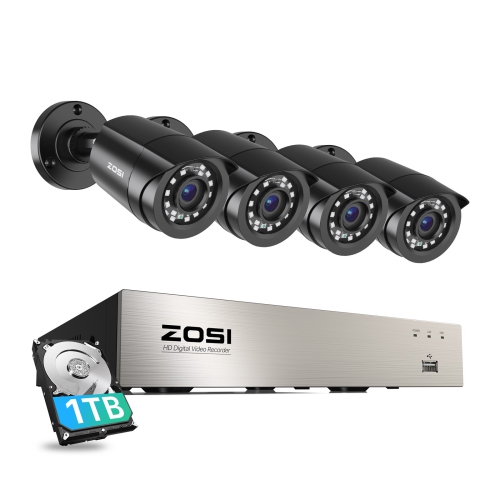
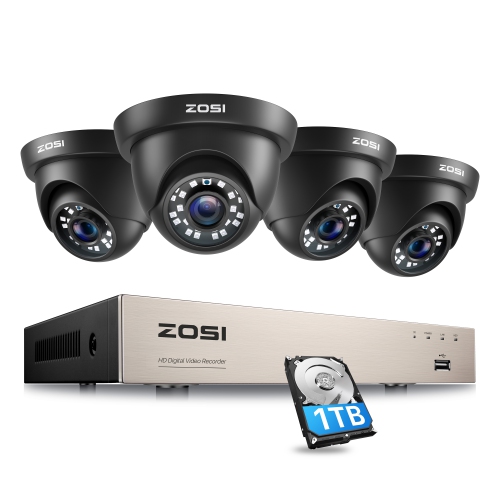
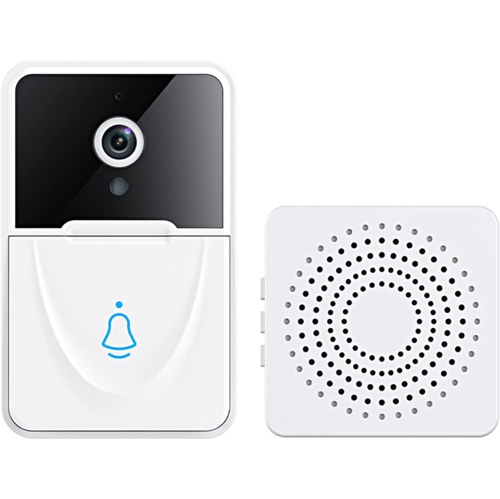
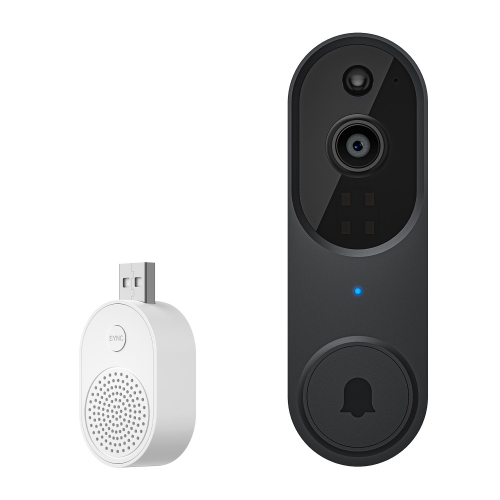
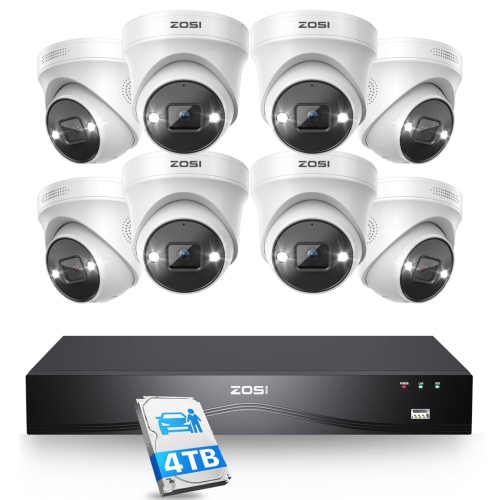
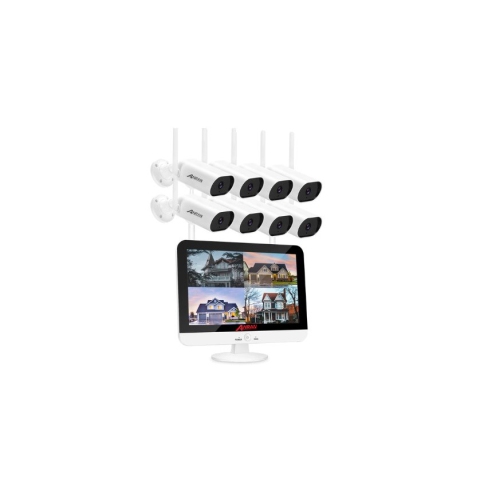
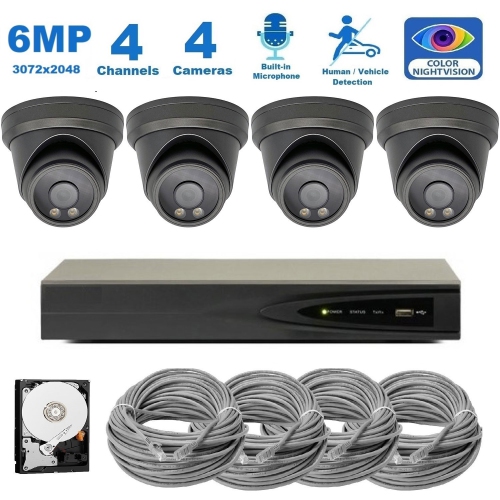
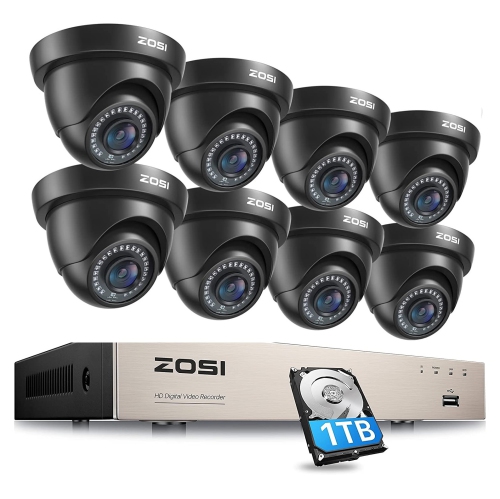
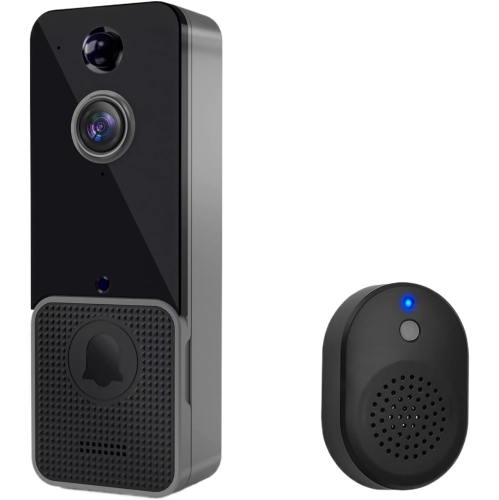
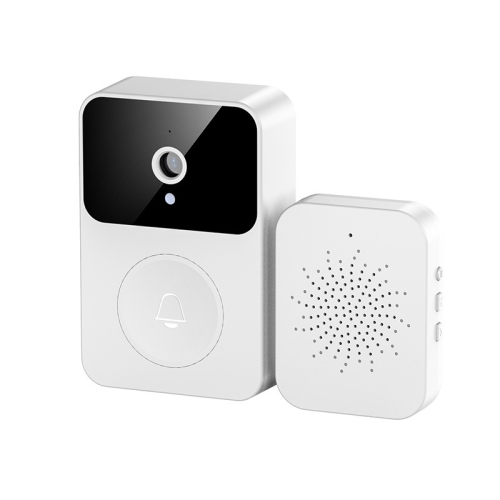
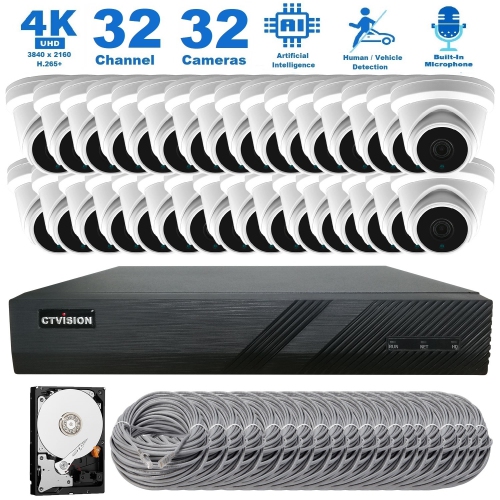
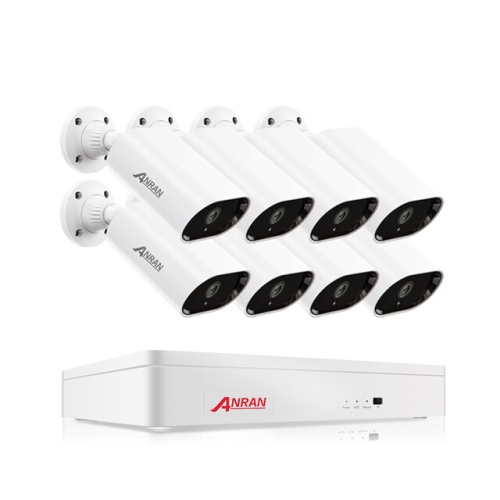
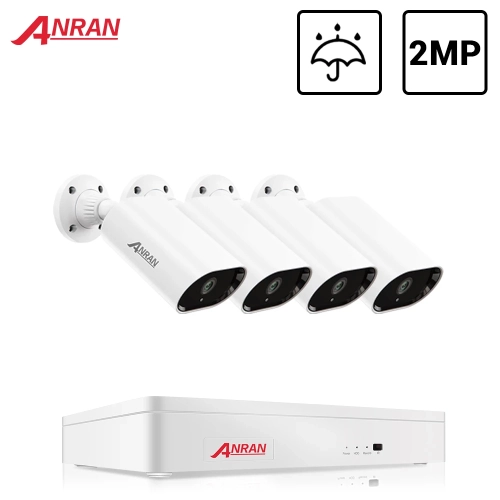
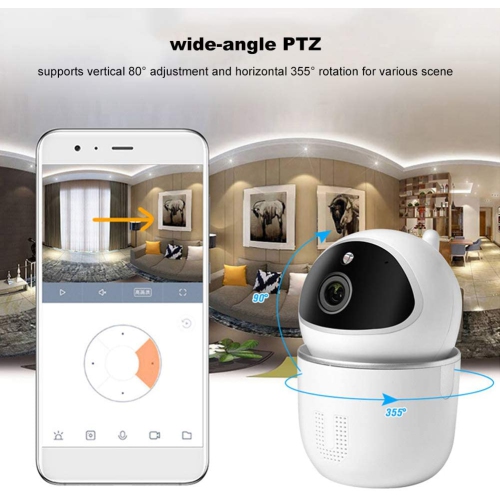
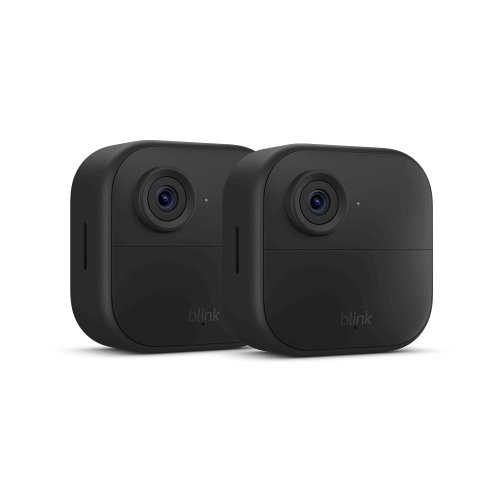
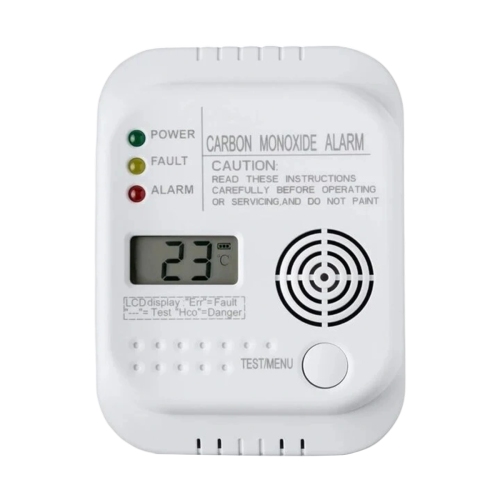
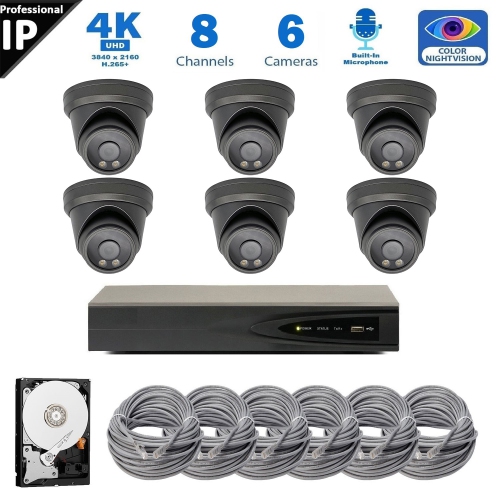
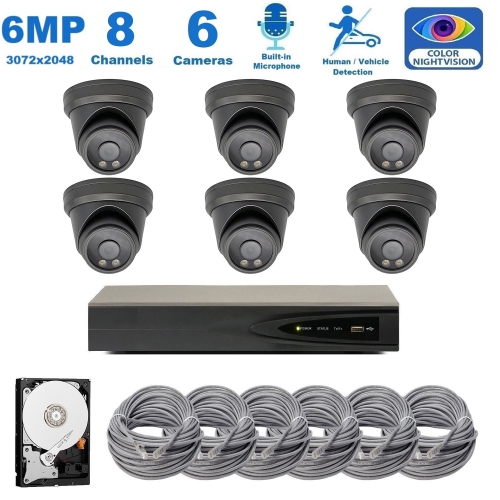
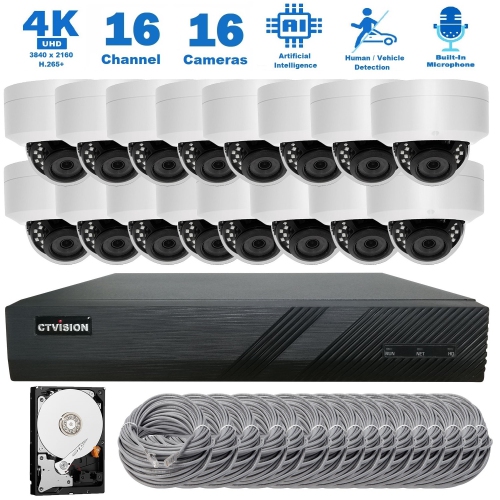
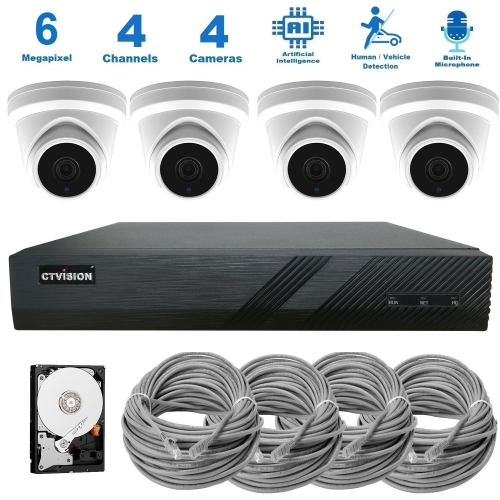
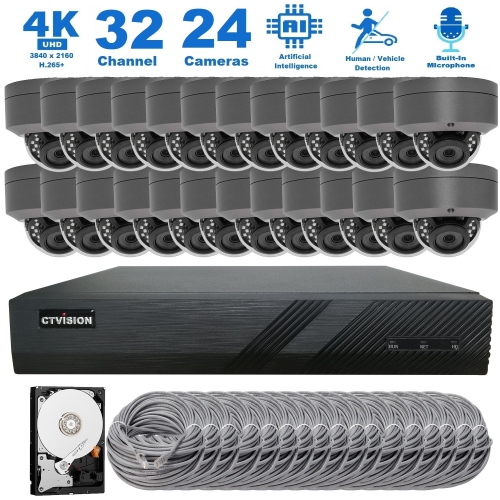
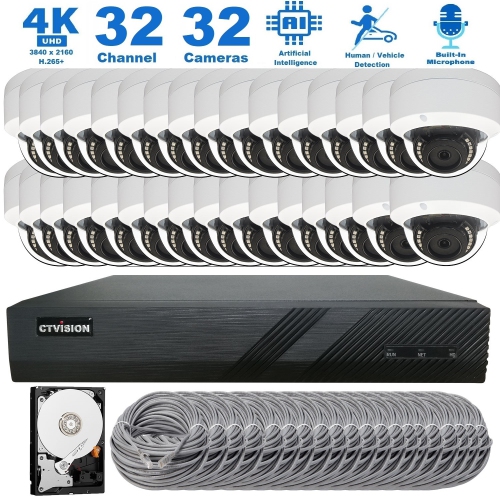
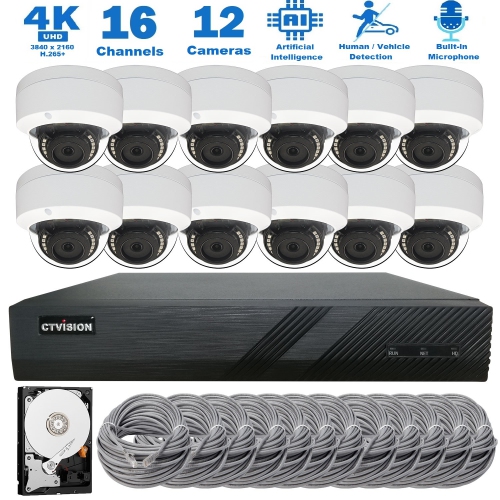
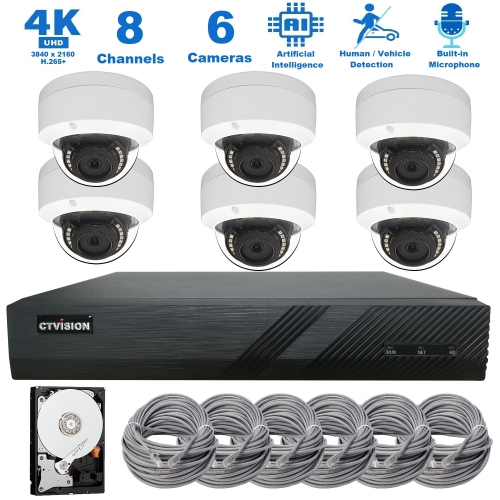
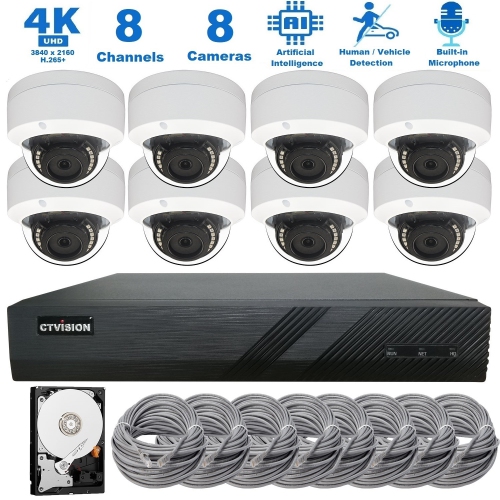
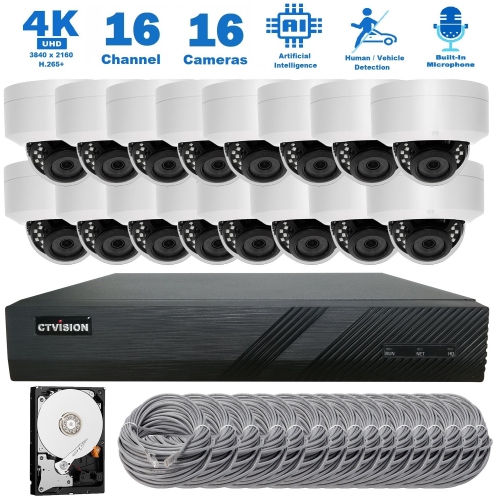
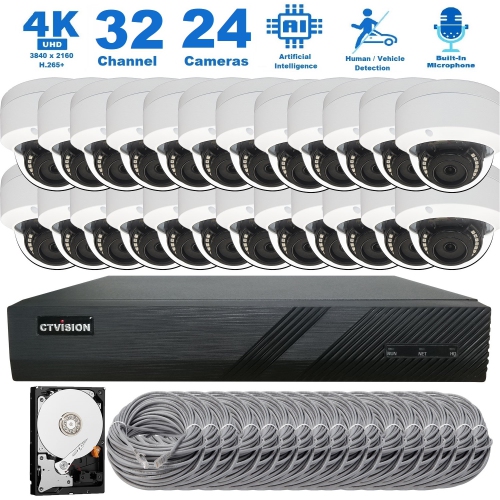
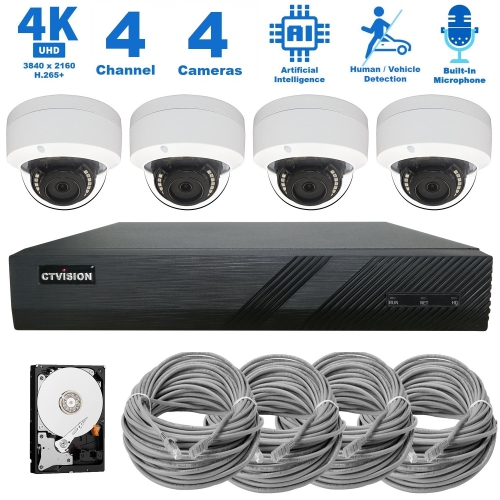
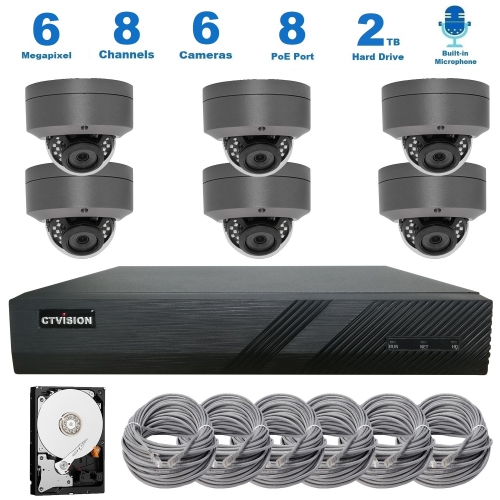
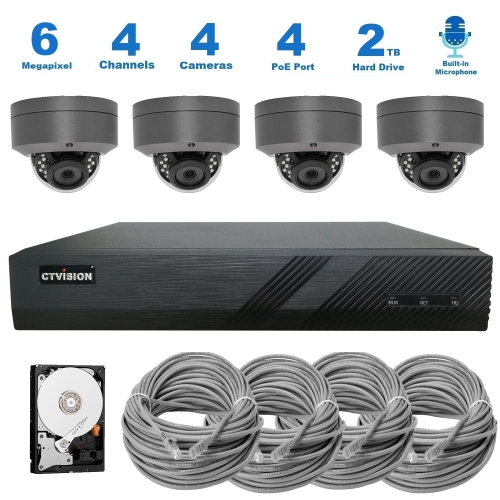
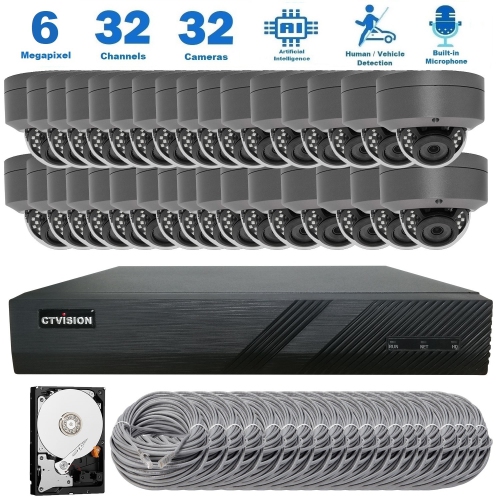
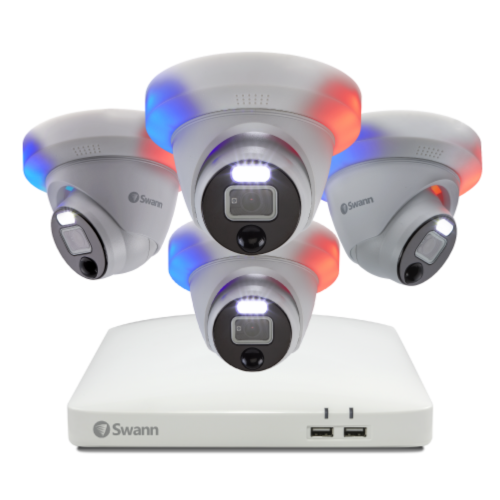
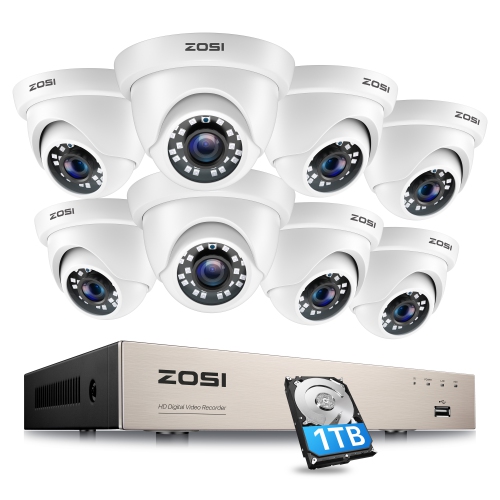
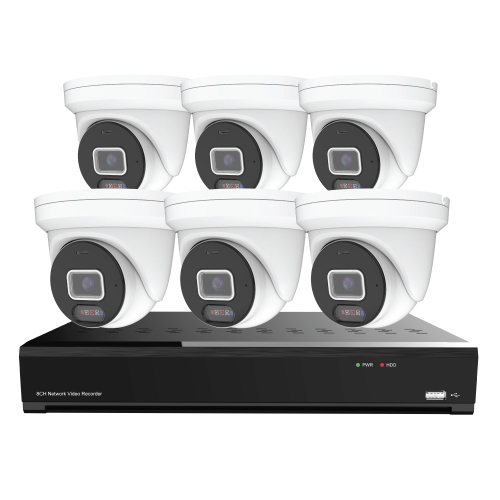
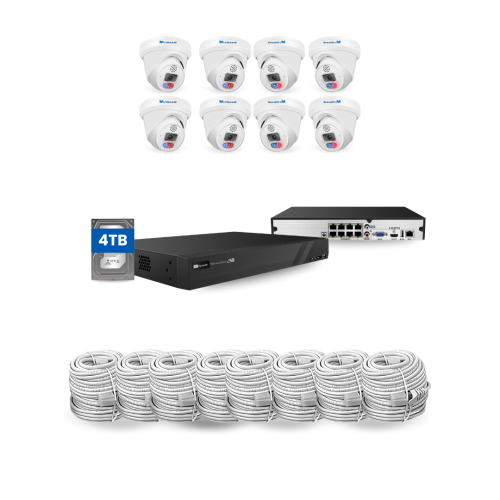
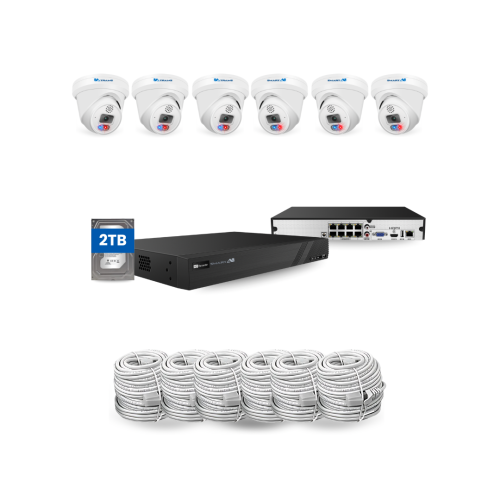
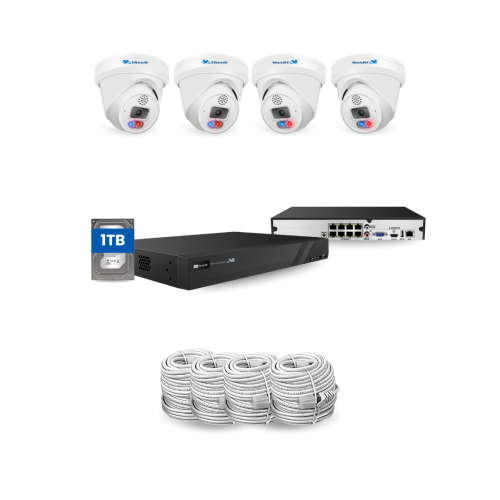
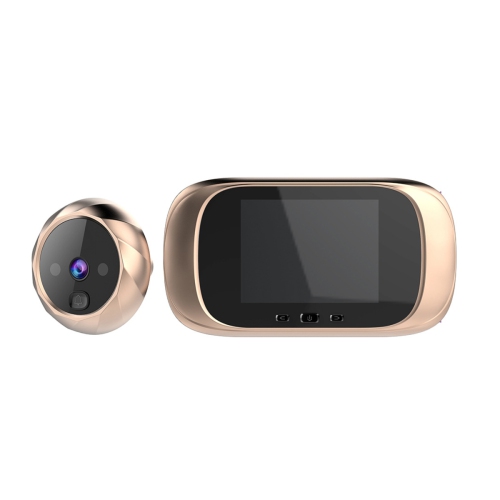
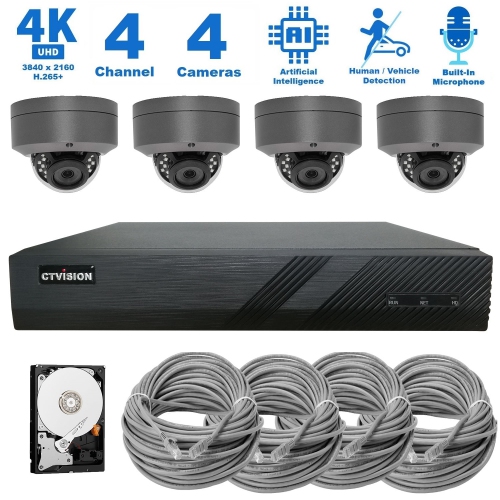
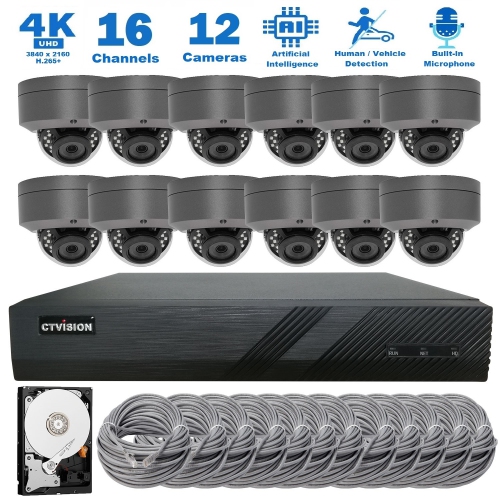
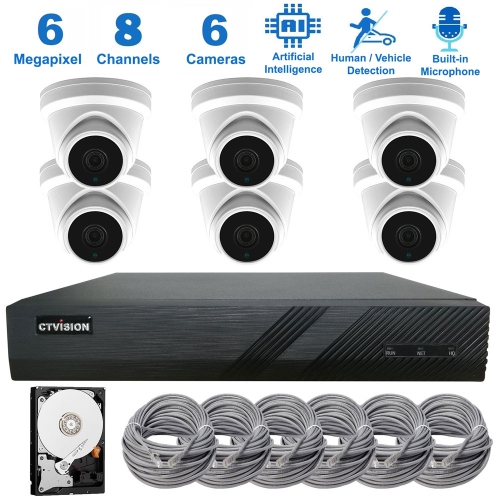
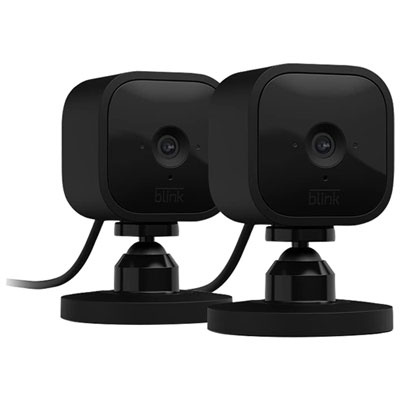
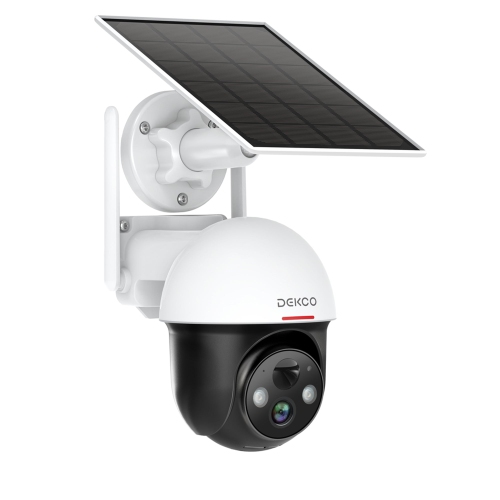
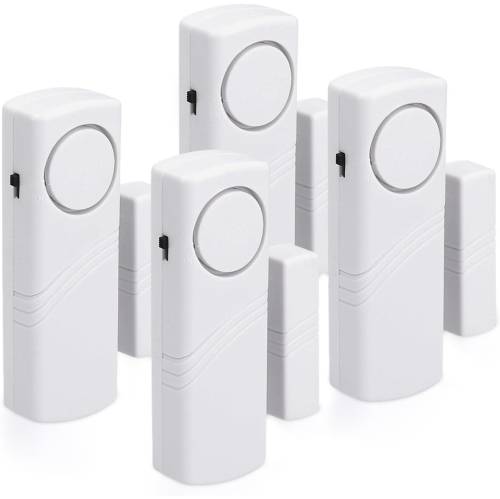
Cameras and lighting add another layer of awareness, but their usefulness depends on what they can capture in the actual space. Resolution is only part of the picture. Field of view, low-light performance, camera angle, and the distance to an entrance all affect whether footage provides useful detail. A wide view may show the whole driveway while offering less detail at a faraway gate; a camera aimed more narrowly at the entrance serves a different purpose. For doors, garages, and side paths, Home Security Lights can complement cameras by illuminating approaches and making activity easier to see. Motion-activated lighting can also help household members find their keys or navigate an entryway. Camera positioning should respect neighbouring properties and shared spaces, with privacy zones used where supported. Indoor placement deserves particular care so that everyday household activity is not recorded unnecessarily. Local and cloud storage offer different ways to retain footage, with considerations including recording capacity, access permissions, retention settings, and what remains accessible if the internet connection is interrupted. Physical construction matters, too. Compact plastic sensor housings can blend into door frames, while exterior equipment needs a clearly stated suitability for its intended location, including appropriate protection against dust and water. Secure mounts and suitable fixings help keep devices aligned, especially on frequently used doors or uneven surfaces. Hardwired equipment may require qualified installation, depending on the work involved. Routine care is generally straightforward: clean camera lenses as directed, keep sensor contact points unobstructed, replace or recharge batteries when indicated, and use the manufacturer’s testing procedure to confirm operation. Compatible smoke alarms, carbon monoxide detectors, and water leak sensors may extend a system’s usefulness, but connection requirements and notification features differ. These additions do not replace required household safety devices or regular maintenance. A well-matched home security system supports familiar routines, gives residents clearer information about their property, and remains practical to operate day after day.
Read More

FAQ

Some products may be subject to Environmental Handling Fees (EHF) depending on your province. Learn more about EHFs.