iPhone Battery Pack Cases

iPhone battery pack cases combine a phone case with a built-in battery to help extend time between charges. Compare charging cases for your iPhone model, paying attention to battery capacity, added size and weight, and how the case recharges to find a fit for your daily routine.
Read More

Sort

Extra phone power without a separate battery pack

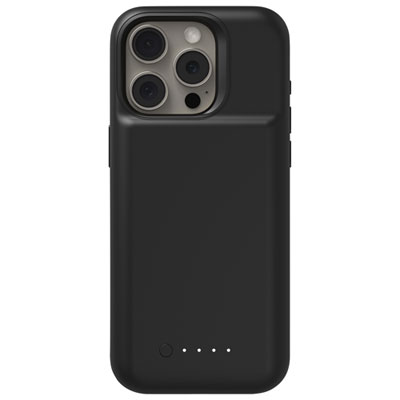
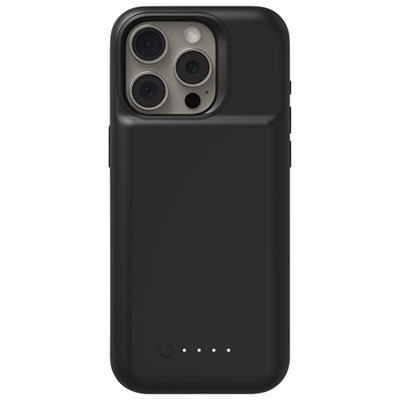
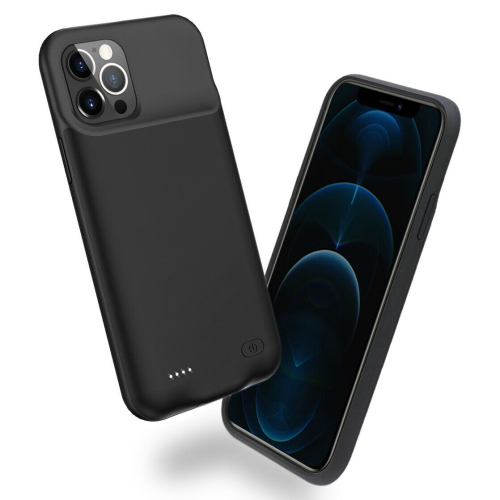
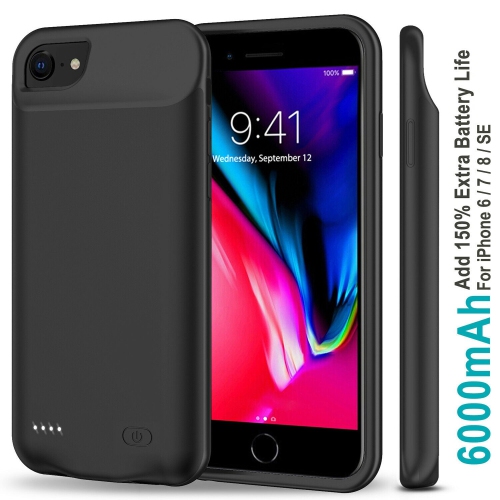
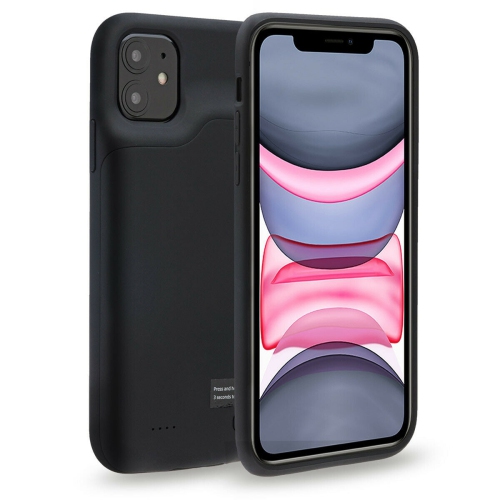
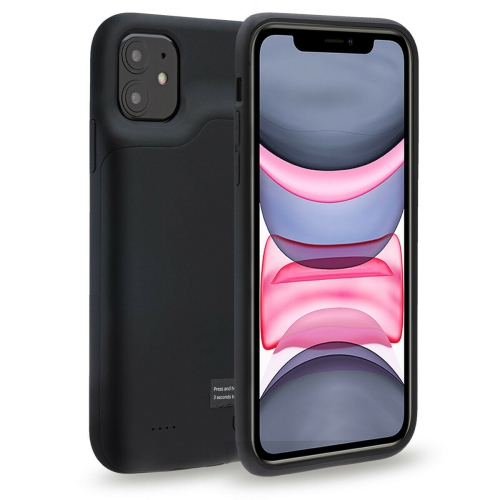
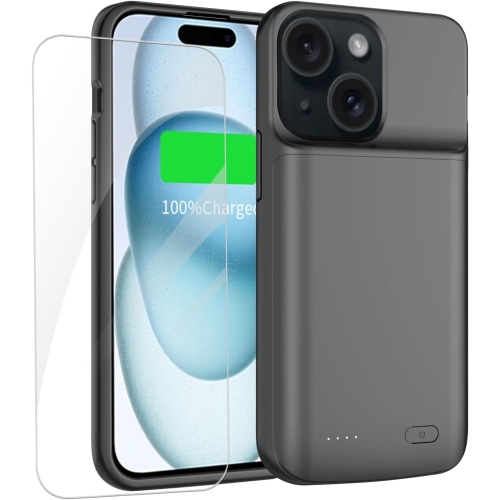
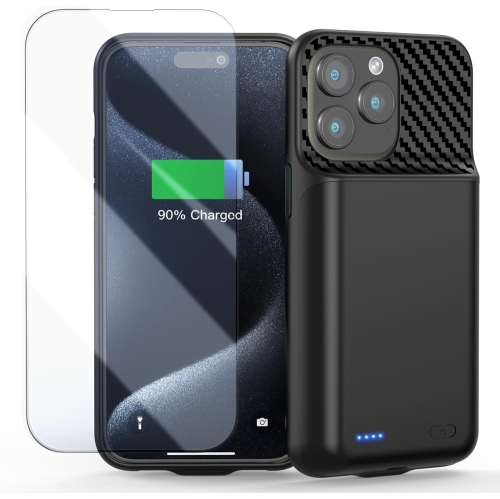
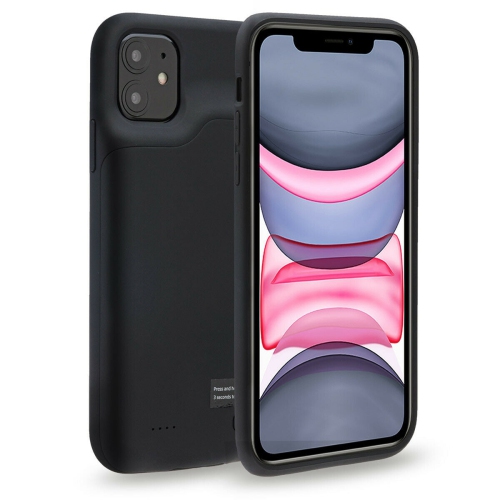
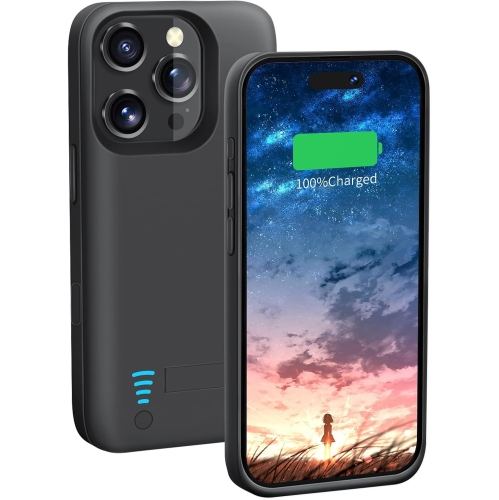
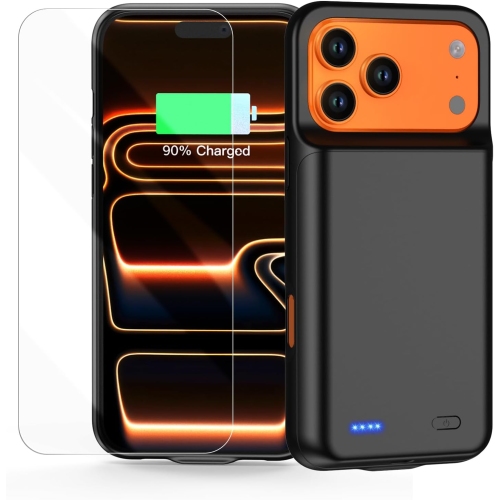
iPhone battery pack cases combine a fitted phone cover with a built-in rechargeable battery, adding portable charging power without requiring a separate power bank or a loose cable while the phone is in use. They are designed for days when calls, navigation, photos, video streaming, and other everyday tasks stretch beyond the phone’s remaining charge. On a long commute, the extra power can help keep a transit pass accessible and leave more charge for the trip home; during a day of appointments, it can support directions and messages between stops. Unlike an ordinary protective case, a battery case contains charging components as well as a shell, so it adds thickness and weight. That trade-off matters when the phone spends much of the day in a trouser pocket, a small handbag, or a vehicle mount. Exact fit is essential: a case needs to match the phone’s model, dimensions, camera layout, button positions, and charging connection, not simply its screen size. Phones with similar-looking bodies can have different camera surrounds or port placements, making cases unsuitable for use across models. Depending on the design, the phone connects to the case through a built-in connector or receives power wirelessly. Rigid plastic shells provide structure around the battery, while flexible edges or inserts can make installation easier and improve grip. Raised edges may help keep the screen and camera lenses from touching a flat surface, but protection varies by construction and should not be confused with a verified drop-protection rating. Button covers should respond comfortably, and openings should leave speakers, microphones, and the camera unobstructed. For anyone who takes frequent photos or uses the phone one-handed, the shape of the battery section is worth considering alongside capacity. A rounded back, textured sides, and accessible controls can make a substantial difference to how a larger case feels throughout the day.
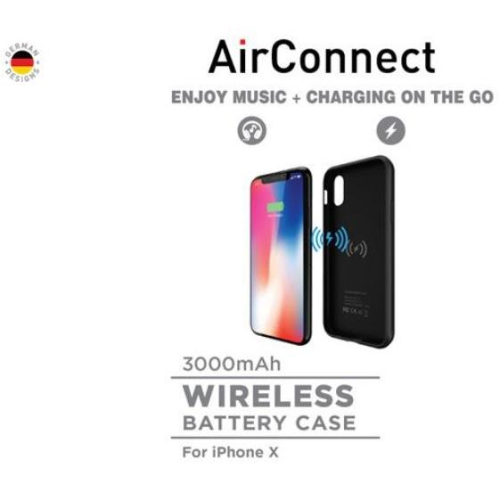
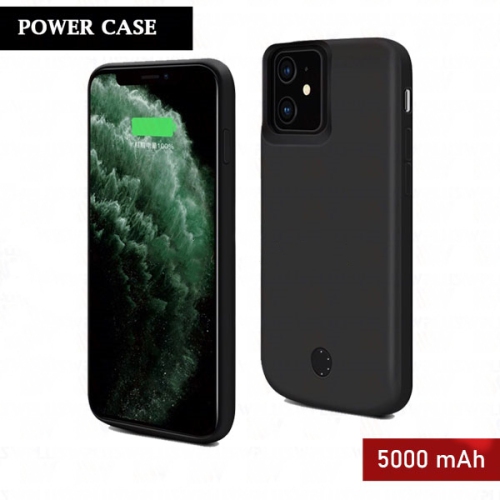
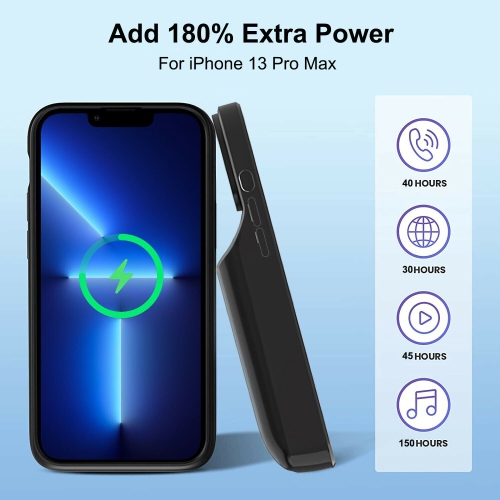
Battery capacity is commonly expressed in milliamp-hours, or mAh, but that number alone does not indicate how many complete phone charges a case will provide. The phone’s battery size, the case battery’s voltage, energy lost during charging, and the power used by the phone while it charges all affect the result. Navigation with the screen lit, a video call, or a demanding game can use a meaningful share of the energy being supplied. A higher-capacity case may provide a larger reserve, although it can also require more space for the battery and take longer to recharge. Charging output matters as well: a case’s supported output determines how quickly it can supply power, while the phone manages the charge it accepts. Claims about added battery life are most useful when they identify the compatible phone and the conditions used for testing. Controls and indicators also shape everyday convenience. Some battery cases have a button to start or stop charging, allowing the reserve to be saved for later, while indicator lights or a display show the case’s remaining charge. Other designs manage charging automatically. The connection used to recharge the case is a separate detail from the connection between the case and the phone, so compatibility with existing cables should not be assumed. Pass-through charging, where one connected cable can recharge both devices, is helpful for a bedside table or desk, but support and charging priority differ by design. Wireless charging requires equally careful attention: a case that charges the phone wirelessly does not necessarily accept wireless charging itself, and a case with a wired internal connector may or may not work on a wireless charging pad. Wired audio accessories, computer connections, and data transfer can also be affected by the case’s port arrangement. Clear specifications make it easier to match a case to the way the phone is already used, rather than having to change several familiar accessories.

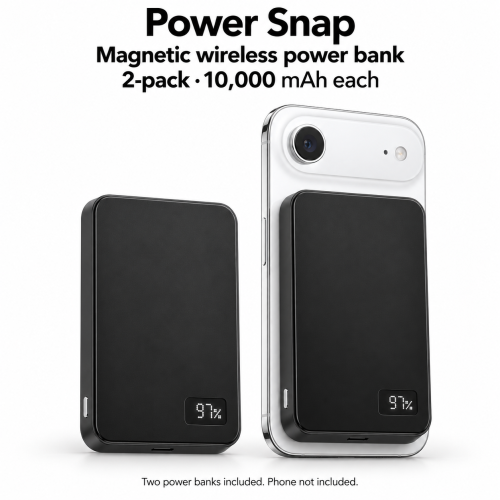
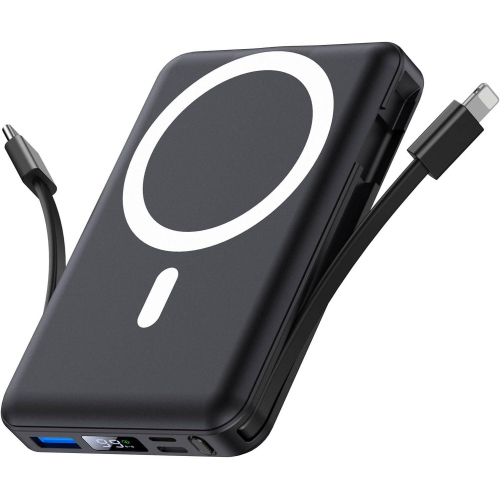
An integrated battery case suits someone who prefers the extra power to remain attached throughout the day, particularly when carrying another device and cable would be inconvenient. A detachable magnetic battery pack offers a different balance, allowing the added weight to be removed when charging is no longer needed; Magsafe Battery Pack Cases are a related option for shoppers considering magnetic charging compatibility. Magnetic attachment, wireless charging support, and protective coverage are separate features, so a secure fit or magnetic ring alone does not establish that a particular combination will charge correctly. A thicker battery case may also affect how a phone fits into a dashboard cradle, photography grip, or desktop stand. For daily care, follow the case’s instructions for inserting and removing the phone, especially if a built-in connector needs to be aligned before the phone is seated. Forcing the phone into position can strain that connection or damage the case. Dust and grit around the edges can rub against the phone’s finish, so occasional removal and gentle cleaning help keep contact surfaces clear. A soft, dry cloth is suitable for routine wiping; charging ports should be kept free of debris, and the case should not be immersed in water unless its stated design specifically permits it. Moisture protection should never be assumed from a close-fitting shell. Avoid covering the case while it charges, and stop using it if the battery section swells, the casing cracks, or charging becomes erratic. Battery performance can gradually decline with repeated use, making careful handling important beyond the appearance of the outer cover. As a gift, this type of accessory can be useful for commuters, travellers, students, and people whose work keeps them moving between locations without convenient charging breaks. Confirming the recipient’s exact phone model and preferred carrying style helps distinguish a genuinely useful charging companion from a case that is too bulky or incompatible with the accessories they rely on.
Read More

FAQ

Some products may be subject to Environmental Handling Fees (EHF) depending on your province. Learn more about EHFs.