Airtag for Keys
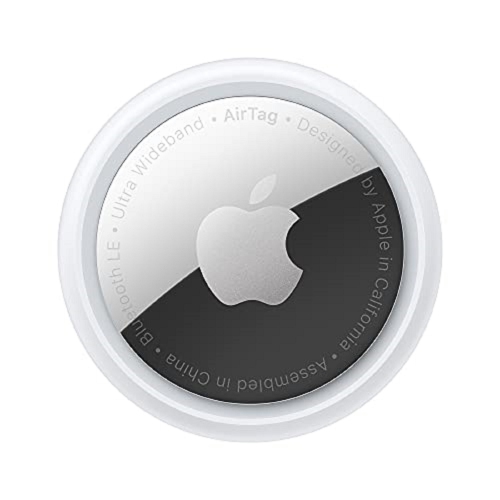
Keep track of your keys with ease using the Airtags for keys. This innovative device offers a seamless way to locate your keys when they go missing. Simply attach the Airtag to your cool keychains, and you'll have peace of mind knowing that finding your keys is just a few taps away. With its compact design and powerful tracking capabilities, Airtags are a must-have accessory for anyone who wants to stay organized and save time searching for their keys. Say goodbye to those frustrating moments of misplacing your keys and hello to a more efficient and stress-free day.
Sort
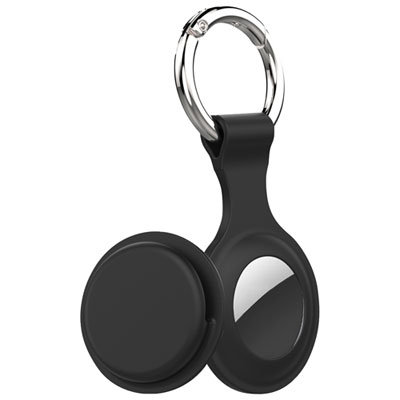
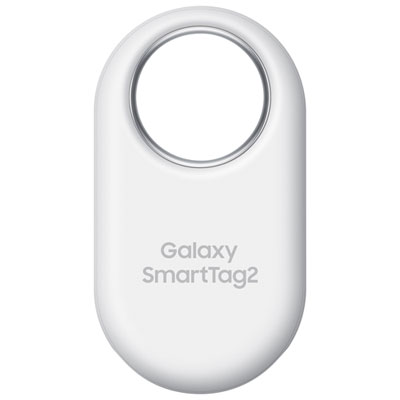
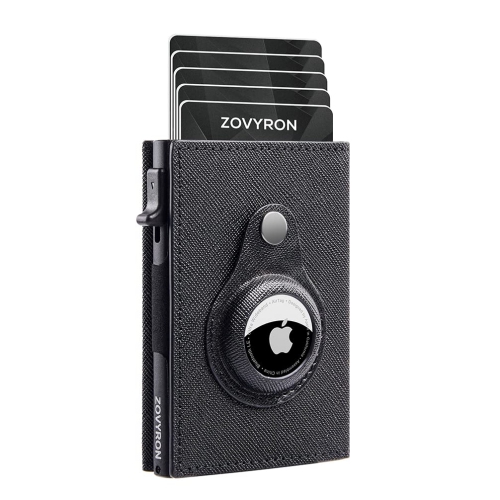
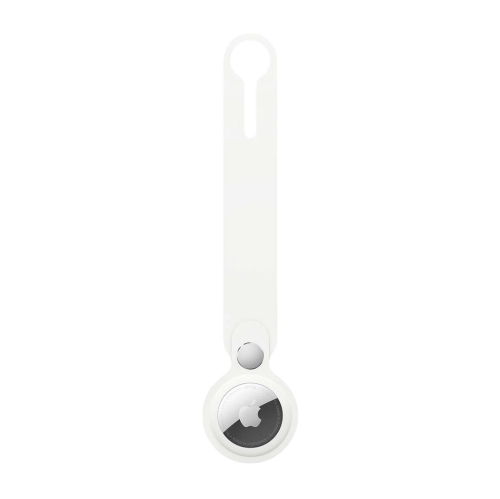
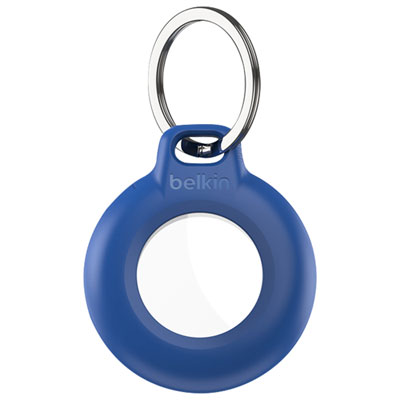
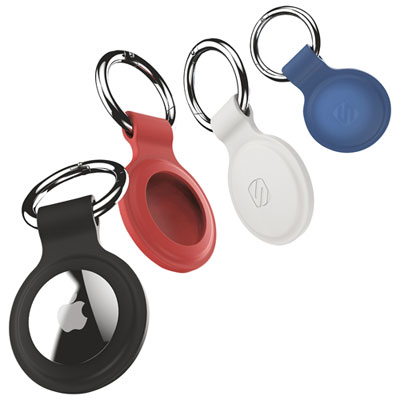
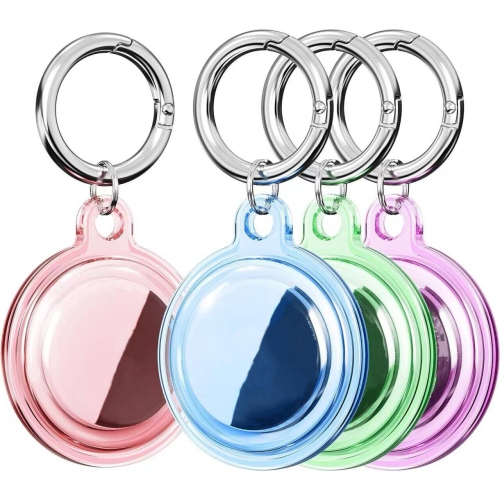
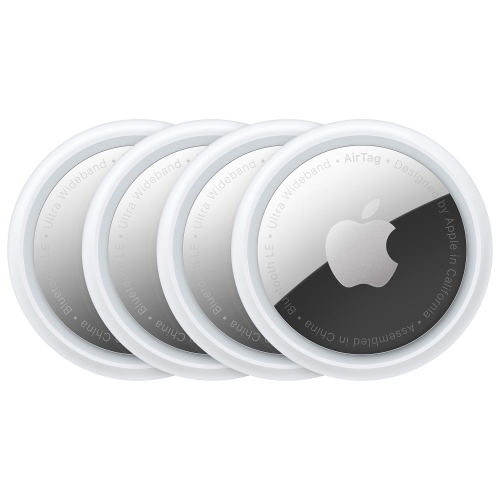
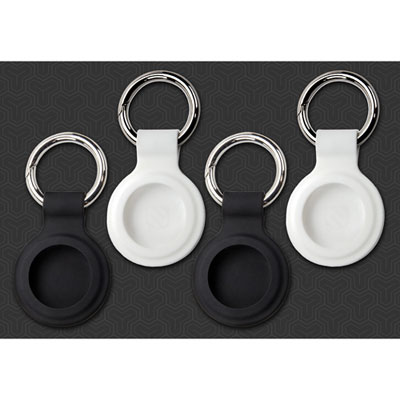
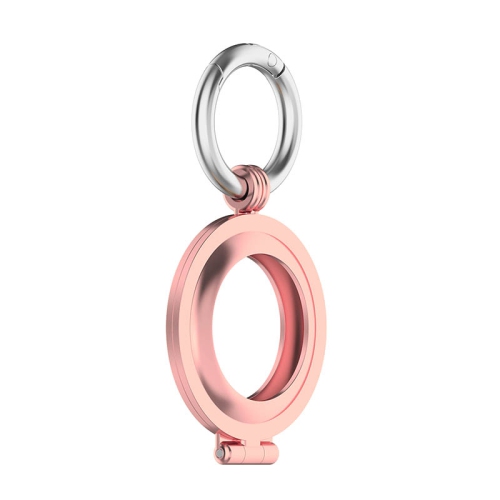
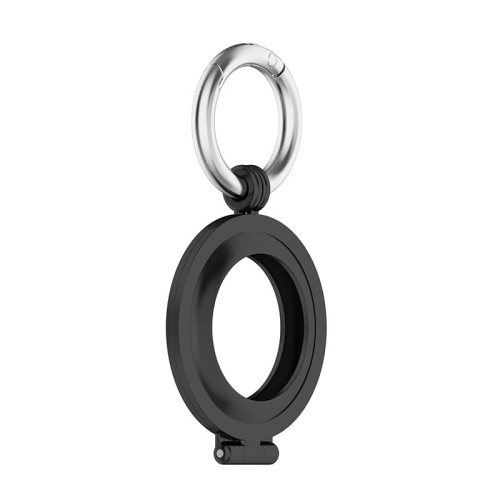
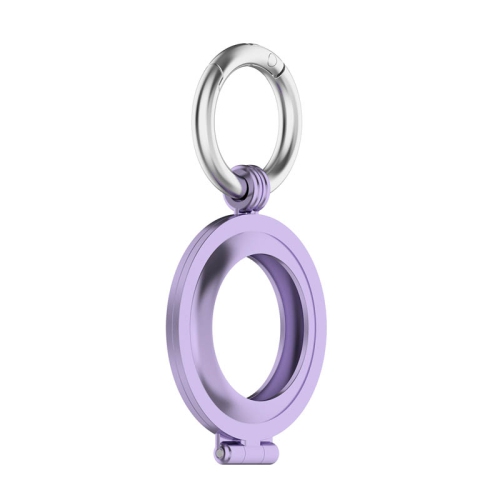
![SUPERSHIELD [2Pack] Airtag Case With Key Ring, Secure Holder Protective Cover for Air Tag Case Cover With Scratch Resistance Accessory](https://multimedia.bbycastatic.ca/multimedia/products/500x500/166/16608/16608698.jpeg)
![SUPERSHIELD [2Pack] Airtag Case With Key Ring, Secure Holder Protective Cover for Air Tag Case Cover With Scratch Resistance Accessory](https://multimedia.bbycastatic.ca/multimedia/products/500x500/166/16608/16608699.jpeg)
![SUPERSHIELD [2Pack] Airtag Case With Key Ring, Secure Holder Protective Cover for Air Tag Case Cover With Scratch Resistance Accessory](https://multimedia.bbycastatic.ca/multimedia/products/500x500/166/16608/16608697.jpeg)
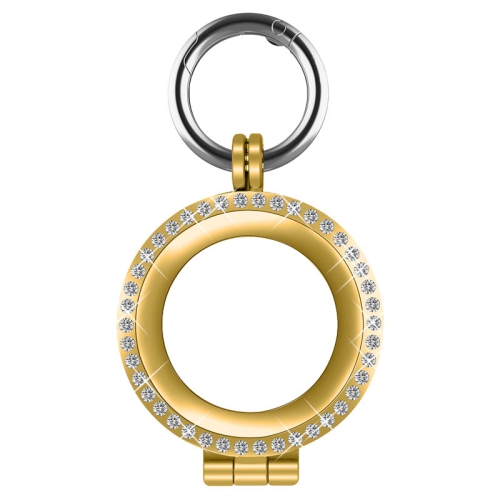
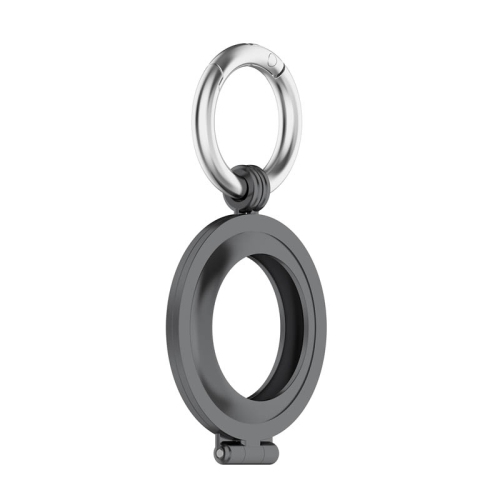
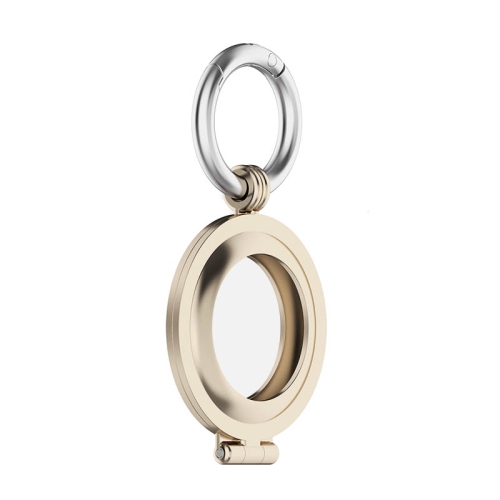
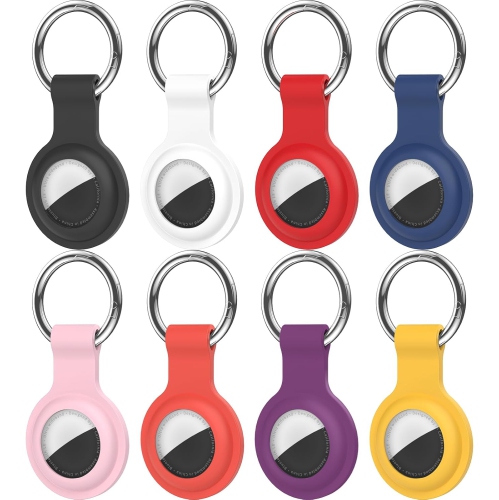
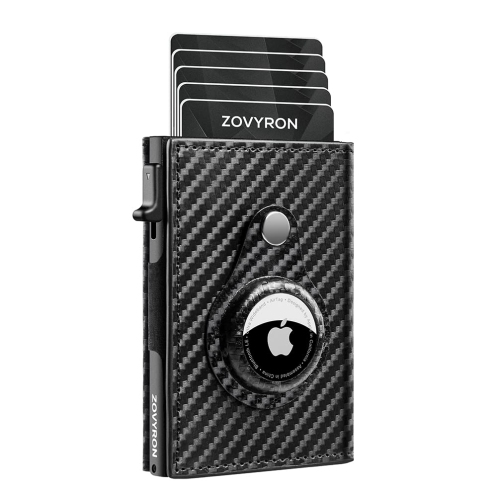
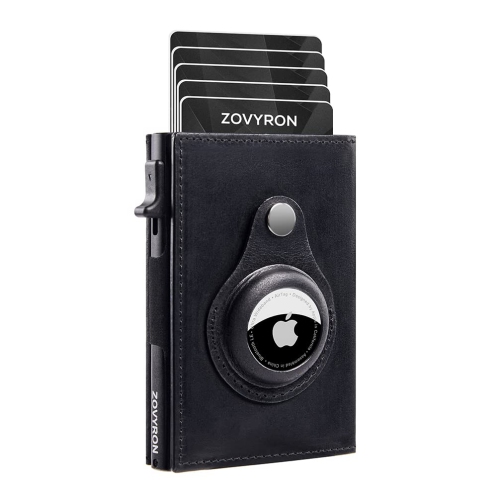
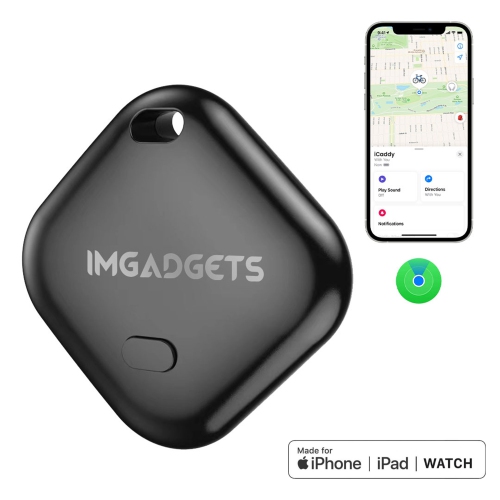
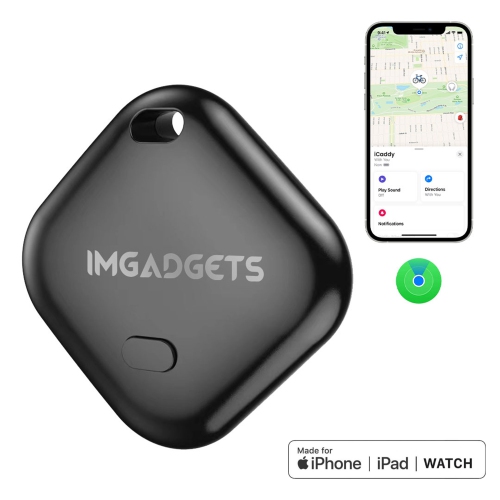
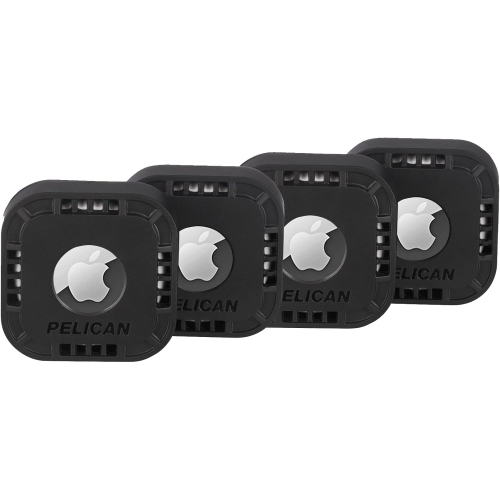
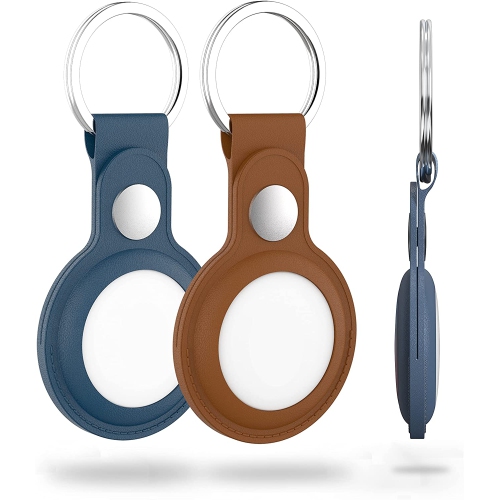
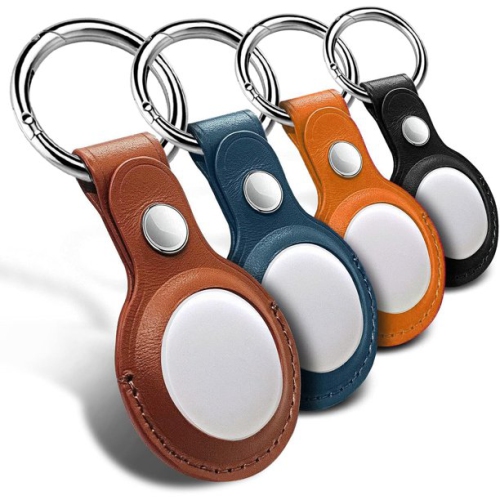
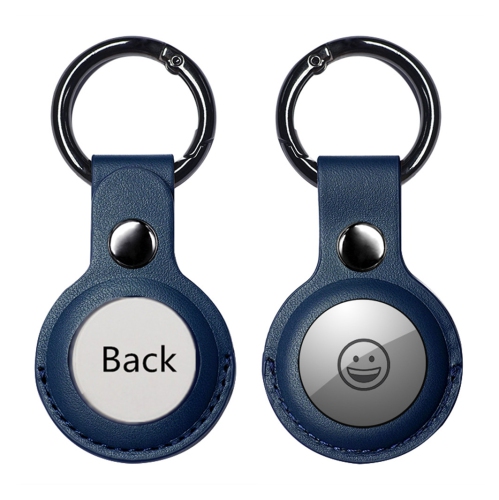
![SUPERSHIELD [2Pack] Airtag Case With Key Ring, Secure Holder Protective Cover for Air Tag Case Cover With Scratch Resistance Accessory](https://multimedia.bbycastatic.ca/multimedia/products/500x500/166/16608/16608700.jpeg)
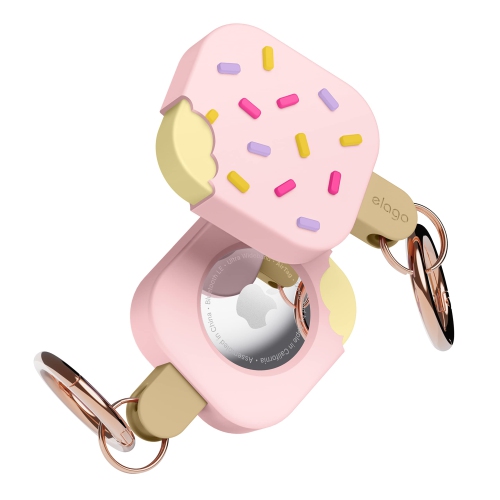
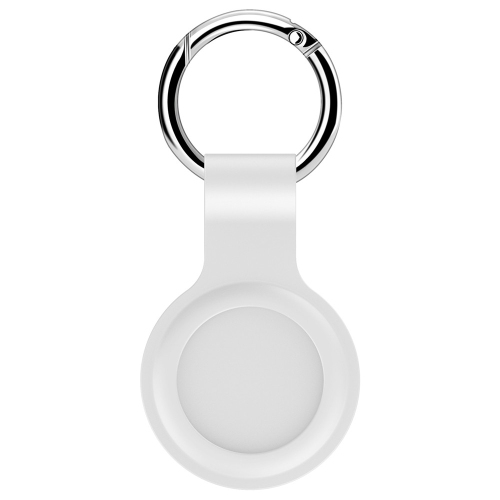
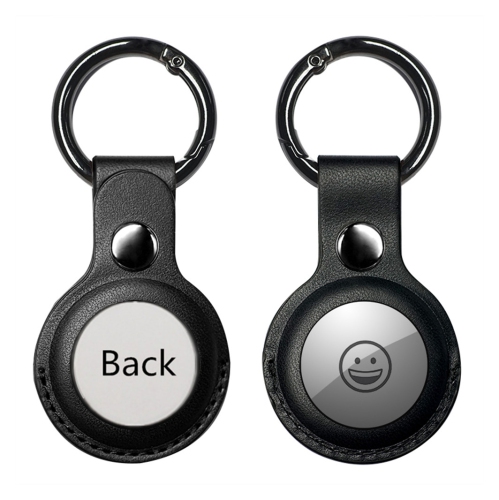
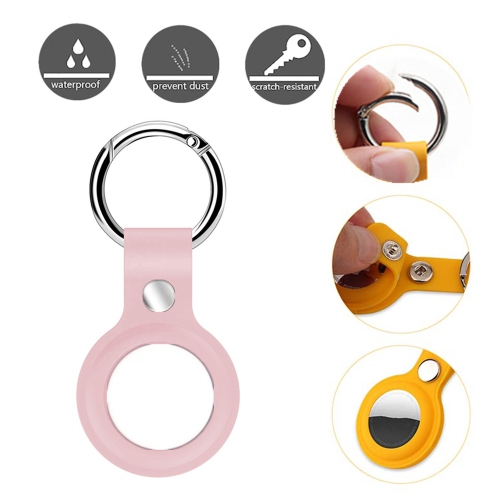
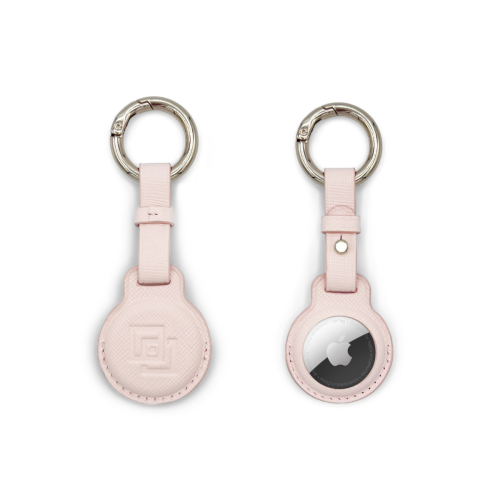
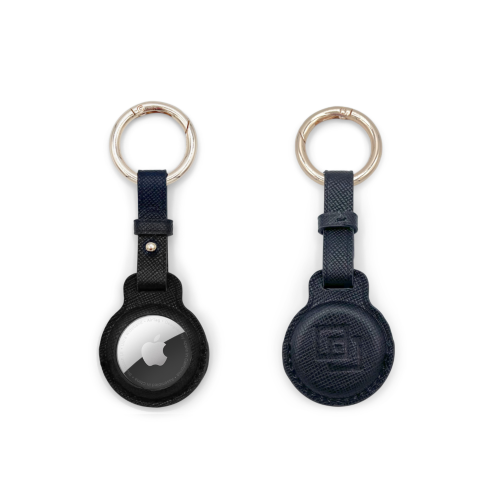
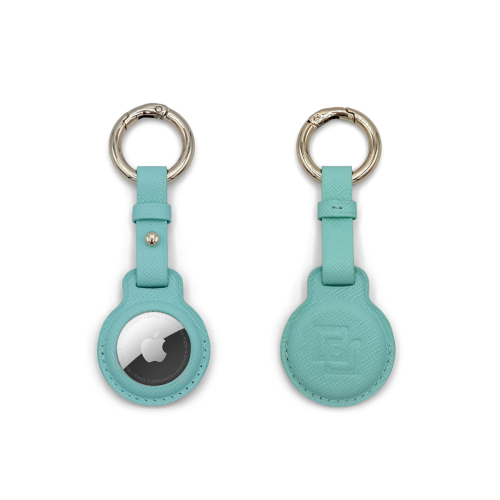
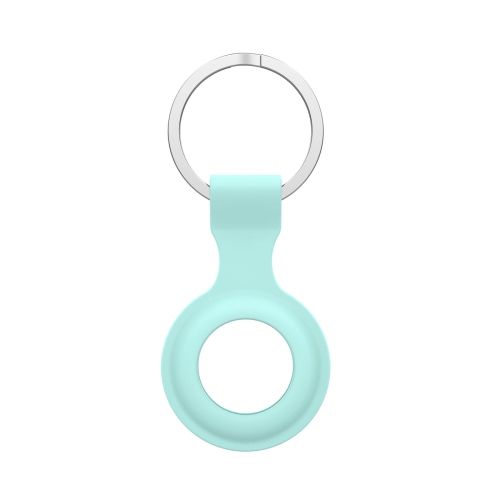
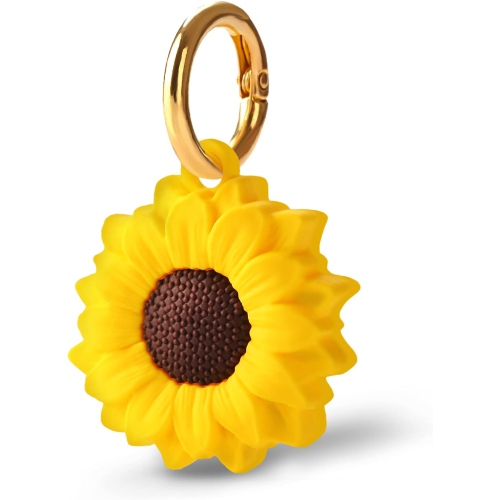
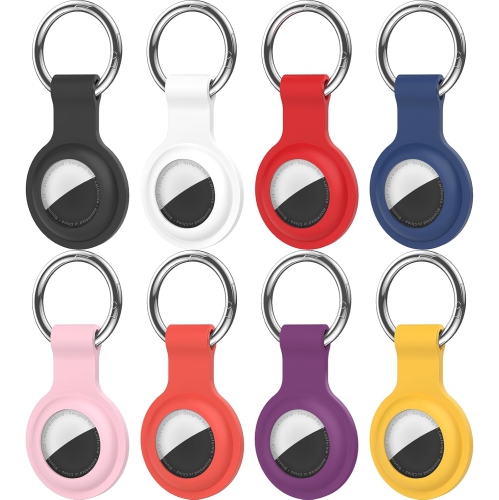
Less guesswork when your keys go missing
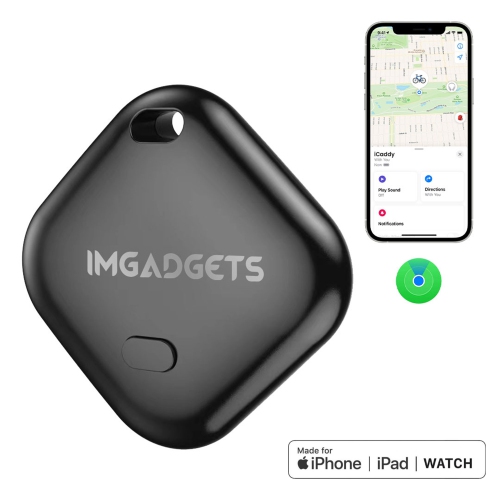
A key tracker gives an everyday key ring a useful connection to a compatible phone, making misplaced house, office, or car keys easier to locate. Rather than searching every coat pocket or lifting every cushion, the owner can use a paired app to make a nearby tracker play a sound. Supported combinations of phone and tracker may also provide directional guidance and an approximate distance, helping narrow the search from an entire room to the gap beside a sofa or the bottom of a tote. When keys are farther away, a compatible finding network may show an updated or last reported location after participating devices detect the tracker. That distinction matters: a small Bluetooth key tracker is not the same as a dedicated GPS device, and location updates depend on the technology, settings, and nearby network participation. A location on a map can offer a useful starting point, but it does not guarantee continuous tracking or recovery. For keys, the complete setup generally includes the tracking device and a holder or attachment that keeps it connected to the key ring. Some trackers have an attachment opening, while others need a fitted case, loop, or keychain accessory. Phone compatibility is therefore just as important as the appearance of the holder. Pairing requirements, supported software, account access, and any advanced finding features should match the phone that will be used with the tracker. For someone who regularly leaves keys in a gym bag, switches between handbags, or sets a key ring down while carrying groceries, the practical benefit is simple: less guesswork when a familiar object disappears into an unfamiliar spot. A tracker can also help distinguish between keys that are somewhere at home and keys that may have been left at another location, making it easier to decide where to begin looking.
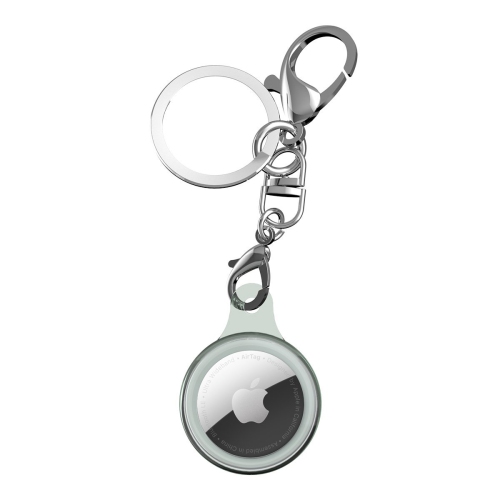
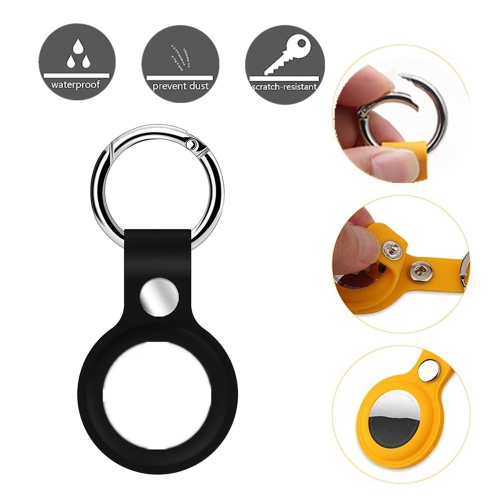
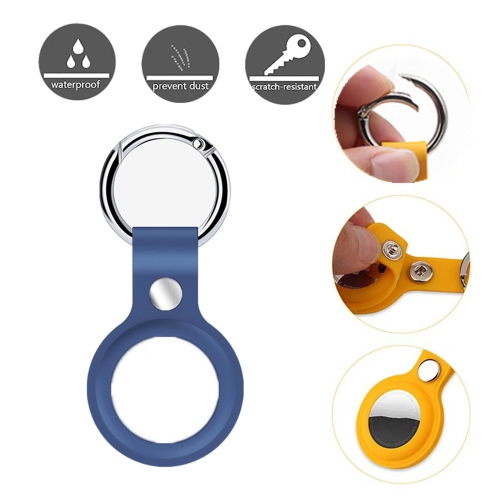
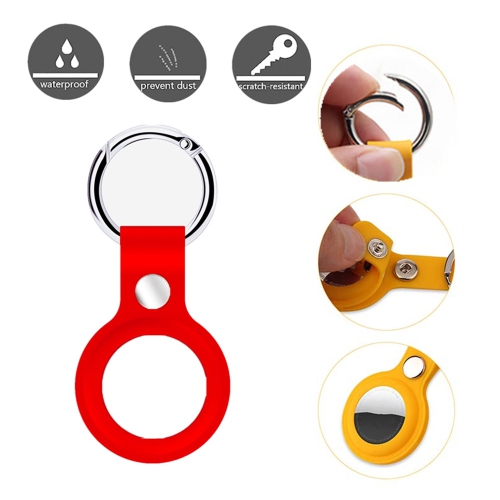
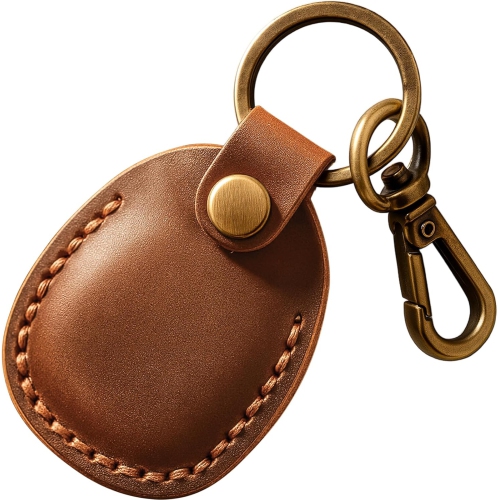
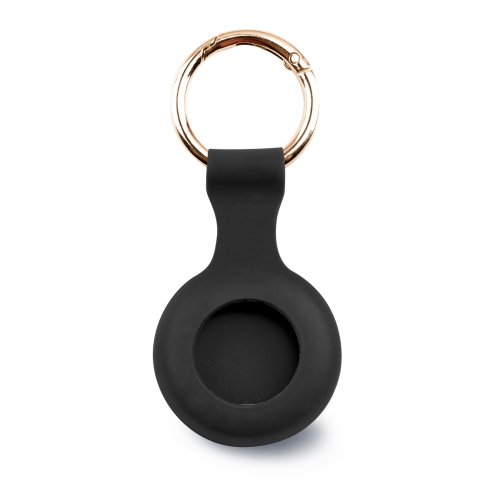
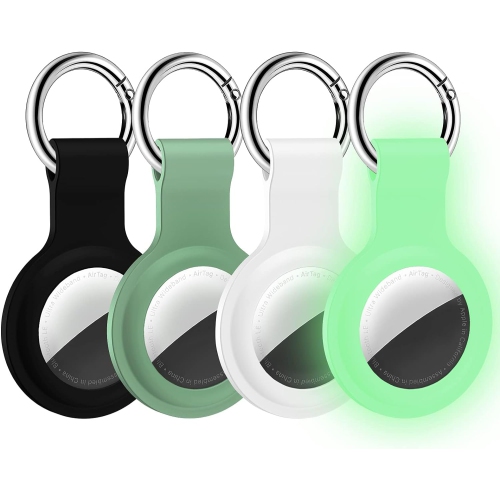
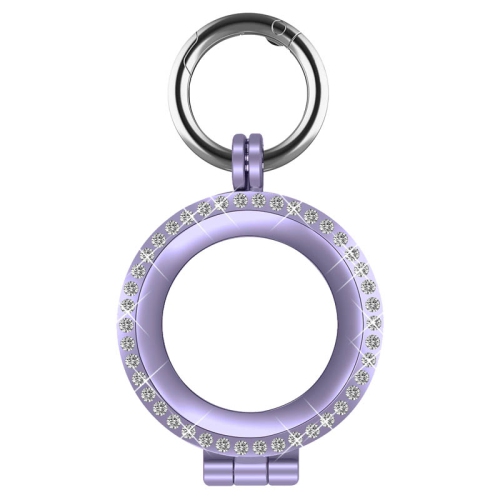
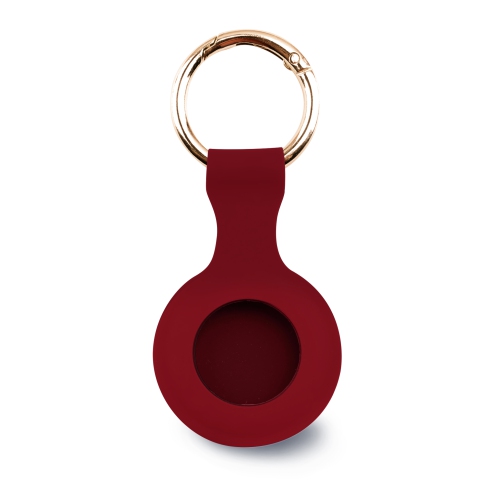
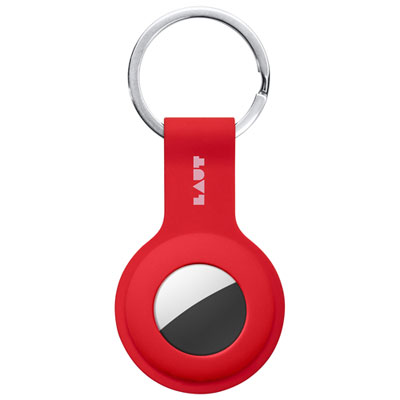
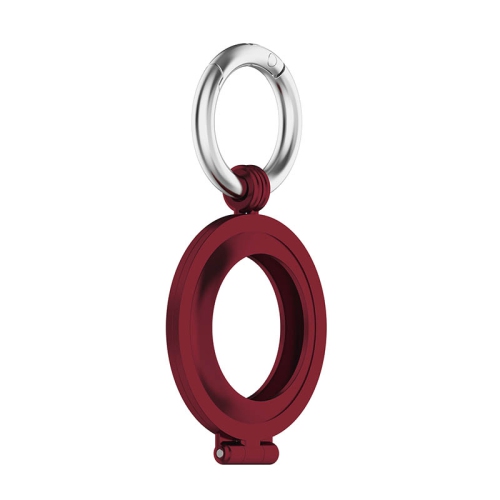
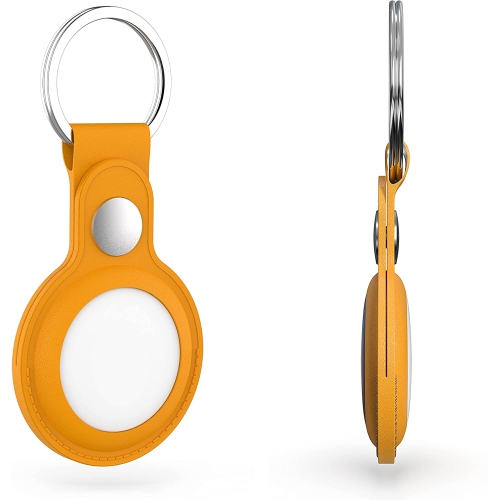
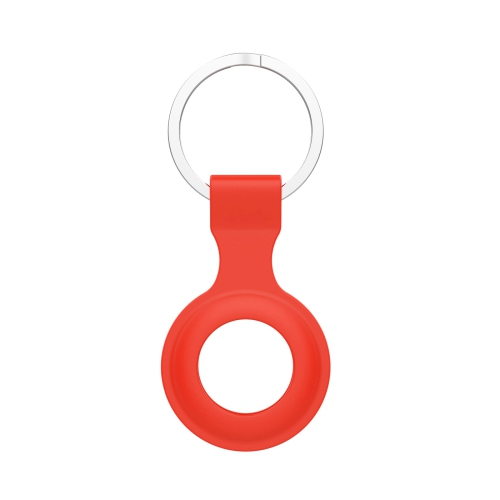
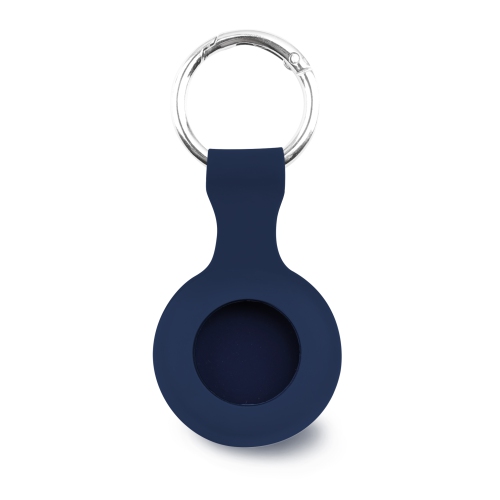
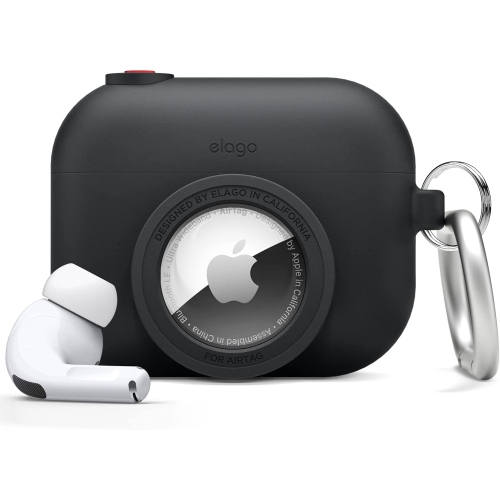
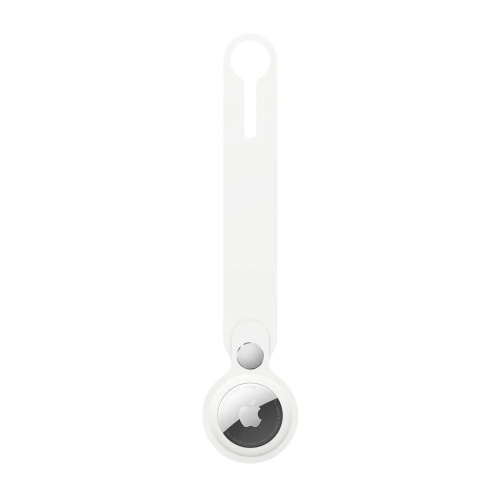
The holder determines how comfortably a key tracker fits into daily life. A slim case attached to a split ring can sit beside a few house keys without adding much bulk, while a loop-style attachment offers more room between the tracker and a larger collection of keys. Compact key organizers can keep compatible flat keys aligned, although thicker car fobs, unusually shaped keys, and access cards may need a separate attachment point. The tracker holder must fit the exact shape and dimensions of the intended device; a similar-looking case is not necessarily a secure fit. Closure design also matters. A snap, screw, locking cover, or enclosed pocket should retain the device during ordinary handling without making battery access unnecessarily difficult. Materials affect both feel and wear. Flexible silicone can provide a soft edge against other belongings, but it may collect lint in a pocket. Rigid plastic gives a holder more structure, while metal hardware can provide a sturdy connection at the key ring. Leather develops creases and surface changes with use and generally benefits from care suited to its finish. Fabric loops offer flexibility, though stitching and attachment points deserve attention on a ring that gets pulled from a bag repeatedly. Raised edges may help limit contact between the tracker’s surface and a tabletop, but an open-faced holder leaves part of the device exposed. A more enclosed case offers additional coverage, provided it does not interfere with the fit or make the audible alert harder to hear. For a key ring carried in a trouser pocket, rounded edges and a low-profile shape can be more comfortable than a bulky decorative case. For keys kept inside a roomy work bag, a longer loop or distinctive colour may make the set easier to spot and grasp. The best fit balances secure attachment, comfortable handling, and enough access to maintain the tracker over time.
Everyday durability involves the tracker, its case, and the hardware connecting both to the keys. Water and dust resistance, where specified, applies to stated test conditions and should not be treated as a promise that a device can withstand every spill, impact, or accidental trip through a washing machine. A protective holder does not automatically make a tracker waterproof, and repeated knocks against heavy keys can leave cosmetic marks even when the device still works. Routine care can be straightforward: wipe the holder with a soft cloth, follow the material’s cleaning directions, and check occasionally for a loose closure, stretched loop, worn stitching, or bent ring. Battery design is another practical consideration. Some compact trackers use a replaceable coin cell, with battery life that may extend beyond a year depending on the device and usage; others have different power arrangements. Replacement requirements should be checked for the exact device, including the specified battery type and any compatibility notes. Coin cells need secure handling and storage away from children and pets, and a battery compartment should always be properly closed after replacement. For households sharing a set of keys, supported sharing features can let authorized people locate the same tracker without repeatedly changing its account connection. These features vary, so a shared key ring works best when everyone using it understands which phone or account manages it. A tracker and well-fitted holder can make a thoughtful practical gift for a student managing residence keys, someone settling into a new home, or a family member who often misplaces a spare set, provided the device suits the recipient’s phone. Pairing is best completed by the recipient so the tracker remains linked to their own account. Car keys are another natural use, but locating a key fob is different from locating a vehicle: the tracker reports its own location, not the location of a car that has been driven away without it. The related Airtag for Car page covers a separate placement use case. On a daily key ring, a tracker is most useful as a convenient finding aid, paired with a secure attachment and realistic expectations about its range and network-dependent location updates.
The holder determines how comfortably a key tracker fits into daily life. A slim case attached to a split ring can sit beside a few house keys without adding much bulk, while a loop-style attachment offers more room between the tracker and a larger collection of keys. Compact key organizers can keep compatible flat keys aligned, although thicker car fobs, unusually shaped keys, and access cards may need a separate attachment point. The tracker holder must fit the exact shape and dimensions of the intended device; a similar-looking case is not necessarily a secure fit. Closure design also matters. A snap, screw, locking cover, or enclosed pocket should retain the device during ordinary handling without making battery access unnecessarily difficult. Materials affect both feel and wear. Flexible silicone can provide a soft edge against other belongings, but it may collect lint in a pocket. Rigid plastic gives a holder more structure, while metal hardware can provide a sturdy connection at the key ring. Leather develops creases and surface changes with use and generally benefits from care suited to its finish. Fabric loops offer flexibility, though stitching and attachment points deserve attention on a ring that gets pulled from a bag repeatedly. Raised edges may help limit contact between the tracker’s surface and a tabletop, but an open-faced holder leaves part of the device exposed. A more enclosed case offers additional coverage, provided it does not interfere with the fit or make the audible alert harder to hear. For a key ring carried in a trouser pocket, rounded edges and a low-profile shape can be more comfortable than a bulky decorative case. For keys kept inside a roomy work bag, a longer loop or distinctive colour may make the set easier to spot and grasp. The best fit balances secure attachment, comfortable handling, and enough access to maintain the tracker over time.
Everyday durability involves the tracker, its case, and the hardware connecting both to the keys. Water and dust resistance, where specified, applies to stated test conditions and should not be treated as a promise that a device can withstand every spill, impact, or accidental trip through a washing machine. A protective holder does not automatically make a tracker waterproof, and repeated knocks against heavy keys can leave cosmetic marks even when the device still works. Routine care can be straightforward: wipe the holder with a soft cloth, follow the material’s cleaning directions, and check occasionally for a loose closure, stretched loop, worn stitching, or bent ring. Battery design is another practical consideration. Some compact trackers use a replaceable coin cell, with battery life that may extend beyond a year depending on the device and usage; others have different power arrangements. Replacement requirements should be checked for the exact device, including the specified battery type and any compatibility notes. Coin cells need secure handling and storage away from children and pets, and a battery compartment should always be properly closed after replacement. For households sharing a set of keys, supported sharing features can let authorized people locate the same tracker without repeatedly changing its account connection. These features vary, so a shared key ring works best when everyone using it understands which phone or account manages it. A tracker and well-fitted holder can make a thoughtful practical gift for a student managing residence keys, someone settling into a new home, or a family member who often misplaces a spare set, provided the device suits the recipient’s phone. Pairing is best completed by the recipient so the tracker remains linked to their own account. Car keys are another natural use, but locating a key fob is different from locating a vehicle: the tracker reports its own location, not the location of a car that has been driven away without it. The related Airtag for Car page covers a separate placement use case. On a daily key ring, a tracker is most useful as a convenient finding aid, paired with a secure attachment and realistic expectations about its range and network-dependent location updates.
Top selling and popular products
-
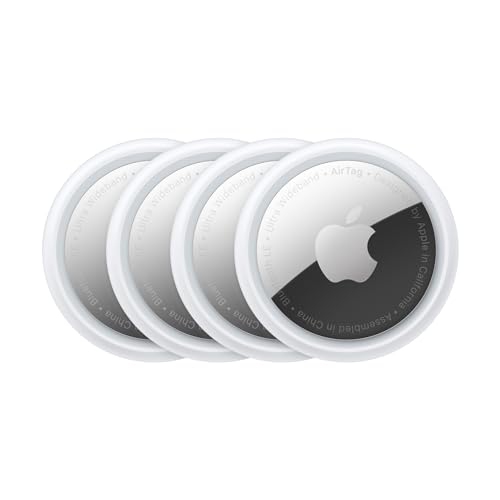 Your price for this item is $142
 -
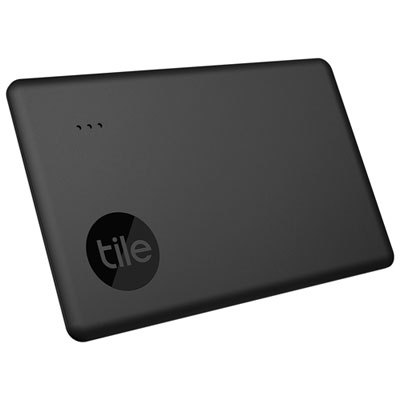 Your price for this item is $49.99
 -
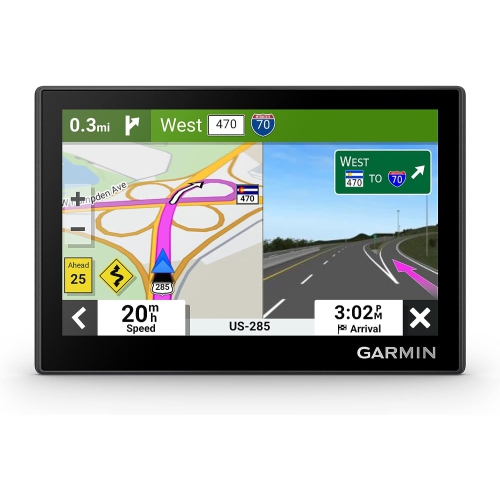 Your price for this item is $229.99
 -
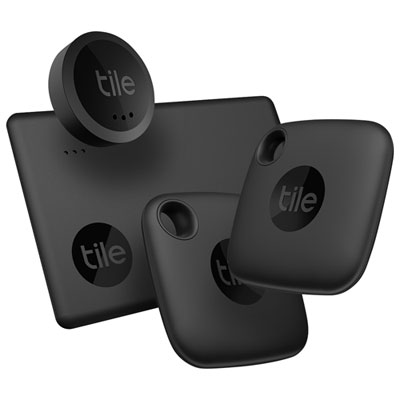 Your price for this item is $109.99
 -
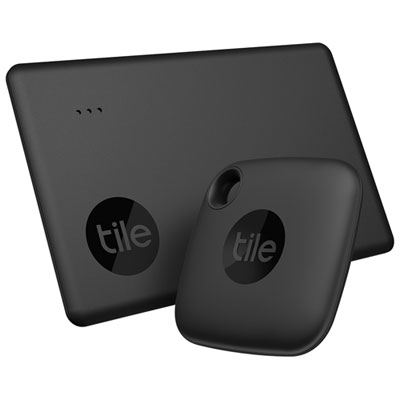 Your price for this item is $47.99
 -
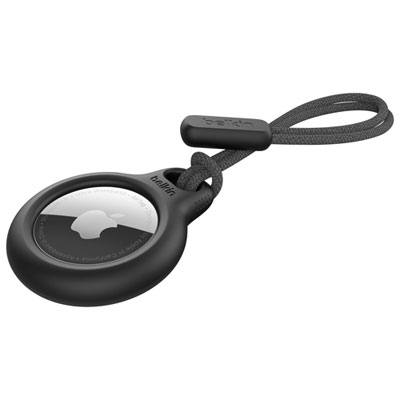 Your price for this item is $14.95
 -
 Your price for this item is $39.99
 -
 Your price for this item is $66
Discover more categories related to Airtag for Keys
Top Collections:
Pokemon Centers, Kindle Devices, Best Budget Office Chairs, Apple iPhones 16, Best Laptops for Writers, iPhone 15 Apple, Canon G7X Cameras, Refurbished Apple Laptops, Alarm Clock, Motorola Razr Phones
Some products may be subject to Environmental Handling Fees
(EHF) depending on your province.
Learn more about EHFs.