Baking Trays
Whether you're a seasoned baker or just starting out, a reliable baking tray is a kitchen essential that can make all the difference in achieving perfectly baked goods. From cookies to pastries to roasted vegetables, a quality baking tray provides even heat distribution for consistent results every time. Explore our selection of baking trays in various sizes and materials to find the perfect one to elevate your baking game.
Sort



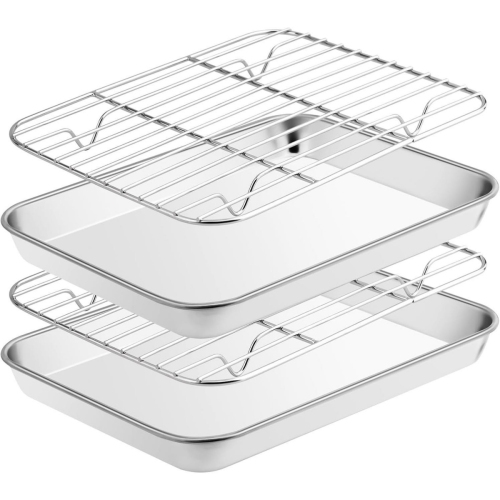
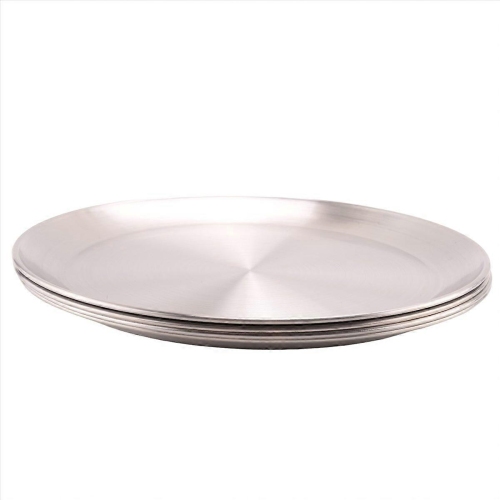


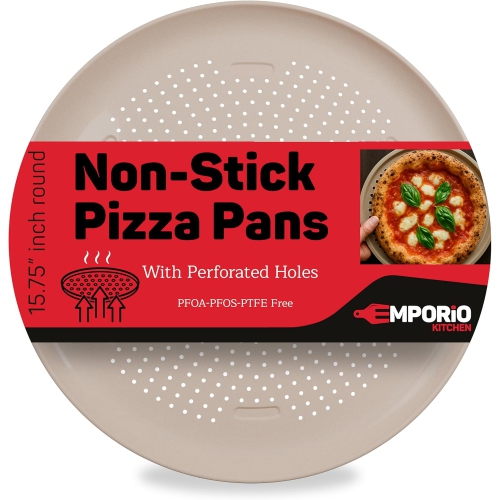


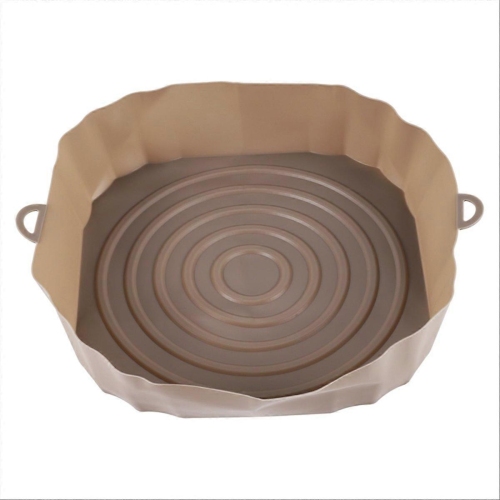


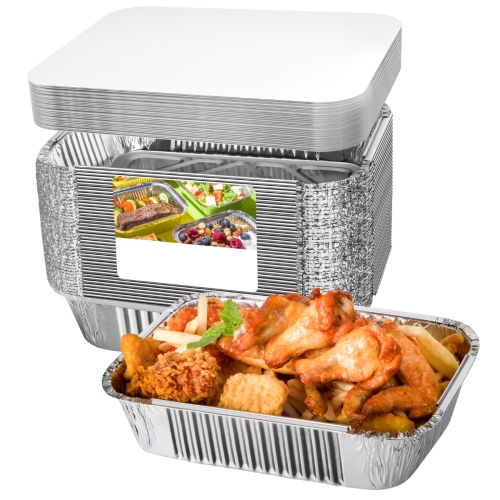
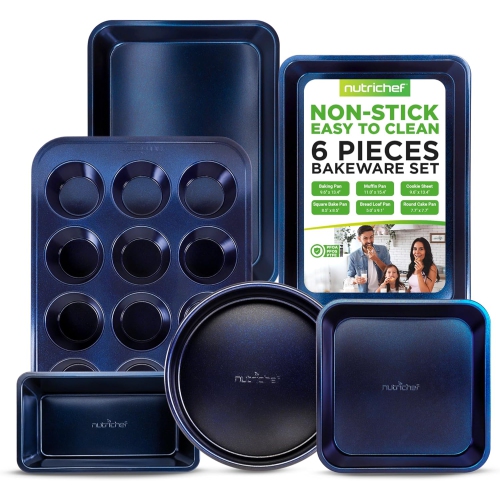
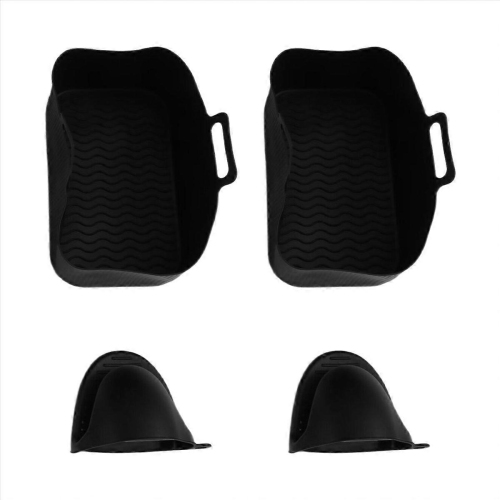


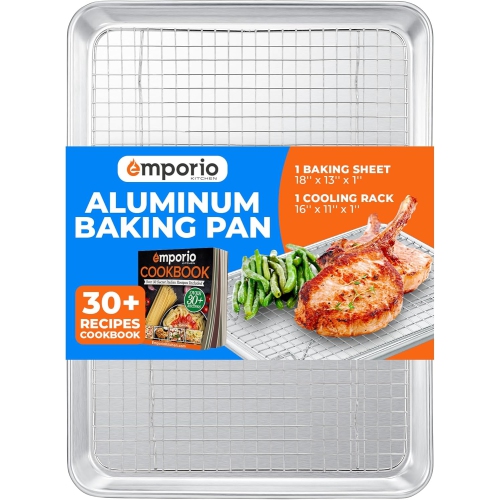
























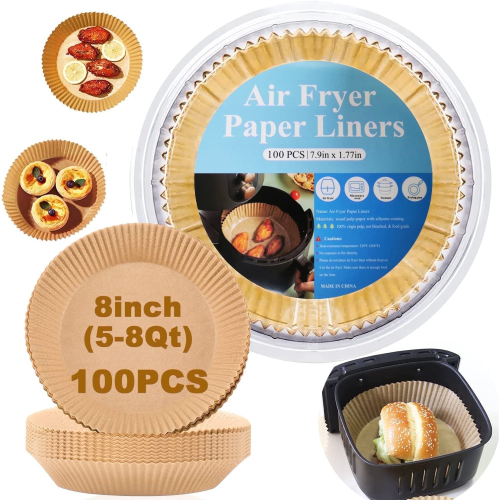
Why tray edges matter for cookies and roasted vegetables
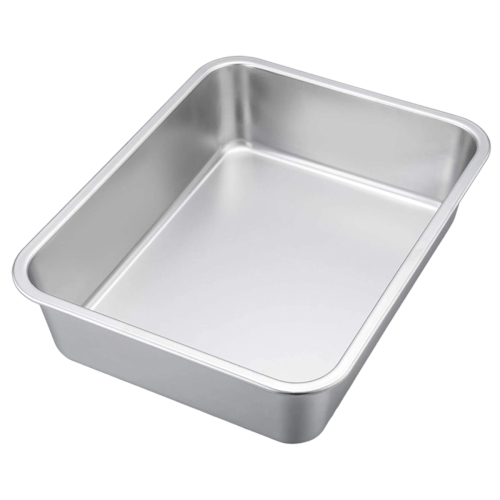
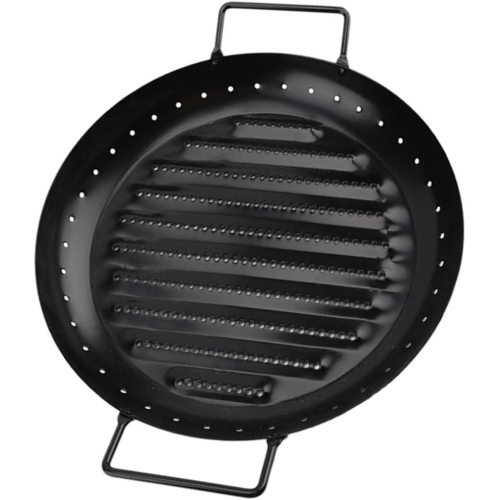
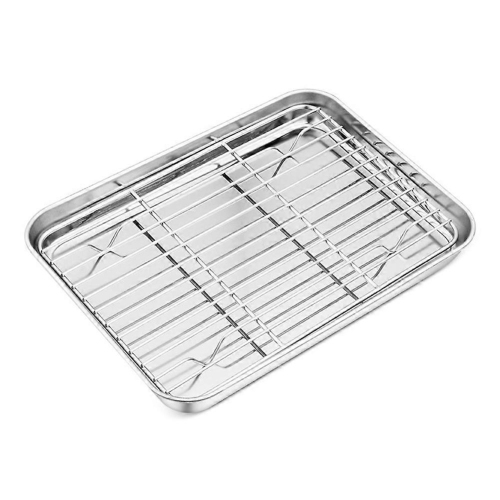
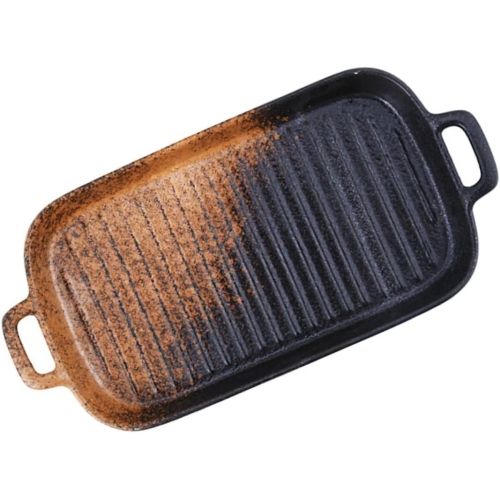
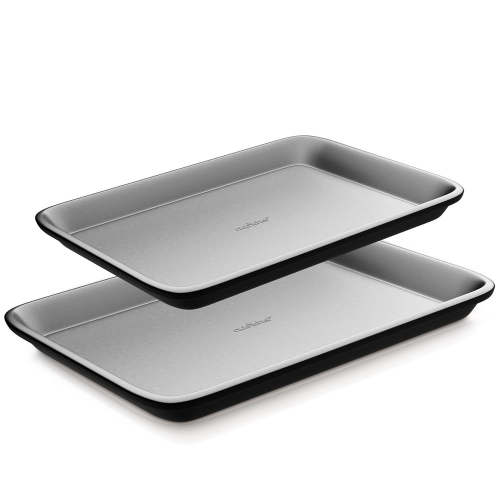
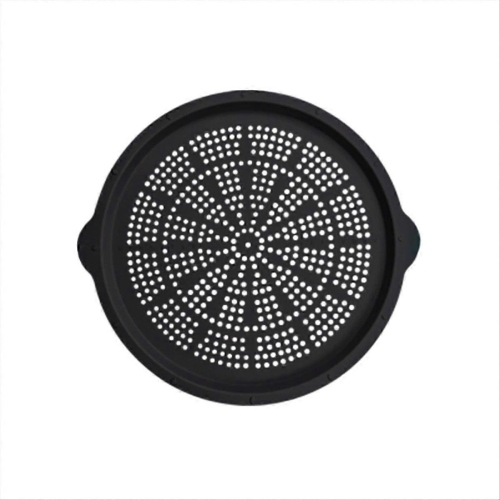
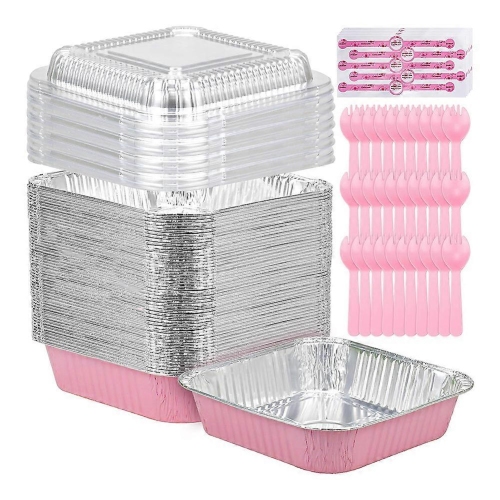
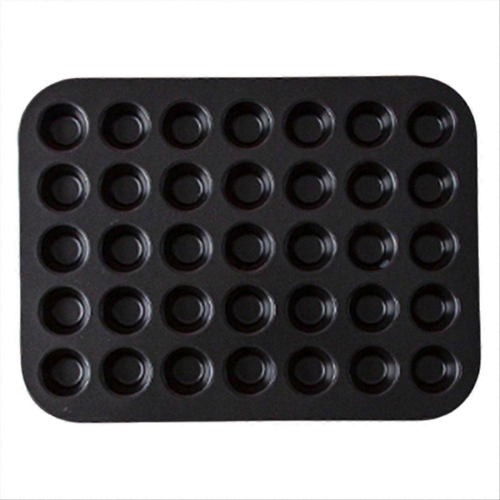
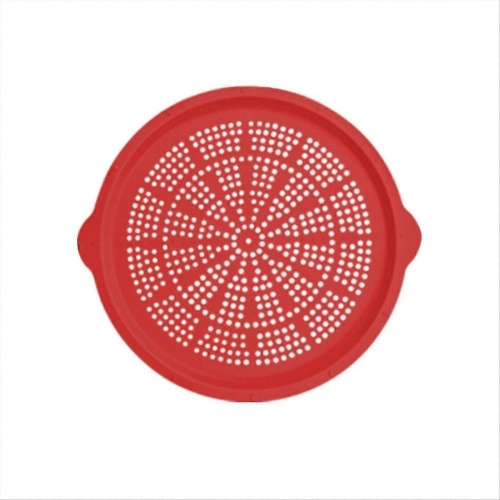
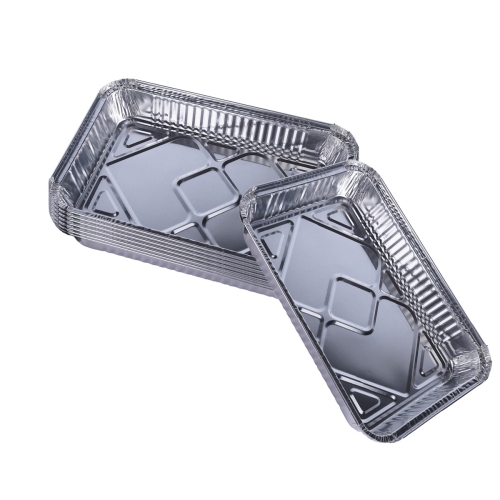
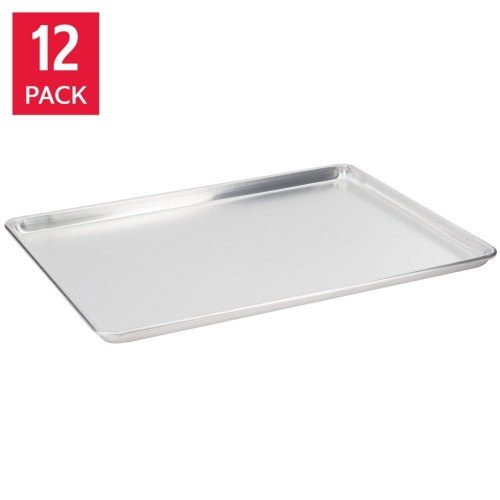
Baking trays are shallow, flat pans used in the oven for baking cookies, roasting vegetables, warming bread, and preparing meals on a single surface. Often called baking sheets or sheet pans, they give food room to spread out while keeping it supported during cooking and transfer. Most are rectangular, though their dimensions, edge profiles, and construction vary. A rimmed baking tray has raised sides that help contain oil, crumbs, and cooking juices, making it useful for everything from roasted potatoes to a batch of cheese biscuits. A rimless cookie sheet, or one with only a raised gripping edge, lets delicate biscuits slide onto a cooling rack more easily. These differences matter in everyday cooking: vegetables tossed with oil need containment, while thin cookies benefit from an open surface that is easy to reach with a spatula. Low sides also leave food exposed to circulating oven air, which supports browning when ingredients have enough space between them. Crowding chopped vegetables into a tight layer traps moisture and can leave them soft rather than crisp at the edges. For baking, a broad, level base helps keep portions evenly spaced and gives dough room to spread without merging into neighbouring cookies. Baking trays also suit tasks beyond cookies and vegetables, including toasting nuts, crisping flatbread, and catching drips beneath a baking dish when the appliance instructions allow it. Their shallow shape makes them distinct from deeper baking pans intended for cakes, loaves, and casseroles, although some rimmed trays can hold shallow sponge cakes or bars. For home bakers, busy households, students setting up a kitchen, and anyone who enjoys preparing several portions at once, a baking tray is a practical piece of cookware with uses across breakfast, lunch, dinner, and dessert.
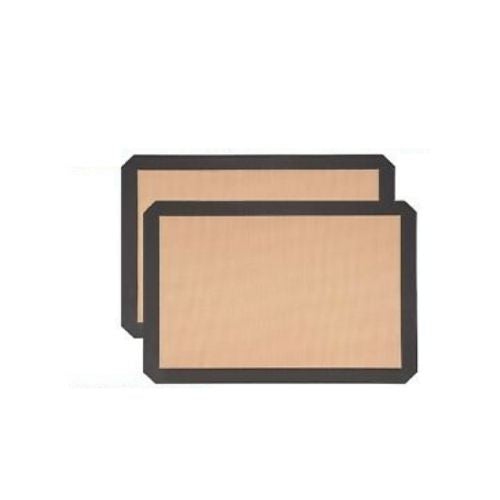
Material and construction affect how a baking tray heats, browns food, and stands up to repeated use. Aluminium conducts heat efficiently and is generally lightweight, making it manageable when moving a full tray between a worktop and the oven. Uncoated aluminium can react with acidic ingredients such as tomatoes or lemon juice, so its suitability depends on the recipe and any lining used. Stainless steel is durable and less reactive with acidic foods, though it conducts heat less efficiently than aluminium and may brown differently depending on its construction. Aluminized steel combines a steel base with an aluminium-based surface layer and is another common option for bakeware. Non-stick coatings help release cookies, pastries, and sticky glazes with less scraping, but they need utensils and cleaning methods that protect the finish. A darker surface generally absorbs heat more readily than a lighter one, which can affect how quickly the undersides of biscuits or pastries brown. Tray weight also matters. A thicker metal base generally resists distortion better than a very thin sheet, while reinforced or rolled edges add rigidity when lifting heavier portions. Even a sturdy tray can flex or make a popping sound under sudden heat changes; resistance to warping is not a guarantee that it can never happen. Textured bases may change how food contacts the surface, but their effect on release and browning depends on the design, recipe, and lining. Parchment paper can simplify removal and cleanup for suitable recipes, while a reusable silicone baking mat creates a different contact surface that may alter spreading and browning. Neither replaces checking the tray’s care instructions or the liner’s heat limit. Broiler suitability is a separate consideration, particularly for coated trays and liners. For someone who bakes delicate shortbread as often as they roast sticky, glazed vegetables, separate trays for sweet and savoury cooking can also make cleaning and food preparation more straightforward.
Fit is as important as material, especially in compact kitchens or when cooking several dishes together. The outside dimensions of a baking tray, including its rim and handles, determine whether it fits an oven rack; the usable cooking surface may be noticeably smaller. Size descriptions such as half-sheet and quarter-sheet are helpful starting points, but actual measurements are more reliable when comparing bakeware with the space inside an appliance. There should be enough clearance for air to circulate as specified by the oven manufacturer, and the door should close without touching the tray. For larger batches, large baking pans can provide more working surface, provided their full dimensions suit the oven and storage space. Smaller trays are useful for modest portions, keeping ingredients separate, or fitting into a compatible countertop oven. A tray that feels comfortable when empty may be harder to handle once loaded with food, so accessible edges and a secure grip with oven mitts are worth considering. Storage and washing space matter too: a broad tray may fit the oven comfortably but sit awkwardly in a small sink or cupboard. Care requirements vary by material and finish, and dishwasher suitability should be confirmed rather than assumed. Handwashing with mild detergent and a soft sponge is often appropriate, while abrasive pads can scratch coatings and some metal surfaces. Allowing the tray to cool before washing helps avoid sudden thermal stress. Thorough drying, especially around rolled rims, helps limit trapped moisture, and a soft separator between nested trays protects their surfaces. Persistent peeling, deep damage to a coating, or distortion that makes a tray unstable can signal that it is no longer suitable for regular use. As a housewarming or wedding gift, baking trays suit recipients who enjoy homemade pizza, batch baking, or simple tray meals. A well-matched size and manageable weight make them useful long after the first batch comes out of the oven.
Top selling and popular products
-
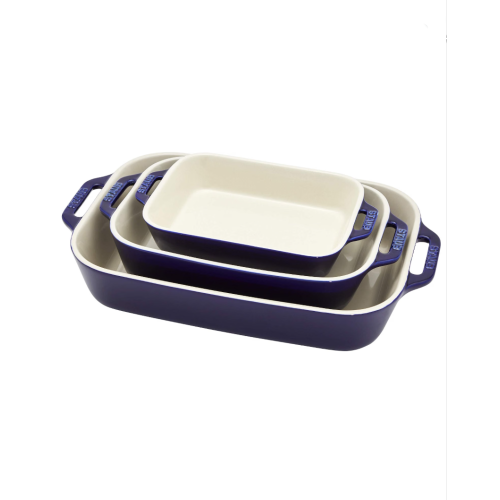 Your price for this item is $179.99
-
 Your price for this item is $239.99
-
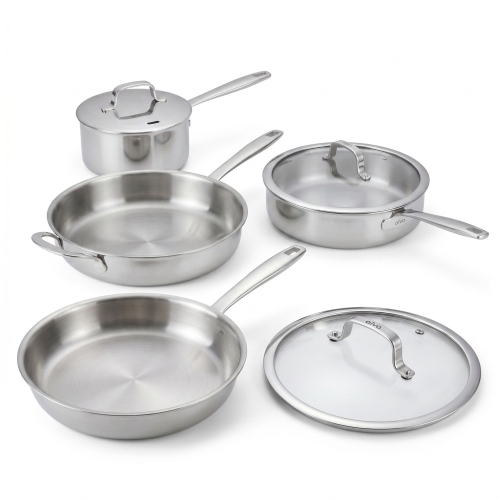 Your price for this item is $979
-
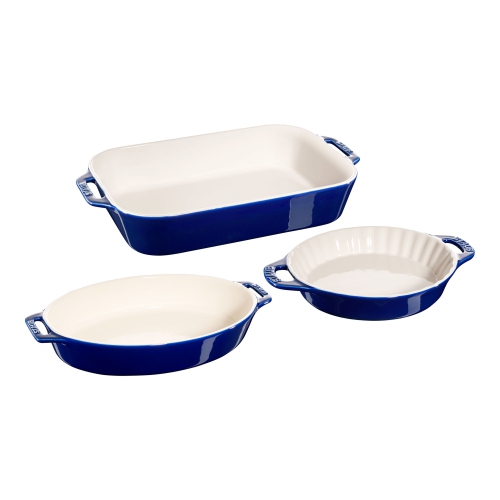 Your price for this item is $199.99
-
 Your price for this item is $179.99
-
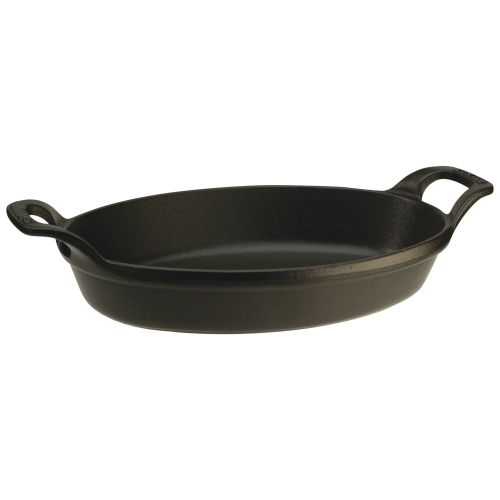 Your price for this item is $199.99
-
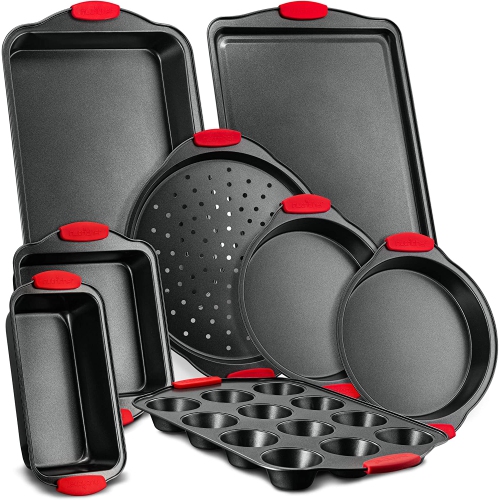 Your price for this item is $65.99
-
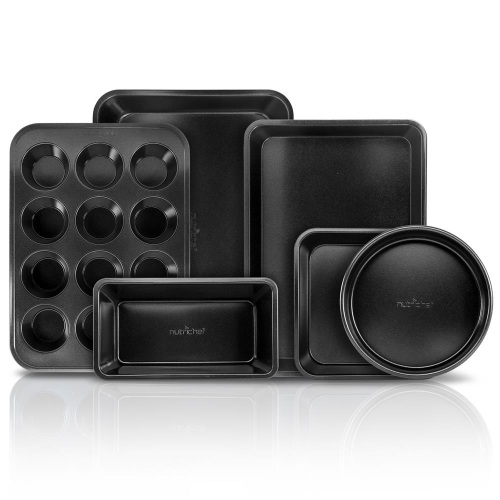 Your price for this item is $46.99
Discover more categories related to Baking Trays

Top Collections:
Pokemon Centers, Best Cameras for Sports Photography, Kindle Devices, Samsung Galaxy Phones, Canon G7X Cameras, Pokémon 30th Celebration Cards, Refurbished Apple Laptops, iPhone 15 Apple, Laptops for Students, Budget Smartphones
Some products may be subject to Environmental Handling Fees
(EHF) depending on your province.
Learn more about EHFs.