Kitty Towers
Looking to provide your feline friend with the ultimate playground? Look no further than our collection of Kitty Towers. These versatile and stylish structures are designed to keep your cat entertained for hours on end. From climbing and scratching to lounging and napping, our Kitty Towers offer a variety of features that cater to your cat's natural instincts. With a range of sizes, materials, and designs to choose from, you'll find the perfect tower to complement your home decor while keeping your furry companion happy and active. Also be sure to check out our selection of Coffee Tables For Small Spaces for additional home furnishing options.
Sort
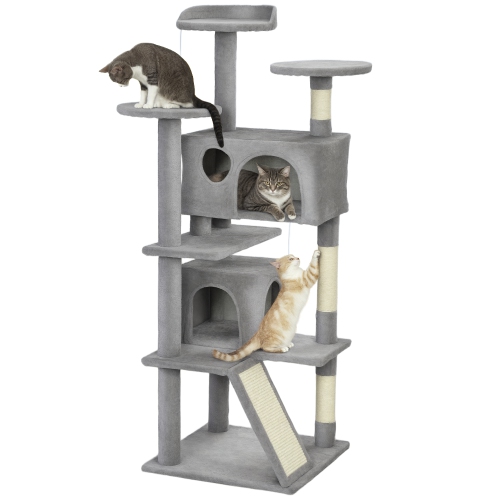
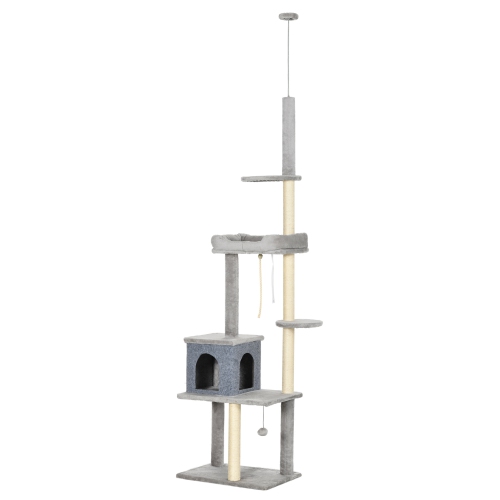
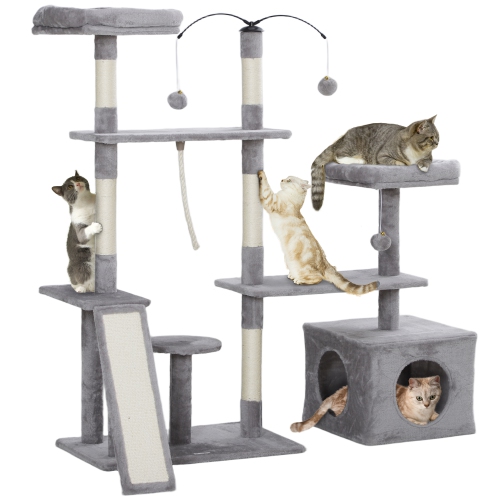
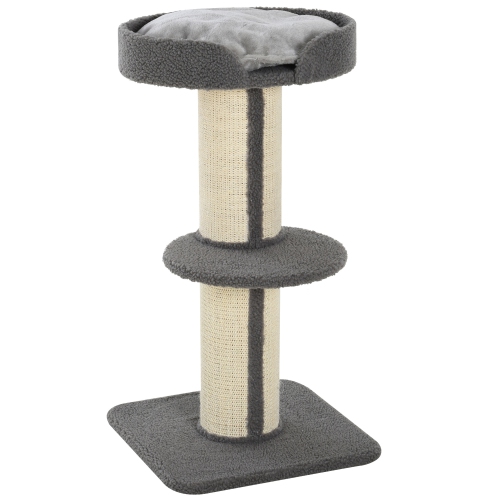


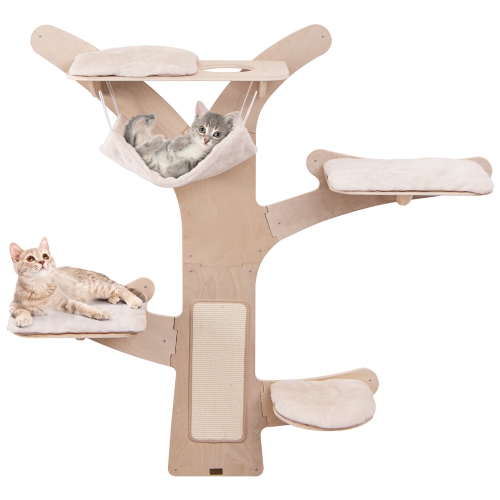
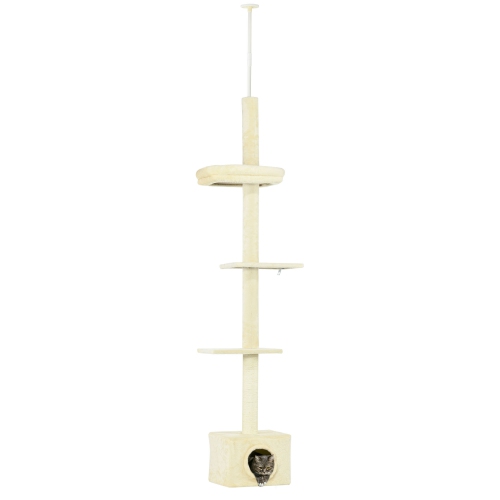
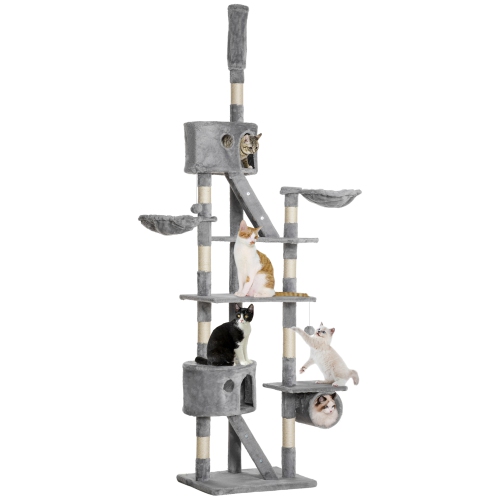
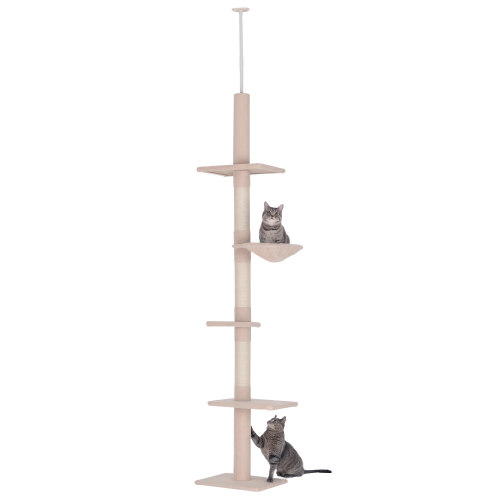


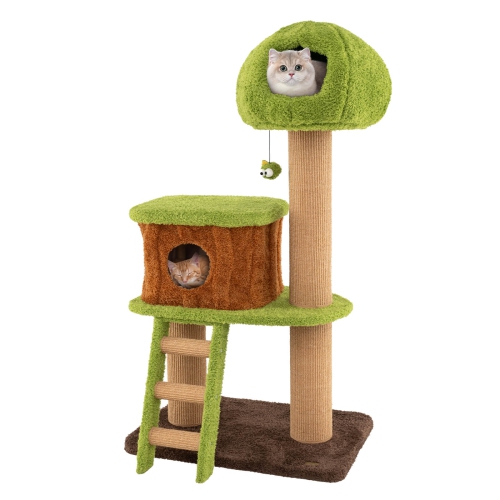
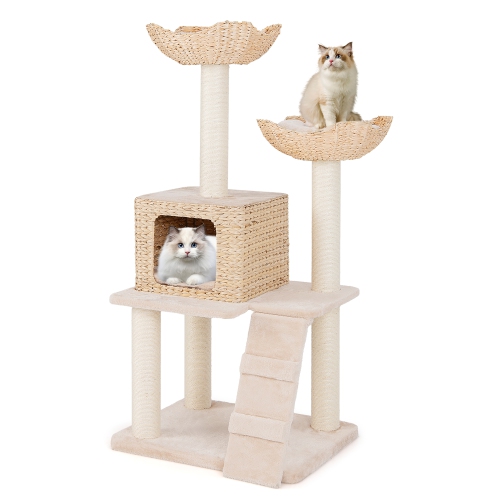
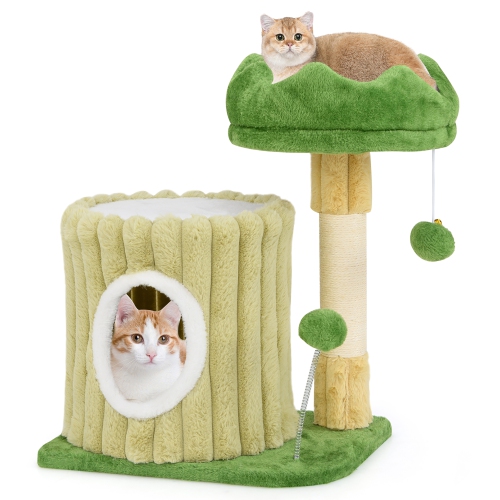
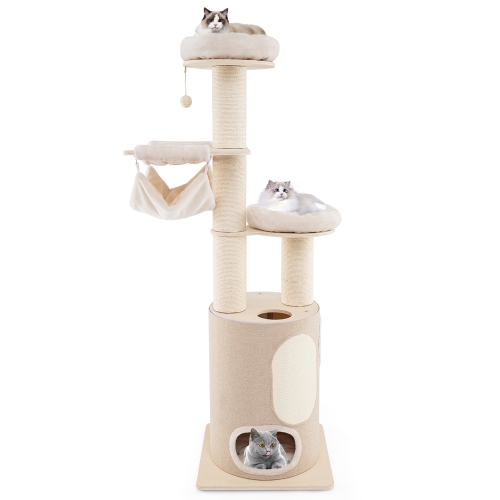

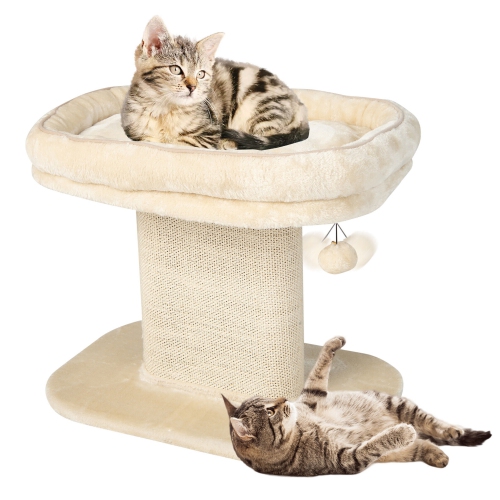
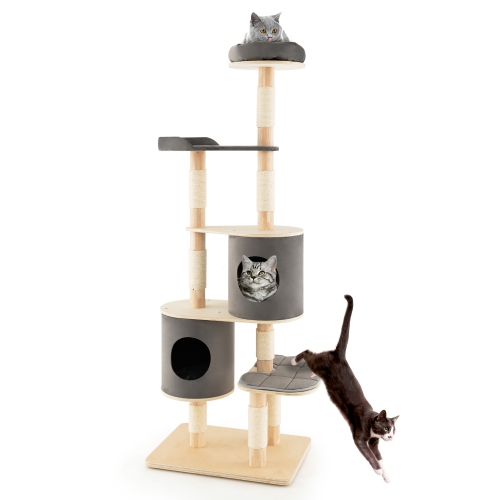
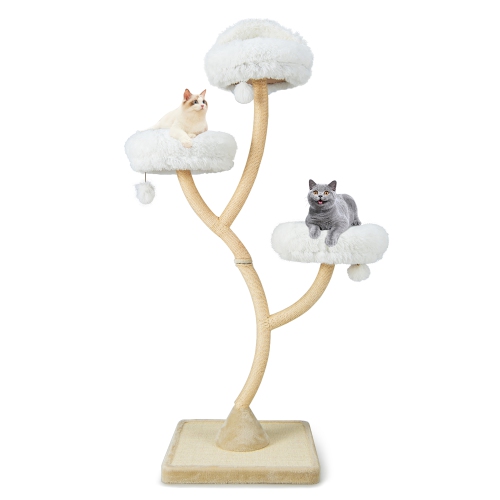
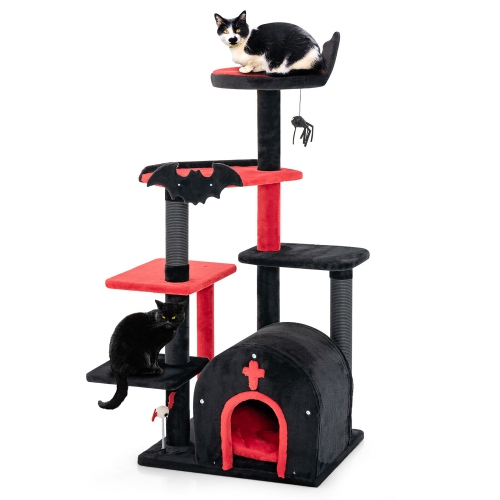
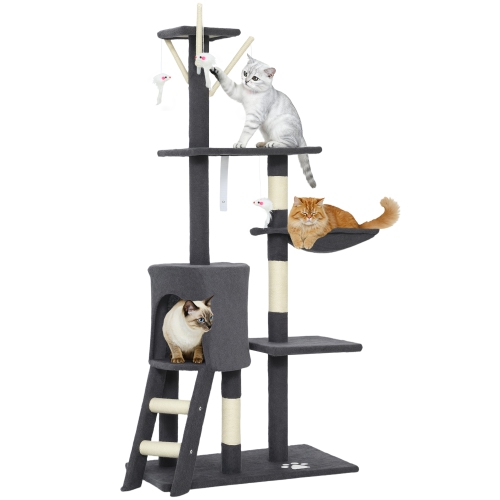
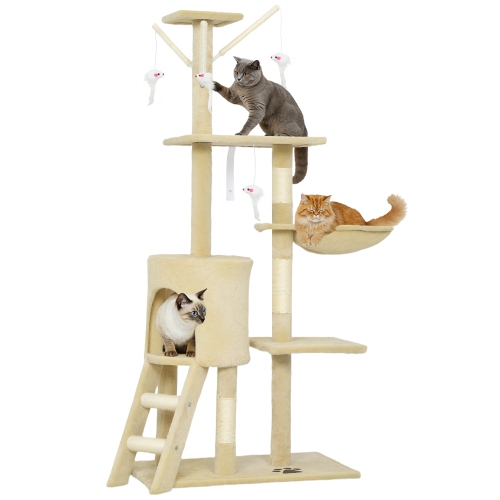
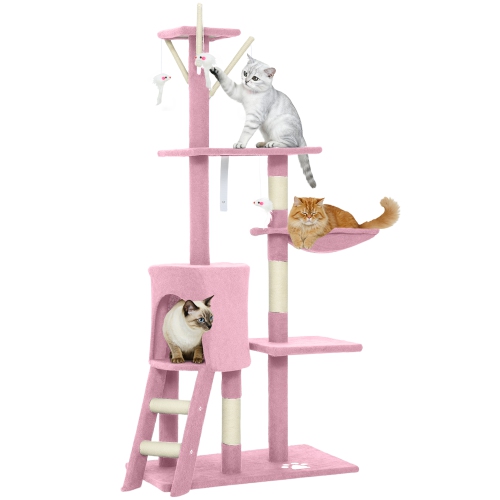
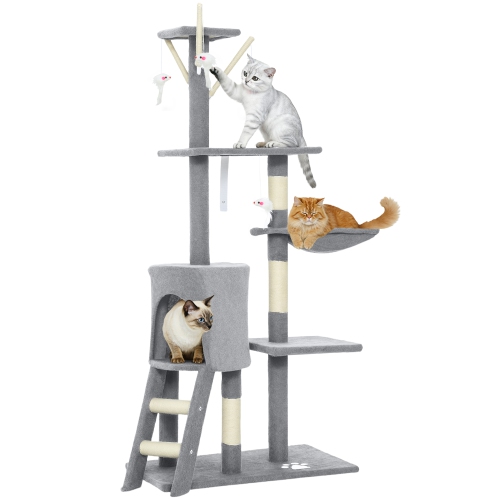
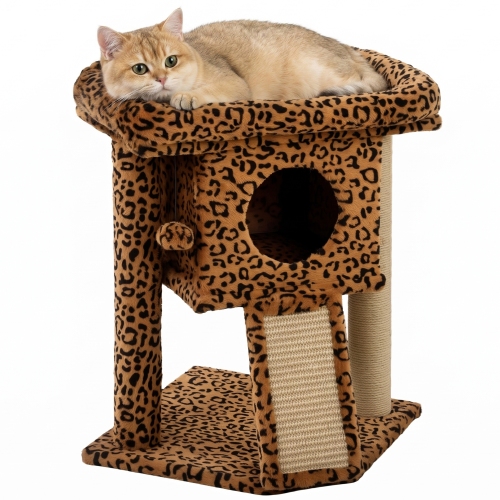
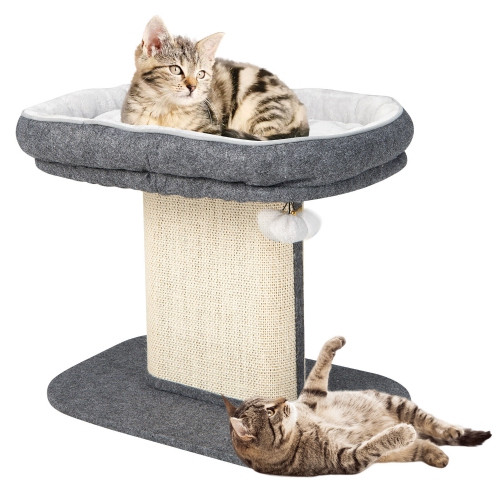
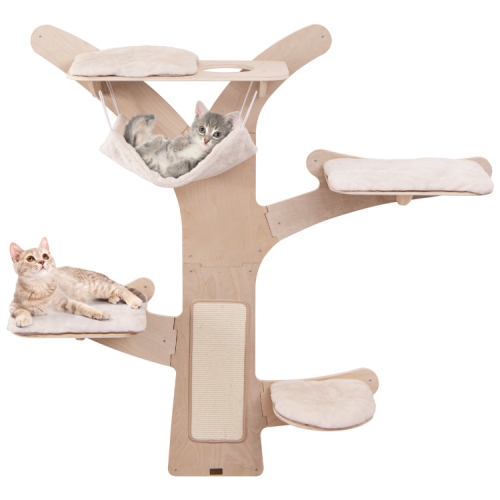
Room to climb and retreat in one footprint
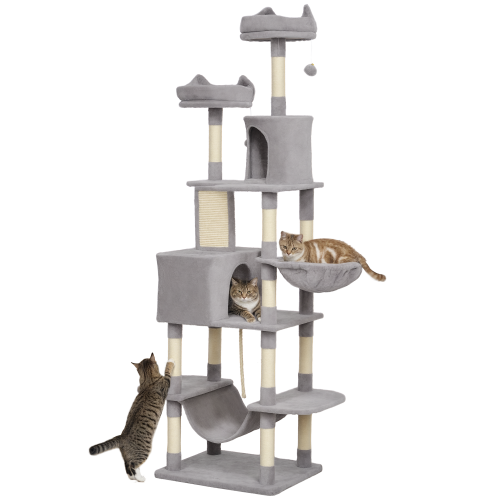
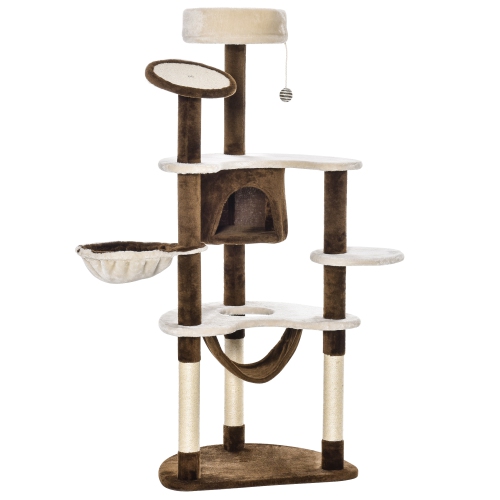
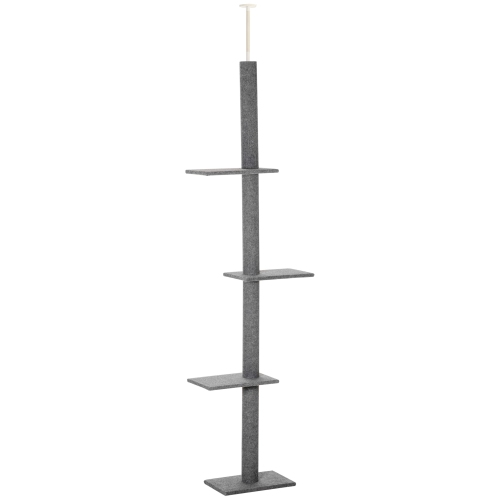
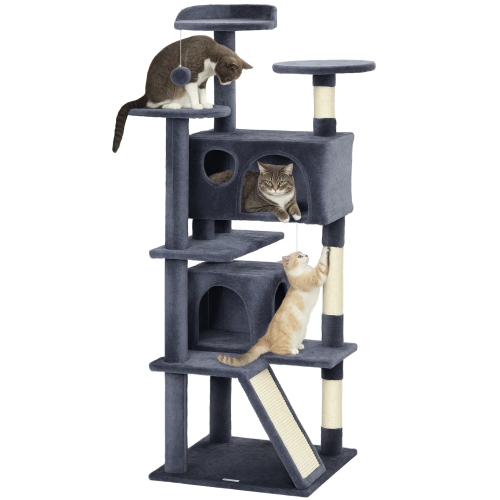
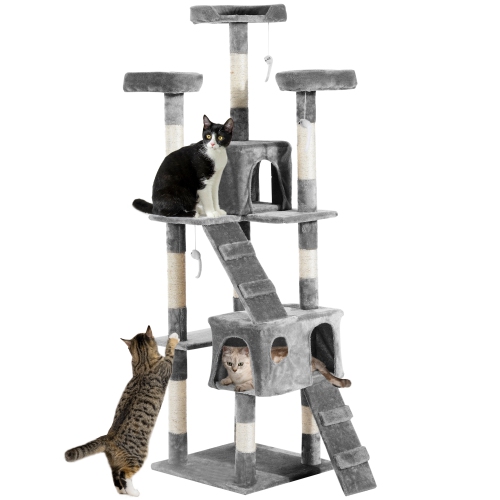
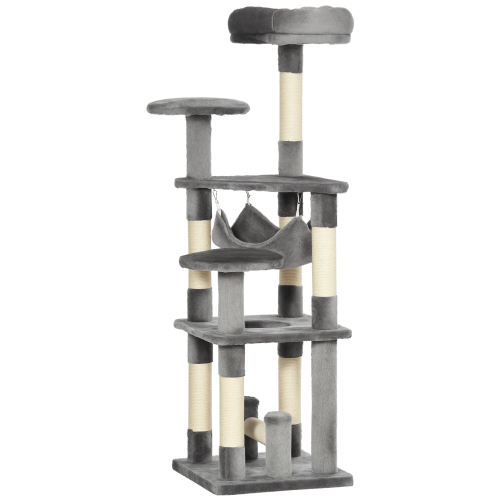
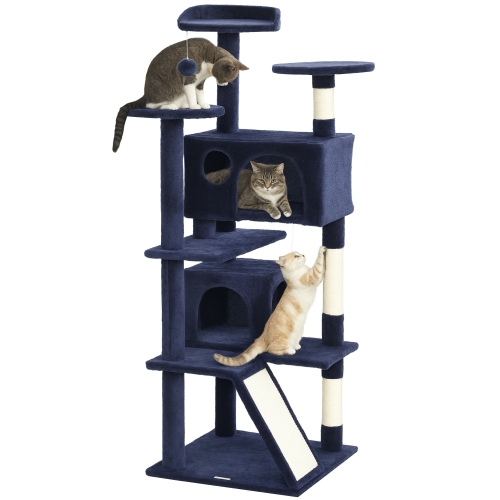
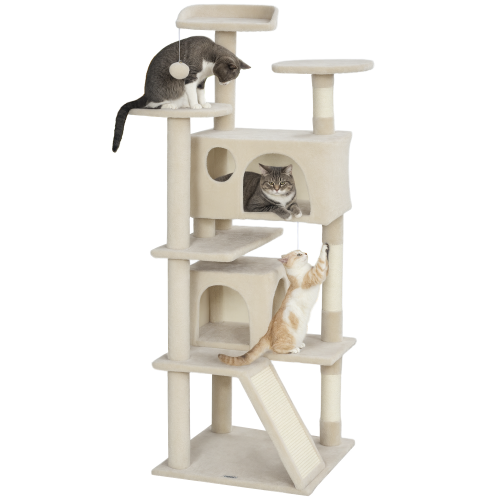
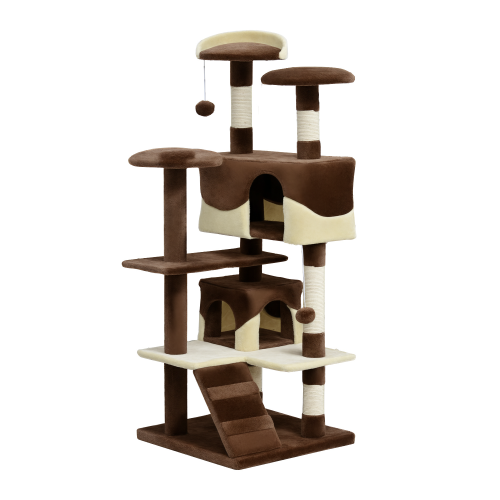
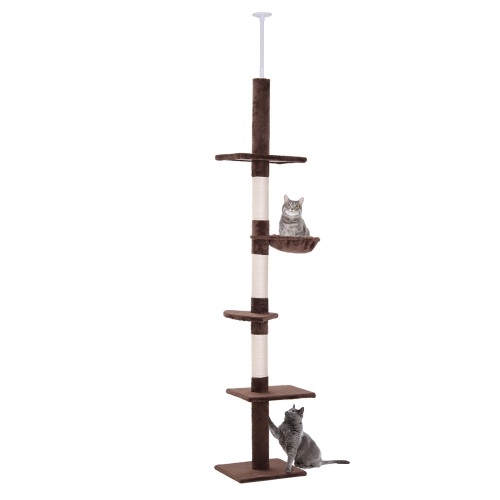
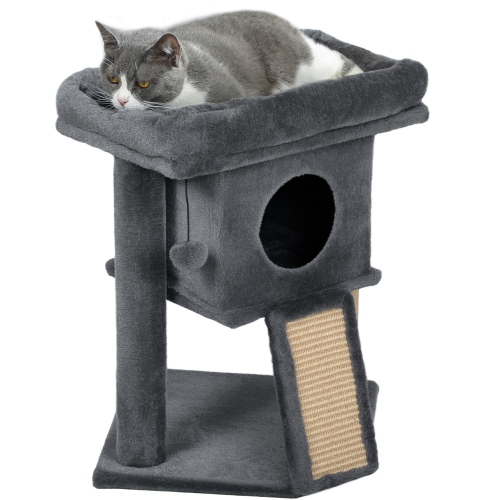
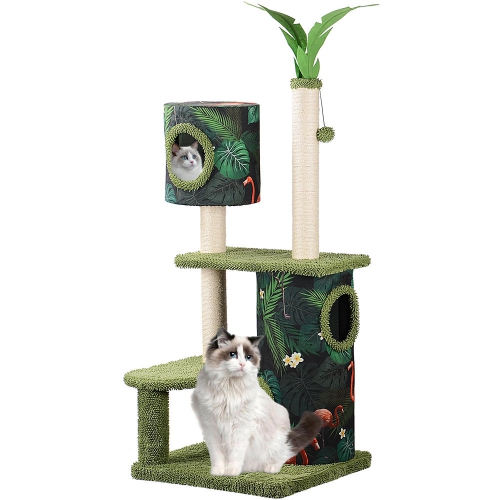
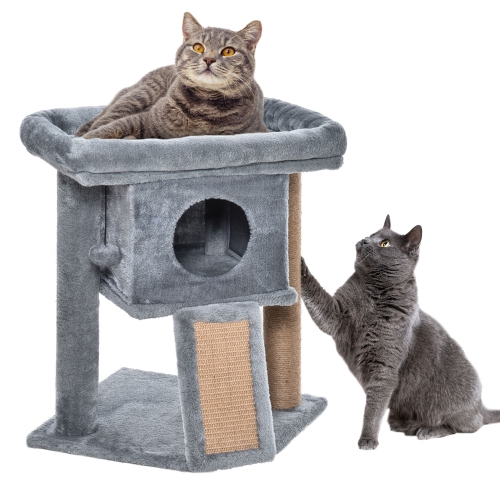
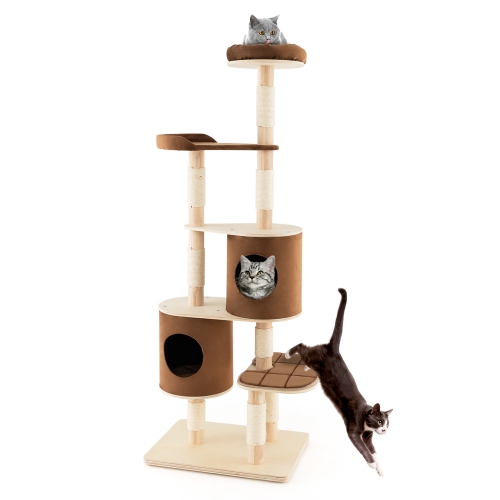
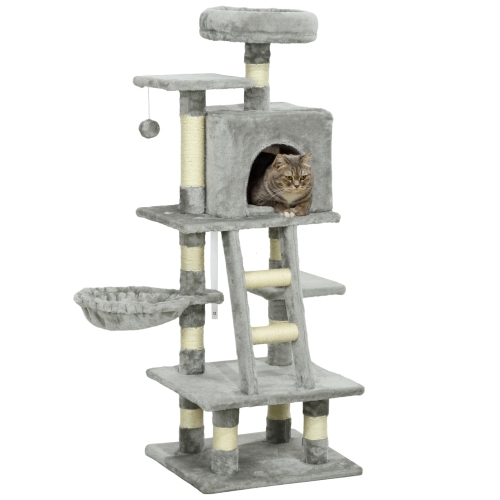
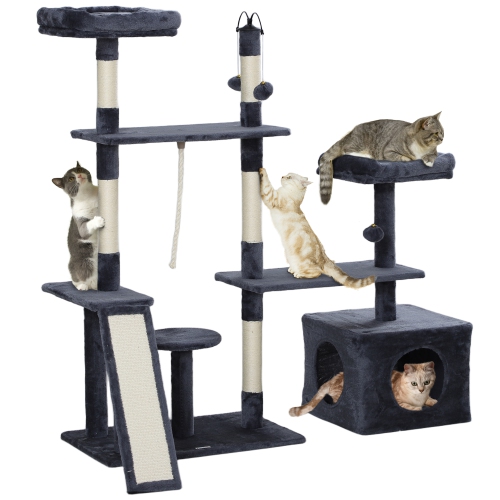
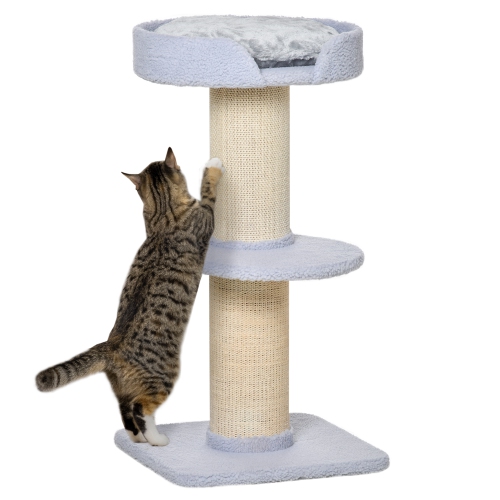
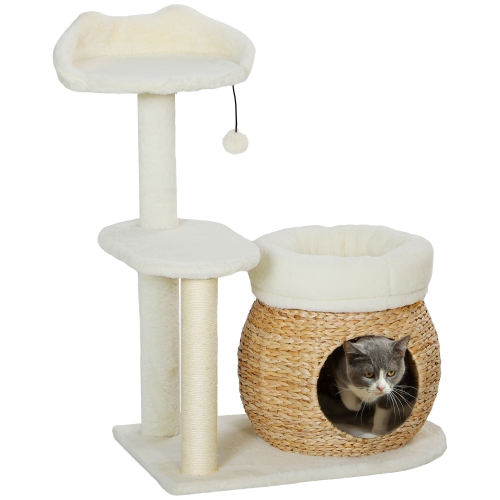
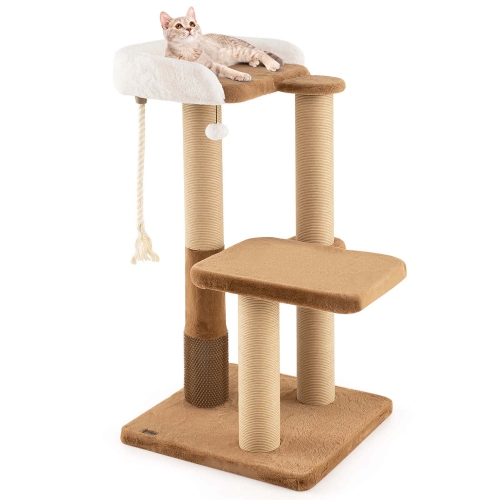
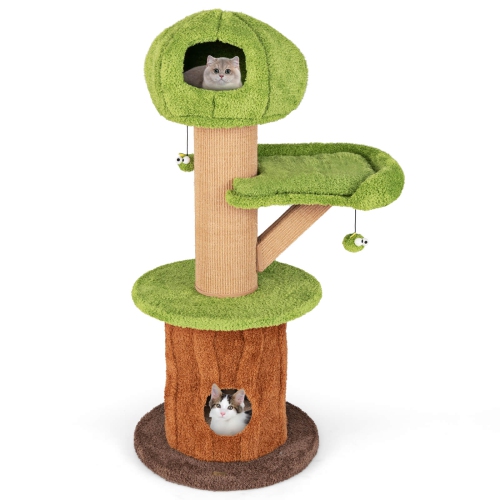
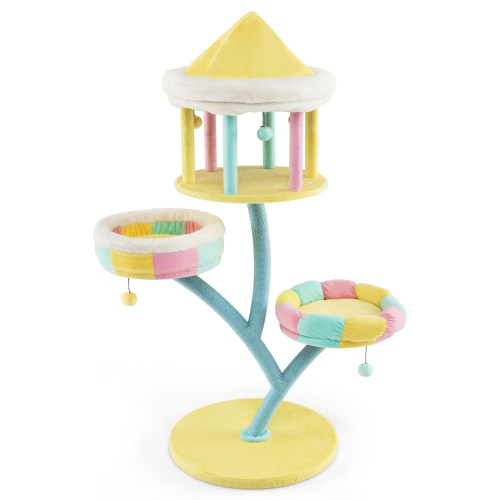
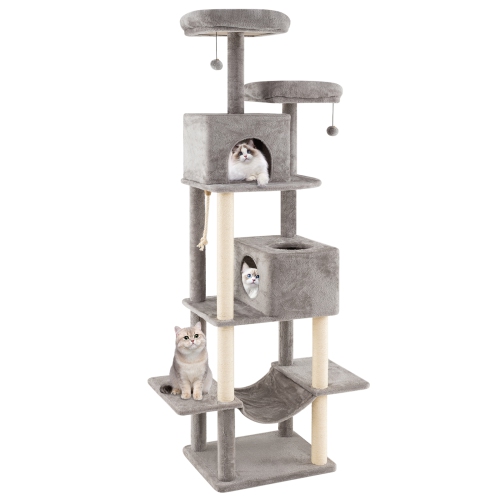
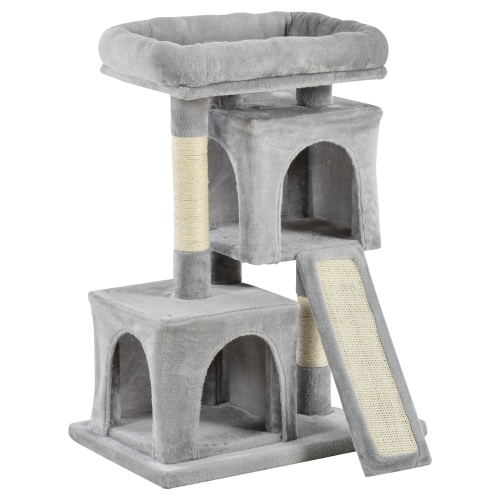
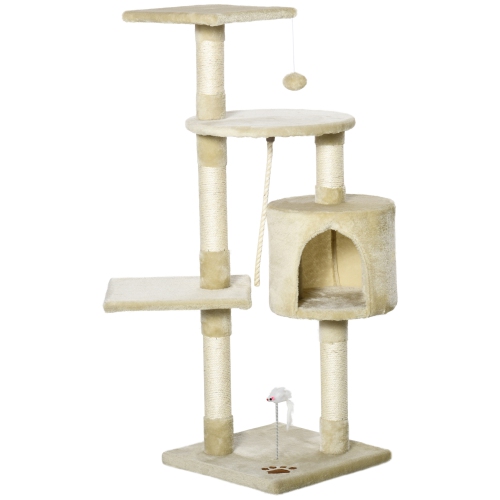
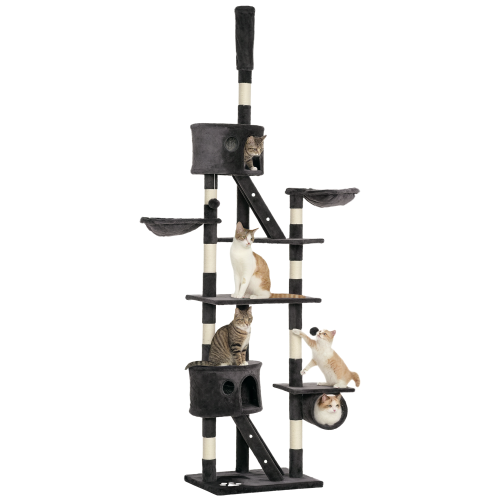
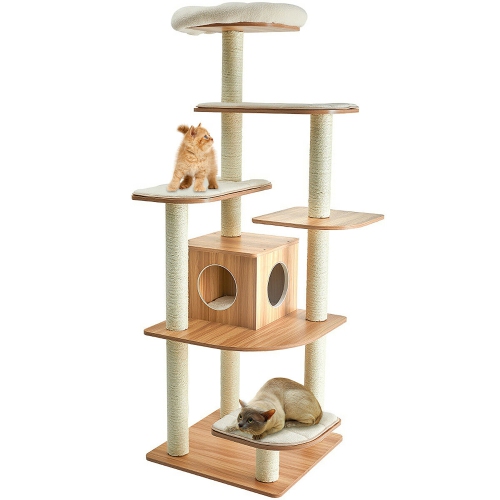
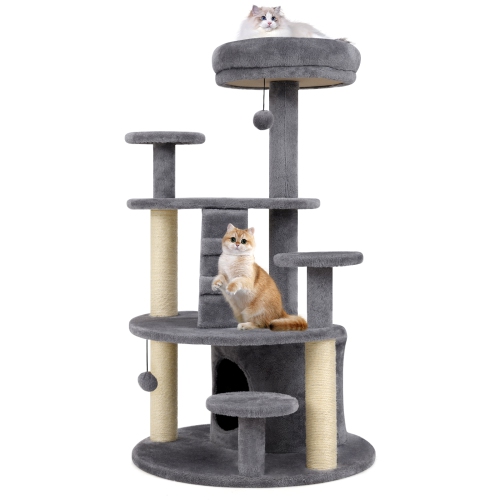
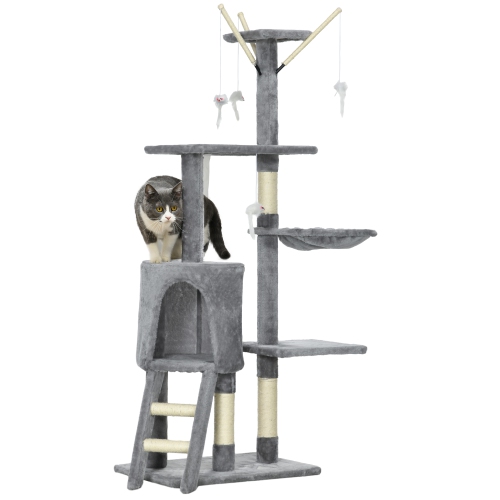
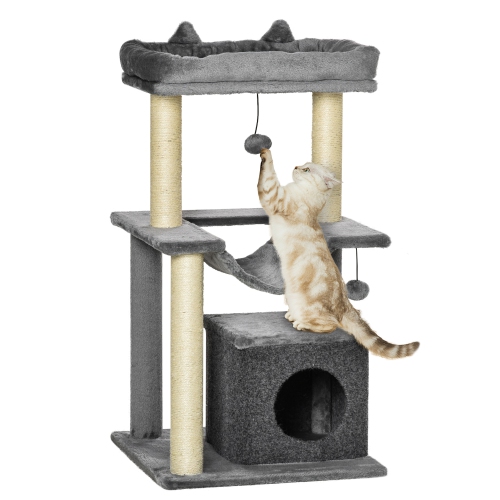
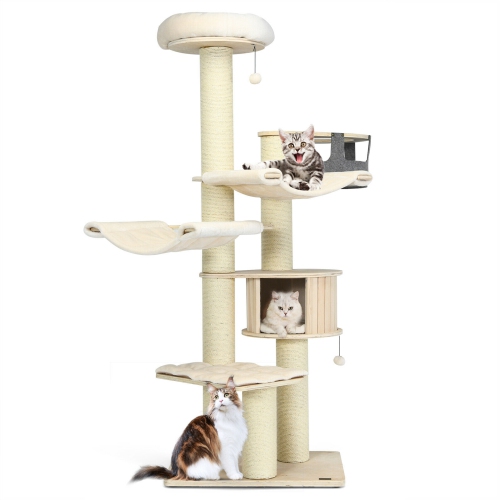
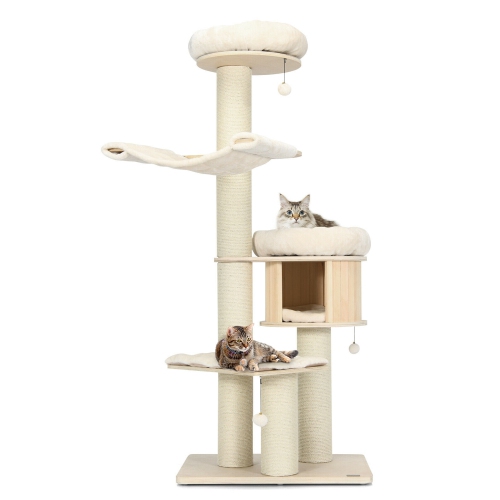
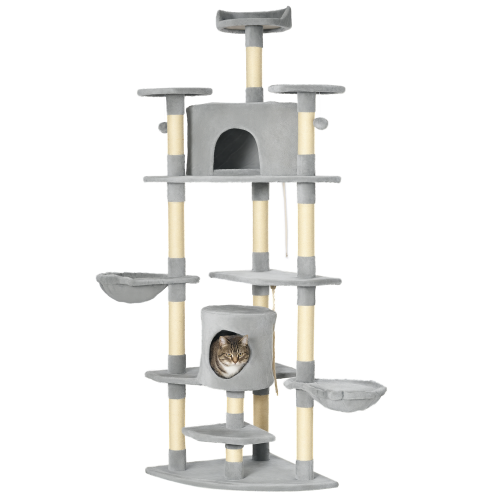
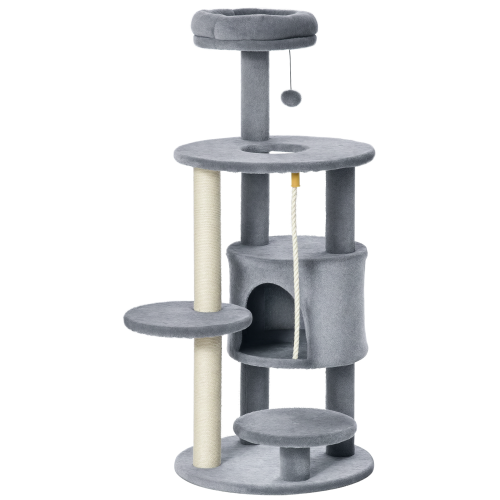
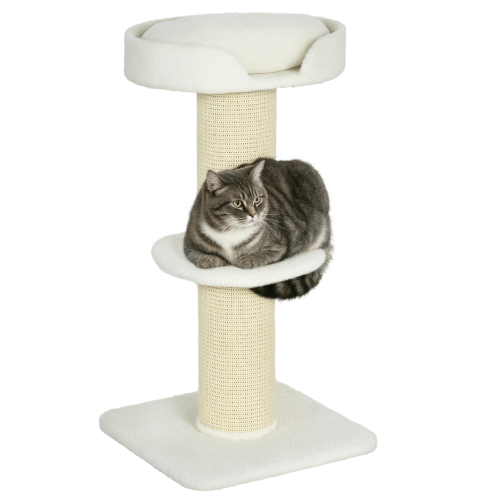
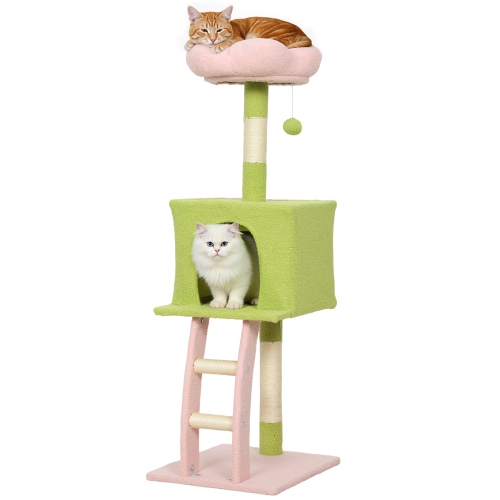
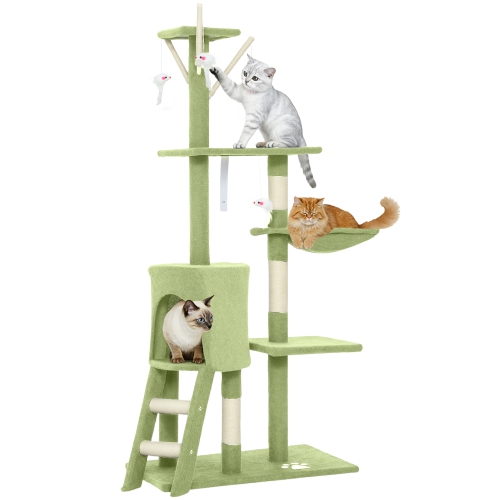
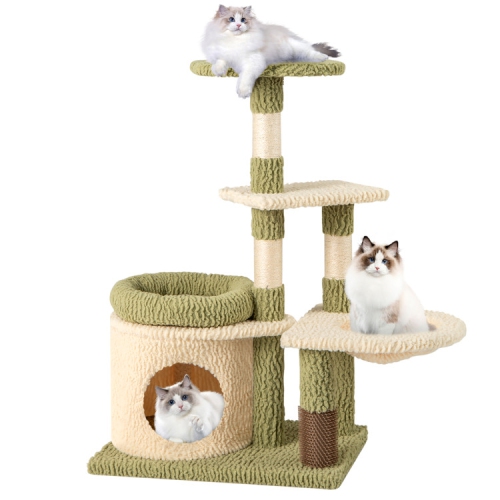
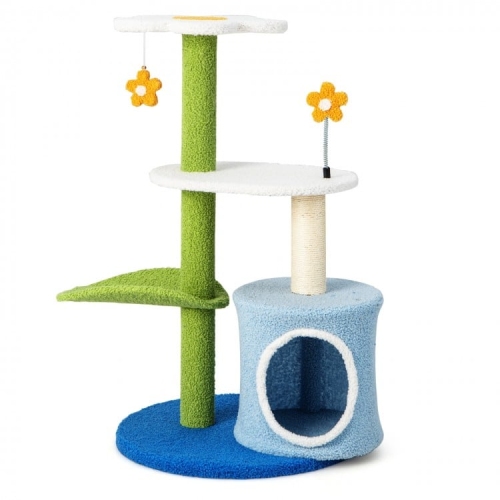
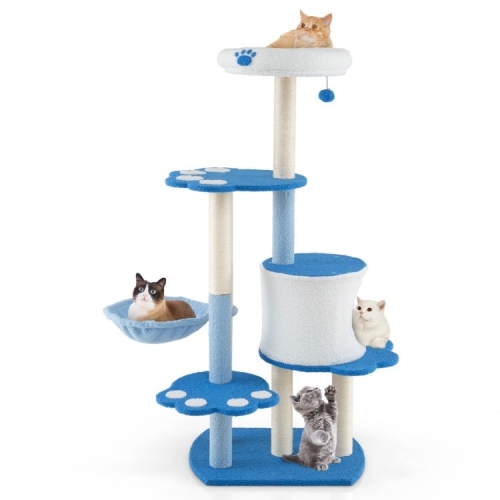
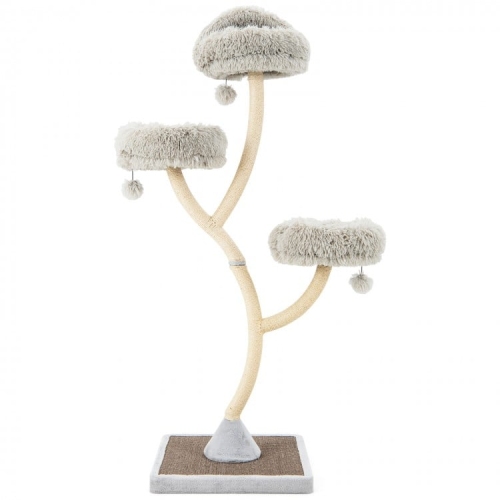
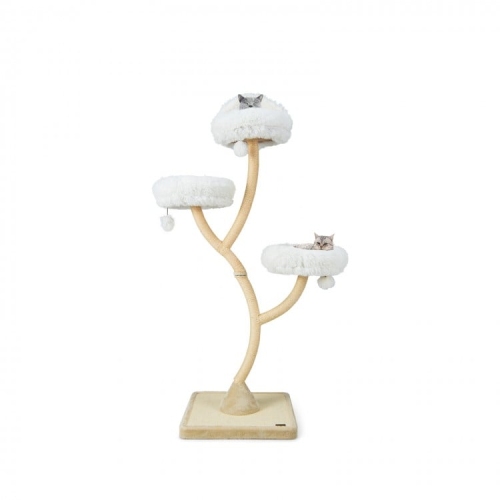
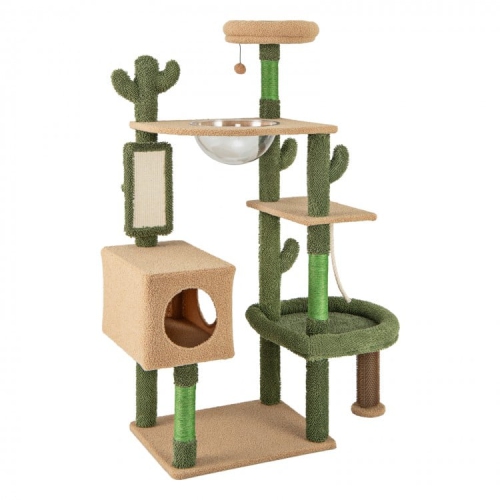
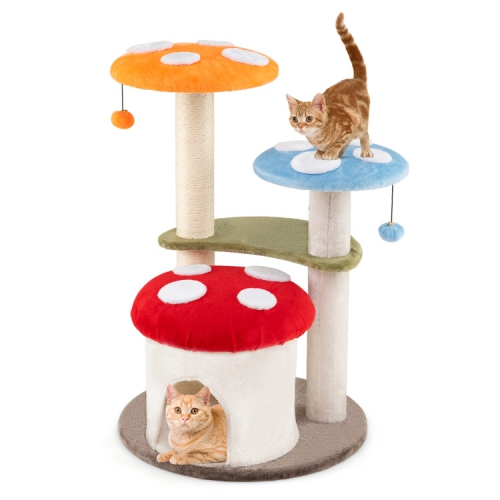
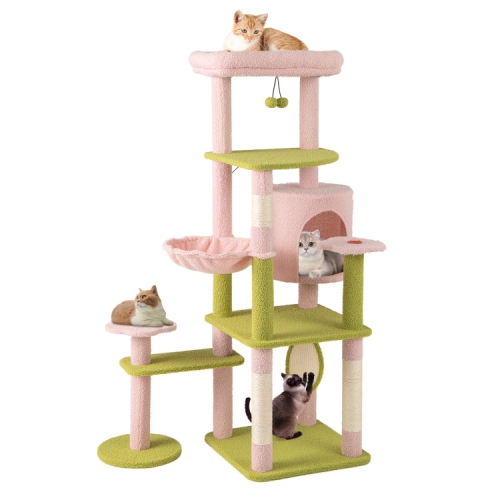
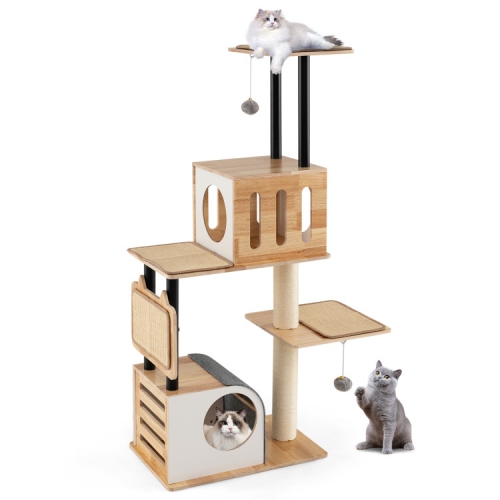
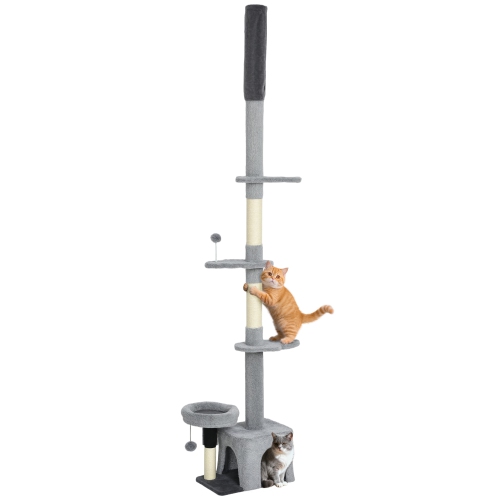
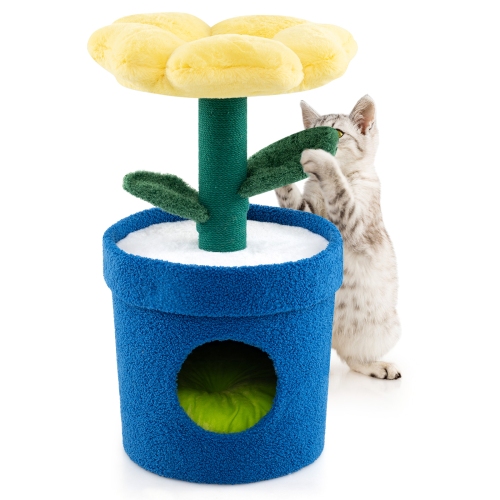
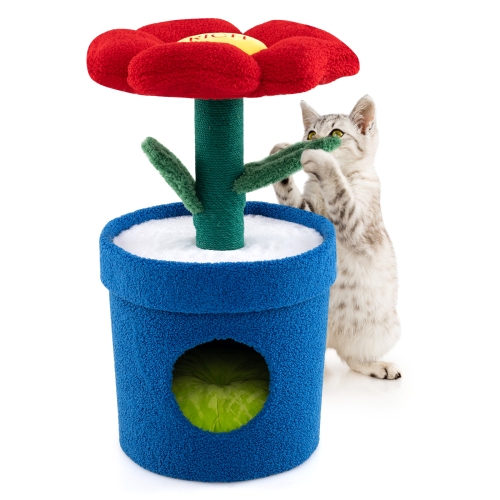
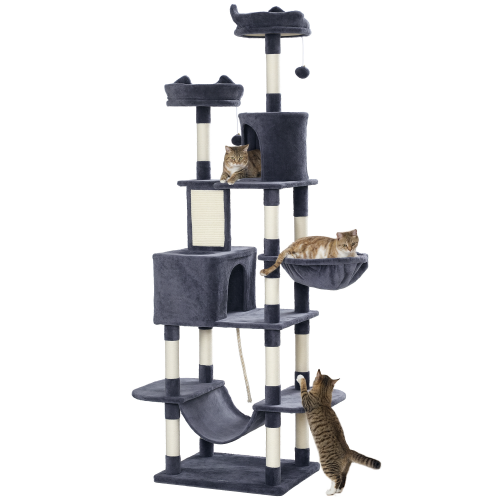
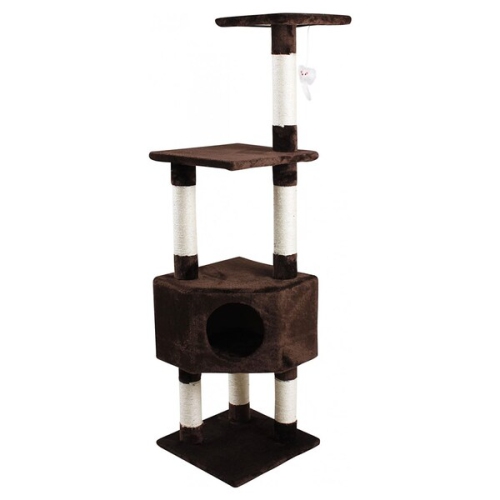
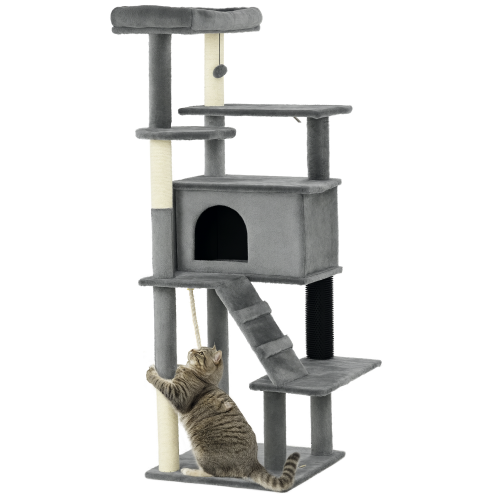
Kitty towers are multi-level indoor structures that give cats places to climb, scratch, hide, watch, and sleep. Also called cat trees or cat condos, they combine raised platforms with features such as scratching posts, enclosed cubbies, hammocks, and padded beds. Their appeal comes from bringing several familiar feline activities into one defined space: a cat can stretch against a post after a nap, climb to a lookout, then retreat into a sheltered nook. For indoor cats, that vertical space adds opportunities for movement and exploration without requiring a large open floor area. A tower can also provide an appealing scratching surface near furniture, helping redirect clawing when paired with suitable placement and positive reinforcement. Different layouts suit different habits. A cat that regularly settles on the back of a sofa may enjoy a broad upper perch with a raised edge, while one that naps under a chair may prefer an enclosed compartment closer to the floor. Open platforms offer clear views and room to stretch; covered spaces provide more privacy. Within the broader range of Cat Play Structures, towers are especially useful when a household needs climbing and resting areas within a single footprint. They suit apartments, condos, and larger homes alike, provided their dimensions and layout match the room and the cats using them. In a shared living room, a tower beside a securely screened window can create an engaging observation spot without blocking a walkway. In a quieter corner, it can give a shy cat a retreat away from regular foot traffic. Placement matters as much as the number of levels: a tower tucked somewhere the cat rarely visits may see less use than a simpler structure near a favourite resting place. Keeping it clear of blind cords, unstable shelves, and furniture that could become an unsafe landing point helps make the surrounding space suitable for daily use. A clear route onto and off the structure also lets a cat approach without squeezing past obstacles.
Size and layout deserve close attention because a tall tower is not necessarily a comfortable tower for every cat. Overall height describes how far the structure rises, but platform width, bed depth, cubby openings, and the spacing between levels determine how easily a cat can use it. A large adult cat needs enough room to turn around and lie down without hanging awkwardly over an edge, along with supports and resting surfaces rated for its weight. A kitten may benefit from low starting platforms and short climbing stages rather than large gaps, although fit should also account for expected adult size. Older cats or cats with limited mobility may find low, closely spaced steps easier to manage than layouts that require repeated jumping. For a cat with pain or a diagnosed mobility condition, a veterinarian can help establish appropriate activity limits. Homes with more than one cat have another consideration: whether the tower offers enough usable resting places and routes for the cats to share it comfortably. Two spacious perches at different heights may be more useful than several tiny ledges, and separate access points can reduce the chance of one cat blocking another. Stability is essential across all these layouts. A broad base, firmly connected posts, and well-supported platforms help limit wobbling during climbing and landing. Taller structures may require a wall attachment or another securing method specified by the manufacturer; those requirements should fit the intended location before assembly begins. Floor space should account for projecting beds and ramps as well as the base itself, especially beside doors or narrow passages. Scratching areas also need usable clearance. Many cats favour a vertical post tall enough for a full stretch, while others prefer an angled or horizontal surface. A combination can accommodate different preferences, but the scratching section should remain accessible rather than hidden behind a bed or pressed against a wall. The best fit is a layout that supports the cat’s usual movements while leaving the room comfortable for everyone who uses it.
Materials influence how a kitty tower feels under paws, how it looks in a room, and how well it stands up to repeated use. Common construction materials include solid wood, plywood, and engineered wood, with coverings such as carpet, plush fabric, felt, or woven textiles. The frame and connections provide support, while the outer surfaces contribute traction and comfort. Smooth exposed panels can be convenient to wipe down, though climbing routes still need a secure footing. Plush-lined beds offer a soft resting surface, while tightly fitted coverings are less likely to bunch under paws. Scratching posts are often wrapped in sisal rope or fabric, giving claws a textured surface to grip. Carpeted scratching sections feel different and may appeal to cats that already seek out similar textures. Durability depends on construction as well as material: firmly attached coverings, secure fasteners, supported bed edges, and replaceable wear parts can all affect how a tower holds up. Regular care helps keep those details in good condition. Vacuuming fabric surfaces removes loose fur and tracked litter, and removable cushions can make cleaning more manageable when their care labels permit washing. Spots on fixed upholstery should be treated according to the manufacturer’s directions, with surfaces allowed to dry fully before use. Posts, seams, and attachments need occasional inspection for loose threads, exposed staples, cracked panels, or worn connections. Dangling toys deserve particular attention; damaged cords or loose pieces should be removed, and play should follow the maker’s supervision guidance. Tightening hardware as directed can help address looseness, but a damaged support should not remain in use. Appearance matters too, particularly when the tower becomes part of a living room or home office. Neutral colours and simple shapes can sit quietly alongside other furniture, while broader cushioned tiers make the cat’s resting space more prominent. A kitty tower can also be a thoughtful gift for a cat-owning household when the recipient’s floor space, cat size, and care preferences are known. Whether chosen for an energetic climber or a dedicated afternoon napper, its lasting value comes from comfortable, accessible features the cat will actually use.
Size and layout deserve close attention because a tall tower is not necessarily a comfortable tower for every cat. Overall height describes how far the structure rises, but platform width, bed depth, cubby openings, and the spacing between levels determine how easily a cat can use it. A large adult cat needs enough room to turn around and lie down without hanging awkwardly over an edge, along with supports and resting surfaces rated for its weight. A kitten may benefit from low starting platforms and short climbing stages rather than large gaps, although fit should also account for expected adult size. Older cats or cats with limited mobility may find low, closely spaced steps easier to manage than layouts that require repeated jumping. For a cat with pain or a diagnosed mobility condition, a veterinarian can help establish appropriate activity limits. Homes with more than one cat have another consideration: whether the tower offers enough usable resting places and routes for the cats to share it comfortably. Two spacious perches at different heights may be more useful than several tiny ledges, and separate access points can reduce the chance of one cat blocking another. Stability is essential across all these layouts. A broad base, firmly connected posts, and well-supported platforms help limit wobbling during climbing and landing. Taller structures may require a wall attachment or another securing method specified by the manufacturer; those requirements should fit the intended location before assembly begins. Floor space should account for projecting beds and ramps as well as the base itself, especially beside doors or narrow passages. Scratching areas also need usable clearance. Many cats favour a vertical post tall enough for a full stretch, while others prefer an angled or horizontal surface. A combination can accommodate different preferences, but the scratching section should remain accessible rather than hidden behind a bed or pressed against a wall. The best fit is a layout that supports the cat’s usual movements while leaving the room comfortable for everyone who uses it.
Materials influence how a kitty tower feels under paws, how it looks in a room, and how well it stands up to repeated use. Common construction materials include solid wood, plywood, and engineered wood, with coverings such as carpet, plush fabric, felt, or woven textiles. The frame and connections provide support, while the outer surfaces contribute traction and comfort. Smooth exposed panels can be convenient to wipe down, though climbing routes still need a secure footing. Plush-lined beds offer a soft resting surface, while tightly fitted coverings are less likely to bunch under paws. Scratching posts are often wrapped in sisal rope or fabric, giving claws a textured surface to grip. Carpeted scratching sections feel different and may appeal to cats that already seek out similar textures. Durability depends on construction as well as material: firmly attached coverings, secure fasteners, supported bed edges, and replaceable wear parts can all affect how a tower holds up. Regular care helps keep those details in good condition. Vacuuming fabric surfaces removes loose fur and tracked litter, and removable cushions can make cleaning more manageable when their care labels permit washing. Spots on fixed upholstery should be treated according to the manufacturer’s directions, with surfaces allowed to dry fully before use. Posts, seams, and attachments need occasional inspection for loose threads, exposed staples, cracked panels, or worn connections. Dangling toys deserve particular attention; damaged cords or loose pieces should be removed, and play should follow the maker’s supervision guidance. Tightening hardware as directed can help address looseness, but a damaged support should not remain in use. Appearance matters too, particularly when the tower becomes part of a living room or home office. Neutral colours and simple shapes can sit quietly alongside other furniture, while broader cushioned tiers make the cat’s resting space more prominent. A kitty tower can also be a thoughtful gift for a cat-owning household when the recipient’s floor space, cat size, and care preferences are known. Whether chosen for an energetic climber or a dedicated afternoon napper, its lasting value comes from comfortable, accessible features the cat will actually use.
Top selling and popular products
-
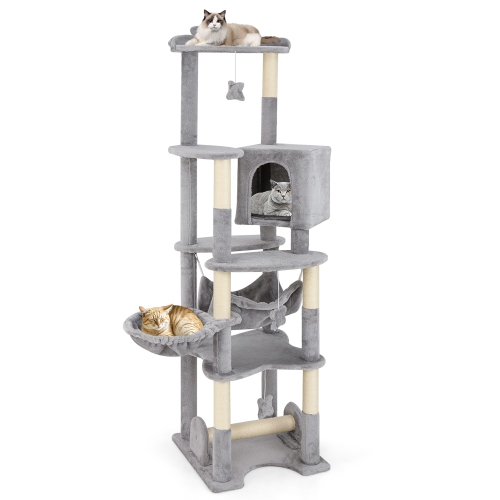 Your price for this item is $105.99
 -
 Your price for this item is $99.99
 -
 Your price for this item is $266.99
 -
 Your price for this item is $58.69
 -
 Your price for this item is $73.99
 -
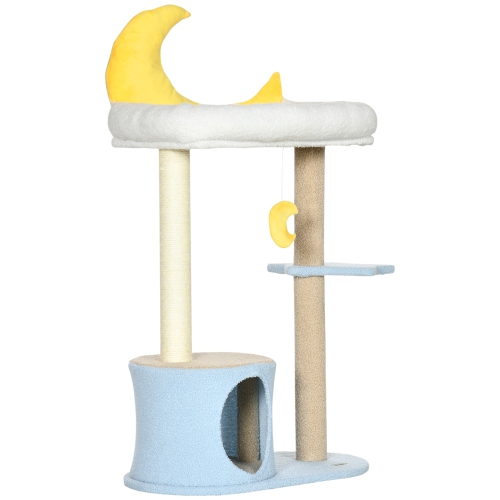 Your price for this item is $67.99
 -
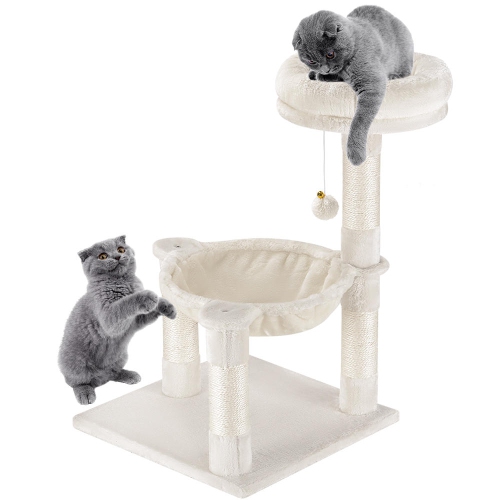 Your price for this item is $36.99
 -
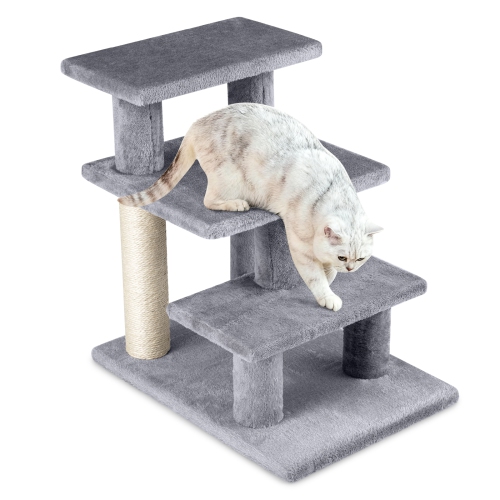 Your price for this item is $59.99
Discover more categories related to Kitty Towers
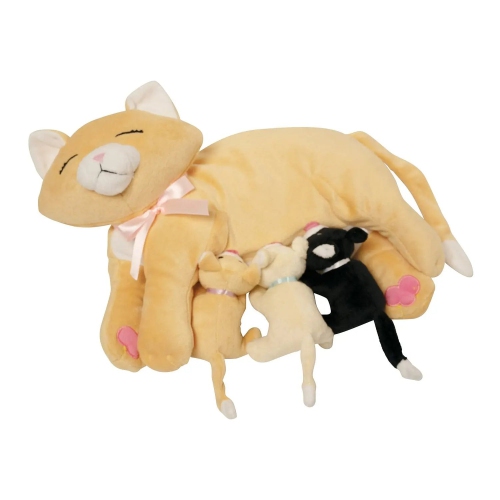
Top Collections:
Pokemon Centers, Kindle Devices, Best Budget Office Chairs, Apple iPhones 16, Best Laptops for Writers, iPhone 15 Apple, Canon G7X Cameras, Refurbished Apple Laptops, Alarm Clock, Motorola Razr Phones
Some products may be subject to Environmental Handling Fees
(EHF) depending on your province.
Learn more about EHFs.