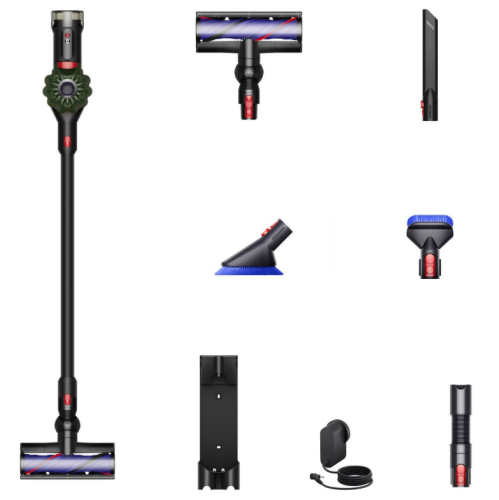
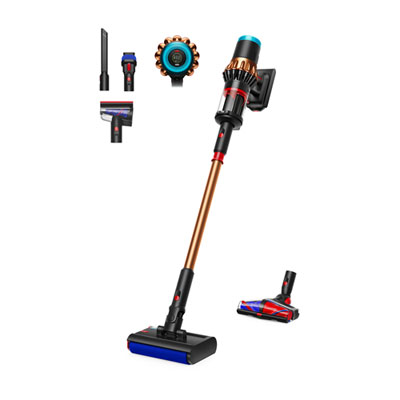
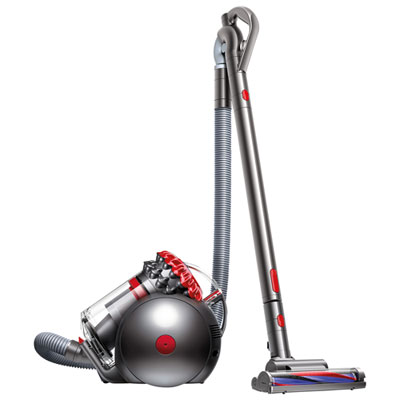
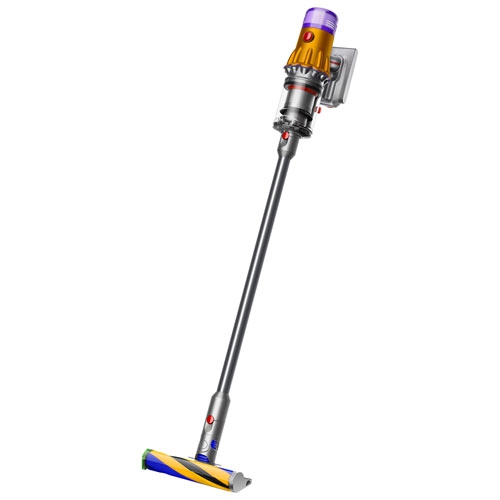
Latest Dyson Cordless Vacuums

Explore the latest Dyson cordless vacuums and compare options for your everyday cleaning needs. As you browse, consider battery runtime, weight, bin capacity, and included attachments to find a cordless vacuum that suits your floor types and the spaces you clean most.
Read More

Sort

Why cleaner heads matter for different floor types

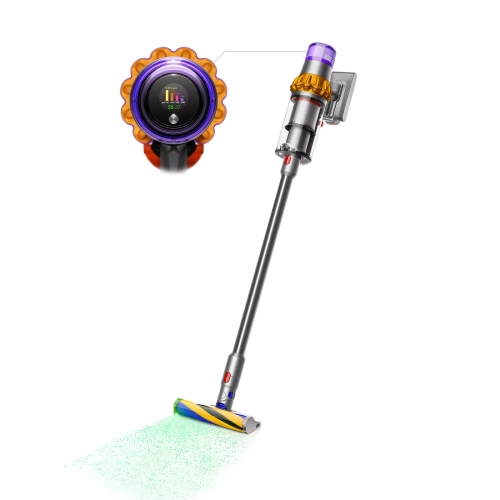
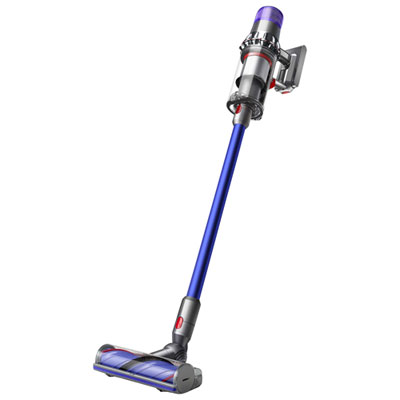
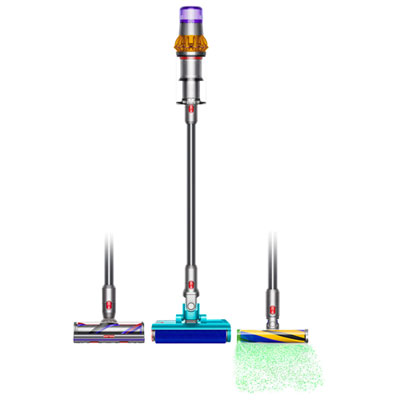
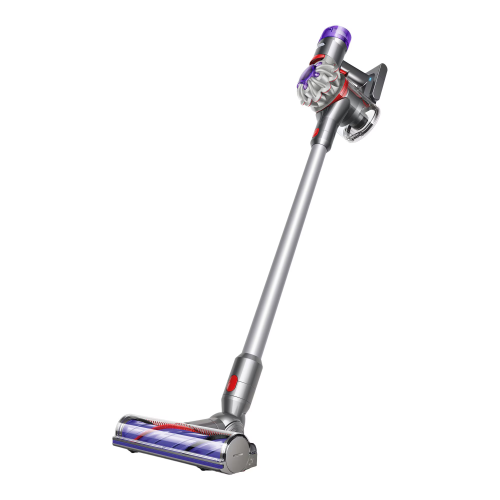
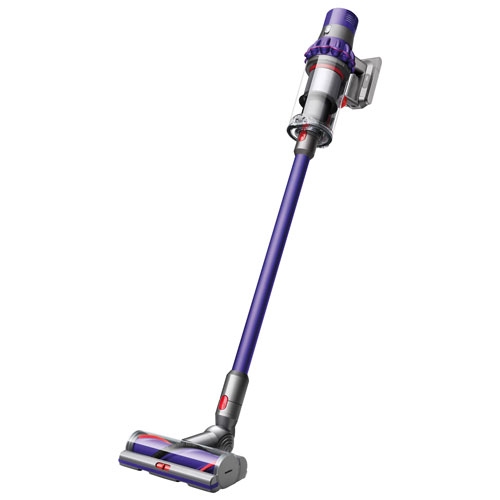
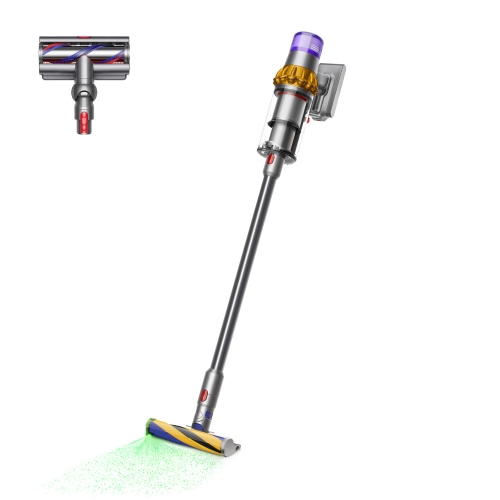
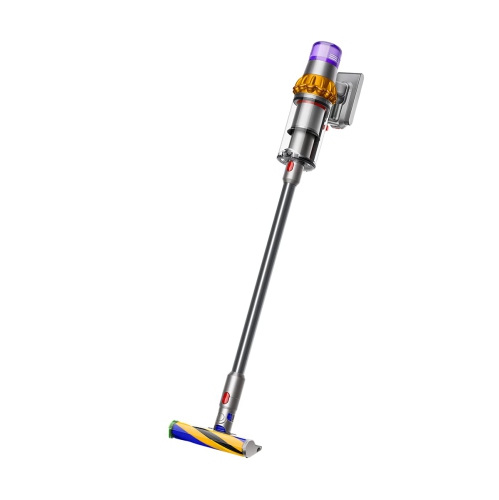
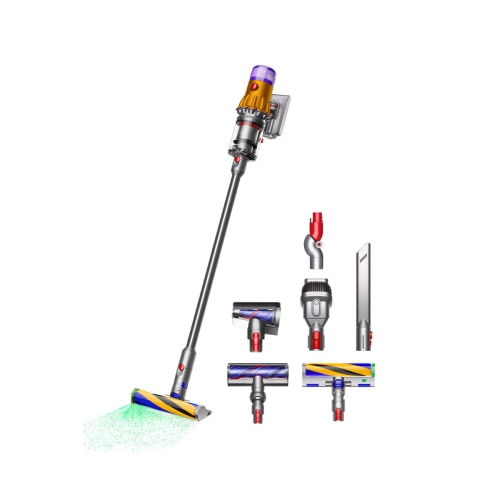
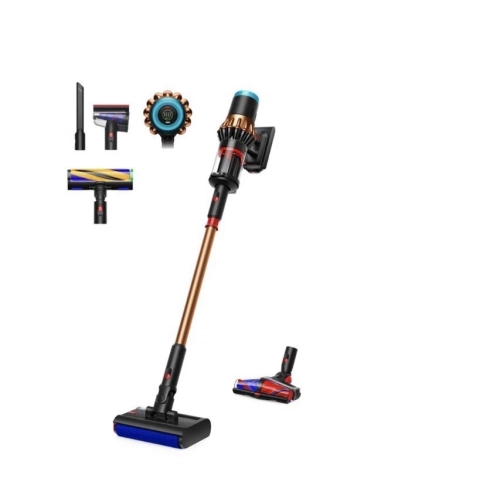
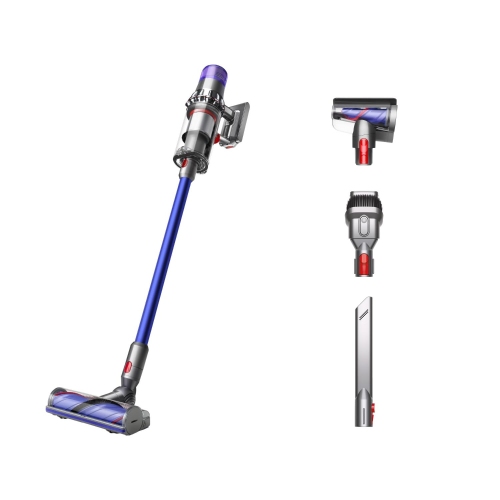
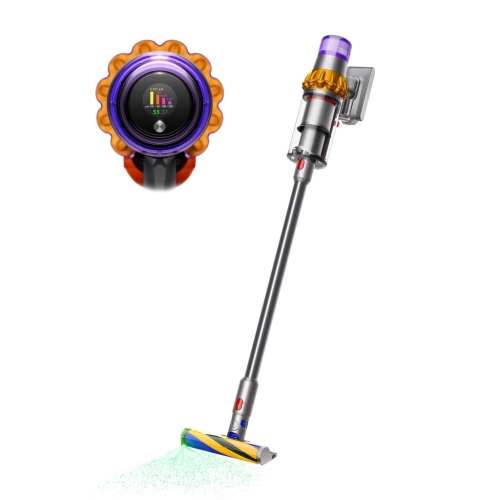
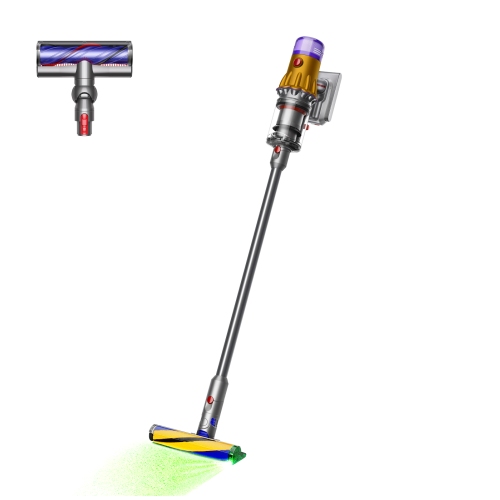
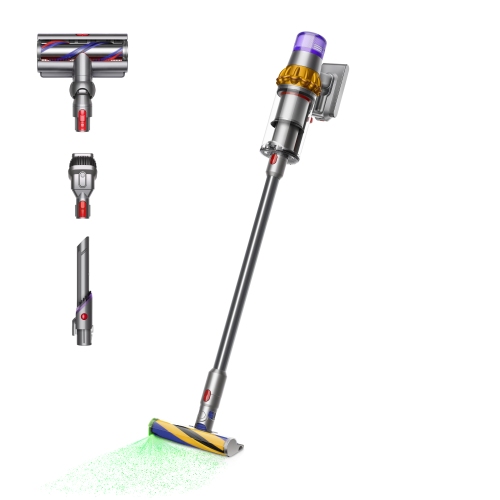
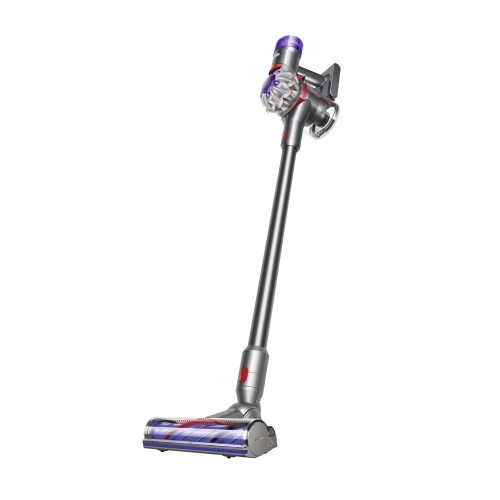
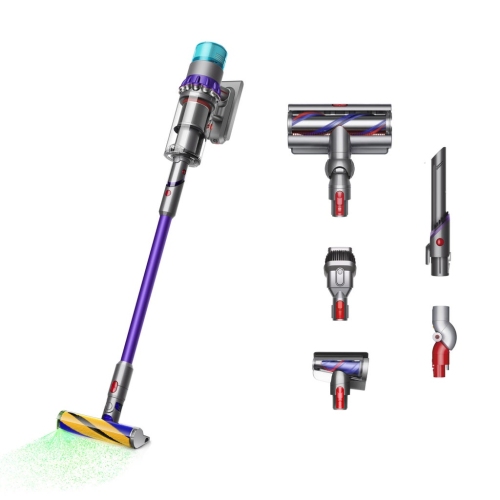
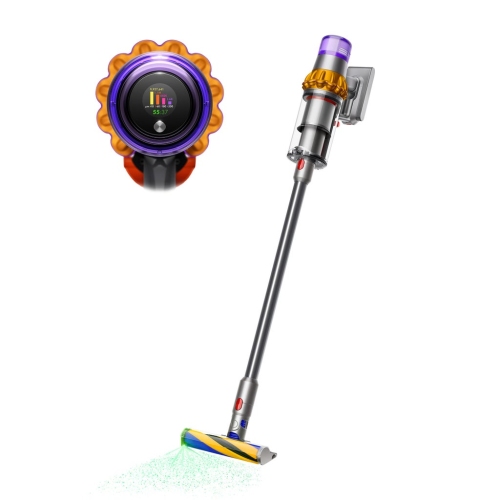
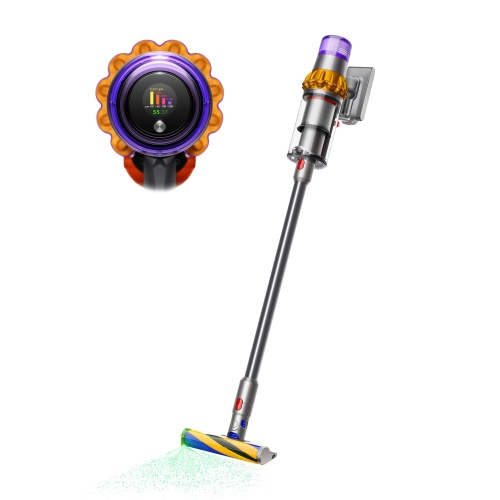
The latest cordless vacuum designs bring rechargeable floor cleaning together with features that can make everyday dust, crumbs, and pet hair easier to manage. A slim stick format moves between rooms without a trailing power cord, while a detachable wand on compatible designs allows the main unit to work as a handheld vacuum for stairs, upholstery, and smaller spaces. Within the Cordless Dyson Vacuums category, meaningful differences include cleaner-head design, suction settings, usable runtime, filtration, and how collected debris is emptied. These details matter more than appearance alone because a home with broad stretches of hard flooring presents different cleaning demands from one with carpeted bedrooms, upholstered furniture, and a shedding pet. Soft roller heads are designed to collect fine dust and larger debris from compatible hard surfaces, while motorized brush bars help lift embedded dirt and hair from suitable carpets. Suitability still depends on the flooring manufacturer’s care requirements, particularly for delicate finishes, loose rugs, and deep pile. Illuminated cleaner heads, where included, can make dust easier to spot along a kitchen floor or beneath a dining table; their role is visibility rather than an increase in suction. Some designs also use sensors to adjust power in response to detected debris or floor resistance, although the exact behaviour varies by configuration. Hair-management features can reduce the amount of hair wrapped around a brush bar, but regular inspection remains part of normal ownership. For a household moving between tile, wood, and area rugs, a head that glides comfortably and reaches close to furniture edges can make routine cleaning feel less cumbersome. Head height, swivel movement, and the angle of the wand also affect access beneath beds and sofas. A compact cleaner head may suit tighter layouts, while a wider cleaning path can cover open rooms with fewer passes. The best fit is a combination of floor compatibility, comfortable handling, and features that address the messes a household encounters most often.
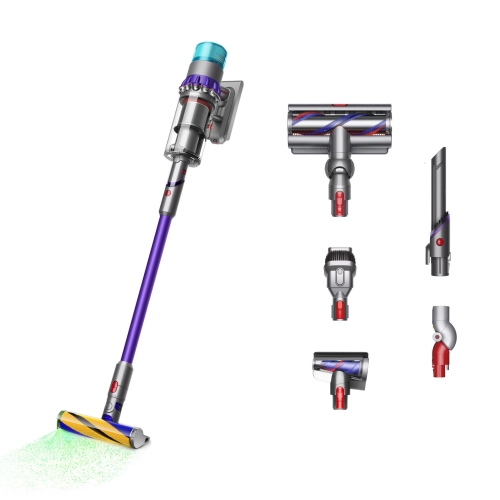
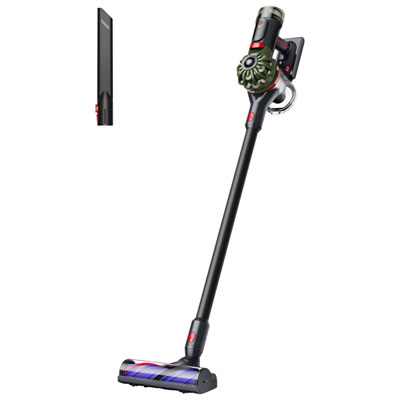
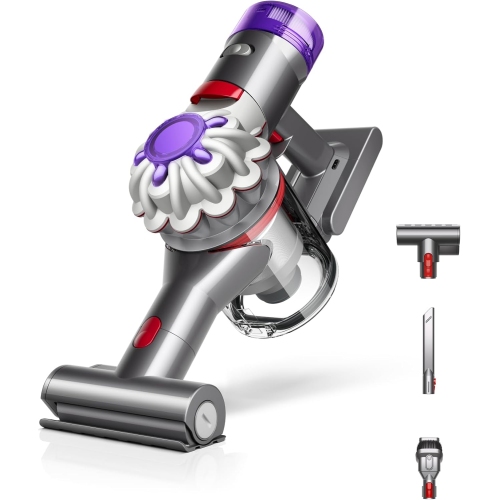
Battery performance shapes how a cordless vacuum fits into daily routines, from a brief pass around the breakfast table to a more thorough clean across several rooms. Published maximum runtime figures usually reflect particular test conditions, power settings, and attachments, so they should not be treated as a promise of identical results during every task. A powered floor head, thick carpet, or a high-suction setting can draw more energy than lighter cleaning with a non-motorized tool. Lower settings may be sufficient for loose debris on some surfaces, while stronger settings provide additional suction for demanding patches and generally shorten runtime. Air watts express suction power, whereas motor wattage describes electrical input; neither number alone explains how effectively a vacuum will collect debris across every floor type. Cleaner-head contact, brush design, airflow, and the condition of filters all contribute to performance. A removable battery can add flexibility when a compatible spare is supported, but charging time and the charging arrangement remain important practical details. Controls and displays also influence day-to-day use. A remaining-runtime display can help someone judge whether there is enough charge to finish the stairs, while a clear blockage or filter alert can make maintenance needs easier to identify. Handling deserves equal attention: the weight carried at the grip, the balance of the main unit, and whether power requires a held trigger or a single button can affect comfort during longer sessions. Handheld conversion is useful for car interiors, stair treads, and sofa cushions, especially when paired with an appropriate crevice tool or upholstery attachment. A narrow nozzle reaches between cushions, while a suitable brush attachment can loosen dust from less accessible surfaces. Compact motorized tools may help with hair on compatible fabric, although delicate upholstery requires care. Attachments should suit the surface rather than simply provide the strongest agitation. For people sharing a home with pets or children, that combination of reach, control, and adaptable cleaning tools can be especially useful between more extensive household cleaning sessions.

Dust handling, filtration, and straightforward care help determine how satisfying a cordless vacuum remains after the first few uses. A transparent bin makes the fill level visible, but capacity is only part of the experience: the opening mechanism, clearance around the bin, and the shape of the waste container affect how neatly debris can be released. Compaction or wiping mechanisms, where fitted, can change how dirt is stored and discharged, without removing the need to follow the stated fill limit. Fine dust can still become airborne during emptying, so filtration claims should not be interpreted as a guarantee of dust-free disposal. Filtration performance is specific to the complete machine and its tested configuration, not simply the presence of a particular filter material. Regular attention to the air path helps preserve normal operation. Filters should be washed only when the care instructions permit it and must be completely dry before being refitted. Brush bars, rollers, and attachment openings also need periodic checks for hair, thread, and trapped debris. Washable components should be treated separately from electrical parts, and an ordinary dry vacuum should never be used to collect liquids. Where a compatible wet-cleaning attachment is included, its approved surfaces, cleaning solution requirements, and separate maintenance steps govern its use. Durability depends partly on construction and partly on handling: a rigid wand, secure attachment latches, smooth-running wheels, and sound seals all support consistent everyday use. Plastic housings keep weight manageable, while metal wand sections provide structure, but impacts and forced connections can damage either material. A suitable wall dock or supported storage stand can keep the vacuum and its tools organized without leaving them in a walkway. Charging equipment needs an appropriate location that follows the manufacturer’s instructions. For a first apartment, a busy family home, or a practical housewarming gift, the lasting appeal comes from matching the vacuum to the space, its surfaces, and the person who will carry, empty, and maintain it.
Read More

FAQ

Some products may be subject to Environmental Handling Fees (EHF) depending on your province. Learn more about EHFs.