LEGO Architecture
LEGO Architecture are line of LEGO sets that are designed to inspire children's creativity and help them learn about architecture. The sets consist of small, medium, and large bricks, as well as minifigures. Each set includes a booklet that explains the theme of the set and provides ideas for how to build something using the pieces. Here are some of the great options for LEGO Architecture.
Sort
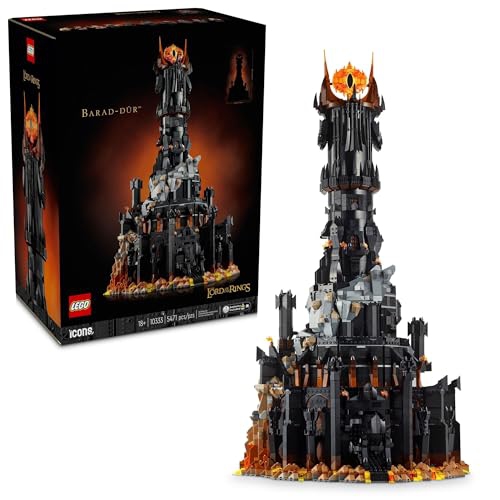
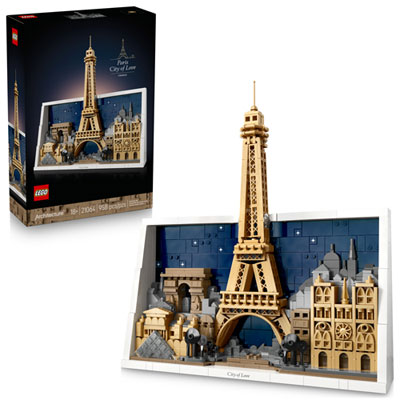
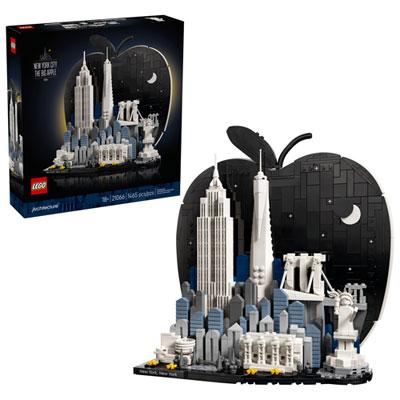
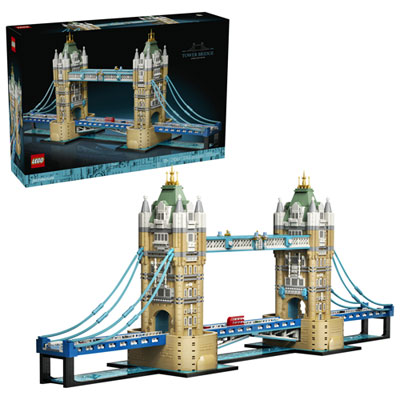
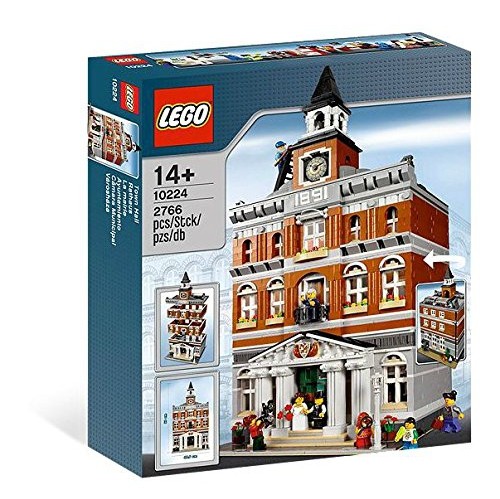
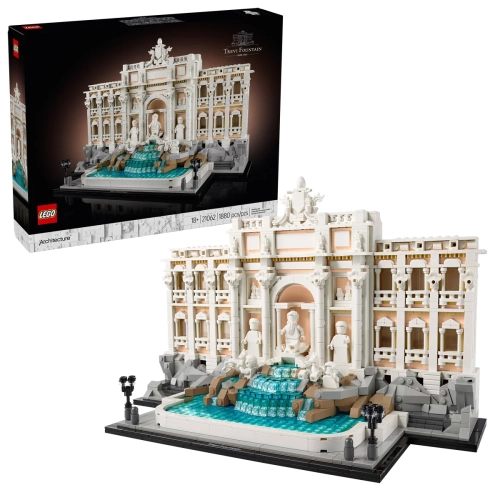
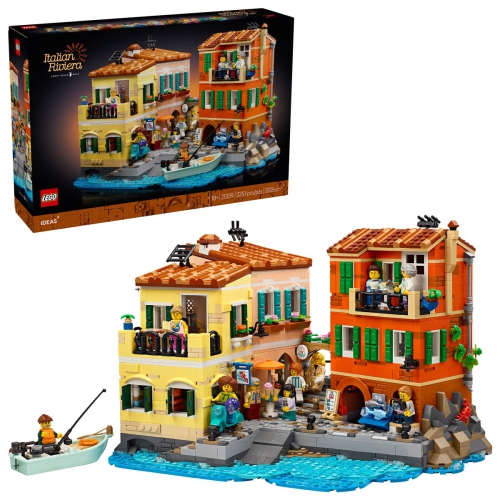
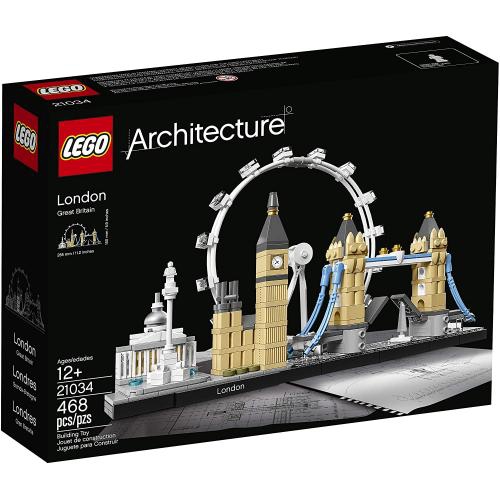
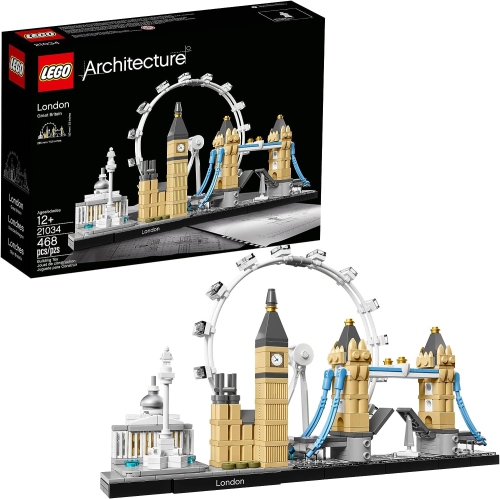
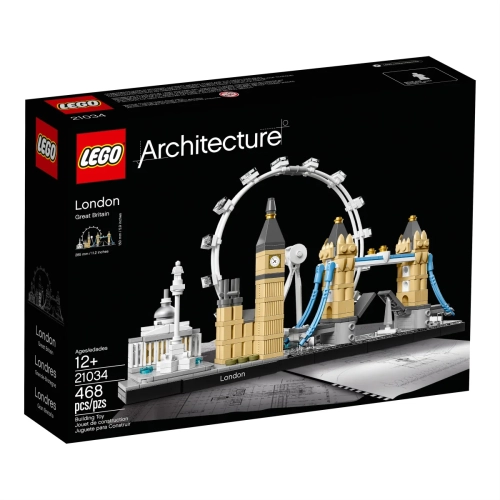
Small bricks capture the character of buildings
Architecture building sets bring the shapes and details of the built world into a form that can be assembled, studied, and displayed at home. Their appeal lies in the way small elements work together: a row of narrow windows establishes rhythm across a façade, stepped plates suggest a terraced roof, and carefully placed transparent pieces give a solid structure a sense of lightness. Rather than reproducing every detail at full scale, these models use proportion, colour, and silhouette to capture the character of a building or group of buildings. Some architectural compositions focus attention on a single structure, while others arrange several forms along a shared base, creating a compact impression of a city skyline. The building experience can be as engaging as the finished result. As the model rises, the relationship between its base, supports, exterior surfaces, and roof becomes easier to understand, offering an approachable way to appreciate architectural design without needing drafting skills or technical training. Moulded plastic bricks, plates, tiles, and other shaped elements allow straight edges, curves, recessed sections, and textured surfaces to emerge from relatively small components. Smooth tiles may suggest stone cladding, while transparent elements can stand in for glazing or water, depending on the design. Colour choices also affect the character of a model, from restrained neutral tones that emphasize shape to contrasting accents that draw attention to a particular feature. These sets are generally best understood as construction projects with a display purpose, rather than working scale models or substitutes for professional architectural plans. They suit people who enjoy patient, hands-on activities and the satisfaction of turning a collection of small pieces into a coherent whole. On a bookshelf, desk, or console, a completed architectural model can become a quiet focal point, especially when its outline has enough space around it to remain visible.
The right fit involves more than the number of pieces in the box. Finished width, depth, and height matter when a model is intended for a particular shelf, and the base dimensions can be just as important as the tallest point. A long, low composition may need more horizontal room than a taller structure with a compact footprint. Leaving a little clearance makes it easier to lift the base, dust nearby surfaces, and view the model from different angles without brushing against delicate details. Piece count offers a broad sense of project size, but construction difficulty also depends on the size of the elements, repetition within the design, and the precision required to align similar-looking sections. Repeated windows or columns can create a pleasing building rhythm, although subtle differences between stages still call for attention. Age recommendations and the stated skill level help set expectations, particularly when choosing for a younger builder or someone returning to construction toys after a long break. Small components present a choking hazard and should be kept away from young children. For builders who find tiny pieces difficult to handle, a clear work surface, good task lighting, and shallow sorting trays can make the process more comfortable. A dining table shared with other activities may suit a project that can be moved on a sturdy tray between sessions; a dedicated desk offers more freedom to leave sections laid out. Instructions typically break the assembly into manageable stages, allowing the build to unfold over several sittings rather than requiring a single uninterrupted stretch. Working with a friend or family member can add another dimension, with one person sorting elements while another assembles a section, provided the sequence remains clear. The finished structure may feel secure once assembled, but projecting rooflines, slender spires, and small surface details can still loosen when handled. Supporting the base with both hands is gentler than lifting the model by an upper section, and a stable display surface helps preserve its alignment.
Architecture building sets can be thoughtful gifts for people interested in buildings, travel, design, photography, or miniature displays. The connection does not have to be professional: someone who notices distinctive rooflines on a walk or enjoys sketching streetscapes may appreciate the chance to explore similar visual details through construction. For an experienced builder, the appeal may lie in unusual assembly techniques and the challenge of capturing a large form at a small scale. For a newcomer, a clearly defined project offers the satisfaction of working towards a visible result. Gift suitability depends on the recipient’s patience, available display space, and preferred style of building as much as their interest in architecture. A person who enjoys following a precise sequence may value a structured model, while someone who prefers inventing buildings from scratch may also enjoy the more open-ended possibilities of Classic Lego. Once an architectural model is complete, simple care helps keep its surfaces and details looking tidy. A soft, dry brush can lift dust from ledges, roof sections, and narrow gaps without requiring extensive disassembly. Any deeper cleaning should follow the care directions supplied with the set, especially where printed elements or applied details are involved. Harsh cleaning agents, abrasive tools, and excessive heat can damage plastic or surface finishes. A display position away from prolonged direct sunlight can help limit colour changes, while some distance from busy table edges reduces the chance of accidental knocks. Keeping the instructions and spare pieces together makes later repairs or rebuilding more straightforward. If the model needs to be stored or moved, removing vulnerable upper details first and packing sections securely can be easier than transporting the entire structure intact. With considerate handling, these models offer lasting enjoyment as both building projects and display pieces, inviting a closer look at the proportions, patterns, and small design decisions that give architecture its character.
The right fit involves more than the number of pieces in the box. Finished width, depth, and height matter when a model is intended for a particular shelf, and the base dimensions can be just as important as the tallest point. A long, low composition may need more horizontal room than a taller structure with a compact footprint. Leaving a little clearance makes it easier to lift the base, dust nearby surfaces, and view the model from different angles without brushing against delicate details. Piece count offers a broad sense of project size, but construction difficulty also depends on the size of the elements, repetition within the design, and the precision required to align similar-looking sections. Repeated windows or columns can create a pleasing building rhythm, although subtle differences between stages still call for attention. Age recommendations and the stated skill level help set expectations, particularly when choosing for a younger builder or someone returning to construction toys after a long break. Small components present a choking hazard and should be kept away from young children. For builders who find tiny pieces difficult to handle, a clear work surface, good task lighting, and shallow sorting trays can make the process more comfortable. A dining table shared with other activities may suit a project that can be moved on a sturdy tray between sessions; a dedicated desk offers more freedom to leave sections laid out. Instructions typically break the assembly into manageable stages, allowing the build to unfold over several sittings rather than requiring a single uninterrupted stretch. Working with a friend or family member can add another dimension, with one person sorting elements while another assembles a section, provided the sequence remains clear. The finished structure may feel secure once assembled, but projecting rooflines, slender spires, and small surface details can still loosen when handled. Supporting the base with both hands is gentler than lifting the model by an upper section, and a stable display surface helps preserve its alignment.
Architecture building sets can be thoughtful gifts for people interested in buildings, travel, design, photography, or miniature displays. The connection does not have to be professional: someone who notices distinctive rooflines on a walk or enjoys sketching streetscapes may appreciate the chance to explore similar visual details through construction. For an experienced builder, the appeal may lie in unusual assembly techniques and the challenge of capturing a large form at a small scale. For a newcomer, a clearly defined project offers the satisfaction of working towards a visible result. Gift suitability depends on the recipient’s patience, available display space, and preferred style of building as much as their interest in architecture. A person who enjoys following a precise sequence may value a structured model, while someone who prefers inventing buildings from scratch may also enjoy the more open-ended possibilities of Classic Lego. Once an architectural model is complete, simple care helps keep its surfaces and details looking tidy. A soft, dry brush can lift dust from ledges, roof sections, and narrow gaps without requiring extensive disassembly. Any deeper cleaning should follow the care directions supplied with the set, especially where printed elements or applied details are involved. Harsh cleaning agents, abrasive tools, and excessive heat can damage plastic or surface finishes. A display position away from prolonged direct sunlight can help limit colour changes, while some distance from busy table edges reduces the chance of accidental knocks. Keeping the instructions and spare pieces together makes later repairs or rebuilding more straightforward. If the model needs to be stored or moved, removing vulnerable upper details first and packing sections securely can be easier than transporting the entire structure intact. With considerate handling, these models offer lasting enjoyment as both building projects and display pieces, inviting a closer look at the proportions, patterns, and small design decisions that give architecture its character.
Top selling and popular products
-
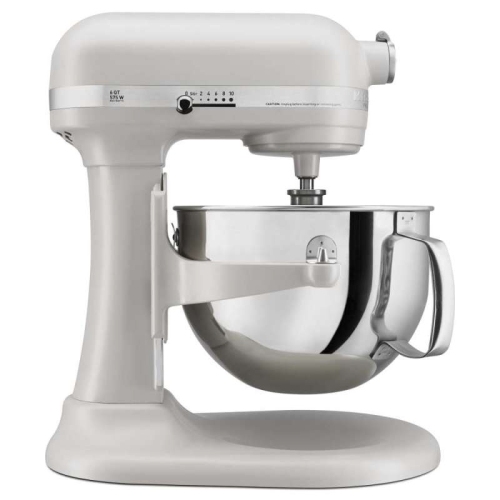 Your price for this item is $669.95
 -
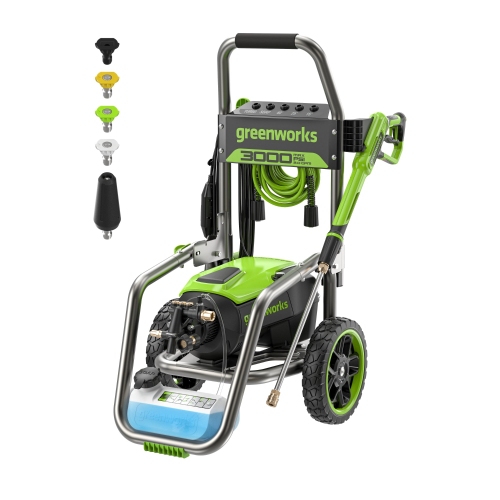 Your price for this item is $699.99
 -
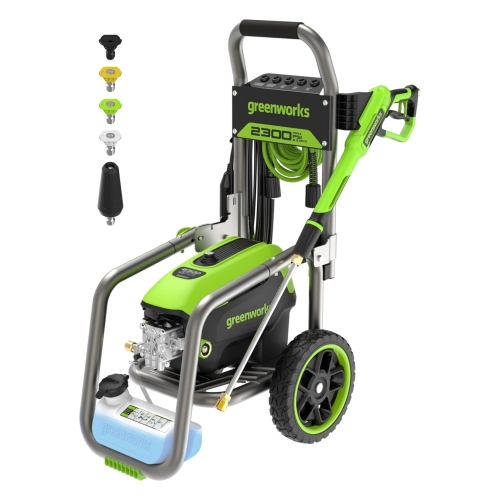 Your price for this item is $569.99
 -
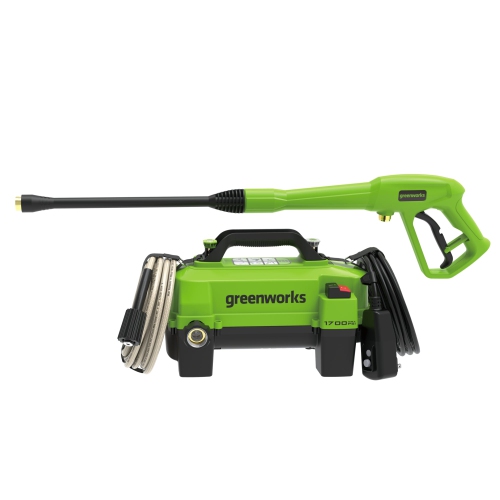 Your price for this item is $155.99
 -
 Your price for this item is $489
 -
 Your price for this item is $89.68
 -
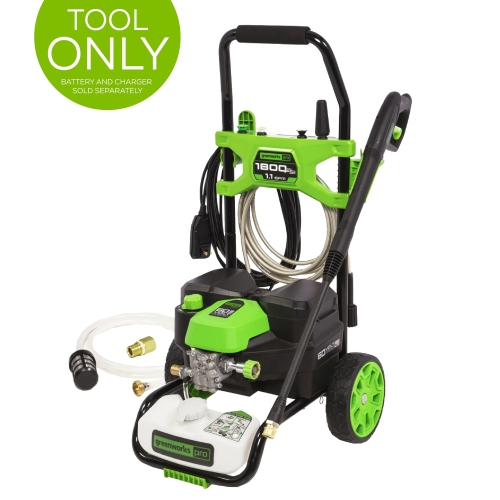 Your price for this item is $319.99
 -
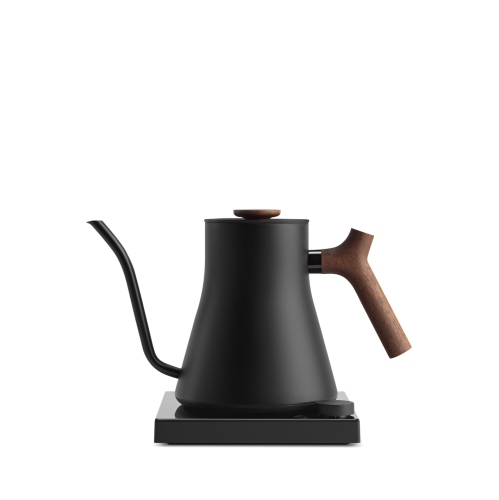 Your price for this item is $325
Discover more categories related to LEGO Architecture
Top Collections:
Pokemon Centers, Kindle Devices, Best Budget Office Chairs, Apple iPhones 16, Best Laptops for Writers, iPhone 15 Apple, Canon G7X Cameras, Refurbished Apple Laptops, Alarm Clock, Motorola Razr Phones
Some products may be subject to Environmental Handling Fees
(EHF) depending on your province.
Learn more about EHFs.