Toys for 6 Year Olds
Toys for 6-year-olds are a lot like toys for any other age group. They're looking for fun and educational toys that will keep their child entertained, while also teaching them something new. If you're shopping for a 6-year-old, you'll want to make sure the toy is safe, age-appropriate, and fun. Here are some great options.
Sort
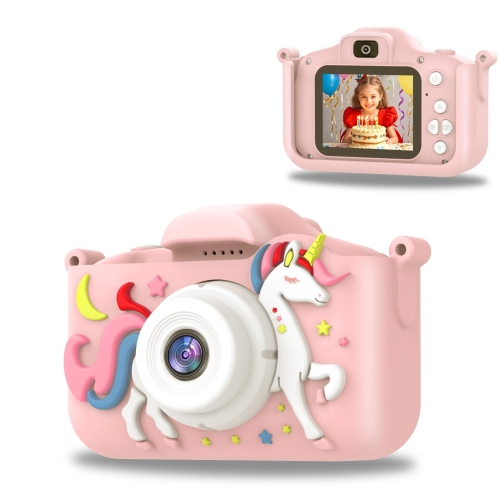
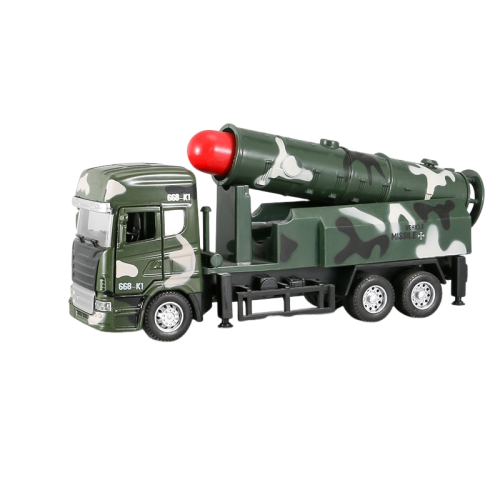
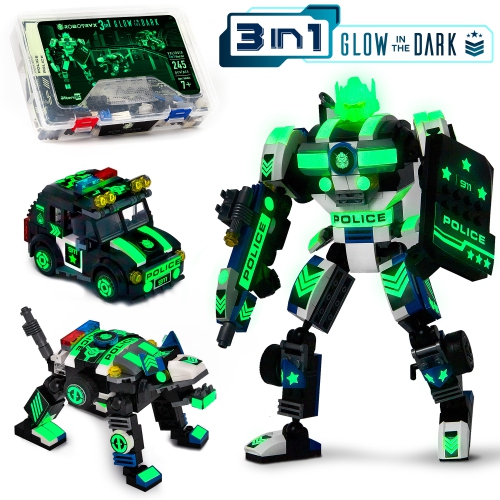
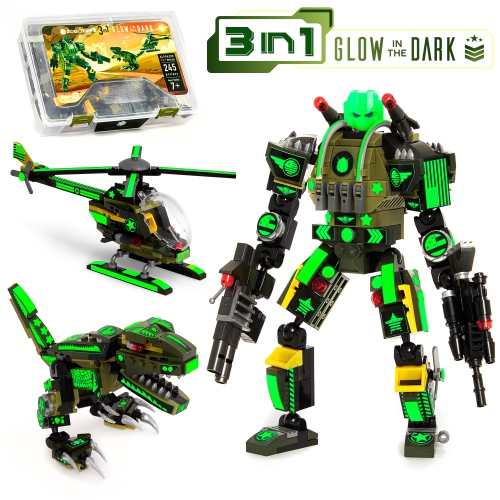




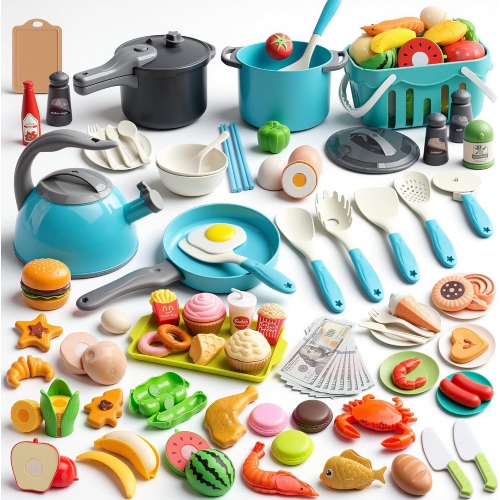
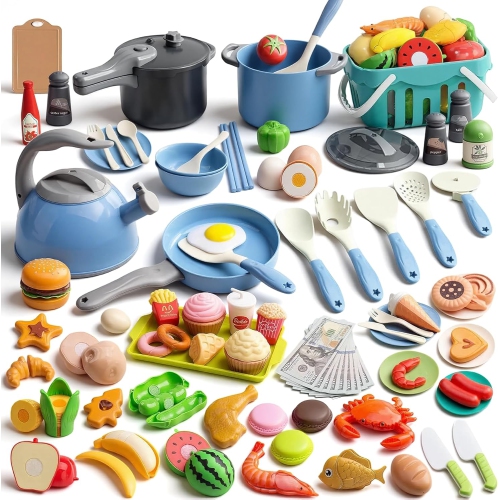
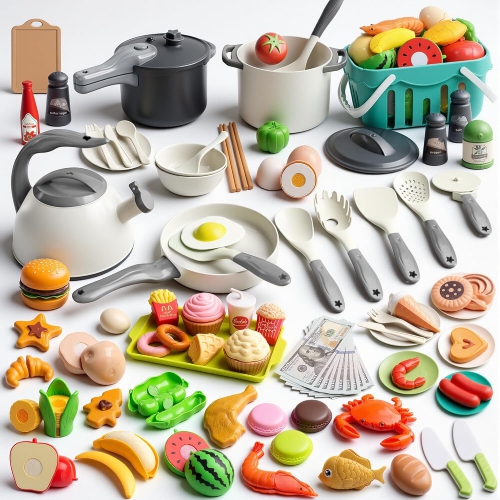

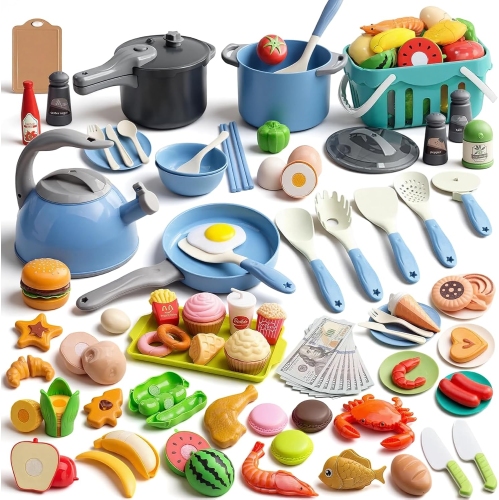
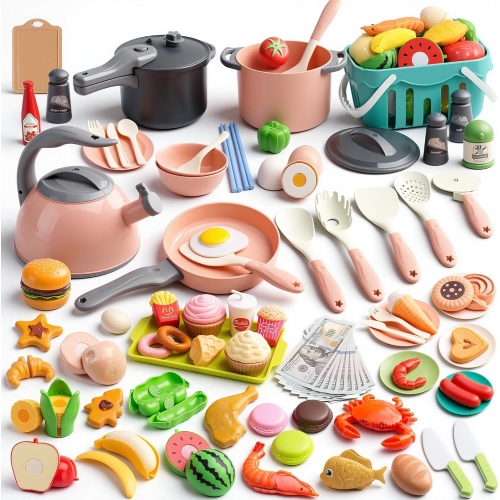
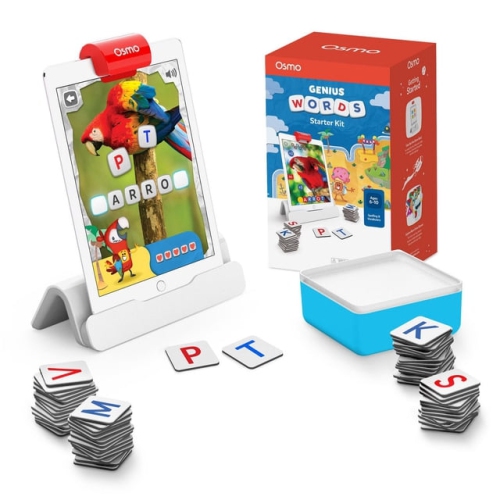
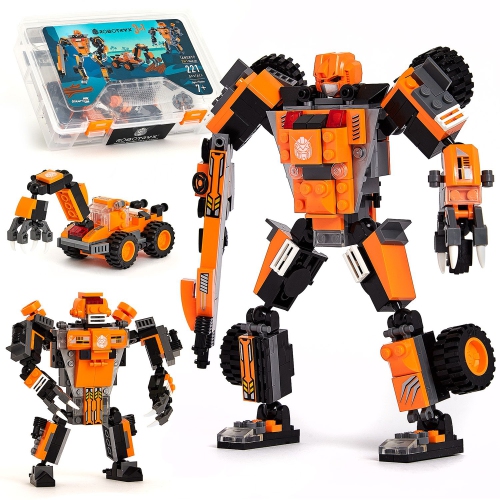
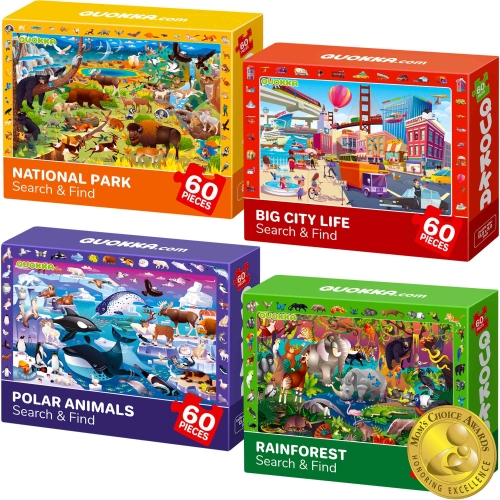
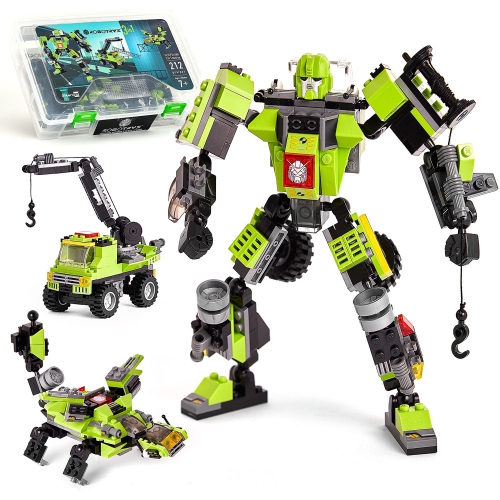
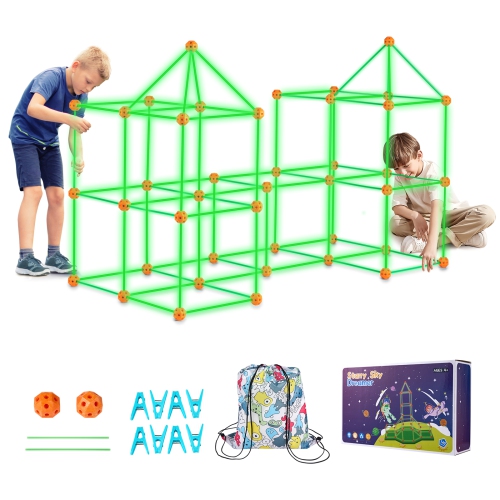


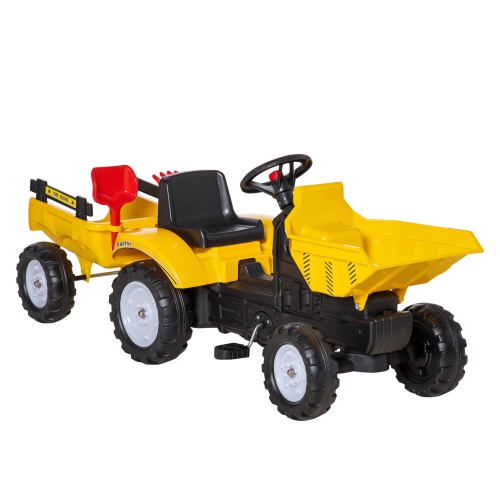
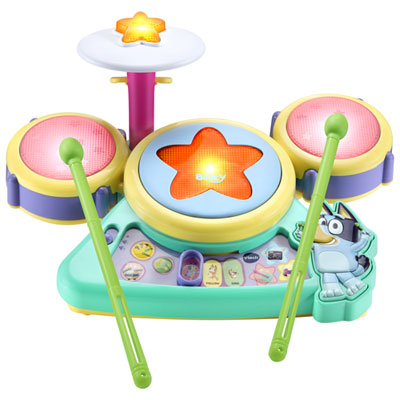

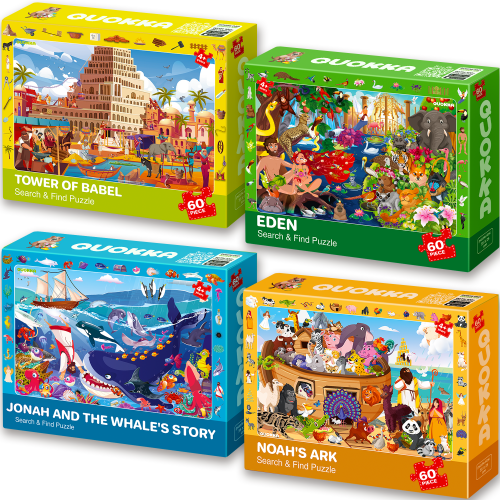

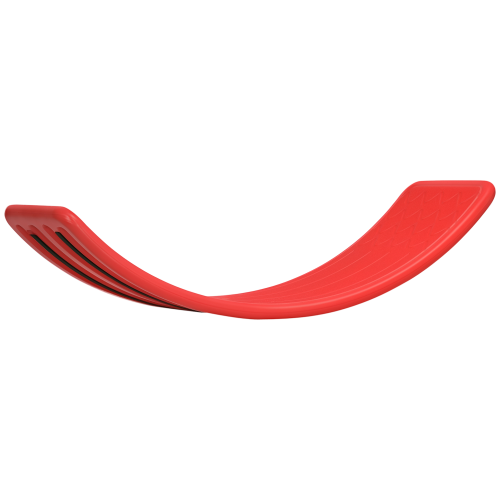
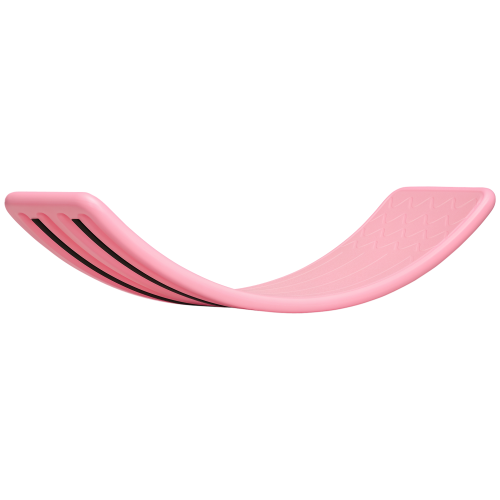
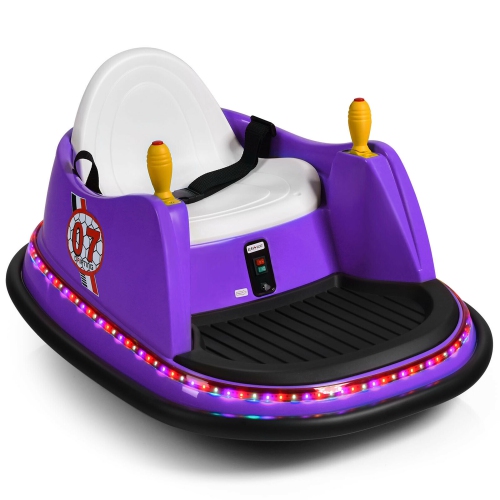

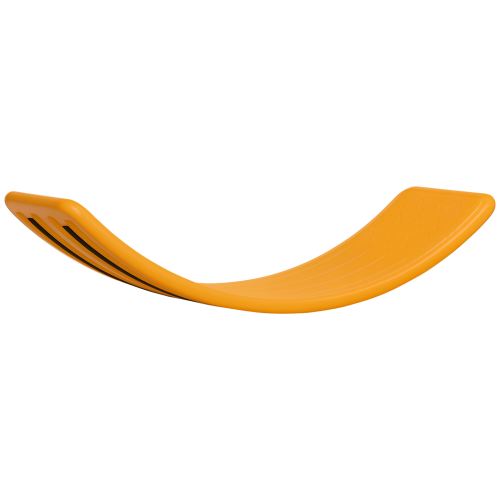

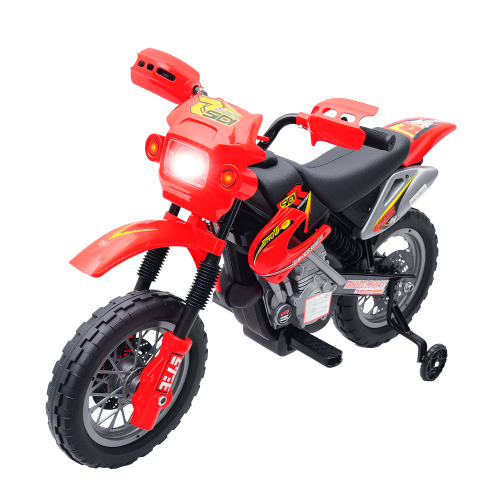
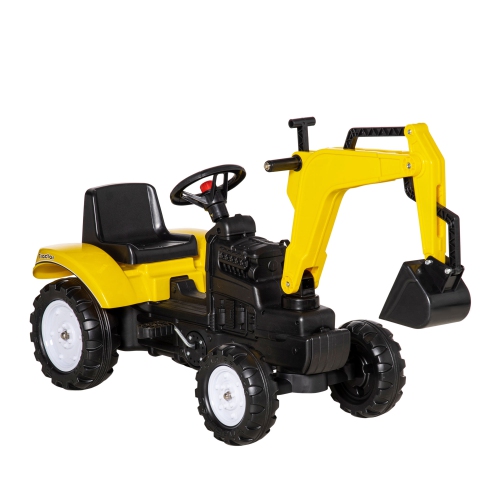
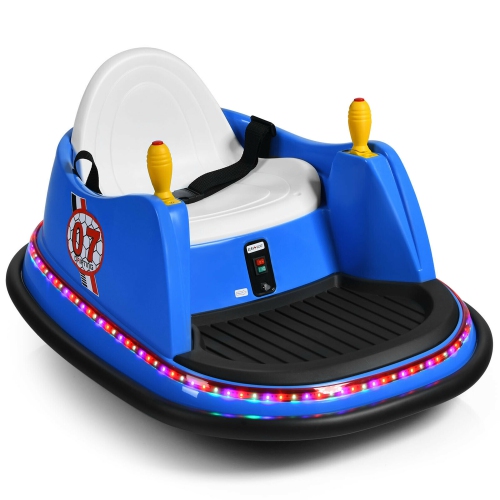
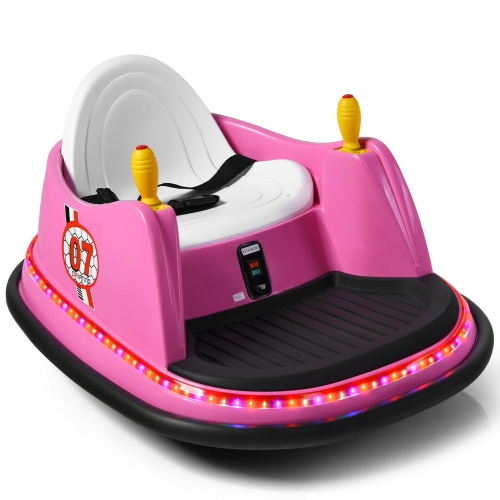
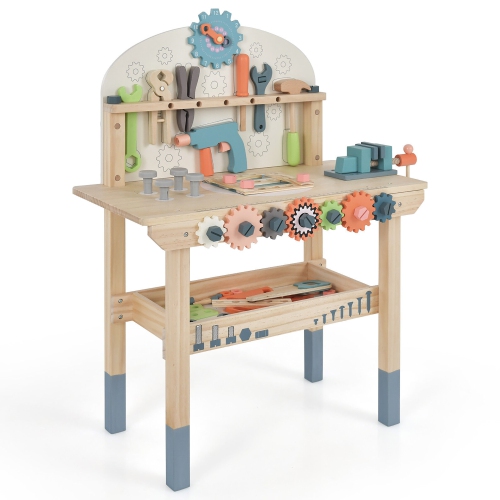



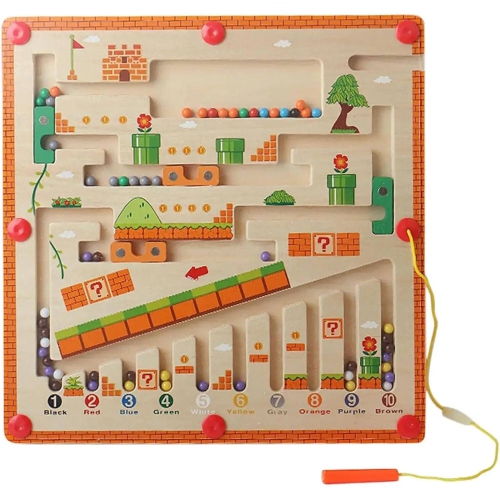
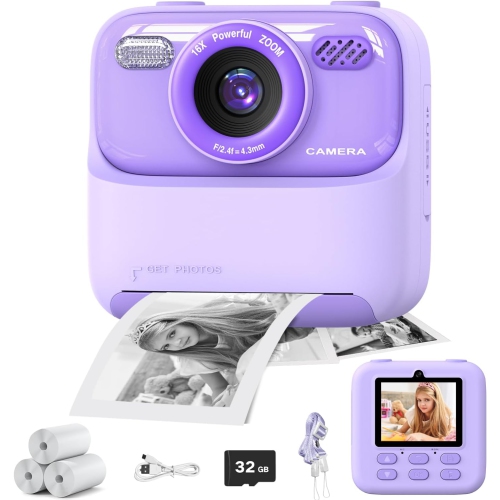


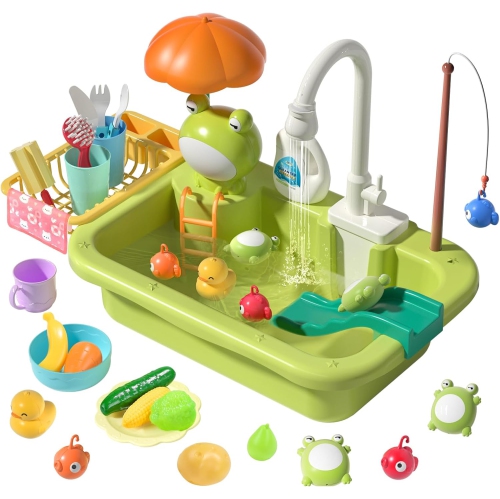
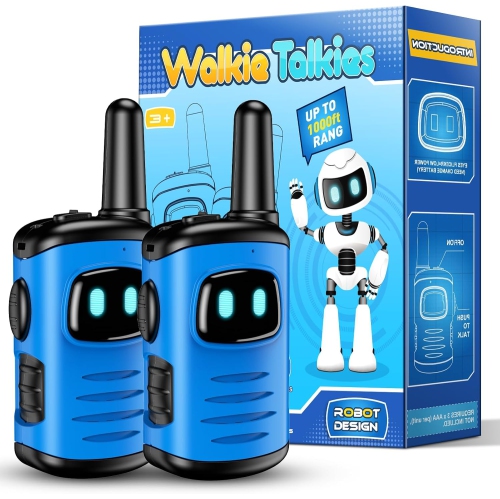

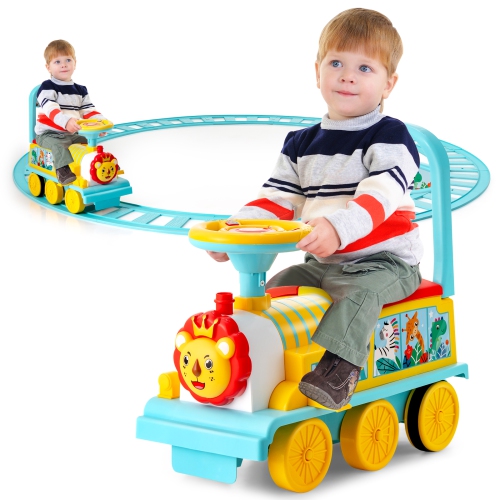
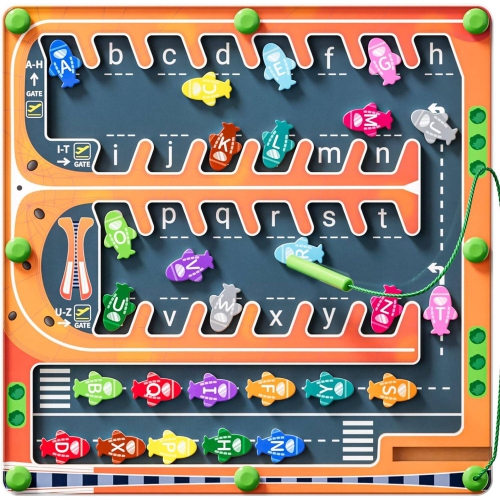
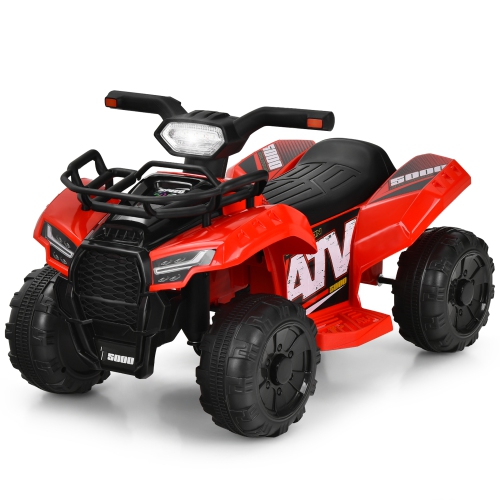


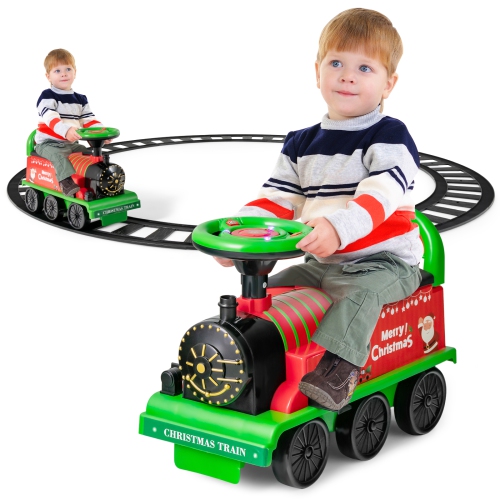
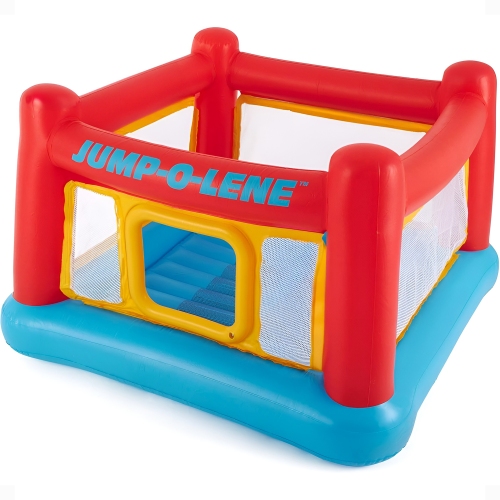


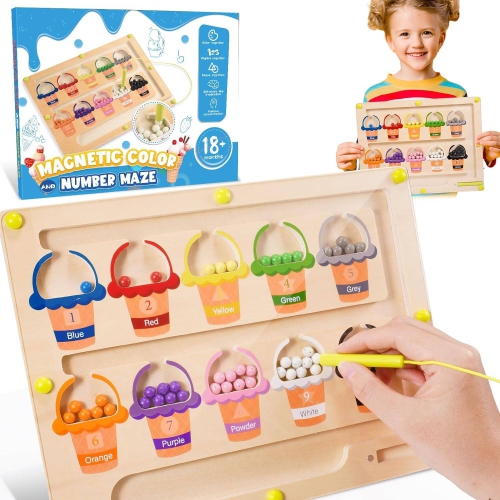
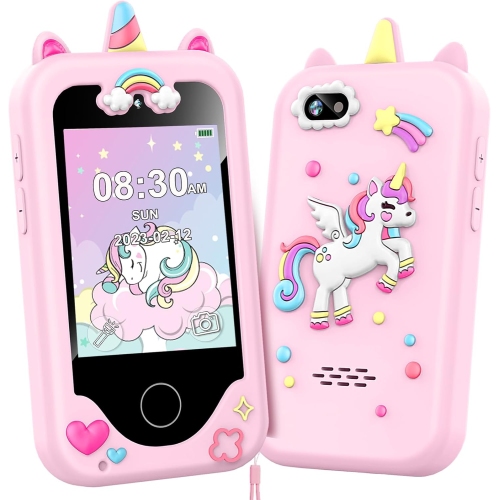
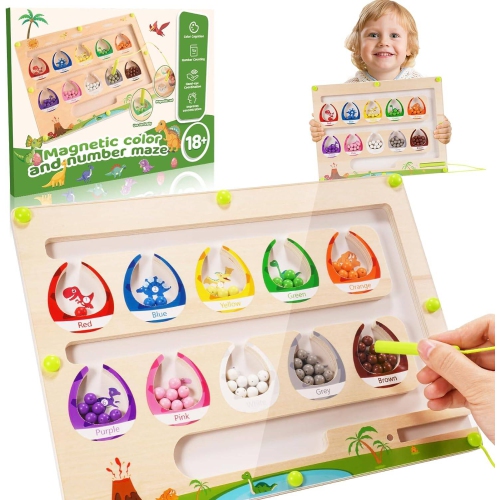
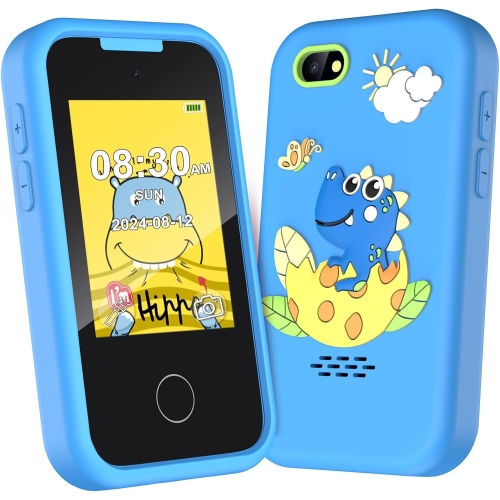
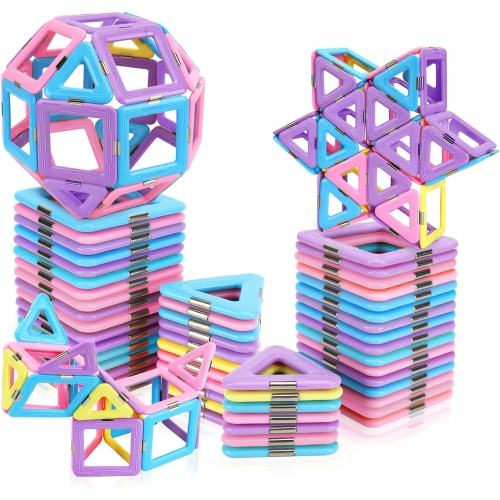
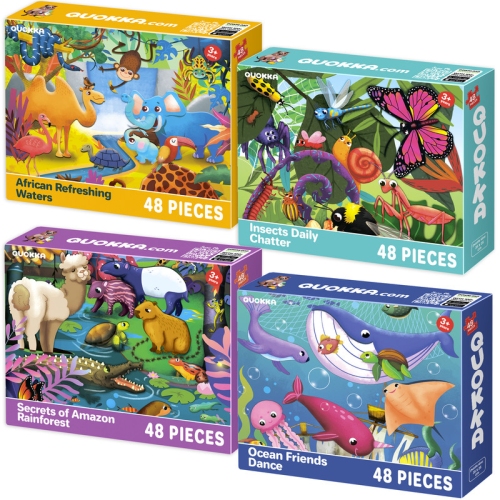
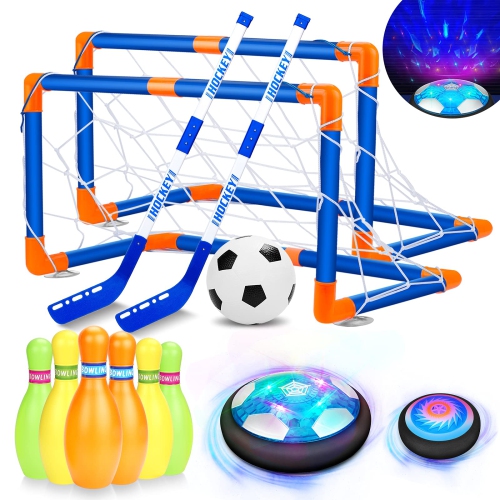
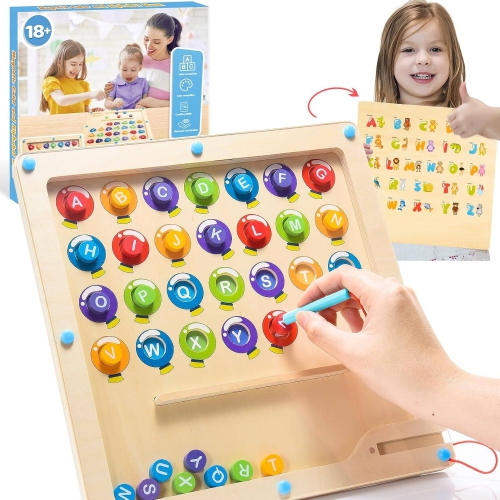
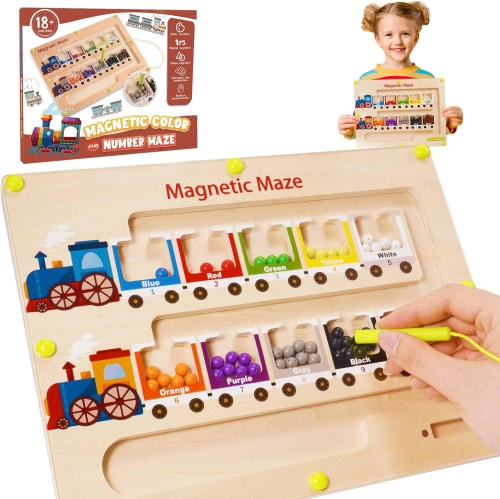
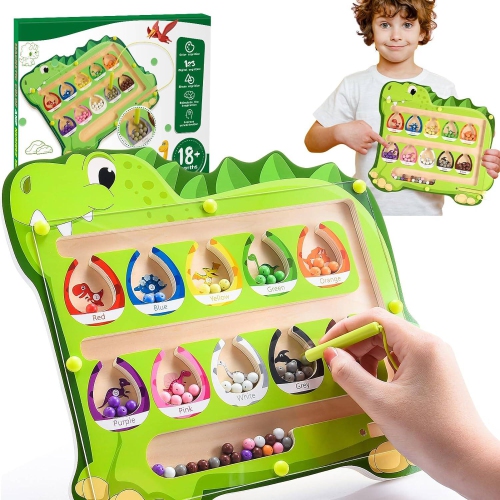
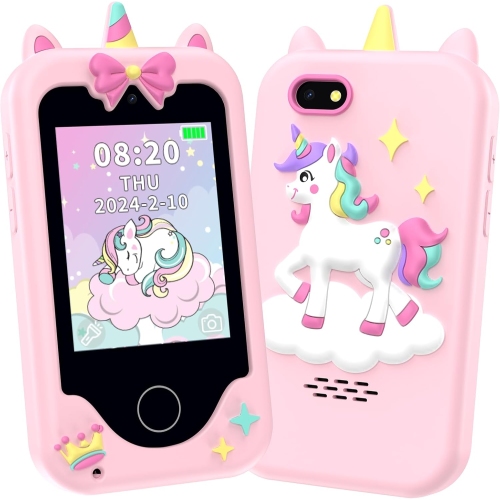

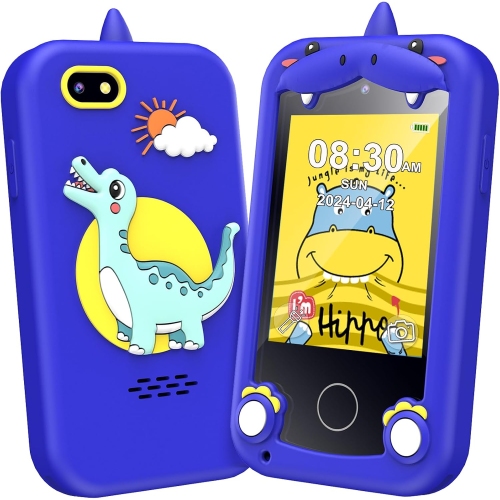
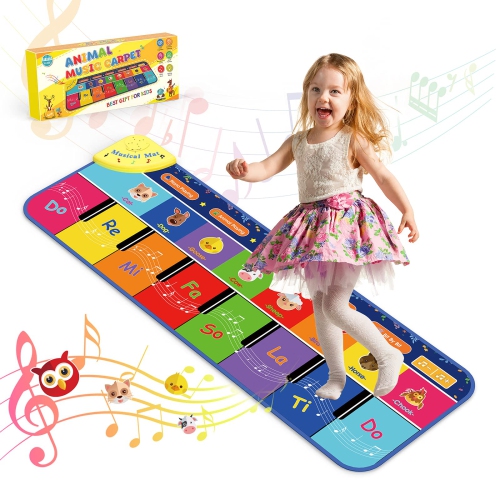
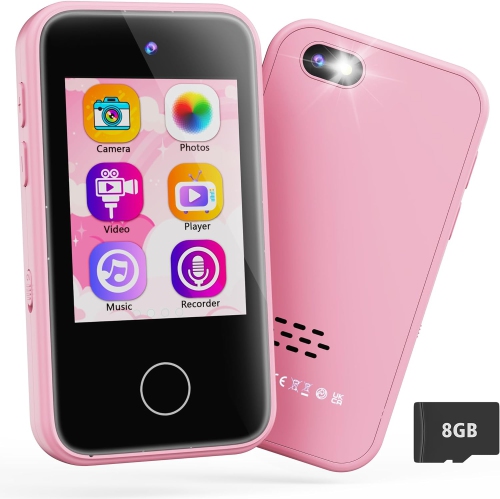
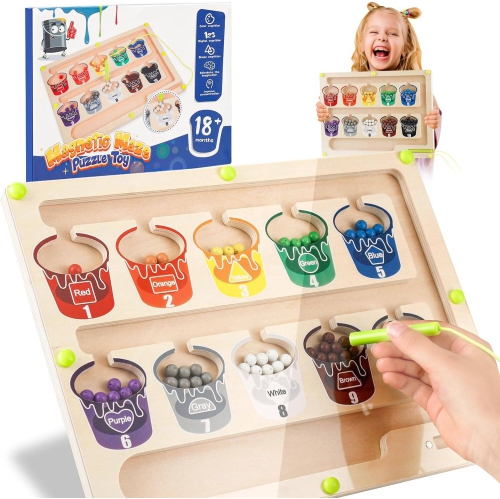
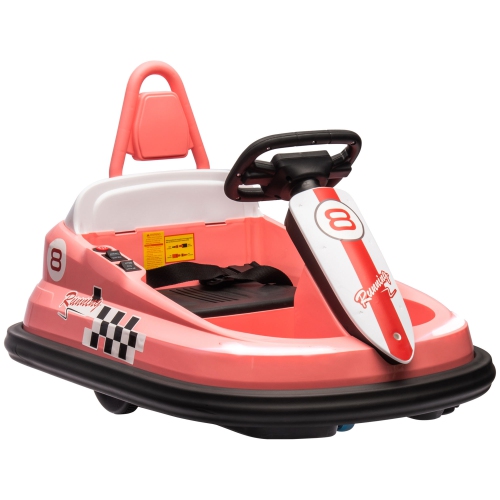
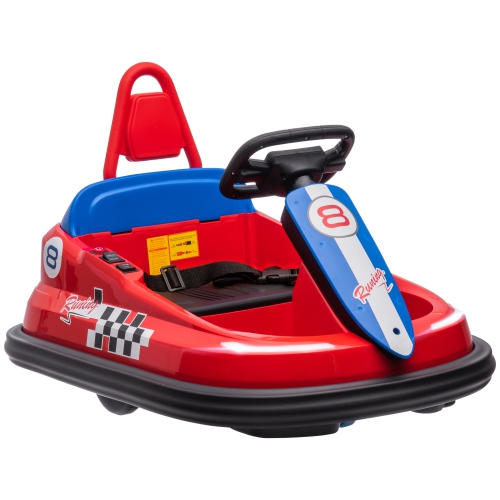


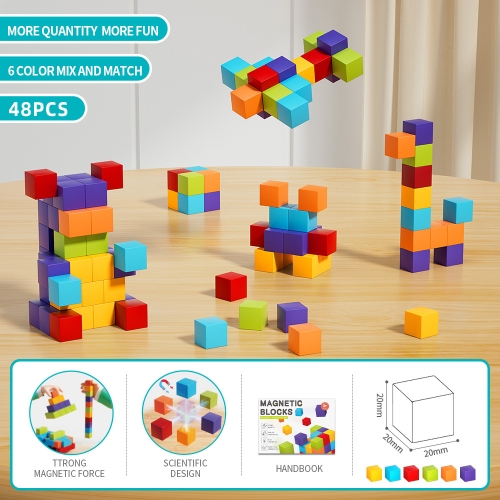
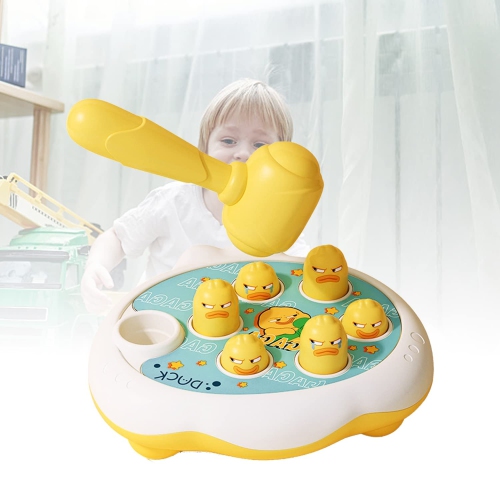
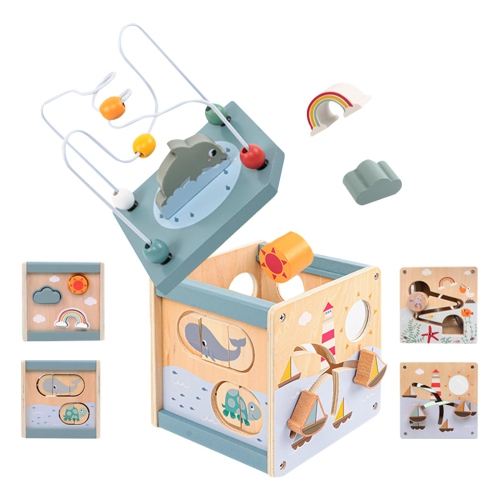

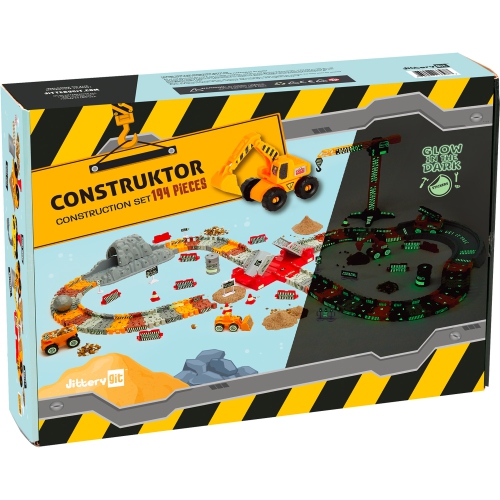
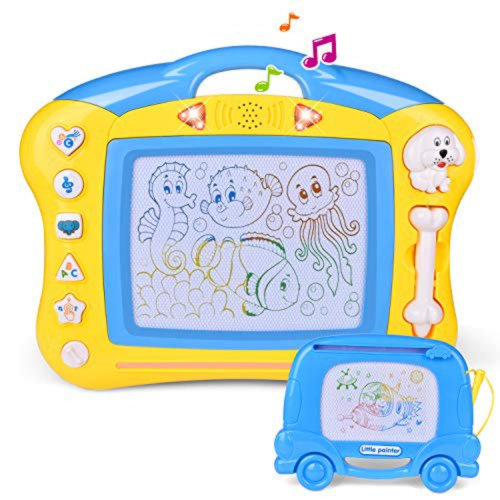
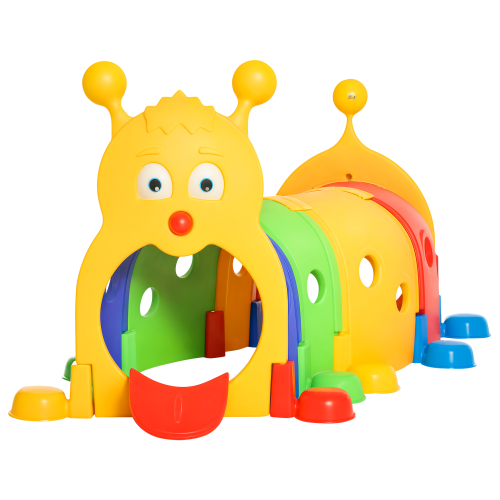

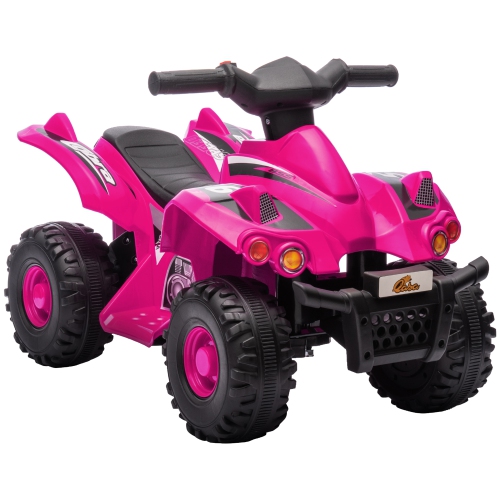


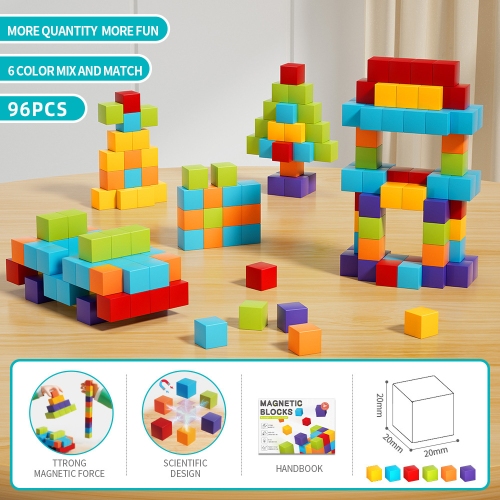

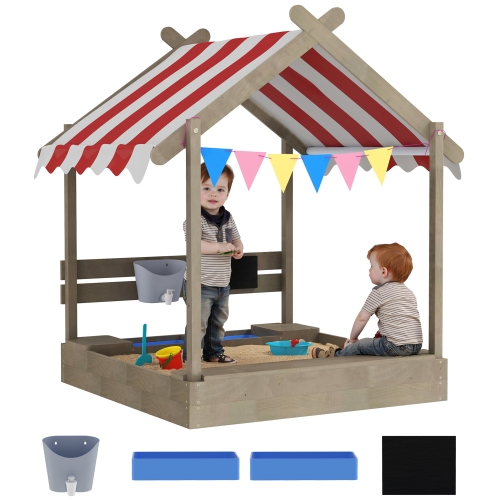
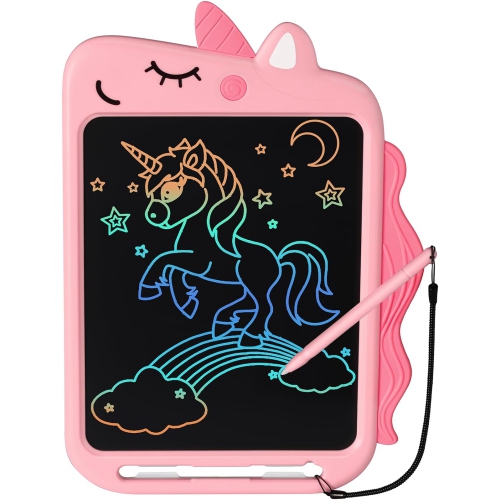
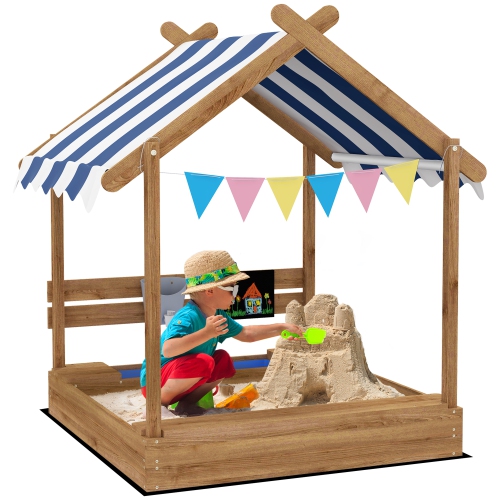


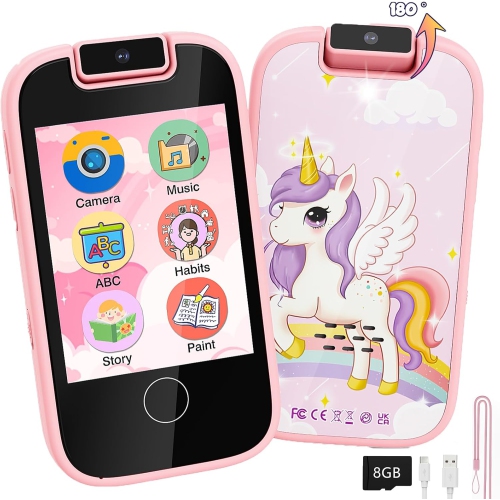
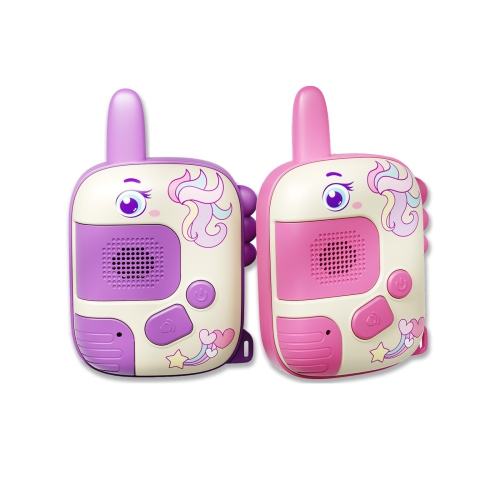
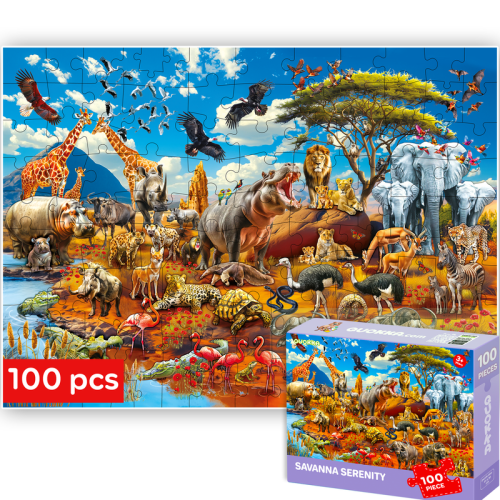
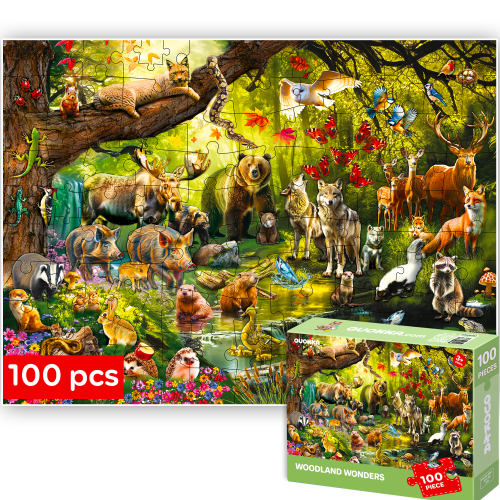
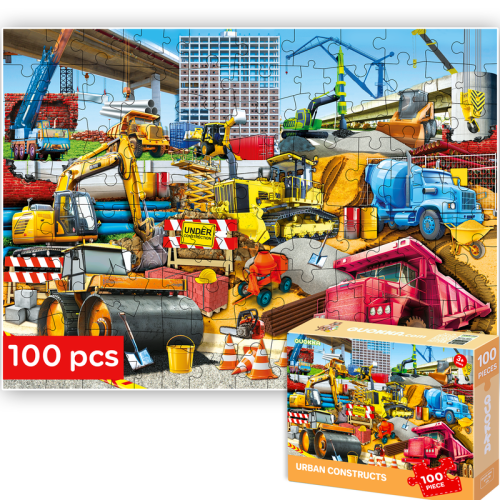
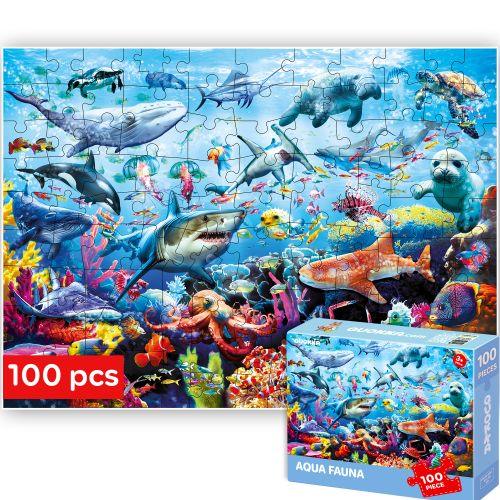


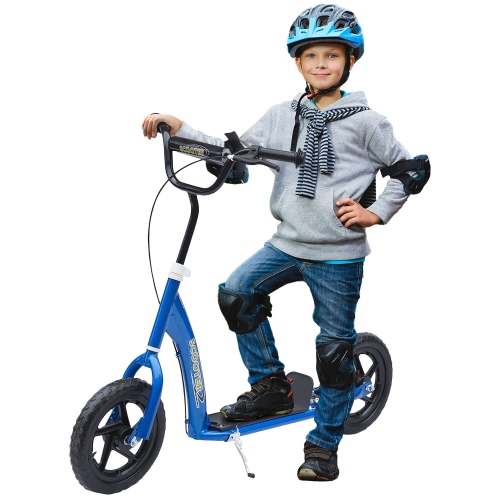





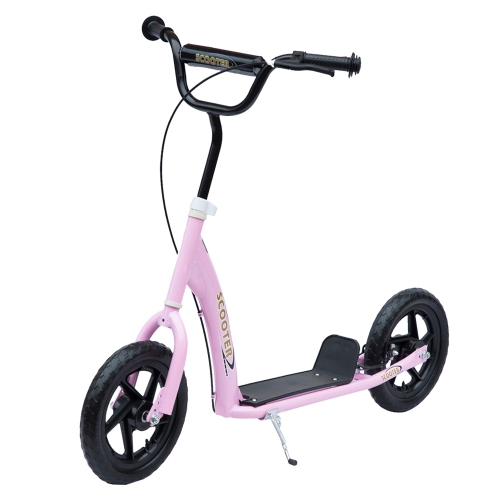

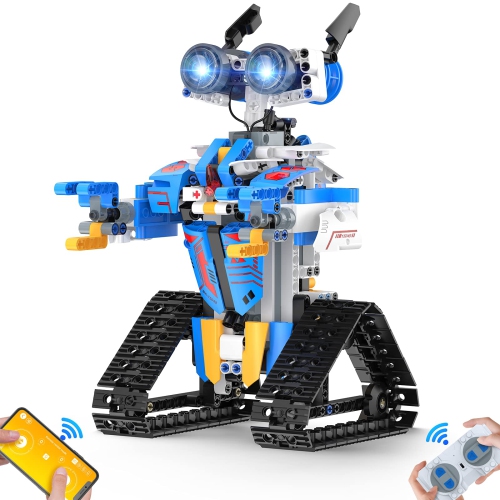


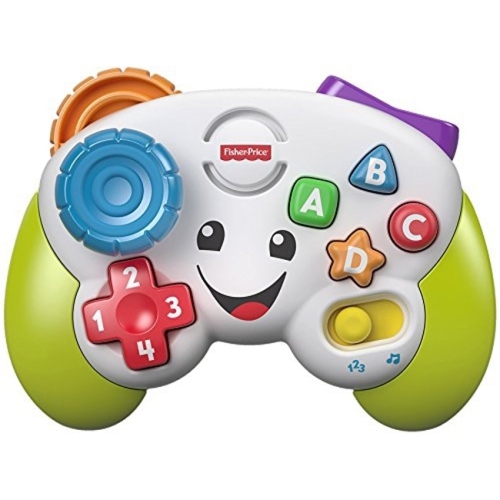
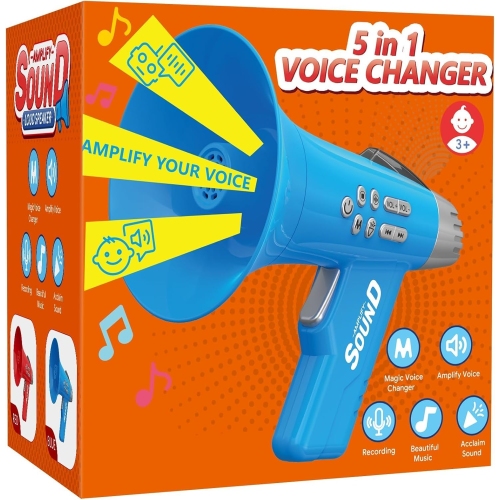
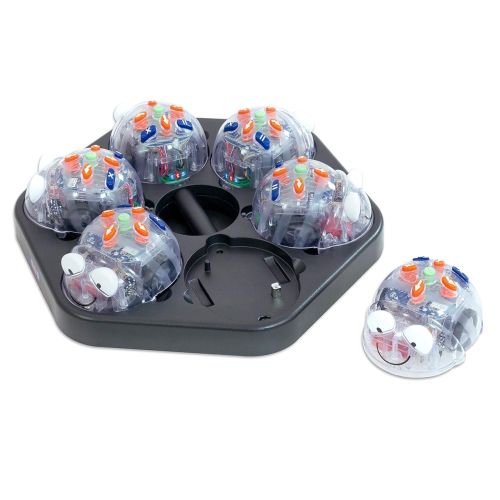
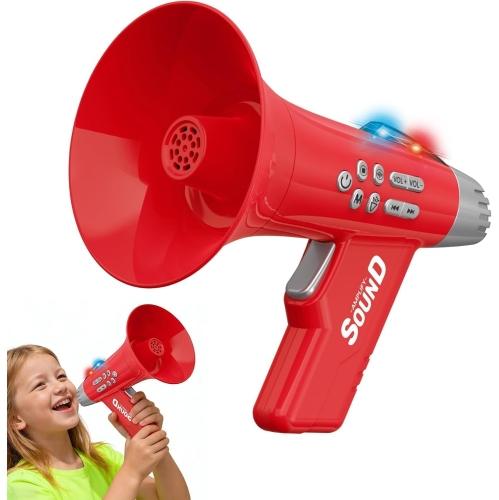
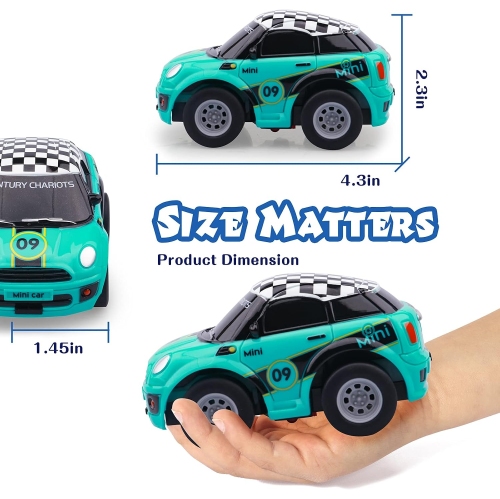
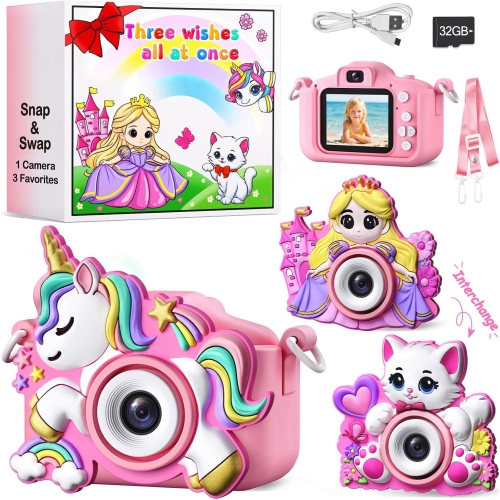


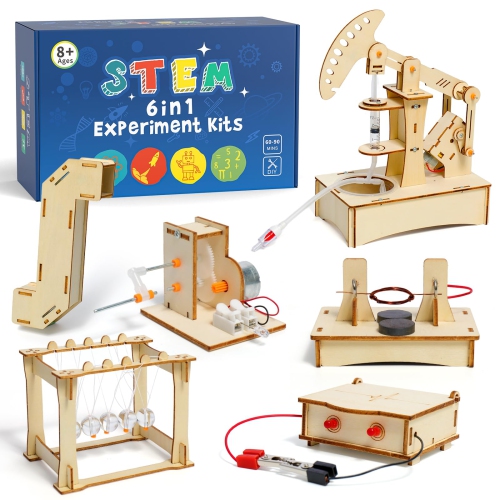
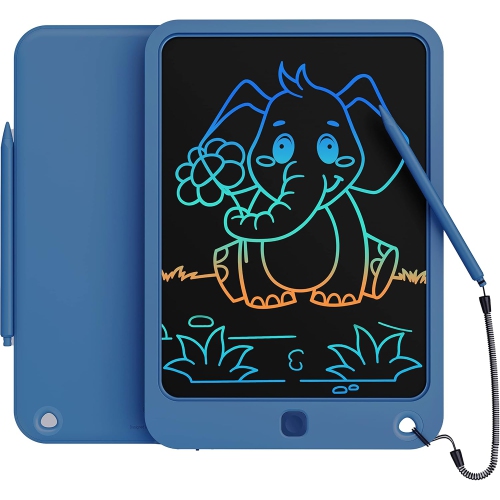


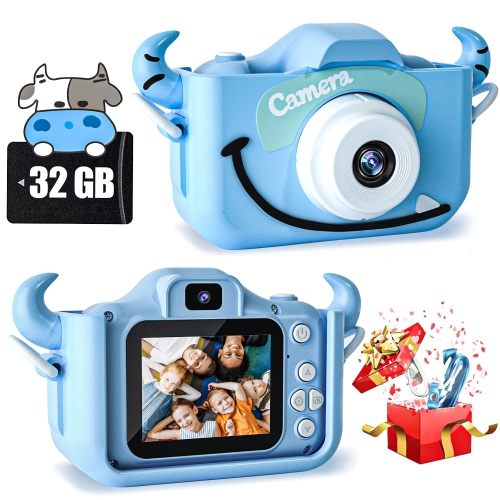

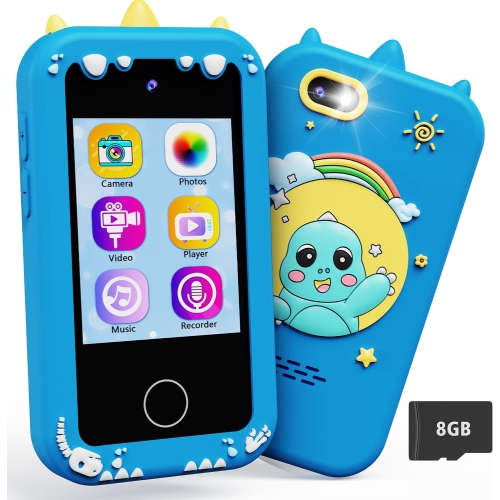


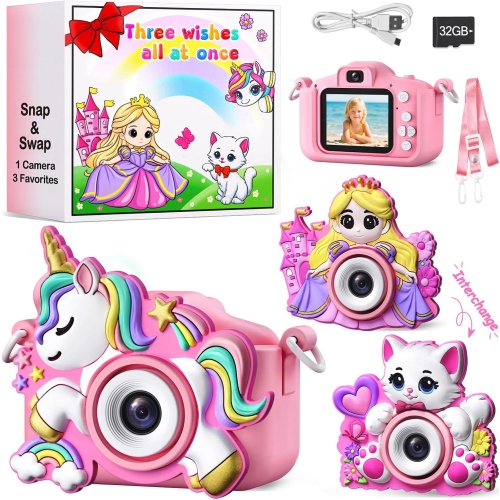
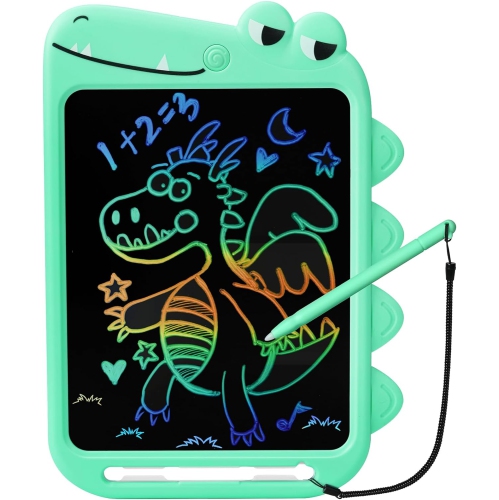
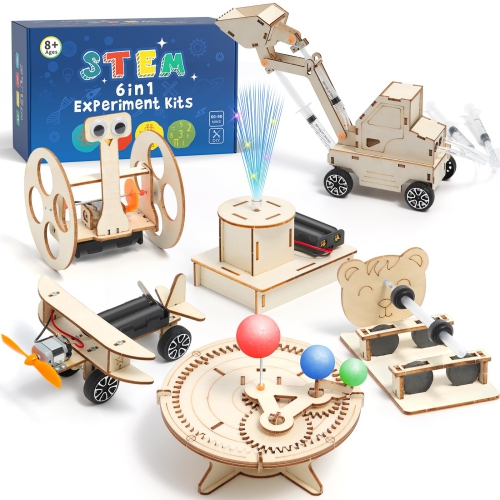
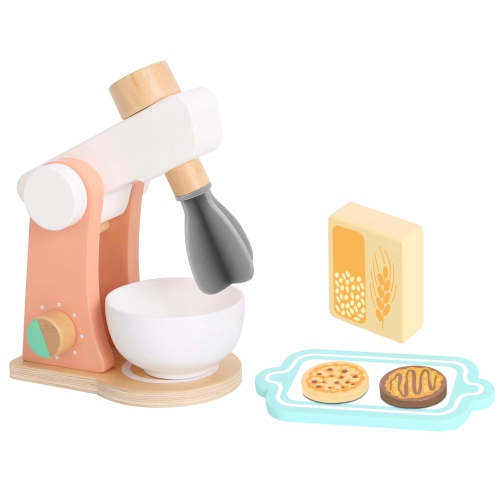

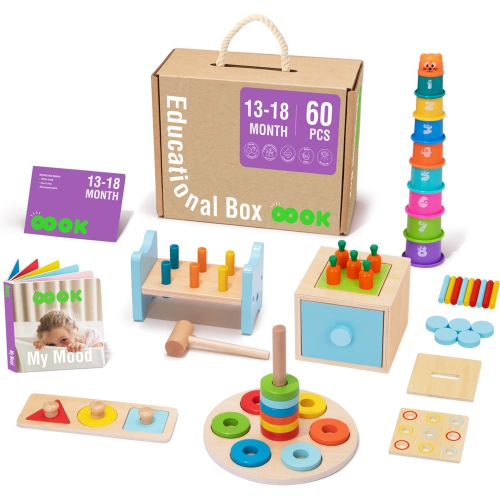

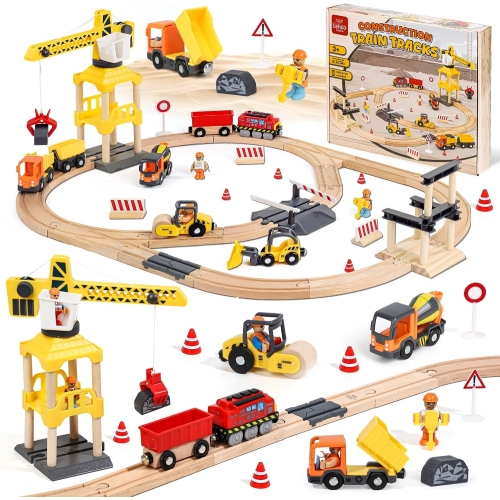
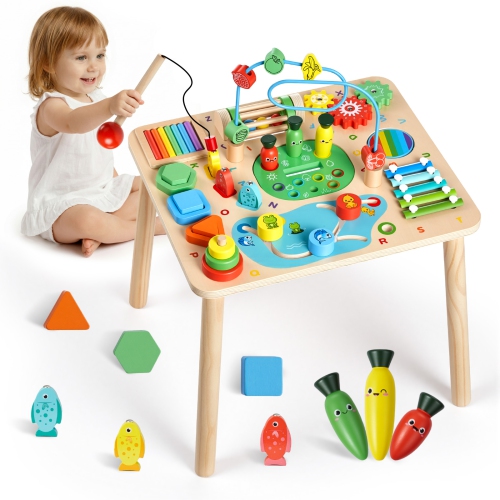
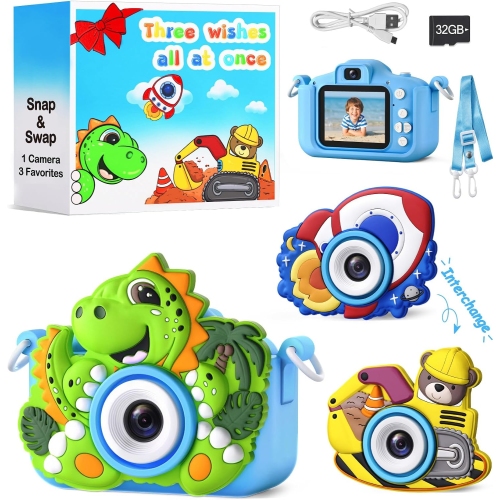

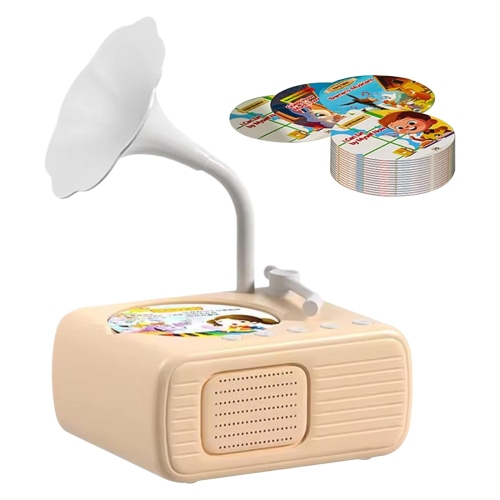

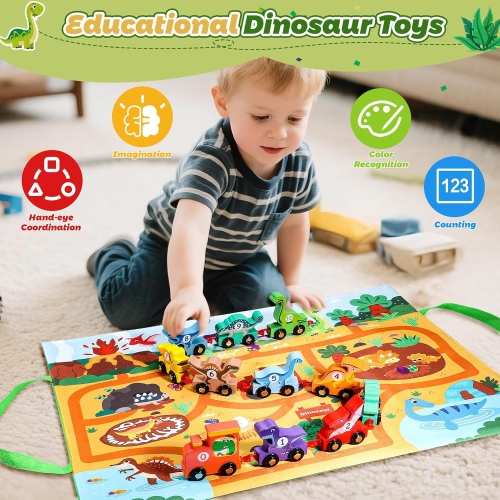
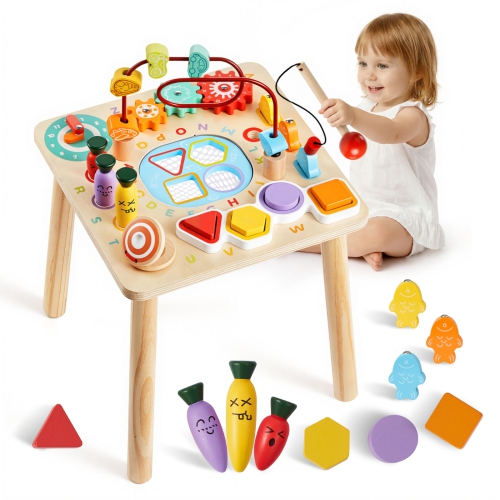


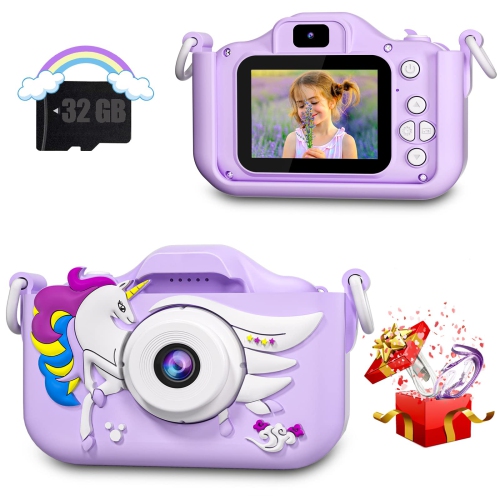
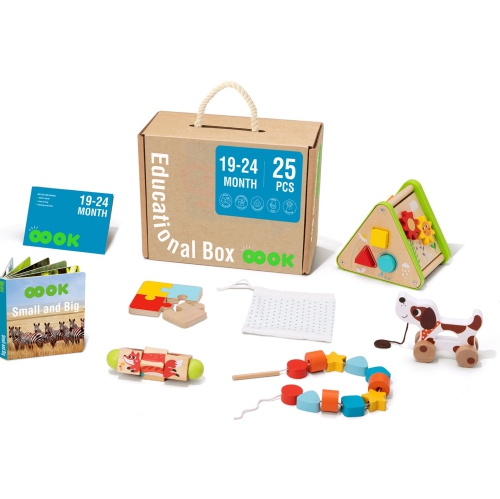
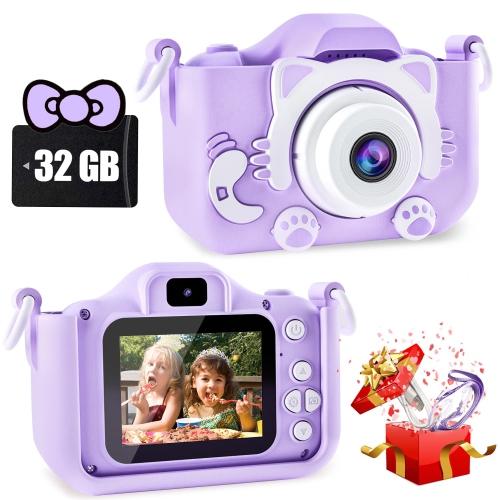
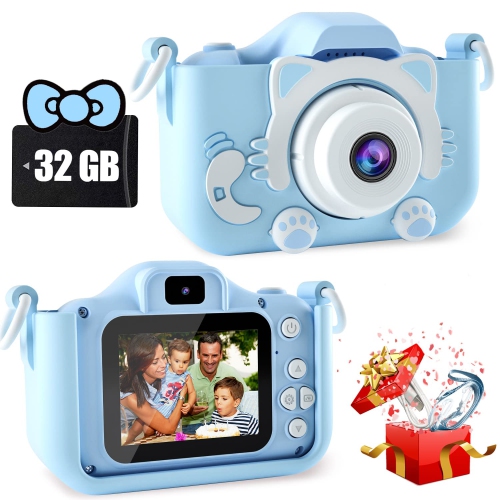
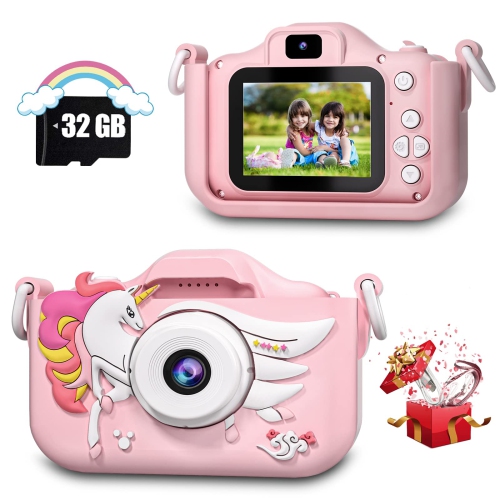
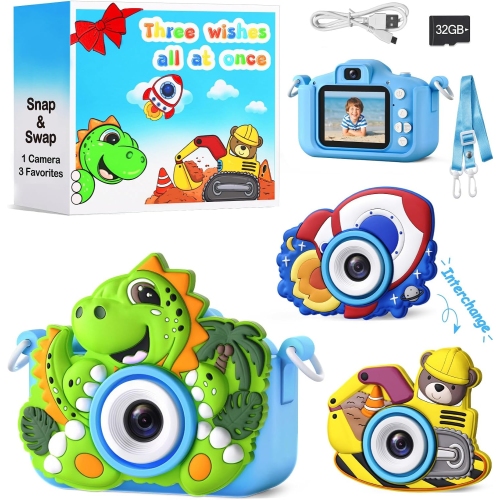
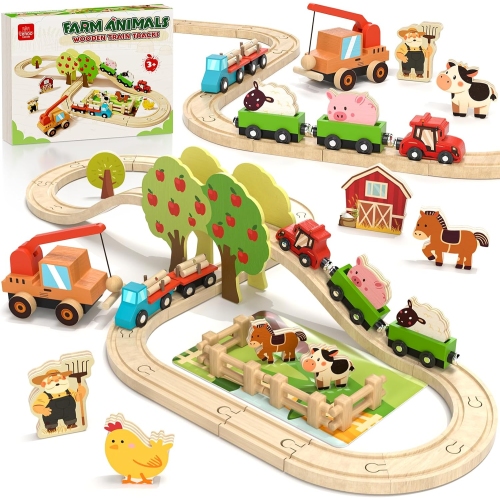
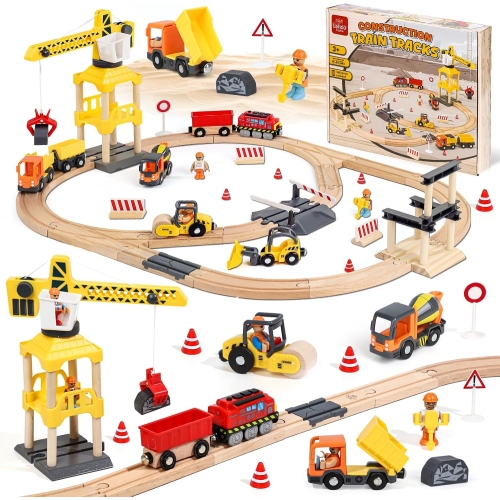

Hands-on play with room for their own ideas
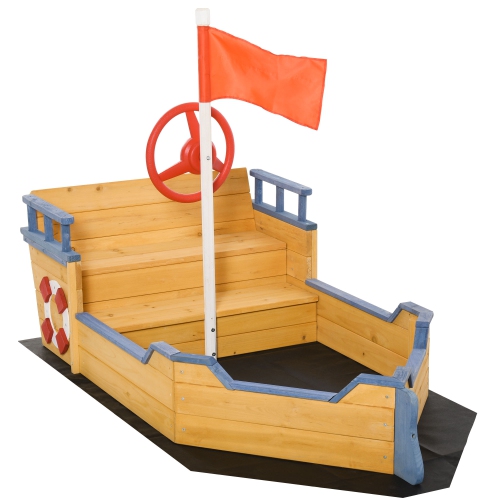
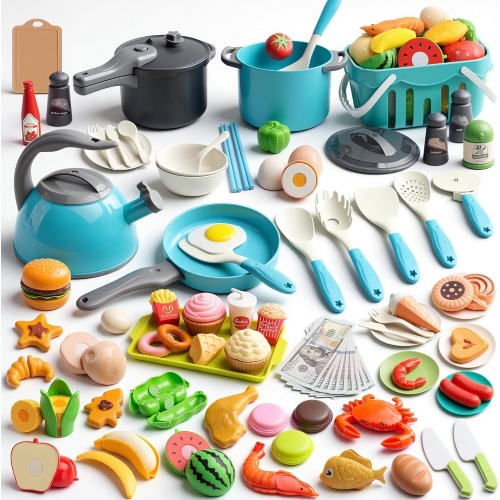
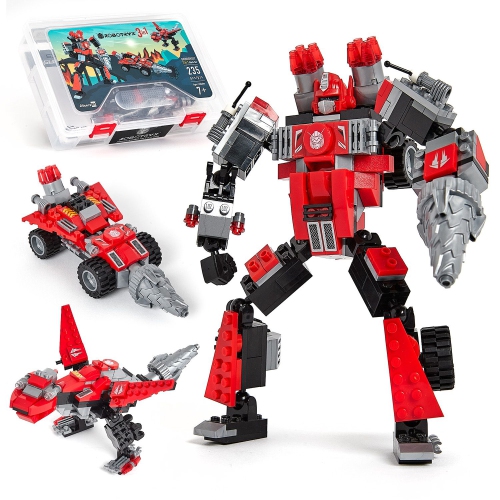
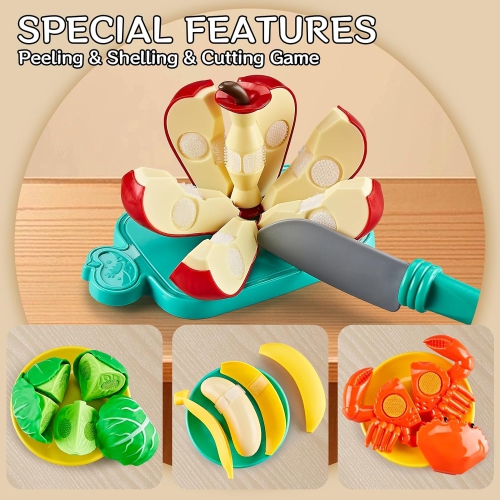
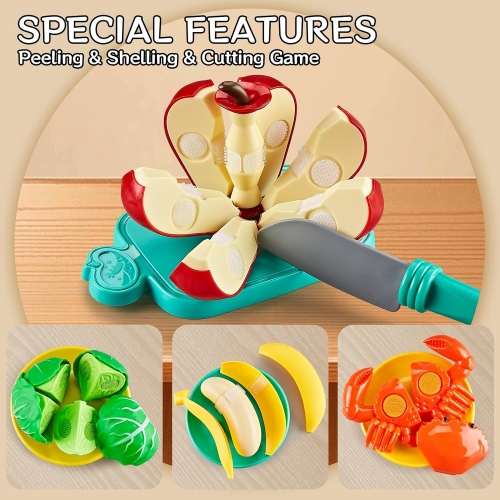
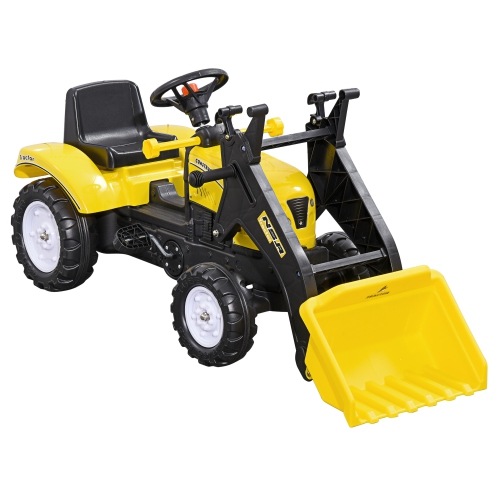
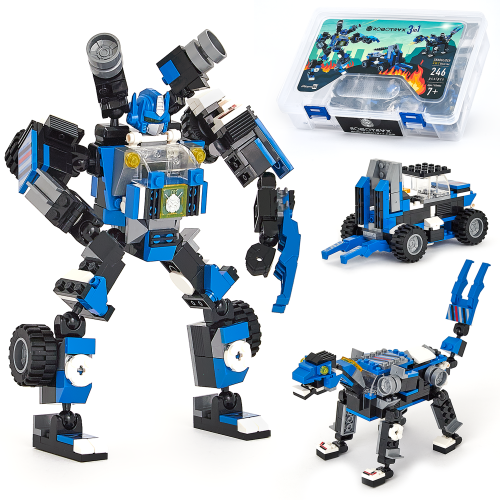
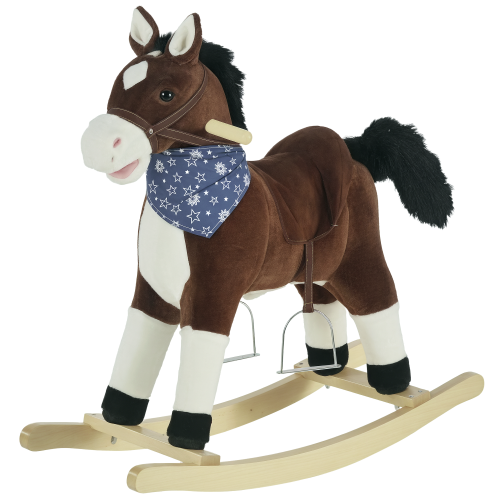
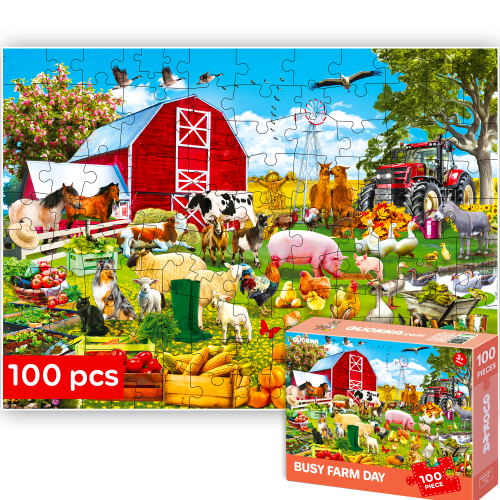
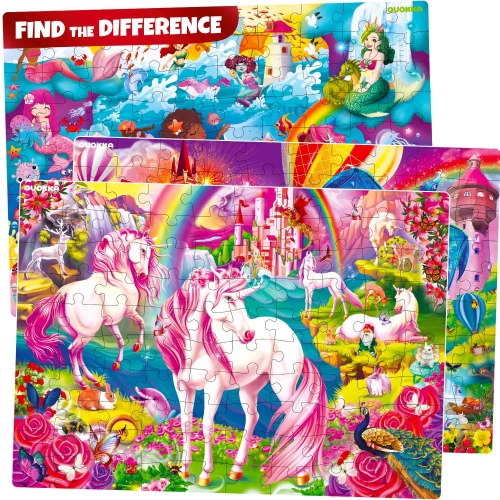
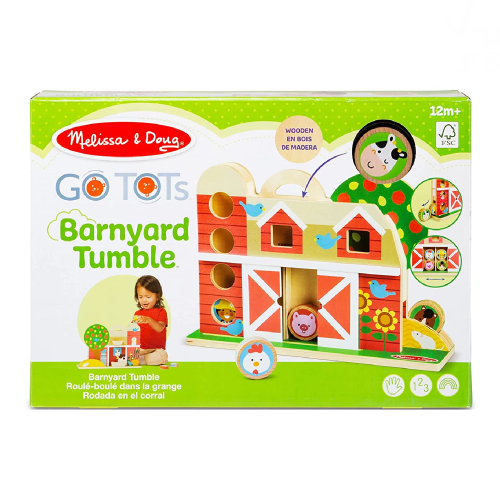
Toys for 6-year-olds bring together imagination, hands-on discovery, and the satisfaction of doing something independently. Building toys, creative supplies, puzzles, pretend-play toys, and active games suit many children at this age because they offer different ways to explore an interest without making play feel like schoolwork. A child might spend an afternoon constructing a bridge, arranging a miniature world, or inventing rules for a game with a sibling. The most engaging toys leave room for those ideas while providing enough structure to help a child get started. Building sets with manageable pieces can encourage spatial thinking as children work out which shapes connect and how to keep a tall structure standing. Puzzles offer a quieter challenge, with pictures, piece sizes, and complexity that matter as much as the number of pieces. Art and modelling materials give children opportunities to practise small hand movements through rolling, pinching, cutting, and drawing, while pretend play invites storytelling and conversation. Simple science and engineering activities can introduce cause and effect through visible results, such as a moving part or a balanced structure. These experiences do not need to produce a perfect finished project to be worthwhile; taking something apart and trying another approach is often part of the appeal. Six-year-olds vary widely in reading ability, patience, dexterity, and confidence, so the age label is a starting point rather than a complete description of fit. Clear picture instructions, easy-to-grip components, and achievable first steps can make a toy more approachable. Some children enjoy following a sequence from beginning to end, while others prefer loose parts and an open invitation to build whatever comes to mind. Toys that accommodate both approaches can support independent play and shared time with an adult. Familiar interests, whether animals, vehicles, music, or make-believe adventures, give children an immediate connection, but a new type of activity can also appeal when its basic actions are easy to understand.
Materials, construction, and everyday handling influence how well a toy fits into a six-year-old’s routine. Smooth wooden components can feel substantial in the hand, moulded plastic can provide detailed shapes and wipe-clean surfaces, and fabric adds softness to dress-up and pretend play. No single material guarantees durability: secure joins, finished edges, sturdy hinges, and pieces that connect without excessive force all contribute to a toy that can withstand repeated use. A construction toy that requires an adult to separate every connection may interrupt a child’s momentum, while a storage case with a manageable latch can make setting up and putting away part of independent play. For wearable toys and costumes, fit includes room to move, comfortable fastenings, and lengths that do not trail underfoot. Active toys need to suit the child’s size and abilities as well as the space where they will be used. A movement game for a shared room has different practical requirements from equipment intended for an open play area; clearance around furniture, suitable surfaces, and any required protective gear matter. Age ratings, warnings, and supervision instructions remain important even when a child seems ready for a greater challenge. Small components also need careful storage in homes where younger children may reach them, and toys containing batteries should have secure compartments and be used as directed. Care requirements are another part of everyday suitability. Washable art materials can simplify cleanup, although labels still need checking before use on clothing or furniture. Fabric pieces may need spot cleaning rather than machine washing, and electronic toys should be cleaned only by the methods specified by the manufacturer. Modelling materials benefit from tightly closed containers when their instructions call for them, while puzzles and building pieces are easier to return to when sorted into trays or clearly labelled boxes. A defined play surface and a place for unfinished creations can help preserve a project between sessions without leaving every component spread across the floor.
Shared play adds another dimension to toys for 6-year-olds, particularly as children spend more time negotiating turns, explaining ideas, and playing with friends. Board games with short rounds and straightforward rules give everyone a chance to participate without a long wait between turns. Picture-based prompts can reduce the need for reading help, while cooperative formats let players work towards a shared goal. Competitive games can be enjoyable too, especially when the pace allows a child to recover from a disappointing turn and stay involved. For siblings of different ages, flexible rules and activities with several roles can make participation easier: one child might design a structure while another gathers pieces or invents the story around it. Solo activities have their own place, offering space for concentration and self-directed choices. A drawing session at the kitchen table, a puzzle on a low shelf, or a small building project can fit into ordinary family routines without requiring elaborate preparation. Sound, screen use, batteries, and adult setup all affect that fit. Some households prefer quiet, self-contained activities, while others have room for musical exploration, larger constructions, or games that involve movement. Toys given for birthdays, family celebrations, or a personal milestone are often most meaningful when they reflect what the child actually enjoys rather than assumptions about gender or what every six-year-old should like. For gift-givers, knowing whether a child loves detailed projects, energetic group play, or imaginative storytelling can be more useful than choosing the most complicated option. The Gifts for 6 Year Olds page offers another way to explore age-focused gift ideas. Practical details also shape the experience after unwrapping, including whether supplies need replacing, how much help the first session requires, and whether the activity can be packed away easily. A toy with lasting appeal often has a clear starting point and somewhere to go next: a more ambitious build, a different character to imagine, or a new way to play with someone else. That balance gives children room to enjoy familiar successes while discovering fresh challenges at their own pace.
Top selling and popular products
-
 Your price for this item is $150.99
-
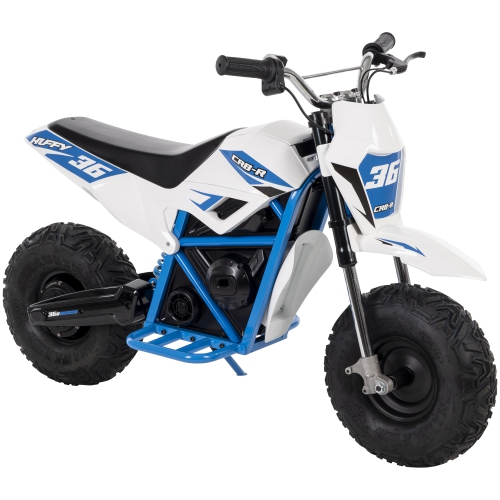 Your price for this item is $799.99
-
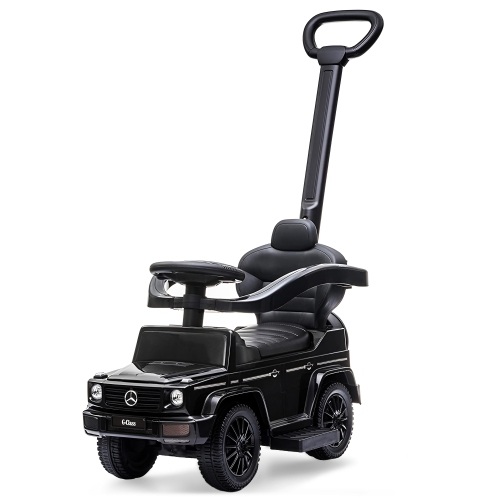 Your price for this item is $141.99
-
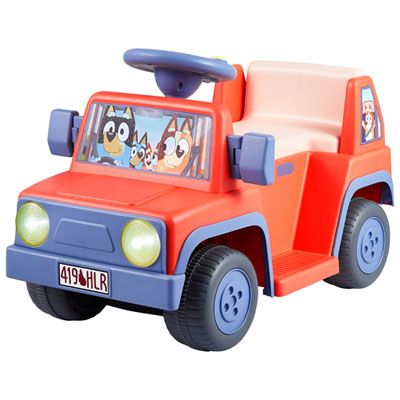 Your price for this item is $199.99
-
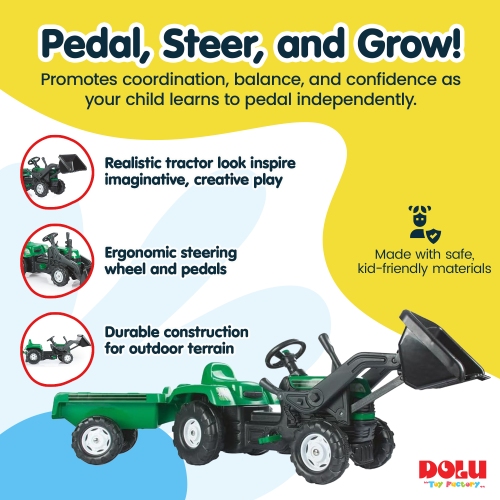 Your price for this item is $205.99
-
 Your price for this item is $199.99
-
 Your price for this item is $82.95
-
 Your price for this item is $449.99
Discover more categories related to Toys for 6 Year Olds

Top Collections:
Pokemon Centers, Kindle Devices, Best Budget Office Chairs, Canon G7X Cameras, Apple iPhones 16, Samsung Galaxy Phones, Refurbished Apple Laptops, Laptops for Students, iPhone 15 Apple, Budget Smartphones
Some products may be subject to Environmental Handling Fees
(EHF) depending on your province.
Learn more about EHFs.