Long Lasting Watch Batteries
Long Lasting Watch Batteries are essential for keeping your favorite timepieces running smoothly and reliably. Whether you rely on a classic wristwatch or a modern smartwatch, having the right battery ensures consistent performance and minimizes interruptions. Explore a wide selection designed to fit a variety of watch models, making it easy to find the perfect match for your needs. With dependable Long Lasting Watch Batteries, you can enjoy accurate timekeeping and peace of mind every day.
Sort

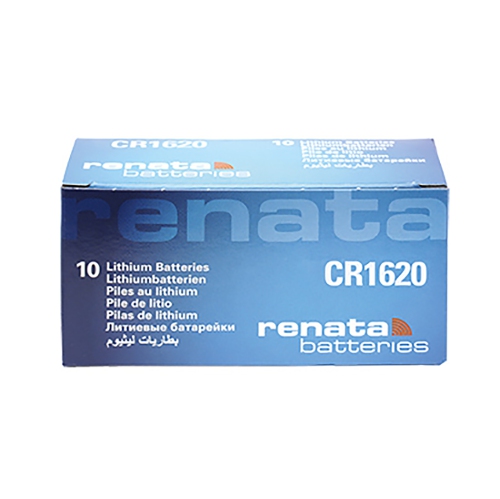

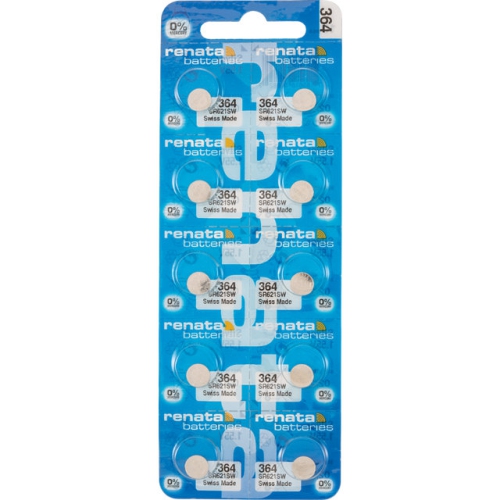
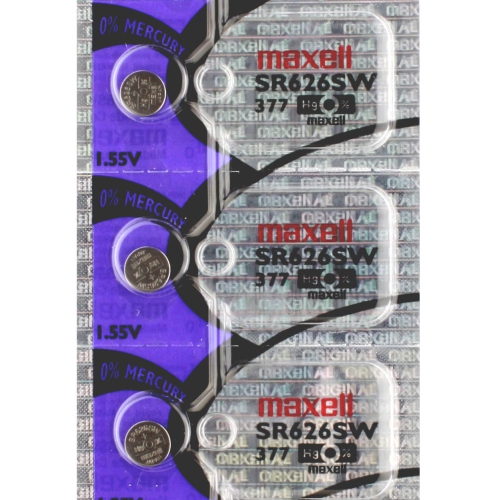
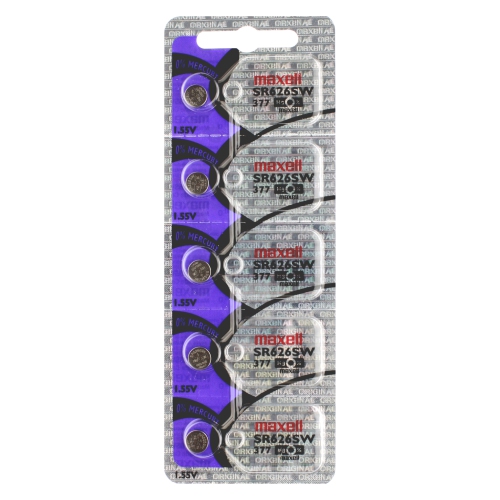
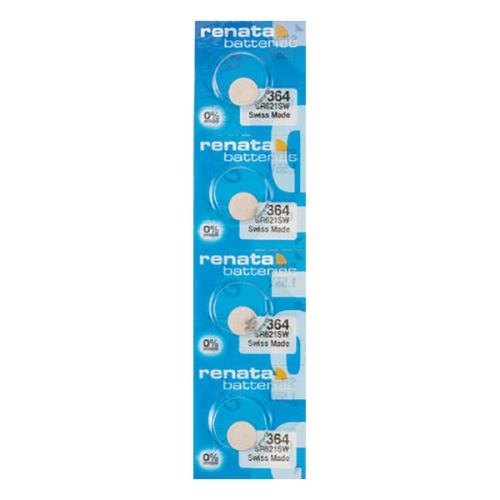
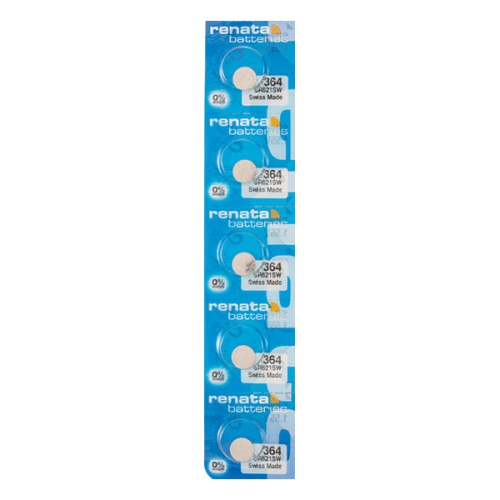
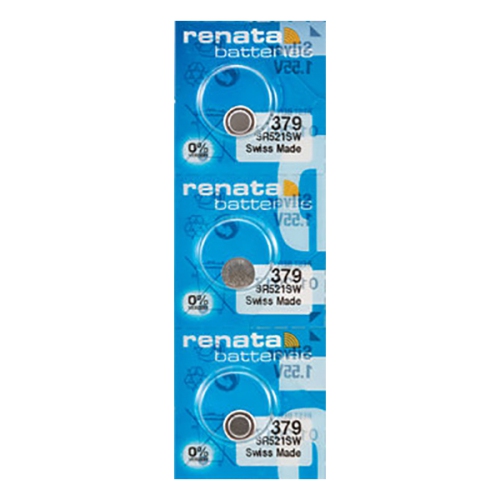
Why watch battery compatibility goes beyond a perfect fit
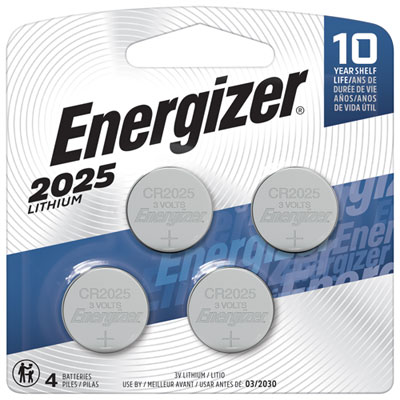
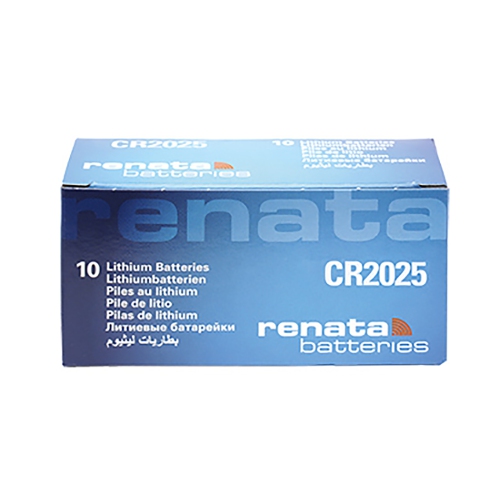
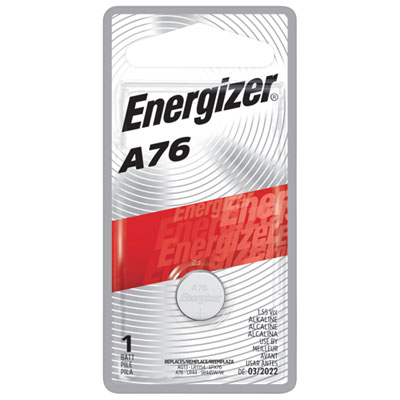
Long-lasting watch batteries provide steady power for the small movements and displays that make a wristwatch useful every day. In a conventional quartz watch, the battery supplies electricity to a circuit that uses a quartz crystal to regulate timekeeping. A suitable replacement needs to do more than fit inside the case: its chemistry, voltage, dimensions, and discharge characteristics must match the movement’s requirements. Silver-oxide button cells are a common choice for analogue quartz watches because they maintain a relatively stable voltage through much of their working life. Lithium coin cells are used in some digital and multifunction watches, particularly designs built for a different voltage or greater energy capacity. Alkaline button cells also appear in small timepieces, but they are not automatically equivalent to silver-oxide cells with similar dimensions. The longest-lasting watch battery is therefore the correct cell for the particular watch, rather than one chemistry that is best for every design. As a broad expectation, many standard quartz watches run for about two to five years between battery changes, although some need replacement sooner and others are designed for longer service. A simple watch with hour and minute hands generally places fewer demands on its battery than a model with frequent alarms, an illuminated display, or additional electronic functions. Actual life also depends on the movement’s condition, how often those features are used, and the age of the cell when installed. Published battery-life estimates are useful comparisons, not guarantees for every wristwatch. For someone who wears the same watch to work each day, dependable power means fewer interruptions to a familiar routine. For someone rotating between a dress watch and a casual timepiece, it means understanding that a watch can continue drawing power even while tucked away in a drawer. Rechargeable smartwatches and solar-powered watches belong to a different category: their power systems require the replacement components specified by the manufacturer, not an ordinary disposable watch battery.
Fit is especially important with watch batteries because differences that are difficult to see can matter inside a closely fitted case. Diameter and thickness both need to match, and a cell that looks nearly identical may have a different voltage, chemistry, or intended load. The reference on the existing battery is a useful starting point, provided that the previous replacement was correct; the watch manual or manufacturer’s specifications offer a stronger confirmation. Equivalent reference charts can help connect different labelling systems, but a matching diameter alone does not establish compatibility. Battery capacity, commonly expressed in milliamp-hours, describes how much charge a cell can deliver under stated test conditions. A higher figure is not permission to use a larger or otherwise incompatible cell, and figures measured under different conditions may not translate into a straightforward lifespan comparison. Some silver-oxide cells are designed for a low, steady draw, while others support higher or intermittent demands. This distinction can matter for a watch that combines ordinary timekeeping with a light, alarm, or other powered feature. Picture a slim dress watch with a tightly secured battery clip beside a digital sports watch with buttons used throughout the day: both need reliable power, but their battery requirements may be quite different. Materials and construction matter as well. The metal casing, insulating gasket, and seal contain the cell’s internal chemistry while allowing electrical contact at the intended surfaces. Quality construction helps support dependable service, but no disposable battery should be treated as incapable of leaking. A secure fit and correct polarity are essential; forcing a cell beneath a retaining clip can damage the holder or nearby parts. Water resistance is a property of the assembled watch, not a benefit conferred by a replacement battery. Opening the back can disturb the case gasket, so watches worn for swimming or exposed to water may need gasket inspection and appropriate testing after replacement. For a valued timepiece, professional fitting can help protect both the movement and the case.
Care and storage influence how useful a watch battery will be when it is needed. Shelf life and service life describe different things: shelf life concerns a battery kept unused under specified storage conditions, while service life is the time it powers a device after installation. A long storage-life claim does not mean a watch will run for that same number of years. Package dates and manufacturer information provide a more meaningful basis for comparing unused cells than a broad promise of long-lasting power. Keep spare batteries in their original packaging in a dry place, separated from coins, keys, and other metal objects that could bridge the terminals. Loose cells in a bedside drawer are harder to identify and easier to short-circuit or misplace. Handling a replacement with suitable non-conductive tools also helps avoid accidental contact across its terminals. Used and unused button and coin cells must remain out of reach of children and pets; swallowing one can cause severe internal injury and requires immediate medical attention. A watch that stops, develops an unreliable display, or shows a manufacturer-defined low-battery signal deserves attention rather than prolonged storage with a depleted cell inside. Some analogue watches signal low power by moving the seconds hand in larger intervals, though this behaviour varies by movement. A fresh battery may restore normal operation, but it will not repair worn components, moisture damage, or a faulty circuit. For households maintaining several watches, individually protected spares can be practical when the required references are known. For a watch given as a gift, a correctly fitted replacement can be a thoughtful part of preparing an existing timepiece for its recipient. Other small wearable devices have their own battery requirements: Long Lasting Hearing Aid Batteries serve a different purpose and should not be treated as substitutes for watch cells. Matching the battery to the device remains the foundation of dependable, lasting performance.
Fit is especially important with watch batteries because differences that are difficult to see can matter inside a closely fitted case. Diameter and thickness both need to match, and a cell that looks nearly identical may have a different voltage, chemistry, or intended load. The reference on the existing battery is a useful starting point, provided that the previous replacement was correct; the watch manual or manufacturer’s specifications offer a stronger confirmation. Equivalent reference charts can help connect different labelling systems, but a matching diameter alone does not establish compatibility. Battery capacity, commonly expressed in milliamp-hours, describes how much charge a cell can deliver under stated test conditions. A higher figure is not permission to use a larger or otherwise incompatible cell, and figures measured under different conditions may not translate into a straightforward lifespan comparison. Some silver-oxide cells are designed for a low, steady draw, while others support higher or intermittent demands. This distinction can matter for a watch that combines ordinary timekeeping with a light, alarm, or other powered feature. Picture a slim dress watch with a tightly secured battery clip beside a digital sports watch with buttons used throughout the day: both need reliable power, but their battery requirements may be quite different. Materials and construction matter as well. The metal casing, insulating gasket, and seal contain the cell’s internal chemistry while allowing electrical contact at the intended surfaces. Quality construction helps support dependable service, but no disposable battery should be treated as incapable of leaking. A secure fit and correct polarity are essential; forcing a cell beneath a retaining clip can damage the holder or nearby parts. Water resistance is a property of the assembled watch, not a benefit conferred by a replacement battery. Opening the back can disturb the case gasket, so watches worn for swimming or exposed to water may need gasket inspection and appropriate testing after replacement. For a valued timepiece, professional fitting can help protect both the movement and the case.
Care and storage influence how useful a watch battery will be when it is needed. Shelf life and service life describe different things: shelf life concerns a battery kept unused under specified storage conditions, while service life is the time it powers a device after installation. A long storage-life claim does not mean a watch will run for that same number of years. Package dates and manufacturer information provide a more meaningful basis for comparing unused cells than a broad promise of long-lasting power. Keep spare batteries in their original packaging in a dry place, separated from coins, keys, and other metal objects that could bridge the terminals. Loose cells in a bedside drawer are harder to identify and easier to short-circuit or misplace. Handling a replacement with suitable non-conductive tools also helps avoid accidental contact across its terminals. Used and unused button and coin cells must remain out of reach of children and pets; swallowing one can cause severe internal injury and requires immediate medical attention. A watch that stops, develops an unreliable display, or shows a manufacturer-defined low-battery signal deserves attention rather than prolonged storage with a depleted cell inside. Some analogue watches signal low power by moving the seconds hand in larger intervals, though this behaviour varies by movement. A fresh battery may restore normal operation, but it will not repair worn components, moisture damage, or a faulty circuit. For households maintaining several watches, individually protected spares can be practical when the required references are known. For a watch given as a gift, a correctly fitted replacement can be a thoughtful part of preparing an existing timepiece for its recipient. Other small wearable devices have their own battery requirements: Long Lasting Hearing Aid Batteries serve a different purpose and should not be treated as substitutes for watch cells. Matching the battery to the device remains the foundation of dependable, lasting performance.
Top selling and popular products
-
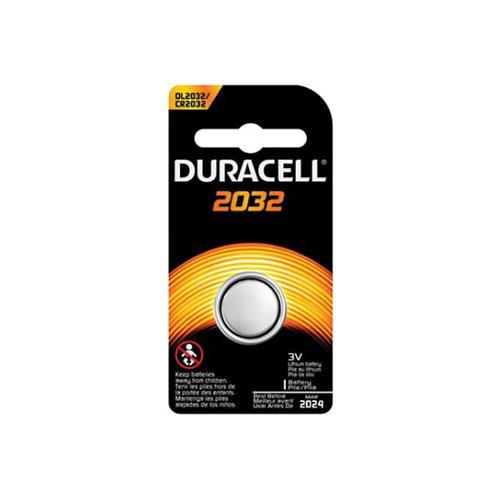 Your price for this item is $25.97
 -
 Your price for this item is $45.97
 -
 Your price for this item is $9.99
 -
 Your price for this item is $10.99
 -
 Your price for this item is $6.99
 -
 Your price for this item is $6.97
 -
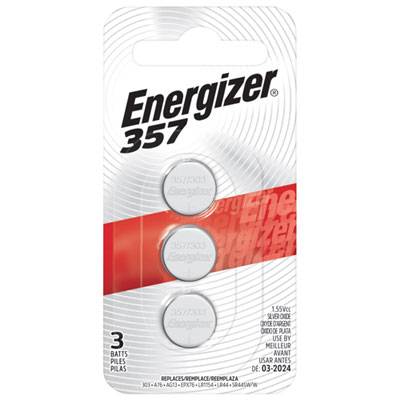 Your price for this item is $12.99
 -
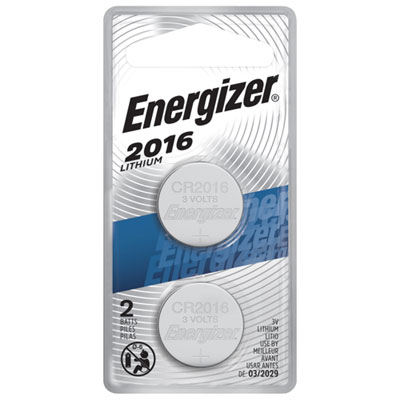 Your price for this item is $10.99
Discover more categories related to Long Lasting Watch Batteries
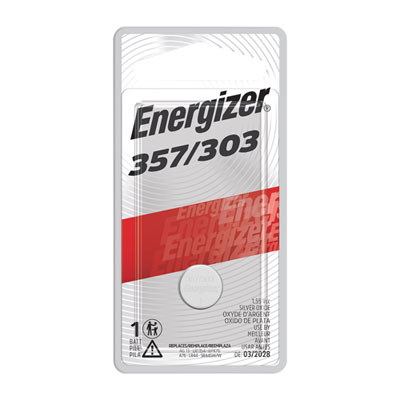
Top Collections:
Pokemon Centers, Kindle Devices, Best Budget Office Chairs, Apple iPhones 16, Best Laptops for Writers, iPhone 15 Apple, Canon G7X Cameras, Refurbished Apple Laptops, Alarm Clock, Motorola Razr Phones
Some products may be subject to Environmental Handling Fees
(EHF) depending on your province.
Learn more about EHFs.