Comfortable Mattresses
A comfortable mattress is a must for a good night's sleep. The right mattress can make a huge difference in how you feel the next day, and can even help you get better sleep later on. Whether you're in need of a new bed topper or are just looking to upgrade your existing mattress, we've got you covered.
Sort
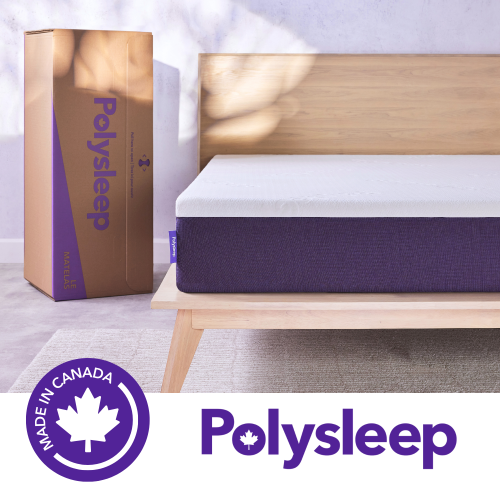
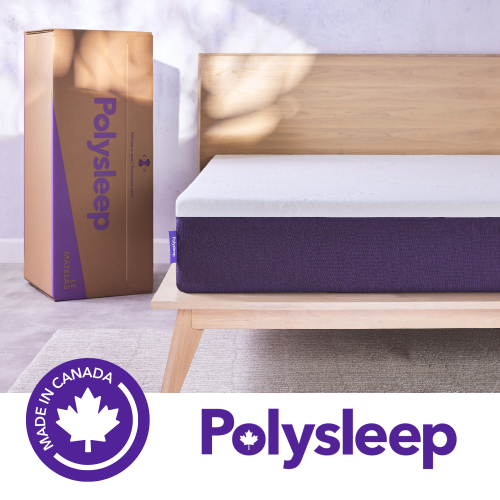
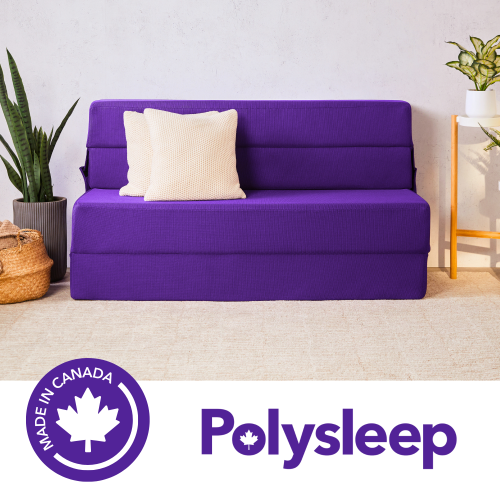
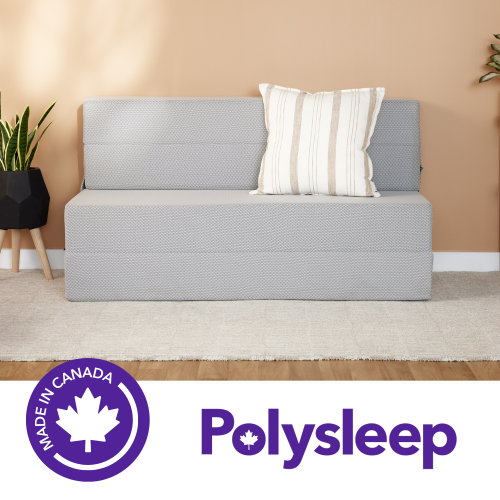
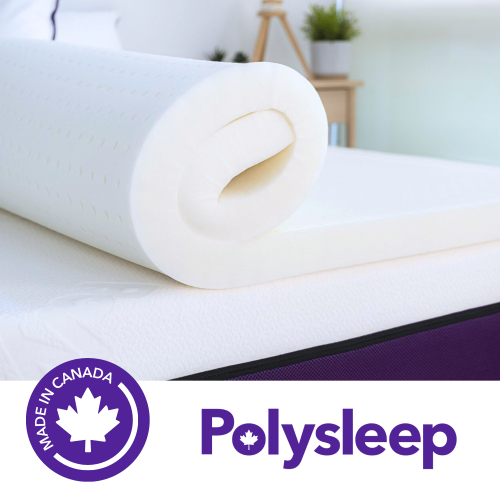
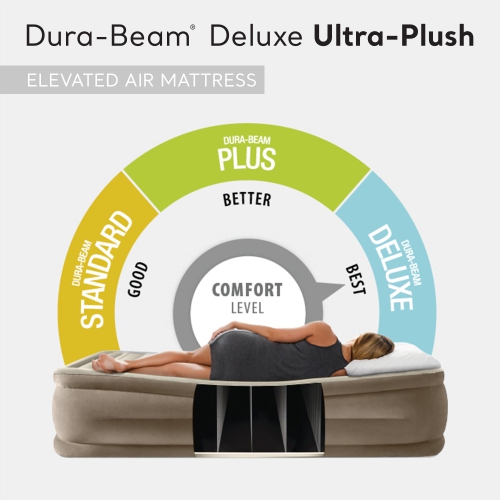
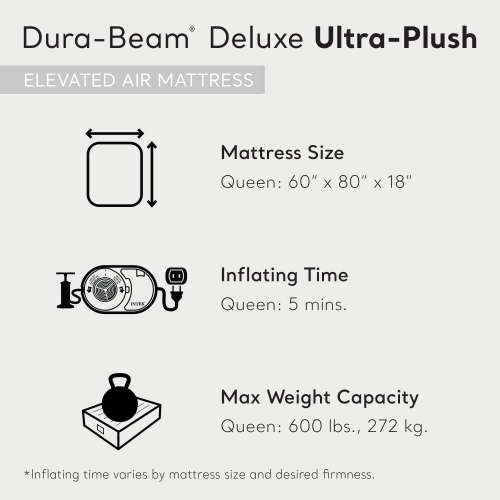
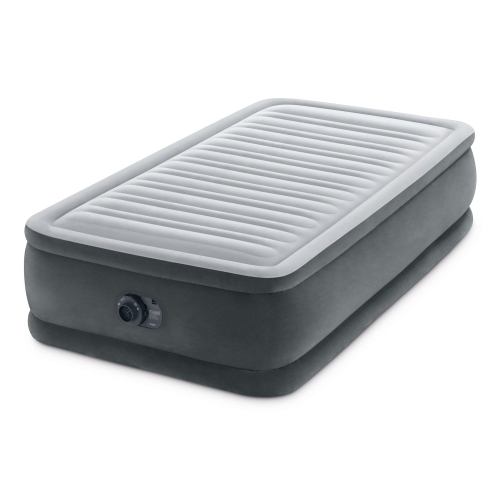
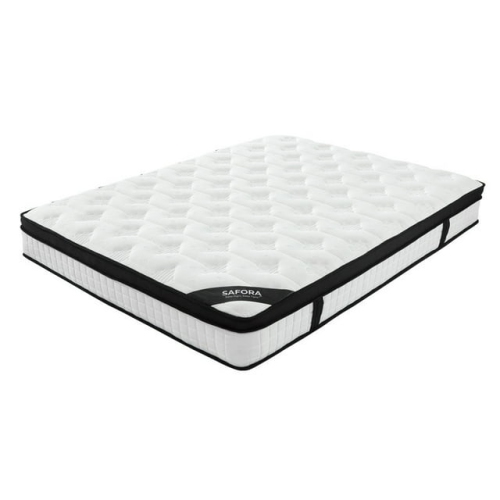
How sleeping position shapes mattress comfort and support
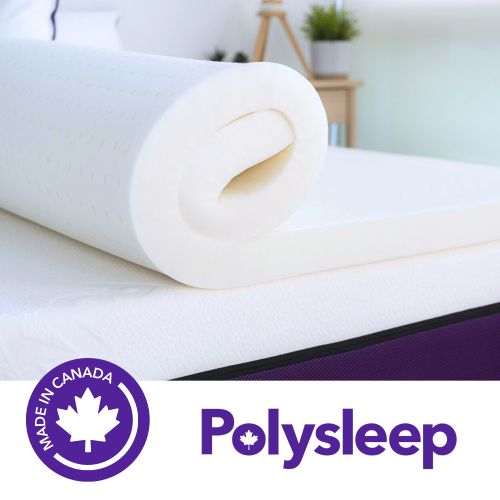
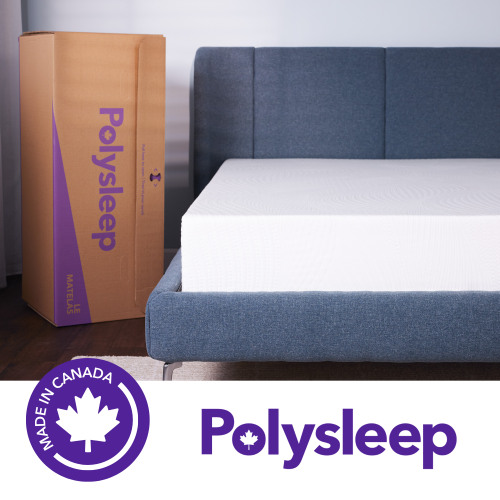
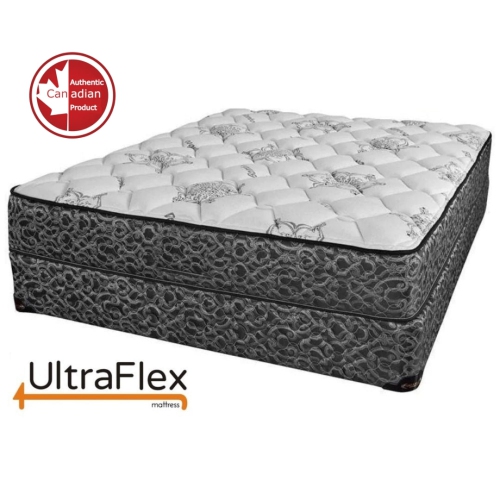
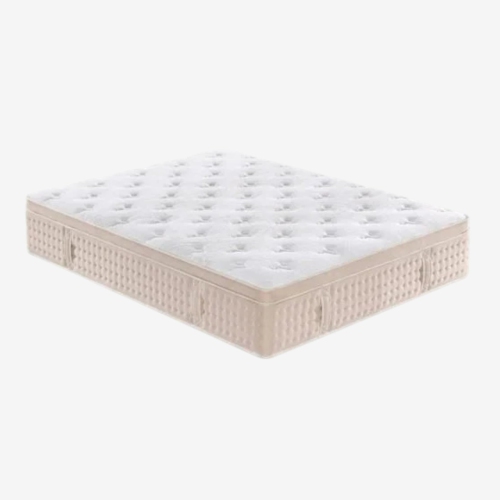
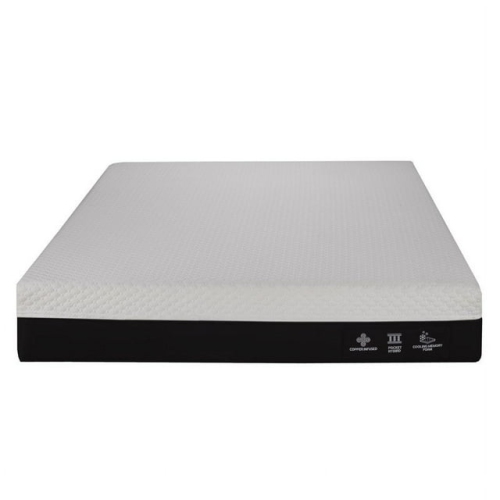
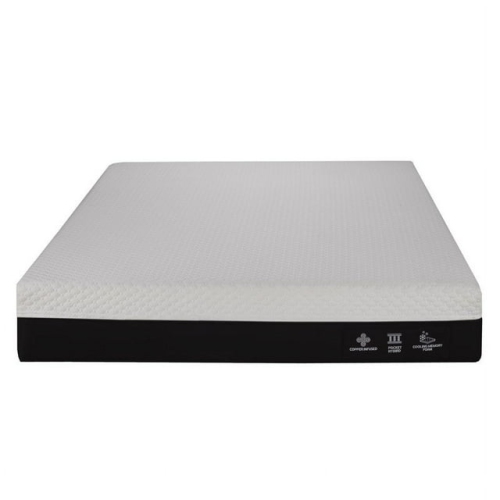
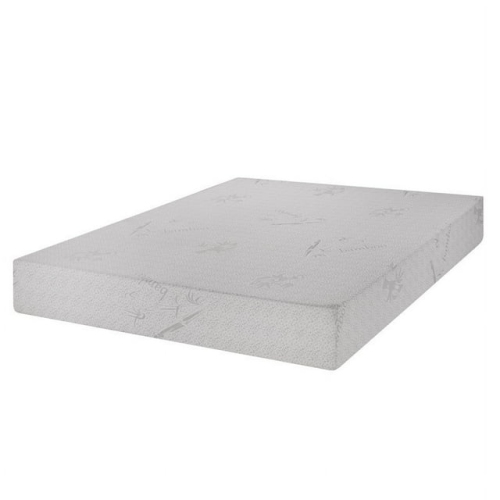
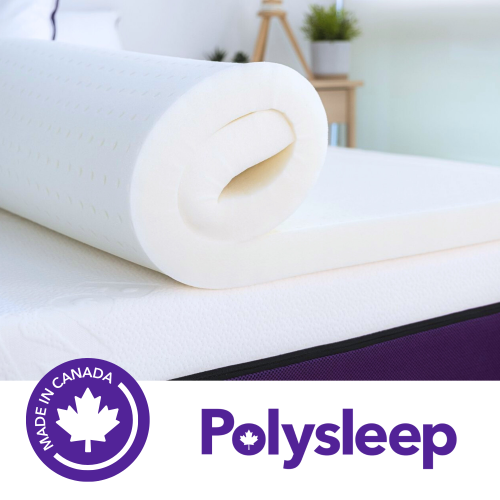
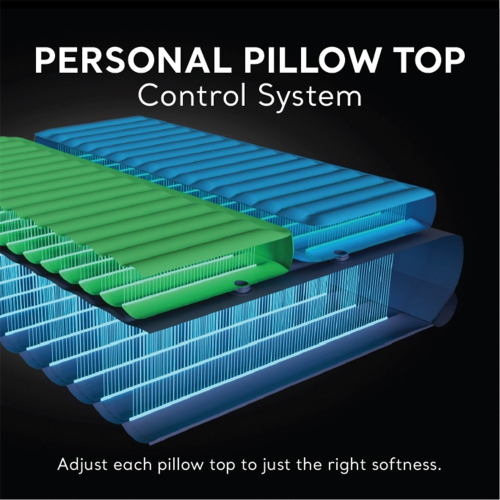
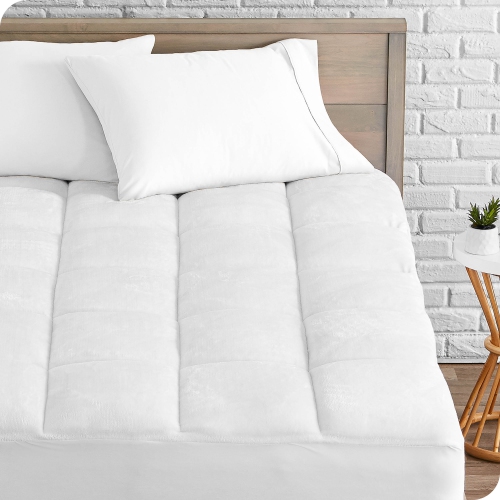
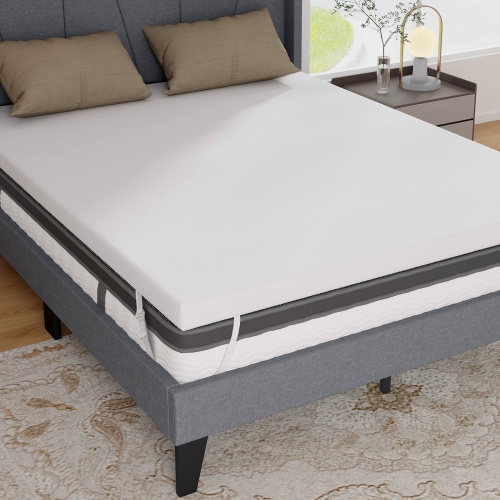
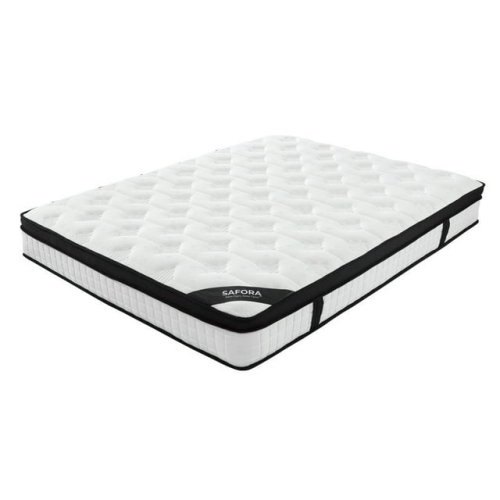
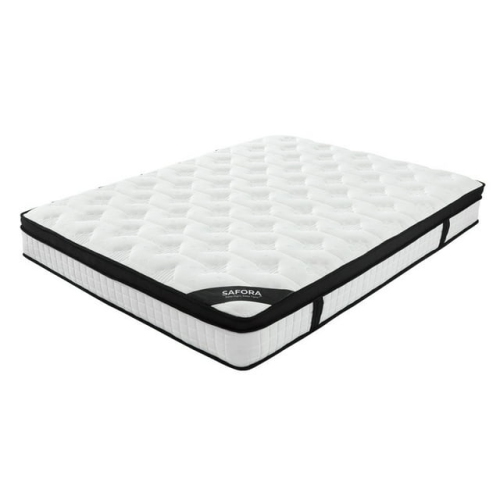
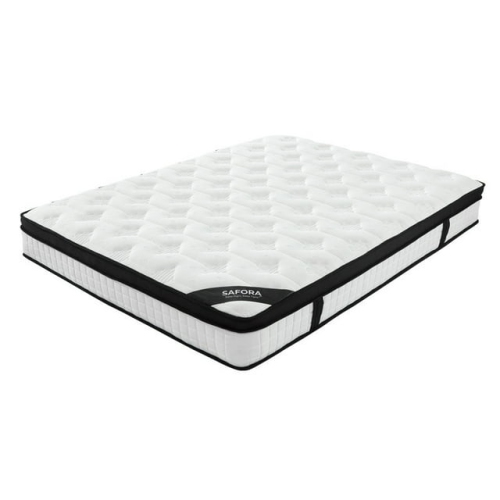
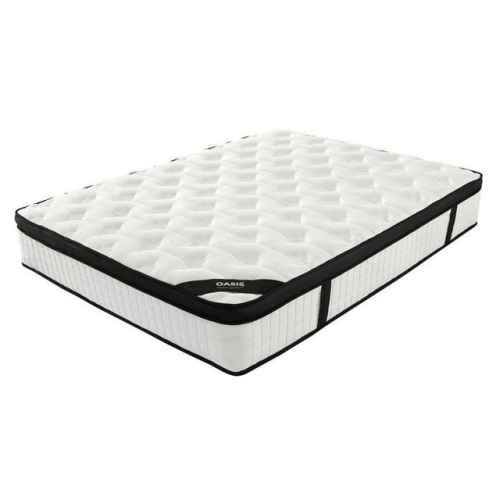
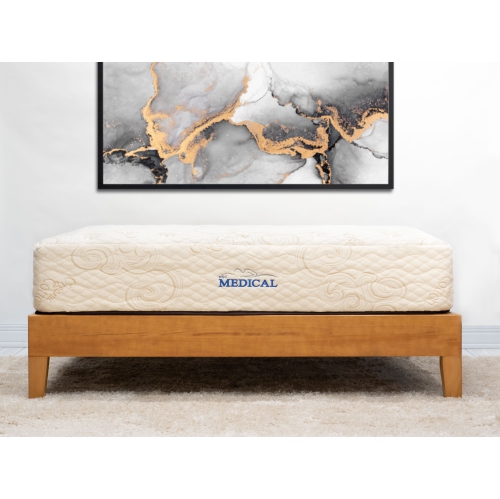
A comfortable mattress can make a noticeable difference to the way a bedroom feels and to how rested you feel when you get up. The right choice depends on more than softness alone: your preferred sleeping position, body shape, comfort preferences, mattress size, and the amount of support you need all play a part. Side sleepers often feel most comfortable on a medium or plush surface that cushions the shoulders and hips while helping the spine remain aligned. If a mattress is too firm, pressure can build along the shoulder or hip, creating the familiar feeling of tossing from one side to the other. Back sleepers commonly prefer a medium-firm or firm mattress that supports the natural curve of the lower back without allowing the hips to sink too deeply. Stomach sleepers may also benefit from a firmer feel, as extra support can help keep the midsection from dipping and placing strain on the back or neck. Combination sleepers may want a balanced mattress that allows enough cushioning for side sleeping while still making it easy to turn and change positions. There is no single comfort level that suits every person, and even two people who share a bed may have very different preferences. Taking time to compare Good Mattresses by firmness, construction, and size can help you find a sleep surface that feels inviting at bedtime and supportive through the night.
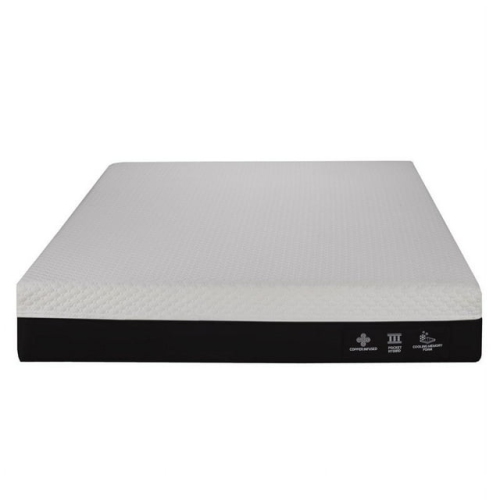
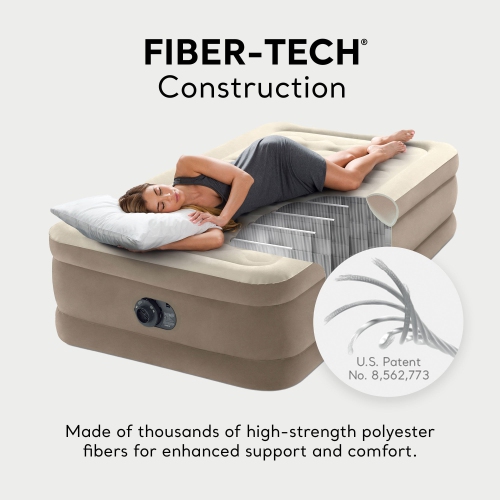
Mattress construction also influences how comfortable a bed feels. Memory foam can contour around the body, helping to relieve pressure at common contact points and reducing the sensation of movement travelling across the surface when a partner shifts position. Foam mattresses are often appreciated by side sleepers and anyone who enjoys a close, cushioned feel. Innerspring mattresses use coils to provide responsive support, which can make moving around easier and create a more buoyant sensation. They may also appeal to sleepers who prefer not to feel deeply surrounded by the mattress. Hybrid mattresses combine coil support with one or more comfort layers, offering a middle ground between springiness, contouring, and pressure relief. Consider the mattress height as well as its materials, especially if it will be placed on an existing bed frame or adjustable base. A thicker mattress may provide a more substantial feel, while a slimmer profile can suit a low bed frame or a room with limited visual space. Temperature is another practical consideration. If you tend to wake up warm, look for a design with breathable materials, airflow through the support layer, or cooling features intended to help manage heat. If you are sensitive to movement, prioritize construction that limits motion transfer. The mattress should also be large enough for you to stretch out comfortably, with enough width for partners, children, or pets who occasionally make their way into the bed during the night. Before choosing, check the recommended foundation or frame requirements, the mattress dimensions, and the available delivery, setup, and return information.
Comfortable mattresses can suit many bedrooms and life stages, from a first apartment or student residence to a guest room, primary bedroom, cottage, or newly furnished child’s room. A mattress can also be a thoughtful practical gift for someone moving into a new home, setting up a spare room, or replacing an older sleep surface, although it is best to involve the recipient in selecting the size and feel. For couples, finding a suitable mattress may involve balancing different sleeping positions and firmness preferences. A mattress with strong motion isolation can help one person sleep through a partner’s late-night reading or early-morning routine, while a responsive surface may be preferable for someone who changes positions often. Older mattresses can lose their original support over time, develop visible impressions, or leave sleepers waking with stiffness that was not present before. When comparing replacements, think about how the bed feels after several hours rather than only how it feels during a brief first impression. Allow enough space for the mattress to settle according to the care instructions, use a suitable base, and rotate it only if the manufacturer recommends doing so. Clean bedding, a supportive pillow matched to your sleeping position, and a bedroom kept comfortably cool can complement the feel of a new mattress, but the mattress itself remains the foundation of a restful sleep setup. During the cooler months, a comfortable bed can make the transition from a busy day to a quiet night feel especially welcome, whether you prefer a gently cushioned foam surface, a supportive hybrid design, or the familiar responsiveness of coils.
Mattress construction also influences how comfortable a bed feels. Memory foam can contour around the body, helping to relieve pressure at common contact points and reducing the sensation of movement travelling across the surface when a partner shifts position. Foam mattresses are often appreciated by side sleepers and anyone who enjoys a close, cushioned feel. Innerspring mattresses use coils to provide responsive support, which can make moving around easier and create a more buoyant sensation. They may also appeal to sleepers who prefer not to feel deeply surrounded by the mattress. Hybrid mattresses combine coil support with one or more comfort layers, offering a middle ground between springiness, contouring, and pressure relief. Consider the mattress height as well as its materials, especially if it will be placed on an existing bed frame or adjustable base. A thicker mattress may provide a more substantial feel, while a slimmer profile can suit a low bed frame or a room with limited visual space. Temperature is another practical consideration. If you tend to wake up warm, look for a design with breathable materials, airflow through the support layer, or cooling features intended to help manage heat. If you are sensitive to movement, prioritize construction that limits motion transfer. The mattress should also be large enough for you to stretch out comfortably, with enough width for partners, children, or pets who occasionally make their way into the bed during the night. Before choosing, check the recommended foundation or frame requirements, the mattress dimensions, and the available delivery, setup, and return information.
Comfortable mattresses can suit many bedrooms and life stages, from a first apartment or student residence to a guest room, primary bedroom, cottage, or newly furnished child’s room. A mattress can also be a thoughtful practical gift for someone moving into a new home, setting up a spare room, or replacing an older sleep surface, although it is best to involve the recipient in selecting the size and feel. For couples, finding a suitable mattress may involve balancing different sleeping positions and firmness preferences. A mattress with strong motion isolation can help one person sleep through a partner’s late-night reading or early-morning routine, while a responsive surface may be preferable for someone who changes positions often. Older mattresses can lose their original support over time, develop visible impressions, or leave sleepers waking with stiffness that was not present before. When comparing replacements, think about how the bed feels after several hours rather than only how it feels during a brief first impression. Allow enough space for the mattress to settle according to the care instructions, use a suitable base, and rotate it only if the manufacturer recommends doing so. Clean bedding, a supportive pillow matched to your sleeping position, and a bedroom kept comfortably cool can complement the feel of a new mattress, but the mattress itself remains the foundation of a restful sleep setup. During the cooler months, a comfortable bed can make the transition from a busy day to a quiet night feel especially welcome, whether you prefer a gently cushioned foam surface, a supportive hybrid design, or the familiar responsiveness of coils.
Top selling and popular products
-
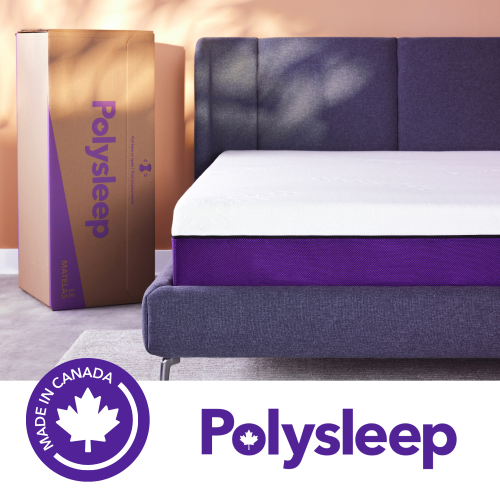 Your price for this item is $1195
 -
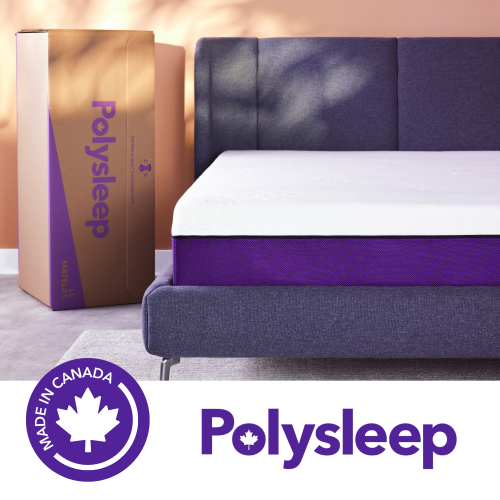 Your price for this item is $1395
 -
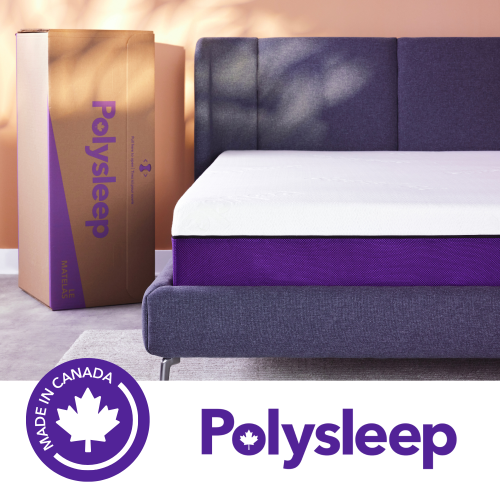 Your price for this item is $1095
 -
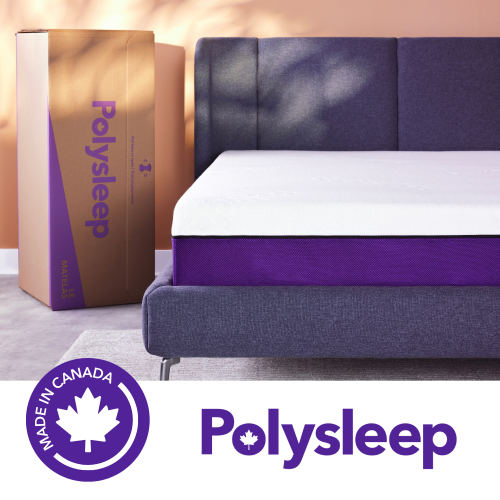 Your price for this item is $945
 -
 Your price for this item is $1199
 -
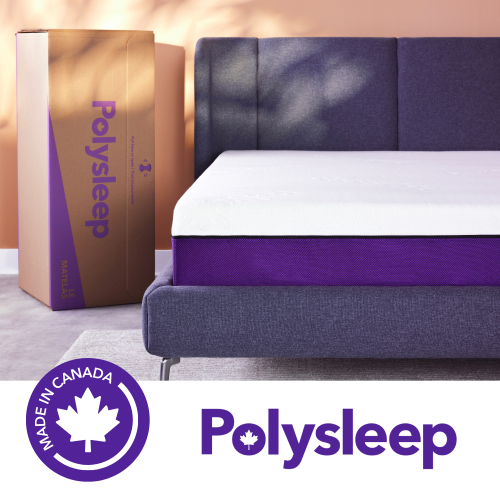 Your price for this item is $1395
 -
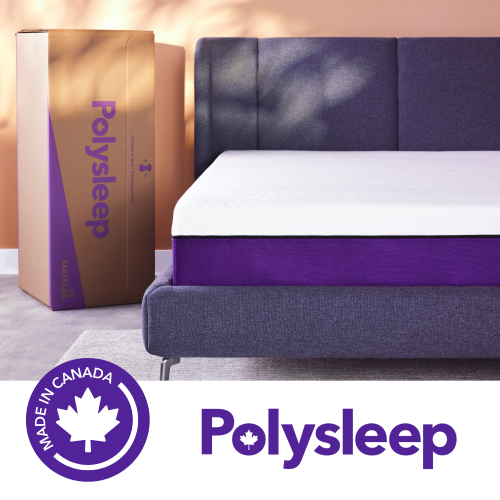 Your price for this item is $895
 -
 Your price for this item is $920
Discover more categories related to Comfortable Mattresses
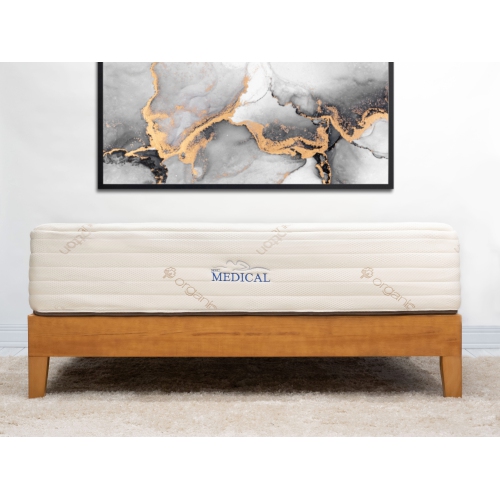
Top Collections:
Pokemon Centers, Kindle Devices, Best Budget Office Chairs, Apple iPhones 16, Best Laptops for Writers, iPhone 15 Apple, Canon G7X Cameras, Refurbished Apple Laptops, Alarm Clock, Motorola Razr Phones
Some products may be subject to Environmental Handling Fees
(EHF) depending on your province.
Learn more about EHFs.