Memory Cards for GoPro Hero 9
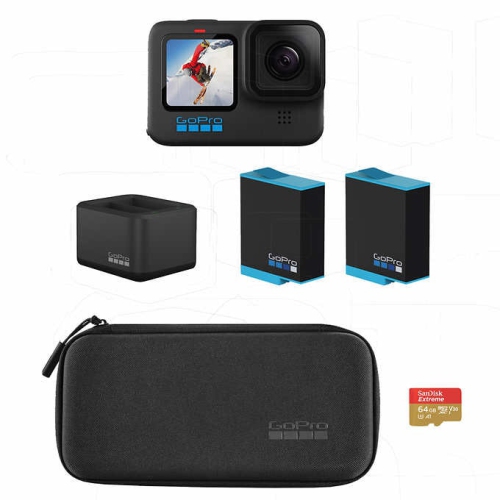
GoPro Hero 9 cameras are one of the most popular action cameras on the market. They're small, light, and rugged, and they shoot high-definition video. But if you want to take your shooting to the next level, you'll need a memory card. A memory card is where you store all of your footage, and it's what allows you to transfer that data to your computer or smartphone. Here are some of our favorites.
Sort
![SANDISK Extreme 32GB Microsdhc Uhs-I Card - Sdsqxaf-032G-Gn6Ma [Newest Version]](https://multimedia.bbycastatic.ca/multimedia/products/500x500/133/13325/13325765.jpeg)


The card ratings and capacities behind reliable action-camera recording
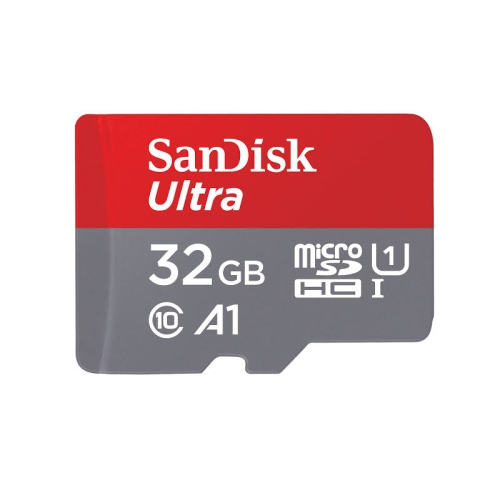
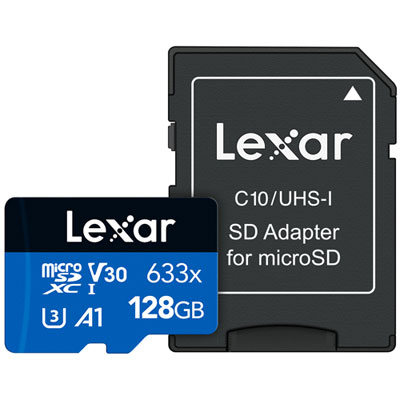
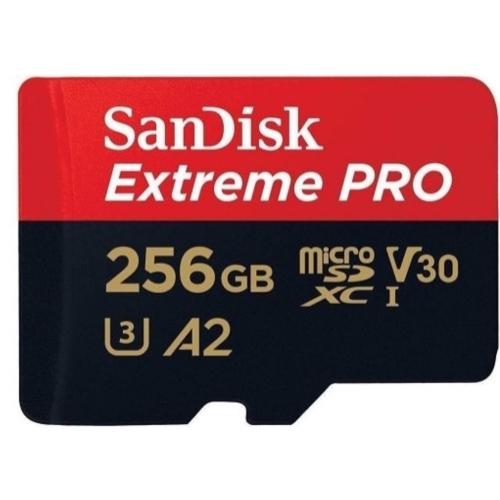
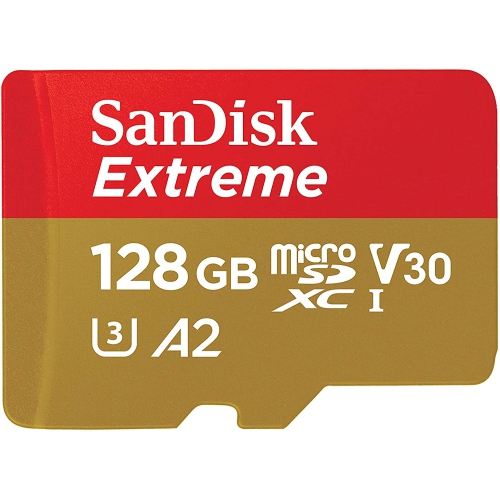
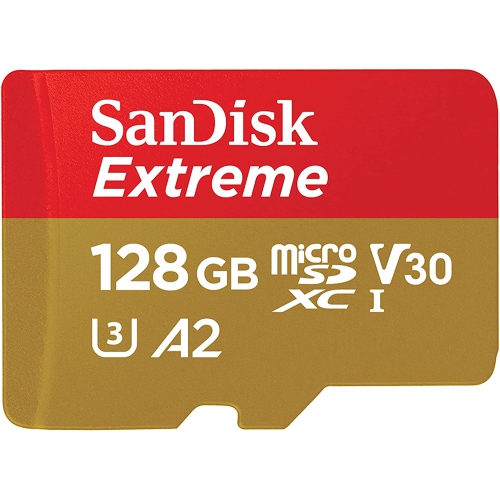
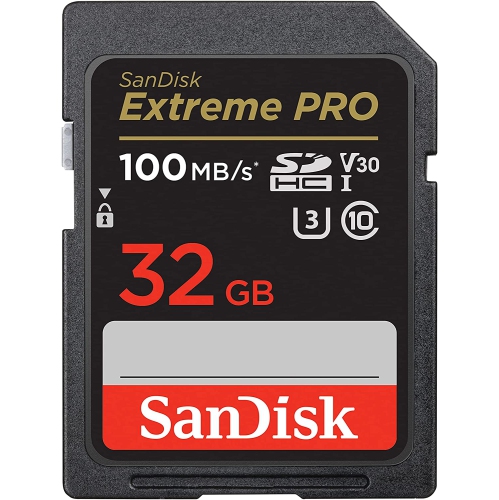
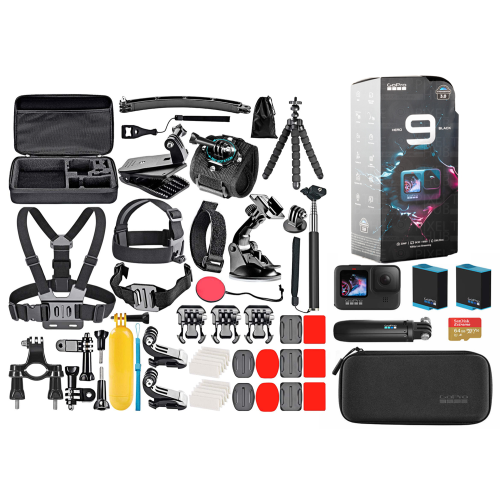
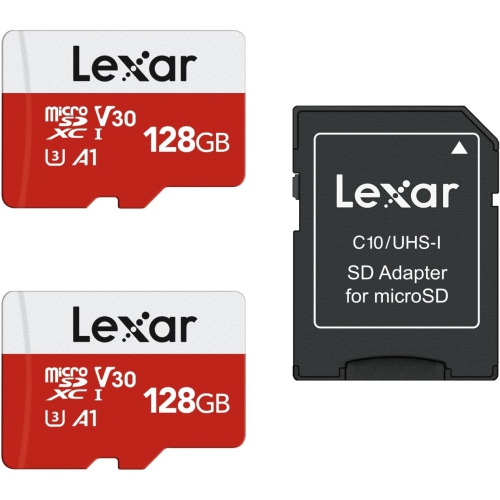
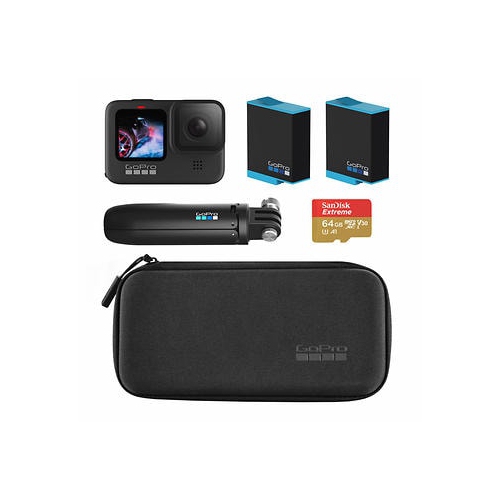
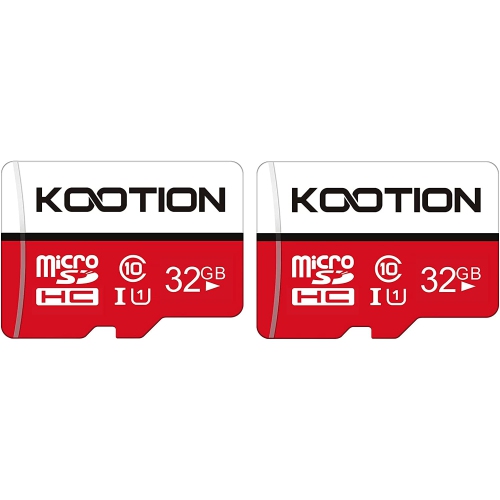
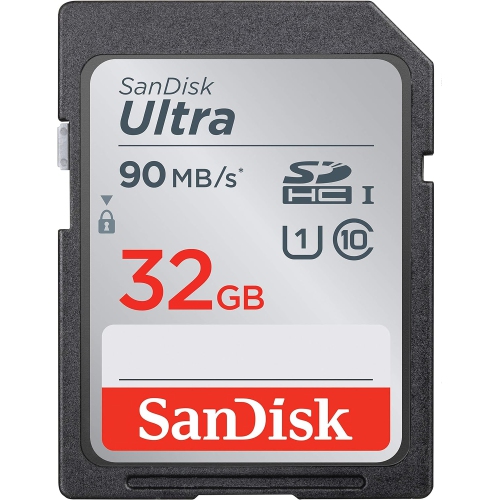
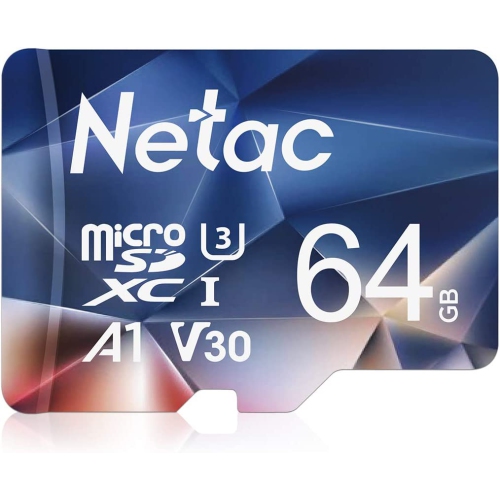
Choosing a memory card for a GoPro Hero 9 starts with selecting the right card type and speed rating. The camera uses microSD, microSDHC, or microSDXC cards, and a card rated at least Class 10 or UHS-I is needed for dependable recording. For 4K and 5K video, look for a minimum U3 or V30 rating, which indicates that the card is designed to maintain a sustained write speed of at least 30 MB/s. Sustained write performance matters because the camera records a continuous stream of large video files; a card with a high advertised read speed but insufficient write performance may struggle during high-resolution recording. Symptoms of an unsuitable card can include recording interruptions, dropped frames, error messages, or footage that stops before an activity is finished. The safest approach is to match the card to the camera’s recording demands rather than choosing solely by price or the largest capacity available. This collection of Memory Cards for GoPro Hero can help shoppers compare compatible storage options for action-camera use. A card with U3, V30, and Class 10 markings is generally a practical starting point for Hero 9 owners who want to record detailed footage while hiking, cycling, skiing, travelling, enjoying time on the water, or capturing family activities. Slower cards intended for basic photography may not provide the sustained performance required for the camera’s highest-quality video settings, even if they appear to offer plenty of storage.
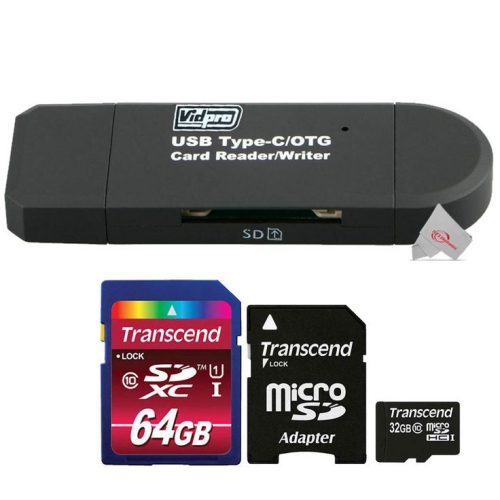
Capacity is another important consideration, particularly for people who spend long periods away from a computer or do not want to stop and transfer files throughout the day. A 64GB card can be useful for shorter outings, casual clips, and everyday recording, while 128GB and 256GB capacities often provide a comfortable balance between recording time, portability, and cost for many users. A larger card, such as a 512GB option when supported by the camera and formatted correctly, can suit extended trips, multi-day events, or creators who record frequently at high resolution. Actual recording time varies according to resolution, frame rate, stabilisation settings, Protune adjustments, file format, and other camera settings, so capacity should be treated as an estimate rather than a fixed number of hours. High-resolution footage fills storage quickly, especially when recording a complete trail, sports session, road trip, or outdoor adventure instead of short highlights. Carrying more than one compatible card can be useful for travel and special occasions, since it provides a simple backup if one card becomes full or needs to be removed for file transfer. Small protective cases can keep spare cards organised and reduce the chance of losing them in a camera bag. Before an important recording session, insert the card into the GoPro Hero 9 and format it through the camera’s own menu after saving any files that need to be kept. Formatting helps the camera prepare the card’s file structure and can reduce avoidable recording issues. It is also wise to leave some available space rather than filling a card completely, particularly when recording many separate clips.
Memory cards for GoPro Hero 9 can be useful for a wide range of people, from a first-time action-camera owner to an experienced creator who records outdoor sports and travel footage. They make practical gifts for someone planning a road trip, learning to snowboard, documenting bike rides, filming a child’s activities, or building a collection of personal video memories. A spare card is especially helpful for a GoPro user who already has the camera and accessories but regularly runs out of storage at inconvenient moments. When comparing options, check the card’s capacity, UHS rating, U3 or V30 designation, and compatibility with high-bitrate video. Read speed affects how quickly footage can be copied to a computer or mobile device, while write speed affects how reliably the camera can save footage as it is being recorded; both are useful, but sustained write speed is essential for demanding video modes. For people recording in cooler weather, near water, or on active excursions, a card designed for dependable operation across a range of conditions can provide added confidence, although the card should still be handled carefully and kept dry when it is outside the camera. After recording, transfer important footage to another storage location before reformatting the card for its next use. With the right microSD format, a suitable Class 10 or UHS-I rating, and at least U3 or V30 performance for 4K and 5K recording, a memory card can help the GoPro Hero 9 capture smooth, detailed footage from warm-weather adventures through the cooler months.
Capacity is another important consideration, particularly for people who spend long periods away from a computer or do not want to stop and transfer files throughout the day. A 64GB card can be useful for shorter outings, casual clips, and everyday recording, while 128GB and 256GB capacities often provide a comfortable balance between recording time, portability, and cost for many users. A larger card, such as a 512GB option when supported by the camera and formatted correctly, can suit extended trips, multi-day events, or creators who record frequently at high resolution. Actual recording time varies according to resolution, frame rate, stabilisation settings, Protune adjustments, file format, and other camera settings, so capacity should be treated as an estimate rather than a fixed number of hours. High-resolution footage fills storage quickly, especially when recording a complete trail, sports session, road trip, or outdoor adventure instead of short highlights. Carrying more than one compatible card can be useful for travel and special occasions, since it provides a simple backup if one card becomes full or needs to be removed for file transfer. Small protective cases can keep spare cards organised and reduce the chance of losing them in a camera bag. Before an important recording session, insert the card into the GoPro Hero 9 and format it through the camera’s own menu after saving any files that need to be kept. Formatting helps the camera prepare the card’s file structure and can reduce avoidable recording issues. It is also wise to leave some available space rather than filling a card completely, particularly when recording many separate clips.
Memory cards for GoPro Hero 9 can be useful for a wide range of people, from a first-time action-camera owner to an experienced creator who records outdoor sports and travel footage. They make practical gifts for someone planning a road trip, learning to snowboard, documenting bike rides, filming a child’s activities, or building a collection of personal video memories. A spare card is especially helpful for a GoPro user who already has the camera and accessories but regularly runs out of storage at inconvenient moments. When comparing options, check the card’s capacity, UHS rating, U3 or V30 designation, and compatibility with high-bitrate video. Read speed affects how quickly footage can be copied to a computer or mobile device, while write speed affects how reliably the camera can save footage as it is being recorded; both are useful, but sustained write speed is essential for demanding video modes. For people recording in cooler weather, near water, or on active excursions, a card designed for dependable operation across a range of conditions can provide added confidence, although the card should still be handled carefully and kept dry when it is outside the camera. After recording, transfer important footage to another storage location before reformatting the card for its next use. With the right microSD format, a suitable Class 10 or UHS-I rating, and at least U3 or V30 performance for 4K and 5K recording, a memory card can help the GoPro Hero 9 capture smooth, detailed footage from warm-weather adventures through the cooler months.
Top selling and popular products
-
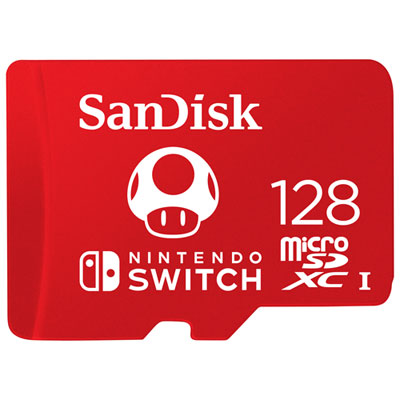 Your price for this item is $69.99
 -
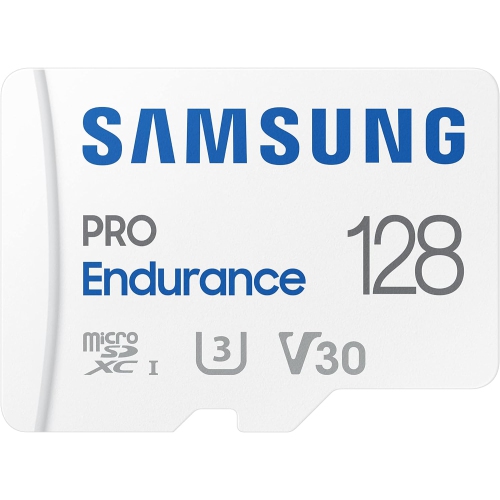 Your price for this item is $107.9
 -
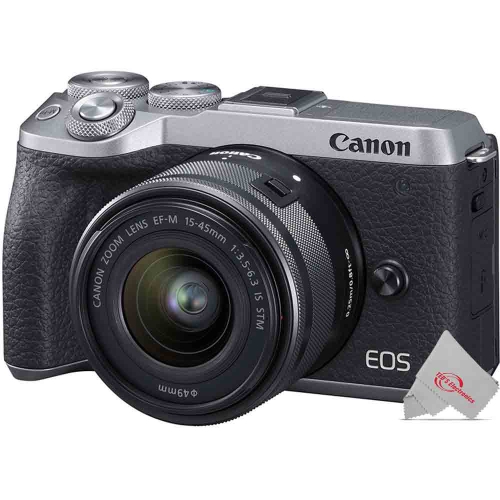 Your price for this item is $105.91
 -
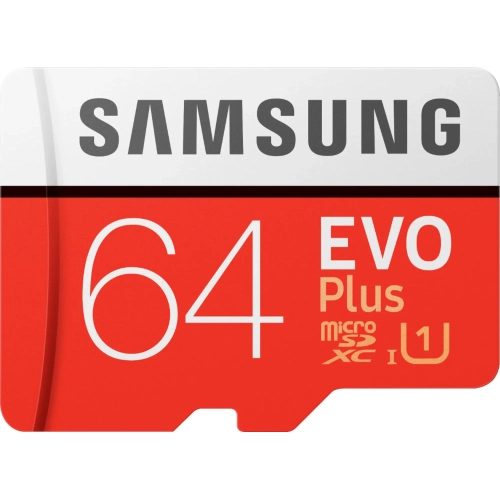 Your price for this item is $53.99
 -
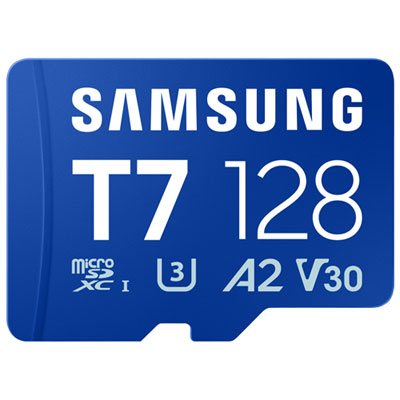 Your price for this item is $69.99
 -
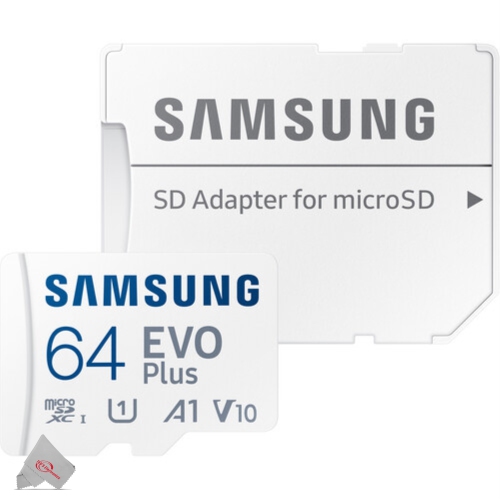 Your price for this item is $45.36
 -
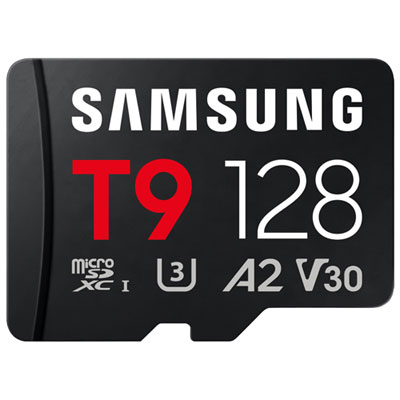 Your price for this item is $84.99
 -
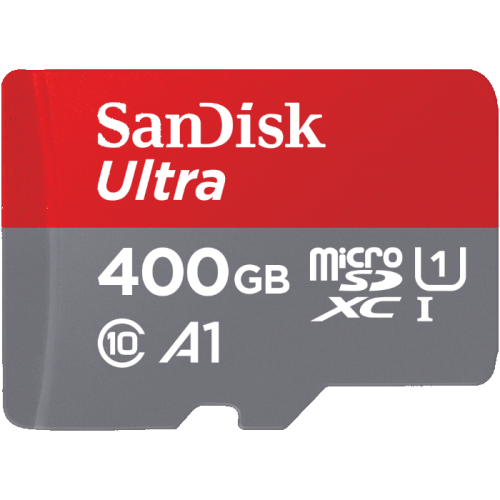 Your price for this item is $113.99
Discover more categories related to Memory Cards for GoPro Hero 9
Top Collections:
Pokemon Centers, Kindle Devices, Best Budget Office Chairs, Apple iPhones 16, Samsung Galaxy Phones, Canon G7X Cameras, iPhone 15 Apple, Flip Phones, Best Laptops for Writers, Alarm Clock
Some products may be subject to Environmental Handling Fees
(EHF) depending on your province.
Learn more about EHFs.