Meuble Garde Robe
Meuble Garde Robe offers a stylish and practical solution for organizing any bedroom or dressing area. Whether you’re looking to maximize space or add a touch of elegance to your home, discover a wide selection designed to suit various tastes and needs. With options ranging from classic to contemporary, Meuble Garde Robe makes it easy to keep clothing and accessories neatly arranged while enhancing your room’s décor. Find the ideal piece to complement your lifestyle and create a more organized living space.
Sort
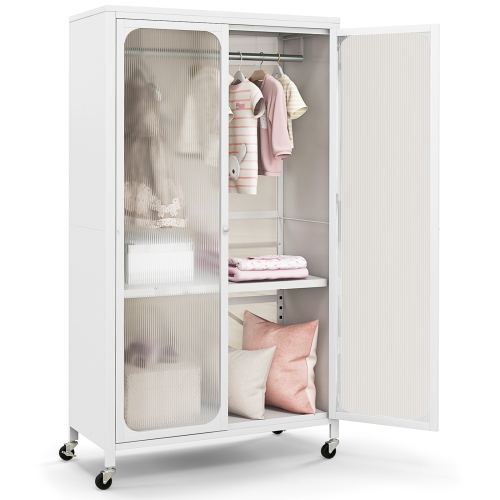
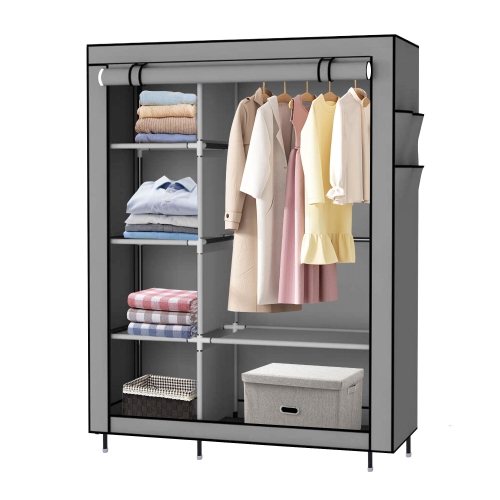
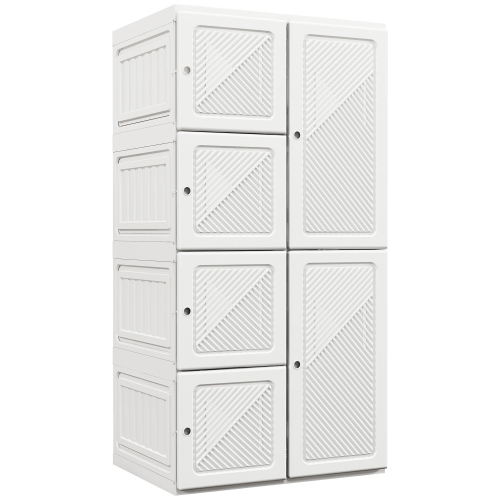
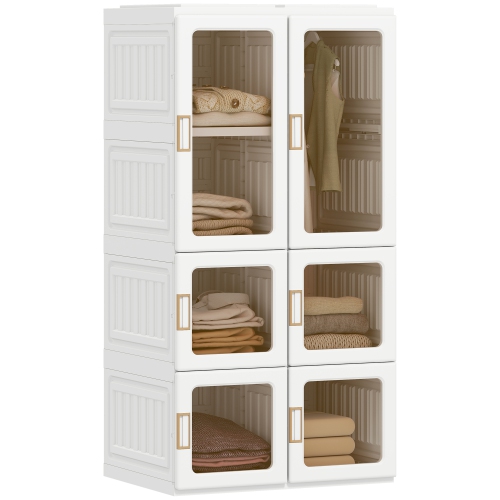

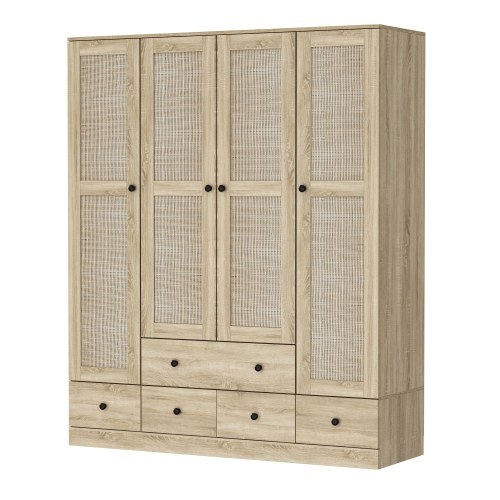
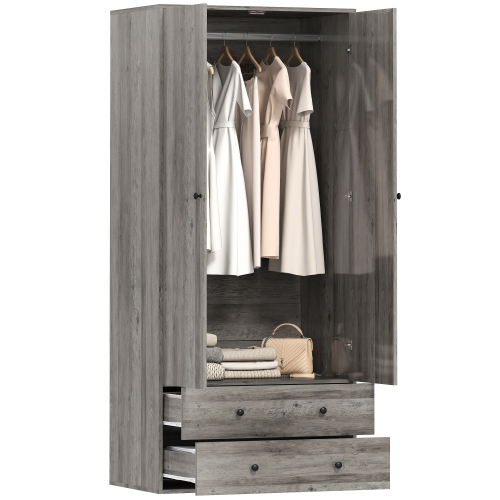
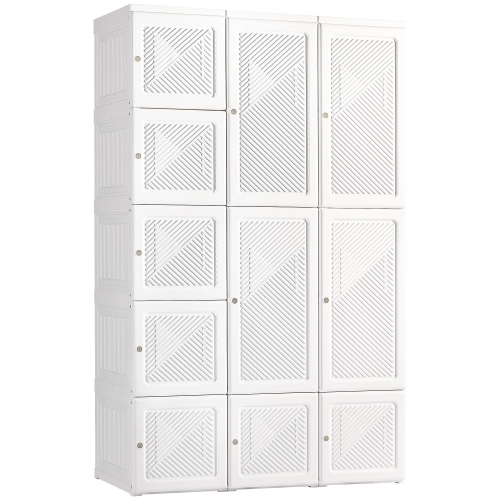
Clothing storage that fits your garments and your room
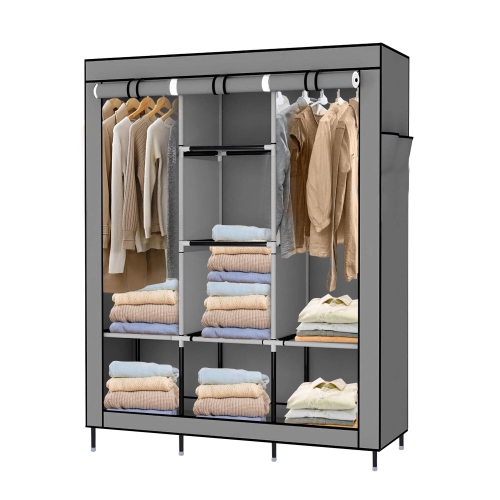
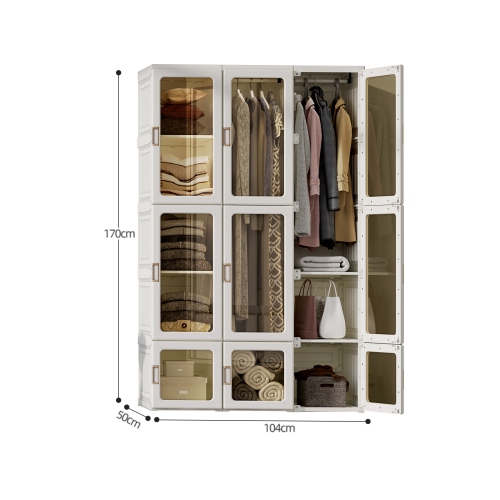
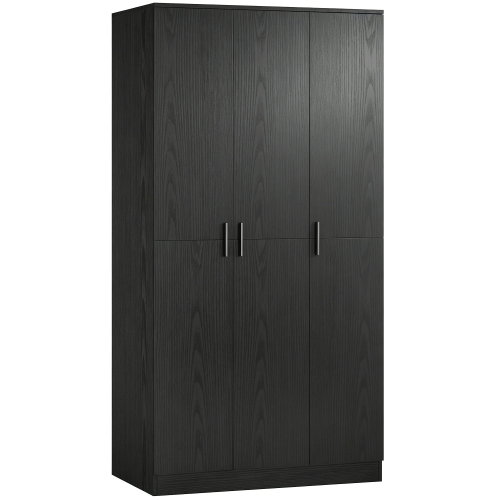
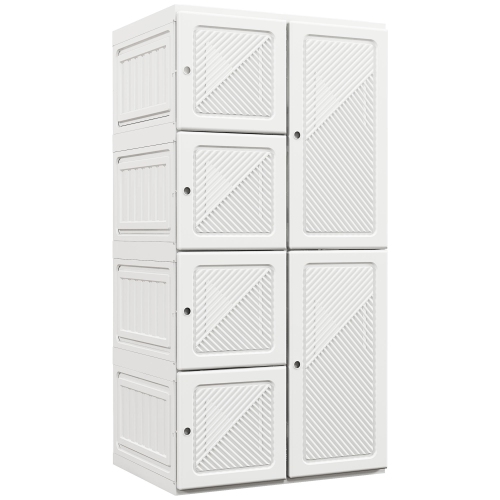
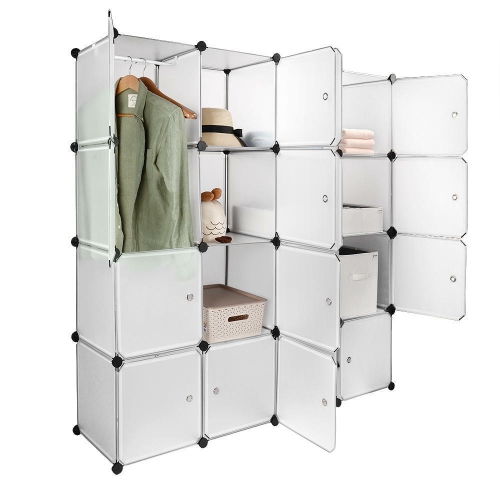
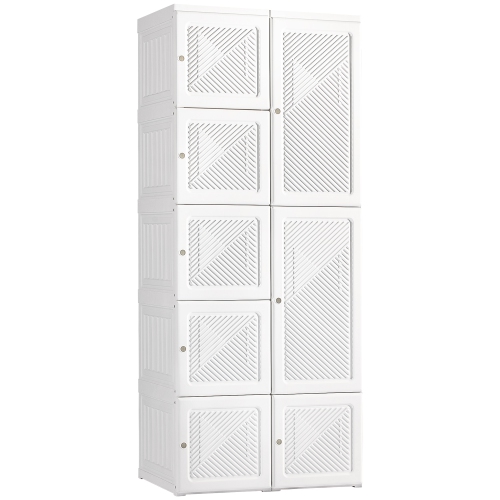
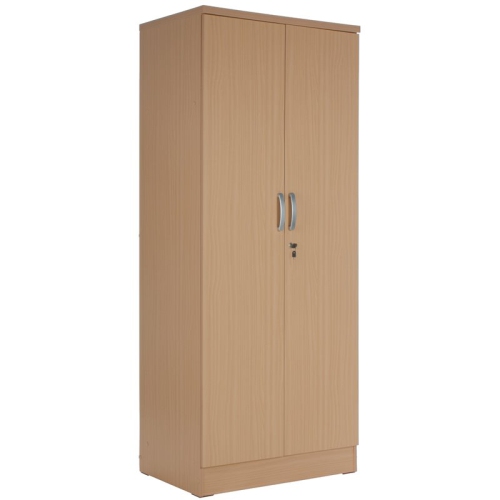
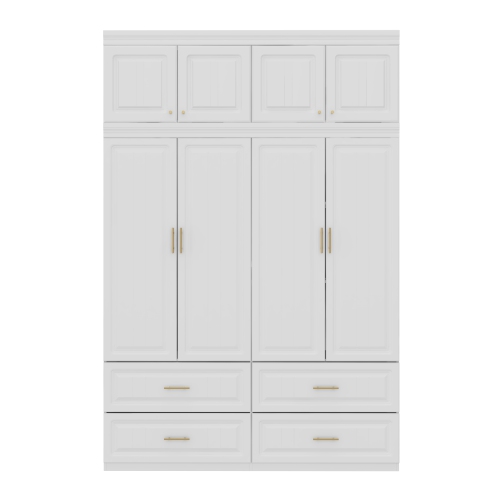
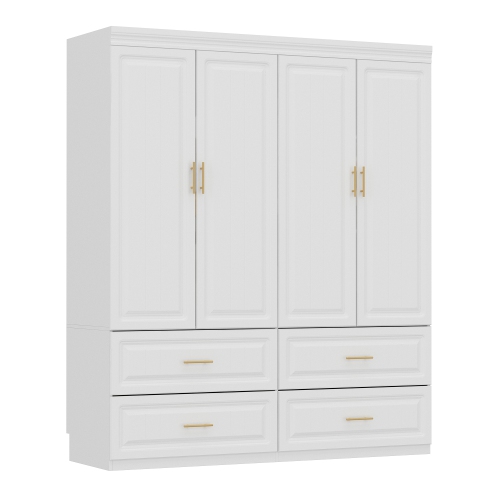
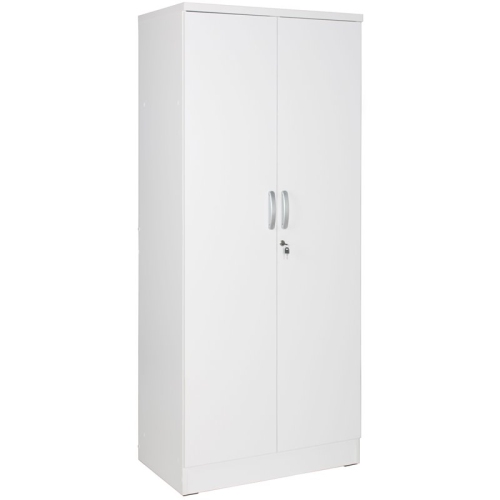
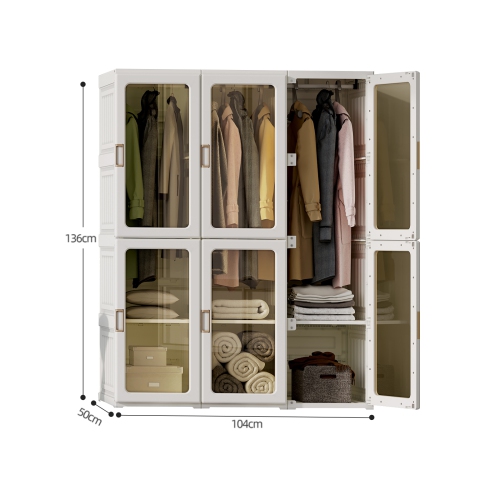
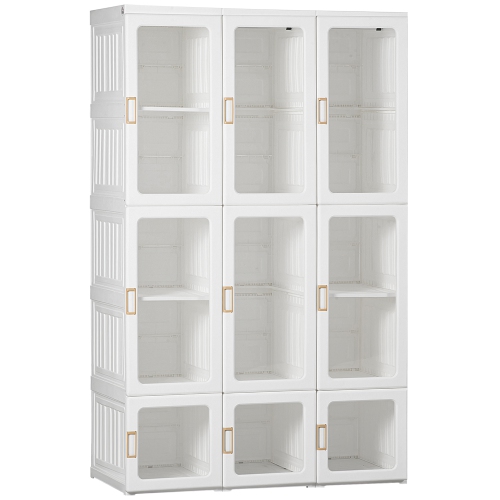
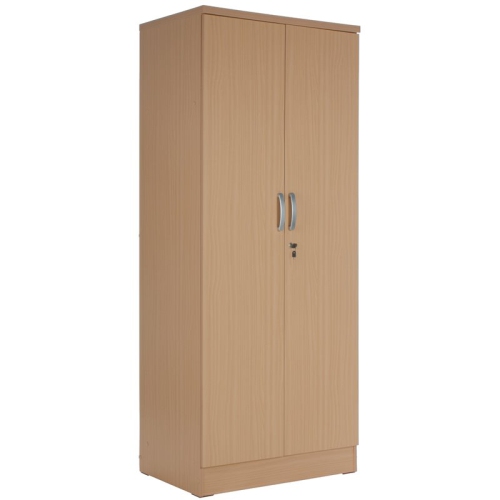
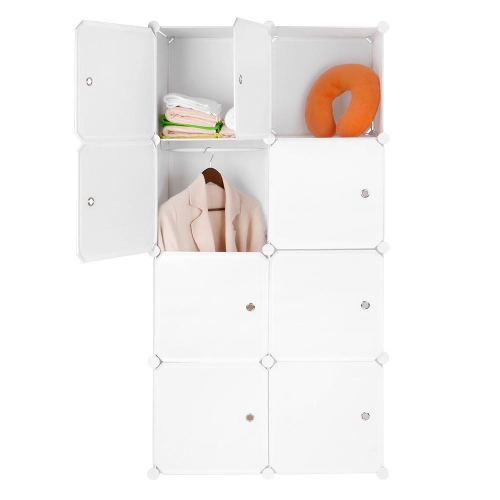
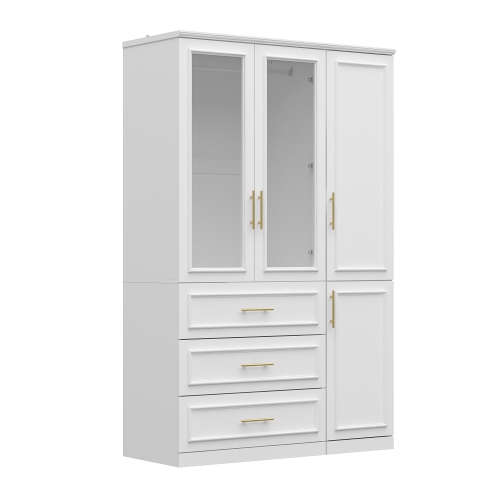
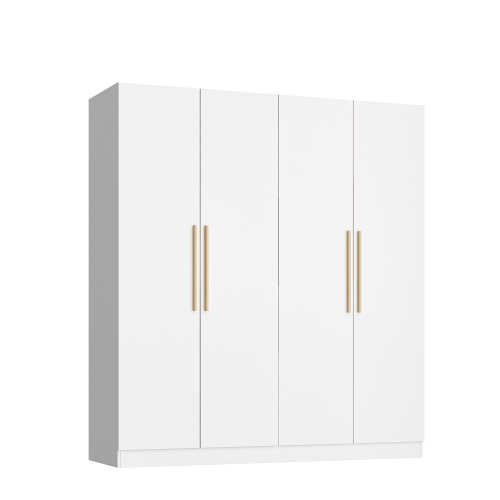
Wardrobes are freestanding clothing storage furniture that bring hanging space, shelving, or drawers to a room without requiring a built-in closet. Often called armoires, they can serve as the main place for clothing in a bedroom, add storage beside an existing closet, or give guests somewhere to unpack. The most useful layout depends on what needs a home: shirts and jackets benefit from hanging rails, longer garments need an uninterrupted hanging section, and knitwear generally sits better folded on shelves than stretched over hangers. A combination of compartments can keep everyday clothing within easy reach while leaving space for bedding, bags, and accessories. Closed wardrobes keep clothing out of sight and help limit dust exposure, creating a more settled appearance in rooms that serve several purposes. Open wardrobe systems leave contents visible and accessible, which can suit a dressing area or a room where outfits are selected at a glance. Portable wardrobes typically combine a lightweight frame with a fabric cover, while modular systems use separate rails, shelves, and drawer units to create a more adaptable arrangement. These formats serve different needs rather than offering a single solution for every home. A renter furnishing a bedroom without a closet may value a self-contained cabinet, while someone sharing a room may need clearly separated storage sections. For bedroom-focused arrangements, Armoire Chambre offers a related category to explore alongside other clothing storage furniture. Style also affects how a wardrobe sits within a room. Plain doors and simple handles can blend with existing furniture, while panelled fronts or a visible wood grain give the piece more presence. Mirrored doors combine storage with a place to check an outfit, although their position matters: a mirror facing a busy doorway will create a different visual effect from one facing a clear stretch of wall.
The outside dimensions of a wardrobe tell only part of the story about how well it will fit. Interior depth needs to accommodate hangers and clothing without sleeves pressing against the doors, and the usable hanging height should match the garments being stored. A cabinet with two short hanging sections makes good use of vertical space for shirts and trousers, but it will not serve the same purpose as a full-length section for dresses. Shelf spacing matters just as much. Closely spaced shelves can separate smaller stacks of clothing, whereas taller openings make room for bags or folded blankets. Adjustable shelves allow the arrangement to change as storage needs change, provided the fittings and stated load limits are followed. Around the cabinet, there needs to be enough room to move comfortably, open doors, and extend drawers. Hinged doors provide broad access to the interior but require clearance in front; sliding doors can work well beside a bed or in a narrow room, though they generally expose only part of the cabinet at once. Baseboards, wall outlets, ceiling height, and nearby doorways can all affect placement. The route into the room is another practical consideration, especially where stairs turn sharply or hallways are narrow. Flat-pack furniture may be easier to move through these spaces, but assembly still calls for enough floor area and, where specified, a second person to lift or position larger panels safely. Tall clothing cabinets should be secured according to the manufacturer’s instructions, using suitable hardware for the wall construction. This is particularly important in homes with children, where shelves and drawers must never become climbing steps. Heavier belongings belong lower down, and hanging rails, shelves, and drawers should stay within their individual weight limits. A well-planned wardrobe makes everyday routines simpler: frequently worn clothing is easy to reach, drawers open without hitting the bed, and longer garments hang freely rather than gathering at the bottom.
Materials and construction influence a wardrobe’s appearance, weight, upkeep, and ability to handle daily use. Solid wood brings natural variations in grain and can be substantial to move; its surface care depends on the finish, and changes in indoor humidity may affect the wood. Engineered wood panels can provide a smooth, consistent surface, often finished with laminate, veneer, or paint. Intact edges and securely fitted hardware matter because doors and drawers put repeated stress on their attachment points. A wood veneer has a real wood surface over a supporting panel, while laminate provides a finished surface whose resistance to scratches and moisture varies by construction. Metal wardrobes and frames offer another approach, with durability influenced by the thickness of the components, the quality of the joints, and the protective finish. Fabric-covered portable wardrobes are useful for lighter-duty clothing storage or temporary arrangements, but their stability and capacity depend on correct assembly and balanced loading. Across all formats, smooth drawer movement, firmly attached handles, properly aligned doors, and a stable frame make a noticeable difference in everyday use. Care is usually straightforward when it follows the material’s requirements: dust with a soft cloth, wipe spills promptly, and avoid soaking panel edges or leaving damp clothing inside. Mirrors need a suitable cleaner applied without allowing liquid to collect along adjoining surfaces, while fabric covers should be cleaned only as directed by their care labels. Hinges and fasteners may need occasional checking, particularly after a move. Good organization also helps protect the contents. Small stacks are easier to lift without disturbing everything around them, shelf dividers can keep folded clothing separated, and a little space between hanging garments makes them easier to remove and return. For a child’s bedroom, lower storage can support independent dressing; for a shared bedroom, separate drawers or hanging zones can reduce confusion. In a guest room, a modest amount of clear hanging and shelf space can be more useful than a cabinet filled edge to edge. The right wardrobe balances those daily habits with the room’s proportions, keeping clothing accessible without making the furniture difficult to live around.
The outside dimensions of a wardrobe tell only part of the story about how well it will fit. Interior depth needs to accommodate hangers and clothing without sleeves pressing against the doors, and the usable hanging height should match the garments being stored. A cabinet with two short hanging sections makes good use of vertical space for shirts and trousers, but it will not serve the same purpose as a full-length section for dresses. Shelf spacing matters just as much. Closely spaced shelves can separate smaller stacks of clothing, whereas taller openings make room for bags or folded blankets. Adjustable shelves allow the arrangement to change as storage needs change, provided the fittings and stated load limits are followed. Around the cabinet, there needs to be enough room to move comfortably, open doors, and extend drawers. Hinged doors provide broad access to the interior but require clearance in front; sliding doors can work well beside a bed or in a narrow room, though they generally expose only part of the cabinet at once. Baseboards, wall outlets, ceiling height, and nearby doorways can all affect placement. The route into the room is another practical consideration, especially where stairs turn sharply or hallways are narrow. Flat-pack furniture may be easier to move through these spaces, but assembly still calls for enough floor area and, where specified, a second person to lift or position larger panels safely. Tall clothing cabinets should be secured according to the manufacturer’s instructions, using suitable hardware for the wall construction. This is particularly important in homes with children, where shelves and drawers must never become climbing steps. Heavier belongings belong lower down, and hanging rails, shelves, and drawers should stay within their individual weight limits. A well-planned wardrobe makes everyday routines simpler: frequently worn clothing is easy to reach, drawers open without hitting the bed, and longer garments hang freely rather than gathering at the bottom.
Materials and construction influence a wardrobe’s appearance, weight, upkeep, and ability to handle daily use. Solid wood brings natural variations in grain and can be substantial to move; its surface care depends on the finish, and changes in indoor humidity may affect the wood. Engineered wood panels can provide a smooth, consistent surface, often finished with laminate, veneer, or paint. Intact edges and securely fitted hardware matter because doors and drawers put repeated stress on their attachment points. A wood veneer has a real wood surface over a supporting panel, while laminate provides a finished surface whose resistance to scratches and moisture varies by construction. Metal wardrobes and frames offer another approach, with durability influenced by the thickness of the components, the quality of the joints, and the protective finish. Fabric-covered portable wardrobes are useful for lighter-duty clothing storage or temporary arrangements, but their stability and capacity depend on correct assembly and balanced loading. Across all formats, smooth drawer movement, firmly attached handles, properly aligned doors, and a stable frame make a noticeable difference in everyday use. Care is usually straightforward when it follows the material’s requirements: dust with a soft cloth, wipe spills promptly, and avoid soaking panel edges or leaving damp clothing inside. Mirrors need a suitable cleaner applied without allowing liquid to collect along adjoining surfaces, while fabric covers should be cleaned only as directed by their care labels. Hinges and fasteners may need occasional checking, particularly after a move. Good organization also helps protect the contents. Small stacks are easier to lift without disturbing everything around them, shelf dividers can keep folded clothing separated, and a little space between hanging garments makes them easier to remove and return. For a child’s bedroom, lower storage can support independent dressing; for a shared bedroom, separate drawers or hanging zones can reduce confusion. In a guest room, a modest amount of clear hanging and shelf space can be more useful than a cabinet filled edge to edge. The right wardrobe balances those daily habits with the room’s proportions, keeping clothing accessible without making the furniture difficult to live around.
Top selling and popular products
-
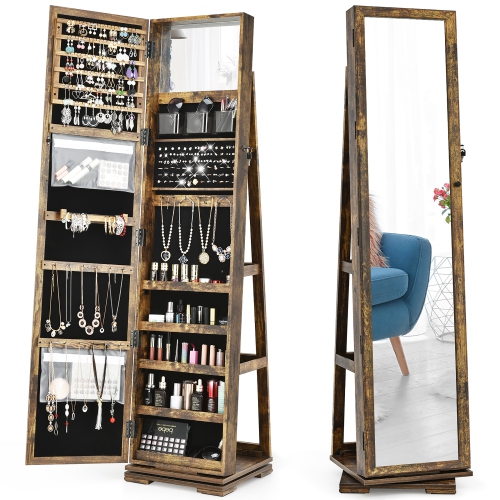 Your price for this item is $224.99
 -
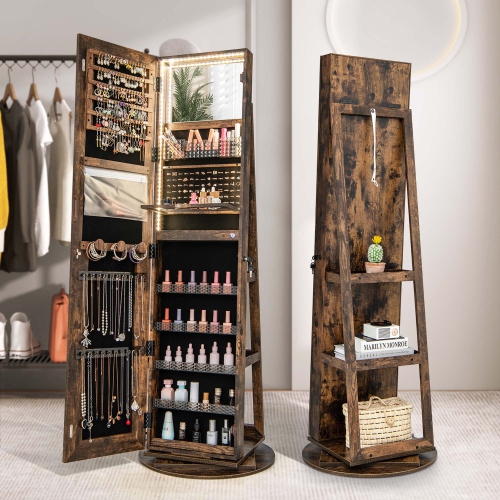 Your price for this item is $289.99
 -
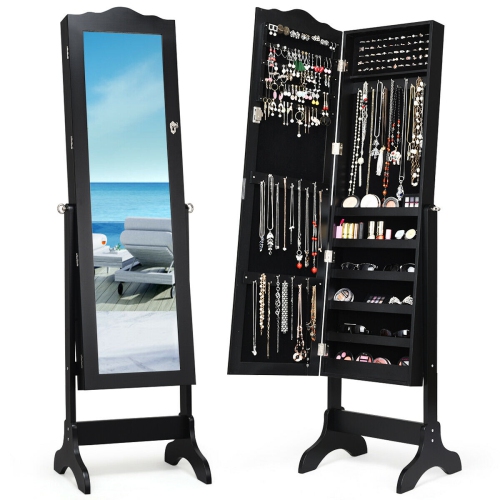 Your price for this item is $169.99
 -
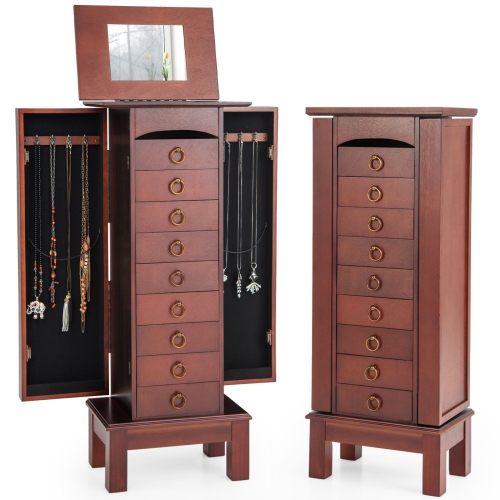 Your price for this item is $199.99
 -
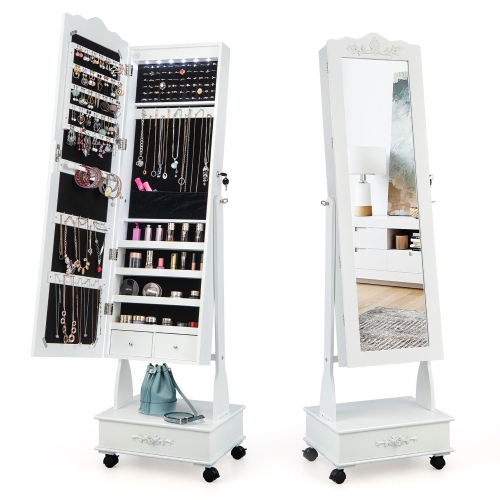 Your price for this item is $189.99
 -
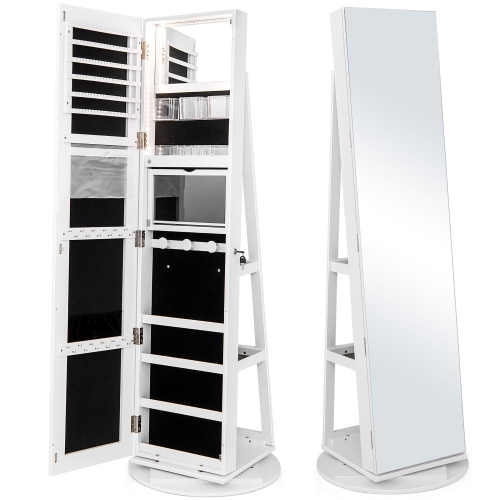 Your price for this item is $199.99
 -
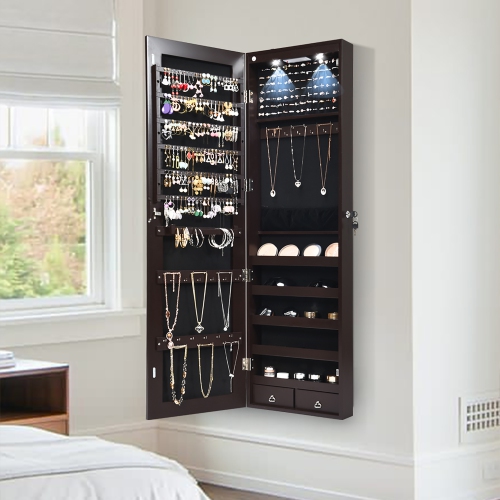 Your price for this item is $169.99
 -
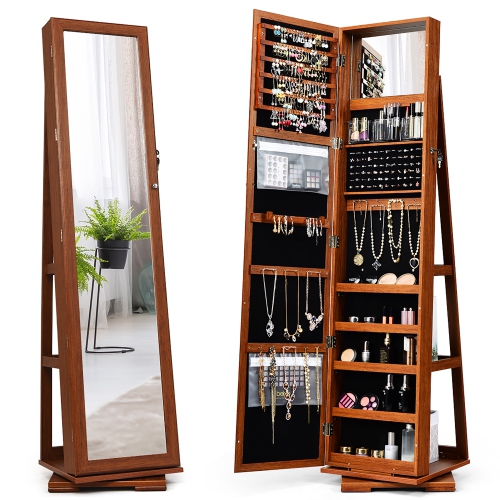 Your price for this item is $229.99
Discover more categories related to Meuble Garde Robe
Top Collections:
Pokemon Centers, Kindle Devices, Best Budget Office Chairs, Apple iPhones 16, Best Laptops for Writers, iPhone 15 Apple, Canon G7X Cameras, Refurbished Apple Laptops, Alarm Clock, Motorola Razr Phones
Some products may be subject to Environmental Handling Fees
(EHF) depending on your province.
Learn more about EHFs.