Refrigerators for RVs
When you're traveling in an RV, the last thing you want to worry about is your refrigerator. You want it to be reliable, functional, and easy to use. And if it's a small unit, you want it to fit easily into the space available. Here are some great options available today.
Sort

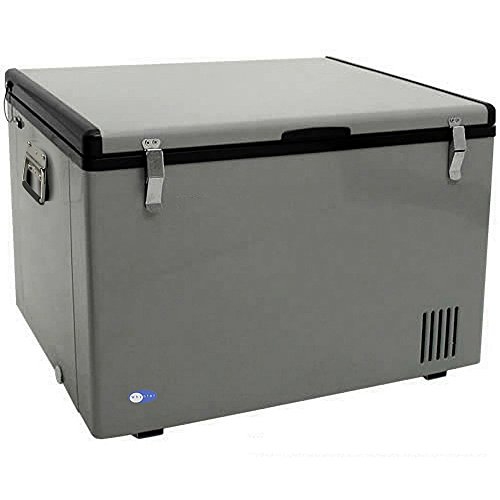
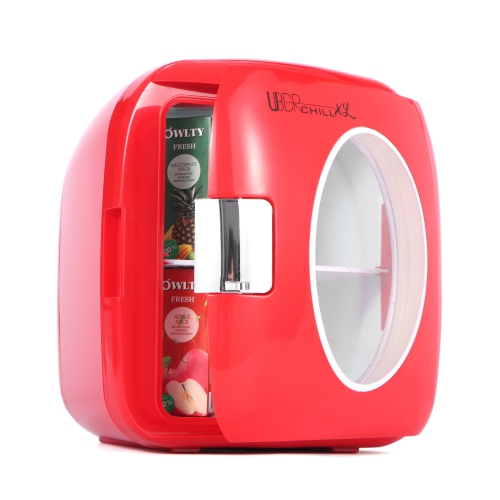
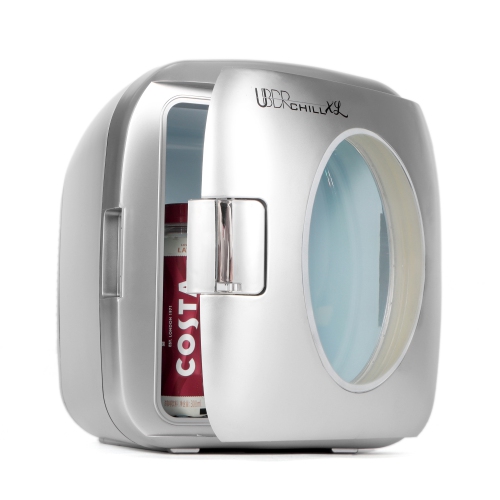
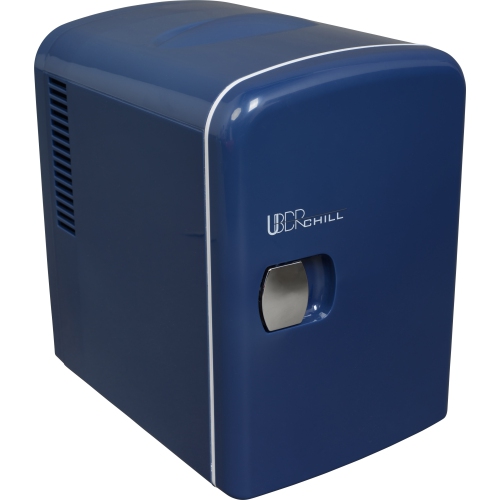
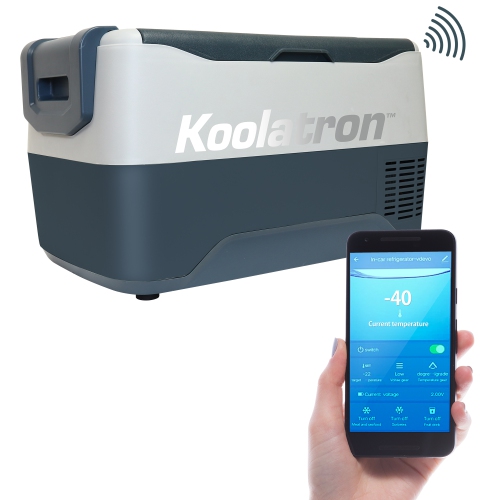
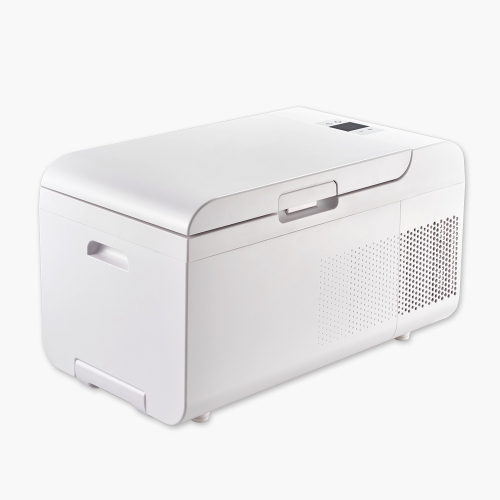
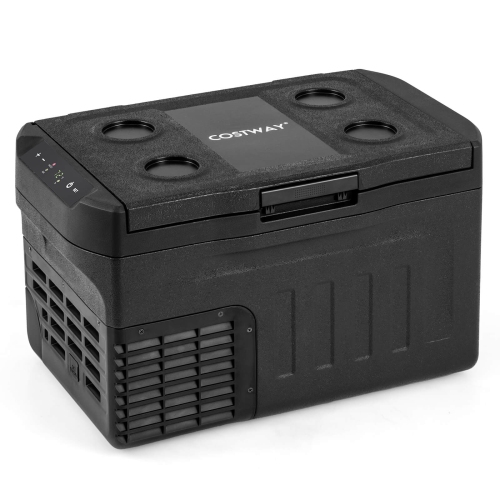
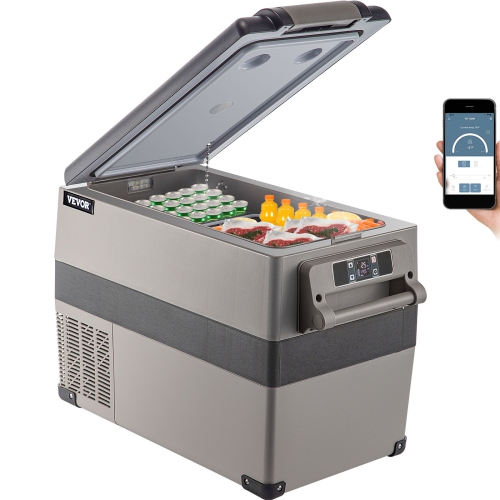

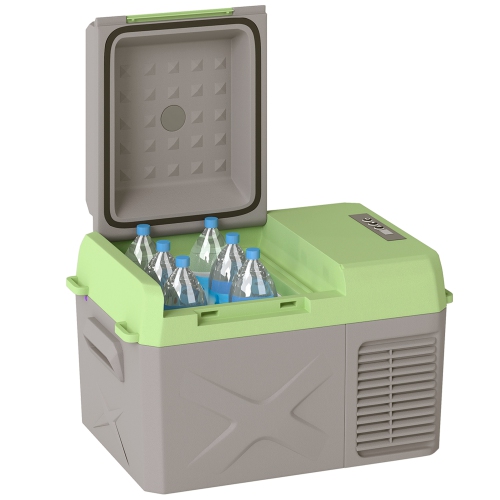
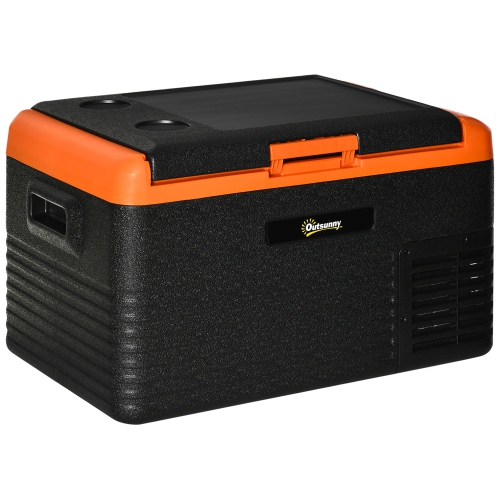
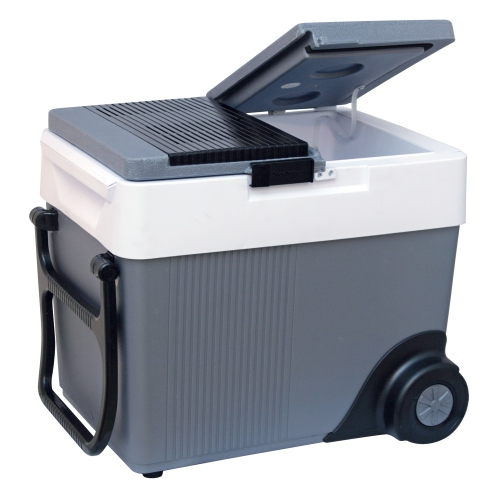
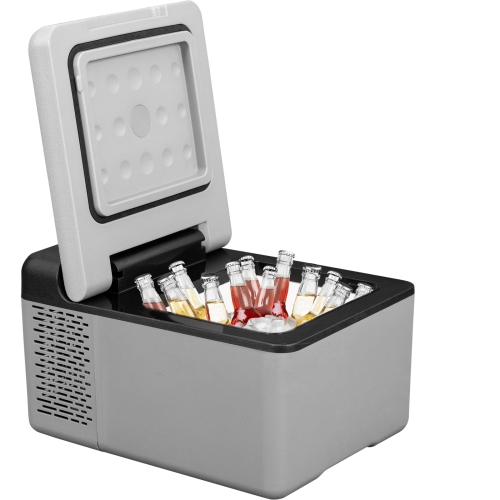

Cooling performance depends on your RV’s power setup
Refrigerators for RVs help make a compact mobile kitchen feel more like home, whether you are spending a weekend at a provincial park, travelling between campsites, or settling into a seasonal site during the cooler months. Unlike a standard household refrigerator, an RV refrigerator is designed to work within the space, power limitations and movement of a recreational vehicle. The right model can keep drinks cold, protect fresh ingredients and give everyone a convenient place for snacks between hikes, boat trips and long stretches of road. When browsing refrigerators for RVs, start by measuring the available opening carefully, including height, width and depth, as well as the surrounding clearance needed for ventilation and door movement. Check the door swing and hinge position against nearby cabinets, countertops and seating areas, since a refrigerator that fits the opening may still be difficult to use if the door cannot open fully. Interior capacity matters as well: a compact unit may suit short trips or a smaller camper, while a larger refrigerator can be helpful for families, extended stays and travellers who prefer to prepare meals at their campsite. Consider the arrangement of shelves, door bins, crisper drawers and freezer space, because usable storage is often more important than the exterior dimensions. Adjustable shelving can make room for tall bottles and containers, while a dedicated freezer compartment is useful for ice packs, frozen meals and ingredients that need to stay solid over several days.
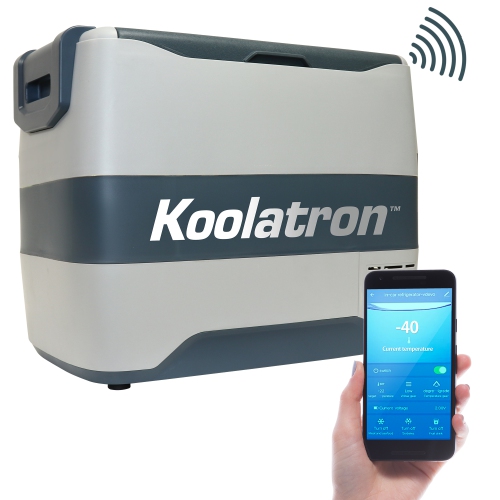
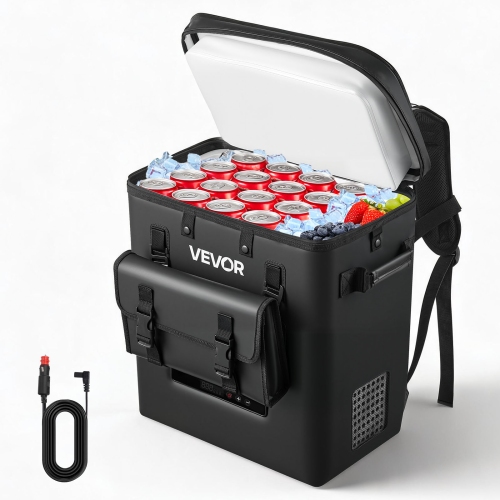
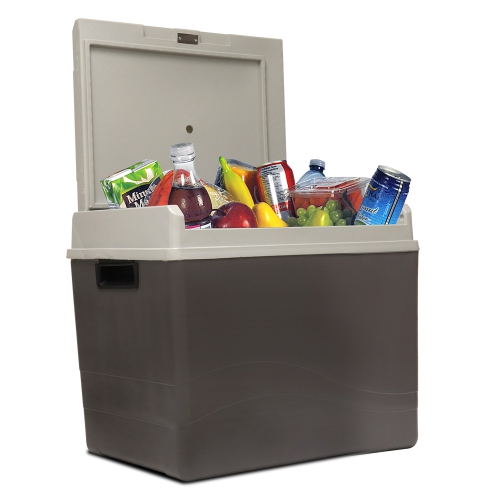
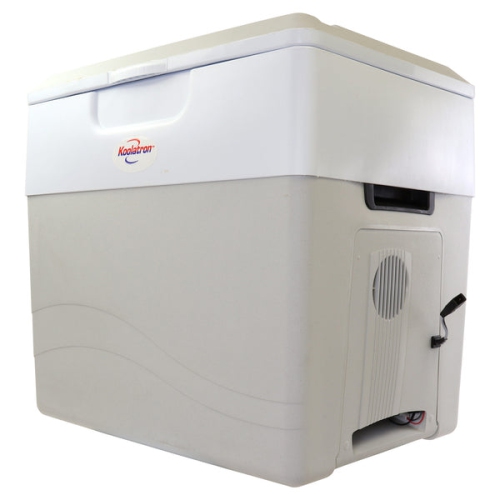
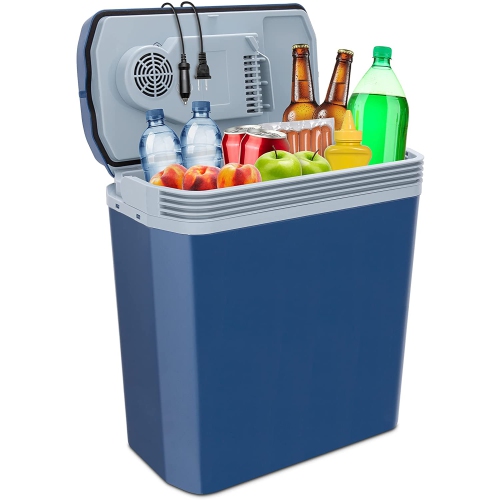
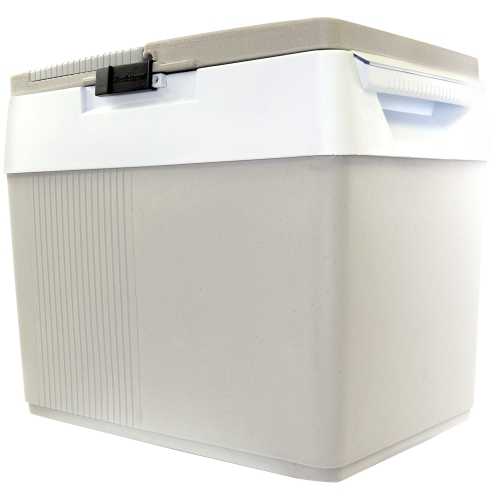
RV refrigerators generally fall into a few main categories, and each one suits a different camping setup. Gas absorption refrigerators can operate using propane or AC electricity, making them a practical choice for RV owners who spend time away from electrical hookups. These models use heat and a chemical cooling process rather than a conventional compressor, and they typically require more time to reach the desired temperature. An absorption refrigerator should be kept level while operating; parking on a noticeably uneven surface can affect performance and may damage the cooling unit over time. Before travelling, many owners turn this type of refrigerator on roughly 8 to 12 hours in advance so the interior and freezer have time to cool properly. A 12V DC compressor refrigerator runs from the RV’s battery system and usually cools more quickly, often reaching a suitable temperature in less than an hour. It does not require the same levelling considerations as an absorption model, which can be useful for quick stops, uneven campsites and travel days with frequent changes in location. The trade-off is that it draws steady power from the coach batteries, so battery capacity, charging equipment and your typical time away from shore power should be considered together. Residential-style refrigerators offer familiar storage layouts and generous capacity, but they operate on AC power and are generally best suited to RVs that regularly connect to shore power or have a suitably sized inverter and battery setup. For smaller spaces or shorter outings, an Electric Coolers for RV can provide an additional way to keep beverages and food chilled without replacing the built-in refrigerator.
Power compatibility is one of the most important details to confirm before choosing a refrigerator for an RV. Look at whether the unit uses 12V DC, standard AC power, propane, or more than one power source, and compare those requirements with the connections already available in your vehicle. A model that can switch between power sources may offer flexibility during travel, at a powered campsite and while parked without hookups. Keep in mind that a compressor model may cool efficiently but still consume battery power continuously, while an AC-only refrigerator may need shore power or an inverter that can handle its startup and running load. Ventilation is equally important, particularly for absorption refrigerators. Exterior vents should remain clear of leaves, dust and other debris so heat can escape as intended, and the installation should follow the manufacturer’s clearance requirements. Good airflow can support reliable operation, while blocked vents or an installation that is too tight may lead to poor cooling. Organizing food with space around vents and cooling surfaces can also help cold air circulate inside the cabinet. These refrigerators are useful for RV owners, van campers and families who want a more dependable food-storage setup on the road, and they can make thoughtful gifts for someone preparing a camper for longer trips. A refrigerator may be especially appreciated by new RV owners furnishing their first vehicle, grandparents planning family getaways, or friends who spend much of the warmer season travelling between campgrounds. Whether the destination is a quiet lakeside site or a busy roadside stop, the best choice balances the available cabinet space, cooling method, power sources, storage needs and camping habits for a convenient refrigerator that feels at home wherever the road leads.
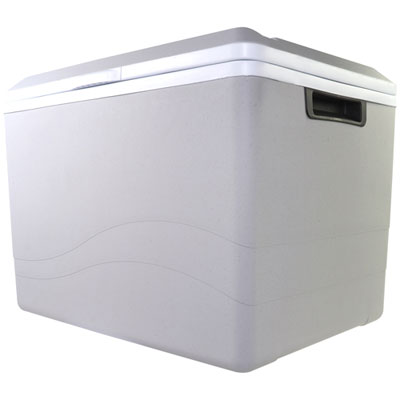
RV refrigerators generally fall into a few main categories, and each one suits a different camping setup. Gas absorption refrigerators can operate using propane or AC electricity, making them a practical choice for RV owners who spend time away from electrical hookups. These models use heat and a chemical cooling process rather than a conventional compressor, and they typically require more time to reach the desired temperature. An absorption refrigerator should be kept level while operating; parking on a noticeably uneven surface can affect performance and may damage the cooling unit over time. Before travelling, many owners turn this type of refrigerator on roughly 8 to 12 hours in advance so the interior and freezer have time to cool properly. A 12V DC compressor refrigerator runs from the RV’s battery system and usually cools more quickly, often reaching a suitable temperature in less than an hour. It does not require the same levelling considerations as an absorption model, which can be useful for quick stops, uneven campsites and travel days with frequent changes in location. The trade-off is that it draws steady power from the coach batteries, so battery capacity, charging equipment and your typical time away from shore power should be considered together. Residential-style refrigerators offer familiar storage layouts and generous capacity, but they operate on AC power and are generally best suited to RVs that regularly connect to shore power or have a suitably sized inverter and battery setup. For smaller spaces or shorter outings, an Electric Coolers for RV can provide an additional way to keep beverages and food chilled without replacing the built-in refrigerator.
Power compatibility is one of the most important details to confirm before choosing a refrigerator for an RV. Look at whether the unit uses 12V DC, standard AC power, propane, or more than one power source, and compare those requirements with the connections already available in your vehicle. A model that can switch between power sources may offer flexibility during travel, at a powered campsite and while parked without hookups. Keep in mind that a compressor model may cool efficiently but still consume battery power continuously, while an AC-only refrigerator may need shore power or an inverter that can handle its startup and running load. Ventilation is equally important, particularly for absorption refrigerators. Exterior vents should remain clear of leaves, dust and other debris so heat can escape as intended, and the installation should follow the manufacturer’s clearance requirements. Good airflow can support reliable operation, while blocked vents or an installation that is too tight may lead to poor cooling. Organizing food with space around vents and cooling surfaces can also help cold air circulate inside the cabinet. These refrigerators are useful for RV owners, van campers and families who want a more dependable food-storage setup on the road, and they can make thoughtful gifts for someone preparing a camper for longer trips. A refrigerator may be especially appreciated by new RV owners furnishing their first vehicle, grandparents planning family getaways, or friends who spend much of the warmer season travelling between campgrounds. Whether the destination is a quiet lakeside site or a busy roadside stop, the best choice balances the available cabinet space, cooling method, power sources, storage needs and camping habits for a convenient refrigerator that feels at home wherever the road leads.
Top selling and popular products
-
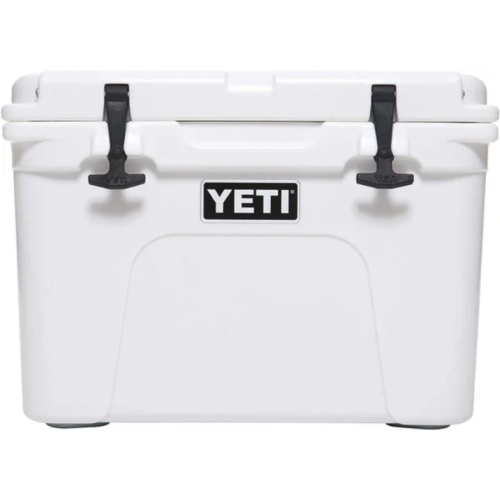 Your price for this item is $388.9
 -
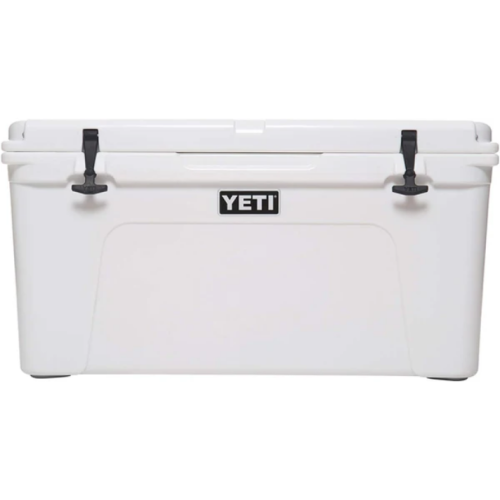 Your price for this item is $618.9
 -
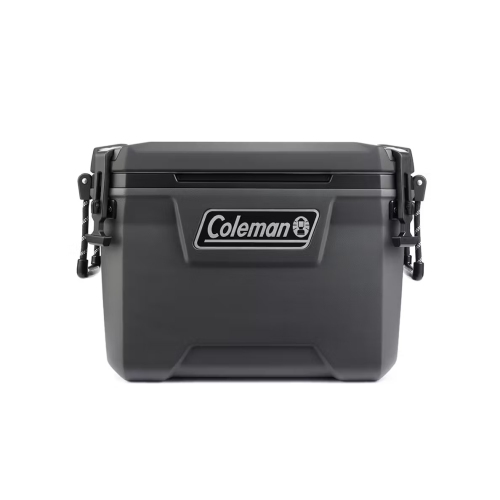 Your price for this item is $249.99
 -
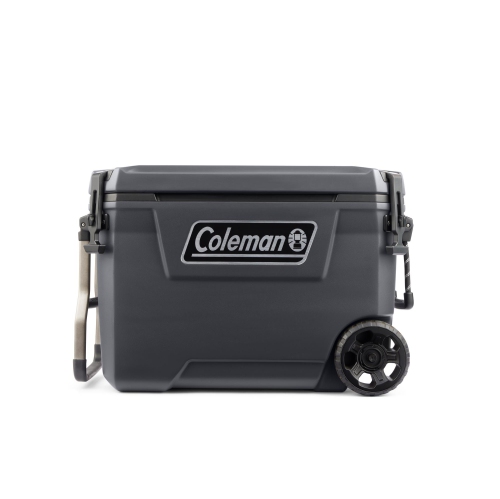 Your price for this item is $379.99
 -
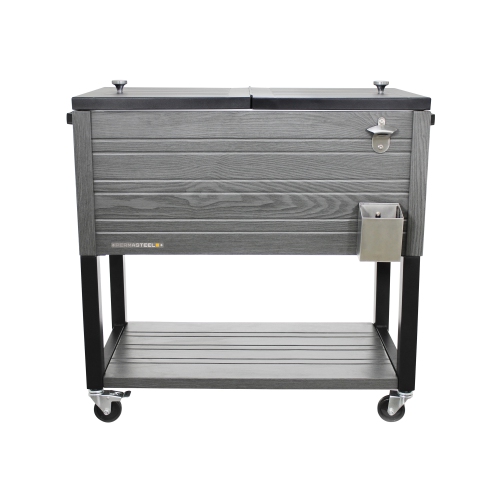 Your price for this item is $379.99
 -
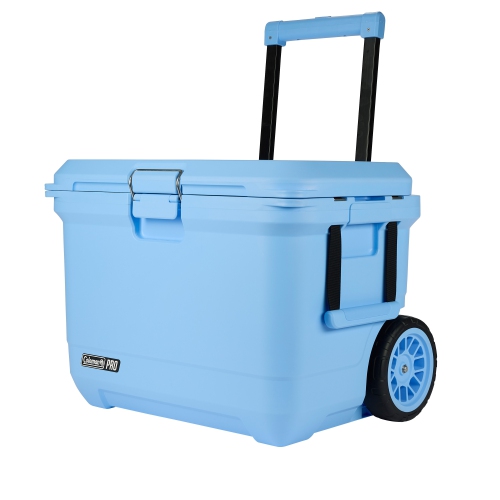 Your price for this item is $374.99
 -
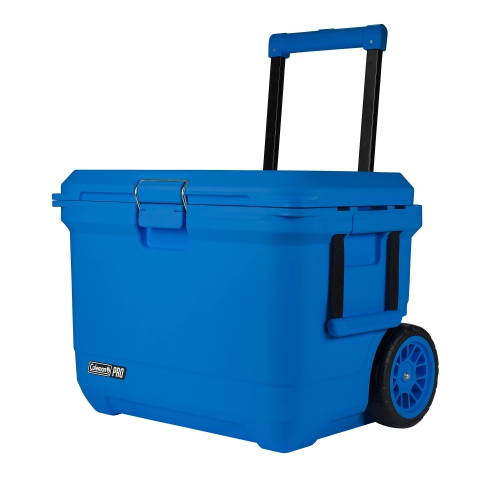 Your price for this item is $374.99
 -
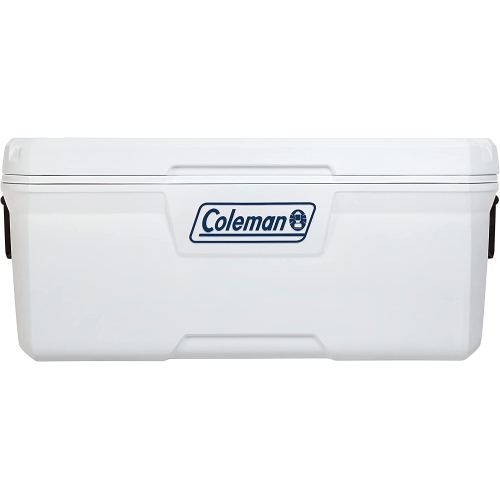 Your price for this item is $202.99
Discover more categories related to Refrigerators for RVs

Top Collections:
Pokemon Centers, Kindle Devices, Best Budget Office Chairs, Apple iPhones 16, Best Laptops for Writers, iPhone 15 Apple, Canon G7X Cameras, Refurbished Apple Laptops, Alarm Clock, Motorola Razr Phones
Some products may be subject to Environmental Handling Fees
(EHF) depending on your province.
Learn more about EHFs.