Back To School High Capacity Power Banks
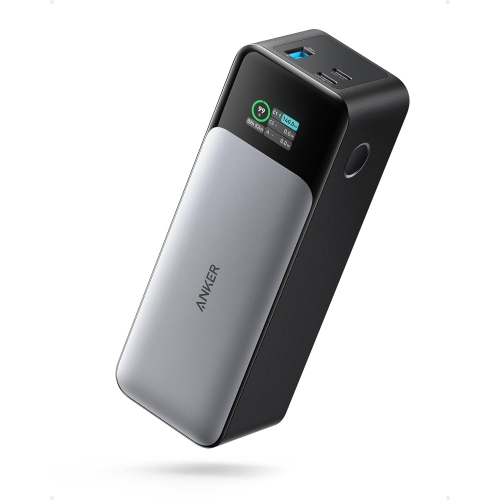
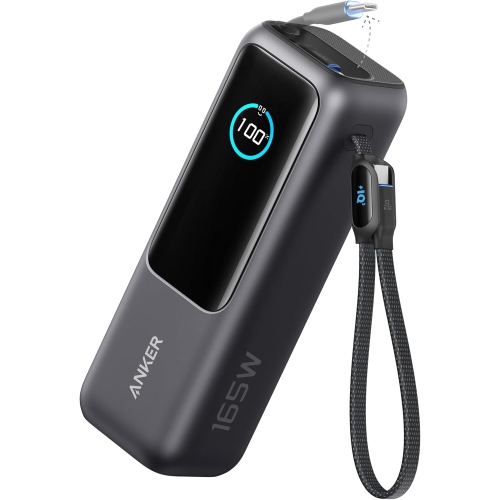
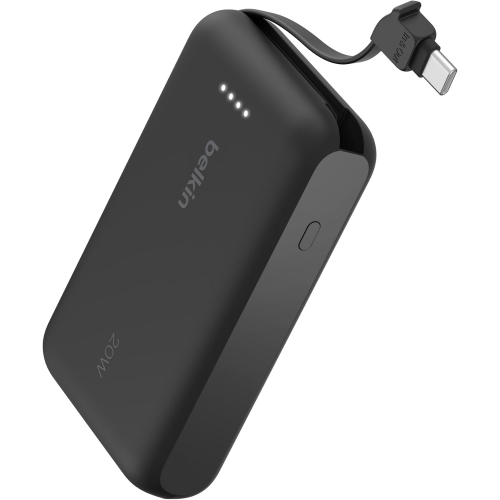
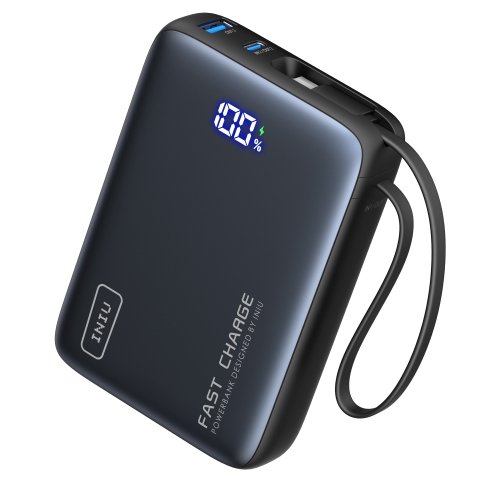
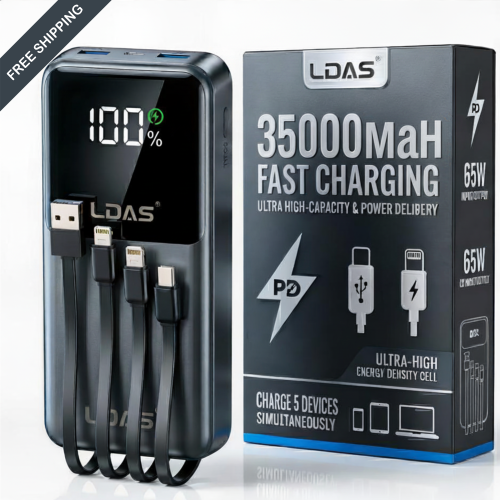
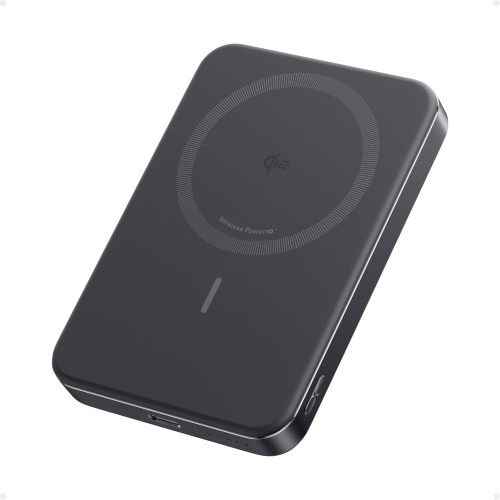
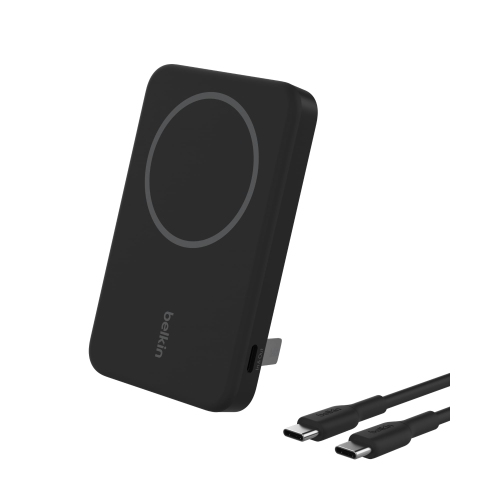
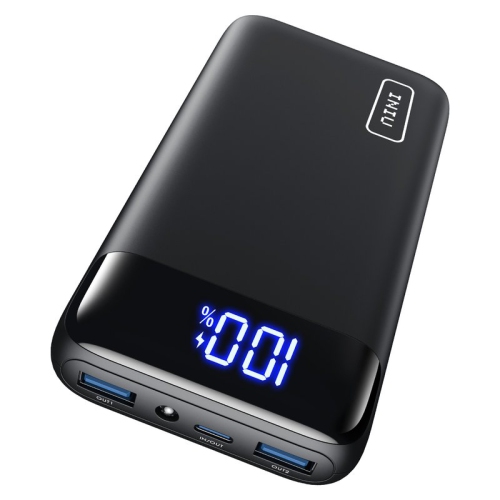
Back-to-school high-capacity power banks help keep phones, tablets, and other compatible devices charged through classes, study sessions, and commutes. Compare portable chargers by battery capacity, size, charging speed, and port options to find one that fits your backpack and daily routine. For laptop charging, check that the power bank’s output and connections meet your device’s requirements.





FAQ
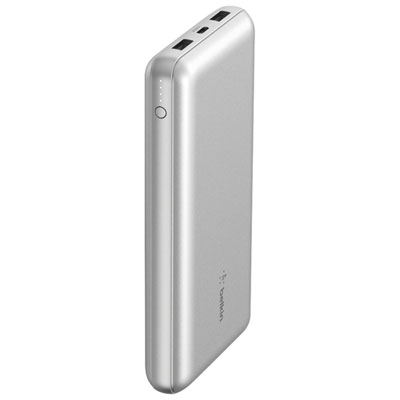
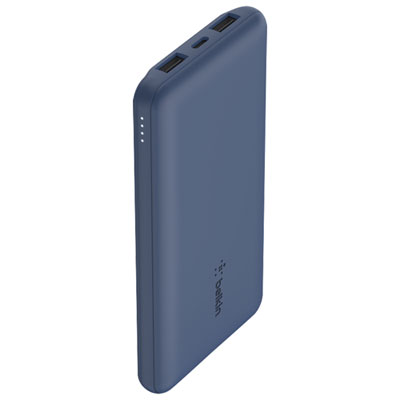
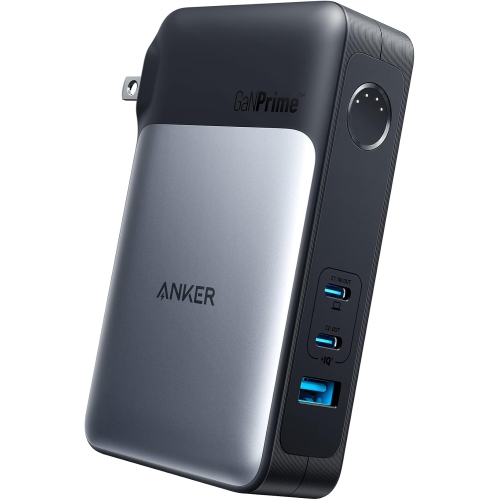
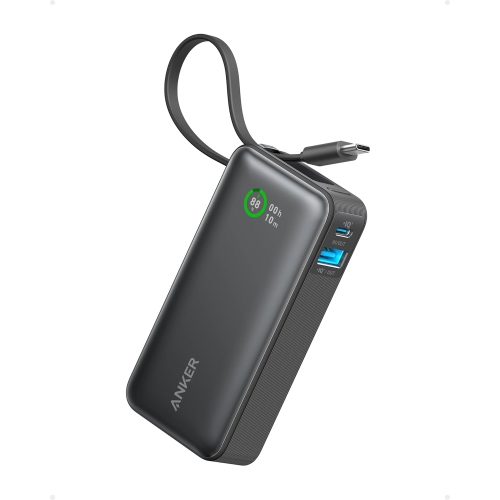
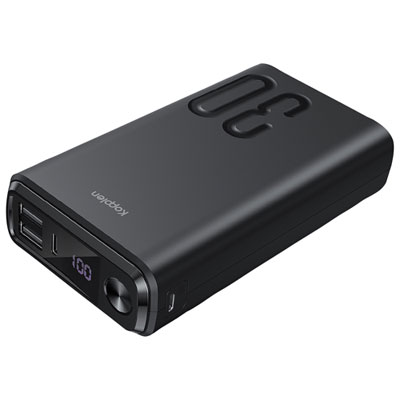
Common connections include USB-C and USB-A. USB-C ports may support input, output, or both, while USB-A ports typically provide output for connected devices. Check the port labels and specifications to understand each connection.
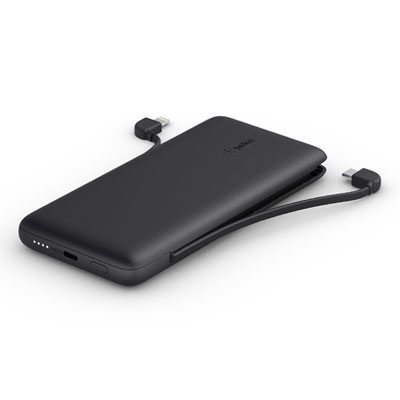
The cable needs to match both the power bank’s output port and your device’s charging connector. Common options include USB-C to USB-C, USB-A to USB-C, and cables with a Lightning connector for compatible Apple devices. Cable requirements vary by device.
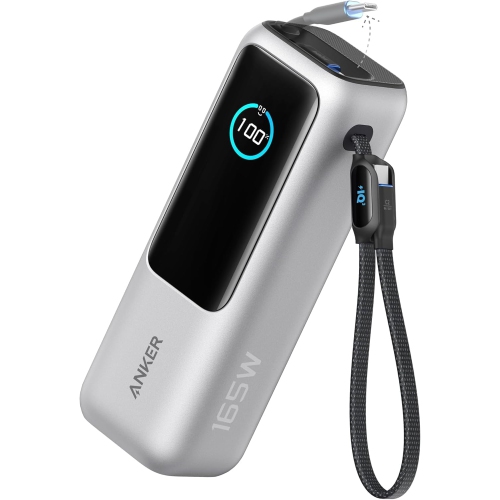
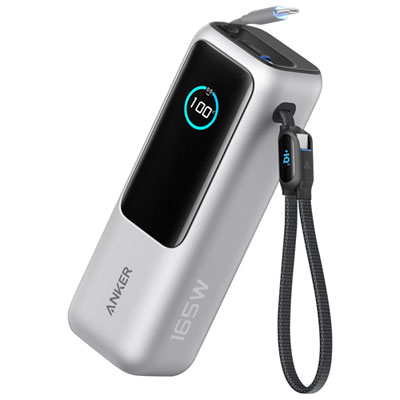
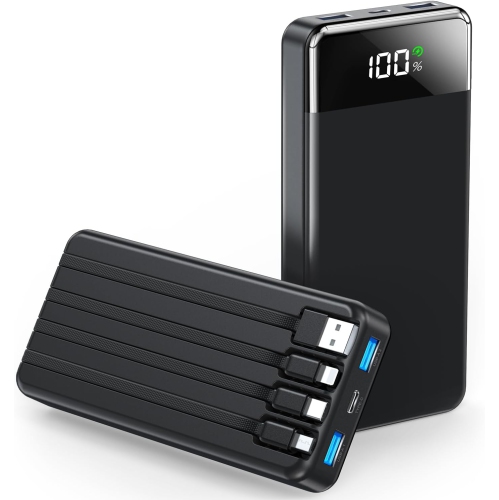
LED lights generally show approximate remaining charge, while a digital display may show a battery percentage. Some models also display input or output information and charging status. The included documentation explains what each indicator represents.
Wired power banks connect to devices through a charging cable. Wireless models include a charging surface for devices that support a compatible wireless charging standard, such as Qi or Qi2. Some offer both connection methods; magnetic attachment depends on the phone, case, and power bank.
Pass-through charging lets a power bank receive power from a wall charger while supplying power to a connected device. This feature is not included on every model, and supported ports and operating requirements vary. Look for an explicit mention of pass-through charging in the specifications.
Top selling and popular products
Discover more categories related to Back To School High Capacity Power Banks
Some products may be subject to Environmental Handling Fees (EHF) depending on your province. Learn more about EHFs.