Mp 3 Players for Car Use
Enjoy your favorite music on the road with mp3 players for car use, designed to keep your playlists accessible wherever you drive. Whether you're commuting, heading out on a road trip, or simply running errands, these devices make it easy to bring your digital music collection along for the ride. Explore a wide selection of mp3 players for car use and discover convenient options that help you create the perfect soundtrack for every journey.
Sort
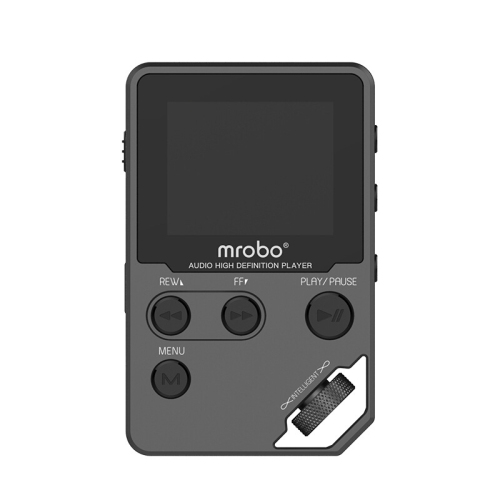
![GREEN SCENIC Handheld Mp3 Player – Drag-And-Drop Music Playback, Fm Radio, E-Book Reading, Essential for Running [Iron 32GB (Bluetooth)] In Gray](https://multimedia.bbycastatic.ca/multimedia/products/500x500/192/19286/19286340.jpeg)
![GREEN SCENIC Ultra-Long Battery Life Mp3 Player – 1.8-Inch Screen, Supports Tf Card, 30 Hours Of Playback, Hifi Sound Quality [Iron 64GB (Bluetooth)]](https://multimedia.bbycastatic.ca/multimedia/products/500x500/192/19286/19286341.jpeg)

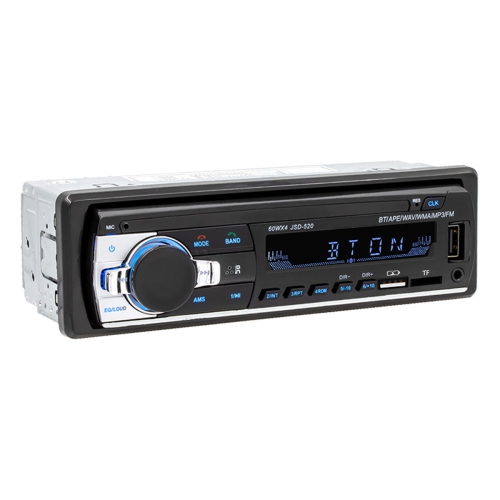
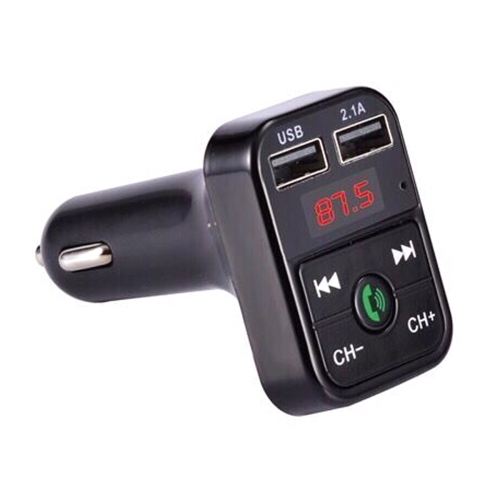
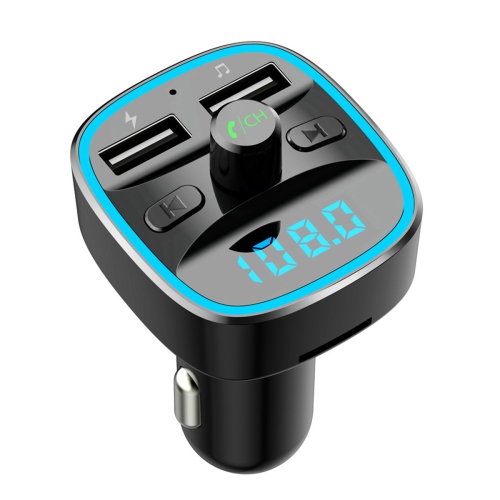
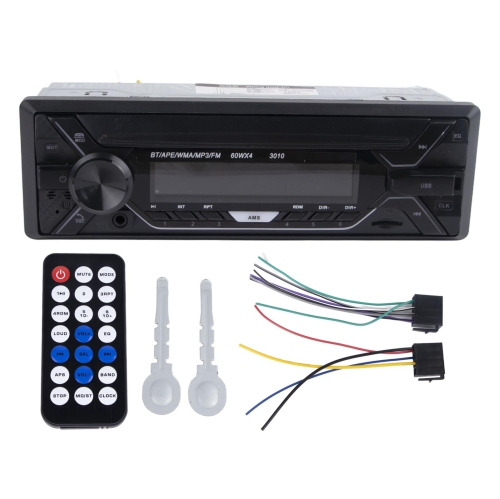
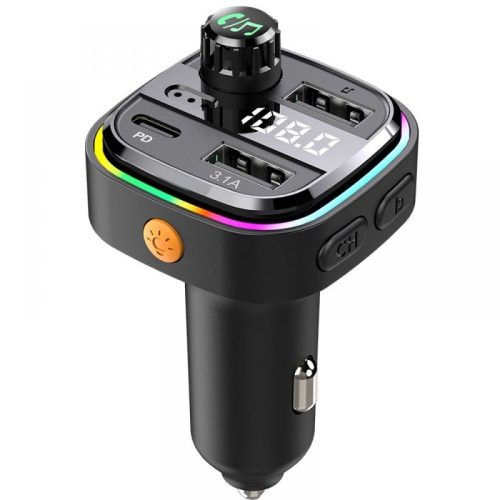
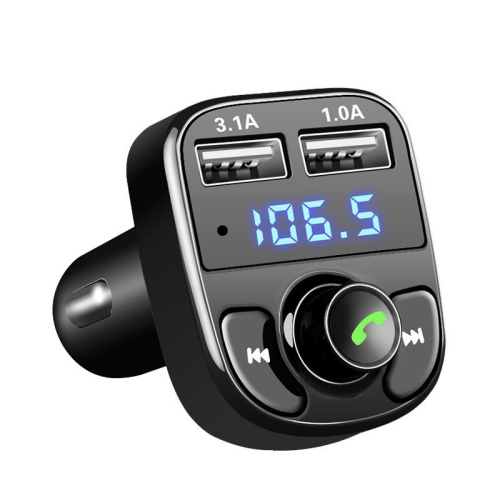
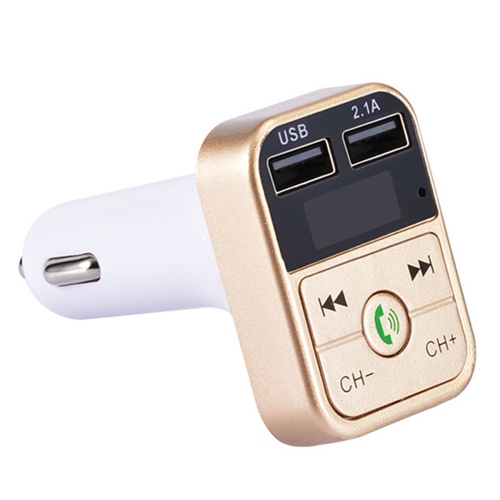
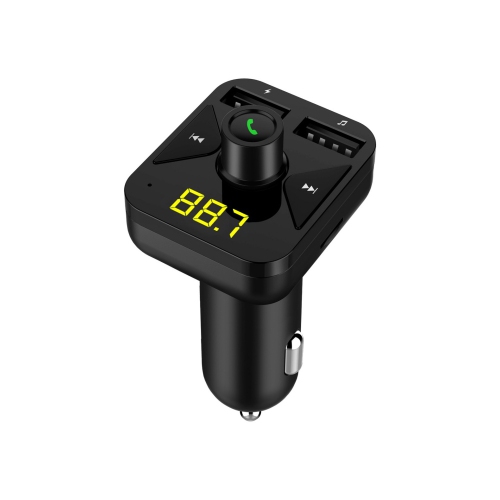
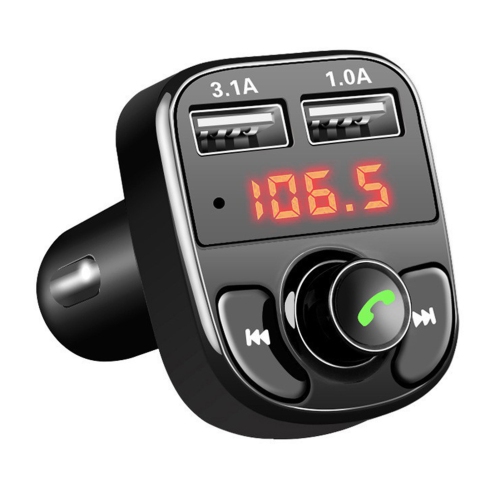
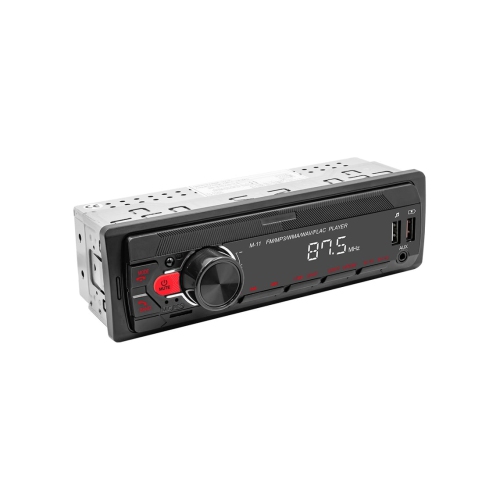
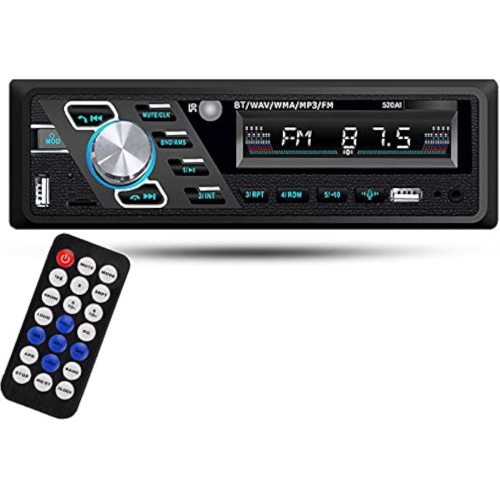

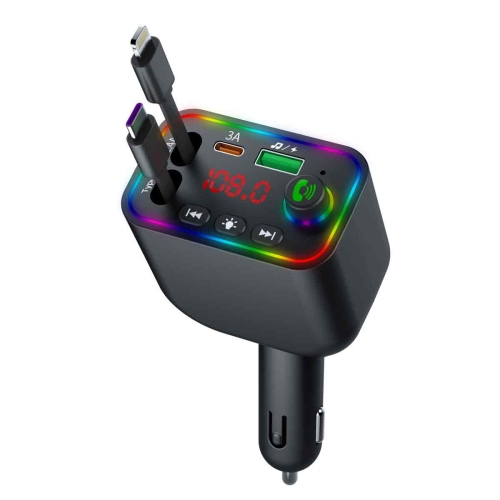
Your music library and the connections that matter
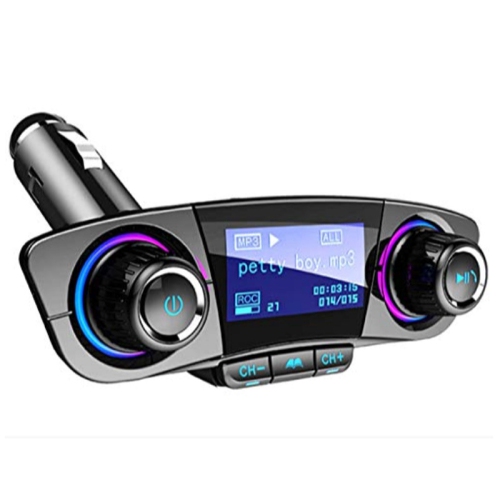
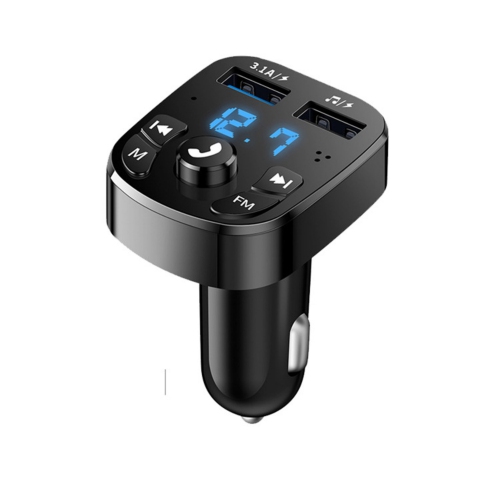
MP3 players for car use bring a personal music library to everyday drives, whether that means familiar albums on the commute, a passenger’s playlist on a weekend trip, or downloaded podcasts along a route with patchy mobile reception. The category includes portable digital audio players, in-dash receivers that support MP3 playback, and plug-in FM transmitters with compatible music playback features. Each serves a different purpose: a portable player moves easily between the vehicle and home, an in-dash receiver becomes part of the dashboard, and an FM transmitter sends audio to an existing car radio over a matching FM frequency. For vehicles with a 3.5 mm auxiliary input, a portable player with a headphone or line output can supply sound through an AUX cable. Bluetooth playback requires both the player and the car stereo to support a compatible audio connection; Bluetooth on a player does not automatically mean it can send music to every receiver. Some transmitters accept a USB flash drive or memory card containing MP3 files, while others primarily stream audio from a paired device, so their playback functions matter as much as the connection type. This variety makes car MP3 players relevant to drivers keeping an older stereo in service, households sharing music without passing around a phone, and listeners who prefer a dedicated device for downloaded audio. Locally stored files can play without mobile data, provided the content does not require an online service to authorise playback. A small player tucked into a suitable storage compartment can hold the soundtrack for a long drive without taking over the dashboard, while a receiver with straightforward physical controls offers a more integrated setup. The most useful arrangement depends on the vehicle’s existing inputs, the listener’s music collection, and whether the player needs to travel beyond the car.
Compatibility shapes the everyday experience more than a long list of features. A car stereo’s USB port may support charging, music playback from a flash drive, or a particular device connection, and those functions are not interchangeable. A portable MP3 player connected by USB may charge successfully without making its music library accessible through the stereo. Where USB or memory card playback is supported, the receiver’s accepted file formats, storage capacity limits, and required file system determine which libraries it can read. MP3 is widely supported, but AAC, WMA, FLAC, and other formats need separate confirmation, and downloads saved inside a subscription app are not necessarily transferable audio files. For a listener with hundreds of albums, expandable storage can be useful, although a clearly organised folder structure and readable track names can make a bigger difference during daily use than capacity alone. Audiobook and podcast listeners may value resume playback, especially when a journey ends halfway through a chapter; that feature varies by device and may behave differently after power is disconnected. In-dash receivers also need to fit the vehicle’s dashboard opening and electrical connections. Single-DIN and double-DIN sizes describe common receiver formats, but a suitable dash kit, wiring harness, antenna adapter, or steering-wheel control interface may still be required. Factory cameras, amplifiers, and other integrated functions can add installation requirements. Plug-in transmitters avoid replacing the stereo, though the position of the vehicle’s power socket affects access and clearance around cup holders or the gear selector. An FM connection can be convenient in a car without AUX or Bluetooth audio, but reception may change as nearby stations become stronger along the route. A direct AUX connection avoids that particular source of interference, while Bluetooth reduces cable clutter when supported. For households that still carry albums on disc, Best CD Players for Car covers a related way to enjoy a physical music collection on the road. Disc playback and MP3 playback can overlap on compatible receivers, although support for audio CDs does not guarantee support for discs containing MP3 files.
Physical design matters in a vehicle, where loose cables, shifting bags, and changing temperatures are part of normal use. Portable players commonly use lightweight plastic or metal housings, with different trade-offs in weight, feel, and resistance to everyday scuffs. A protective case can help limit surface wear, but it does not make a device waterproof or safe to leave in a very hot or cold car. During the cooler months, bringing a battery-powered player indoors helps avoid prolonged exposure to low temperatures; operation and charging should stay within the manufacturer’s specified temperature range. A soft, dry cloth is generally suitable for wiping the exterior, while ports and memory card slots need protection from spilled drinks, crumbs, and moisture. Cable length deserves attention, too. A lead should reach the chosen storage position without pulling on the socket, yet remain clear of pedals, steering controls, and the gear selector. Durable connectors and strain relief can help cables withstand repeated handling, particularly when a player is taken out of the vehicle after every trip. For longer journeys, battery life and supported charging methods affect how practical a portable player will be, and some devices have restrictions on playback while charging. Large, legible displays, tactile buttons, and predictable controls are useful when setting up music before departure, but even a simple player can distract from driving. Playlists, volume, and connections are best arranged while parked, with later adjustments left to a passenger or made after stopping safely. An AUX-connected player may also need its output level balanced with the stereo to avoid weak sound or distortion. As a gift, a dedicated music player can suit a frequent commuter, a road-trip enthusiast, or someone who enjoys keeping a carefully chosen album collection separate from their phone. Matching it to the recipient’s car inputs and preferred way of managing music makes it more personal and practical. Whether the routine is a short drive across town or several hours on the highway, dependable connections, accessible music, and a tidy setup help keep listening comfortable and uncomplicated.
Compatibility shapes the everyday experience more than a long list of features. A car stereo’s USB port may support charging, music playback from a flash drive, or a particular device connection, and those functions are not interchangeable. A portable MP3 player connected by USB may charge successfully without making its music library accessible through the stereo. Where USB or memory card playback is supported, the receiver’s accepted file formats, storage capacity limits, and required file system determine which libraries it can read. MP3 is widely supported, but AAC, WMA, FLAC, and other formats need separate confirmation, and downloads saved inside a subscription app are not necessarily transferable audio files. For a listener with hundreds of albums, expandable storage can be useful, although a clearly organised folder structure and readable track names can make a bigger difference during daily use than capacity alone. Audiobook and podcast listeners may value resume playback, especially when a journey ends halfway through a chapter; that feature varies by device and may behave differently after power is disconnected. In-dash receivers also need to fit the vehicle’s dashboard opening and electrical connections. Single-DIN and double-DIN sizes describe common receiver formats, but a suitable dash kit, wiring harness, antenna adapter, or steering-wheel control interface may still be required. Factory cameras, amplifiers, and other integrated functions can add installation requirements. Plug-in transmitters avoid replacing the stereo, though the position of the vehicle’s power socket affects access and clearance around cup holders or the gear selector. An FM connection can be convenient in a car without AUX or Bluetooth audio, but reception may change as nearby stations become stronger along the route. A direct AUX connection avoids that particular source of interference, while Bluetooth reduces cable clutter when supported. For households that still carry albums on disc, Best CD Players for Car covers a related way to enjoy a physical music collection on the road. Disc playback and MP3 playback can overlap on compatible receivers, although support for audio CDs does not guarantee support for discs containing MP3 files.
Physical design matters in a vehicle, where loose cables, shifting bags, and changing temperatures are part of normal use. Portable players commonly use lightweight plastic or metal housings, with different trade-offs in weight, feel, and resistance to everyday scuffs. A protective case can help limit surface wear, but it does not make a device waterproof or safe to leave in a very hot or cold car. During the cooler months, bringing a battery-powered player indoors helps avoid prolonged exposure to low temperatures; operation and charging should stay within the manufacturer’s specified temperature range. A soft, dry cloth is generally suitable for wiping the exterior, while ports and memory card slots need protection from spilled drinks, crumbs, and moisture. Cable length deserves attention, too. A lead should reach the chosen storage position without pulling on the socket, yet remain clear of pedals, steering controls, and the gear selector. Durable connectors and strain relief can help cables withstand repeated handling, particularly when a player is taken out of the vehicle after every trip. For longer journeys, battery life and supported charging methods affect how practical a portable player will be, and some devices have restrictions on playback while charging. Large, legible displays, tactile buttons, and predictable controls are useful when setting up music before departure, but even a simple player can distract from driving. Playlists, volume, and connections are best arranged while parked, with later adjustments left to a passenger or made after stopping safely. An AUX-connected player may also need its output level balanced with the stereo to avoid weak sound or distortion. As a gift, a dedicated music player can suit a frequent commuter, a road-trip enthusiast, or someone who enjoys keeping a carefully chosen album collection separate from their phone. Matching it to the recipient’s car inputs and preferred way of managing music makes it more personal and practical. Whether the routine is a short drive across town or several hours on the highway, dependable connections, accessible music, and a tidy setup help keep listening comfortable and uncomplicated.
Top selling and popular products
-
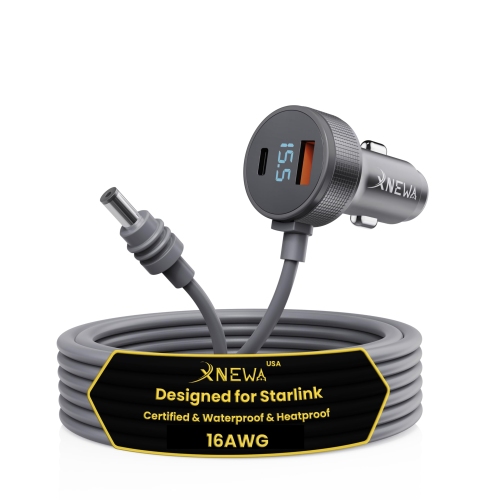 Your price for this item is $83.55
 -
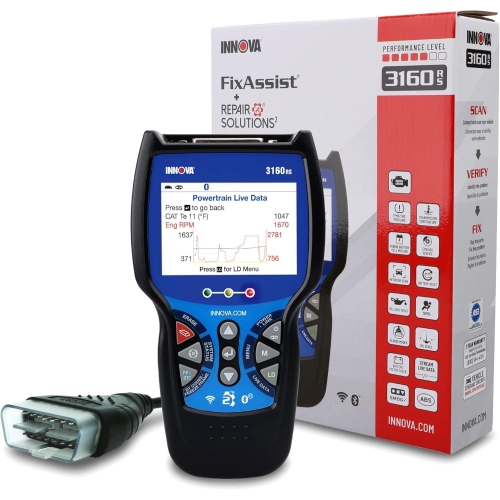 Your price for this item is $407.55
 -
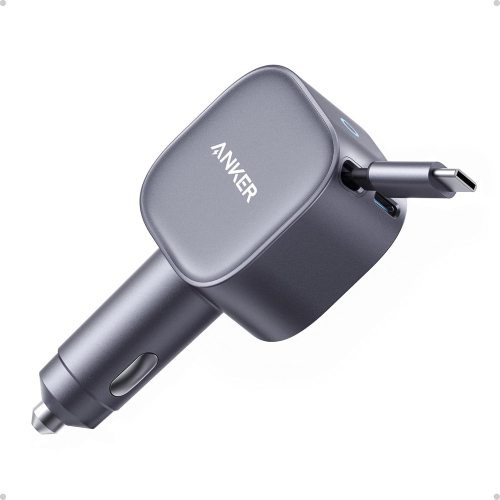 Your price for this item is $61
 -
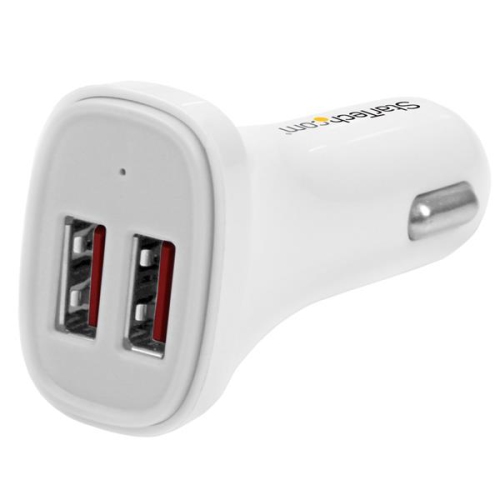 Your price for this item is $31.99
 -
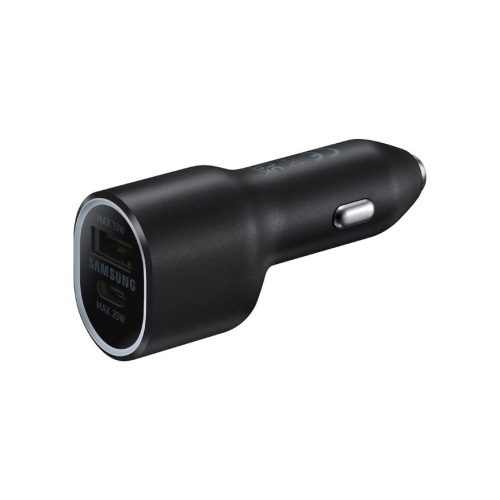 Your price for this item is $52.99
 -
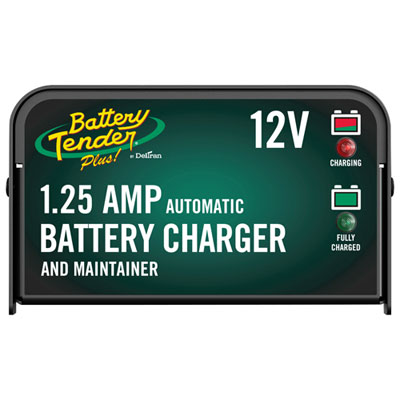 Your price for this item is $79.99
 -
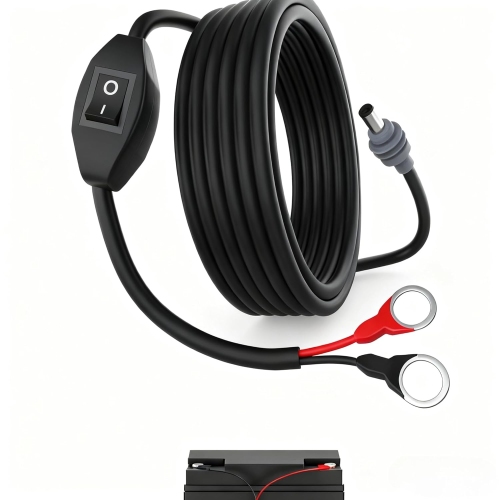 Your price for this item is $29.95
 -
 Your price for this item is $142.94
Discover more categories related to Mp 3 Players for Car Use

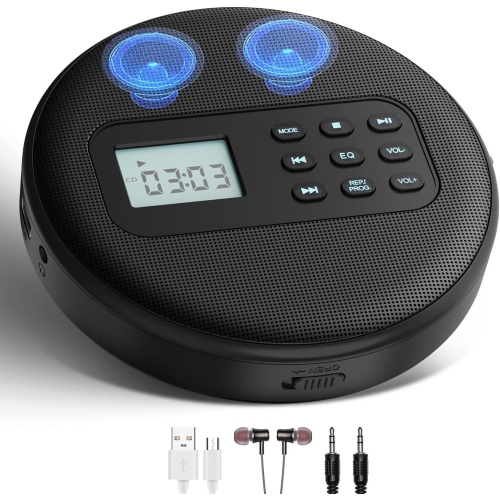
Top Collections:
Pokemon Centers, Kindle Devices, Apple iPhones 16, Canon G7X Cameras, iPhone 15 Apple, Alarm Clock, Flip Phones, Refurbished Apple Laptops, iPhone 14 256GB, Lightweight On-Ear USB-C Headphones
Some products may be subject to Environmental Handling Fees
(EHF) depending on your province.
Learn more about EHFs.