Samsung Galaxy S23 5G
Discover the latest in mobile innovation with the Samsung Galaxy S23 5G, designed to elevate your everyday experience. Explore a wide selection of models and colors, each crafted to keep you connected and productive on the go. Whether upgrading your current device or searching for a smartphone that fits your lifestyle, the Samsung Galaxy S23 5G offers options to match your needs. Shop now to find the perfect balance of performance and style.
Sort
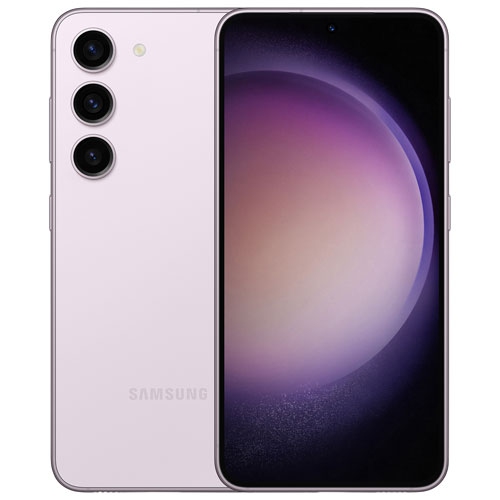
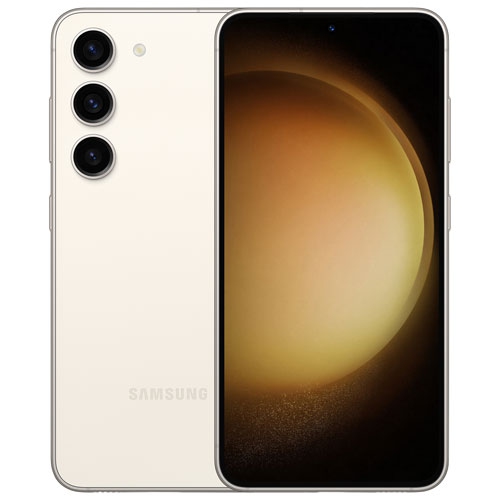
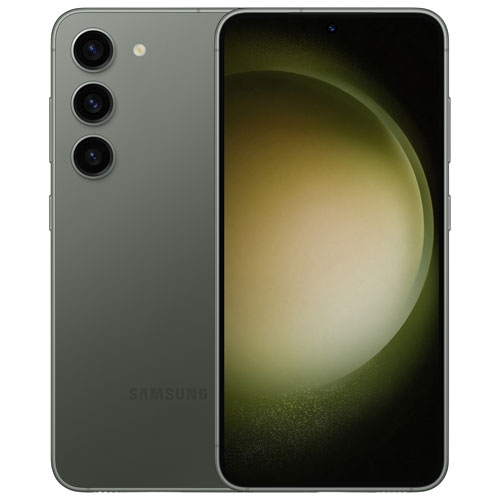
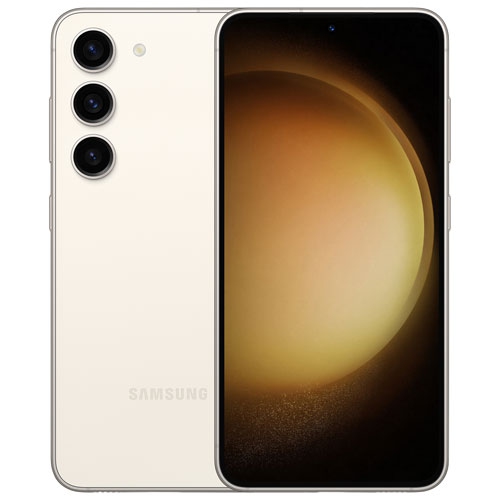
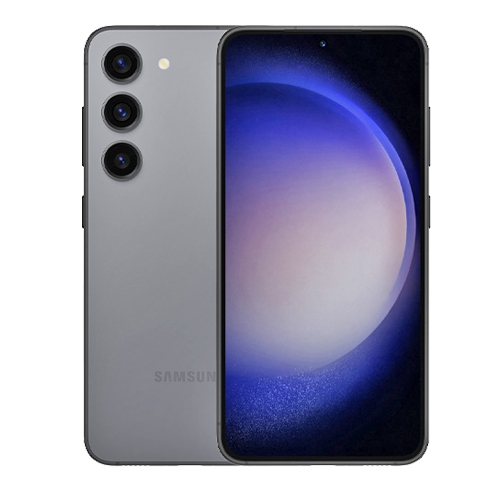
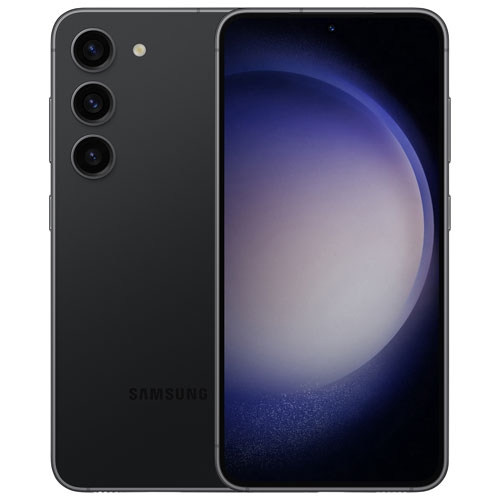
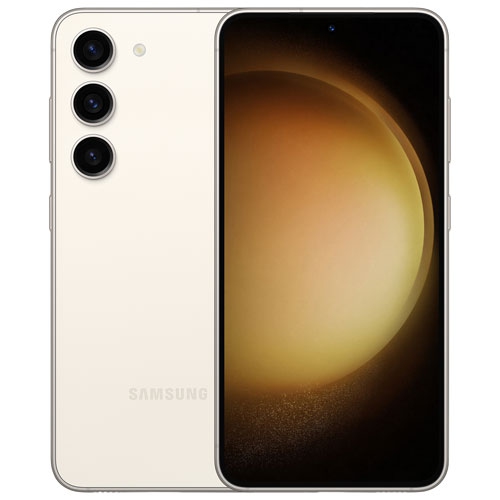
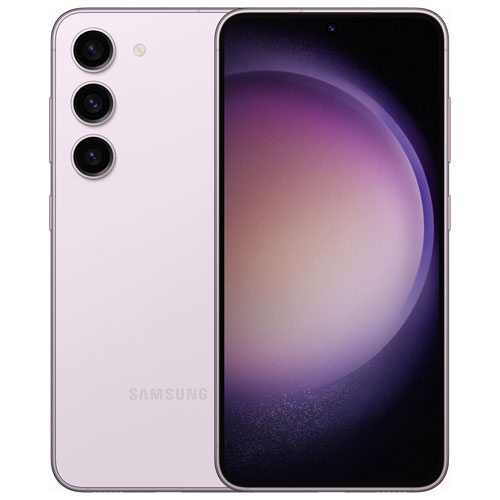

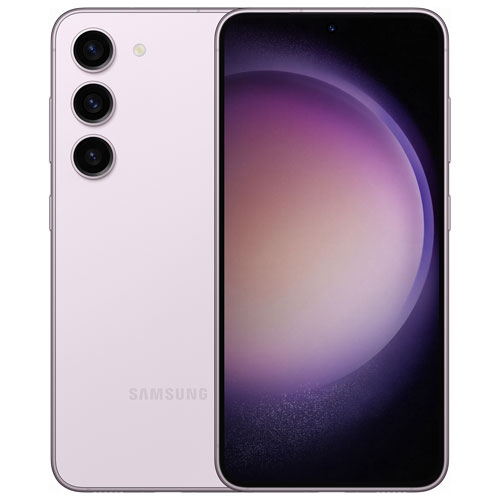
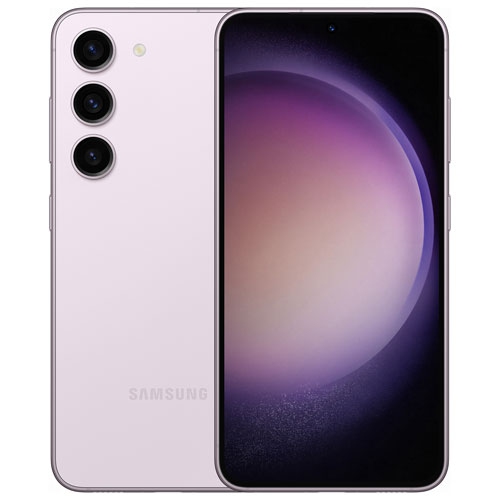
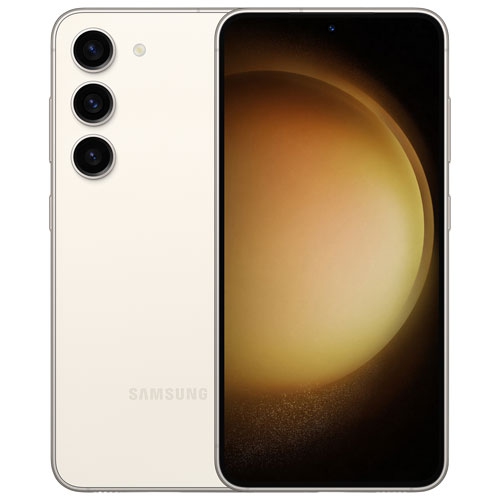
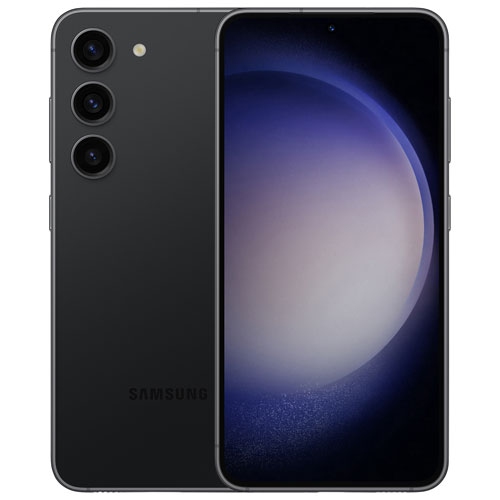
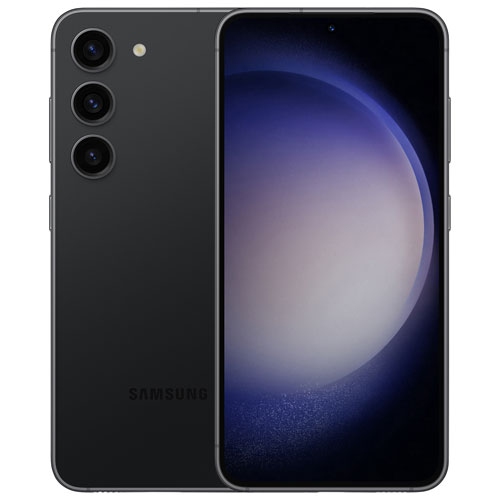
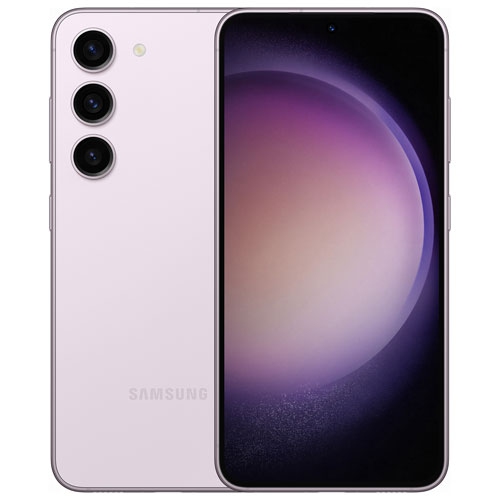
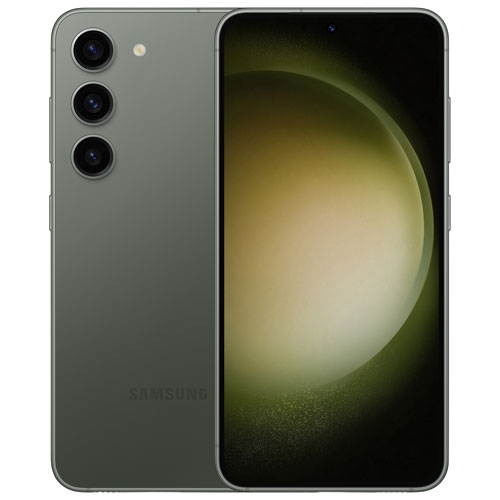
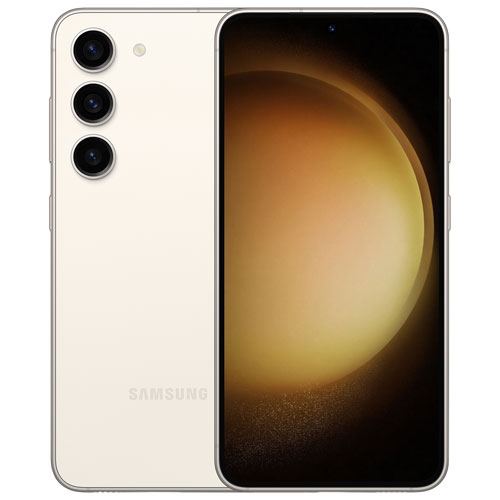
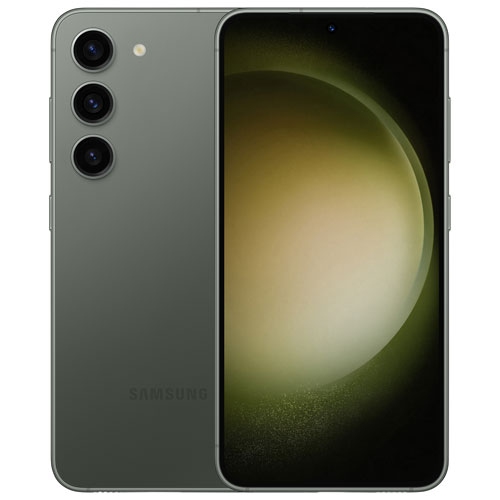
Pocket-friendly size meets versatile performance for everyday life
Compact 5G smartphones bring calls, photography, navigation, and everyday entertainment into a device that is comfortable to carry from a morning commute to an evening out. The Mobile Samsung Galaxy S23 collection centres on this balance of pocket-friendly dimensions and versatile performance. For many people, the appeal of a smaller premium smartphone is practical: it slips into a jacket pocket, takes up less space in a small bag, and can feel more manageable when checking a transit arrival or replying to a message with one hand. Screen size is only part of that experience. Overall width, weight, edge shape, and the extra thickness of a protective case all affect how a phone sits in the hand. An AMOLED display can deliver deep blacks and strong contrast for photos, films, and text, while a high refresh rate makes scrolling and supported animations look smoother. Readability also depends on brightness, reflections, text settings, and the light around the screen, whether that means a bright train window or a softly lit living room. Processing power and memory contribute to responsive app switching, video calls, gaming, and photo editing, although demanding tasks can generate warmth and use more battery power. Storage serves a different purpose: it holds apps, downloaded playlists, videos, and other files. People who save plenty of footage or keep entertainment downloaded for travel generally need more room than those who mainly stream and send messages. The usable capacity will be lower than the stated total because system software and preinstalled apps occupy space. Mobile connectivity is similarly dependent on the details. Access to 5G requires a compatible phone, plan, and network coverage, and speeds vary with location, signal strength, and network traffic. Wi-Fi can support streaming and downloads at home or work, while Bluetooth connects compatible headphones, speakers, and vehicle audio systems. Together, these features suit students moving between lectures, professionals managing appointments, and anyone who wants capable everyday technology without an oversized handset.
Camera versatility adds another dimension to a compact smartphone, particularly for people who prefer carrying one device rather than a separate camera. Different lenses serve different purposes: a main camera handles many everyday scenes, an ultra-wide camera fits more of a room or landscape into the frame, and a telephoto camera can bring distant details closer through optical magnification. Actual lens configurations vary, and optical zoom is distinct from digital enlargement, which may lose fine detail. Megapixel counts describe image resolution rather than guaranteeing better photographs. Lens quality, focus, stabilisation, image processing, and available light all contribute to the result. A pet moving across a dim hallway is a different challenge from a still landscape in afternoon sunlight. Night modes can brighten darker scenes, but they often need a steadier hand and work best when the subject is not moving quickly. For family gatherings, travel, and casual portraits, dependable focus and straightforward camera controls can matter as much as advanced settings. Front-facing cameras also support video chats, remote appointments, and group calls, with results influenced by lighting and connection quality. Beyond photography, construction affects how a phone feels and how it holds up to daily handling. Glass surfaces and metal frames can give a handset a solid, refined feel, but they are not immune to scratches, chips, or damage from a fall. A case with textured sides can improve grip, while raised edges may help keep the display and camera area from resting directly on a flat surface. Water-resistance ratings apply under specified test conditions and do not make a phone waterproof; resistance can also diminish with wear or damage. Moisture, grit, and repeated knocks deserve attention even when a device has protective features. Routine care is straightforward: a soft, lint-free cloth helps lift fingerprints, and cleaning should follow the manufacturer’s directions. Avoiding abrasive cleaners, excess liquid, and debris around openings helps protect the finish and connections. During cooler weather, allowing a very cold handset to return towards room temperature before charging is a sensible precaution consistent with typical battery-care guidance.
Battery life, charging, and accessory fit shape the experience long after the first setup. A battery’s capacity does not translate into a fixed number of hours for every user. Screen brightness, mobile reception, navigation, gaming, video capture, and background activity all influence how long a charge lasts. Someone who mainly checks messages between meetings will place different demands on a phone from someone using maps and taking photos throughout a day trip. Charging speed depends on the handset’s supported standard, the power adapter, the cable, battery temperature, and charge level; the highest supported rate is not usually maintained for an entire charging session. Wireless charging, where supported, adds convenience at a bedside table or desk, although alignment and case thickness can affect performance. Accessory compatibility needs similar precision. Phones with related names can differ in dimensions, button positions, and camera layouts, so cases and screen protectors need to match the exact model rather than simply the general device family. A slim case preserves a smaller profile, while more substantial corner protection may better suit busy households or frequent travel. Screen protectors should also be compatible with any in-display fingerprint reader. For a phone intended as a gift, practical details include the recipient’s carrier, preferred screen size, storage habits, and comfort with the operating system. An unlocked handset still needs the appropriate network compatibility, and physical SIM or eSIM support should be confirmed for the particular version. Device condition matters as well: a previously owned phone may have cosmetic wear or a battery that no longer holds its original capacity, and condition descriptions, warranty terms, and included accessories can differ. Software support is another consideration, especially for anyone planning to keep a device for several years. Remaining security-update coverage, accessible text and audio settings, and compatibility with essential apps all contribute to long-term usefulness. Once in use, a secure screen lock, regular backups, and prompt software updates help protect personal information. These everyday details support a phone that feels dependable for communication, entertainment, and the small tasks that fill a day.
Top selling and popular products
-
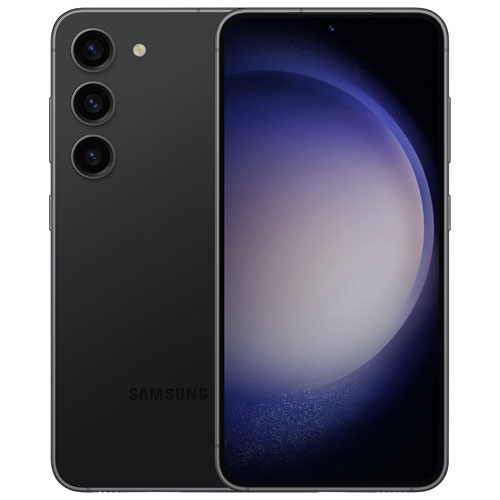 Your price for this item is $479.99
-
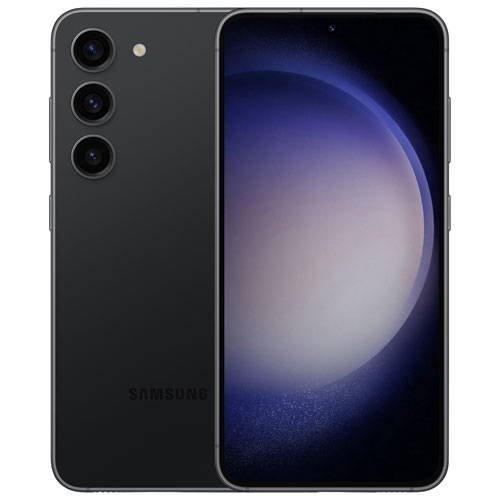 Your price for this item is $589.99
-
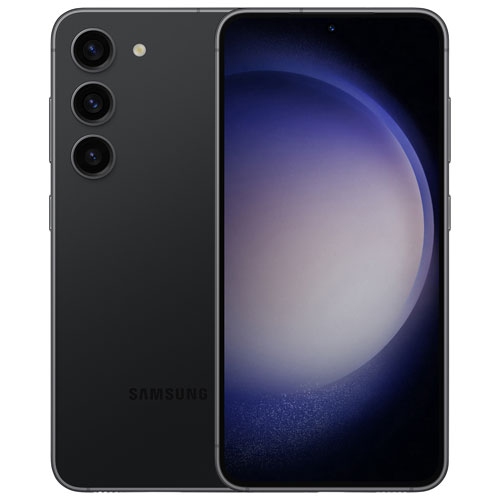 Your price for this item is $378.5
-
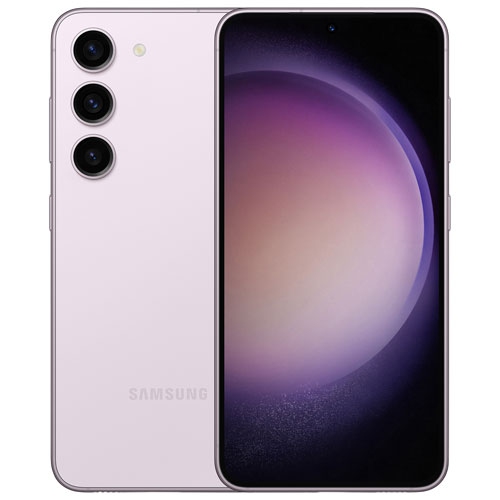 Your price for this item is $629.9
-
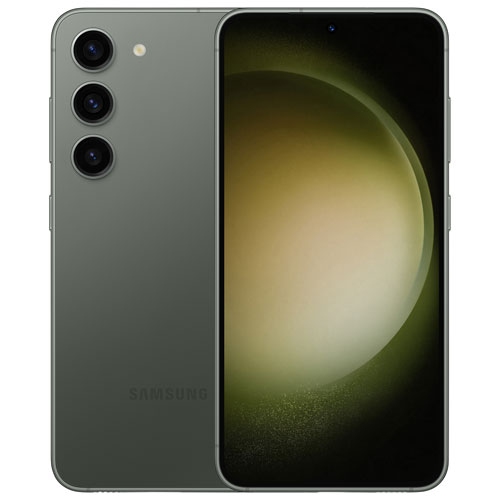 Your price for this item is $494.99
-
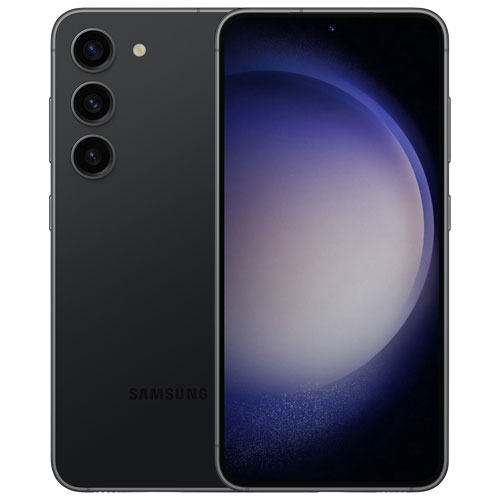 Your price for this item is $729.99
-
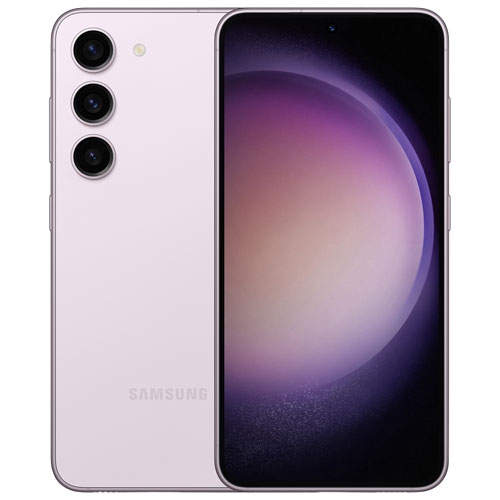 Your price for this item is $494.99
-
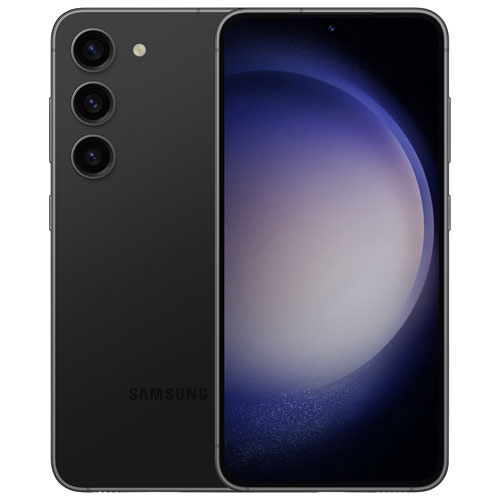 Your price for this item is $318.99
Discover more categories related to Samsung Galaxy S23 5G
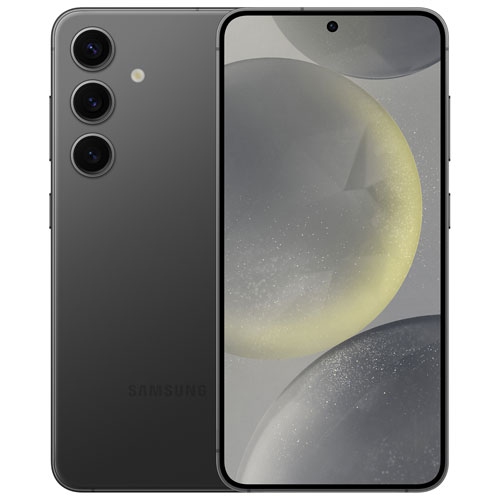
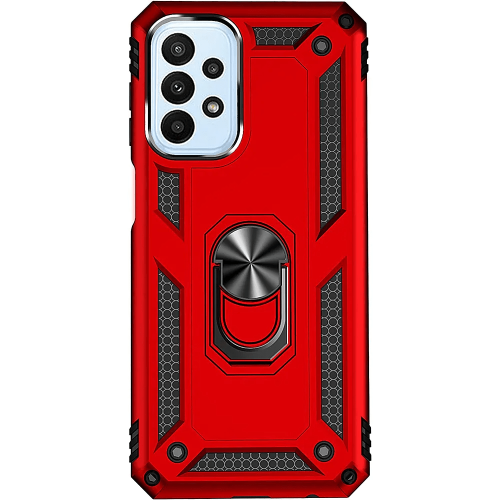

Top Collections:
Pokemon Centers, Kindle Devices, Best Cameras for Sports Photography, Best Budget Office Chairs, Pokémon 30th Celebration Cards, Apple iPhones 16, Canon G7X Cameras, iPhone 15 Apple, Flip Phones, Samsung Galaxy Phones
Some products may be subject to Environmental Handling Fees
(EHF) depending on your province.
Learn more about EHFs.