Samsung Galazy S9
Discover the samsung galazy s9 and explore a range of options designed to keep you connected and productive. Whether you're upgrading your current device or searching for a reliable smartphone, the samsung galazy s9 offers versatile choices to suit various needs. Browse through different models, colors, and storage capacities to find the perfect fit for your lifestyle. Shop now to experience advanced technology and seamless performance with the samsung galazy s9.
Sort
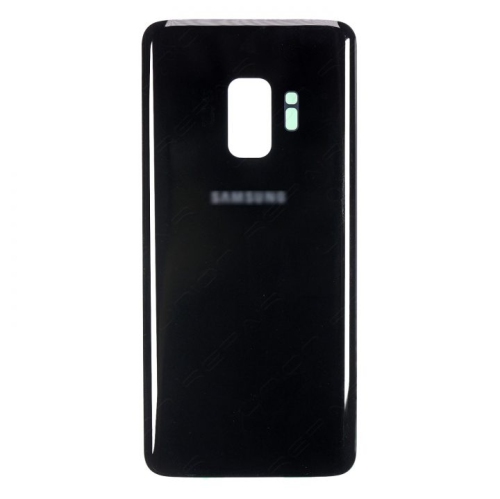


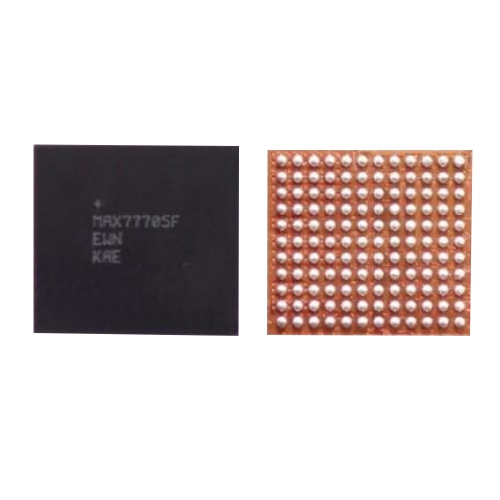

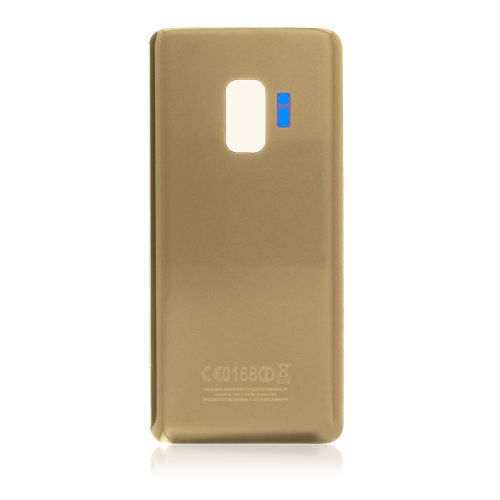




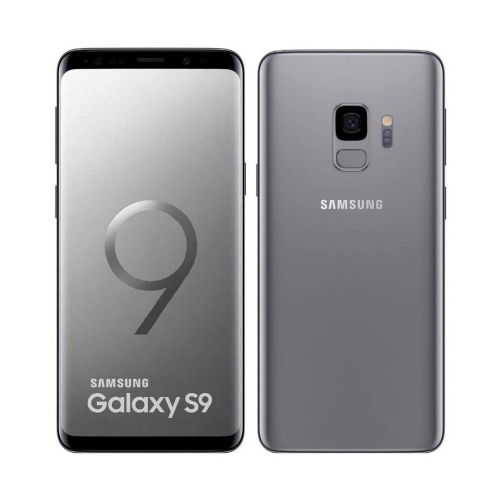


Where an older compact smartphone still fits today
Compact smartphones offer a practical balance between a comfortable screen size and a handset that slips into a pocket without taking up much room. A display in the 5.8-inch size range provides space for messages, maps, photos and video while keeping the device manageable for everyday use. High-resolution OLED screens are known for deep blacks, strong contrast and rich colour, which can make photographs look detailed and small text easier to distinguish. Curved display edges create a smooth profile, although the shape also affects how a case or screen protector sits against the glass. Glass panels and a metal frame give this style of phone a solid feel, but those materials can still show scratches, fingerprints and damage from a hard landing. Beyond appearance, the useful details are often the ones that fit an existing routine: a USB-C connection for charging and data transfer, a 3.5mm headphone jack for wired listening, and expandable storage for a growing photo or music library. Stereo speakers can make spoken directions, video calls and casual viewing clearer, while headphones remain useful on public transit or in shared spaces. Camera features such as autofocus, optical image stabilization and an adjustable aperture help with everyday photography, from a handwritten recipe on a kitchen counter to a family portrait indoors. Megapixel counts describe image resolution, but focus accuracy, lighting and lens condition also influence the result. A front-facing camera supports video conversations and self-portraits, with image quality depending partly on the light falling across the subject’s face. For someone who values familiar controls, a compact shape and straightforward communication, an earlier-generation smartphone can still have a defined role. That role might be keeping in touch with relatives, playing downloaded music, displaying directions or serving as a secondary handset, rather than handling the most demanding games or replacing a newer work device.
With an older handset, physical condition and software support matter as much as the original specifications. Battery capacity describes what a battery was designed to hold when new, not necessarily the charge it can retain after years of use. Even a battery rated at 3,000 mAh can deliver different results depending on wear, screen brightness, signal strength and the applications running in the background. Frequent video recording, navigation and mobile gaming generally demand more power than occasional calls and messages. A refurbished or previously owned phone may also have a different repair history from another handset of the same design. Condition descriptions are most useful when they distinguish cosmetic marks from functional concerns, such as an unreliable charging port, damaged camera glass or a screen with persistent image retention. Refurbishment does not automatically mean every internal component has been replaced, and a neat exterior does not establish battery health. Regional versions can differ in processor configuration, storage capacity and mobile-network compatibility, making the exact model identifier important even when two phones look alike. Support for a carrier’s calling features, including voice calls over its mobile data network, also affects everyday usefulness. Software has a separate lifespan: a phone may still turn on and perform basic tasks after routine security updates have ended, while individual applications can later require a newer operating system. That distinction is particularly important for sensitive accounts or workplace use. Durability deserves similar context. A water-resistance rating reflects testing under defined conditions; it does not make a phone waterproof or confirm that an older device’s seals remain intact after wear or repair. Gentle care helps preserve glass and finishes. A soft, lint-free cloth removes everyday smudges without abrasive scrubbing, and charging connections work best when kept dry and free of debris. Pressure against a curved screen, loose keys in the same pocket and repeated strain on a charging cable can all leave their mark over time. These practical details help explain why two otherwise similar phones may provide quite different day-to-day experiences.
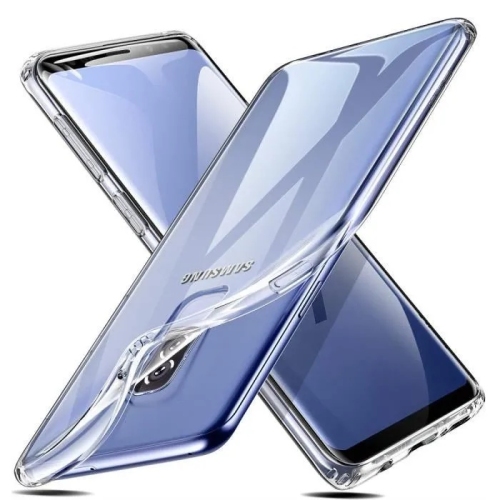
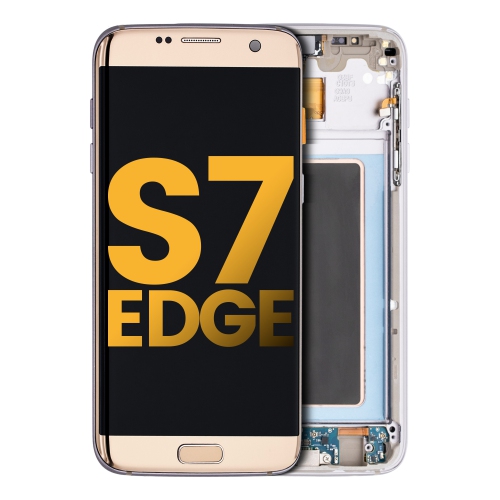
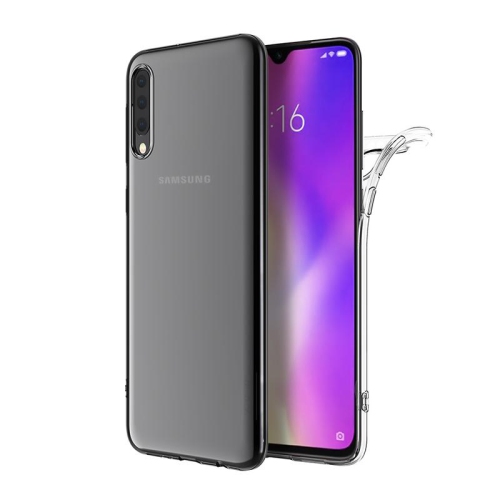
Compatible accessories shape how comfortable and convenient a compact smartphone feels in use. A slim case preserves the handset’s profile, while a more substantial design adds grip and cushioning at the corners. Flexible cases are often easier to hold, and rigid shells provide a firmer structure; combined-material designs can offer both qualities. Raised edges may help keep the display or camera glass away from a flat surface, but no case eliminates the possibility of damage. Precise fit is especially important around curved screens, side buttons, microphones and charging ports. A case intended for a similar-looking phone can obstruct a control or leave a camera opening in the wrong position. Screen protectors also vary in coverage, edge shape and compatibility with cases, so a protector that lifts at the corners may not remain securely attached. Related listings on the Samsung Galaxy S7 Edge page offer context for another curved-screen design, although a similar appearance does not establish accessory compatibility. Charging accessories involve more than matching the connector: supported charging standards, cable quality and the phone’s accepted power level determine how the combination performs. Wireless charging offers a convenient place to set down a compatible handset, but alignment and case thickness can affect the connection. Removable storage can provide room for photos, music and other supported files, though it does not increase working memory or guarantee that every application can be moved onto a card. A backup remains important because a memory card is not a substitute for protecting irreplaceable pictures and documents. For a gift recipient, familiar controls, readable text, comfortable grip and compatibility with existing headphones may matter more than a long specification list. A student using a secondary device, a relative who prefers wired audio or someone keeping a separate handset for calls may each value different features. Accessories are most useful when they support those actual habits, whether that means a grippy case for frequent handling, a sturdy cable for a desk or a stand that keeps video calls comfortably in view.
Top selling and popular products
-
 Your price for this item is $44.5
-
 Your price for this item is $28.38
-
 Your price for this item is $30.08
-
 Your price for this item is $9.98
-
 Your price for this item is $9.99
-
 Your price for this item is $28.38
-
 Your price for this item is $9.87
-
 Your price for this item is $7.97
Discover more categories related to Samsung Galazy S9

Top Collections:
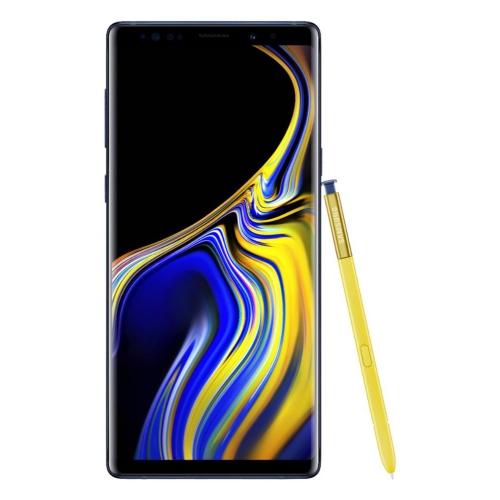
Pokemon Centers, Kindle Devices, Best Budget Office Chairs, Canon G7X Cameras, Apple iPhones 16, Samsung Galaxy Phones, Refurbished Apple Laptops, Laptops for Students, iPhone 15 Apple, Budget Smartphones
Some products may be subject to Environmental Handling Fees
(EHF) depending on your province.
Learn more about EHFs.