Classic Jazz Vinyl Records
Classic Jazz Vinyl Records capture the timeless charm and rich soundscapes of an iconic musical era. Perfect for both seasoned collectors and new enthusiasts, these records bring legendary performances and unforgettable melodies right to your turntable. Discover the warmth and depth that only vinyl can deliver as you explore a curated selection of Classic Jazz Vinyl Records, each one offering a unique listening experience that celebrates the artistry and history of jazz music.
Sort
![IMPULSE RECORDS John Coltrane - Both Directions At Once: The Lost Album - (Deluxe Edition) - [Vinyl]](https://multimedia.bbycastatic.ca/multimedia/products/500x500/174/17472/17472874.jpeg)
![NOT NOW Billie Holiday - Collection (White Vinyl) [Import] - (Colored Vinyl, White, United Kingdom - Import) - [Vinyl] In Platinum Great record & fast delivery](https://multimedia.bbycastatic.ca/multimedia/products/500x500/164/16486/16486702.jpeg)
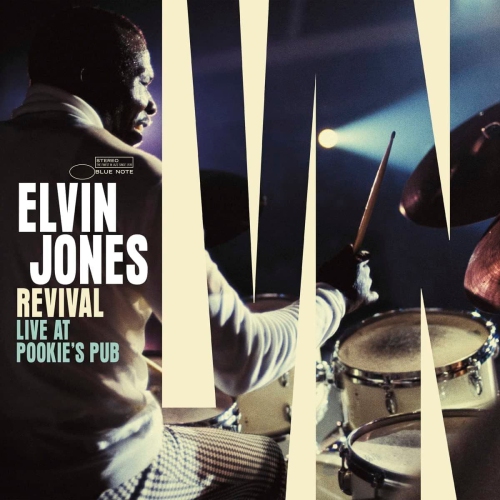
![NOT NOW Nat King Cole - Collection - [Vinyl] In Platinum](https://multimedia.bbycastatic.ca/multimedia/products/500x500/170/17087/17087069.jpeg)

![JAZZ IMAGES Way Out West - Sonny Rollins [Lp]](https://multimedia.bbycastatic.ca/multimedia/products/500x500/135/13550/13550358.jpeg)
![BLUE NOTE Charles Lloyd & The Marvels - Tone Poem [Audio Vinyl]](https://multimedia.bbycastatic.ca/multimedia/products/500x500/193/19315/19315237.jpeg)

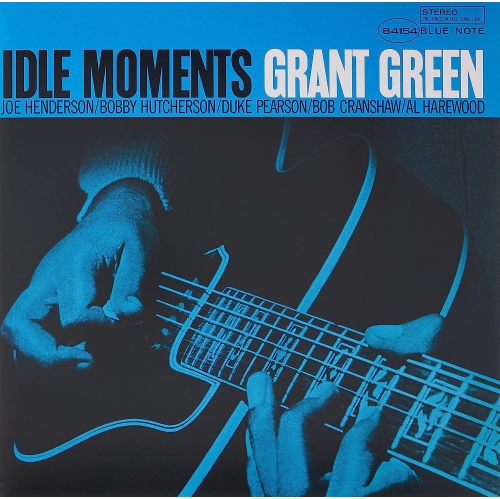
![BLUE NOTE / EMI Herbie Nichols - The Prophetic Herbie Nichols, Vol. 1 & 2 - [Vinyl]](https://multimedia.bbycastatic.ca/multimedia/products/500x500/174/17468/17468154.jpeg)

![NOT NOW UK Ella Fitzgerald - Sings The Duke Ellington Songbook (180Gm) [Vinyl] 180 Gram, Uk](https://multimedia.bbycastatic.ca/multimedia/products/500x500/170/17085/17085528.jpeg)
![BLUE NOTE / EMI Freddie Hubbard - Ready for Freddie - [Vinyl] In Multicolor](https://multimedia.bbycastatic.ca/multimedia/products/500x500/174/17471/17471252.jpeg)
![BLUENOTE/EMI George Braith - Extension (Blue Note Classic Vinyl Series) - [Vinyl] In Multicolor](https://multimedia.bbycastatic.ca/multimedia/products/500x500/174/17470/17470568.jpeg)
![BLUENOTE/EMI Don Wilkerson - Preach Brother (Blue Note Classic Vinyl Series) - [Vinyl]](https://multimedia.bbycastatic.ca/multimedia/products/500x500/174/17473/17473289.jpeg)
![Charlie Parker - Magnificent Charlie Parker [Import] - (Canada - Import) - [Vinyl] in Multicolor](https://multimedia.bbycastatic.ca/multimedia/products/500x500/174/17468/17468538.jpeg)
![MACK AVENUE Oscar Peterson - On A Clear Day: The Oscar Peterson Trio - Live In Zurich, 1971 - [Vinyl]](https://multimedia.bbycastatic.ca/multimedia/products/500x500/174/17470/17470939.jpeg)

![MPS Oscar Peterson - The Best Of Years - (Gatefold Lp Jacket) - [Vinyl]](https://multimedia.bbycastatic.ca/multimedia/products/500x500/186/18603/18603679.jpeg)
![BLUE NOTE / EMI Joe Lovano - I'm All for You (Blue Note Classic Vinyl Series) - [Vinyl]](https://multimedia.bbycastatic.ca/multimedia/products/500x500/174/17467/17467749.jpeg)
![CRAFT RECORDINGS Yusef Lateef - Jazz Mood (Original Jazz Classics Series) - (180 Gram Vinyl) - [Vinyl]](https://multimedia.bbycastatic.ca/multimedia/products/500x500/196/19682/19682132.jpeg)
![VERVE Stan Getz - Focus ( Vault Series) - (180 Gram Vinyl) - [Vinyl]](https://multimedia.bbycastatic.ca/multimedia/products/500x500/195/19599/19599337.jpeg)
Jazz unfolds one album side at a time
Classic jazz vinyl records bring together the expressive range of jazz and the tangible pleasures of an album: full-size artwork, readable liner notes, and music arranged across two sides. The theme spans several distinct traditions rather than a single sound. Swing centres on rhythmic lift and ensemble interplay, while bebop features quick-moving harmonies, intricate melodies, and agile improvisation. Hard bop adds a strong blues and gospel influence, often pairing punchy horn lines with a driving rhythm section. Cool jazz tends towards lighter textures and measured phrasing, and modal jazz gives musicians room to develop ideas over relatively stable harmonic settings. Vocal jazz places interpretation at the forefront, from the conversational delivery of a lyric to the way a singer stretches a phrase against the beat. Rooted in African American musical traditions and shaped by generations of collaboration, these styles offer different entry points into a broad musical history. A small-group session can make the exchange between piano, bass, and drums easy to follow; a larger ensemble brings layered brass, reeds, and carefully arranged contrasts. On a well-produced recording, the sweep of a brush across a snare drum, the woody resonance of an upright bass, and the breath behind a saxophone note can become compelling details of everyday listening. Vinyl does not automatically sound warmer or more detailed than other formats: the recording, mastering, pressing quality, and playback system all influence the result. Its appeal also comes from the listening experience itself. Playing an album side gives a ballad, an up-tempo performance, and an extended solo space to unfold in sequence. Classic jazz albums suit both attentive listening and a relaxed gathering, though their character varies considerably. A restrained piano trio creates a different mood from a brassy big band or an adventurous improvising ensemble. That breadth makes the category relevant to listeners building a first record collection, longtime jazz enthusiasts exploring another style, and music lovers who enjoy hearing familiar instruments in unexpected conversation.
The physical format and edition help define what a classic jazz record offers beyond its musical programme. Most full-length vinyl albums use 12-inch discs played at 33⅓ rpm, while some editions spread the music across discs cut at 45 rpm. A 45 rpm edition can offer technical advantages when thoughtfully mastered and pressed, but it also requires more frequent side changes; speed alone is not a guarantee of better sound. Standard-weight and heavyweight records are both made primarily from polyvinyl chloride, commonly called PVC. A 180-gram pressing may feel more substantial in the hand, yet greater weight does not by itself mean quieter surfaces, better mastering, or greater musical detail. Flatness, accurate centring, clean surfaces, and careful manufacturing matter more than weight alone. Black and coloured vinyl can both perform well, with the quality of the individual pressing more useful than colour as an indicator of sound. Original pressings may appeal for their period packaging and historical connection, while later reissues can present the same music with different mastering, artwork reproduction, or supplementary notes. Neither age nor a reissue description establishes sound quality on its own. Where an edition specifies an all-analogue production chain, that describes how the audio was recorded, mixed, and mastered; other editions may involve a digital source or restoration stage. Both approaches can produce satisfying results when handled carefully. Mono and stereo versions also offer different presentations rather than a simple hierarchy. Mono places the performance in a single channel, while stereo can spread instruments across the soundstage, sometimes quite widely on older recordings. Gatefold jackets, session photographs, personnel credits, and essays add context for listeners interested in who played each instrument and how a session came together. For everyday use, a record also needs to match the turntable’s supported speed, and a suitable cartridge, correctly set tracking force, and appropriate phono amplification help the grooves play as intended. These details distinguish an attractive display piece from an album that fits comfortably into a regular listening routine.
With careful handling, classic jazz vinyl can remain part of a music collection for many years, although the playing surface is vulnerable to scratches, dust, and wear from a damaged or poorly adjusted stylus. Holding a disc by its outer edge and centre label keeps fingerprints away from the grooves. A clean, record-safe brush helps lift loose surface dust, while more thorough cleaning calls for a solution and method intended specifically for vinyl. Records should be fully dry before returning to their sleeves. Clean, non-abrasive inner sleeves protect the playing surfaces, and outer sleeves help reduce scuffing on jackets without replacing the need for careful storage. Upright shelving with enough support to prevent leaning is preferable to stacking albums flat, which can put pressure on discs and packaging. Direct sunlight and heat sources can warp vinyl, so a shaded shelf away from radiators or other equipment that gives off heat is a better long-term home. Playback placement matters, too: a stable, level turntable isolated from speaker vibration is less likely to pick up rumble or skip when someone walks nearby. Surface crackle is not a requirement of an authentic jazz listening experience; clean records and a well-maintained setup can keep unwanted noise from competing with softer passages. For a gift, the recipient’s musical taste and access to a working turntable are more useful starting points than the visual appeal of a sleeve alone. Someone drawn to expressive singing may enjoy vocal jazz, while a listener who follows bass lines or drum patterns may connect more readily with an instrumental trio or rhythm-driven hard bop. Album artwork and liner notes can make the gift feel personal, particularly for someone who enjoys reading about music while it plays. Listeners drawn to jazz’s blues phrasing, gospel accents, and rhythmic drive may also find a natural connection with Classic R&B Vinyl Records. Within a broader collection, jazz offers both contrast and continuity: an intimate ballad rewards a quiet listen, an ensemble passage reveals another instrumental detail, and a familiar album can feel different as attention shifts from the soloist to the musicians supporting the performance.
The physical format and edition help define what a classic jazz record offers beyond its musical programme. Most full-length vinyl albums use 12-inch discs played at 33⅓ rpm, while some editions spread the music across discs cut at 45 rpm. A 45 rpm edition can offer technical advantages when thoughtfully mastered and pressed, but it also requires more frequent side changes; speed alone is not a guarantee of better sound. Standard-weight and heavyweight records are both made primarily from polyvinyl chloride, commonly called PVC. A 180-gram pressing may feel more substantial in the hand, yet greater weight does not by itself mean quieter surfaces, better mastering, or greater musical detail. Flatness, accurate centring, clean surfaces, and careful manufacturing matter more than weight alone. Black and coloured vinyl can both perform well, with the quality of the individual pressing more useful than colour as an indicator of sound. Original pressings may appeal for their period packaging and historical connection, while later reissues can present the same music with different mastering, artwork reproduction, or supplementary notes. Neither age nor a reissue description establishes sound quality on its own. Where an edition specifies an all-analogue production chain, that describes how the audio was recorded, mixed, and mastered; other editions may involve a digital source or restoration stage. Both approaches can produce satisfying results when handled carefully. Mono and stereo versions also offer different presentations rather than a simple hierarchy. Mono places the performance in a single channel, while stereo can spread instruments across the soundstage, sometimes quite widely on older recordings. Gatefold jackets, session photographs, personnel credits, and essays add context for listeners interested in who played each instrument and how a session came together. For everyday use, a record also needs to match the turntable’s supported speed, and a suitable cartridge, correctly set tracking force, and appropriate phono amplification help the grooves play as intended. These details distinguish an attractive display piece from an album that fits comfortably into a regular listening routine.
With careful handling, classic jazz vinyl can remain part of a music collection for many years, although the playing surface is vulnerable to scratches, dust, and wear from a damaged or poorly adjusted stylus. Holding a disc by its outer edge and centre label keeps fingerprints away from the grooves. A clean, record-safe brush helps lift loose surface dust, while more thorough cleaning calls for a solution and method intended specifically for vinyl. Records should be fully dry before returning to their sleeves. Clean, non-abrasive inner sleeves protect the playing surfaces, and outer sleeves help reduce scuffing on jackets without replacing the need for careful storage. Upright shelving with enough support to prevent leaning is preferable to stacking albums flat, which can put pressure on discs and packaging. Direct sunlight and heat sources can warp vinyl, so a shaded shelf away from radiators or other equipment that gives off heat is a better long-term home. Playback placement matters, too: a stable, level turntable isolated from speaker vibration is less likely to pick up rumble or skip when someone walks nearby. Surface crackle is not a requirement of an authentic jazz listening experience; clean records and a well-maintained setup can keep unwanted noise from competing with softer passages. For a gift, the recipient’s musical taste and access to a working turntable are more useful starting points than the visual appeal of a sleeve alone. Someone drawn to expressive singing may enjoy vocal jazz, while a listener who follows bass lines or drum patterns may connect more readily with an instrumental trio or rhythm-driven hard bop. Album artwork and liner notes can make the gift feel personal, particularly for someone who enjoys reading about music while it plays. Listeners drawn to jazz’s blues phrasing, gospel accents, and rhythmic drive may also find a natural connection with Classic R&B Vinyl Records. Within a broader collection, jazz offers both contrast and continuity: an intimate ballad rewards a quiet listen, an ensemble passage reveals another instrumental detail, and a familiar album can feel different as attention shifts from the soloist to the musicians supporting the performance.
Top selling and popular products
-
![CAP One Of The Boys - Perry, Katy [CD]](https://multimedia.bbycastatic.ca/multimedia/products/500x500/119/11994/11994424.jpeg) Your price for this item is $31.88
Your price for this item is $31.88 -
 Your price for this item is $59.35
 -
![SONY Tony Bennett - Snowfall: The Christmas Album - [CD]](https://multimedia.bbycastatic.ca/multimedia/products/500x500/194/19459/19459594.jpeg) Your price for this item is $6.99
Your price for this item is $6.99 -
 Your price for this item is $16.65
 -
![FANTASY Vince Guaraldi Trio - Vince Guaraldi Trio: A Charlie Christmas (Expanded Edition) - (Remastered, Expanded Version) - [CD] In Brown](https://multimedia.bbycastatic.ca/multimedia/products/500x500/174/17474/17474936.jpeg) Your price for this item is $11.57
Your price for this item is $11.57 -
![SONY Nina Simone - The Essential Nina Simone - (Digipack Packaging) - [CD]](https://multimedia.bbycastatic.ca/multimedia/products/500x500/174/17467/17467660.jpeg) Your price for this item is $25.33
Your price for this item is $25.33 -
 Your price for this item is $31.89
 -
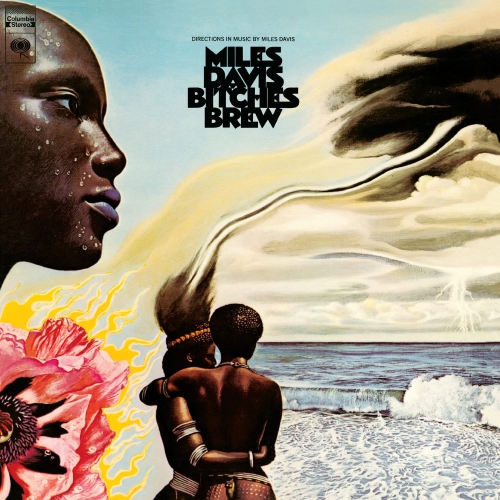 Your price for this item is $41.99
Discover more categories related to Classic Jazz Vinyl Records



Top Collections:
Pokemon Centers, Kindle Devices, Best Budget Office Chairs, Apple iPhones 16, Canon G7X Cameras, iPhone 15 Apple, Alarm Clock, Refurbished Apple Laptops, Flip Phones, Best Laptops for Writers
Some products may be subject to Environmental Handling Fees
(EHF) depending on your province.
Learn more about EHFs.