Collector's Edition Horror Movies
Collector's Edition Horror Movies bring spine-tingling excitement and exclusive content to fans of the genre. Dive into a curated selection of chilling classics and modern masterpieces, each presented in special packaging perfect for collectors and enthusiasts alike. Whether you're expanding your home theater library or searching for a unique gift, these editions offer a thrilling way to experience your favorite horror films. Explore the world of Collector's Edition Horror Movies and find the perfect addition to your collection today.
Sort


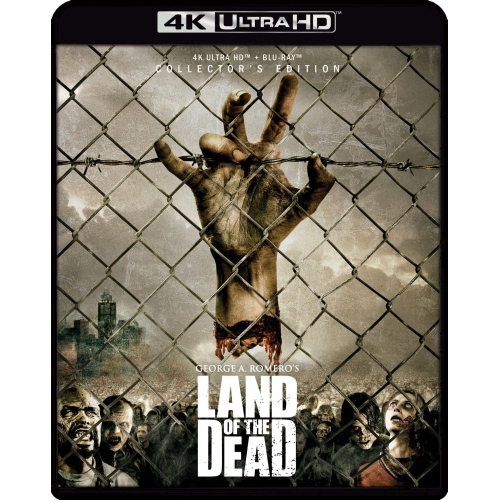
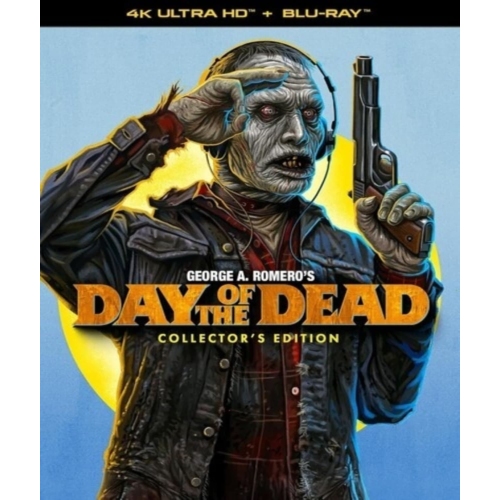


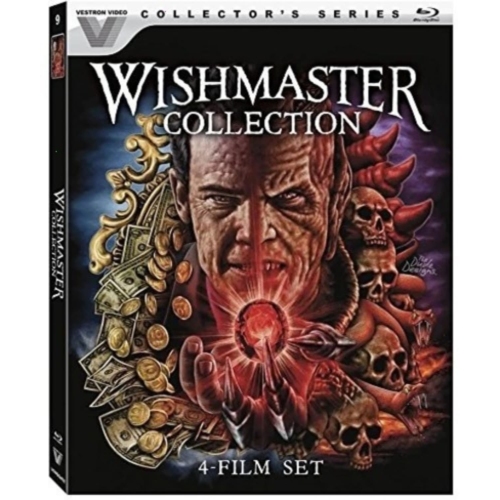
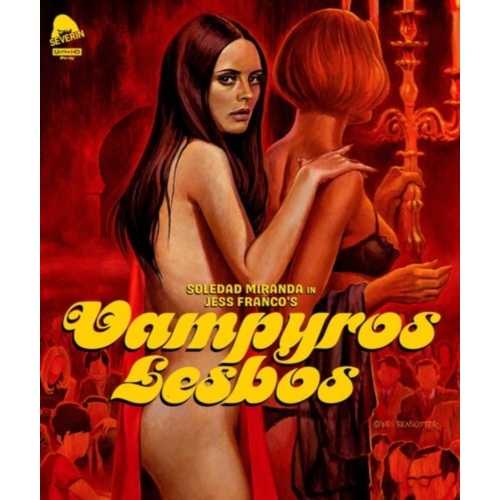


Behind-the-scenes extras that reveal the craft of horror
Collector’s edition horror movies bring together the film itself and the details that make it worth revisiting: a carefully prepared presentation, insight into the production, and packaging designed to have a place on a collector’s shelf. These physical releases can span supernatural stories, creature features, psychological thrillers, slashers, gothic tales, and horror comedies, giving different kinds of fans a way to build a collection around their favourite corners of the genre. A collector’s edition differs from a standard release through its particular combination of presentation, supplements, and physical extras, rather than through a single universal feature. Depending on the edition, that might mean a restored picture, additional cuts of the film, filmmaker commentary, archival interviews, a printed booklet, or illustrated packaging. The designation does not automatically mean that every extra is included, that the release has a numbered production run, or that the film has received a new restoration. Collector’s edition and limited edition describe different qualities: one emphasizes the contents and presentation, while the other refers to a release produced in a restricted quantity or for a defined run. For someone who enjoys the tactile side of movie collecting, a substantial slipcase, reversible sleeve, or illustrated essay can be part of the appeal alongside the viewing experience. Readers interested in the DVD format can also explore Limited Edition Horror DVDs. Across formats, horror is particularly well suited to this kind of release because so much of its character comes from craft. Makeup effects, miniature sets, lighting, sound design, and editing choices often reward a closer look after the first viewing. A creature glimpsed briefly in a dark corridor can become a fascinating piece of practical artistry when a supplemental feature shows its construction. For longtime fans, those details add context to familiar scenes; for someone discovering an older film, they can help explain its place in the genre without taking away the pleasure of watching it.
Picture and sound are central considerations for collector’s edition horror movies on DVD, Blu-ray, and 4K Ultra HD Blu-ray, but the format alone does not tell the whole story. DVD presents films in standard definition, Blu-ray supports high-definition presentation, and 4K Ultra HD Blu-ray supports higher resolution and, on compatible releases and equipment, high dynamic range. A restoration’s source materials and mastering choices also affect the result. Fine film grain can be a normal part of a film-originated image, not a defect, while the texture of fog, fabric, stone walls, and makeup can reveal how carefully a transfer has preserved the original photography. Dark scenes matter especially in horror: a thoughtful presentation can retain subtle shadow detail without making a dimly lit room look unnaturally bright. High dynamic range may add depth to highlights and contrast, though the effect depends on both the disc and the display. Playback compatibility deserves equal attention. A standard Blu-ray player does not play 4K Ultra HD Blu-ray discs, and a DVD-only player cannot play either high-definition disc format. A compatible 4K Ultra HD Blu-ray player and display are needed to take advantage of the higher-resolution format. DVD and Blu-ray region coding can also matter for imported editions; Canada generally uses DVD Region 1 and Blu-ray Region A, although some discs support multiple regions or have no region restriction. Packaging details should identify the supported formats, regions, audio tracks, and subtitles. Sound options may include an original mono or stereo track alongside a later surround mix, each offering a different listening experience. An original track can preserve the balance familiar to early audiences, while a surround presentation may give greater space to footsteps, distant voices, or an approaching storm within the film. Captions, subtitle languages, and dialogue clarity are useful considerations for shared viewing, particularly when a movie night brings together people with different hearing or language needs. These practical details can matter more to everyday enjoyment than the number of discs in the case.
The strongest appeal of a horror movie collector’s edition often lies in how its contents fit the person who will watch and keep it. Someone fascinated by filmmaking may spend hours with scene-specific commentaries, effects demonstrations, storyboards, and interviews, while another collector may care most about a preferred cut of the film and artwork that looks striking on the shelf. A theatrical cut, director’s cut, and extended version are not interchangeable, and a longer running time does not necessarily make one version the preferred presentation. Editions that identify their included cuts clearly make it easier to understand what will be part of a repeat viewing. For gift giving, familiarity with the recipient’s favourite horror styles, playback equipment, and existing collection helps distinguish a thoughtful addition from an unnecessary duplicate. A person who loves slow-building haunted-house stories may appreciate a very different release from someone drawn to elaborate creature effects or sharply timed horror comedy. Physical construction matters as well. Packaging may combine moulded plastic disc cases, printed paper sleeves, paperboard slipcovers, rigid outer boxes, or metal cases. Each material has its own handling needs: paperboard corners can soften with repeated friction, glossy surfaces can show fingerprints, and metal cases can pick up scratches or dents. A secure disc hub helps keep a disc seated during storage, while enough shelf space allows an outer sleeve to slide off without catching or crushing its edges. Discs are best handled by the edge and centre hole, returned to their cases after use, and kept away from direct sunlight and excess moisture. When cleaning is needed, a soft, lint-free cloth moved gently from the centre towards the outer edge helps avoid circular scratches. Booklets, art cards, and folded posters benefit from being stored flat in their intended compartments rather than pressed against the playing surface. With careful handling, these releases can serve both as dependable movie-night choices and as a small archive of the filmmaking behind them. The lasting value is personal: a film worth watching again, a presentation that suits the home setup, and extras that offer something meaningful beyond the closing credits.
Top selling and popular products
-
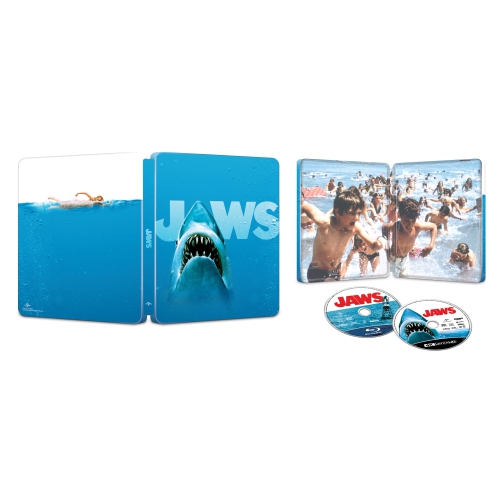 Your price for this item is $79.99
-
 Your price for this item is $9.99
-
 Your price for this item is $11.99
-
 Your price for this item is $99.99
-
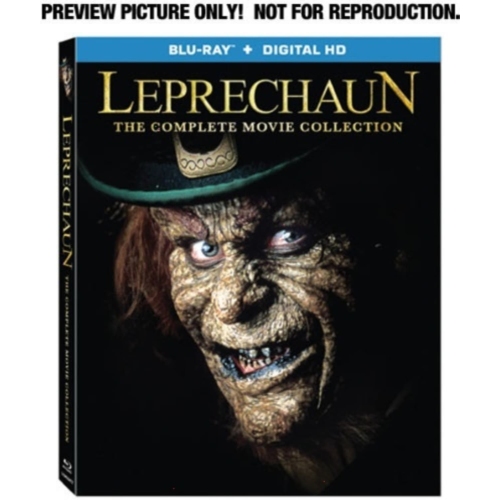 Your price for this item is $34.99
-
 Your price for this item is $119.99
-
 Your price for this item is $9.99
-
 Your price for this item is $10.99
Discover more categories related to Collector's Edition Horror Movies


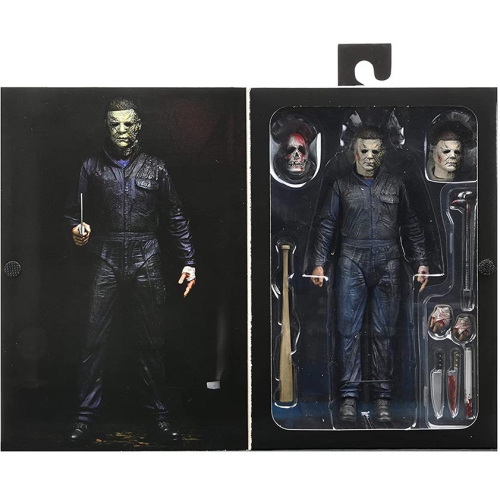

Top Collections:
Pokemon Centers, Kindle Devices, Best Budget Office Chairs, Canon G7X Cameras, Apple iPhones 16, Samsung Galaxy Phones, Refurbished Apple Laptops, Laptops for Students, iPhone 15 Apple, Budget Smartphones
Some products may be subject to Environmental Handling Fees
(EHF) depending on your province.
Learn more about EHFs.