Hard Rock Vinyl Records
Hard Rock Vinyl Records deliver the powerful sound and energy that define the genre, bringing legendary guitar riffs and thunderous drumbeats to your home audio setup. Explore a wide selection of albums from classic anthems to modern favorites, all pressed on high-quality vinyl for an authentic listening experience. Whether you’re expanding your collection or searching for the perfect gift for a music enthusiast, Hard Rock Vinyl Records are a must-have for any fan looking to enjoy their favorite tracks in timeless style.
Sort
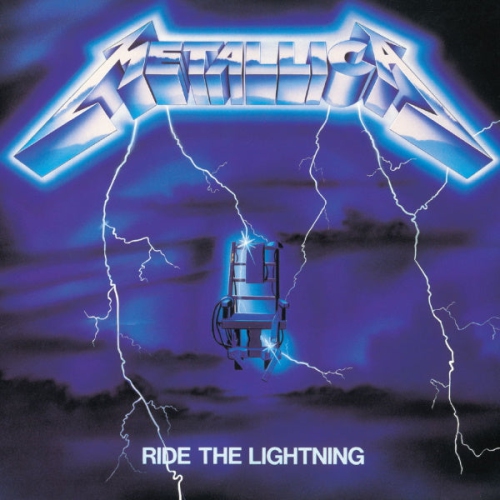

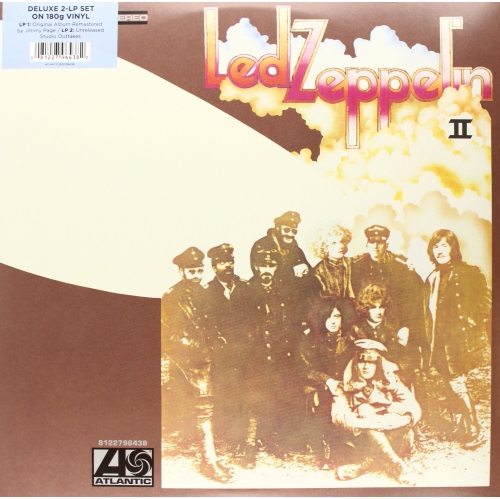


![VIDCO-345 Metallica (Remastered) [Lp]Metallica Great record, one of the best](https://multimedia.bbycastatic.ca/multimedia/products/500x500/163/16399/16399455.jpeg)
![CAPITOL Aerosmith - Aerosmith — Greatest Hits 2Lp - [Vinyl] Some of their best songs are on this LP and I love it](https://multimedia.bbycastatic.ca/multimedia/products/500x500/174/17474/17474437.jpeg)

![VIDCO-345 Kill ‘em All [Vinyl Lp] Great F’n record!](https://multimedia.bbycastatic.ca/multimedia/products/500x500/161/16110/16110290.jpeg)
![COLUMBIA/LEGACY Alice In Chains - Facelift - (150 Gram Vinyl) - [Vinyl] Great product its for my gf christmas gift and she will love it](https://multimedia.bbycastatic.ca/multimedia/products/500x500/186/18616/18616520.jpeg)
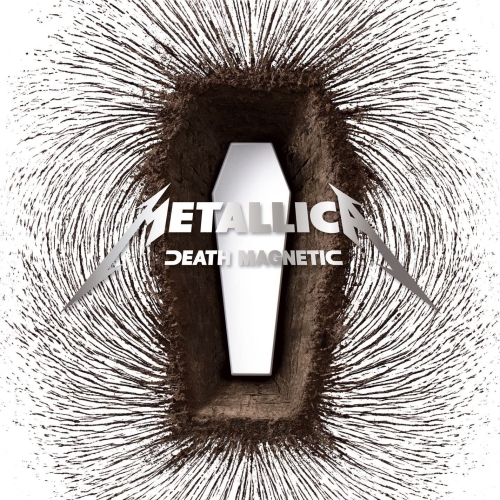
![WARNER RECORDS Linkin Park - Meteora - [Vinyl] In Multicolor One of the best albums, the vinyl is great! I'm very excited about purchasing it!](https://multimedia.bbycastatic.ca/multimedia/products/500x500/187/18710/18710008.jpeg)
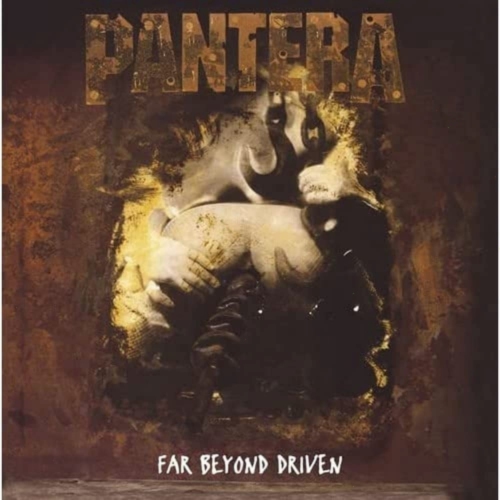
![EPIC Ac / Dc - for Those About to Rock We Salute You - (Remastered) - [Vinyl] Great 180 Gram Pressing](https://multimedia.bbycastatic.ca/multimedia/products/500x500/174/17468/17468385.jpeg)

![ROUND HILL/BUSH Bush - Sixteen Stone (Remastered) - [Vinyl] Pretty good sound, great vinyl color!](https://multimedia.bbycastatic.ca/multimedia/products/500x500/195/19593/19593427.jpeg)
![EPIC Ac / Dc - Let There Be Rock - (Remastered) - [Vinyl] This album in my opinion is some of Bon Scotts best vocals](https://multimedia.bbycastatic.ca/multimedia/products/500x500/186/18604/18604716.jpeg)

![RHINO Sabbath - Vol. 4 - (180 Gram Vinyl, Limited Edition) - [Vinyl] In Black Best album foundation pioneers of heavy metal !best](https://multimedia.bbycastatic.ca/multimedia/products/500x500/174/17468/17468752.jpeg)
![BMG Dokken - The Elektra Albums 1983-1987 - (Oversize Item Split, Limited Edition, Boxed Set, 180 Gram Vinyl) - [Vinyl] The Best of the best!!!!](https://multimedia.bbycastatic.ca/multimedia/products/500x500/186/18605/18605091.jpeg)
![WARNER RECORDS Linkin Park - Meteora - [Vinyl] Great album](https://multimedia.bbycastatic.ca/multimedia/products/500x500/174/17475/17475023.jpeg)

![BLACKENED RECORDINGS Metallica - Load [Explicit Content] - (Parental Advisory Explicit Lyrics, 180 Gram Vinyl, Remastered, Gatefold Lp Jacket, Mp3](https://multimedia.bbycastatic.ca/multimedia/products/500x500/194/19455/19455318.jpeg)
![UNIVERSAL MUSIC INTL The Rolling Stones - Dirty Work - (180 Gram Vinyl) - [Vinyl]](https://multimedia.bbycastatic.ca/multimedia/products/500x500/174/17472/17472689.jpeg)
Big riffs deserve more than background listening
Hard rock vinyl records bring guitar-driven music into a format that gives the album room to unfold, from an opening riff to the last sustained note on the second side. Rooted in blues rock and shaped by amplified guitars, assertive vocals, prominent bass lines, and forceful drumming, hard rock spans several distinct sounds. Some recordings favour loose, groove-heavy arrangements and extended solos; others lean towards tightly layered guitars, polished production, and big, singalong choruses. The genre overlaps with heavy metal, glam rock, and progressive rock, but its centre of gravity is often a memorable riff supported by a strong rhythm section. That variety makes hard rock LPs appealing to listeners building a first record collection as well as longtime fans revisiting familiar albums. Studio albums offer carefully constructed arrangements, while live recordings can capture crowd noise, longer instrumental passages, and the push and pull between musicians onstage. Vinyl also preserves the physical presentation of an album: the scale of the cover artwork, the sequence of songs across two sides, and, where included, printed lyrics, photographs, and recording credits. Sitting down with the sleeve while a record plays can reveal details that are easy to miss when music stays in the background, such as a second guitar answering the main riff or a bass part moving beneath a held chord. The experience suits dedicated listening sessions, relaxed evenings with friends, and shared listening between generations discovering each other’s favourites. For listeners drawn to the earlier roots and neighbouring styles of the genre, Vintage Rock Vinyl Records offers a related theme to explore. Hard rock remains broad enough to support a collection built around a particular decade, a preference for raw or polished production, or the contrast between studio precision and live performance.
The edition and physical format of a hard rock record matter just as much as the music when choosing something for a turntable. Most full-length albums use 12-inch discs played at 33⅓ rpm, although some editions spread the music across multiple records or use 45 rpm. Singles and shorter releases can have different sizes and speeds, so the details on the sleeve and centre label are more reliable than appearance alone. Records are generally pressed from polyvinyl chloride, commonly called PVC, and may be black, coloured, or patterned. Colour is a visual feature rather than a dependable measure of sound quality. Likewise, a heavier pressing, such as 180-gram vinyl, describes the weight of the disc; it does not by itself guarantee quieter playback, greater detail, or better mastering. The recording source, mastering choices, pressing quality, condition, and playback equipment all contribute to what reaches the speakers. An original pressing belongs to an album’s initial release period, while a reissue brings the recording back in a later edition. A remastered edition involves another mastering treatment, which may change the tonal balance or presentation without necessarily improving it for every listener. These distinctions are useful for hard rock, where dense guitar layers and powerful drums can sound quite different across editions. Mono and stereo versions, expanded track lists, and live or studio versions are also worth distinguishing before adding an album to a collection. A gatefold sleeve opens to provide additional artwork or printed material, while a multi-record set requires more storage space and more side changes during playback. Inner sleeves, lyric sheets, and other inserts vary by edition and should not be assumed from the album title alone. For a gift, the recipient’s favourite style and existing collection are usually more useful starting points than an unusual vinyl colour. Someone who enjoys blues-based guitar work may favour a different corner of hard rock from a listener who prefers soaring vocals and highly polished arrangements, even if both describe themselves as rock fans.
Good care helps hard rock vinyl records withstand repeated listening while protecting the grooves that carry the music. Handle each disc by its outer edge and centre label rather than touching the playing surface, since fingerprints can attract dust and leave residue. A record brush designed for vinyl can lift loose surface dust before playback; deeper cleaning calls for a suitable record-cleaning solution and a method that keeps moisture away from paper labels. Household cleaners and rough cloths can damage the surface or leave unwanted deposits. Let a cleaned disc dry fully before returning it to its inner sleeve, and use a clean, non-abrasive sleeve to reduce rubbing and contamination. An outer sleeve can help protect the jacket from shelf wear, particularly when records are taken out frequently to read the credits or share the artwork. Store albums upright with enough support to prevent leaning, rather than in heavy horizontal stacks, and keep them away from direct sunlight and heat sources that can cause warping. A shelf with sufficient height and depth for LP jackets makes browsing easier without bending corners or catching sleeves. Playback setup deserves similar attention. A level turntable, a clean stylus in good condition, and tracking force set to the cartridge manufacturer’s specification help the stylus follow the groove properly. Some turntables include a phono preamp, while others need a separate unit or an amplifier with a compatible phono input. Speakers placed on the same surface as a turntable can transmit vibration back into it, so physical separation can help when bass-heavy passages make the furniture resonate. Hard rock does not need excessive volume to reveal its impact: at a comfortable level, a well-set-up system can make the snap of a snare, the texture of an overdriven guitar, and the space around a vocal easier to follow. For collectors, casual listeners, and gift recipients alike, the lasting appeal comes from a combination of music, artwork, and the simple ritual of choosing an album, lowering the needle, and giving a whole side time to play.
The edition and physical format of a hard rock record matter just as much as the music when choosing something for a turntable. Most full-length albums use 12-inch discs played at 33⅓ rpm, although some editions spread the music across multiple records or use 45 rpm. Singles and shorter releases can have different sizes and speeds, so the details on the sleeve and centre label are more reliable than appearance alone. Records are generally pressed from polyvinyl chloride, commonly called PVC, and may be black, coloured, or patterned. Colour is a visual feature rather than a dependable measure of sound quality. Likewise, a heavier pressing, such as 180-gram vinyl, describes the weight of the disc; it does not by itself guarantee quieter playback, greater detail, or better mastering. The recording source, mastering choices, pressing quality, condition, and playback equipment all contribute to what reaches the speakers. An original pressing belongs to an album’s initial release period, while a reissue brings the recording back in a later edition. A remastered edition involves another mastering treatment, which may change the tonal balance or presentation without necessarily improving it for every listener. These distinctions are useful for hard rock, where dense guitar layers and powerful drums can sound quite different across editions. Mono and stereo versions, expanded track lists, and live or studio versions are also worth distinguishing before adding an album to a collection. A gatefold sleeve opens to provide additional artwork or printed material, while a multi-record set requires more storage space and more side changes during playback. Inner sleeves, lyric sheets, and other inserts vary by edition and should not be assumed from the album title alone. For a gift, the recipient’s favourite style and existing collection are usually more useful starting points than an unusual vinyl colour. Someone who enjoys blues-based guitar work may favour a different corner of hard rock from a listener who prefers soaring vocals and highly polished arrangements, even if both describe themselves as rock fans.
Good care helps hard rock vinyl records withstand repeated listening while protecting the grooves that carry the music. Handle each disc by its outer edge and centre label rather than touching the playing surface, since fingerprints can attract dust and leave residue. A record brush designed for vinyl can lift loose surface dust before playback; deeper cleaning calls for a suitable record-cleaning solution and a method that keeps moisture away from paper labels. Household cleaners and rough cloths can damage the surface or leave unwanted deposits. Let a cleaned disc dry fully before returning it to its inner sleeve, and use a clean, non-abrasive sleeve to reduce rubbing and contamination. An outer sleeve can help protect the jacket from shelf wear, particularly when records are taken out frequently to read the credits or share the artwork. Store albums upright with enough support to prevent leaning, rather than in heavy horizontal stacks, and keep them away from direct sunlight and heat sources that can cause warping. A shelf with sufficient height and depth for LP jackets makes browsing easier without bending corners or catching sleeves. Playback setup deserves similar attention. A level turntable, a clean stylus in good condition, and tracking force set to the cartridge manufacturer’s specification help the stylus follow the groove properly. Some turntables include a phono preamp, while others need a separate unit or an amplifier with a compatible phono input. Speakers placed on the same surface as a turntable can transmit vibration back into it, so physical separation can help when bass-heavy passages make the furniture resonate. Hard rock does not need excessive volume to reveal its impact: at a comfortable level, a well-set-up system can make the snap of a snare, the texture of an overdriven guitar, and the space around a vocal easier to follow. For collectors, casual listeners, and gift recipients alike, the lasting appeal comes from a combination of music, artwork, and the simple ritual of choosing an album, lowering the needle, and giving a whole side time to play.
Top selling and popular products
-
![ATLANTIC Bruno Mars - 24K Magic - [CD]](https://multimedia.bbycastatic.ca/multimedia/products/500x500/192/19212/19212123.png) Your price for this item is $15.32
Your price for this item is $15.32 -
![REPUBLIC RECORDS The Weeknd - Starboy (Ex) - [CD]](https://multimedia.bbycastatic.ca/multimedia/products/500x500/192/19212/19212700.jpeg) Your price for this item is $5.99
Your price for this item is $5.99 -
![FUELED BY RAMEN Twenty One Pilots - Blurryface - [CD]](https://multimedia.bbycastatic.ca/multimedia/products/500x500/186/18617/18617420.jpeg) Your price for this item is $16.29
Your price for this item is $16.29 -
![WB RECORDS Linkin Park - One More Light - [CD]](https://multimedia.bbycastatic.ca/multimedia/products/500x500/186/18617/18617410.jpeg) Your price for this item is $15.32
Your price for this item is $15.32 -
![REPRISE Disturbed - Immortalized [Deluxe Version] [Limited Edition] [Explicit Content] - (Parental Advisory Explicit Lyrics, Deluxe Edition, Limited](https://multimedia.bbycastatic.ca/multimedia/products/500x500/186/18609/18609237.jpeg) Your price for this item is $24.68
Your price for this item is $24.68 -
![REPRISE Disturbed - Immortalized [Explicit Content] - (Parental Advisory Explicit Lyrics) - [CD]](https://multimedia.bbycastatic.ca/multimedia/products/500x500/187/18709/18709690.jpeg) Your price for this item is $15.32
Your price for this item is $15.32 -
![WB RECORDS Hot Chili Peppers - Getaway [Import] - (United Kingdom - Import) - [CD] In Red](https://multimedia.bbycastatic.ca/multimedia/products/500x500/186/18617/18617551.jpeg) Your price for this item is $15.32
Your price for this item is $15.32 -
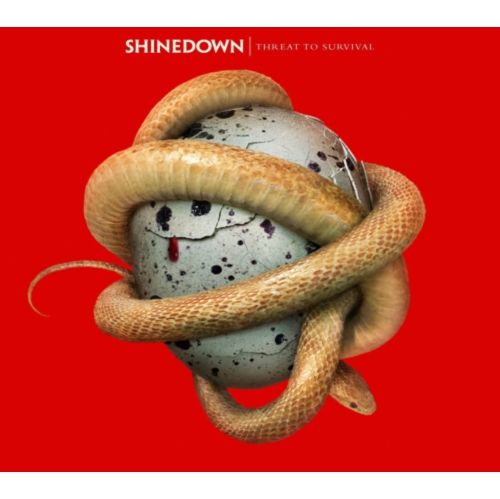 Your price for this item is $15.91
Discover more categories related to Hard Rock Vinyl Records


Top Collections:
Pokemon Centers, Kindle Devices, Best Budget Office Chairs, Apple iPhones 16, Canon G7X Cameras, iPhone 15 Apple, Alarm Clock, Refurbished Apple Laptops, Flip Phones, Best Laptops for Writers
Some products may be subject to Environmental Handling Fees
(EHF) depending on your province.
Learn more about EHFs.