Computer Speakers

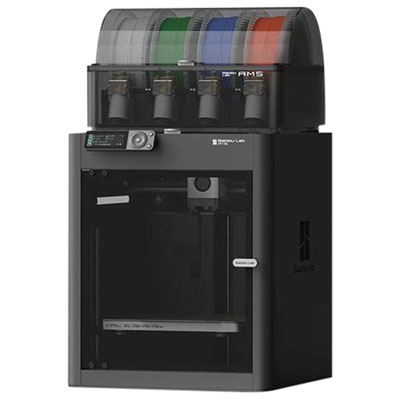
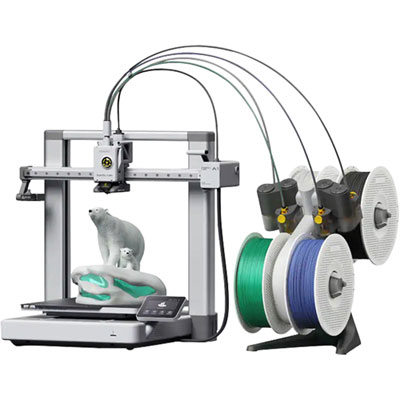
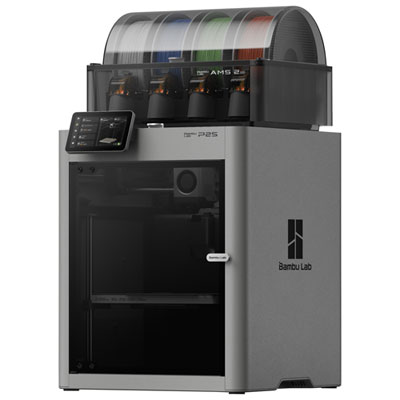
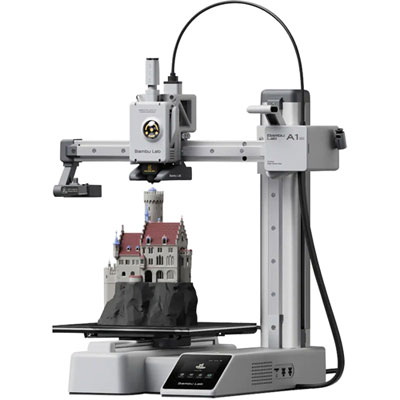
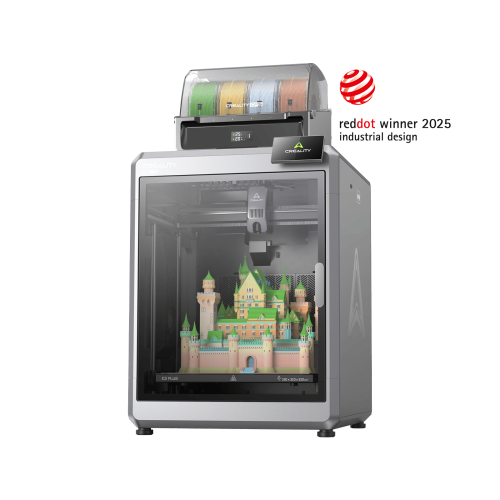
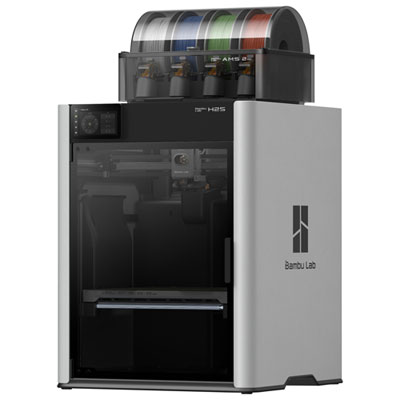
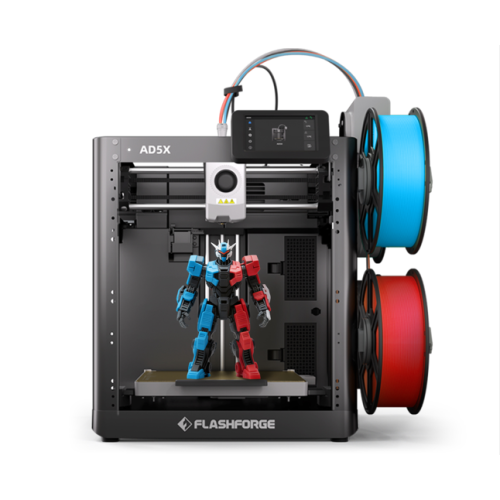
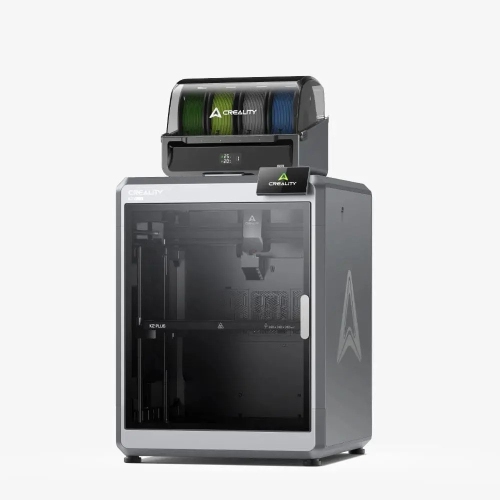
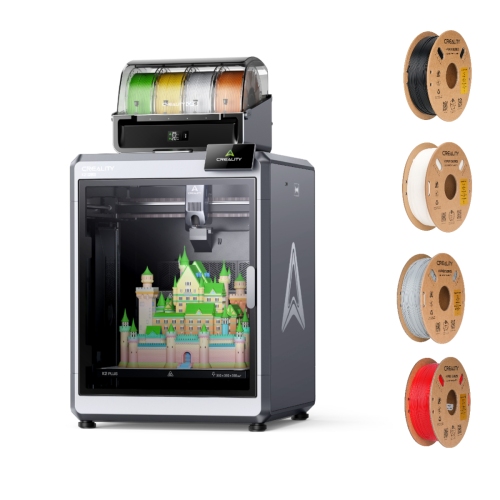
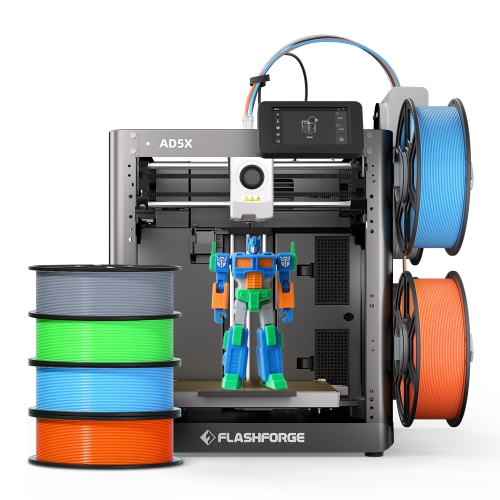
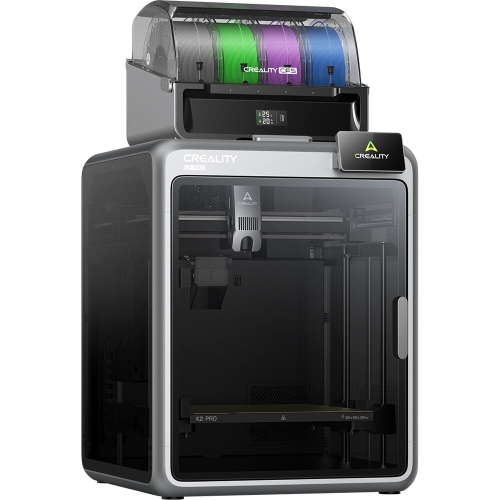
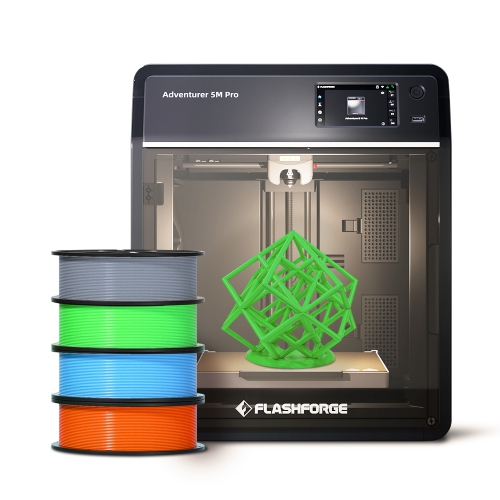
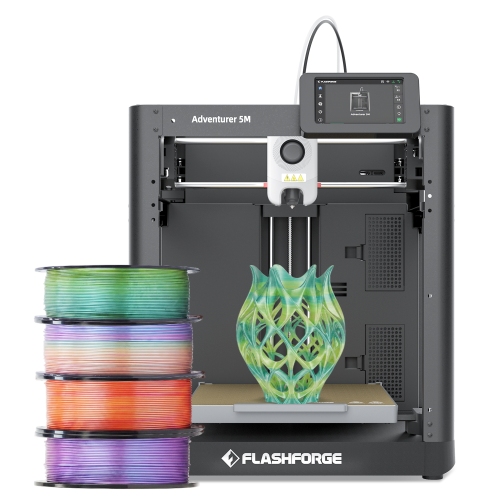
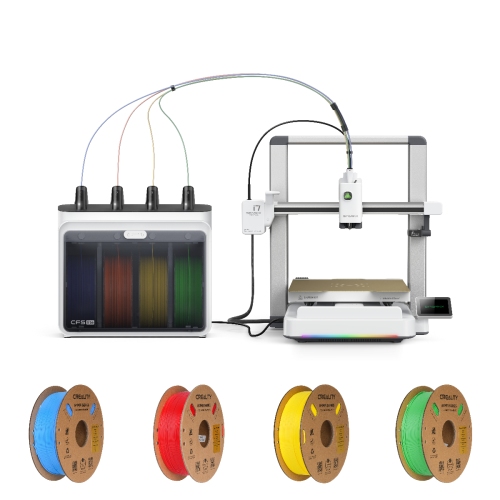
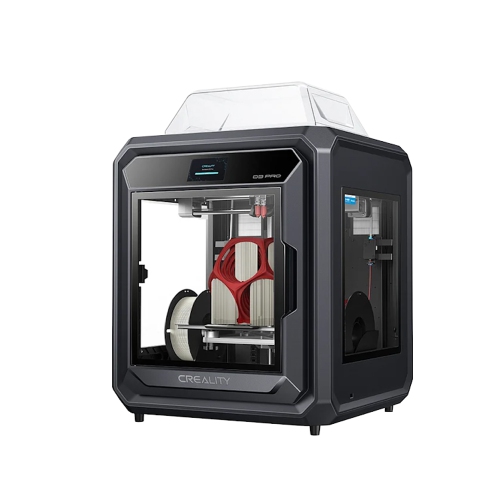
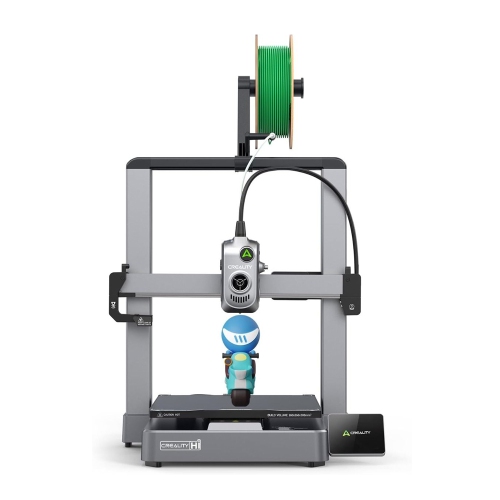
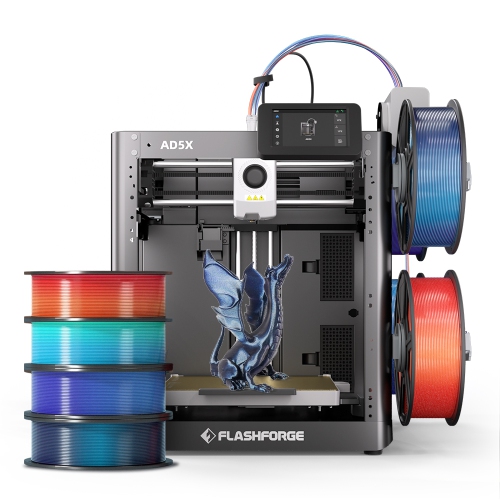
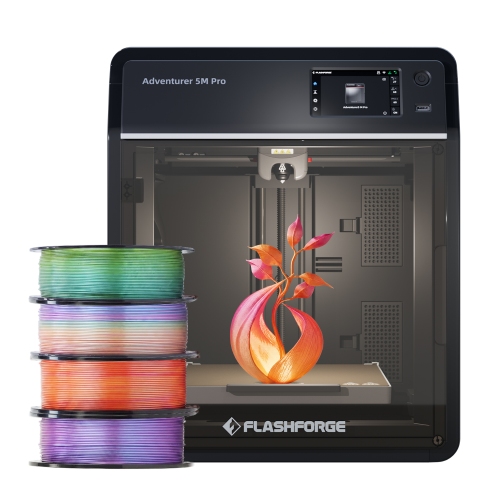
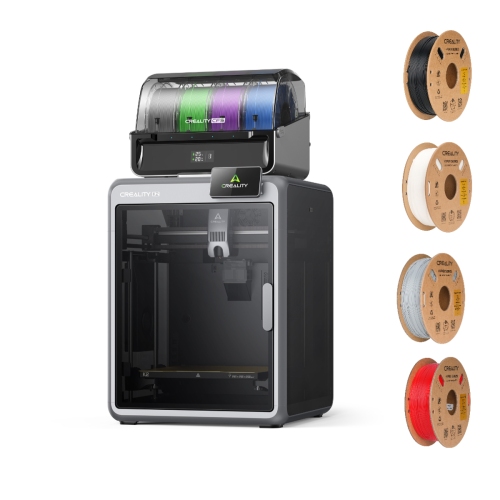
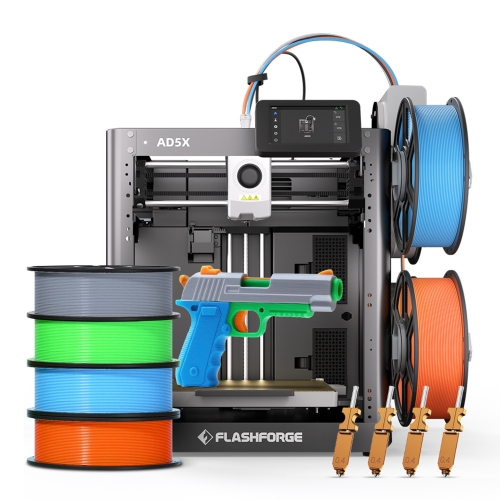
Multi-material 3D printers open up new possibilities for creators, hobbyists, and professionals by allowing the use of different filaments and colours in a single project. These versatile printers are designed to help bring complex ideas to life, making them a popular choice for those looking to expand their creative capabilities. Whether you’re interested in prototyping, artistic design, or functional parts, multi-material 3D printers offer flexibility and convenience for a wide range of applications. Explore options that can help take your projects to the next level.

Read More

Sort

Multi material 3D printers have rapidly become a cornerstone for creators, educators, engineers, and hobbyists who want to push the boundaries of what’s possible in desktop fabrication. With the ability to print objects using two or more filament types or colors in a single job, these innovative machines open up new avenues for functional prototyping, artistic expression, and practical problem-solving. Imagine designing a custom phone case with both rigid and flexible sections, or engineering a mechanical part that combines strength and elasticity exactly where you need it. Multi material 3D printers make these possibilities accessible right from your own workspace. Whether you’re developing intricate architectural models with transparent windows and solid walls, or crafting detailed figurines with lifelike color gradients, the versatility offered by multi material printing is unmatched.

When considering multi material 3D printers, it’s important to think about your specific needs and how you plan to use this technology. For professionals in product design or engineering, these printers can streamline the prototyping process by allowing different material properties—like combining soft-touch grips with sturdy frames—in a single print run. Educators often find them invaluable for demonstrating complex scientific concepts; for example, printing anatomical models where bones and muscles are represented by different materials enhances both understanding and engagement in the classroom. Hobbyists and makers enjoy experimenting with creative projects such as jewelry, cosplay props, or home décor items that come to life through the interplay of colors and textures. If you’re shopping for a gift, multi material 3D printers make an exciting present for tech enthusiasts, artists looking to expand their medium, or students eager to explore STEM fields through hands-on learning.

Selecting the right multi material 3D printer involves weighing several factors to ensure it fits your workflow and ambitions. Consider build volume if you intend to create larger models or multiple parts at once; look into compatibility with various filament types like PLA, ABS, TPU, or specialty blends for unique effects. Ease of use is another key aspect—automatic calibration features and intuitive software can make setup straightforward even for beginners. Maintenance requirements should also be taken into account; reliable filament feeding systems and easy-to-clean extruders help keep your projects running smoothly. Connectivity options like Wi-Fi or USB support seamless integration into your work . As you explore the range of multi material 3D printers available, envision how they can transform your creative process—whether you’re designing functional prototypes for business clients or bringing imaginative ideas to life at home. These versatile machines empower users of all skill levels to experiment boldly with form, function, and finish—making every print an opportunity to innovate and inspire.

Read More

What is a multi material 3D printer?

A multi material 3D printer is a type of 3D printer that can print objects using two or more different materials in a single print job. This allows for the creation of complex models with varied colors, textures, and material properties.

What are the benefits of using a multi material 3D printer?

Multi material 3D printers enable users to create more functional and visually appealing objects by combining materials with different characteristics, such as flexibility and rigidity, or multiple colors within one print.

What types of materials can be used in multi material 3D printing?

Common materials used in multi material 3D printing include various types of plastics like PLA, ABS, PETG, flexible filaments such as TPU, and sometimes specialty materials like wood-filled or metal-infused filaments.

Do I need special software for multi material 3D printing?

Yes, most multi material 3D printers require compatible slicing software that supports assigning different materials to specific parts of your model. Popular options include software like PrusaSlicer and Ultimaker Cura.

Can beginners use multi material 3D printers?

While there is a learning curve involved, many modern multi material 3D printers are designed with user-friendly interfaces and helpful guides, making them accessible to both beginners and experienced users.

Some products may be subject to EHF charges depending on your province. Learn more about EHFs.