Active Pickups
Explore the dynamic world of active pickups, where exceptional sound meets cutting-edge technology. Perfect for musicians seeking enhanced performance and clarity, these pickups offer a vibrant tonal experience that elevates your playing to new heights. Whether you're a seasoned performer or an enthusiastic beginner, active pickups provide the versatility and power needed to amplify your musical journey. Discover the ideal companion for your instrument and unlock a realm of sonic possibilities with our diverse selection tailored to suit every style and preference.
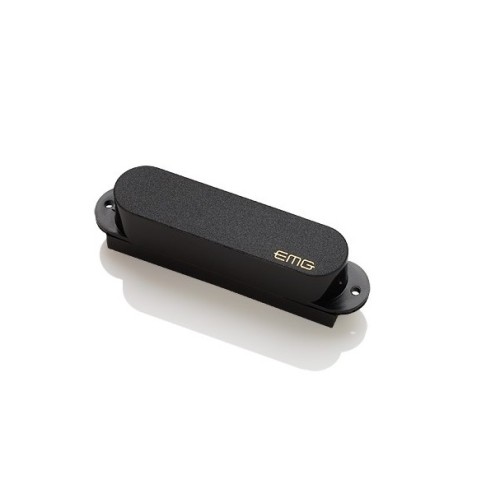
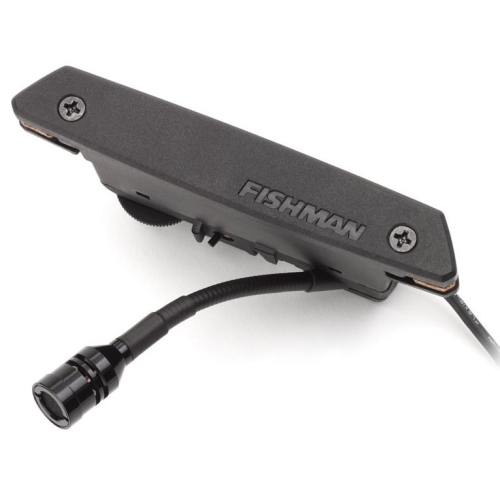

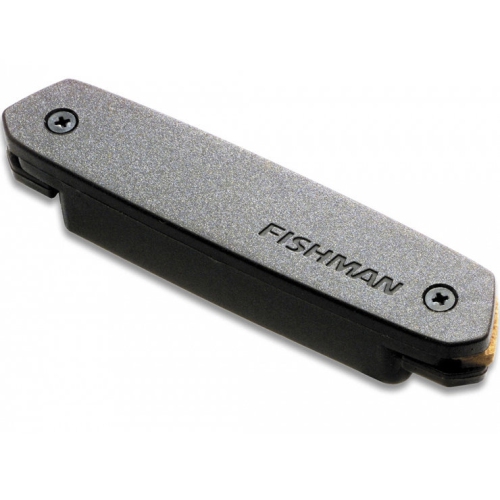
A focused signal for high-gain guitar and bass setups
Active pickups are electric guitar or bass pickups that use a battery-powered preamp built into the instrument to strengthen and shape the signal before it reaches an amplifier or effects setup. This design gives them a different response from traditional passive pickups, which rely on magnets and wire coils alone to produce an output. Active models generally use weaker magnets and fewer coil windings, helping capture the movement of the strings while producing a low-impedance signal with strong output, a sharp attack and impressive clarity. For players working with high-gain amplification, dense effects chains or long cable runs, that focused signal can help notes remain distinct instead of becoming muddy. Chords can sound tight and controlled, while single-note lines may cut through a full band with a clean, immediate edge. They are especially popular with guitarists and bassists who play metal, hard rock, punk, progressive styles and other music that depends on powerful distortion, precise rhythm parts and sustained lead tones. Active pickups can also suit home recording, rehearsal rooms and live stages where reducing unwanted hum and interference is a priority. A player moving from a passive setup may notice that active pickups feel more direct under the fingers, with a strong response that can make palm-muted riffs sound particularly crisp. They may also keep their character when the instrument’s volume control is turned down, which is useful when moving from a driving rhythm sound to a quieter passage without changing amplifier settings. The result is not simply “more volume”; it is a carefully shaped signal that can give an instrument a polished, controlled voice. Tone remains personal, however, and some musicians prefer the softer compression, wider dynamics or more organic variation associated with passive designs. Active pickups are best understood as a focused option for players whose sound benefits from clarity, consistency and high output.
When choosing active pickups, begin by checking whether the set is intended for electric guitar or electric bass, since the construction, string response and frequency range are not interchangeable. Compatibility with the instrument is equally important. Confirm the pickup shape and dimensions, the number and spacing of the strings, the mounting style and whether the instrument has enough internal space for a battery compartment. Some active systems use one 9V battery, while others may be configured for two batteries to provide an 18V operating voltage. Higher voltage can offer additional headroom in some setups, but the instrument and electronics must support that arrangement. Players should also review the wiring requirements before purchasing. Active circuits typically use different potentiometer values from passive electronics, often low-value pots designed to work with the onboard preamp. Reusing the original controls without checking specifications can affect volume taper, tonal balance and overall performance. Installation may involve routing wires, replacing pots, connecting a stereo output jack and creating a secure battery connection, so anyone unfamiliar with instrument electronics may prefer professional installation. Keep a fresh battery available, especially before a rehearsal, recording session or performance. A battery that is close to empty can cause a weak, dull or intermittent signal, and leaving a cable plugged into the instrument can continue to draw power on many active setups. It is a small habit that matters: unplugging the cable after playing helps preserve battery life and keeps the instrument ready for the next session. Consider the rest of the signal chain as well. Active pickups can drive pedals and amplifiers forcefully, so gain, volume and equalization settings may need adjustment when replacing a lower-output pickup. A clean amplifier setting can reveal their low noise and punch, while a high-gain setting can emphasize their tight attack and controlled distortion. Players who use extended cable runs or several pedals may appreciate the lower impedance, which helps maintain high-frequency detail and reduces the dulling effect that can occur with some passive configurations. For a more traditional or acoustic instrument setup, an [Acoustic Pickup] is a separate category with different installation and sound considerations, so selecting the pickup type that matches the instrument is essential.
Active pickups can be a thoughtful gift for a guitarist or bassist who is refining a high-gain rig, recording original music or preparing for regular rehearsals and performances. They may appeal to an experienced player who already understands their preferred neck and bridge positions, output levels and tonal goals, as well as to an advancing musician who wants a more focused sound for heavier styles. Because pickup replacement can change the character of a familiar instrument without replacing the entire guitar or bass, it is often a practical way to refresh an older setup. Picture a well-loved instrument resting on a stand beside a practice amp: the body, neck and familiar feel remain the same, but the new electronics can give tight rhythm parts a harder edge and help lead notes rise above a dense backing track. Active systems with multiple voicings or switching options can provide additional flexibility, allowing one instrument to cover clean passages, saturated chords and aggressive lead tones. When comparing options, think about the role the instrument plays in the player’s setup rather than choosing by output alone. A bridge pickup may be preferred for bright, cutting rhythm work, while a neck position may provide a fuller sound for solos and warmer clean tones. Bass players should consider how the pickup responds to low frequencies, pick attack and fingerstyle playing, particularly if the instrument is used in a mix with keyboards, guitars or electronic effects. Check whether the pickup set includes the necessary wiring and hardware, and read the installation details carefully before beginning any work. The best match will support the player’s existing amplifier, pedals and technique while offering the response they want from the strings. With the right fit and a dependable battery routine, active pickups can bring a controlled, articulate voice to practice spaces, recording rooms and stages throughout the year, from lively late-summer sessions to focused playing during the cooler months.
When choosing active pickups, begin by checking whether the set is intended for electric guitar or electric bass, since the construction, string response and frequency range are not interchangeable. Compatibility with the instrument is equally important. Confirm the pickup shape and dimensions, the number and spacing of the strings, the mounting style and whether the instrument has enough internal space for a battery compartment. Some active systems use one 9V battery, while others may be configured for two batteries to provide an 18V operating voltage. Higher voltage can offer additional headroom in some setups, but the instrument and electronics must support that arrangement. Players should also review the wiring requirements before purchasing. Active circuits typically use different potentiometer values from passive electronics, often low-value pots designed to work with the onboard preamp. Reusing the original controls without checking specifications can affect volume taper, tonal balance and overall performance. Installation may involve routing wires, replacing pots, connecting a stereo output jack and creating a secure battery connection, so anyone unfamiliar with instrument electronics may prefer professional installation. Keep a fresh battery available, especially before a rehearsal, recording session or performance. A battery that is close to empty can cause a weak, dull or intermittent signal, and leaving a cable plugged into the instrument can continue to draw power on many active setups. It is a small habit that matters: unplugging the cable after playing helps preserve battery life and keeps the instrument ready for the next session. Consider the rest of the signal chain as well. Active pickups can drive pedals and amplifiers forcefully, so gain, volume and equalization settings may need adjustment when replacing a lower-output pickup. A clean amplifier setting can reveal their low noise and punch, while a high-gain setting can emphasize their tight attack and controlled distortion. Players who use extended cable runs or several pedals may appreciate the lower impedance, which helps maintain high-frequency detail and reduces the dulling effect that can occur with some passive configurations. For a more traditional or acoustic instrument setup, an [Acoustic Pickup] is a separate category with different installation and sound considerations, so selecting the pickup type that matches the instrument is essential.
Active pickups can be a thoughtful gift for a guitarist or bassist who is refining a high-gain rig, recording original music or preparing for regular rehearsals and performances. They may appeal to an experienced player who already understands their preferred neck and bridge positions, output levels and tonal goals, as well as to an advancing musician who wants a more focused sound for heavier styles. Because pickup replacement can change the character of a familiar instrument without replacing the entire guitar or bass, it is often a practical way to refresh an older setup. Picture a well-loved instrument resting on a stand beside a practice amp: the body, neck and familiar feel remain the same, but the new electronics can give tight rhythm parts a harder edge and help lead notes rise above a dense backing track. Active systems with multiple voicings or switching options can provide additional flexibility, allowing one instrument to cover clean passages, saturated chords and aggressive lead tones. When comparing options, think about the role the instrument plays in the player’s setup rather than choosing by output alone. A bridge pickup may be preferred for bright, cutting rhythm work, while a neck position may provide a fuller sound for solos and warmer clean tones. Bass players should consider how the pickup responds to low frequencies, pick attack and fingerstyle playing, particularly if the instrument is used in a mix with keyboards, guitars or electronic effects. Check whether the pickup set includes the necessary wiring and hardware, and read the installation details carefully before beginning any work. The best match will support the player’s existing amplifier, pedals and technique while offering the response they want from the strings. With the right fit and a dependable battery routine, active pickups can bring a controlled, articulate voice to practice spaces, recording rooms and stages throughout the year, from lively late-summer sessions to focused playing during the cooler months.
Top selling and popular products
-
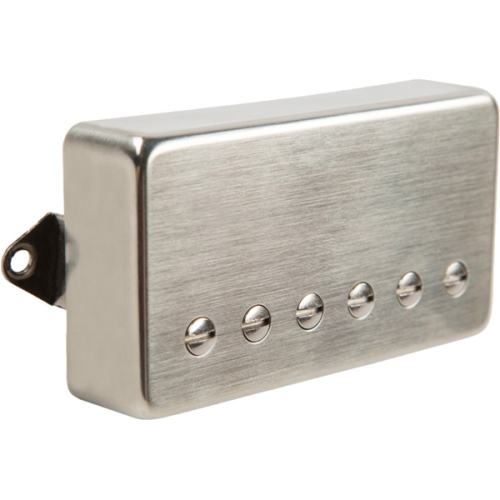 Your price for this item is $244.99
 -
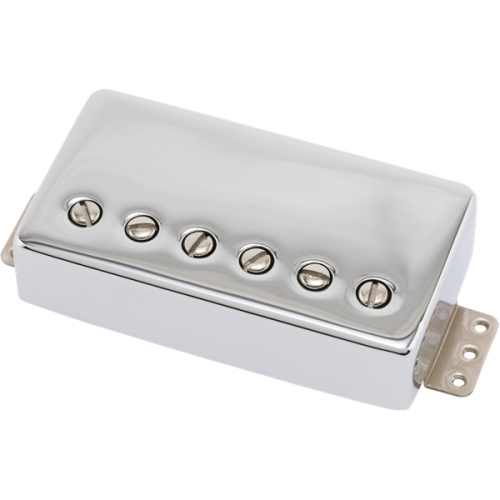 Your price for this item is $169.99
 -
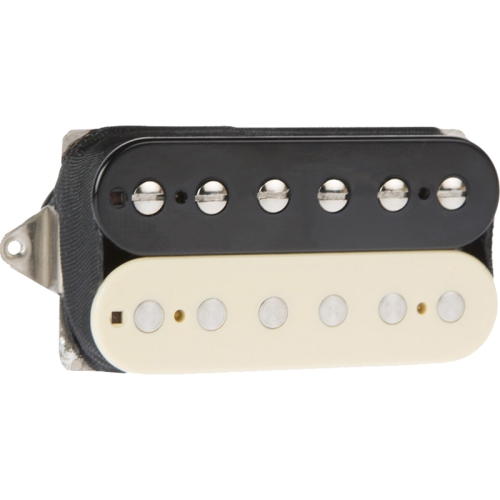 Your price for this item is $204.99
 -
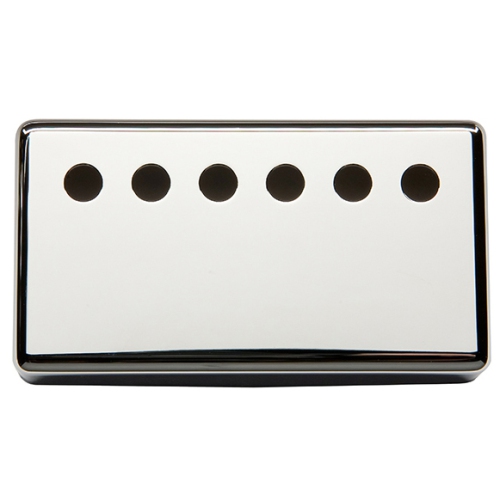 Your price for this item is $27.99
 -
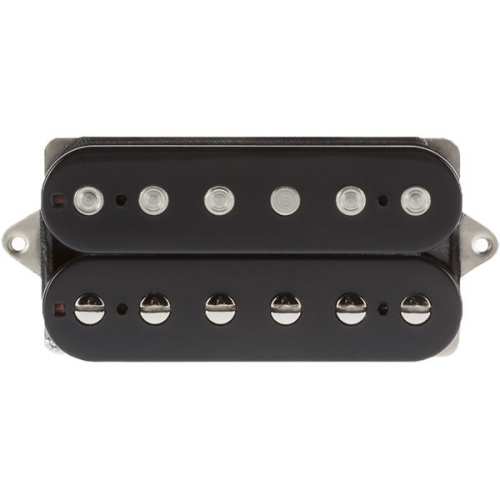 Your price for this item is $204.99
 -
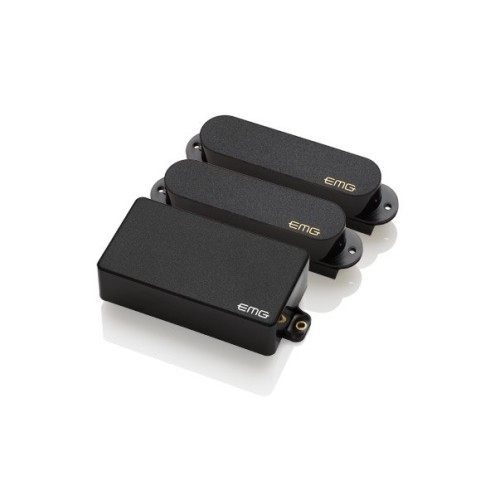 Your price for this item is $379.49
 -
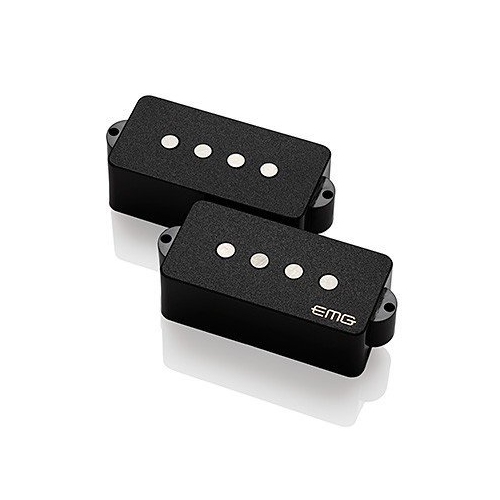 Your price for this item is $178.24
 -
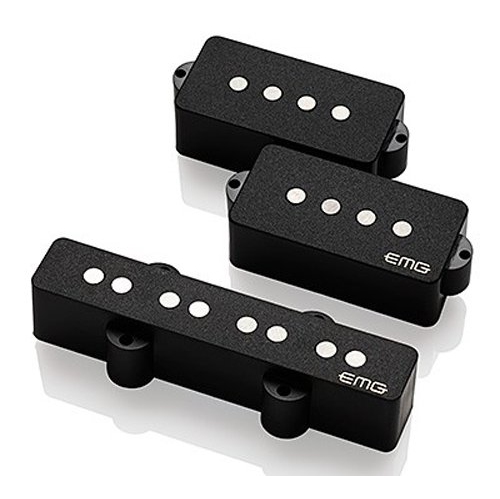 Your price for this item is $273.64
Discover more categories related to Active Pickups

Top Collections:
Pokemon Centers, Kindle Devices, Best Cell Phones Under $500, Alarm Clock, Canon G7X Cameras, iPhone 15 Apple, Apple iPhones 16, Laptops for Students, iPhone 14 256GB, Budget Smartphones
Some products may be subject to Environmental Handling Fees
(EHF) depending on your province.
Learn more about EHFs.