Delay Pedals
Explore the world of delay pedals, where sonic creativity meets endless possibilities. Perfect for musicians looking to add depth and dimension to their sound, these versatile tools allow you to craft everything from subtle echoes to intricate soundscapes. Whether you're a seasoned performer or just starting your musical journey, delay pedals can transform your performances with their ability to repeat notes and create mesmerizing layers. Dive into our selection and discover how delay pedals can elevate your music to new heights, offering unique textures that inspire and captivate.
Sort
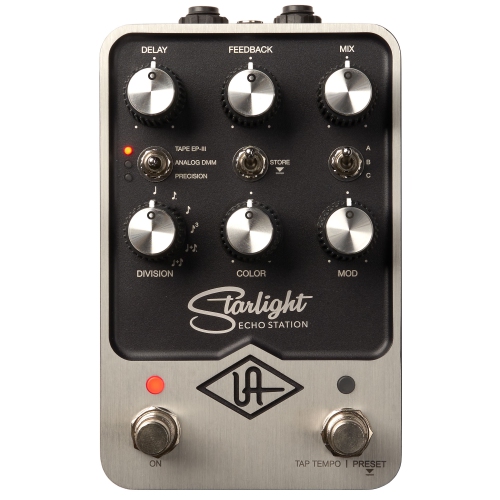


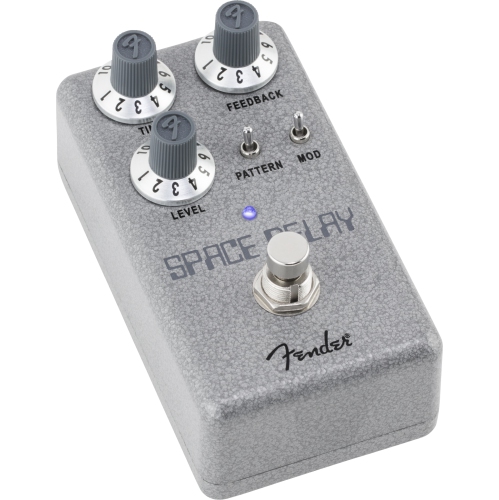

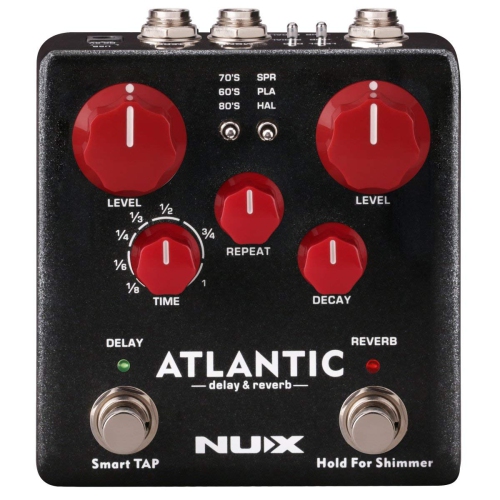
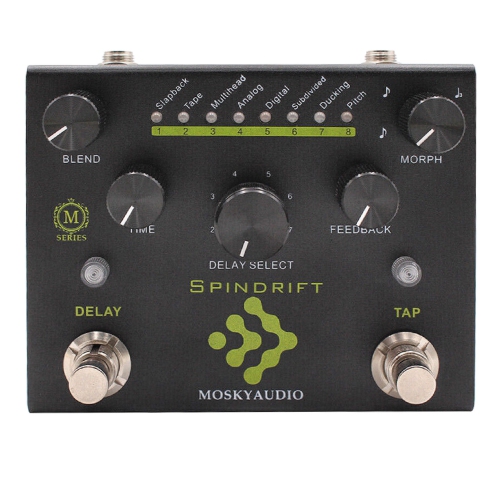

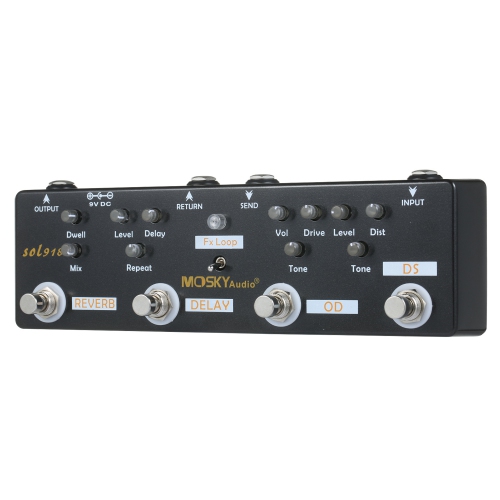
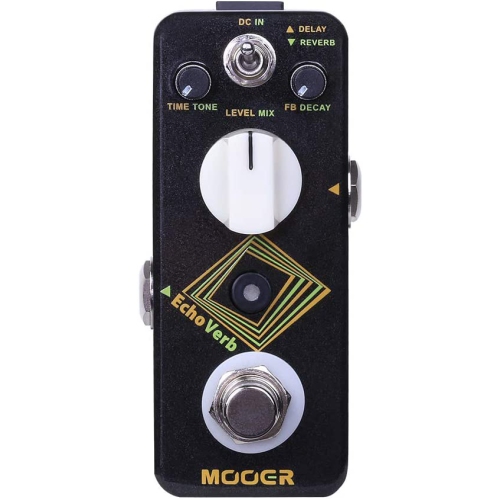
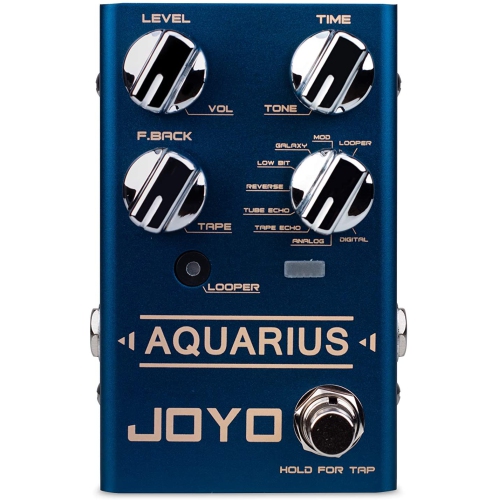
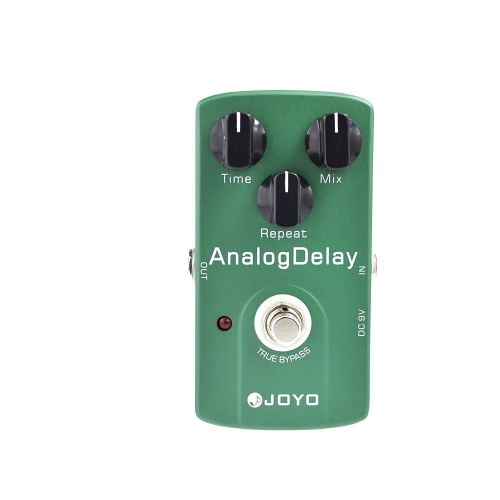
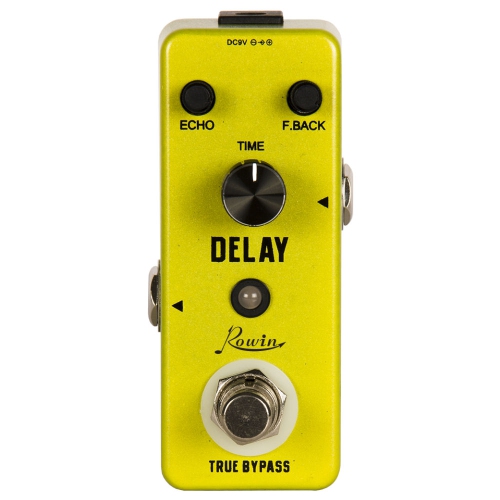
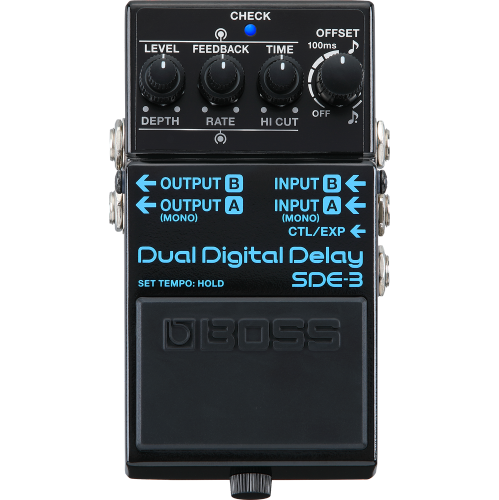
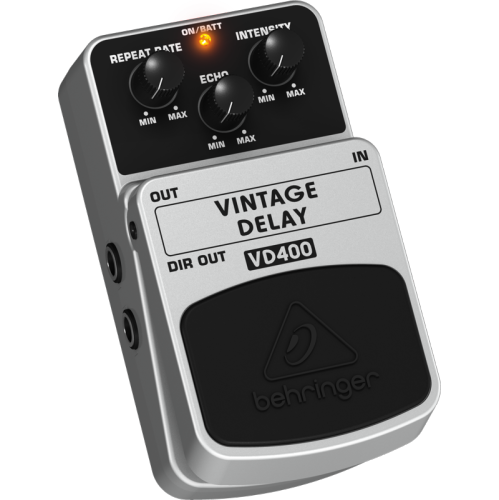
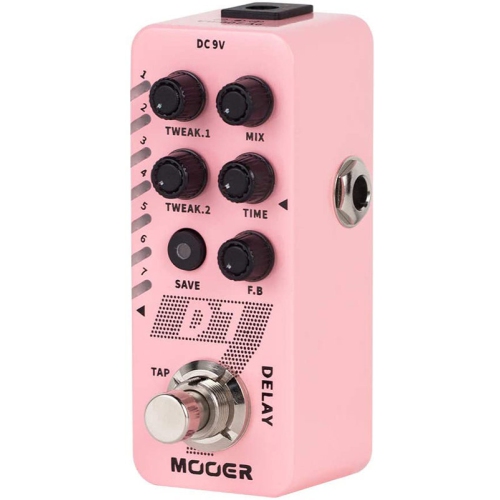
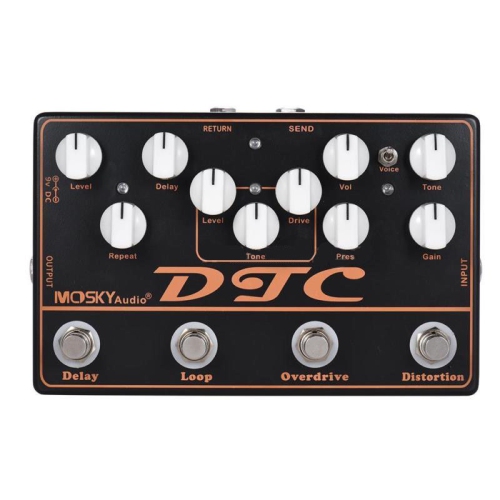
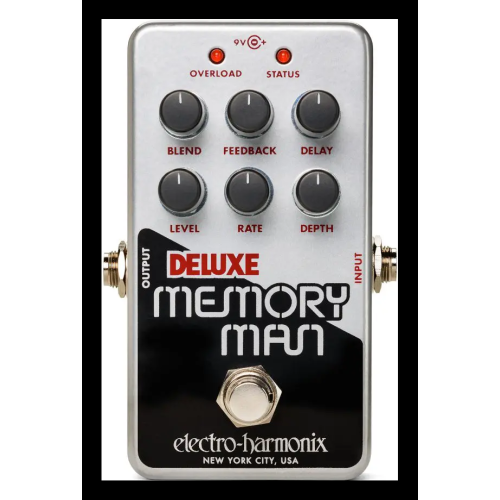
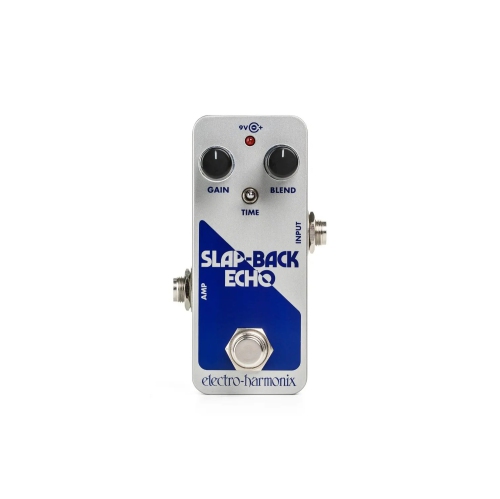
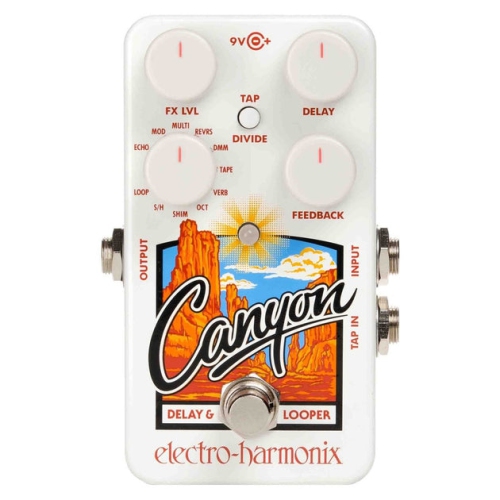
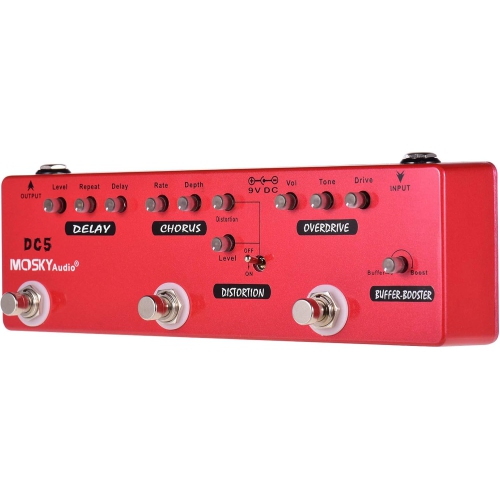
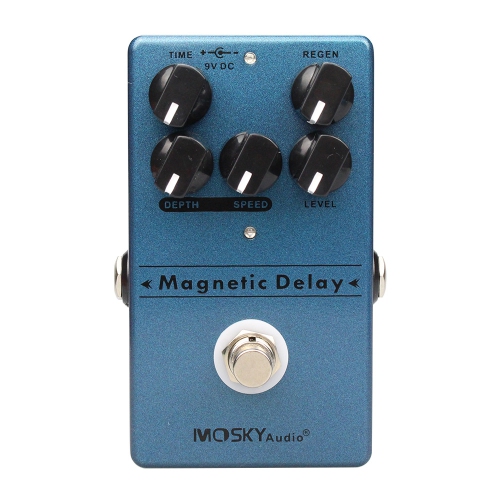
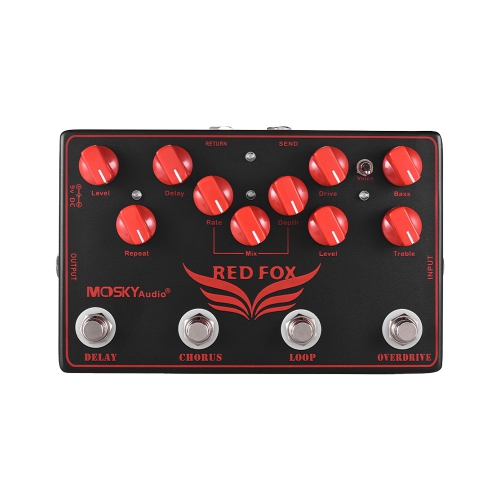
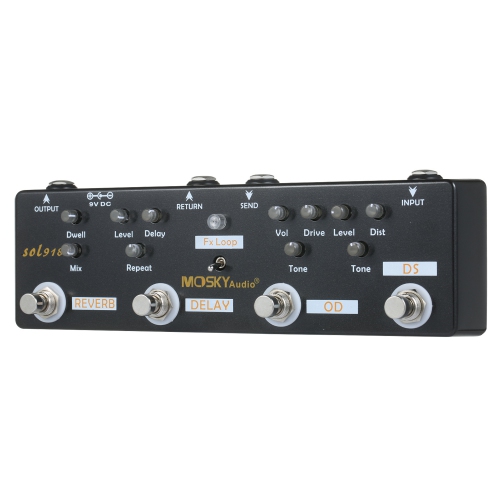
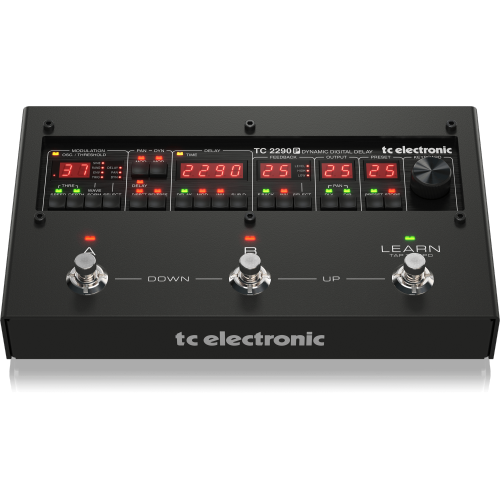
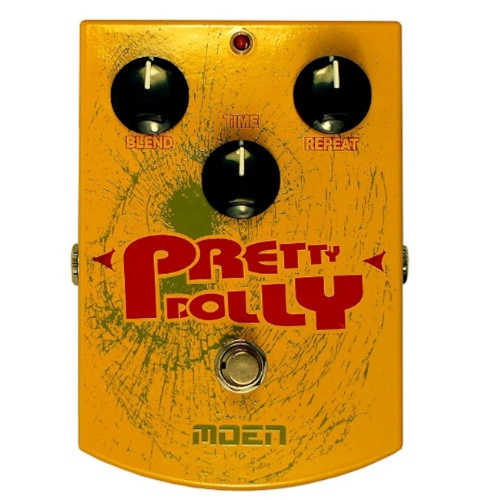
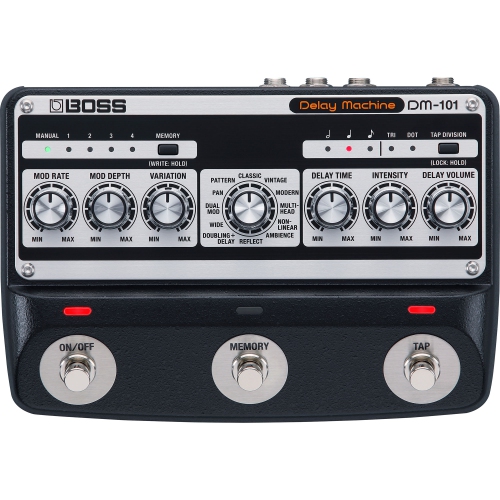
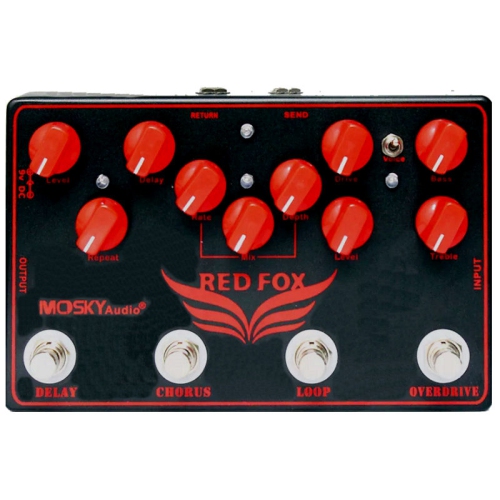
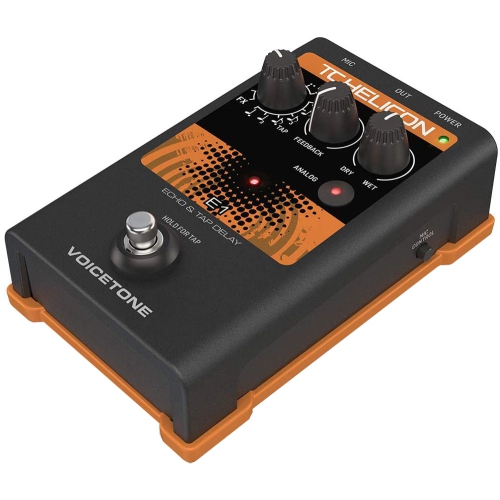
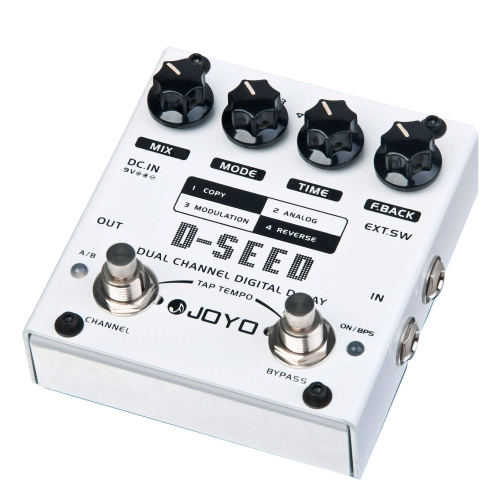
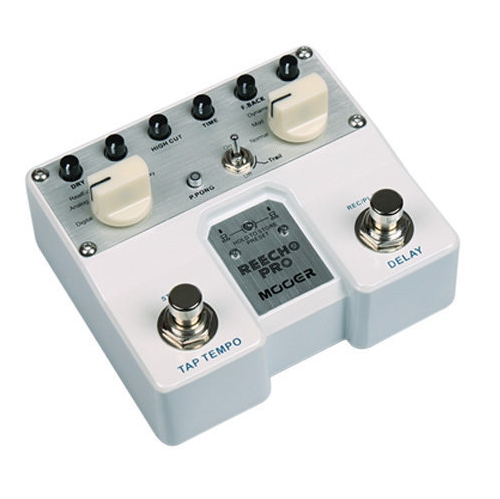
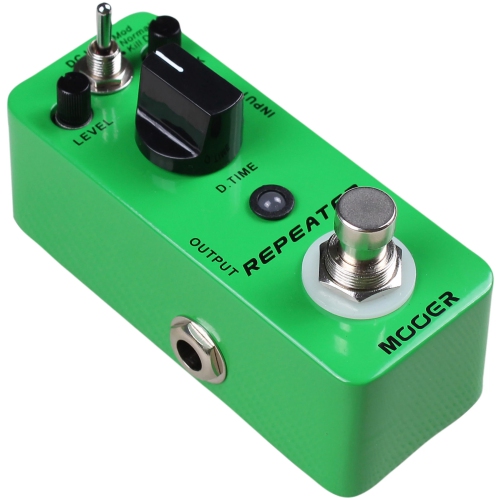
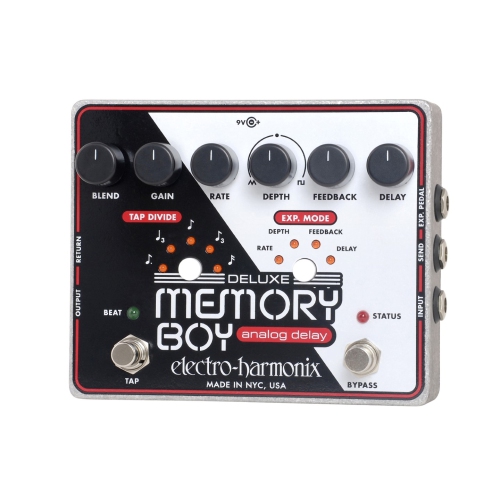
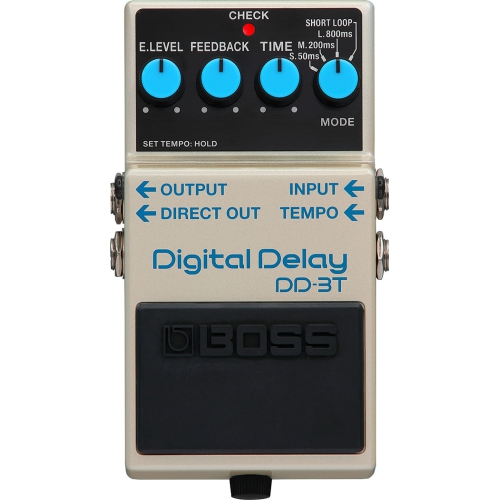
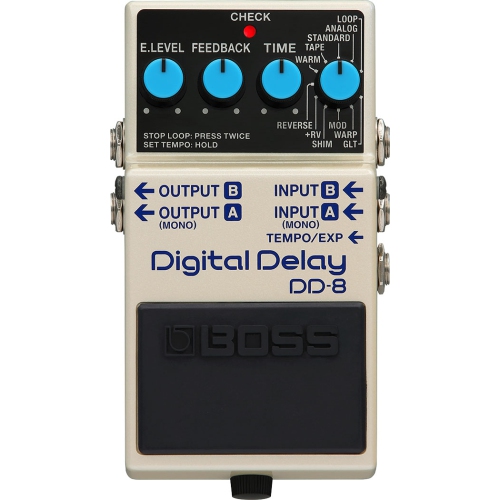
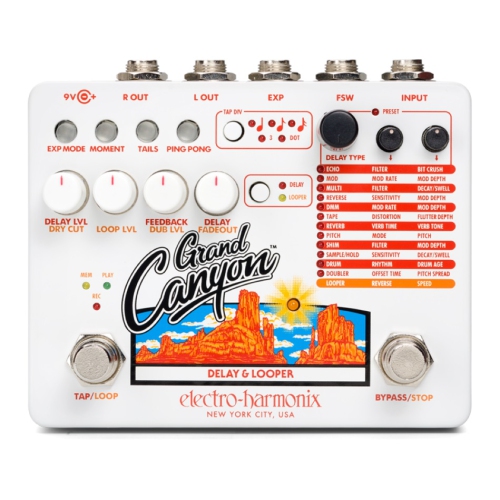


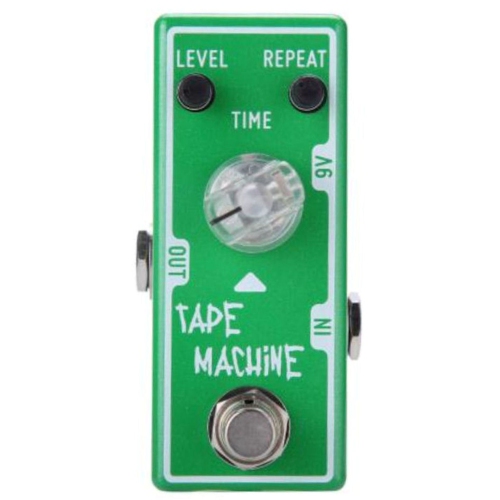
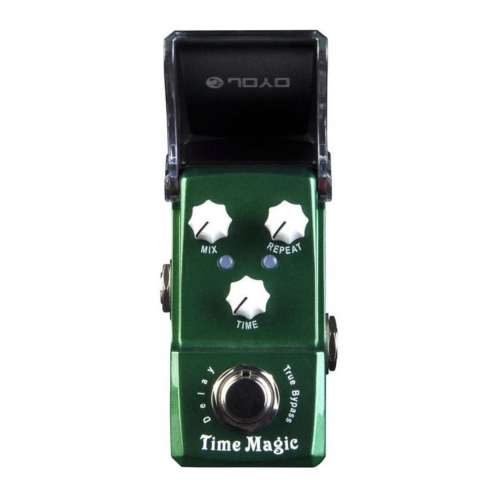


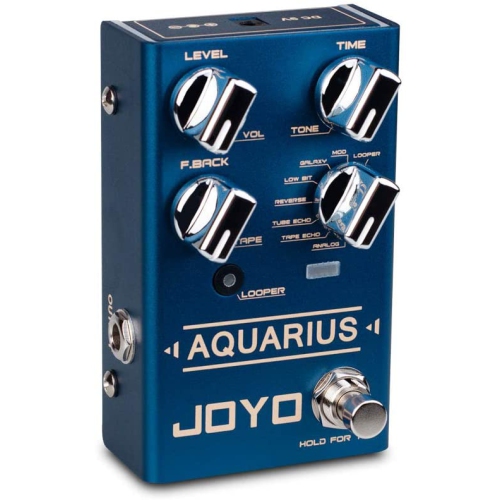
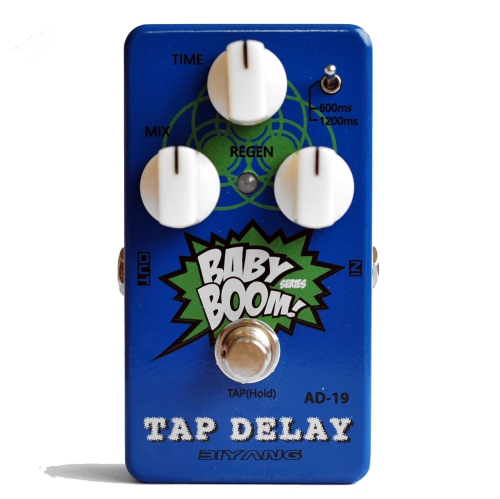

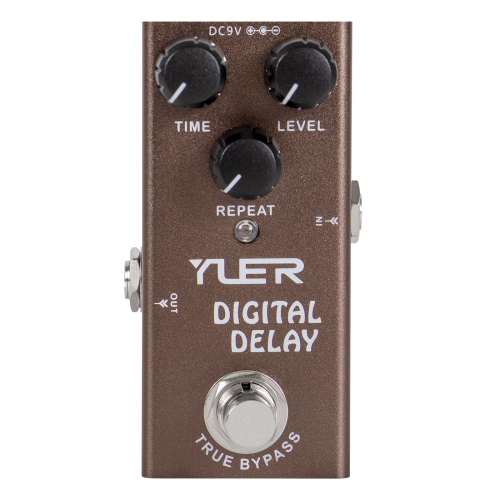
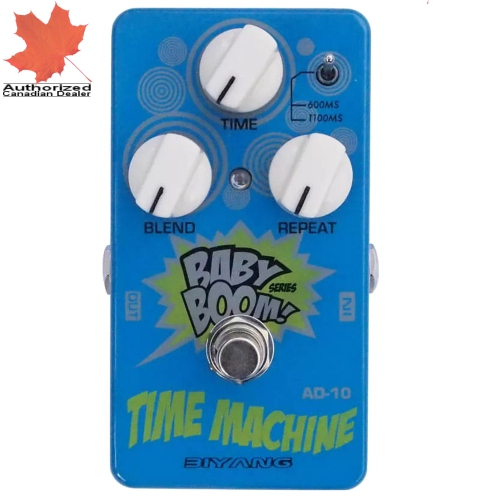
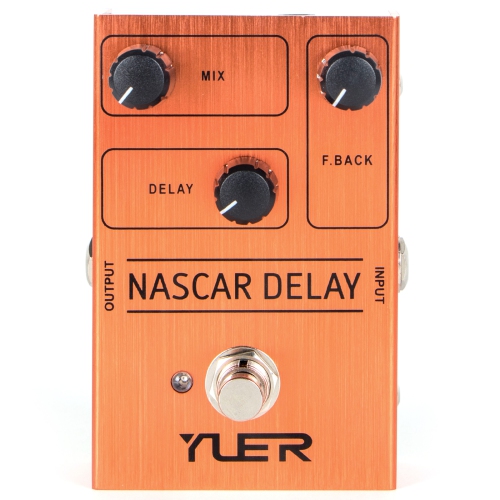
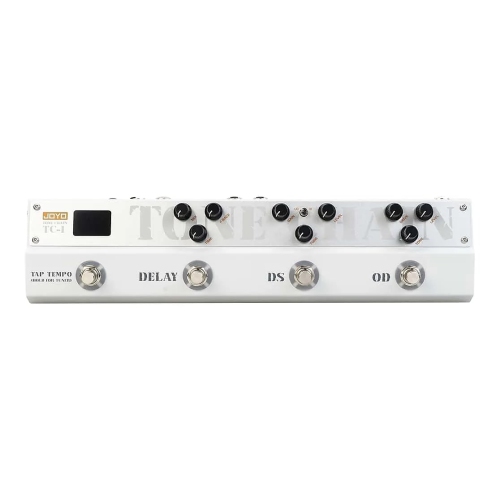
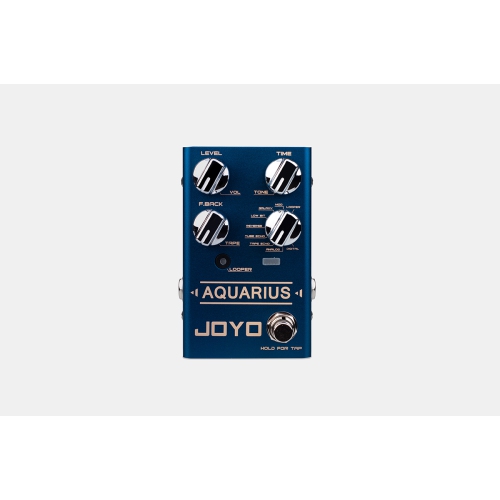
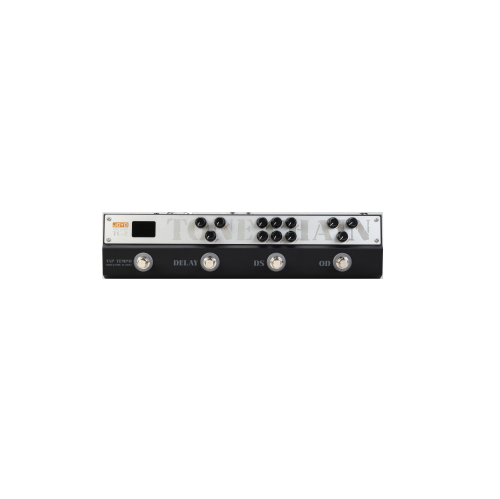
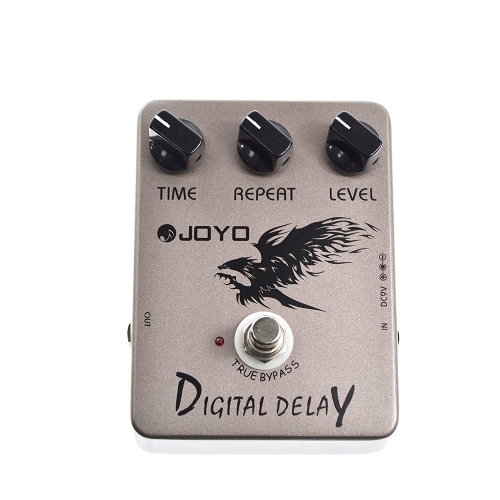
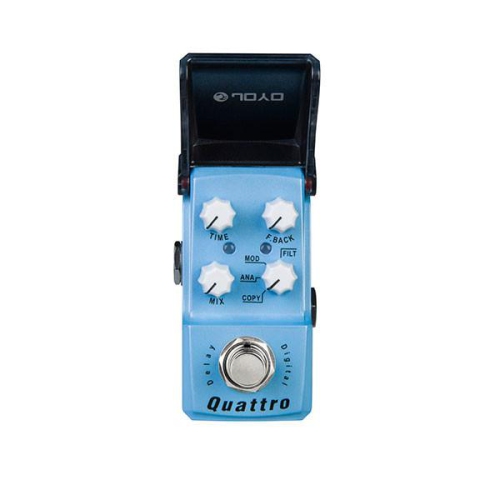

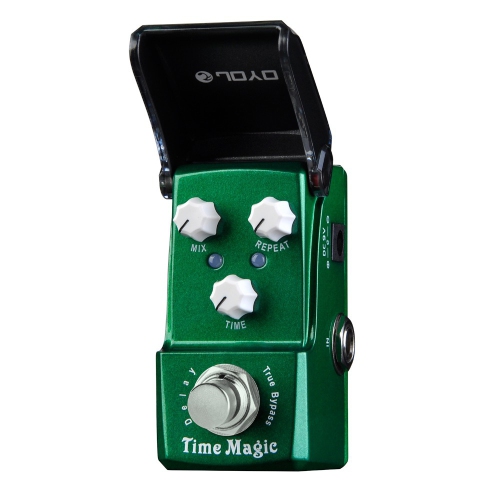
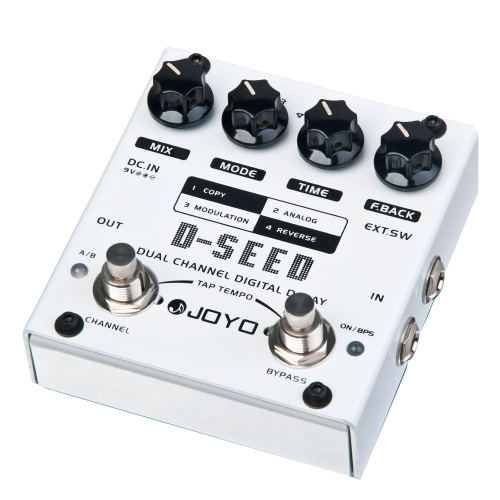
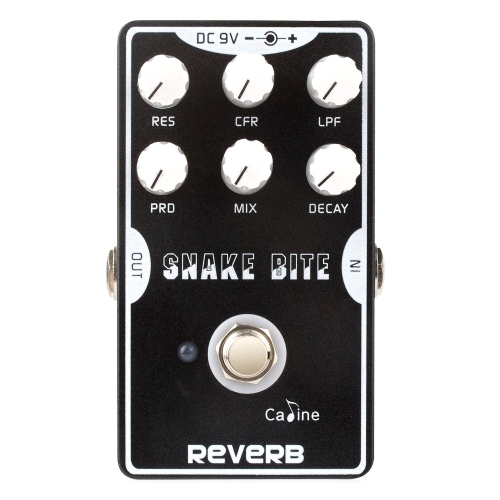
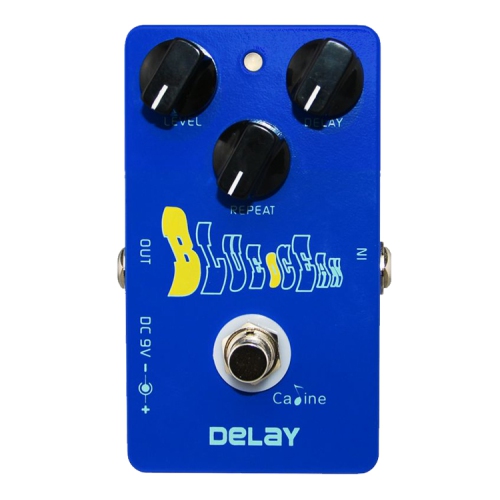
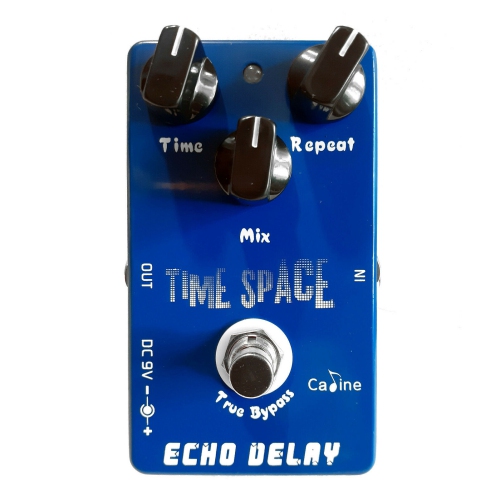
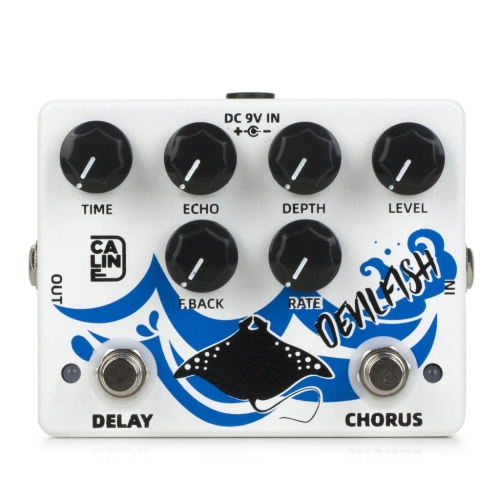
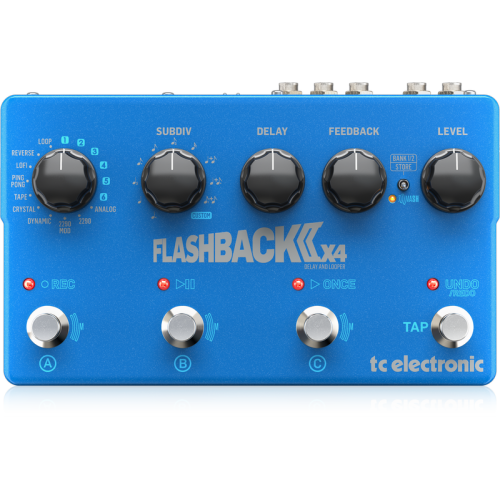
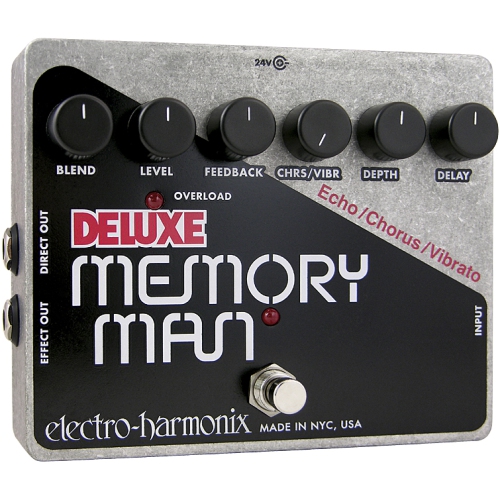


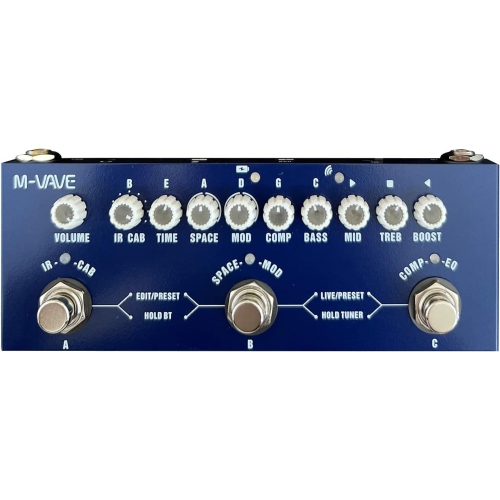
From subtle echoes to expansive ambient soundscapes
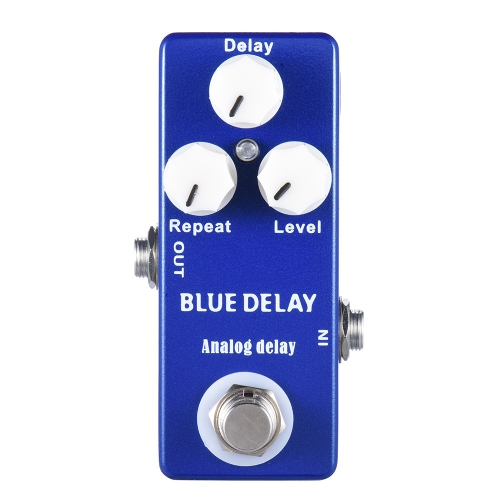
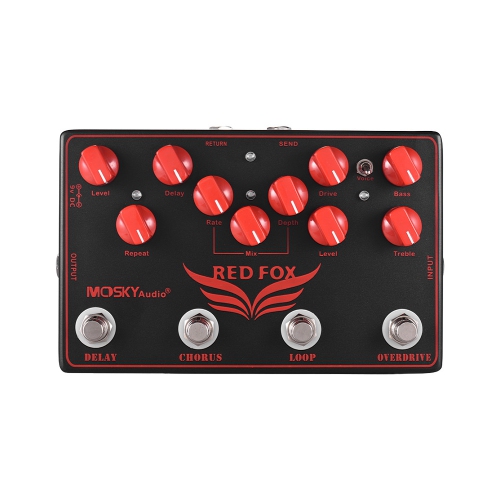
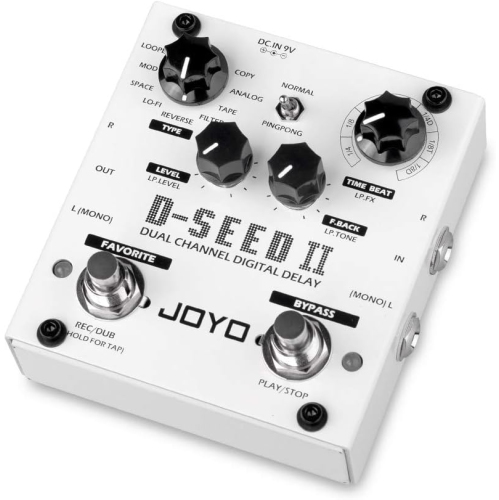
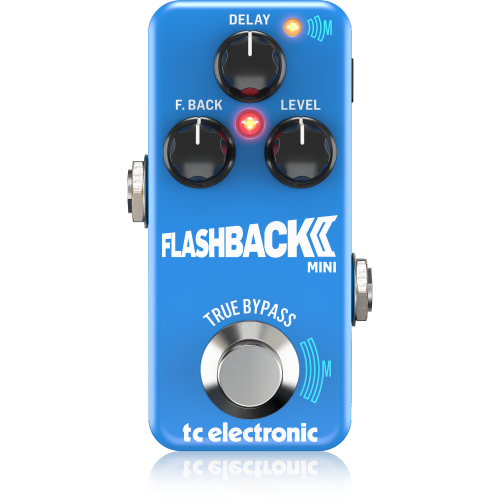
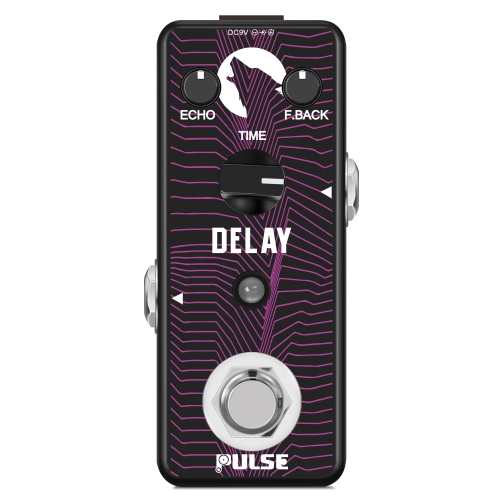
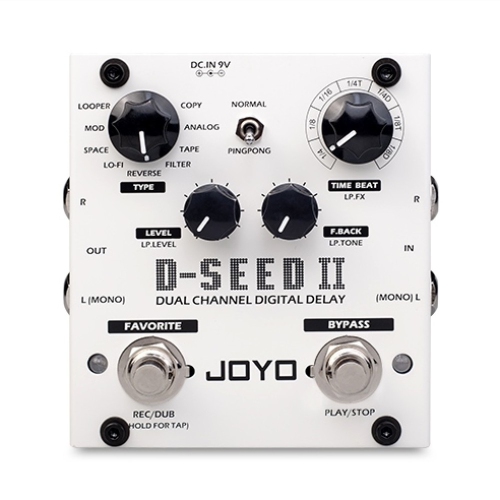
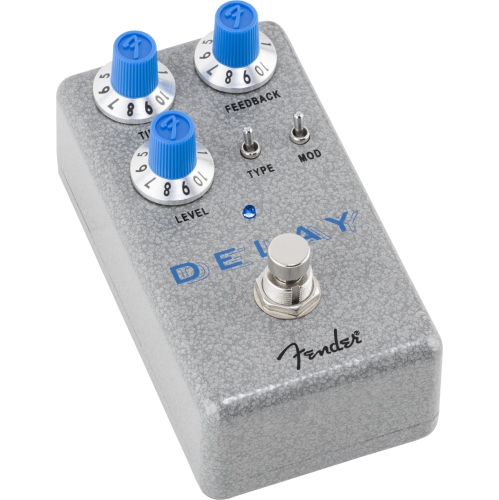
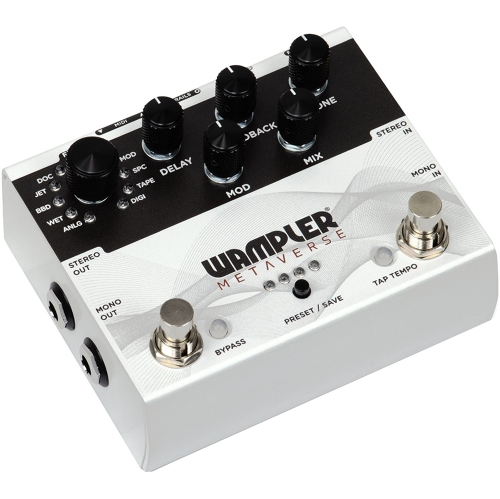
Delay pedals add time-based effects to an instrument’s signal by recording a note or chord and playing it back a moment later. The result can be a subtle echo that gives a melody more depth, a tight slapback effect that adds character to rhythm guitar, or a long trail of repeats that fills a room with spacious, atmospheric sound. For many players, delay becomes one of the most versatile effects on a pedalboard because it can support both restrained, polished tones and bold, expressive textures. A short delay with only one or two repeats can make a clean guitar sound fuller without noticeably changing its character, while a longer setting can create the sense of notes floating behind the original performance. Delay is also useful for lead lines, ambient chords, arpeggios, solos, keyboard parts, and other instruments with a compatible signal path. The main controls are usually easy to understand: time sets the gap between the original sound and its repeats, feedback controls how many echoes are heard, and mix or level balances the unaffected signal with the delayed sound. Small adjustments can make a significant difference. A quick setting may produce a sharp, rhythmic response that works well with rockabilly, country, blues, and driving rock, while a slower setting can add width and movement to indie, alternative, progressive, worship, and experimental music. Players who prefer a warm, naturally fading effect may enjoy analog-style delay, where each repeat becomes softer and darker as it disappears. Digital delay is valued for clear, precise repeats that closely match the original note, making it a practical choice for detailed rhythmic patterns and modern sounds. Tape-style and tape-emulation effects recreate the gentle modulation, softness, and uneven movement associated with classic recording equipment, adding a more lived-in quality to sustained notes and chords. Some delay pedals combine several modes, giving musicians a way to move between vintage-inspired echoes, clean contemporary repeats, and expansive ambient effects without needing separate equipment for every sound.
Choosing the right delay pedal starts with considering how it will fit into a player’s setup and playing habits. Someone building a first pedalboard may appreciate a straightforward design with clearly marked time, feedback, and level controls, especially when learning how each adjustment changes the feel of a song. More experienced musicians may look for extra features such as multiple delay modes, tap tempo, subdivisions, presets, stereo outputs, expression-pedal compatibility, or the ability to save favourite settings. Tap tempo can be particularly useful for players who want repeats to follow the beat of a song, while rhythmic subdivisions can turn a simple echo into dotted, triplet, or other patterned effects. A compact pedal can be a good match for a small board or a musician who travels between rehearsals, lessons, and performances. Larger models may offer more control, visual feedback, and connectivity for players who need several sounds during a set. It is also worth checking power requirements, input and output connections, bypass style, and whether the pedal works well with the rest of the signal chain. A delay placed before distortion can produce a more blended, vintage-inspired response, while a delay positioned after gain effects often keeps the repeats clearer and more defined. Players using amplifiers with an effects loop may prefer to experiment with placing delay there, particularly when they want echoes to remain distinct after the amplifier’s overdrive. A guitarist who also uses Boost Pedals may arrange both effects according to whether they want the boost to drive the delay or lift the complete effected signal. There is no single arrangement that suits every rig, so practical details such as available board space, cable length, power supply capacity, and preferred playing style can help narrow the selection. It is also helpful to think about the sound at performance volume; a delay that feels dramatic through headphones or at home may need a lower mix level when playing with a full band.
Delay pedals can suit beginners, hobby musicians, recording enthusiasts, gigging performers, and experienced players who want another colour for their existing setup. They can also make thoughtful gifts for guitarists, bassists, keyboard players, and other musicians who enjoy experimenting with sound. For a newer player, a delay pedal can make practice more engaging by adding movement to scales, chords, and simple melodies. Repeating a phrase can also help with timing, as the player hears the relationship between the original note and each echo. For someone who already has a basic overdrive or distortion sound, delay can open up a different side of their instrument without requiring a complete change to their amplifier or guitar. A clean digital setting may be useful for recording layered parts, where every repeat needs to remain distinct, while an analog-style setting can add warmth to bluesy phrasing and slower solos. Tape-inspired effects can bring a gently shifting quality to sustained chords, making them well suited to home recording, sound design, and atmospheric playing during the cooler months spent indoors. Musicians who perform live may value durable construction, easy-to-read controls, and footswitches that can be operated confidently under changing stage lights. Home players may prioritize quiet operation, a small footprint, or stereo connectivity for an amplifier and recording interface. When comparing options, consider the desired maximum delay time, the number and character of repeats, the level of control available, and whether the pedal complements the instrument’s natural tone. A useful delay should inspire experimentation while remaining practical for everyday playing, whether it is adding a quick echo to a familiar riff, creating a wide backdrop for a quiet practice session, or helping a full arrangement feel more spacious and complete.
Choosing the right delay pedal starts with considering how it will fit into a player’s setup and playing habits. Someone building a first pedalboard may appreciate a straightforward design with clearly marked time, feedback, and level controls, especially when learning how each adjustment changes the feel of a song. More experienced musicians may look for extra features such as multiple delay modes, tap tempo, subdivisions, presets, stereo outputs, expression-pedal compatibility, or the ability to save favourite settings. Tap tempo can be particularly useful for players who want repeats to follow the beat of a song, while rhythmic subdivisions can turn a simple echo into dotted, triplet, or other patterned effects. A compact pedal can be a good match for a small board or a musician who travels between rehearsals, lessons, and performances. Larger models may offer more control, visual feedback, and connectivity for players who need several sounds during a set. It is also worth checking power requirements, input and output connections, bypass style, and whether the pedal works well with the rest of the signal chain. A delay placed before distortion can produce a more blended, vintage-inspired response, while a delay positioned after gain effects often keeps the repeats clearer and more defined. Players using amplifiers with an effects loop may prefer to experiment with placing delay there, particularly when they want echoes to remain distinct after the amplifier’s overdrive. A guitarist who also uses Boost Pedals may arrange both effects according to whether they want the boost to drive the delay or lift the complete effected signal. There is no single arrangement that suits every rig, so practical details such as available board space, cable length, power supply capacity, and preferred playing style can help narrow the selection. It is also helpful to think about the sound at performance volume; a delay that feels dramatic through headphones or at home may need a lower mix level when playing with a full band.
Delay pedals can suit beginners, hobby musicians, recording enthusiasts, gigging performers, and experienced players who want another colour for their existing setup. They can also make thoughtful gifts for guitarists, bassists, keyboard players, and other musicians who enjoy experimenting with sound. For a newer player, a delay pedal can make practice more engaging by adding movement to scales, chords, and simple melodies. Repeating a phrase can also help with timing, as the player hears the relationship between the original note and each echo. For someone who already has a basic overdrive or distortion sound, delay can open up a different side of their instrument without requiring a complete change to their amplifier or guitar. A clean digital setting may be useful for recording layered parts, where every repeat needs to remain distinct, while an analog-style setting can add warmth to bluesy phrasing and slower solos. Tape-inspired effects can bring a gently shifting quality to sustained chords, making them well suited to home recording, sound design, and atmospheric playing during the cooler months spent indoors. Musicians who perform live may value durable construction, easy-to-read controls, and footswitches that can be operated confidently under changing stage lights. Home players may prioritize quiet operation, a small footprint, or stereo connectivity for an amplifier and recording interface. When comparing options, consider the desired maximum delay time, the number and character of repeats, the level of control available, and whether the pedal complements the instrument’s natural tone. A useful delay should inspire experimentation while remaining practical for everyday playing, whether it is adding a quick echo to a familiar riff, creating a wide backdrop for a quiet practice session, or helping a full arrangement feel more spacious and complete.
Top selling and popular products
-
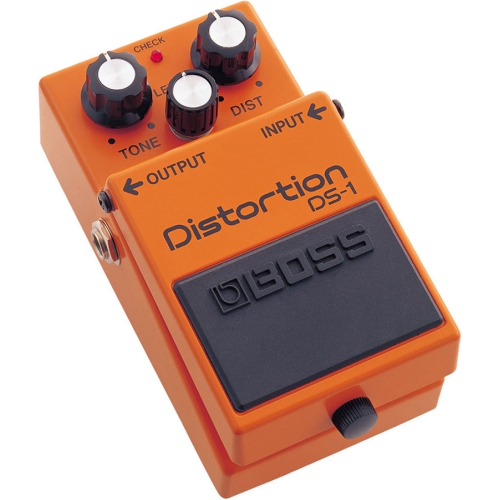 Your price for this item is $89.99
 -
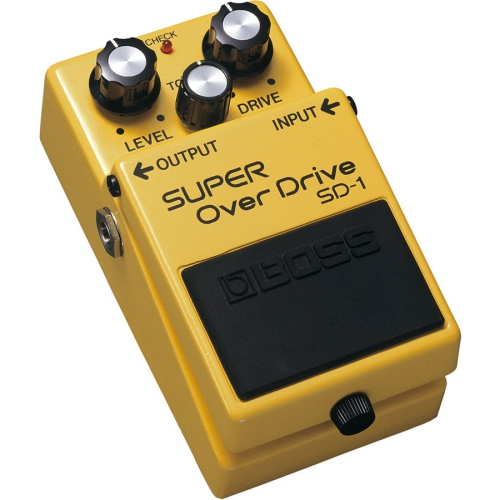 Your price for this item is $89.99
 -
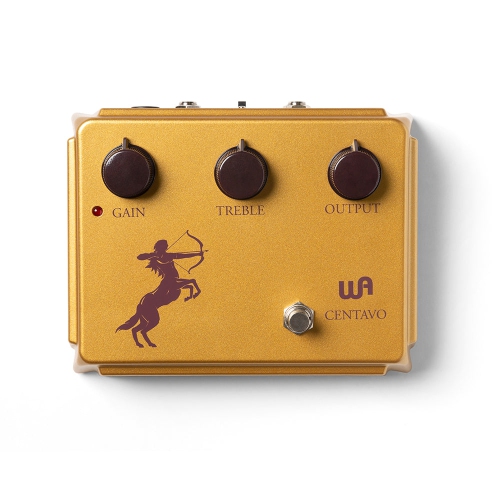 Your price for this item is $289
 -
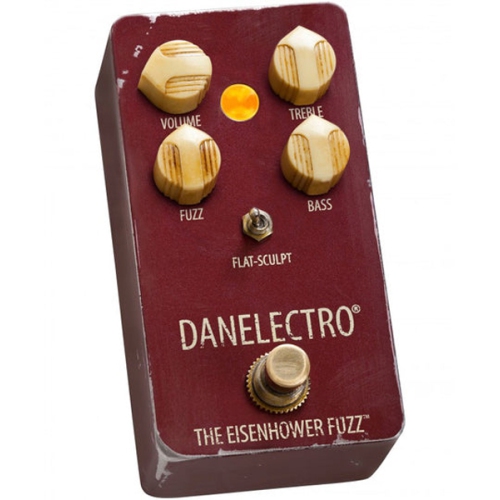 Your price for this item is $164.99
 -
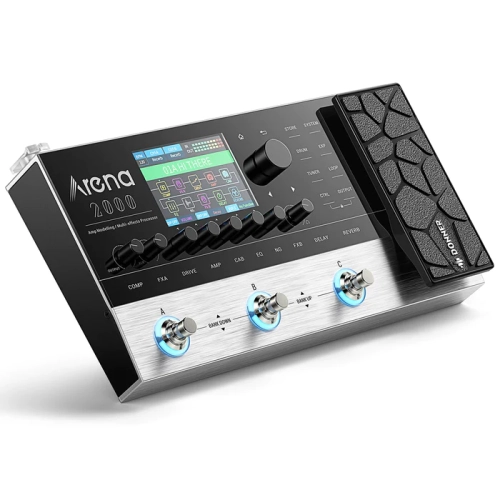 Your price for this item is $209.99
 -
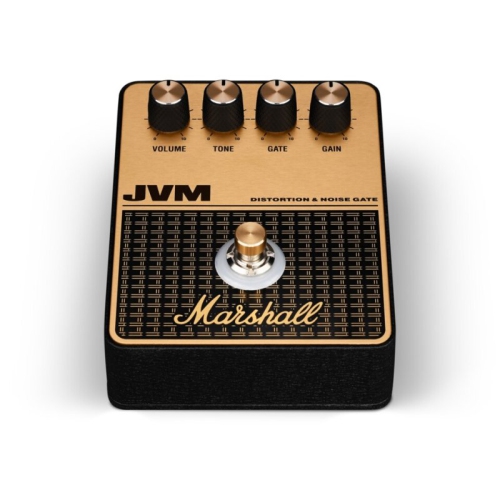 Your price for this item is $249.99
 -
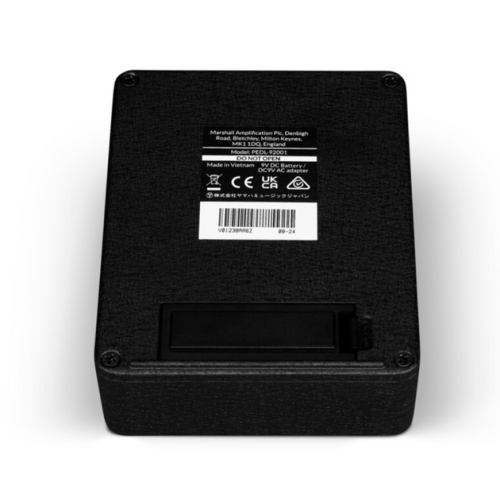 Your price for this item is $249.99
 -
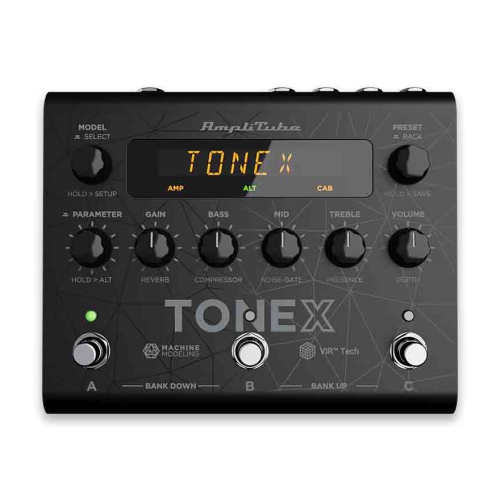 Your price for this item is $599.99
Discover more categories related to Delay Pedals
Top Collections:
Pokemon Centers, Kindle Devices, Best Budget Office Chairs, Apple iPhones 16, Canon G7X Cameras, iPhone 15 Apple, Alarm Clock, Refurbished Apple Laptops, Flip Phones, Best Laptops for Writers
Some products may be subject to Environmental Handling Fees
(EHF) depending on your province.
Learn more about EHFs.