Electric Bass
Looking to lay down the groove with powerful bass lines? Our selection of electric bass guitars offers a wide range of options for both beginners and seasoned musicians alike. Whether you're looking for a classic four-string model or a more advanced five-string version, we have the perfect instrument to help you create the perfect rhythm and low-end foundation for any musical style. Explore our collection of electric bass guitars and find the right fit for your playing style and preferences.
Sort


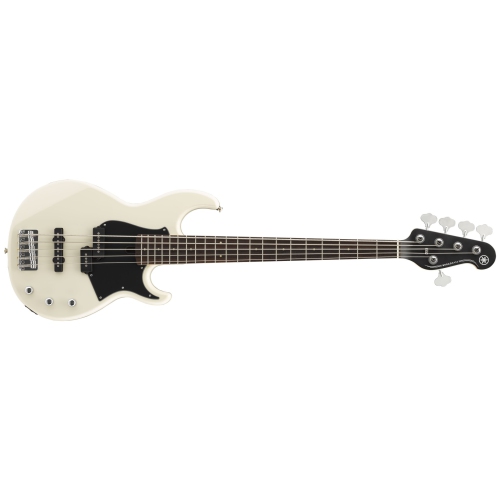
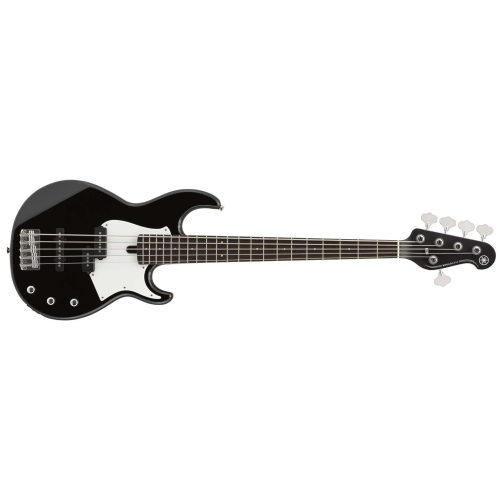
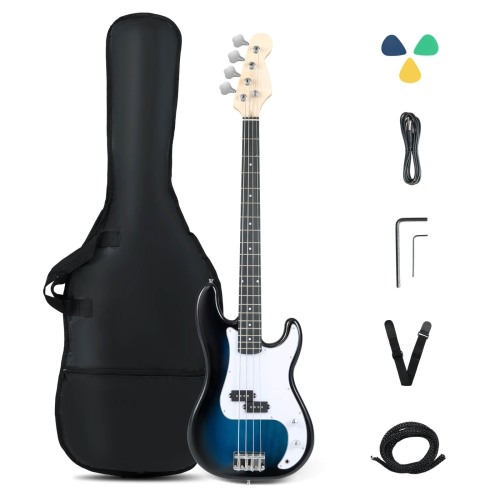
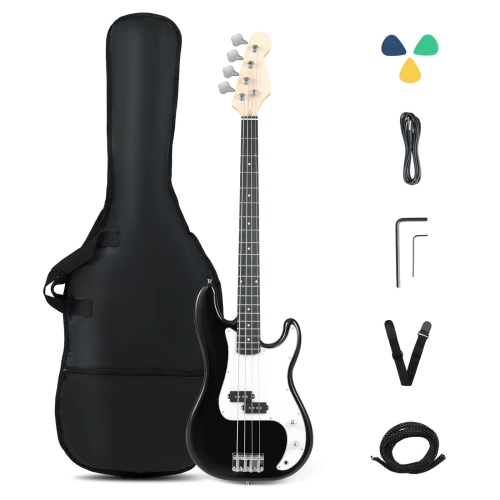








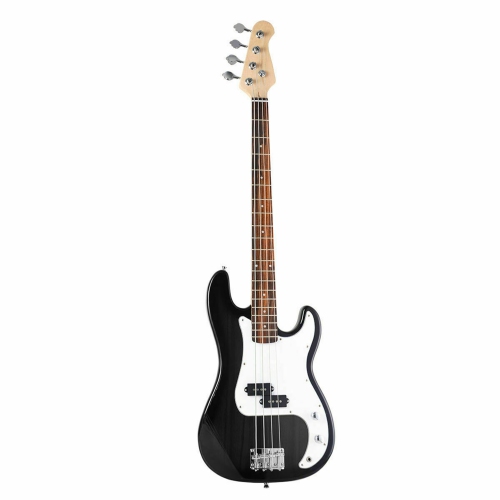
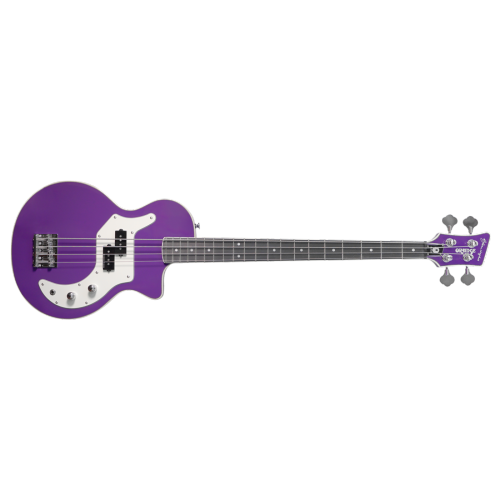
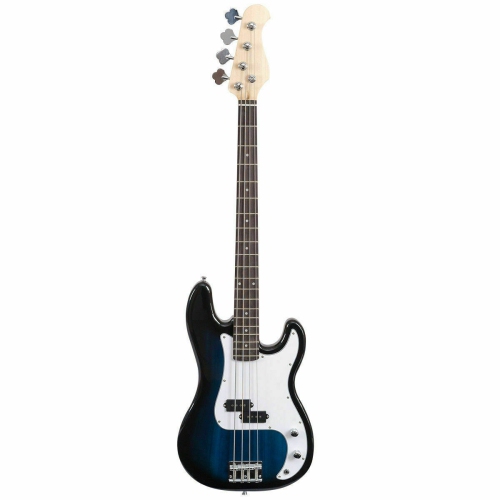
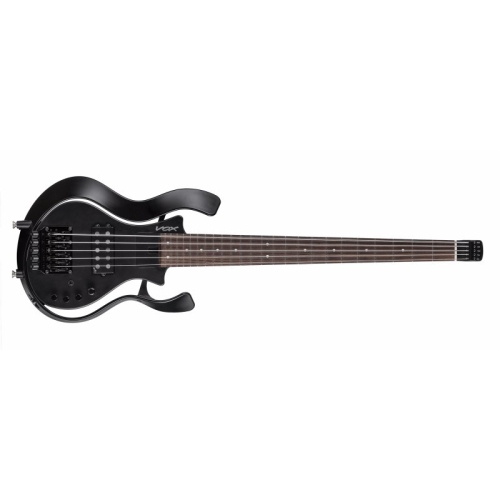






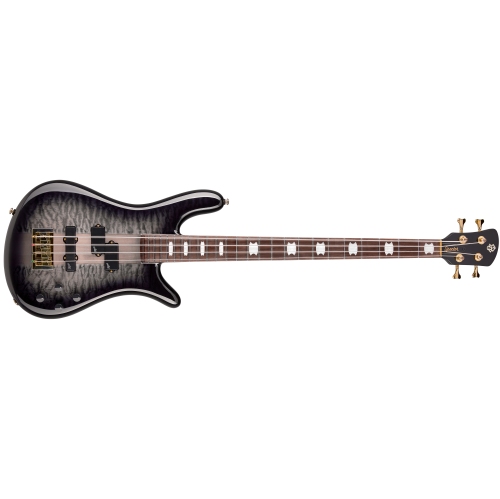


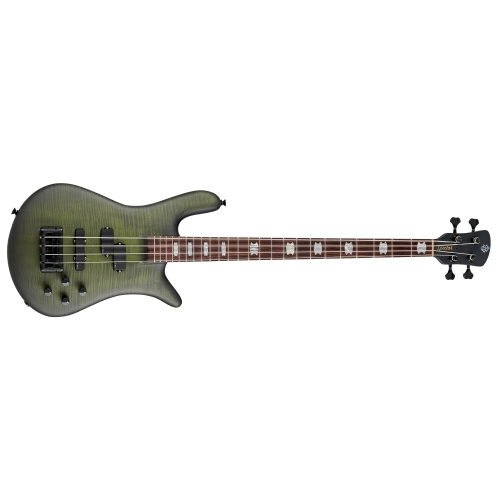

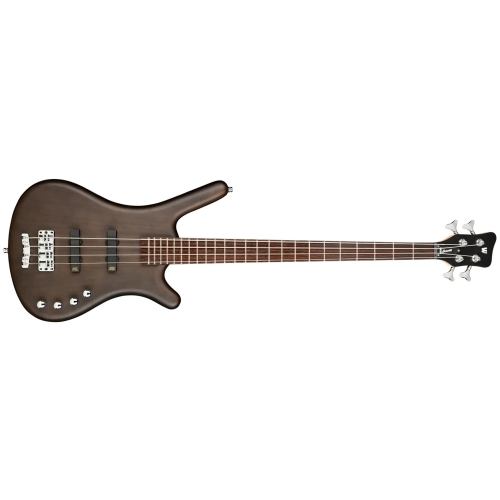
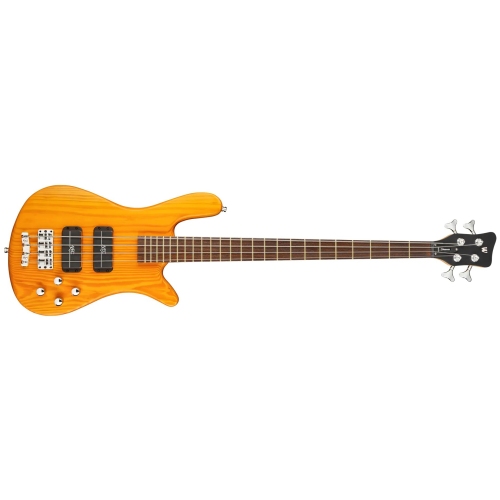


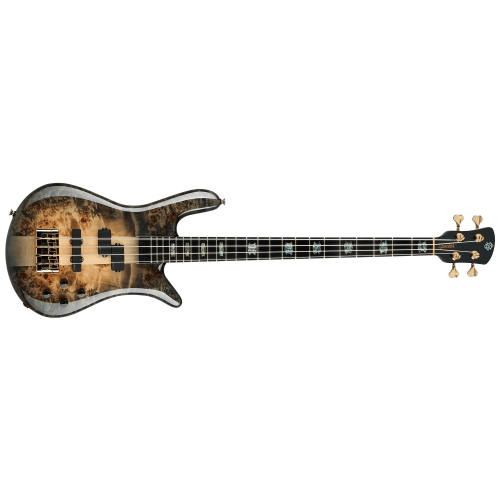
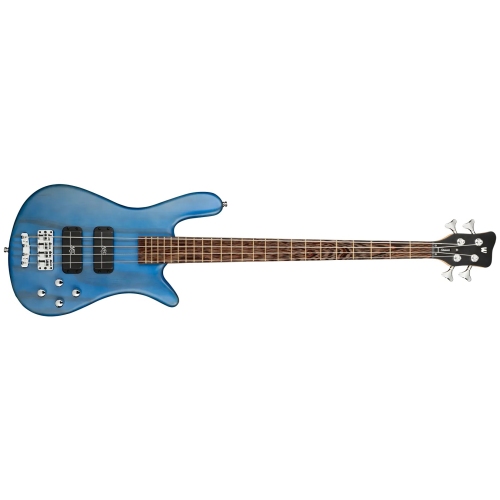


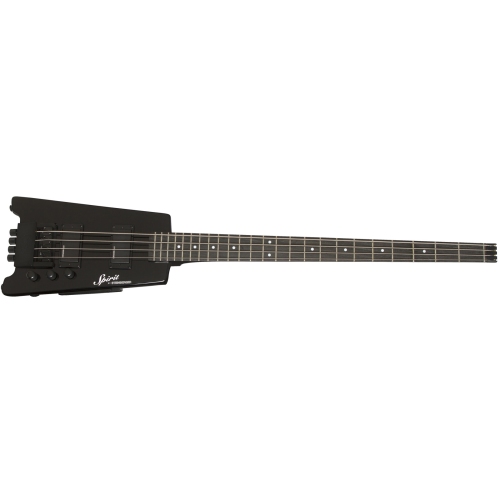


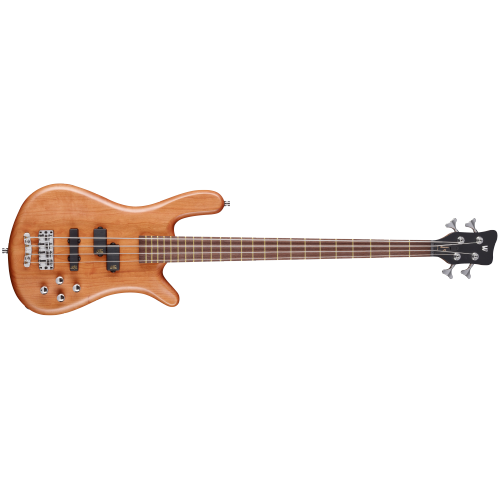
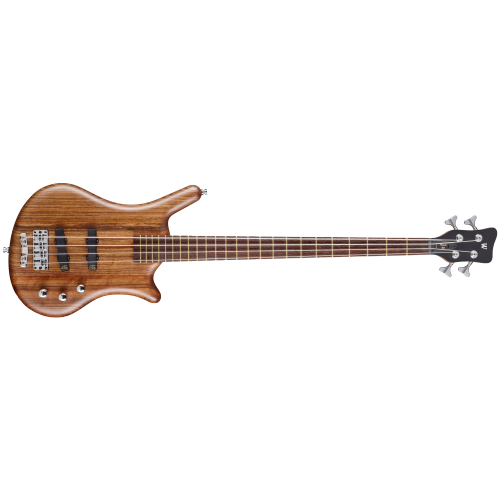
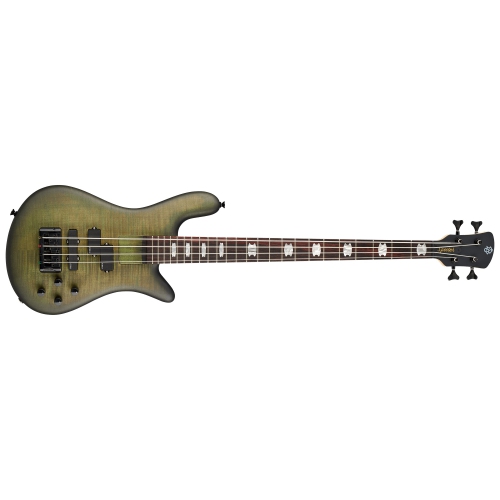


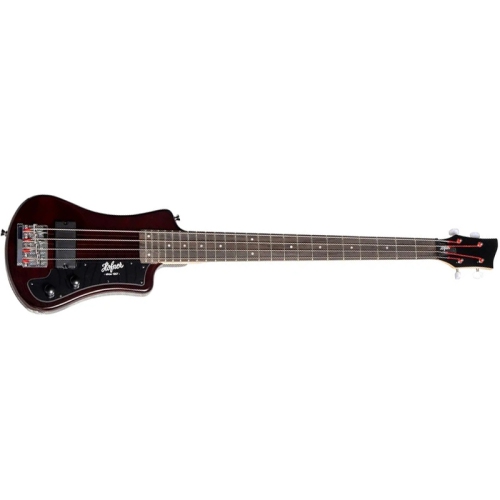




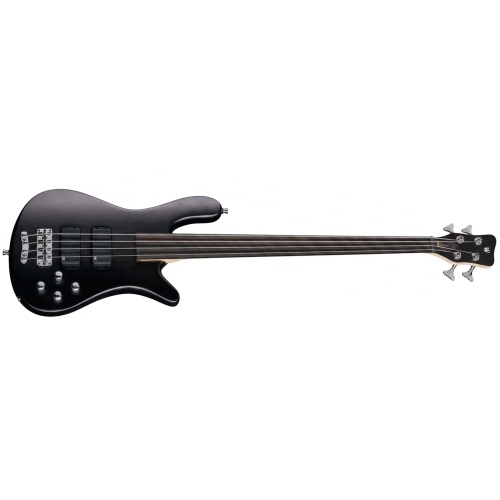

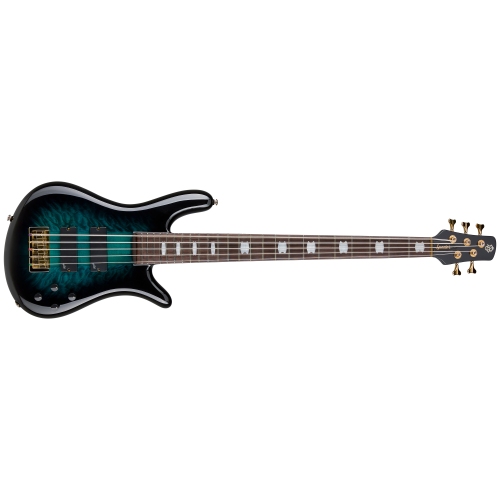
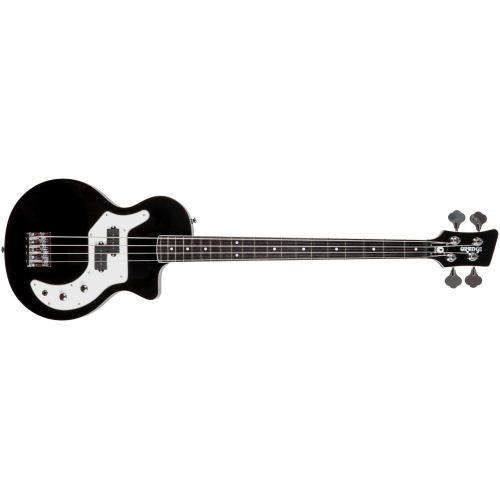
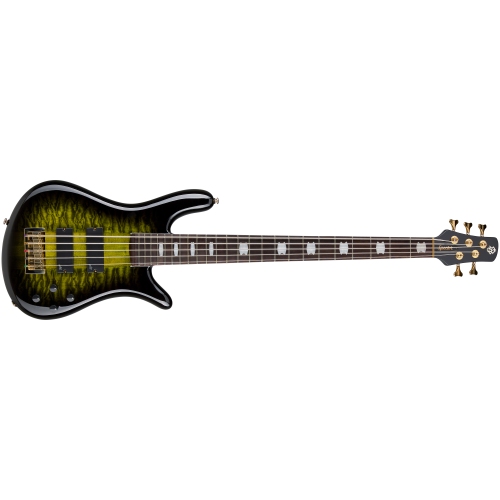

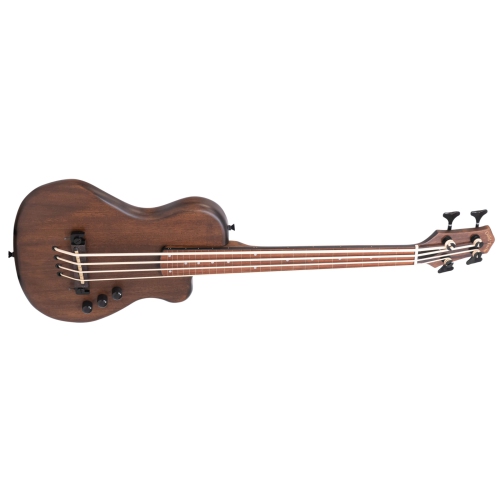


The low notes that give music its groove
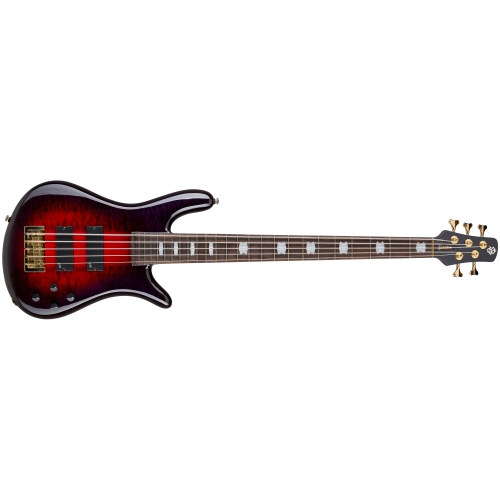
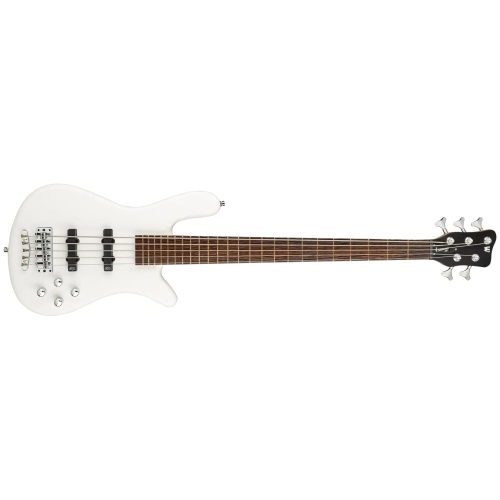
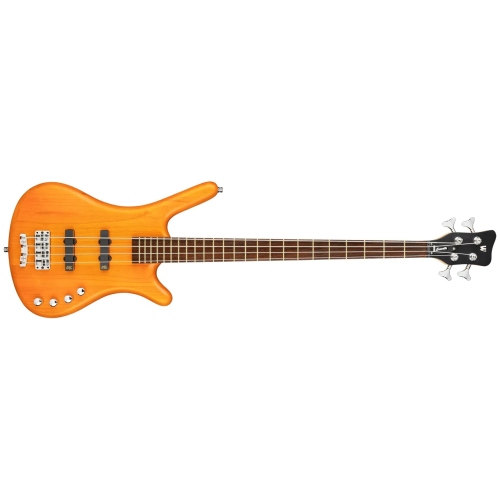
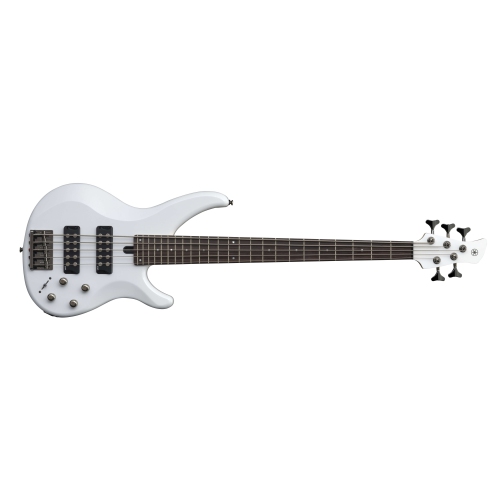
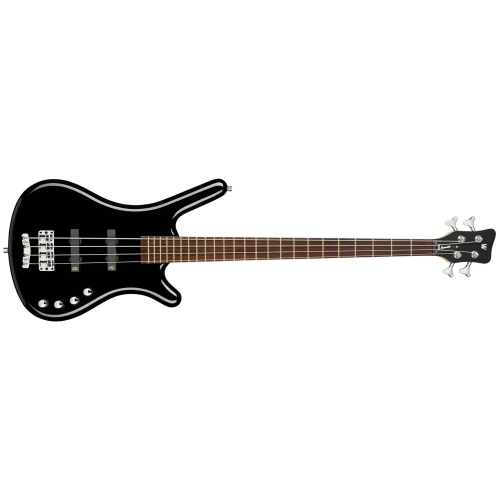
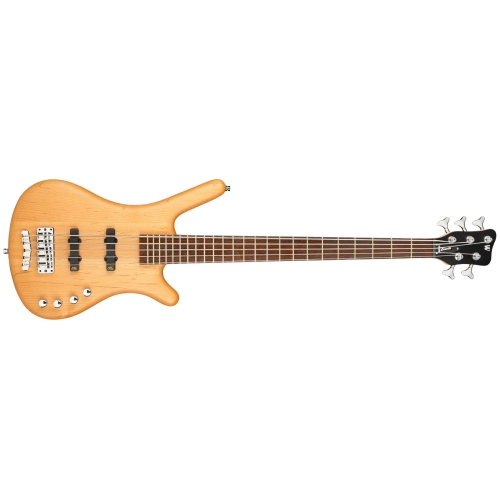
An electric bass is a stringed musical instrument that uses pickups to turn string vibration into an electrical signal for amplification. Its low notes give music weight and movement, connecting the pulse of the drums with the harmony of guitars, keyboards, and voices. In a band, a bass line can be as simple as a steady note beneath a chord or as expressive as a melodic phrase that carries the whole song. Electric bass guitars suit a wide range of playing styles, from the rounded fingerstyle sound of soul and jazz to the defined attack of pick-driven rock and the percussive snap of funk. They are used by beginners learning their first grooves, guitarists adding another instrument to their skills, home musicians arranging songs, and experienced players rehearsing or performing with an ensemble. A standard four-string bass is usually tuned E, A, D, and G, from lowest to highest. Its layout offers a familiar starting point for learning scales, chord tones, and timing without the wider neck of an instrument with more strings. Five-string basses commonly add a low B string, extending the range for heavier arrangements, lower-key songs, and parts that would otherwise require a tuning change. Six-string basses commonly add both a low B and a high C, offering more room for extended chords and melodic playing, though their wider fingerboards require different hand positioning and muting habits. Fretted basses have metal fret wires that establish note positions, making them a practical choice for learning consistent pitch and playing clearly articulated lines. Fretless basses allow smooth slides and subtle pitch changes, with a singing quality that appeals to players seeking a more fluid sound. Their appeal comes with a greater need for accurate finger placement. String count and fret type matter, but the right instrument also needs to feel comfortable through repeated practice, whether that means working through a simple rhythm at home or holding a steady groove through a full rehearsal.
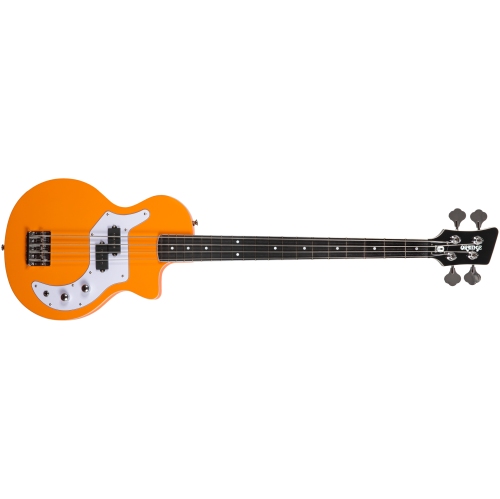
The fit of an electric bass depends on its scale length, neck shape, body contours, weight, and balance. Scale length is the vibrating distance between the nut and bridge; a common full-scale bass measures 34 inches, while short-scale designs are often around 30 inches. A shorter scale places the frets closer together and generally feels looser at the same tuning with comparable strings, which can appeal to players with smaller hands or those who prefer a compact instrument. A full-scale design offers familiar spacing and a firmer string feel, although string gauge and setup also influence tension and comfort. Neither size belongs exclusively to beginners or experienced musicians. A neck that feels manageable near the first fret should also allow comfortable movement higher up the fingerboard, and a balanced body should sit securely when seated without requiring constant support from the fretting hand. Standing players benefit from a supportive, adjustable strap that positions the instrument comfortably and helps distribute its weight. Common construction materials include alder, ash, and mahogany bodies, maple necks, and maple or rosewood fingerboards. These materials contribute to weight, feel, and appearance, but wood type alone does not determine the amplified sound. Pickups, electronics, strings, technique, and amplification all play important roles. Single-coil pickups can deliver clarity and definition, split-coil designs offer a familiar full-bodied character while reducing hum, and humbuckers are designed to reduce electromagnetic noise. Pickup position matters too: a pickup nearer the neck generally sounds rounder, while one nearer the bridge tends to emphasize a tighter, more focused attack. Volume and tone controls let players adjust output and brightness, and multiple-pickup instruments may include a blend control or separate volume controls. Active electronics often provide onboard equalization for shaping bass, midrange, or treble frequencies and typically require a battery. Passive electronics generally offer a simpler control layout without a battery-powered preamp. Both can work across many genres; the useful distinction is how much sound shaping a player wants directly on the instrument.
When exploring Musical Instruments Bass, the instrument and its supporting equipment are best considered together. An unplugged solid-body electric bass produces some sound, but amplification makes its low register clearly audible for practice and ensemble playing. A bass amplifier is designed to handle those frequencies, with the required output depending on whether the instrument is being used alone at home, alongside acoustic instruments, or with a drummer. Headphone practice is possible through equipment with a suitable headphone output, such as a compatible practice amplifier, headphone amplifier, or audio interface. Headphones do not normally connect directly to a standard bass output. An audio interface can also send the instrument’s signal to a computer for recording, making it easier to hear timing, note length, and unwanted string noise during playback. A standard 1/4-inch instrument cable connects most electric basses to an amplifier or suitable input, while a tuner supports accurate tuning before practice and rehearsal. Strings have a noticeable effect on both feel and sound: roundwound strings usually offer brighter attack and more finger noise, whereas flatwound strings generally feel smoother and produce a warmer sound with less pronounced brightness. Heavier gauges can feel firmer, but changing gauge may call for adjustments to the instrument’s setup. Good care helps preserve playability and finish. Wiping the strings and body with a clean, soft cloth after playing removes sweat and residue, while cleaning products should be appropriate for the finish and fingerboard material. A padded bag supports everyday transport, and a fitted hard case provides greater protection against knocks. Secure strap attachments, functioning tuners, and a properly adjusted bridge all contribute to reliable use. String height, neck relief, and intonation affect comfort and tuning accuracy, so persistent buzzing or difficult fretting may warrant attention from a qualified instrument technician. For someone receiving an electric bass as a gift, handedness, preferred scale length, and existing equipment are especially useful details. A comfortable instrument with the right connections and protection is more likely to become part of a regular routine, from quiet technique practice to the satisfying moment when a bass line locks in with the drums.
Top selling and popular products
-
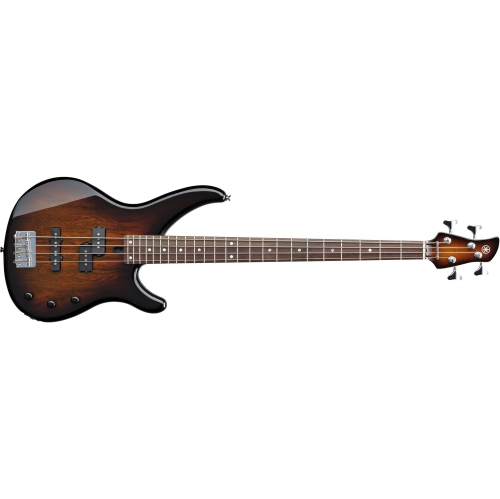 Your price for this item is $349.99
-
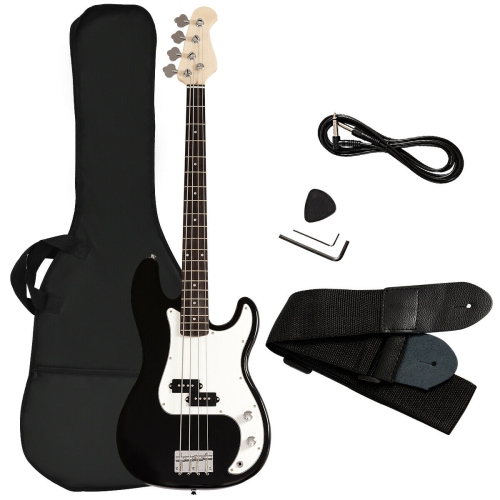 Your price for this item is $135.99
-
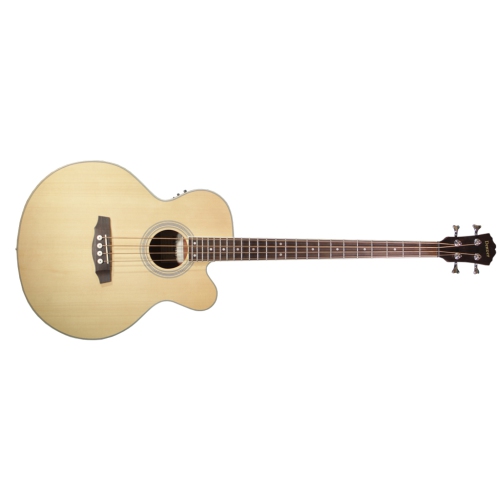 Your price for this item is $419.99
-
 Your price for this item is $4519
-
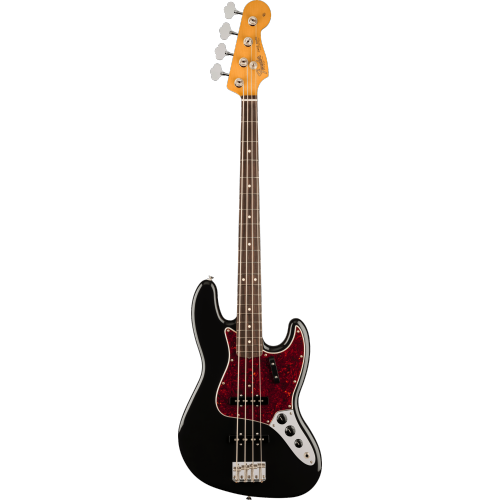 Your price for this item is $1839.99
-
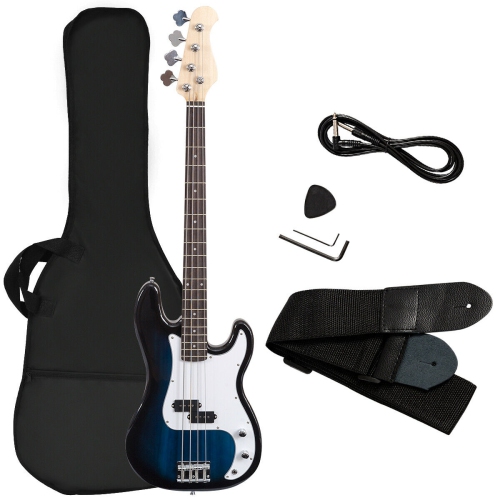 Your price for this item is $135.99
-
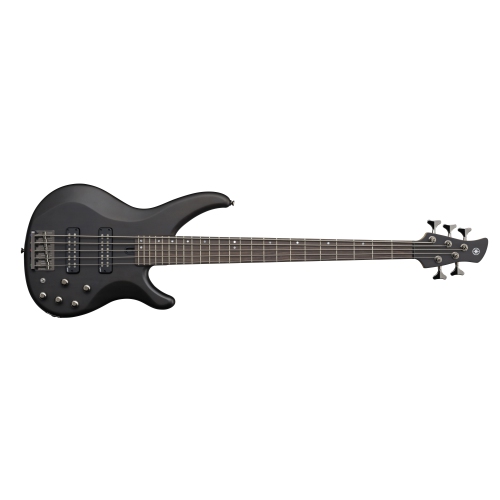 Your price for this item is $899.99
-
 Your price for this item is $499.99
Discover more categories related to Electric Bass

Top Collections:
Pokemon Centers, Kindle Devices, Best Budget Office Chairs, Canon G7X Cameras, Apple iPhones 16, Samsung Galaxy Phones, Refurbished Apple Laptops, Laptops for Students, iPhone 15 Apple, Budget Smartphones
Some products may be subject to Environmental Handling Fees
(EHF) depending on your province.
Learn more about EHFs.