Epiphone Standard SG
Discover the perfect blend of style and performance with the Epiphone Standard SG. Designed for musicians who appreciate classic looks and impressive sound, this iconic guitar is a favorite choice for players at every level. Whether you’re practicing at home or performing on stage, the Epiphone Standard SG delivers reliability and versatility to match your unique playing style. Explore a wide selection to find the ideal fit for your musical journey.
Sort
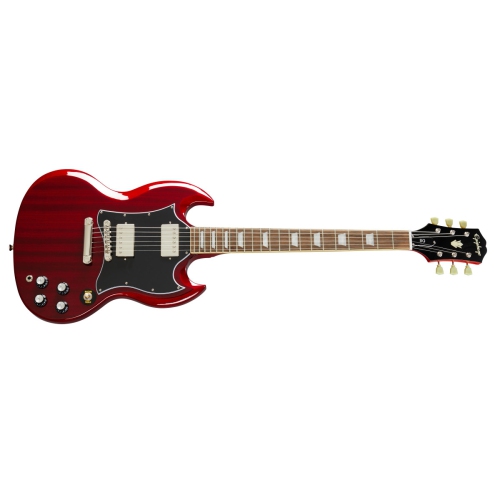
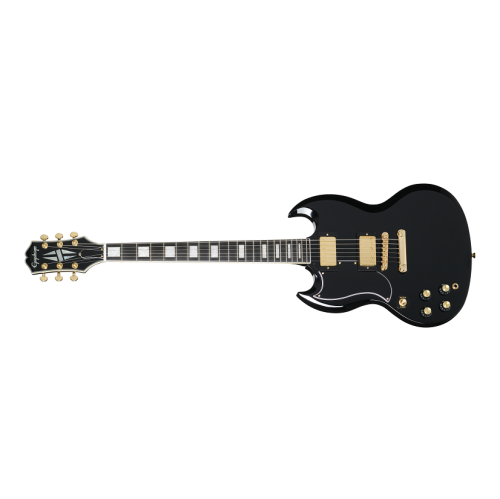
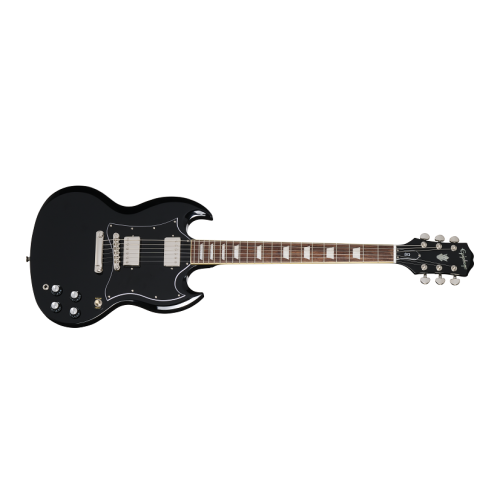
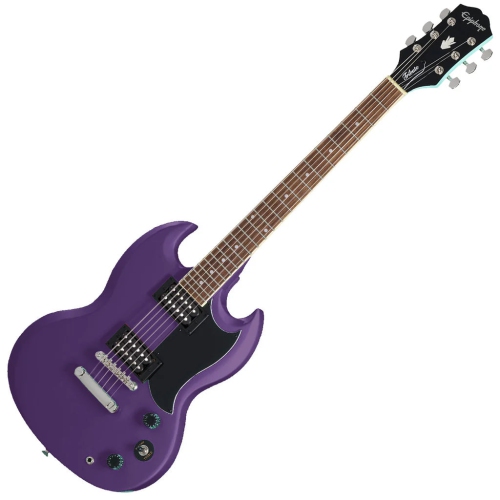
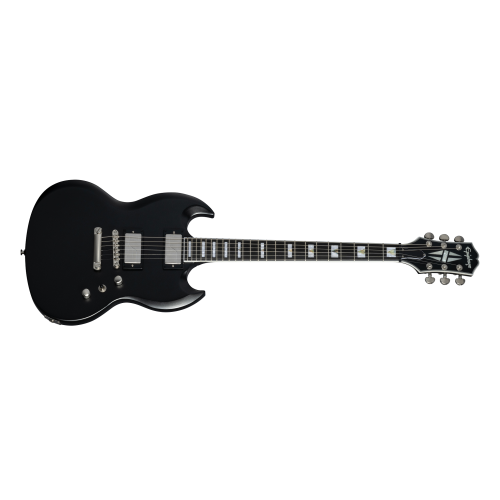
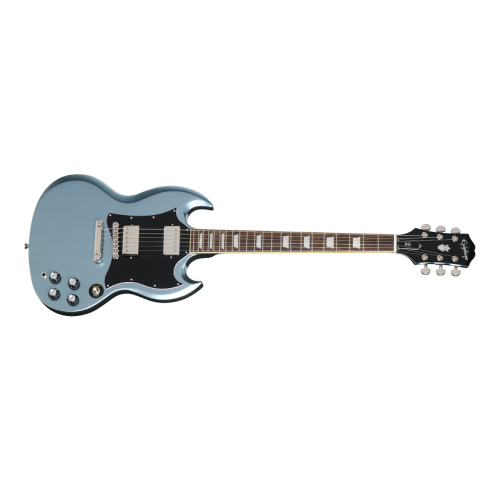
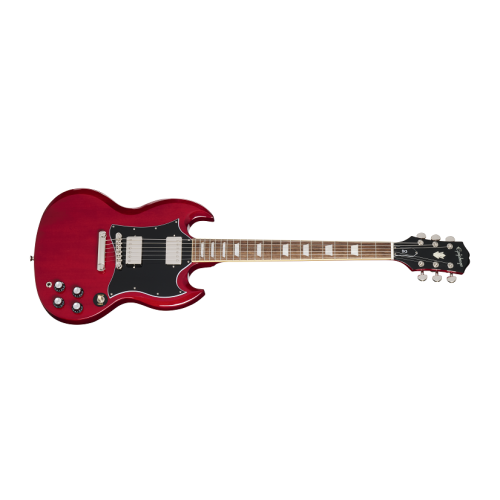
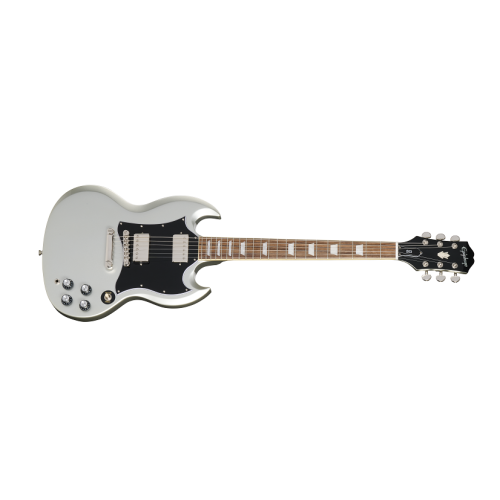
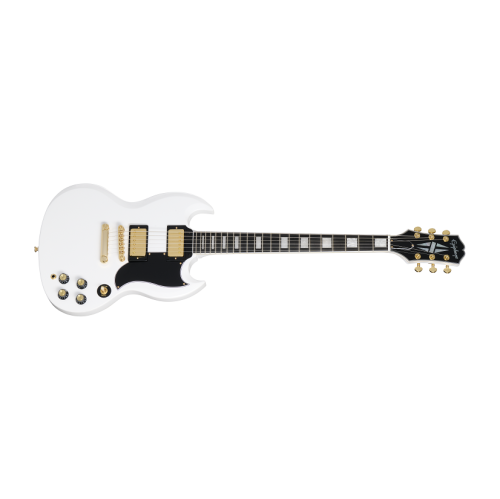
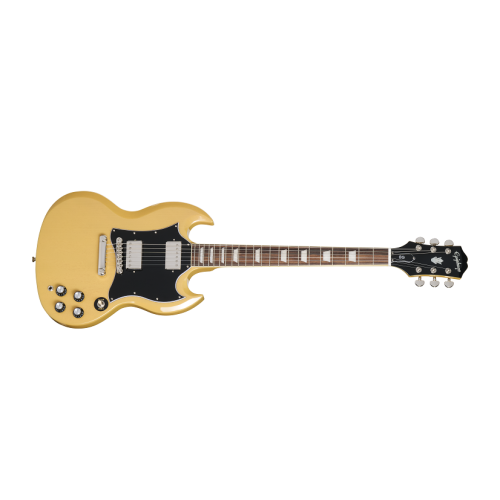
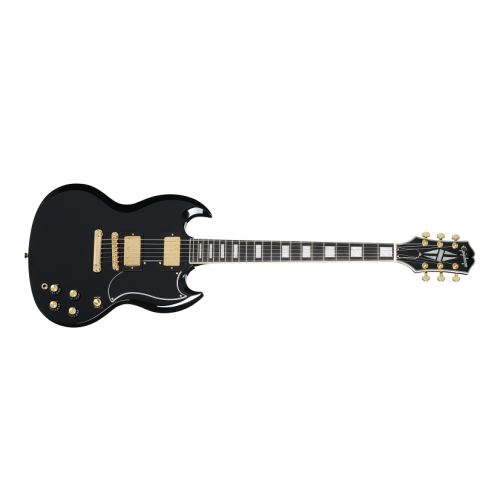
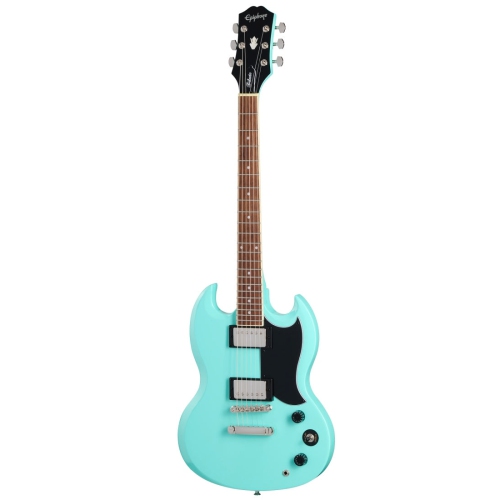
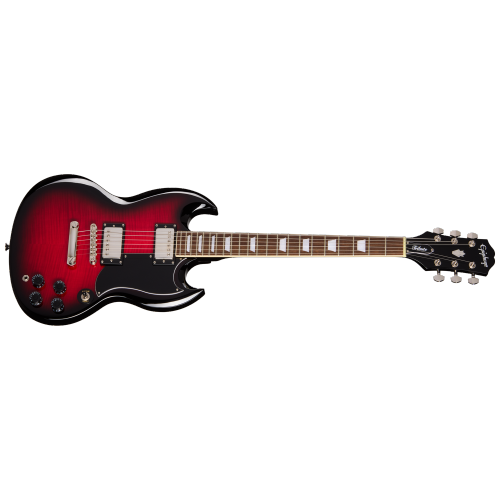
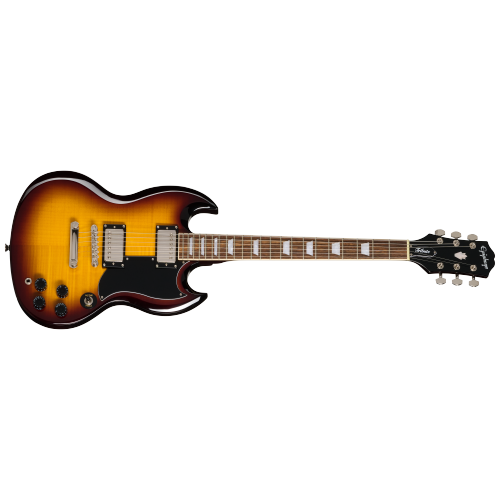
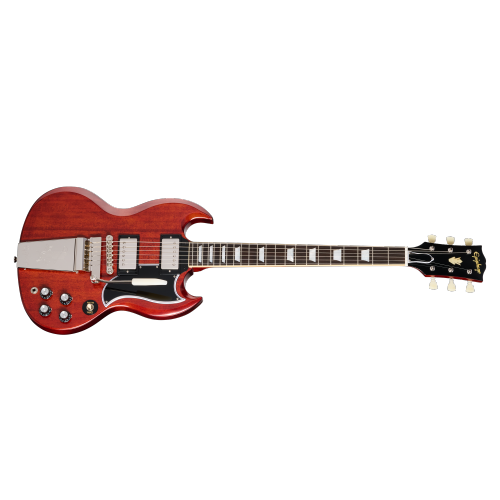
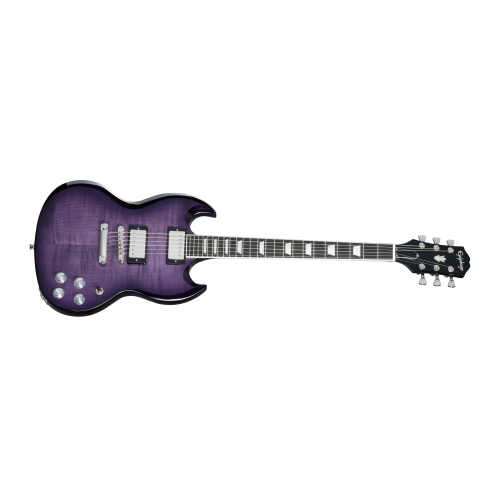
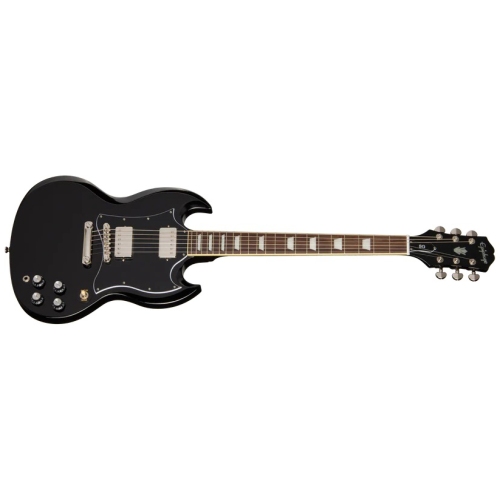
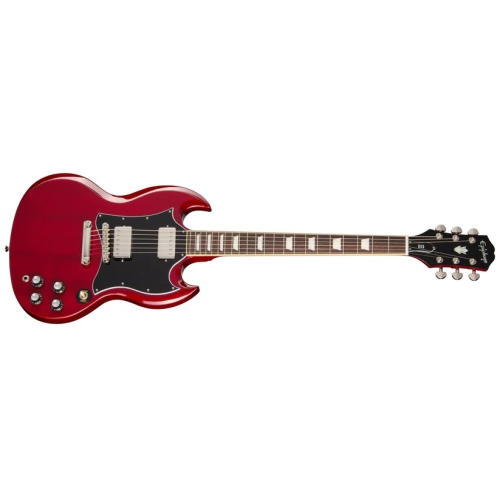
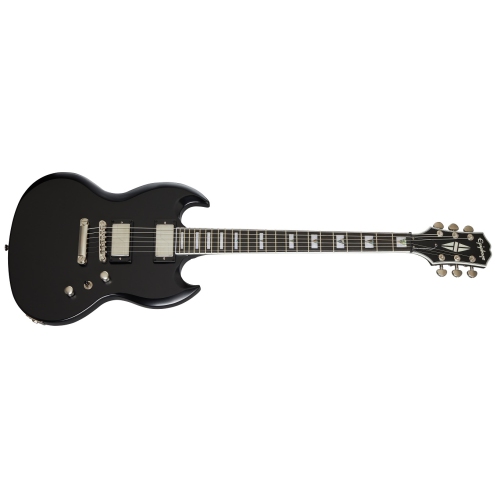
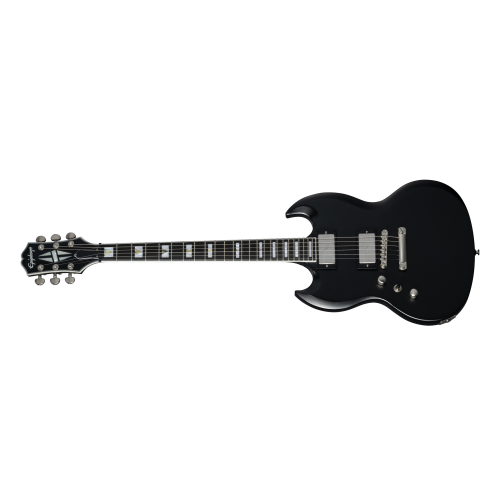
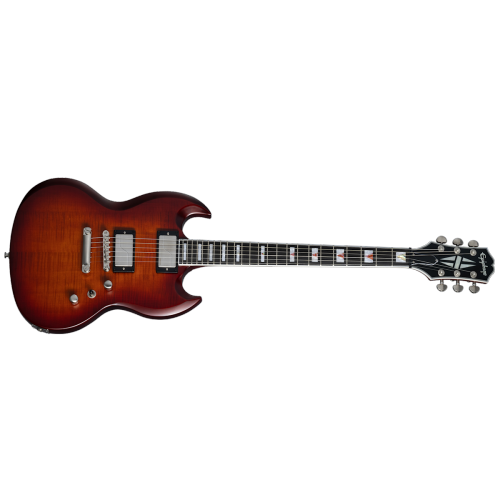
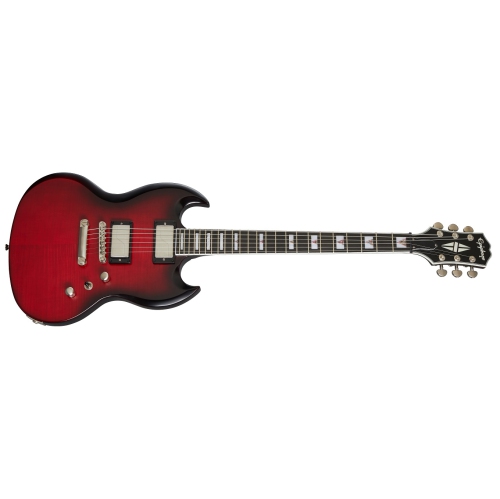
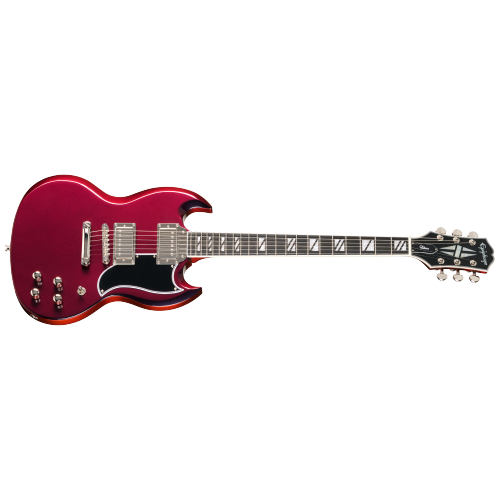
Full humbucker sound in a thin double-cutaway body
Thin-bodied, double-cutaway electric guitars bring together a distinctive outline, easy access to higher frets, and the full sound associated with paired humbucking pickups. Their deeply sculpted body horns leave room for the fretting hand to move beyond the neck joint, making this style a natural fit for expressive lead playing, wide bends, and rhythm parts that travel up the fingerboard. The familiar silhouette has strong ties to 1960s guitar design and decades of rock music, but its usefulness extends to blues, alternative, punk, and cleaner styles where touch and volume control matter as much as distortion. Many guitars in this family use mahogany for the body and neck, often with a glued-in neck joint, although materials and construction depend on the version. A relatively thin body can feel less bulky against the player than a thicker single-cutaway design, but actual weight varies from instrument to instrument. Body shape also affects how a guitar sits on the knee and hangs from a strap; a light body does not automatically mean an evenly balanced instrument. Neck shape, fingerboard width, and scale length contribute just as much to comfort. A slim neck may suit players who like an easy reach around the back, while someone with a firm grip may prefer more depth beneath the thumb. A shorter traditional scale length generally gives strings a more yielding feel than a longer scale when tuning and string gauge are the same. That difference can be noticeable during repeated blues bends or long stretches of chord work. Fingerboards made from laurel or other hardwoods provide a durable playing surface, while fret size and fretwork influence how smoothly notes respond. Details such as fingerboard binding, shaped inlays, pickguard coverage, and finish colour complete the appearance without telling the whole story of how the guitar will feel in use.
A two-humbucker layout is central to the appeal of this guitar style. Humbucking pickups reduce the electrical hum associated with conventional single-coil designs and often deliver a rounded, substantial sound that works well with an overdriven amplifier. They do not eliminate every source of noise, particularly when high gain, pedals, or nearby electrical equipment are involved. The bridge pickup usually provides a firmer attack and more bite for power chords, tight riffs, and lead lines that need definition. The neck pickup generally sounds fuller and softer at the front of the note, which can suit sustained melodies, blues phrasing, and warm clean passages. Where a three-way selector and separate volume and tone controls are fitted, the middle position offers another texture by combining both pickups. Rolling back the guitar’s volume can soften the response of a responsive overdriven amp, while lowering a tone control takes some edge off brighter sounds. These are useful distinctions for a player moving from a restrained verse into a heavier chorus without changing guitars. Pickup models, wiring, tuners, and bridge hardware can differ across production years and editions, so exact specifications matter more than broad assumptions about the body shape. A fixed bridge and stopbar-style tailpiece provide a straightforward platform for players who do not need vibrato-arm effects, with adjustments for string height and intonation. The resulting sound still depends on the complete signal chain: strings, pick attack, pickup height, amplifier settings, and effects all play a part. For home practice, an amplifier or a compatible headphone-capable setup makes the instrument usable at an appropriate listening level. For rehearsals and performances, a dependable cable, comfortable strap, and accessible tuner become practical essentials. Players comparing the feel of a thin double-cutaway body with a more substantial single-cutaway design may also explore Epiphone Les Paul Standard guitars, paying attention to body contours, upper-fret access, and balance rather than expecting matching pickup layouts to produce an identical playing experience.
Comfort and careful setup help turn an appealing electric guitar into an instrument that gets played regularly. Some thin-bodied double-cutaway guitars can lean towards the headstock when worn on a strap, a tendency often called neck dive. A broad strap with a grippy underside may help, but strap position and the balance of the individual guitar remain important. Seated players may notice that the neck feels farther to the left than expected, so a relaxed playing position is worth considering alongside neck dimensions. Beginners can enjoy this style’s accessible upper frets and manageable body depth, while experienced players may choose it for lively rhythm work, sustained lead parts, or a contrasting feel beside another guitar. As a gift, an electric guitar is most successful when its shape, neck feel, and intended use match the recipient’s preferences; a familiar silhouette alone cannot establish the right fit. A suitable case or padded gig bag also needs to support the body and neck properly rather than simply accommodate the overall length. Day-to-day care is straightforward: wiping the strings and finish with a clean, soft cloth after playing helps remove perspiration and fingerprints, and finish-compatible cleaning products avoid unnecessary damage. Fingerboard treatment should match the wood and finish rather than follow a one-product-fits-all routine. Secure storage on a suitable stand or in a fitted case protects the headstock and neck joint from accidental knocks, especially around rehearsal spaces where cables and equipment create trip hazards. Fresh strings, tidy winding at the tuning posts, and gentle stretching after a string change support tuning stability. Persistent tuning trouble can involve nut slots, string installation, or setup rather than the tuners alone. Changes in string gauge or tuning may also call for adjustments to neck relief, action, and intonation. A qualified guitar technician can address those details, leaving the player free to focus on clear chords, controlled bends, and the responsive feel that makes this style rewarding across practice sessions, band rehearsals, and live performances.
A two-humbucker layout is central to the appeal of this guitar style. Humbucking pickups reduce the electrical hum associated with conventional single-coil designs and often deliver a rounded, substantial sound that works well with an overdriven amplifier. They do not eliminate every source of noise, particularly when high gain, pedals, or nearby electrical equipment are involved. The bridge pickup usually provides a firmer attack and more bite for power chords, tight riffs, and lead lines that need definition. The neck pickup generally sounds fuller and softer at the front of the note, which can suit sustained melodies, blues phrasing, and warm clean passages. Where a three-way selector and separate volume and tone controls are fitted, the middle position offers another texture by combining both pickups. Rolling back the guitar’s volume can soften the response of a responsive overdriven amp, while lowering a tone control takes some edge off brighter sounds. These are useful distinctions for a player moving from a restrained verse into a heavier chorus without changing guitars. Pickup models, wiring, tuners, and bridge hardware can differ across production years and editions, so exact specifications matter more than broad assumptions about the body shape. A fixed bridge and stopbar-style tailpiece provide a straightforward platform for players who do not need vibrato-arm effects, with adjustments for string height and intonation. The resulting sound still depends on the complete signal chain: strings, pick attack, pickup height, amplifier settings, and effects all play a part. For home practice, an amplifier or a compatible headphone-capable setup makes the instrument usable at an appropriate listening level. For rehearsals and performances, a dependable cable, comfortable strap, and accessible tuner become practical essentials. Players comparing the feel of a thin double-cutaway body with a more substantial single-cutaway design may also explore Epiphone Les Paul Standard guitars, paying attention to body contours, upper-fret access, and balance rather than expecting matching pickup layouts to produce an identical playing experience.
Comfort and careful setup help turn an appealing electric guitar into an instrument that gets played regularly. Some thin-bodied double-cutaway guitars can lean towards the headstock when worn on a strap, a tendency often called neck dive. A broad strap with a grippy underside may help, but strap position and the balance of the individual guitar remain important. Seated players may notice that the neck feels farther to the left than expected, so a relaxed playing position is worth considering alongside neck dimensions. Beginners can enjoy this style’s accessible upper frets and manageable body depth, while experienced players may choose it for lively rhythm work, sustained lead parts, or a contrasting feel beside another guitar. As a gift, an electric guitar is most successful when its shape, neck feel, and intended use match the recipient’s preferences; a familiar silhouette alone cannot establish the right fit. A suitable case or padded gig bag also needs to support the body and neck properly rather than simply accommodate the overall length. Day-to-day care is straightforward: wiping the strings and finish with a clean, soft cloth after playing helps remove perspiration and fingerprints, and finish-compatible cleaning products avoid unnecessary damage. Fingerboard treatment should match the wood and finish rather than follow a one-product-fits-all routine. Secure storage on a suitable stand or in a fitted case protects the headstock and neck joint from accidental knocks, especially around rehearsal spaces where cables and equipment create trip hazards. Fresh strings, tidy winding at the tuning posts, and gentle stretching after a string change support tuning stability. Persistent tuning trouble can involve nut slots, string installation, or setup rather than the tuners alone. Changes in string gauge or tuning may also call for adjustments to neck relief, action, and intonation. A qualified guitar technician can address those details, leaving the player free to focus on clear chords, controlled bends, and the responsive feel that makes this style rewarding across practice sessions, band rehearsals, and live performances.
Top selling and popular products
-
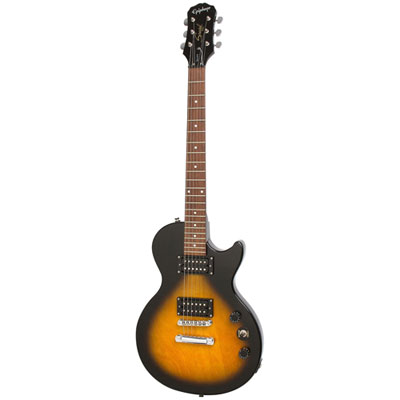 Your price for this item is $299.99
 -
 Your price for this item is $429
 -
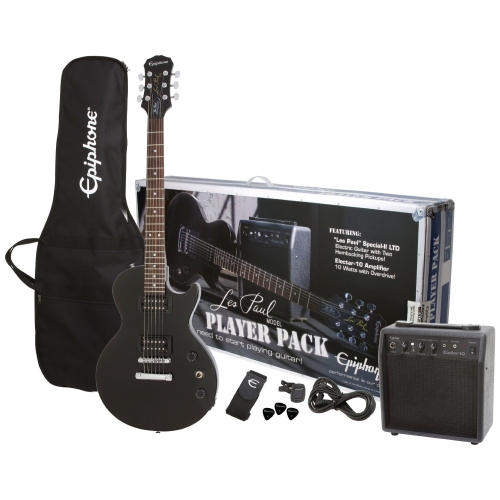 Your price for this item is $494.49
 -
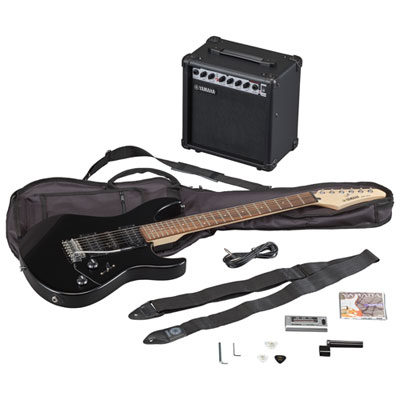 Your price for this item is $349.99
 -
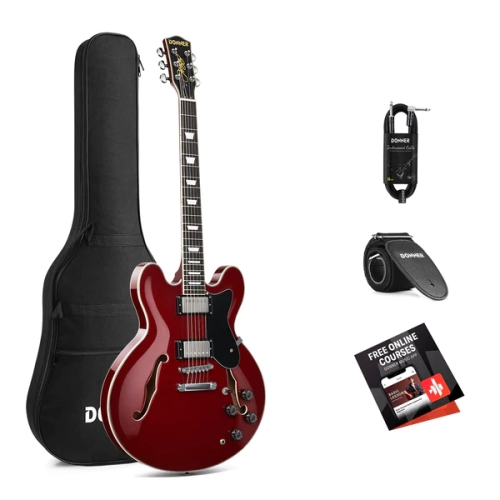 Your price for this item is $395.99
 -
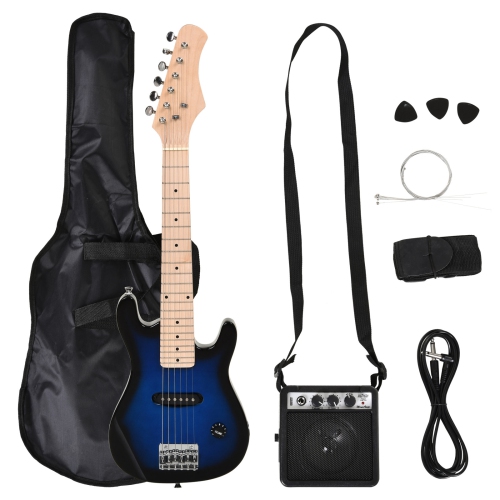 Your price for this item is $116.99
 -
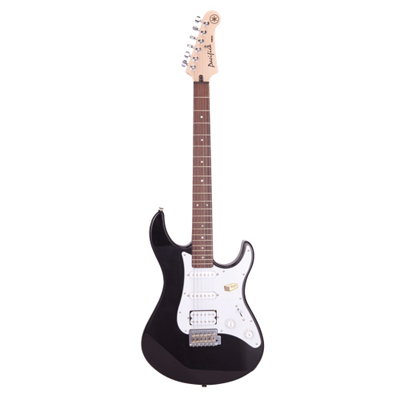 Your price for this item is $279.99
 -
 Your price for this item is $239.99
Discover more categories related to Epiphone Standard SG
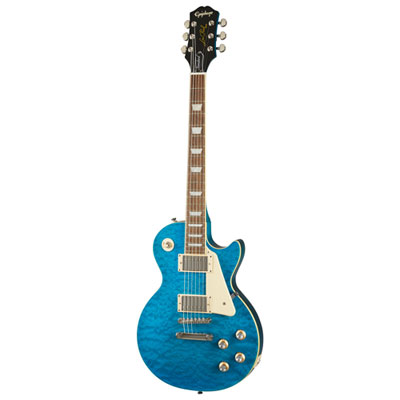
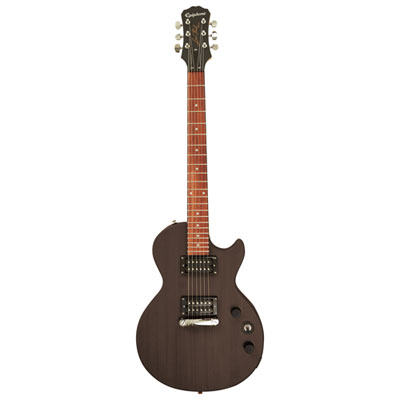
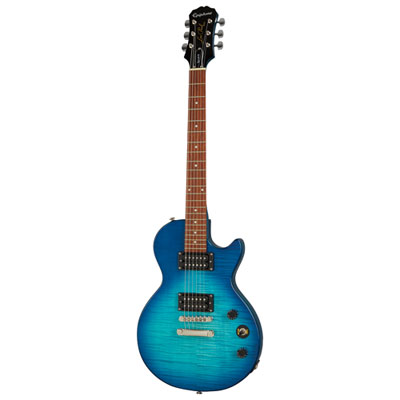
Top Collections:
Pokemon Centers, Kindle Devices, Best Budget Office Chairs, Apple iPhones 16, Best Laptops for Writers, iPhone 15 Apple, Canon G7X Cameras, Refurbished Apple Laptops, Alarm Clock, Motorola Razr Phones
Some products may be subject to Environmental Handling Fees
(EHF) depending on your province.
Learn more about EHFs.