Guitar Amplifier Combos
Looking to take your guitar playing to the next level? Our collection of guitar amplifier combos is here to help you achieve the perfect sound. Whether you're a beginner looking for an entry-level option or a seasoned guitarist seeking a versatile and powerful combo, we have something for everyone. With a wide range of features, styles, and sizes available, finding the perfect amplifier combo to suit your needs has never been easier. From crisp cleans to roaring overdrives, these amplifiers are designed to enhance your playing experience and bring out the best in your music. Explore our selection now and discover the amplifier combo that will elevate your sound to new heights.
Sort
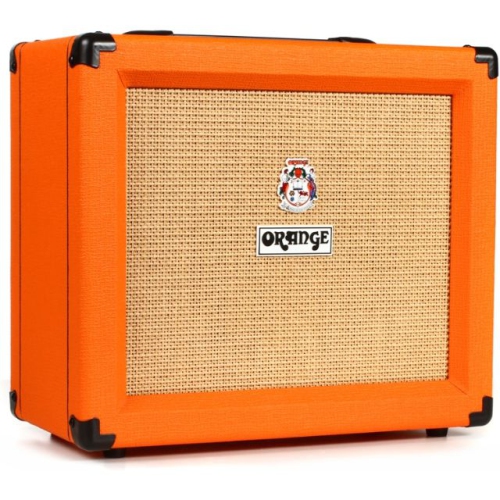
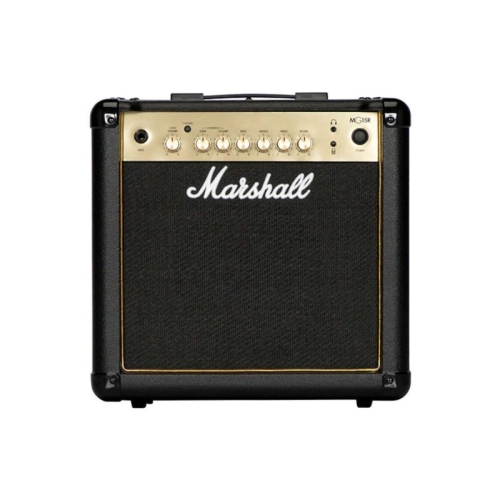
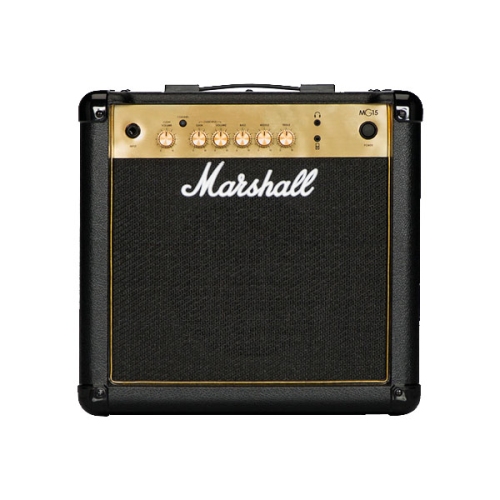
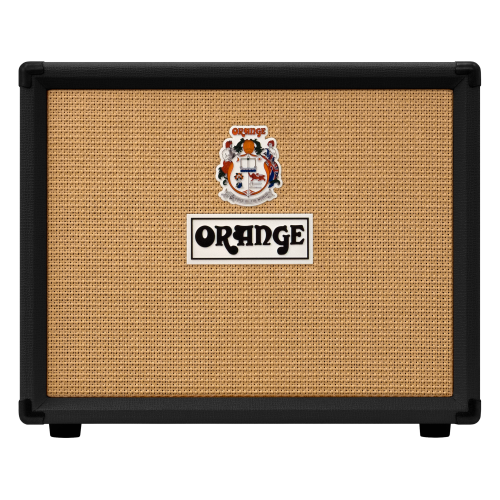
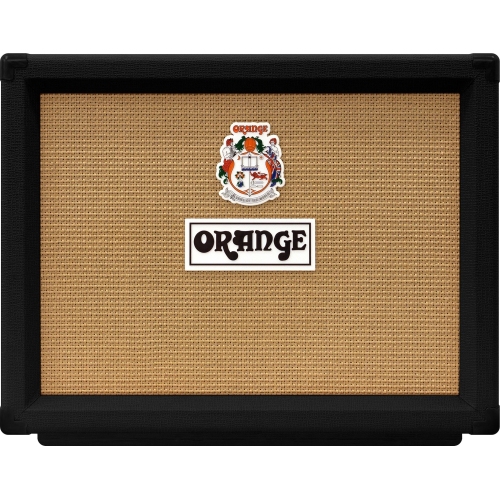
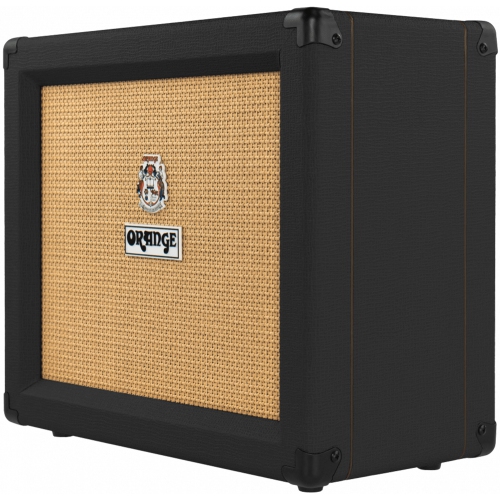
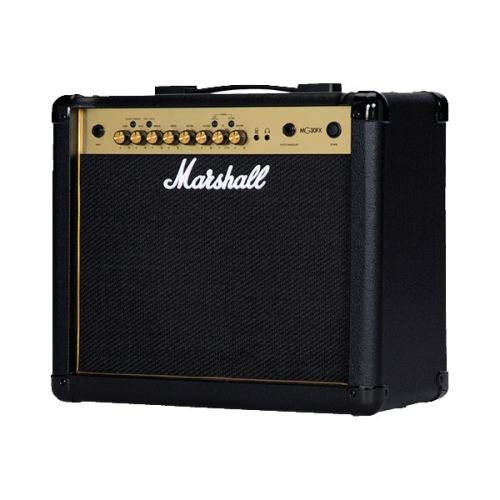
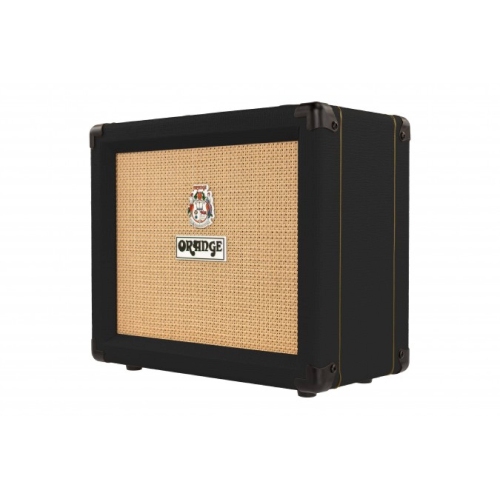
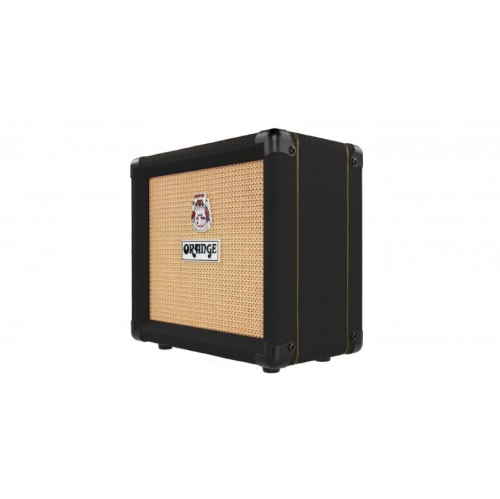
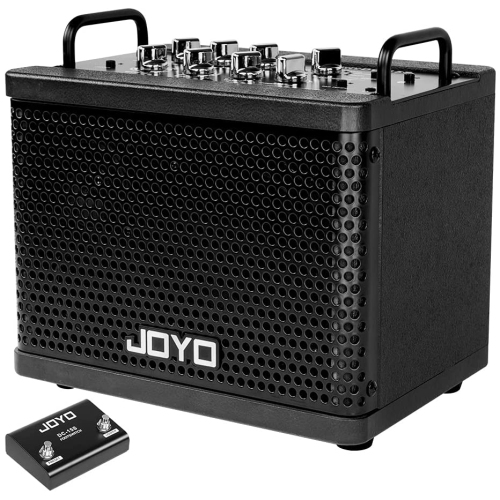
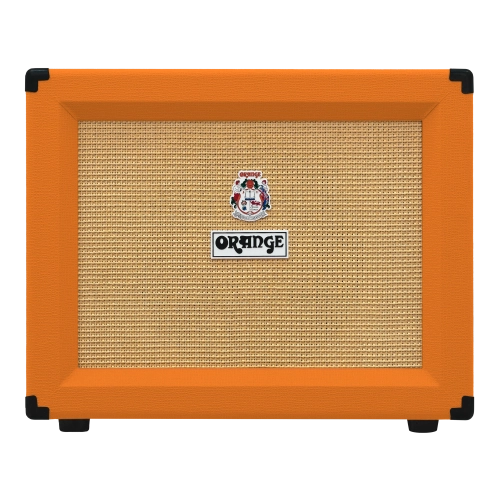
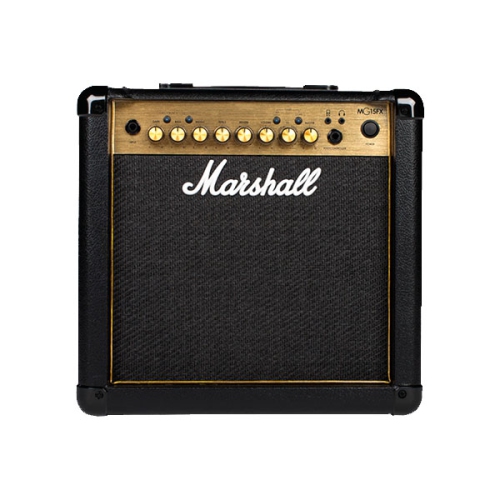
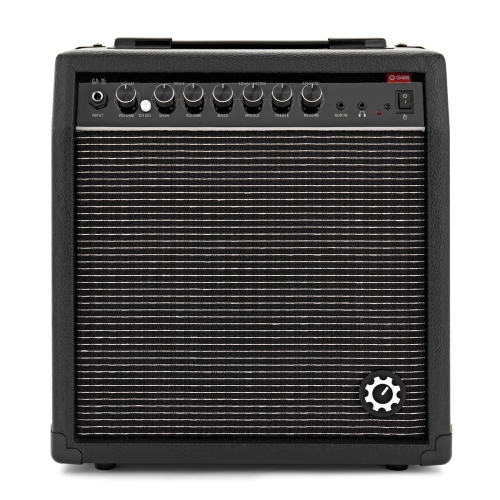
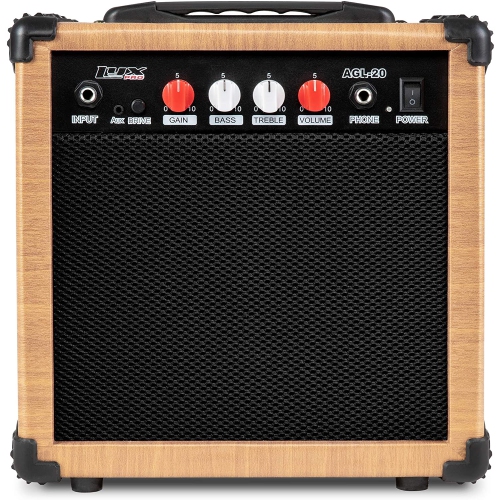
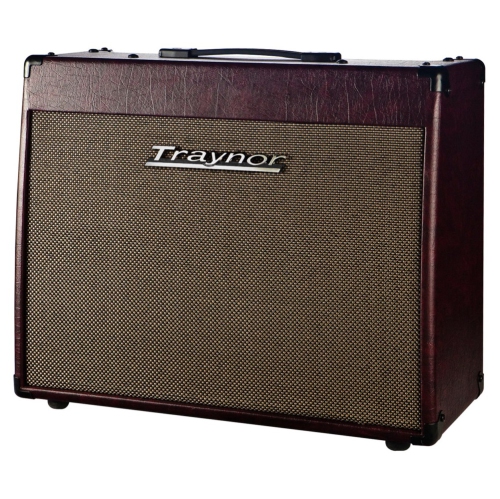
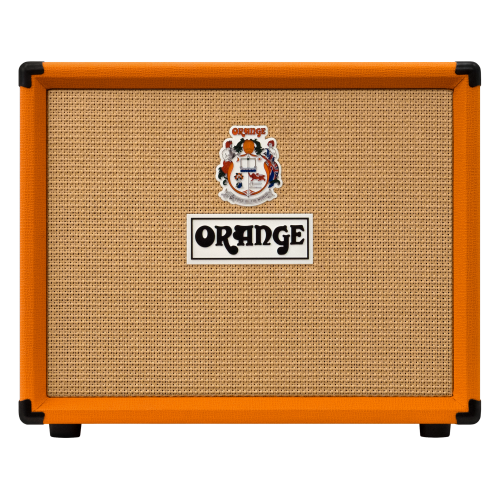
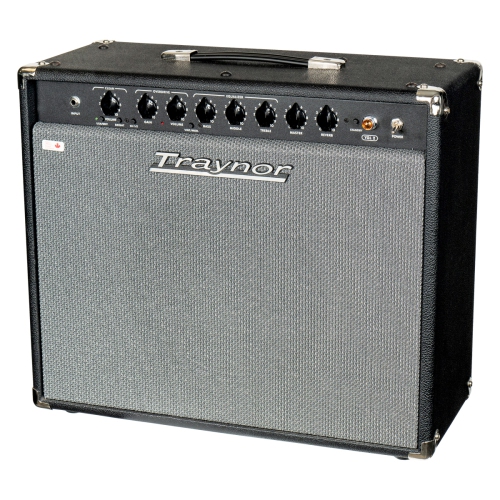
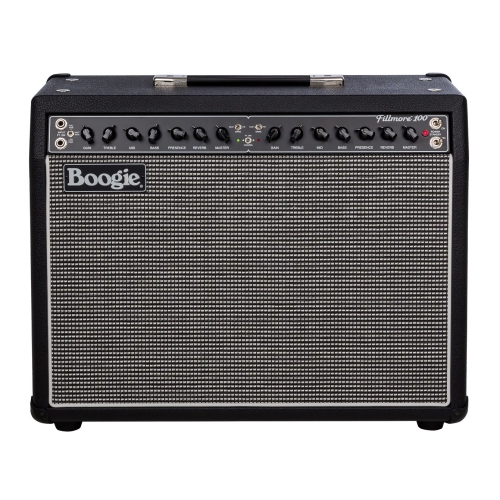
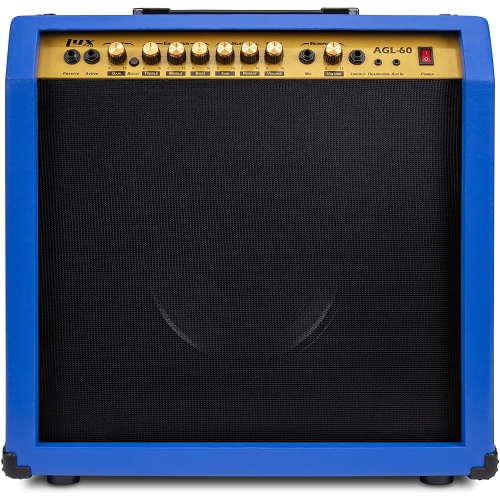
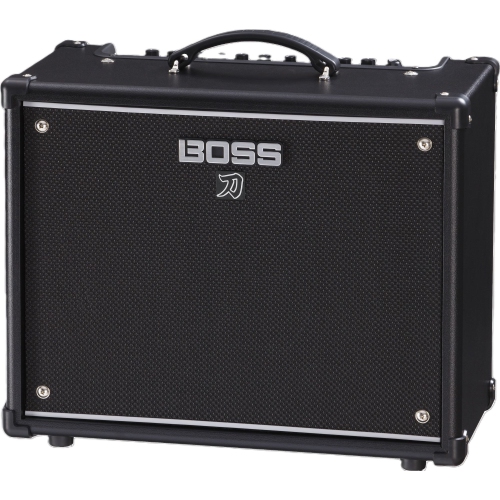
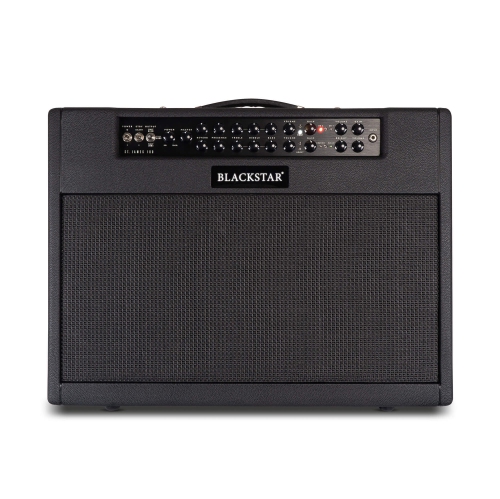
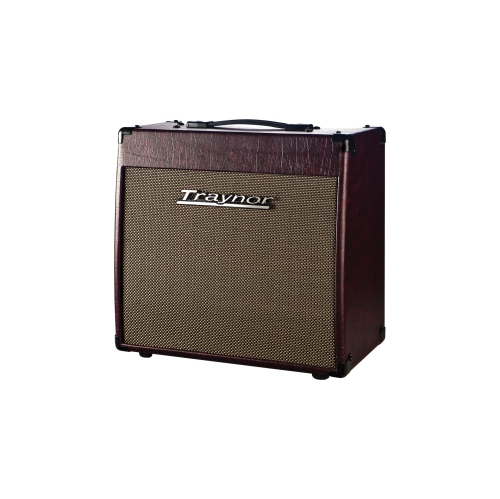
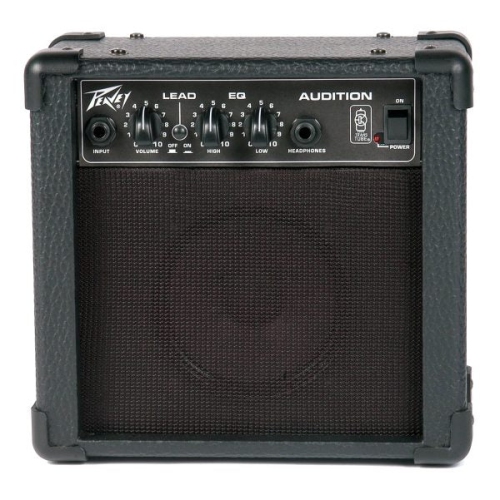
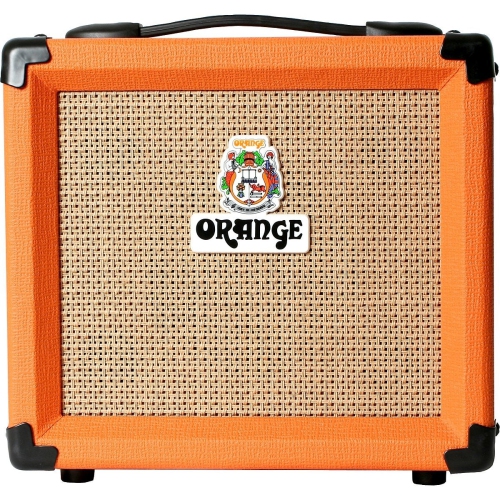
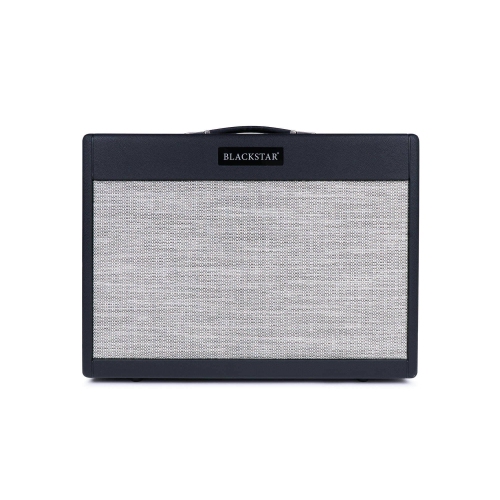
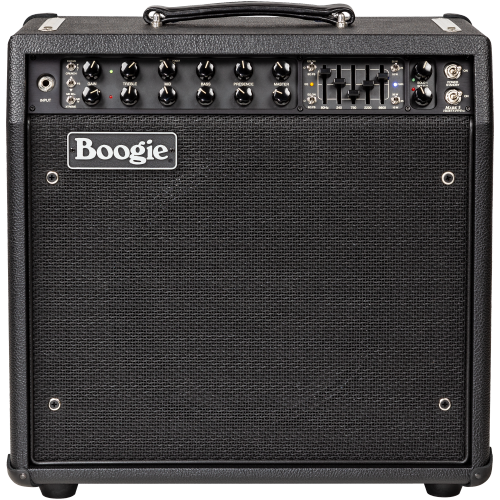
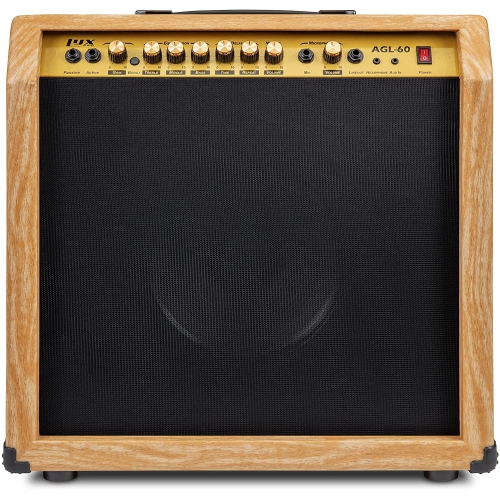
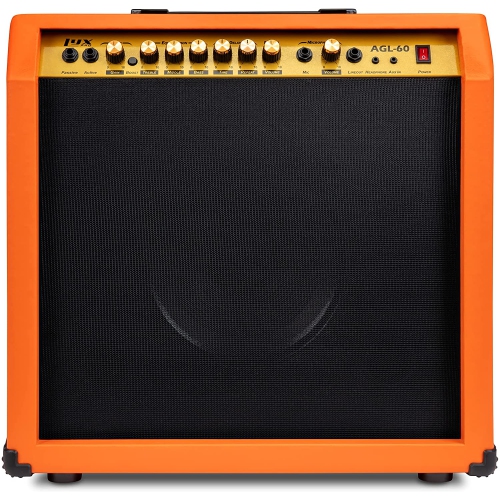
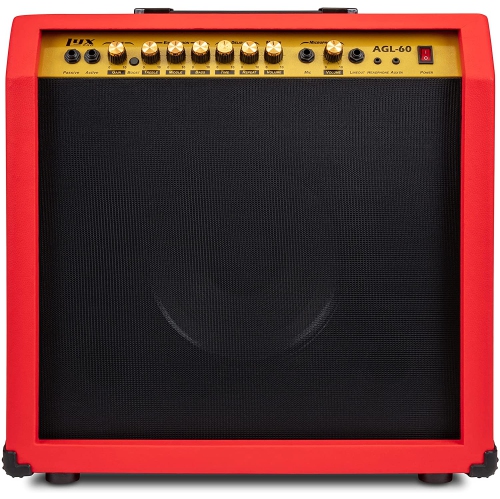
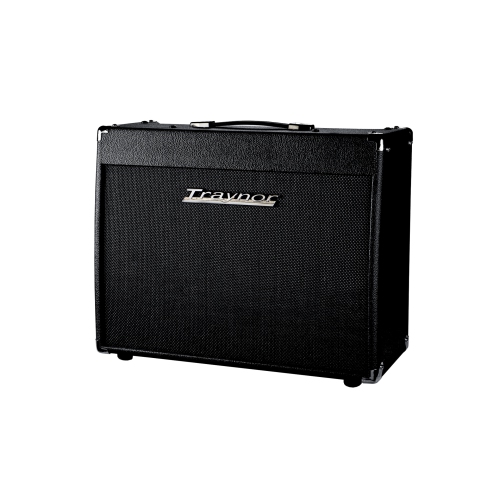
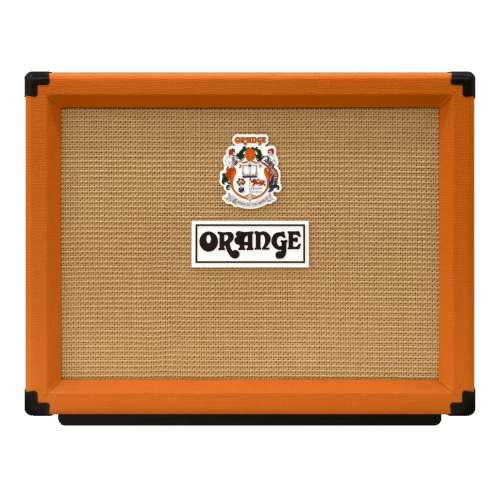
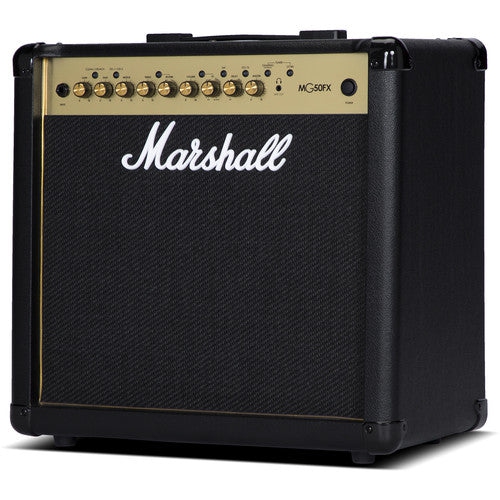
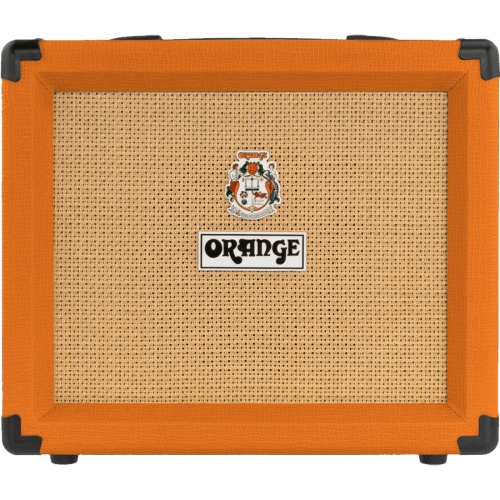
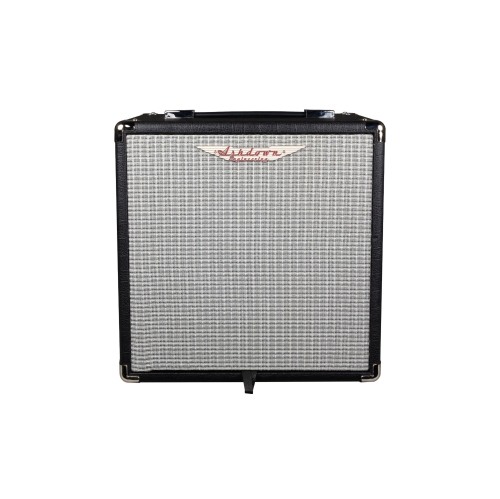
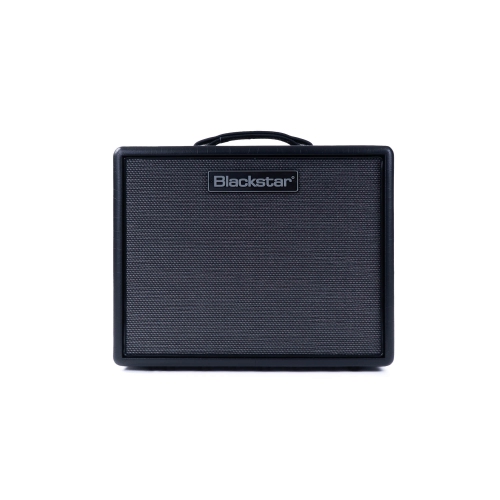
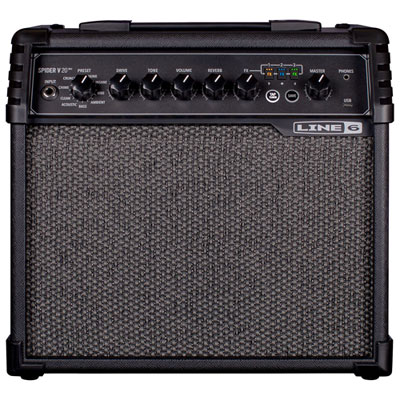
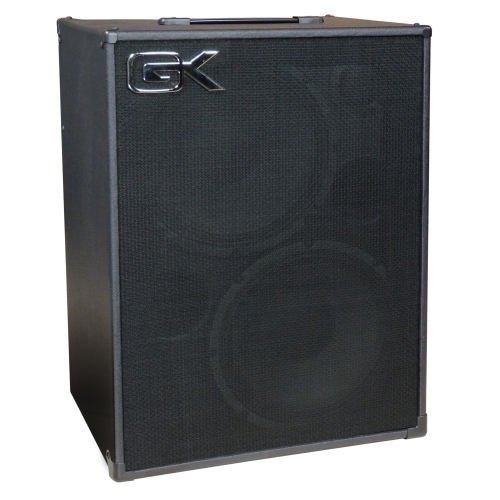
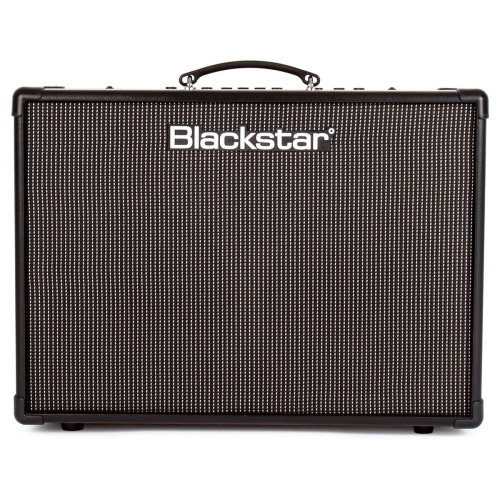

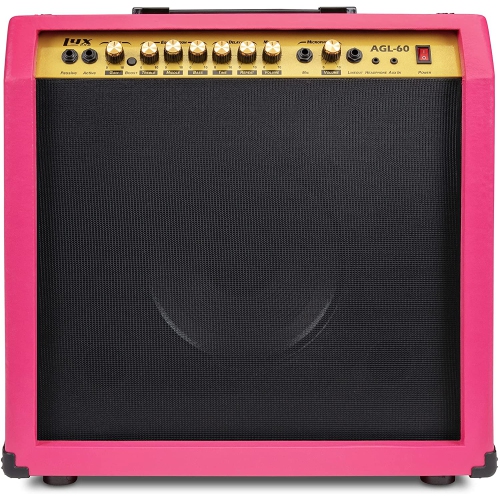
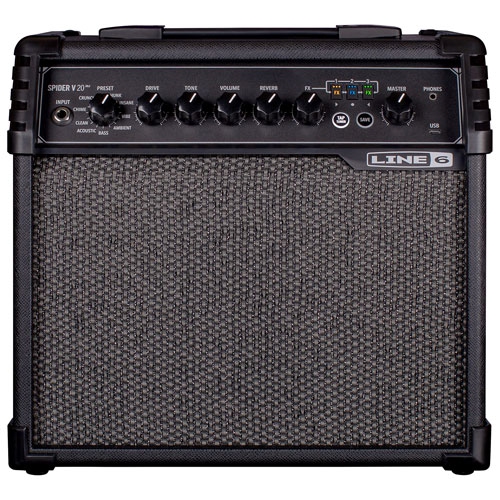
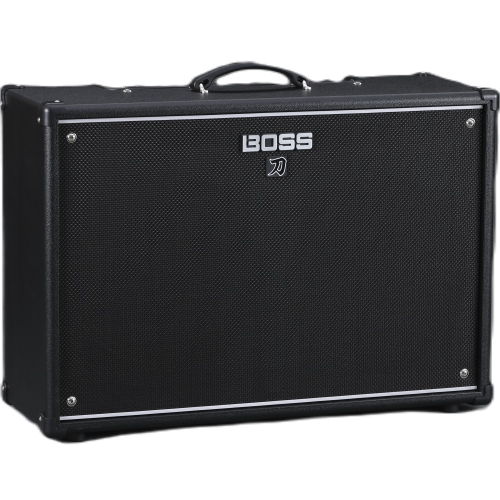
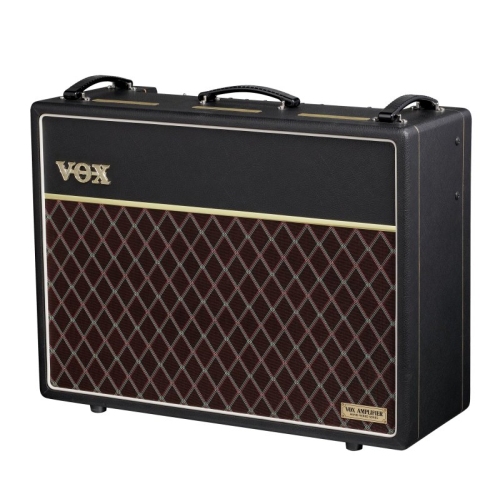
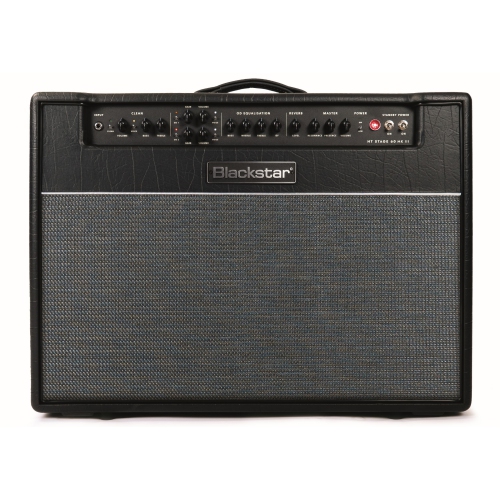
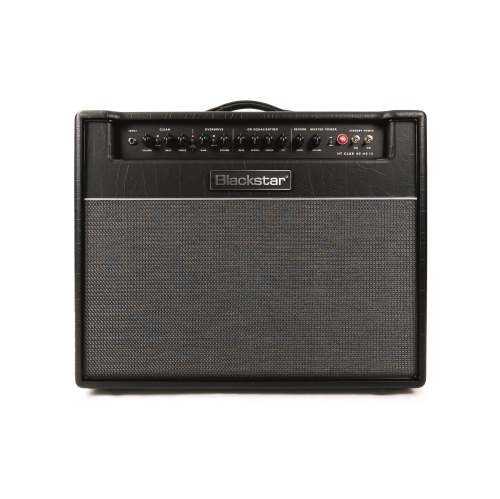
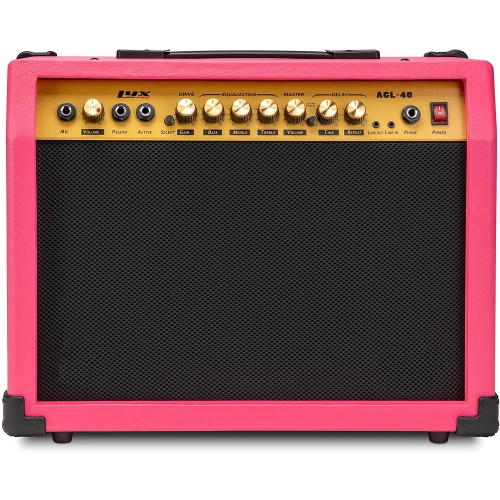
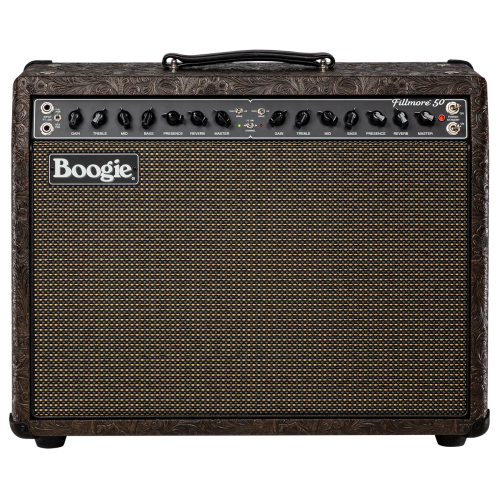

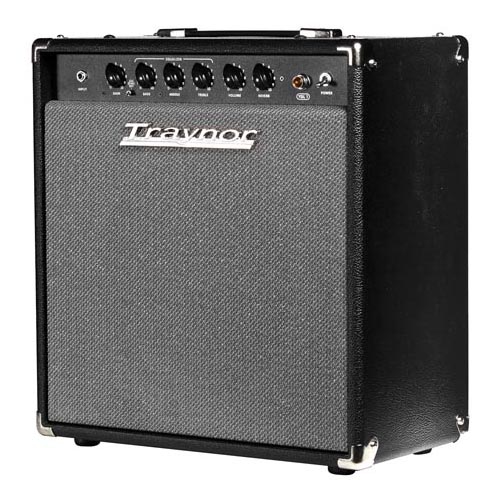
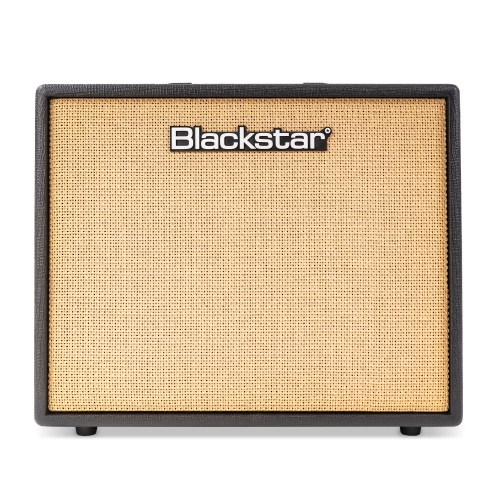
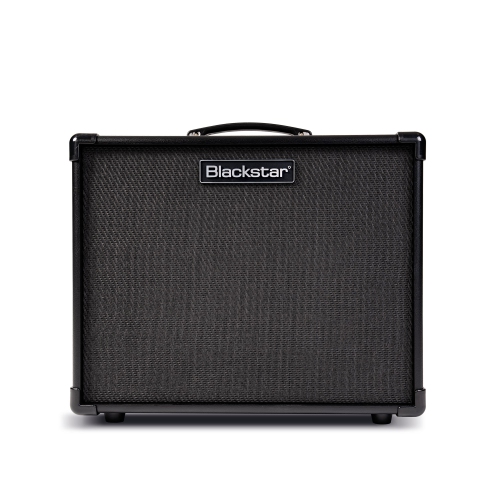
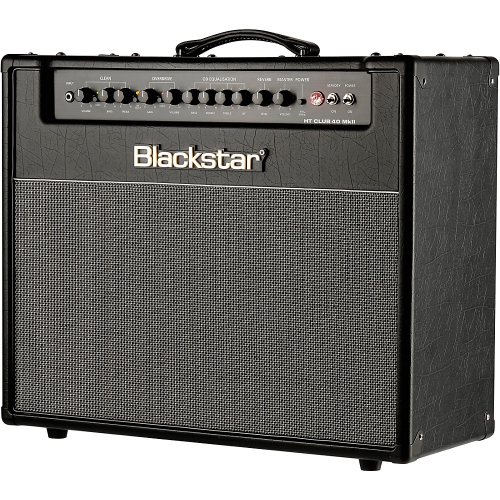
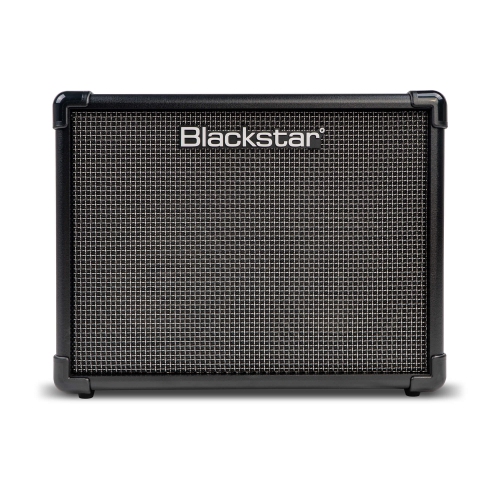
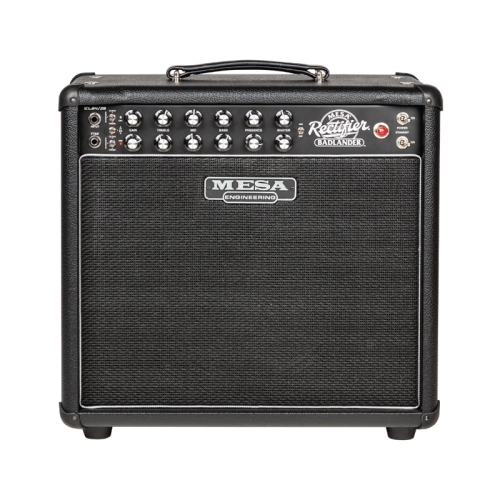
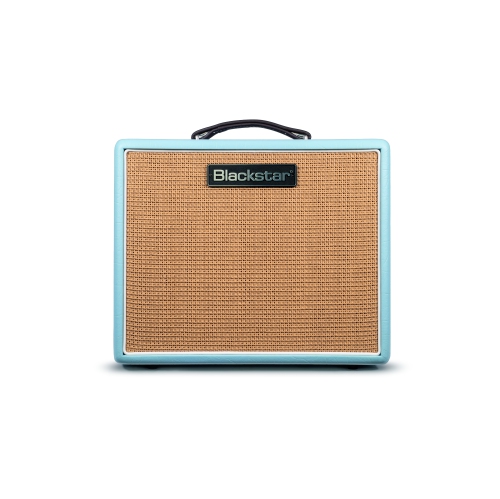
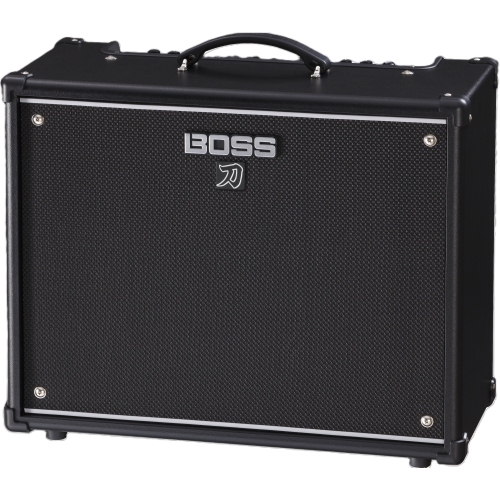
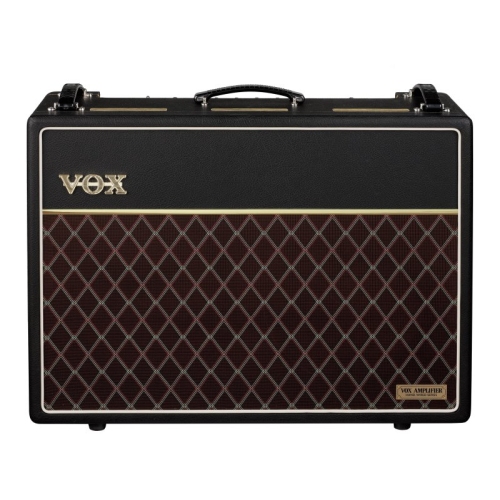
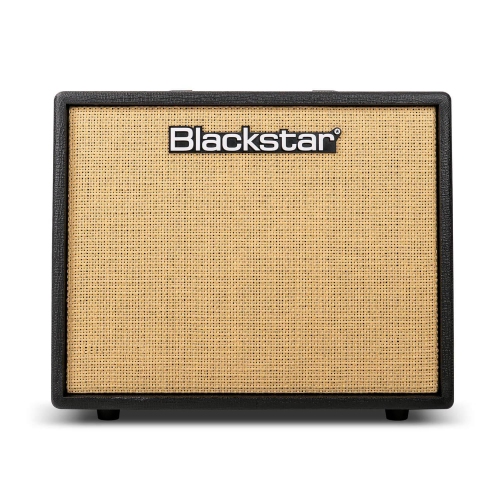
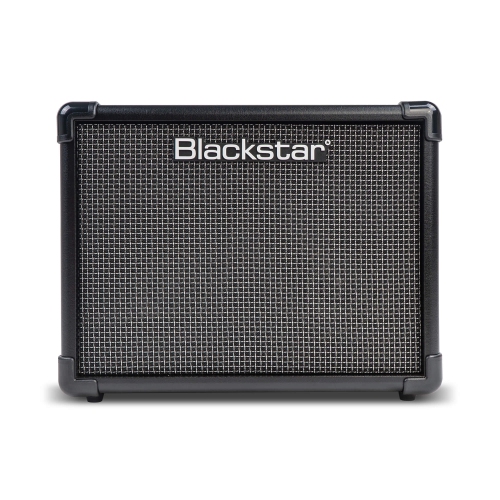
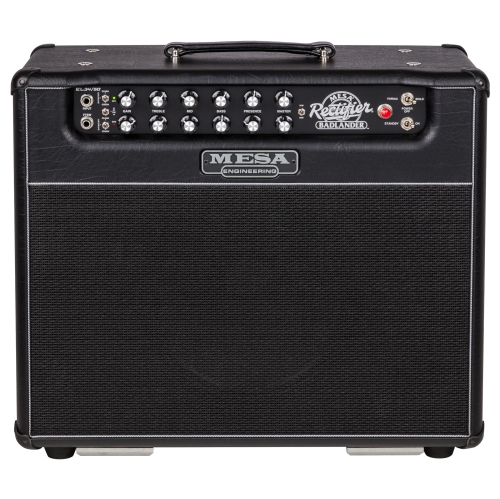
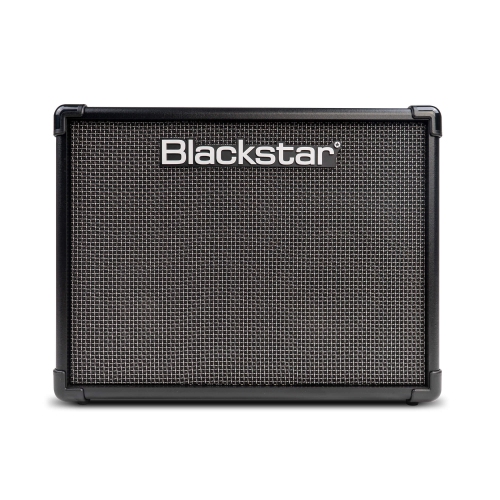
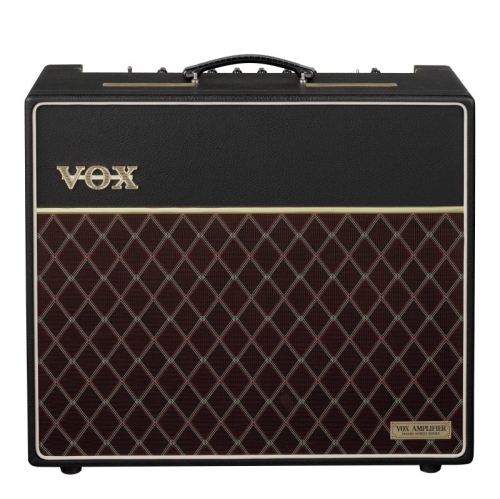
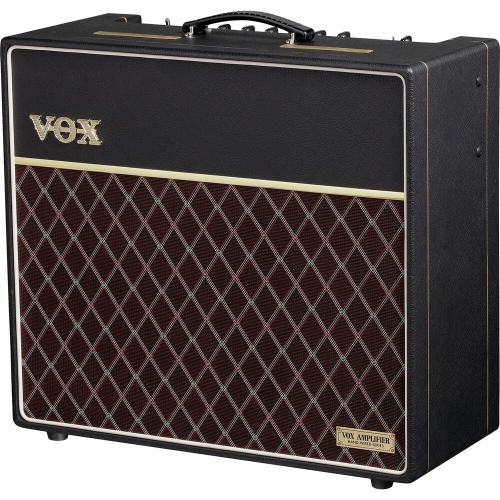
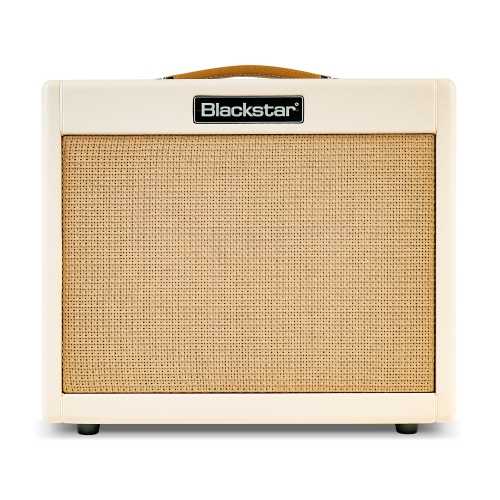
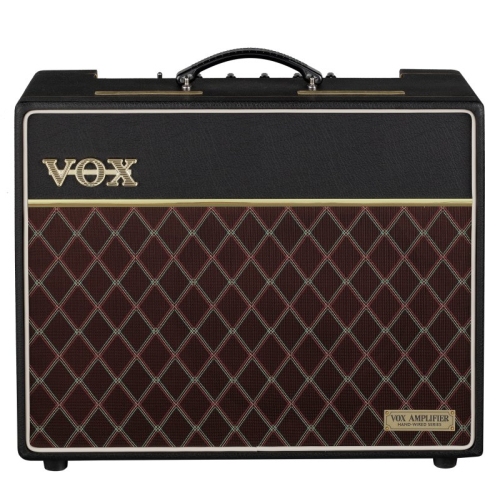
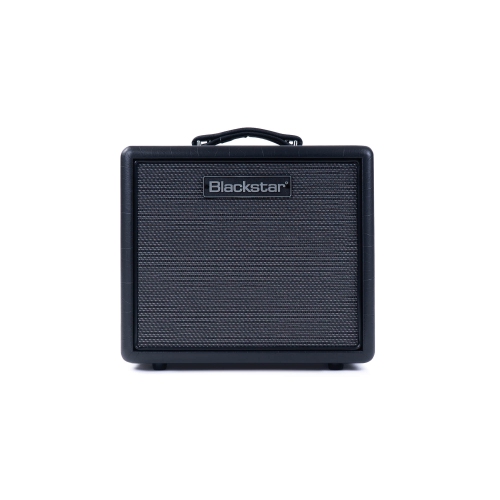
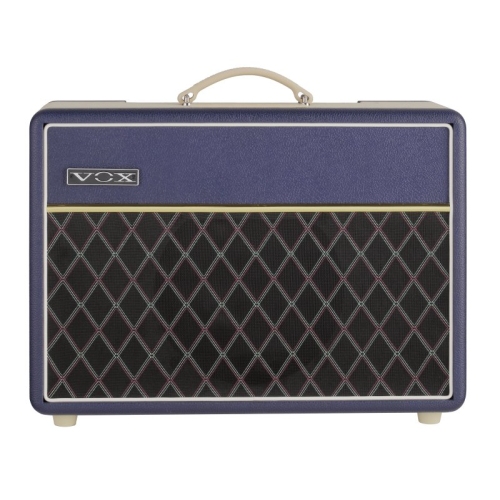
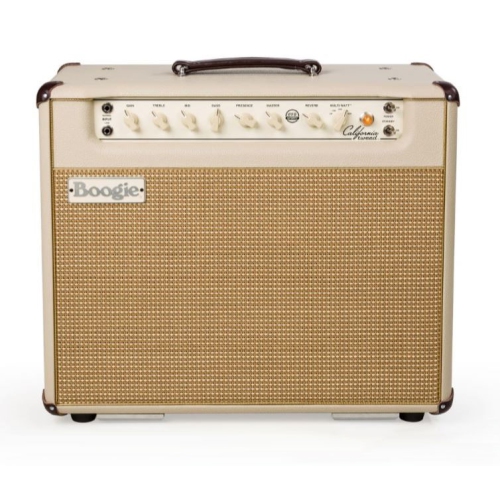
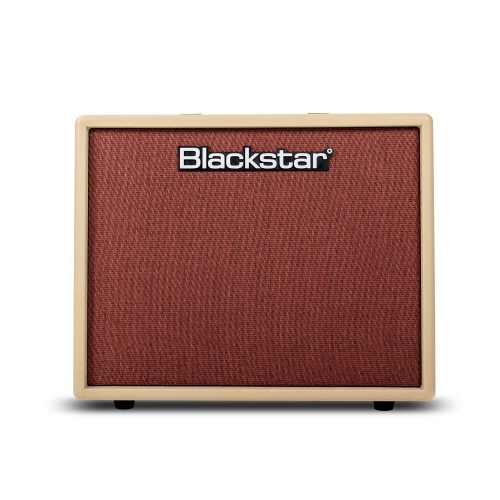
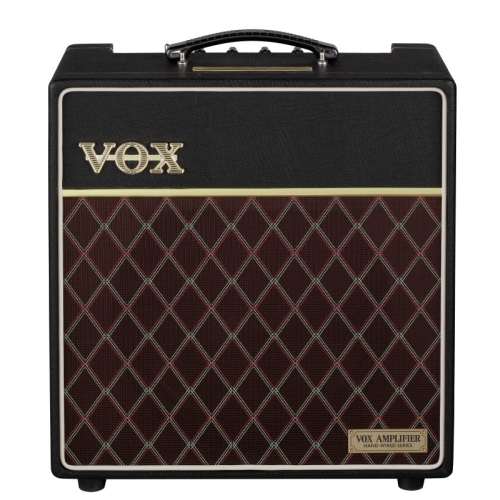
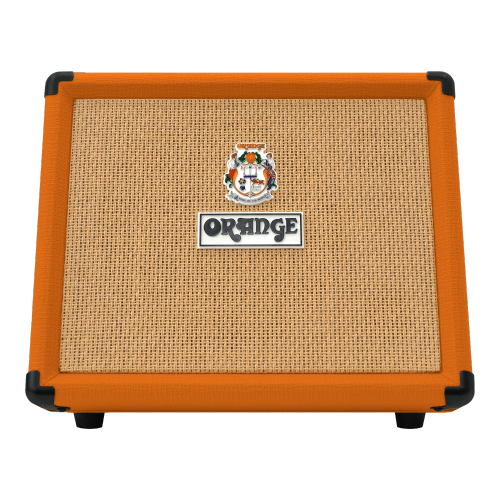
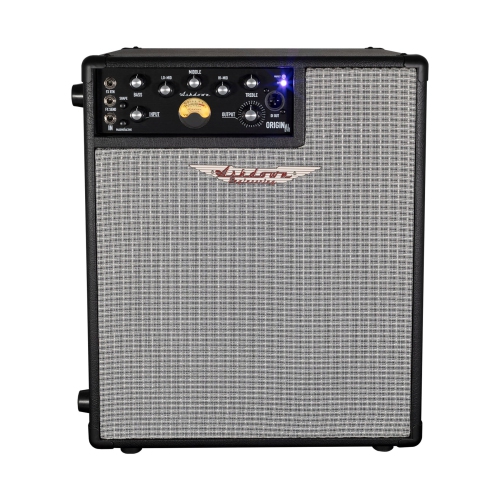
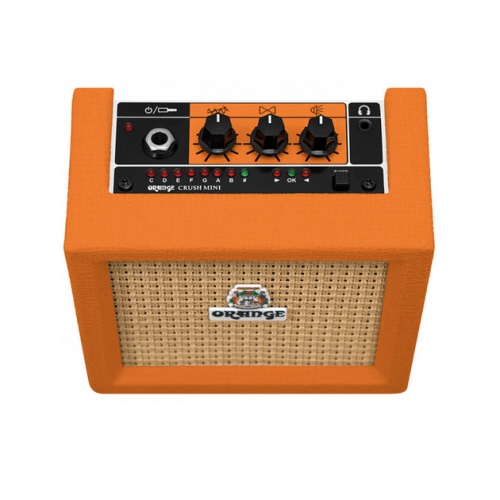
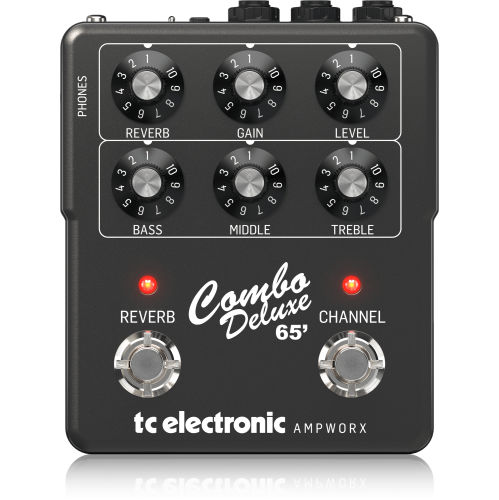
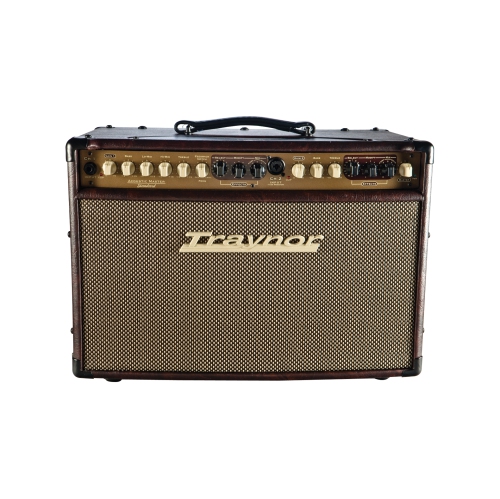
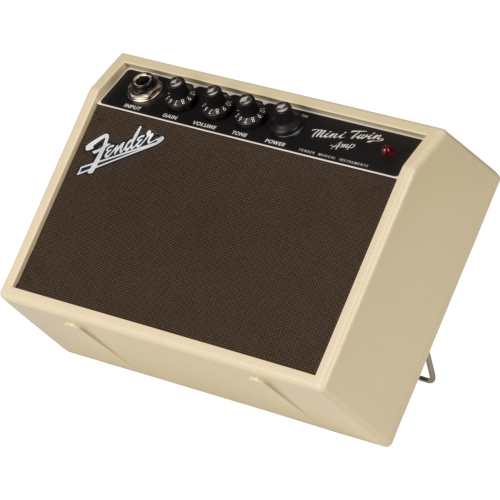
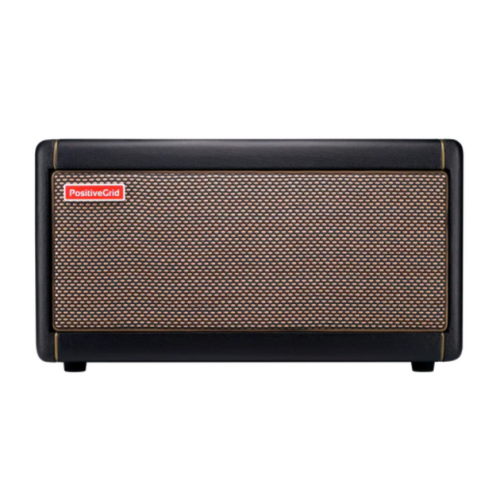
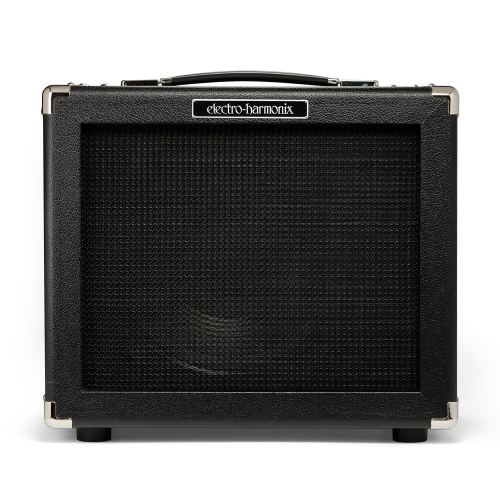
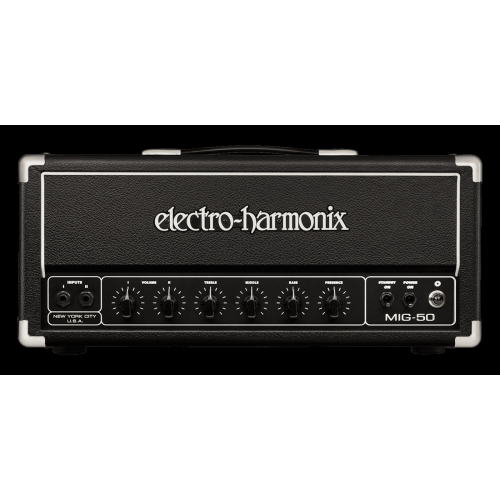
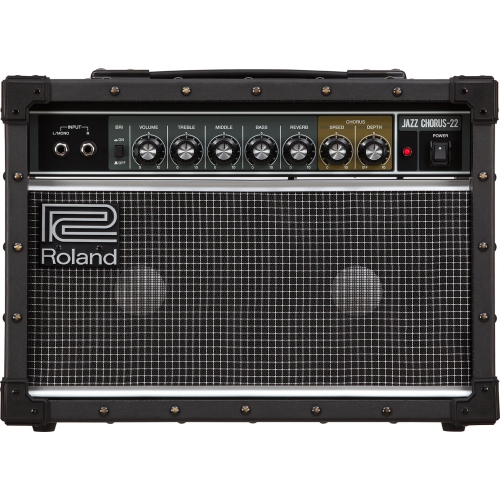
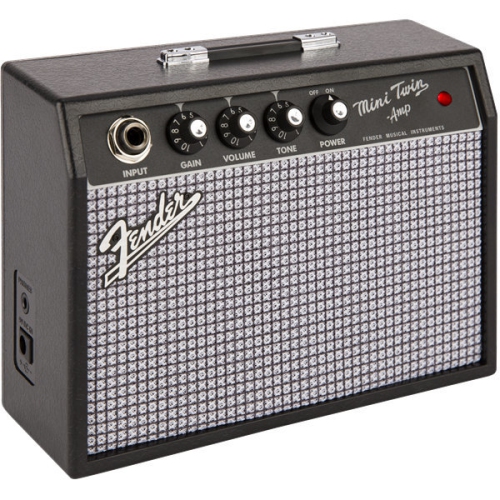
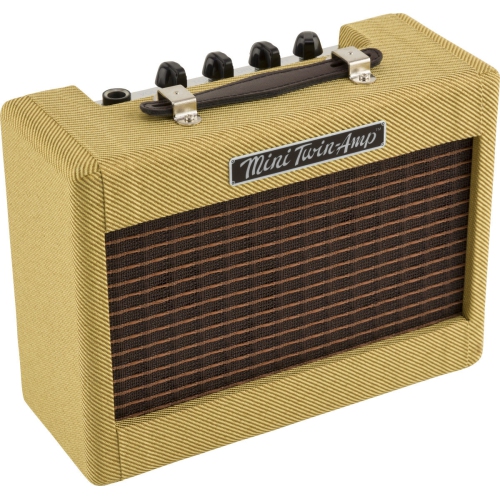

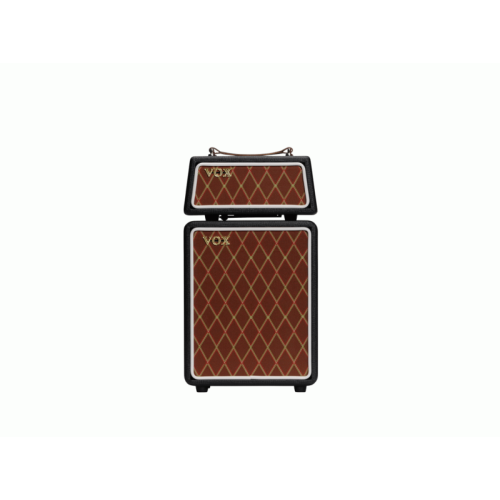
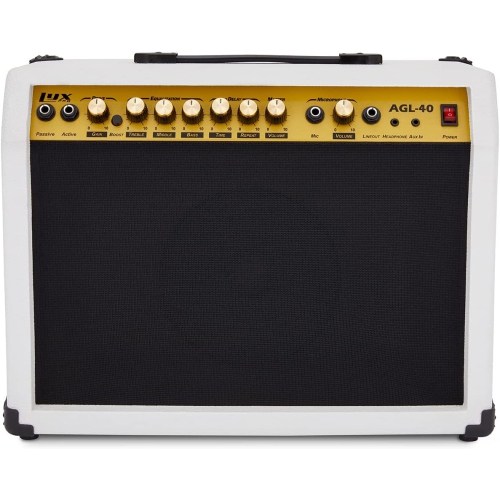
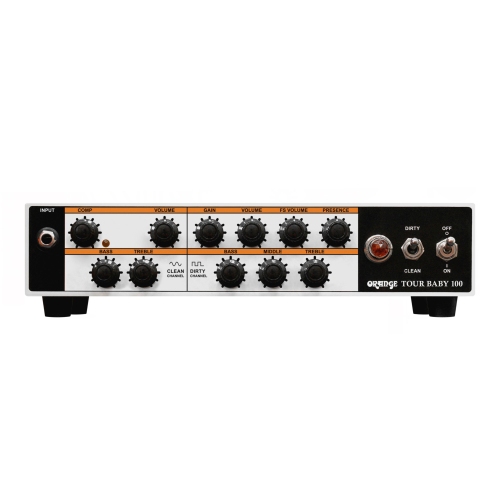
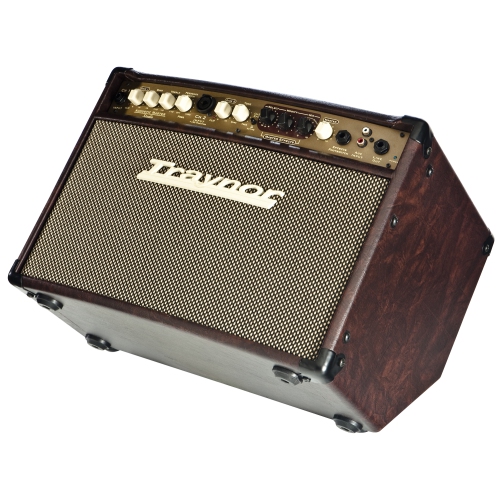
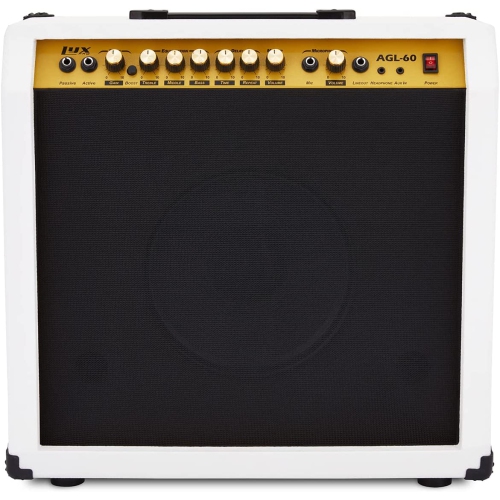
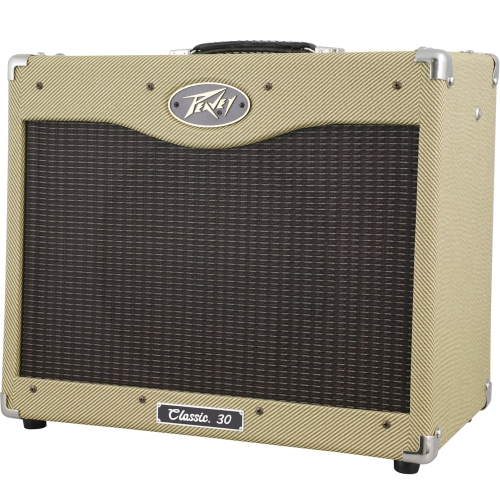
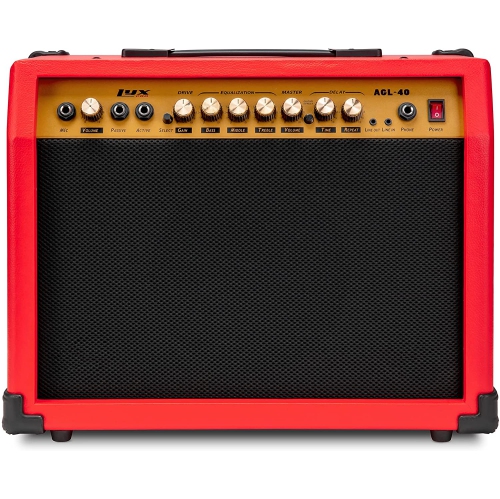
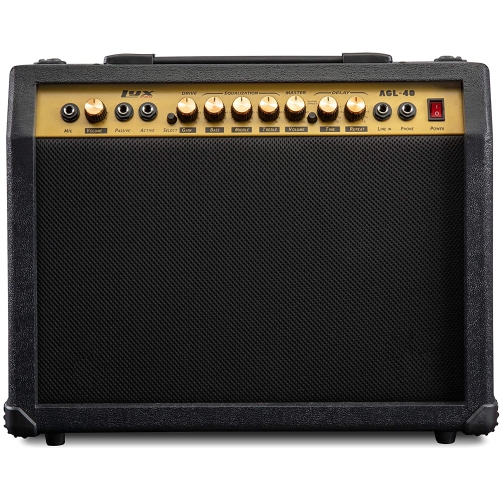
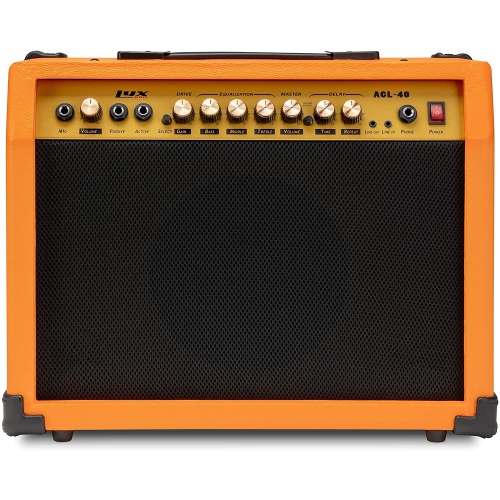
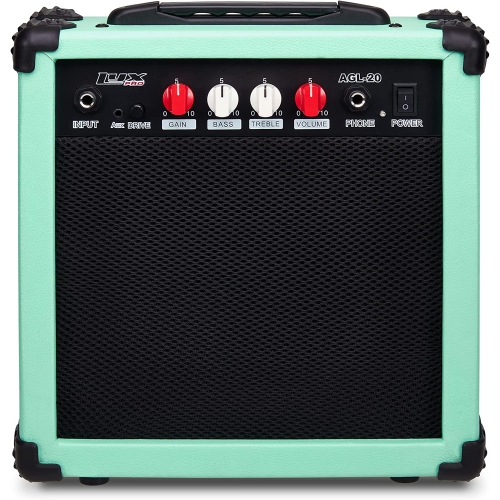

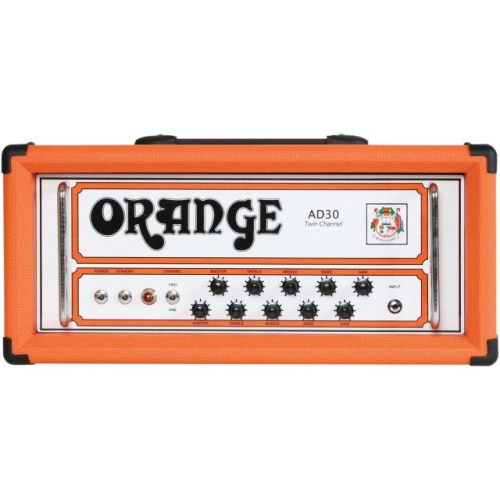
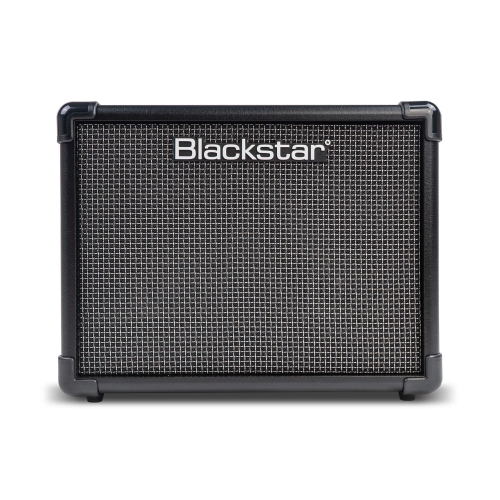
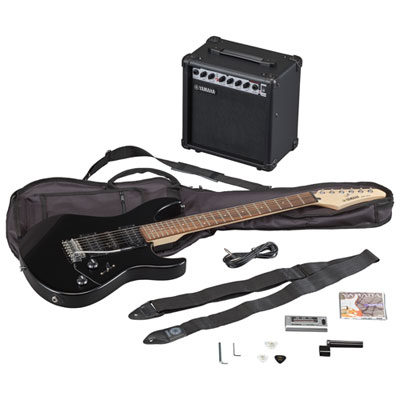
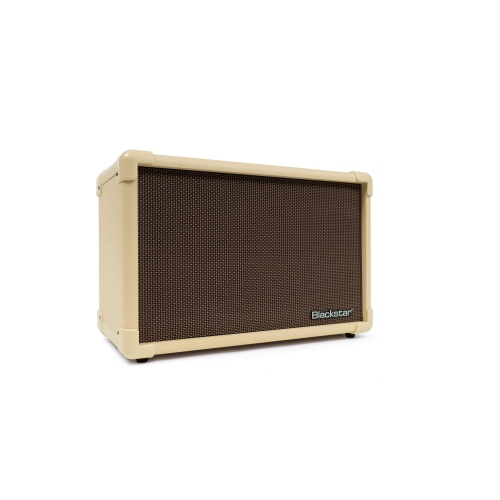
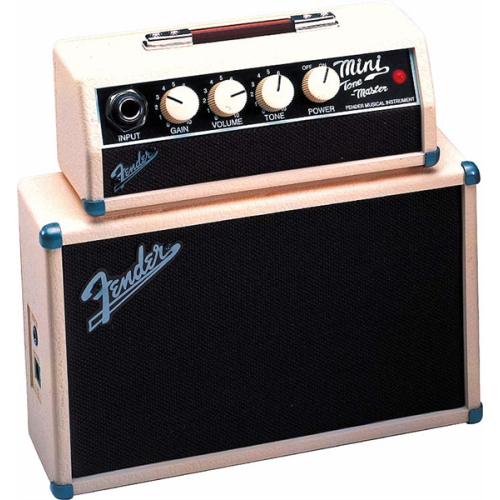
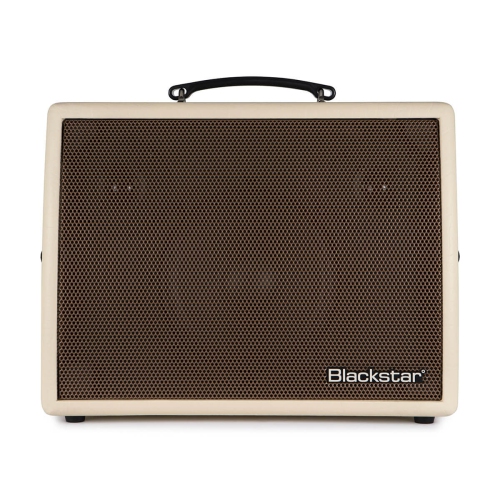
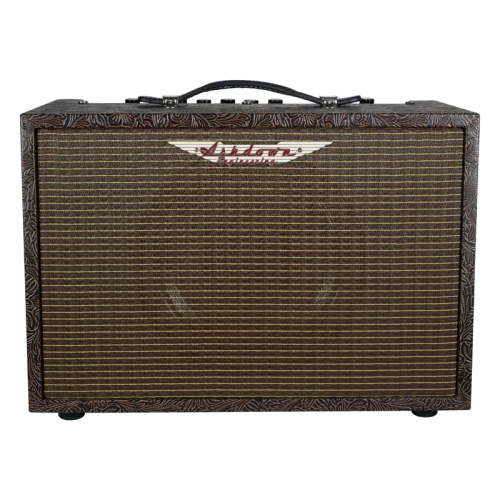
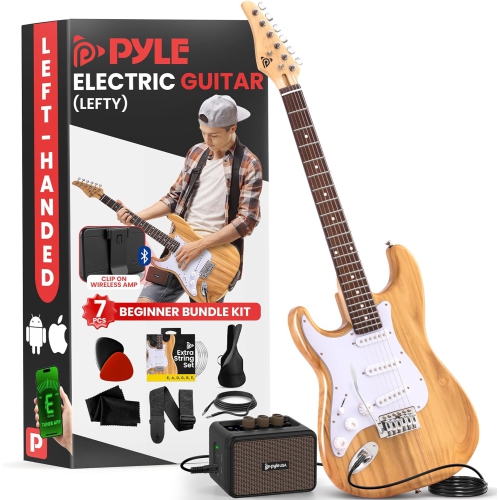
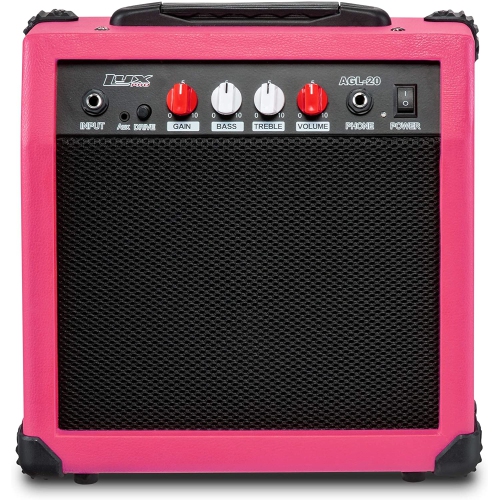
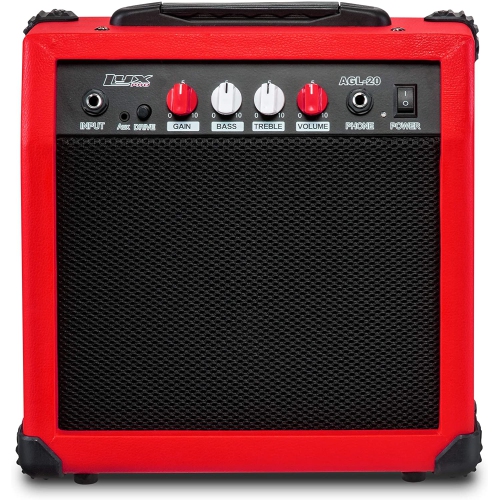
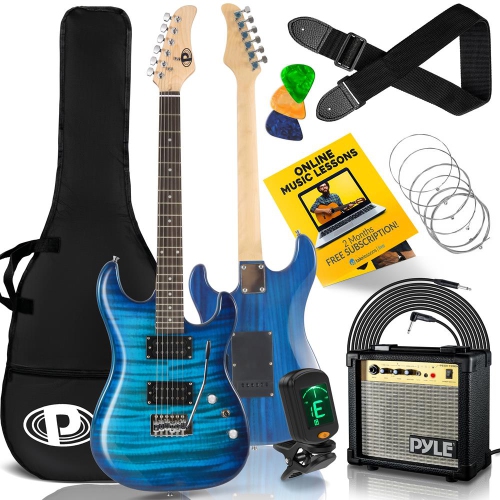
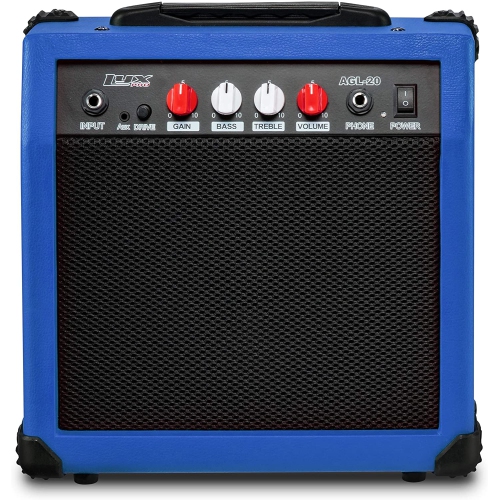
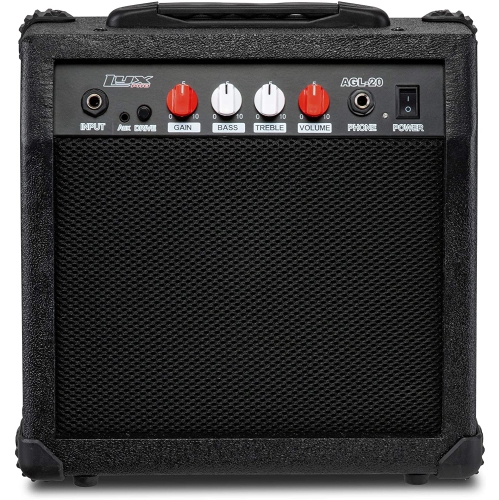
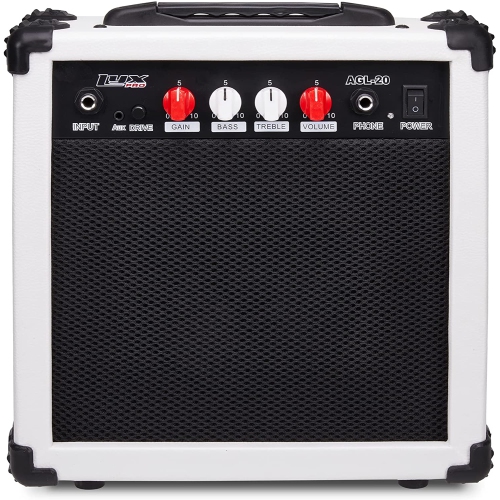
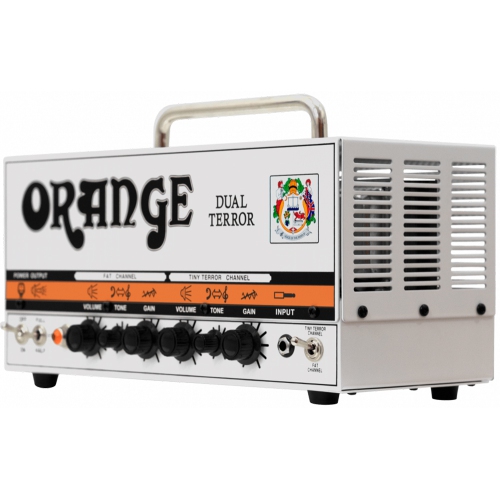
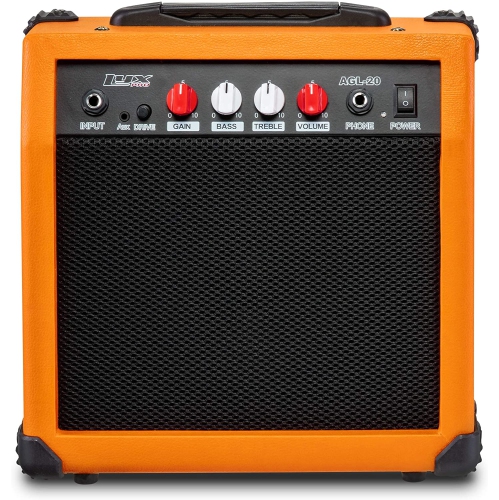
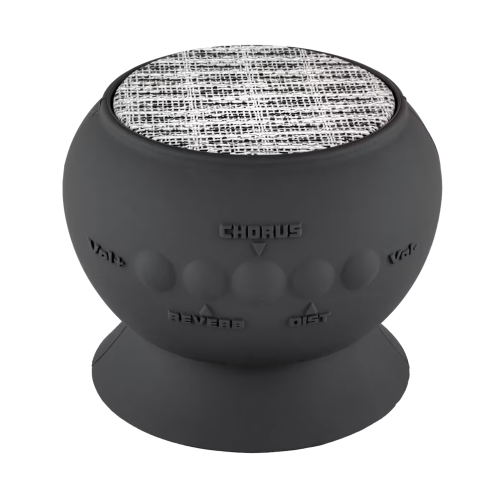
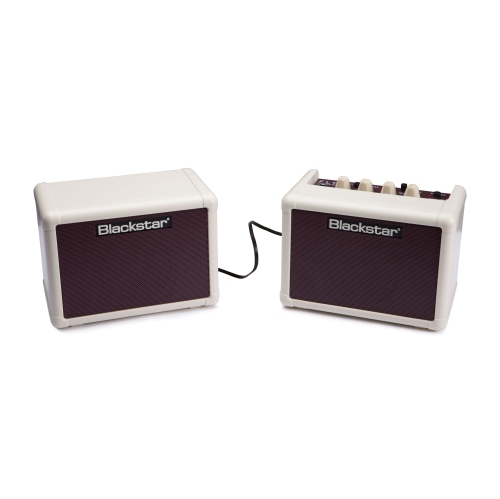
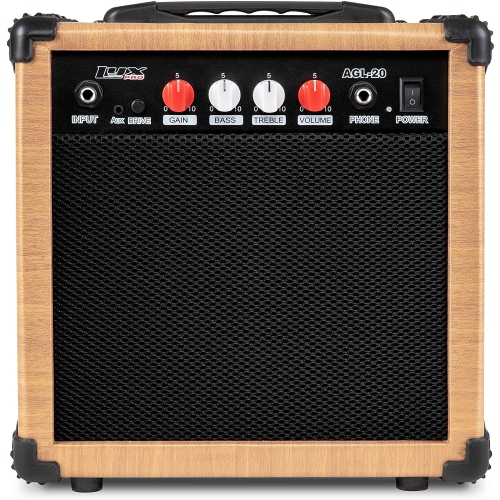
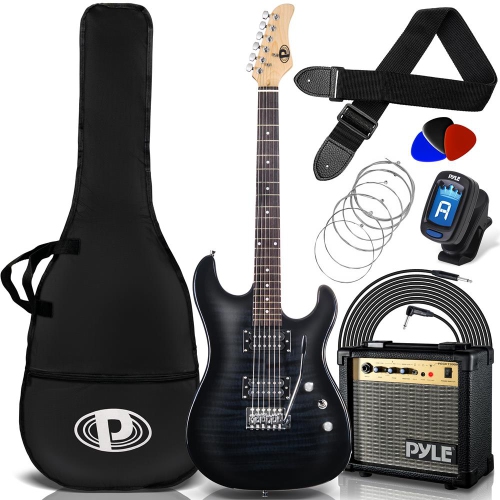
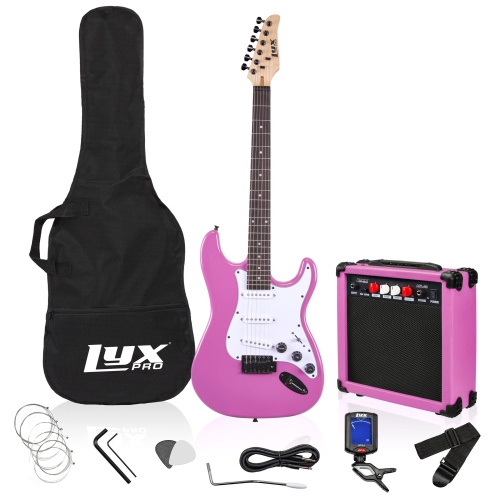
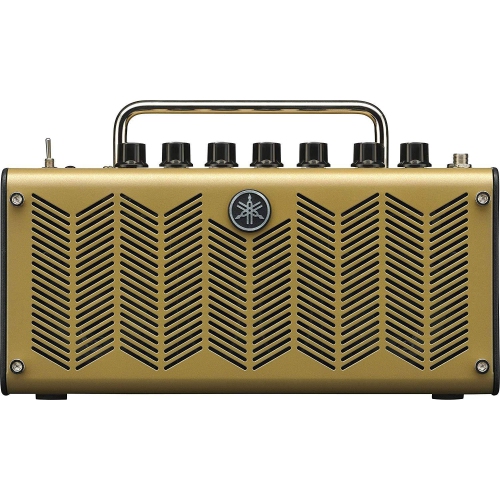
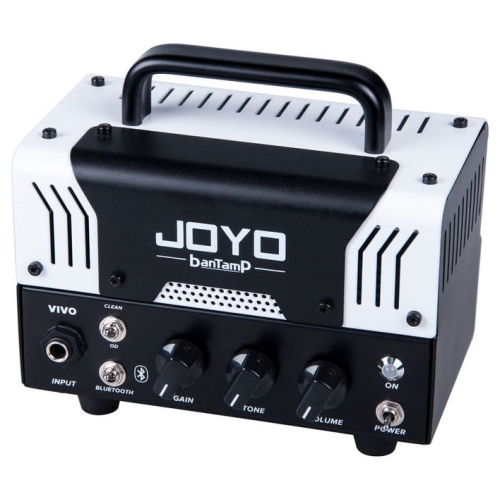
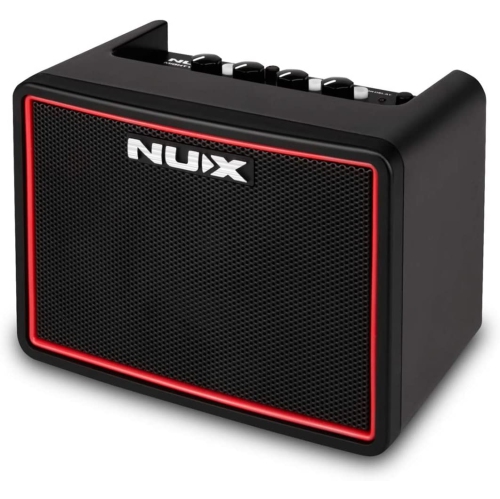
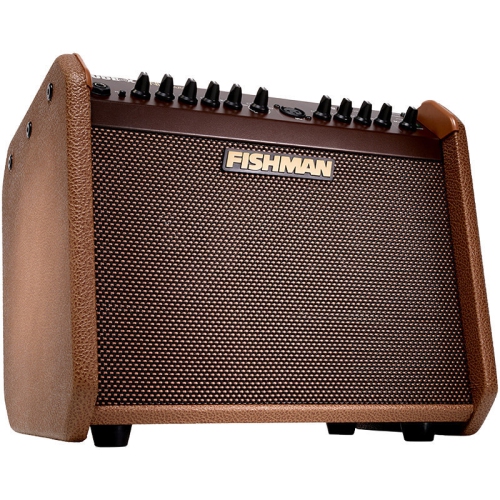
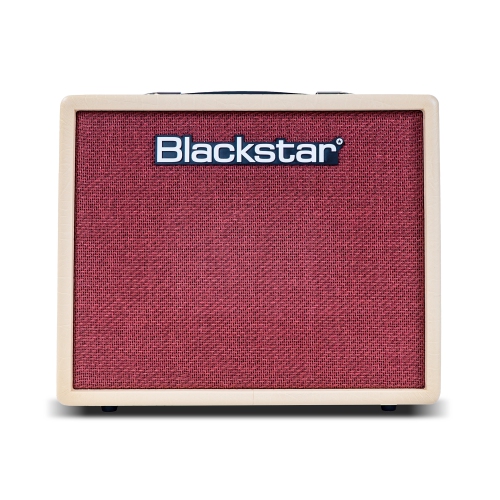
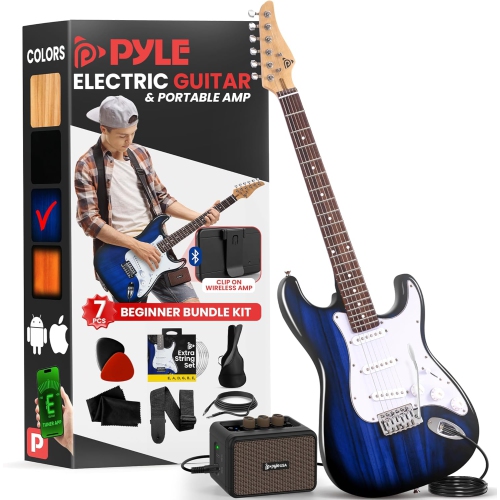
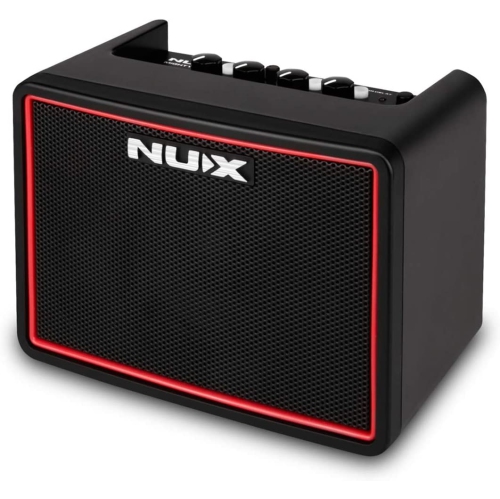
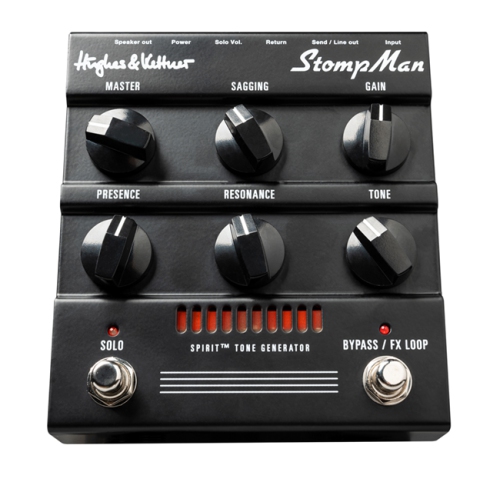
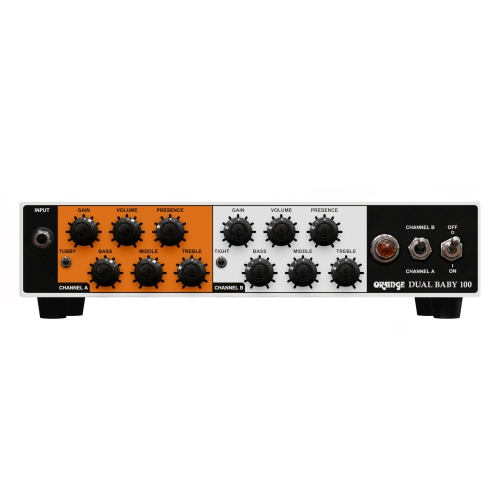
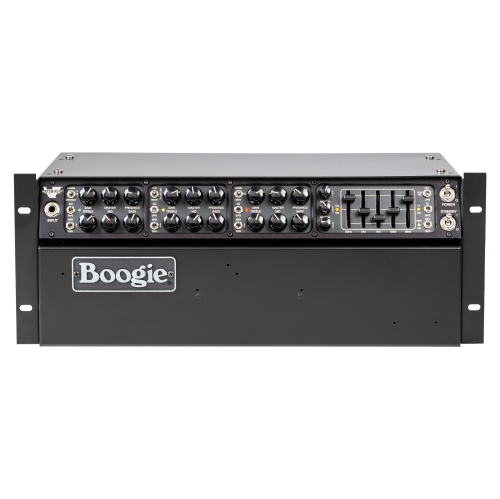
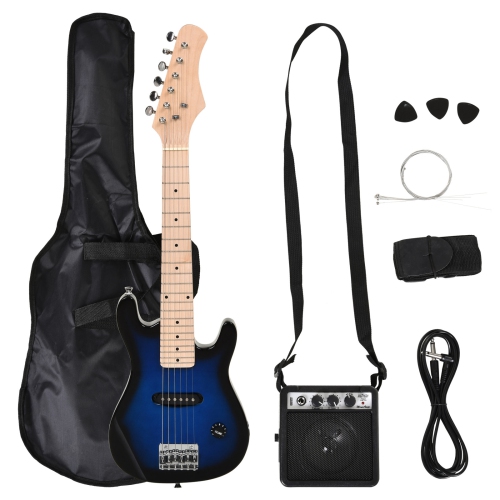
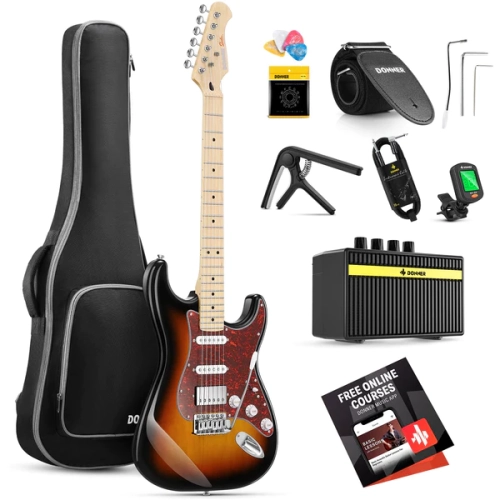

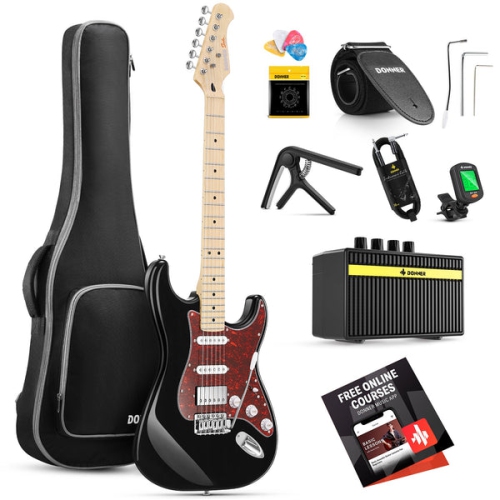

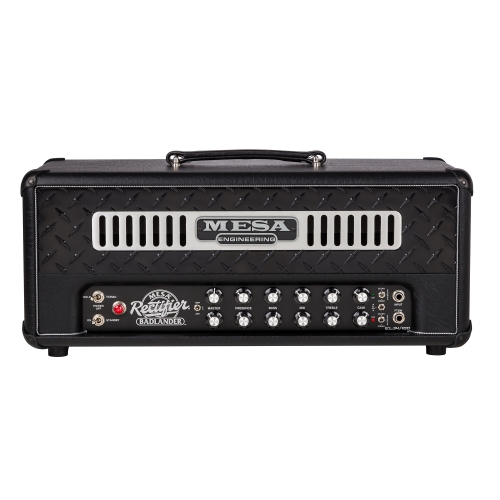
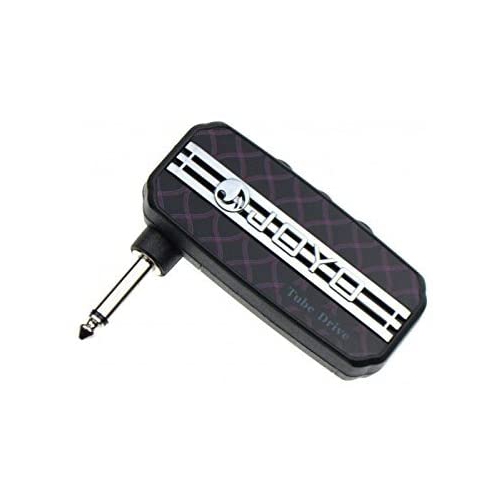
Amplification that grows from first chords to live performances
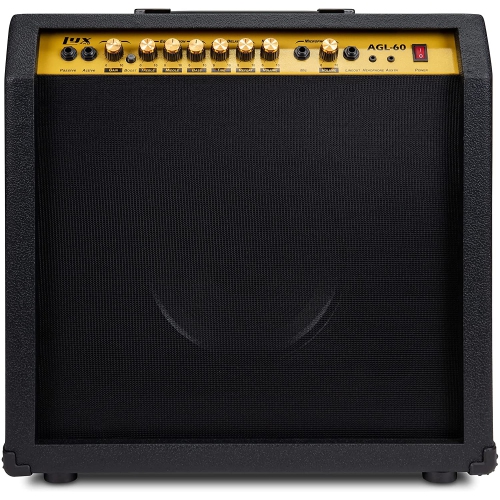
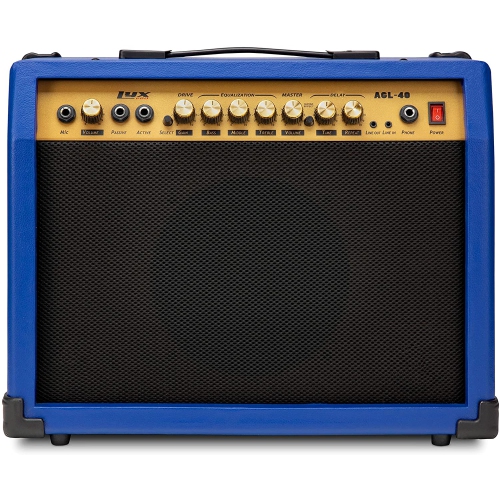
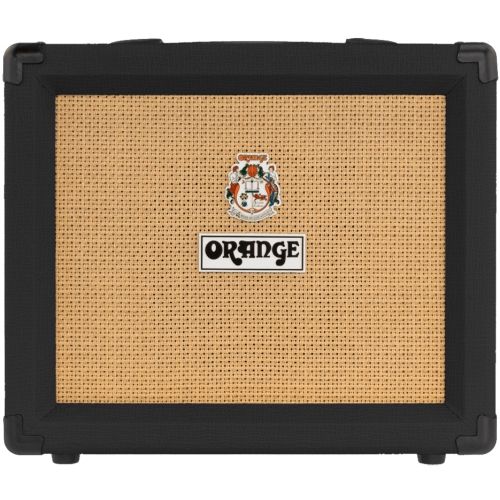
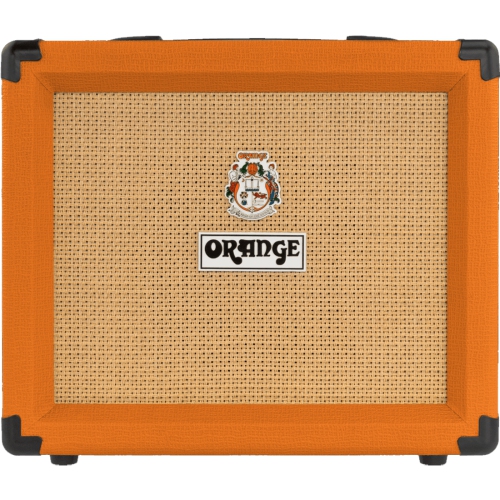
Guitar amplifier combos bring the amplifier and speaker together in one housing, giving guitarists a practical way to shape, strengthen, and share their sound without assembling a separate head-and-cabinet setup. This all-in-one design is useful for beginners learning their first chords, experienced players refining tone at home, and performers who need equipment that can move easily from a rehearsal space to a small stage. A combo can sit beside a sofa during a quiet practice session, rest on a rehearsal-room floor beside a pedalboard, or provide enough projection for a casual performance. When choosing among Guitar Amplifier Combos, start by considering where and how the amplifier will be used. A lower-wattage model may be well suited to bedroom practice, lessons, recording, or late-evening playing, while a more powerful combo can offer the volume and headroom needed for rehearsals and live performances. Speaker size also influences the experience: smaller speakers can feel focused and manageable, while larger speakers often produce a fuller low end and greater room-filling presence. Weight and handle design matter as well, particularly for musicians who carry their gear up stairs, transport it to lessons, or share equipment between practice rooms. For players who are still developing their preferences, a versatile combo can be a thoughtful gift because it leaves room to explore different playing styles, from clean chord work and bluesy bends to heavier riffs and textured lead parts.
The main amplifier types offer distinct approaches to tone and response. Tube combos use vacuum tubes to create a warm, organic character that many players value for its natural compression and touch sensitivity. The sound can respond noticeably to picking strength and guitar volume, making the instrument feel especially expressive under the fingers. Solid-state combos use transistor-based circuitry and are often appreciated for their reliability, consistent performance, clear clean tones, and generally approachable price. They can be a practical choice for students, casual players, and anyone who wants dependable amplification with straightforward controls. Modeling combos use digital technology to recreate the character of different amplifier styles, effects, and signal chains in one unit. This can be particularly helpful for guitarists who enjoy experimenting with contrasting sounds without building a large collection of pedals. Depending on the model, a player may be able to move from shimmering clean tones to overdrive, delay, reverb, chorus, or other effects with a turn of a dial or the press of a button. When comparing options, look for controls that match your comfort level. A simple layout with volume, tone, and gain can make it easier for a new guitarist to learn how each adjustment changes the sound. More advanced controls, preset saving, app connectivity, USB recording, or built-in effects can appeal to players who enjoy detailed tone shaping. Headphone outputs are helpful for private practice, while an auxiliary input or Bluetooth connectivity can make it easier to play along with backing tracks, tutorials, or favourite recordings. An external speaker output, footswitch compatibility, or effects loop may also be useful for musicians planning to expand their setup over time. Price ranges can vary from compact practice units at roughly $100 to $200 to more capable performance-oriented combos costing several hundred dollars or more, so it helps to balance features with actual playing habits rather than choosing based on power alone.
A good guitar amplifier combo should complement the player’s instrument, space, and goals. Someone using a single-coil electric guitar may appreciate an amplifier with a clear, articulate clean channel, while a player with humbuckers may prefer generous headroom and controls that preserve definition when using higher gain. Guitarists who play in a shared home should pay attention to volume control and headphone options, since a compact amplifier can provide an engaging practice experience without dominating the room. Those preparing for rehearsals or small gigs may want more power, a larger speaker, multiple channels, and a tone that remains clear when the volume rises. Musicians who record can benefit from direct outputs, USB connections, or emulated speaker outputs that simplify sending the signal to recording equipment. Beginners may find it helpful to choose an amplifier with enough flexibility to grow with their skills, but an uncomplicated combo can be just as valuable if it encourages regular playing. A young guitarist receiving one as a gift can use it to make practice feel more immediate: a newly learned riff gains energy, chord changes become easier to hear, and progress becomes more rewarding when the instrument sounds full and confident. During the cooler months, a combo can also make a welcoming addition to an indoor music corner, whether it is used for quiet skill-building, informal jam sessions, or writing songs by the window. Players who primarily need a compact unit for lessons and home use can explore Guitar Practice Amps, while those seeking broader performance capabilities may prefer a combo with greater projection and more extensive sound-shaping controls. Before choosing, consider the guitar’s output, the room’s size, preferred volume, desired effects, and how often the amplifier will be moved. The right combination of tone, controls, connectivity, and portability can turn an amplifier from a basic accessory into the centre of a comfortable and inspiring playing setup.
The main amplifier types offer distinct approaches to tone and response. Tube combos use vacuum tubes to create a warm, organic character that many players value for its natural compression and touch sensitivity. The sound can respond noticeably to picking strength and guitar volume, making the instrument feel especially expressive under the fingers. Solid-state combos use transistor-based circuitry and are often appreciated for their reliability, consistent performance, clear clean tones, and generally approachable price. They can be a practical choice for students, casual players, and anyone who wants dependable amplification with straightforward controls. Modeling combos use digital technology to recreate the character of different amplifier styles, effects, and signal chains in one unit. This can be particularly helpful for guitarists who enjoy experimenting with contrasting sounds without building a large collection of pedals. Depending on the model, a player may be able to move from shimmering clean tones to overdrive, delay, reverb, chorus, or other effects with a turn of a dial or the press of a button. When comparing options, look for controls that match your comfort level. A simple layout with volume, tone, and gain can make it easier for a new guitarist to learn how each adjustment changes the sound. More advanced controls, preset saving, app connectivity, USB recording, or built-in effects can appeal to players who enjoy detailed tone shaping. Headphone outputs are helpful for private practice, while an auxiliary input or Bluetooth connectivity can make it easier to play along with backing tracks, tutorials, or favourite recordings. An external speaker output, footswitch compatibility, or effects loop may also be useful for musicians planning to expand their setup over time. Price ranges can vary from compact practice units at roughly $100 to $200 to more capable performance-oriented combos costing several hundred dollars or more, so it helps to balance features with actual playing habits rather than choosing based on power alone.
A good guitar amplifier combo should complement the player’s instrument, space, and goals. Someone using a single-coil electric guitar may appreciate an amplifier with a clear, articulate clean channel, while a player with humbuckers may prefer generous headroom and controls that preserve definition when using higher gain. Guitarists who play in a shared home should pay attention to volume control and headphone options, since a compact amplifier can provide an engaging practice experience without dominating the room. Those preparing for rehearsals or small gigs may want more power, a larger speaker, multiple channels, and a tone that remains clear when the volume rises. Musicians who record can benefit from direct outputs, USB connections, or emulated speaker outputs that simplify sending the signal to recording equipment. Beginners may find it helpful to choose an amplifier with enough flexibility to grow with their skills, but an uncomplicated combo can be just as valuable if it encourages regular playing. A young guitarist receiving one as a gift can use it to make practice feel more immediate: a newly learned riff gains energy, chord changes become easier to hear, and progress becomes more rewarding when the instrument sounds full and confident. During the cooler months, a combo can also make a welcoming addition to an indoor music corner, whether it is used for quiet skill-building, informal jam sessions, or writing songs by the window. Players who primarily need a compact unit for lessons and home use can explore Guitar Practice Amps, while those seeking broader performance capabilities may prefer a combo with greater projection and more extensive sound-shaping controls. Before choosing, consider the guitar’s output, the room’s size, preferred volume, desired effects, and how often the amplifier will be moved. The right combination of tone, controls, connectivity, and portability can turn an amplifier from a basic accessory into the centre of a comfortable and inspiring playing setup.
Top selling and popular products
-
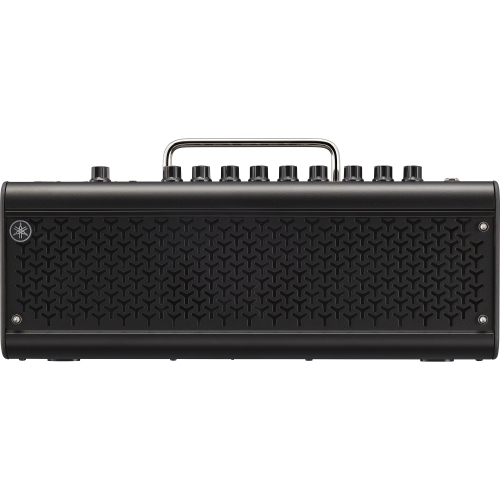 Your price for this item is $599.99
 -
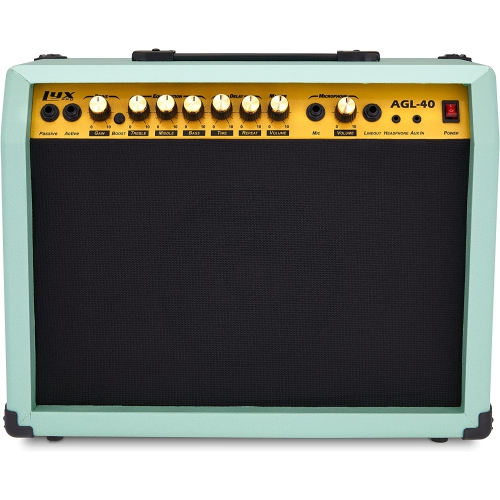 Your price for this item is $159.99
 -
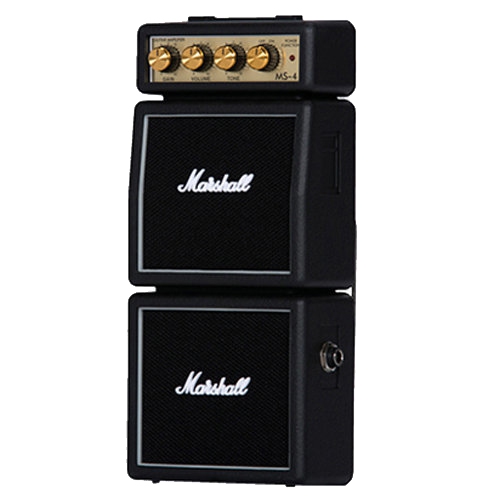 Your price for this item is $99.99
 -
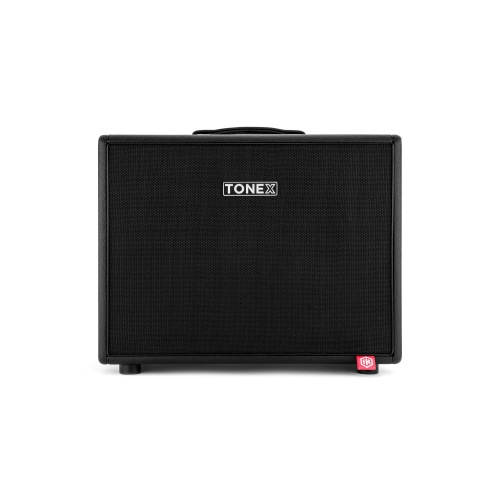 Your price for this item is $1119
 -
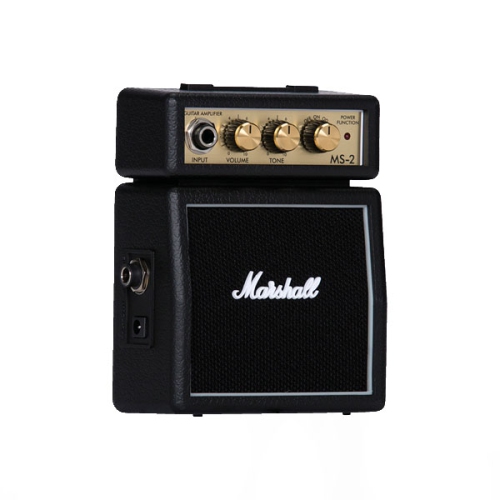 Your price for this item is $79.99
 -
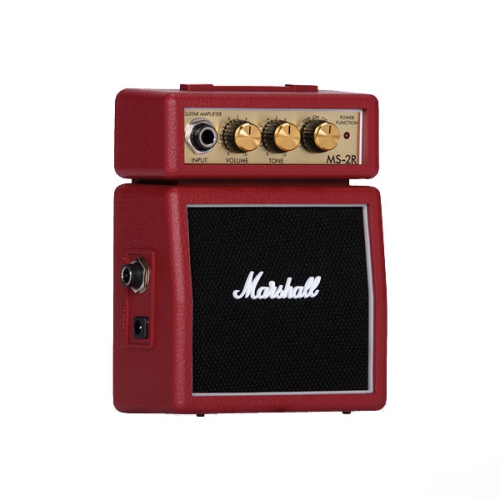 Your price for this item is $79.99
 -
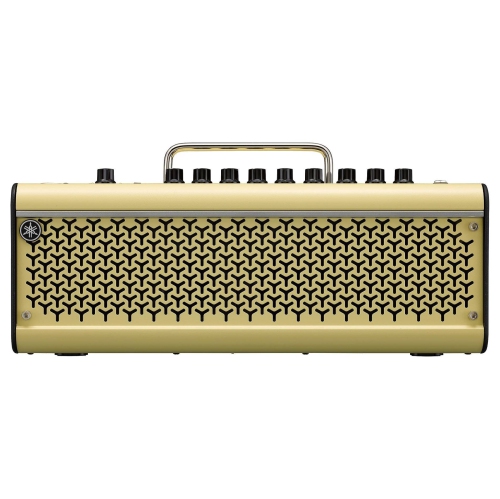 Your price for this item is $599.99
 -
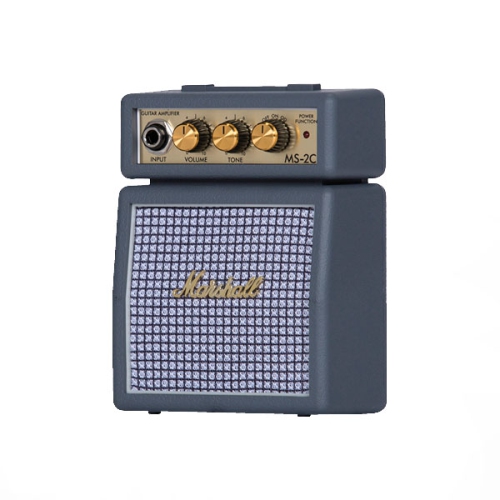 Your price for this item is $79.99
Discover more categories related to Guitar Amplifier Combos
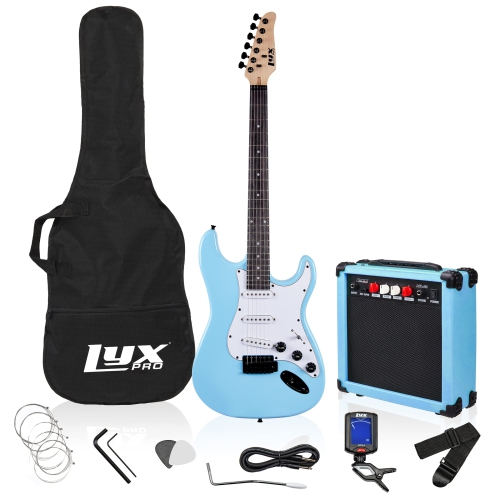
Top Collections:
Pokemon Centers, Kindle Devices, Best Budget Office Chairs, Canon G7X Cameras, Apple iPhones 16, Samsung Galaxy Phones, Refurbished Apple Laptops, Laptops for Students, iPhone 15 Apple, Budget Smartphones
Some products may be subject to Environmental Handling Fees
(EHF) depending on your province.
Learn more about EHFs.