Guitar Equalizers
Elevate your music experience with guitar equalizers, essential tools for musicians looking to refine their sound. Whether you're a seasoned performer or just starting out, these devices offer the versatility and precision needed to shape your guitar tones to perfection. Guitar equalizers provide the ability to adjust various frequency bands, allowing you to enhance your instrument's natural resonance and clarity. Perfect for live performances or studio recordings, they help you achieve the ideal balance and depth in your sound. Explore our selection of guitar equalizers and discover how they can transform your musical expression.
Sort
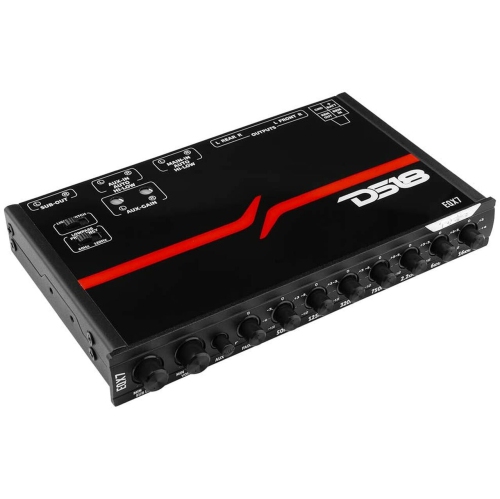
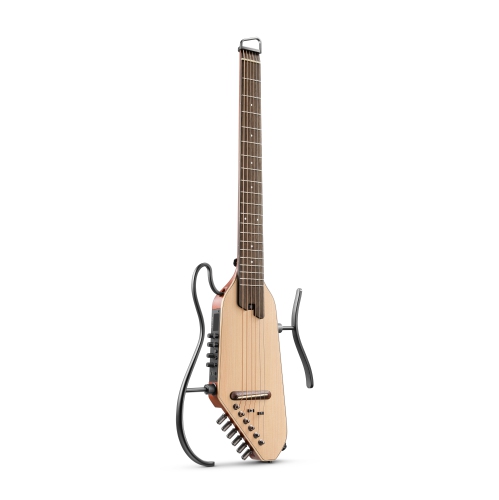
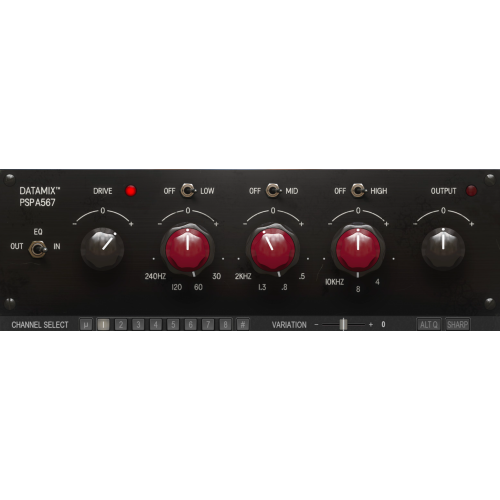
Practical tone shaping for live playing and recording
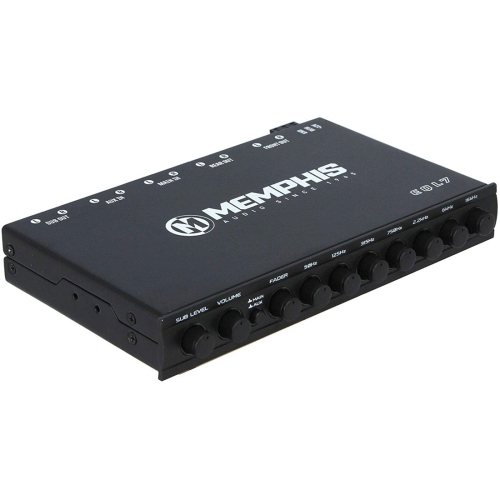
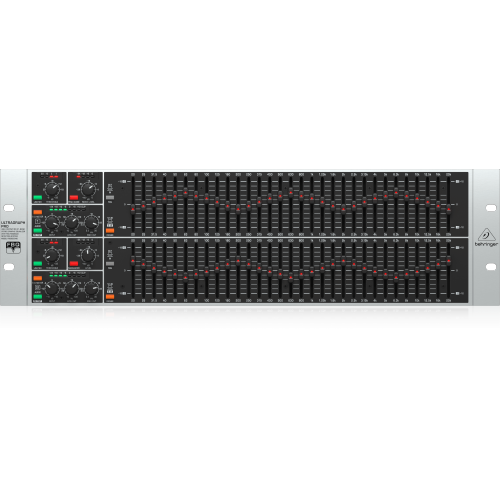
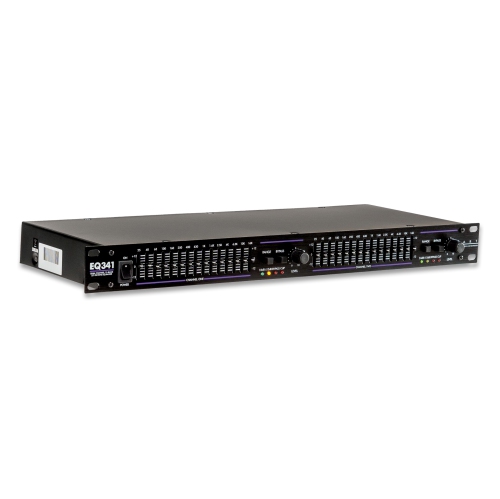
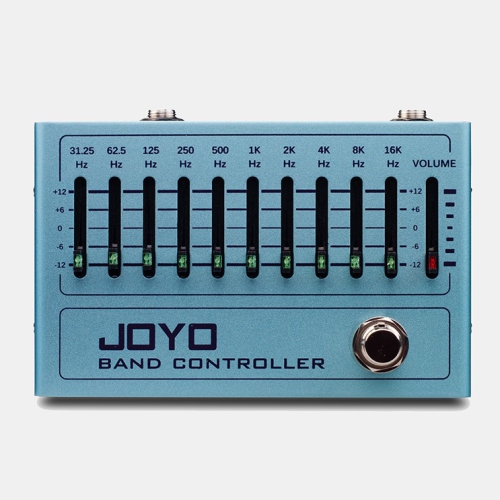
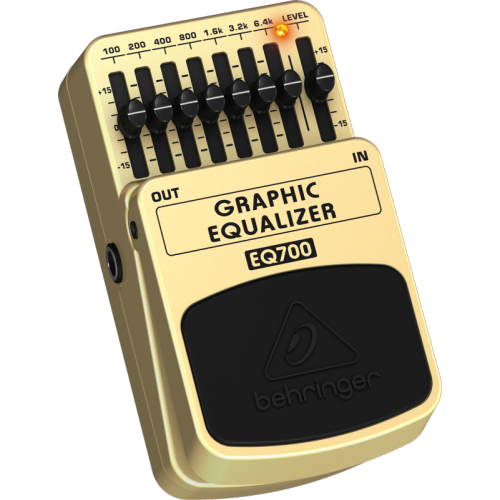
Guitar equalizers give players a practical way to shape the character, balance, and response of their instrument without replacing the guitar, amplifier, or entire effects setup. Whether you are refining a bright single-coil sound, adding definition to a humbucker, or trying to bring clarity back to an acoustic-electric guitar, an equalizer can help adjust the relationship between low, mid, and high frequencies. Cutting some low frequencies may reduce boominess and leave more room for bass and drums, while a carefully chosen midrange boost can help a lead line stand out when the full band begins to play. Reducing sharp upper frequencies can make an overdriven tone easier to listen to, especially in a small rehearsal room with hard walls and reflective floors. Graphic equalizers use a row of sliders assigned to particular frequency bands, allowing you to see the shape of your settings at a glance. This visual layout is useful for players who like to make broad, repeatable adjustments between songs or create a few distinct sounds for rhythm, lead, and ambient playing. Parametric equalizers provide more focused control by allowing you to select a specific frequency, adjust its level, and often change the bandwidth or Q to affect a narrow or wider area around it. This can be valuable when you need to target a troublesome resonance, tame feedback, or correct one particularly muddy or piercing part of a signal. Simpler three-band equalizers, often found in amplifier controls and acoustic guitar preamps, work more like broad brush strokes, giving you straightforward control over bass, midrange, and treble. The best style depends on how much detail you want, how quickly you need to make changes, and where the equalizer will sit in your signal chain. Players who enjoy experimenting with pedals may prefer visible sliders and multiple bands, while someone building a compact setup may appreciate a smaller control layout that can be adjusted quickly with a foot tap or a hand between songs. Guitar equalizers can be used before distortion or overdrive to change how strongly those effects respond; boosting certain frequencies may push a gain stage harder, while cutting unwanted low end can make high-gain playing feel tighter. Placing an equalizer after a drive effect can provide a different result, such as smoothing harsh highs, restoring mids, or giving a heavily processed tone more shape. An equalizer in an amplifier’s effects loop can work later in the chain, helping sculpt the overall sound before it reaches the power section and speakers. There is no single placement that suits every rig, so compatibility with the rest of your equipment and the type of tone you want to create are important considerations when comparing options.
When choosing guitar equalizers, start by considering the instrument and playing environment. An electric guitar used with a bright amplifier may need a different approach from an acoustic-electric guitar played through a full-range PA system. For acoustic applications, look for controls that make it easier to manage low-frequency feedback, nasal midrange, or excessive string and pick noise without making the instrument sound thin. Electric guitarists may want more detailed frequency bands for shaping clean tones, tightening distortion, or helping a solo cut through a dense arrangement. Pay attention to the number of bands, the range of adjustment, the available boost and cut, and whether the controls are easy to read under stage lighting. Slider spacing, knob size, footswitch placement, and the visibility of indicator lights can all matter when adjustments need to be made during a performance. It is also worth checking the unit’s input and output connections, power requirements, bypass behaviour, and enclosure size to make sure it fits comfortably with the rest of your gear. Some players prefer a true bypass design so the signal is less affected when the equalizer is switched off, while others value a buffered signal that can help maintain consistency through longer cable runs and larger pedalboards. If you record at home, an equalizer can be useful for finding a place for guitar in a mix, especially when several instruments occupy the same middle range. Small changes are often more effective than extreme boosts: lowering a congested band can create room for another instrument, and adding a modest amount of presence can improve definition without making the sound brittle. Keep in mind that the room, speakers, strings, pickups, amplifier settings, and playing technique all influence the result, so settings that sound impressive alone may become overpowering when the full band joins in. Guitar equalizers can also be thoughtful gifts for a guitarist who is expanding a pedalboard, learning to record, playing with a new group, or preparing for performances during the cooler months when rehearsals and home recording sessions become a regular part of the week. They are suitable for beginners who want an approachable introduction to tone shaping and for experienced players who need more precise control over a familiar setup. For broader audio applications beyond guitar, you can also explore Audio Equalizers. As you compare the available options, consider whether you need fast, hands-on adjustments, detailed frequency control, a compact footprint, or a flexible tool that can move between live playing, rehearsal, recording, and acoustic performance. A well-matched equalizer can become one of the most useful pieces of a guitar setup, helping each note arrive with the clarity, weight, and character that suits the music.
When choosing guitar equalizers, start by considering the instrument and playing environment. An electric guitar used with a bright amplifier may need a different approach from an acoustic-electric guitar played through a full-range PA system. For acoustic applications, look for controls that make it easier to manage low-frequency feedback, nasal midrange, or excessive string and pick noise without making the instrument sound thin. Electric guitarists may want more detailed frequency bands for shaping clean tones, tightening distortion, or helping a solo cut through a dense arrangement. Pay attention to the number of bands, the range of adjustment, the available boost and cut, and whether the controls are easy to read under stage lighting. Slider spacing, knob size, footswitch placement, and the visibility of indicator lights can all matter when adjustments need to be made during a performance. It is also worth checking the unit’s input and output connections, power requirements, bypass behaviour, and enclosure size to make sure it fits comfortably with the rest of your gear. Some players prefer a true bypass design so the signal is less affected when the equalizer is switched off, while others value a buffered signal that can help maintain consistency through longer cable runs and larger pedalboards. If you record at home, an equalizer can be useful for finding a place for guitar in a mix, especially when several instruments occupy the same middle range. Small changes are often more effective than extreme boosts: lowering a congested band can create room for another instrument, and adding a modest amount of presence can improve definition without making the sound brittle. Keep in mind that the room, speakers, strings, pickups, amplifier settings, and playing technique all influence the result, so settings that sound impressive alone may become overpowering when the full band joins in. Guitar equalizers can also be thoughtful gifts for a guitarist who is expanding a pedalboard, learning to record, playing with a new group, or preparing for performances during the cooler months when rehearsals and home recording sessions become a regular part of the week. They are suitable for beginners who want an approachable introduction to tone shaping and for experienced players who need more precise control over a familiar setup. For broader audio applications beyond guitar, you can also explore Audio Equalizers. As you compare the available options, consider whether you need fast, hands-on adjustments, detailed frequency control, a compact footprint, or a flexible tool that can move between live playing, rehearsal, recording, and acoustic performance. A well-matched equalizer can become one of the most useful pieces of a guitar setup, helping each note arrive with the clarity, weight, and character that suits the music.
Top selling and popular products
-
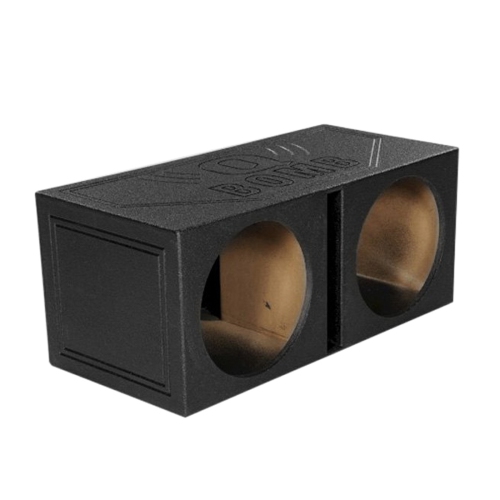 Your price for this item is $340.99
 -
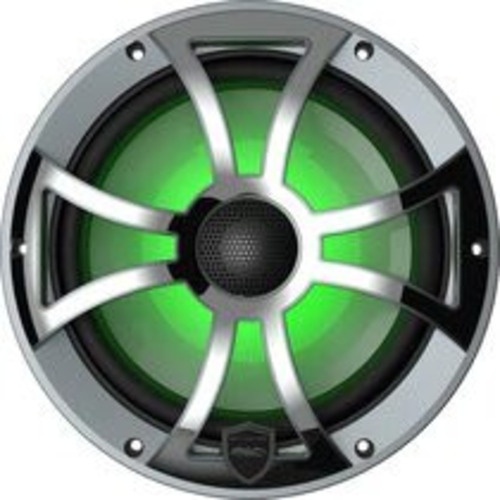 Your price for this item is $748
 -
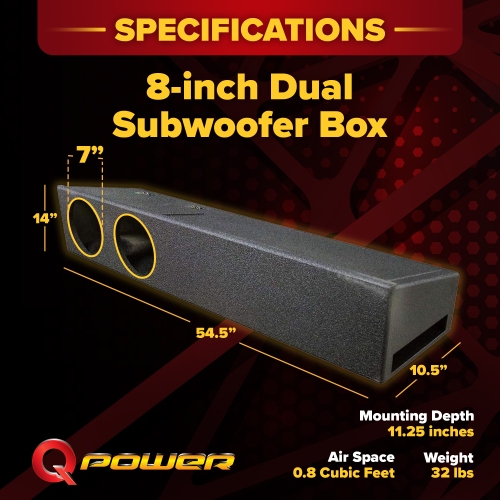 Your price for this item is $356.99
 -
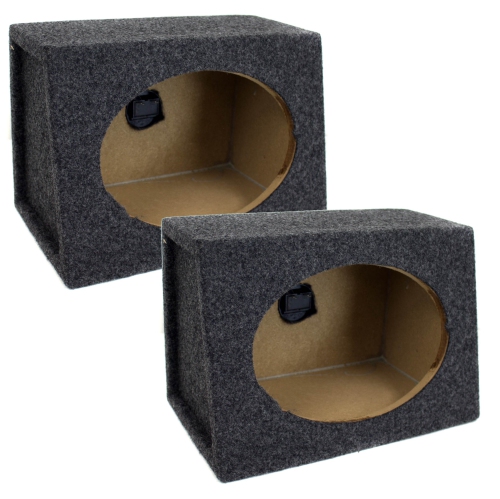 Your price for this item is $143.99
 -
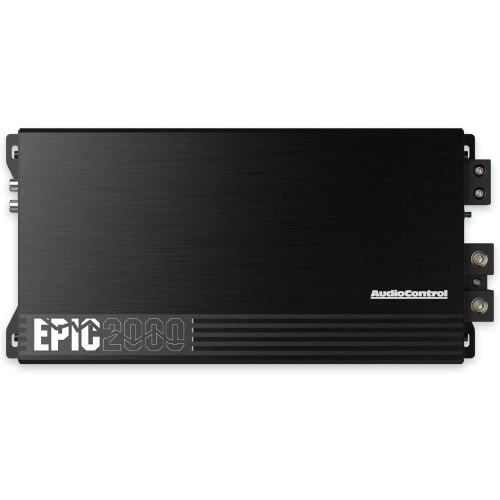 Your price for this item is $519.95
 -
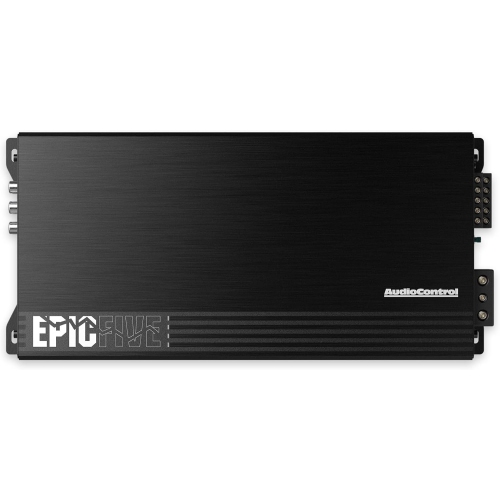 Your price for this item is $389.95
 -
 Your price for this item is $74.99
 -
 Your price for this item is $649.95
Discover more categories related to Guitar Equalizers
Top Collections:
Pokemon Centers, Kindle Devices, Best Budget Office Chairs, Apple iPhones 16, Best Laptops for Writers, iPhone 15 Apple, Canon G7X Cameras, Refurbished Apple Laptops, Alarm Clock, Motorola Razr Phones
Some products may be subject to Environmental Handling Fees
(EHF) depending on your province.
Learn more about EHFs.