Home Recording Monitors
Looking to create studio-quality recordings from the comfort of your own home? Look no further than our selection of home recording monitors. These essential pieces of equipment are designed to provide accurate and detailed audio reproduction, allowing you to hear every nuance of your music or podcast with utmost clarity. Whether you're a seasoned musician, aspiring producer, or simply looking to enhance your audio setup, our range of home recording monitors offers a variety of options to suit your needs. With their advanced technology and exceptional sound quality, these monitors will help you achieve professional-grade recordings right from your own space.
Sort
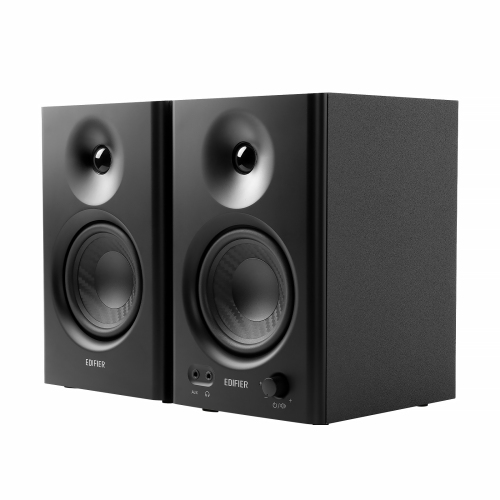
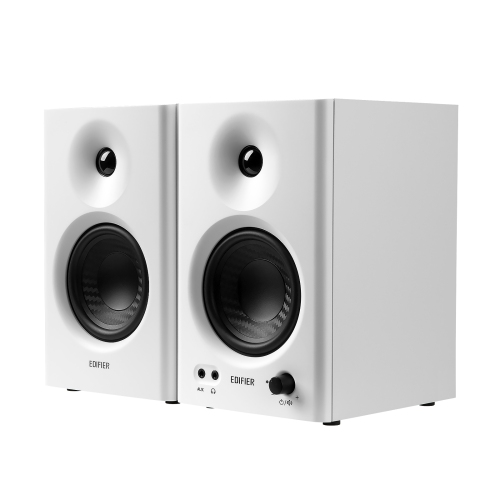
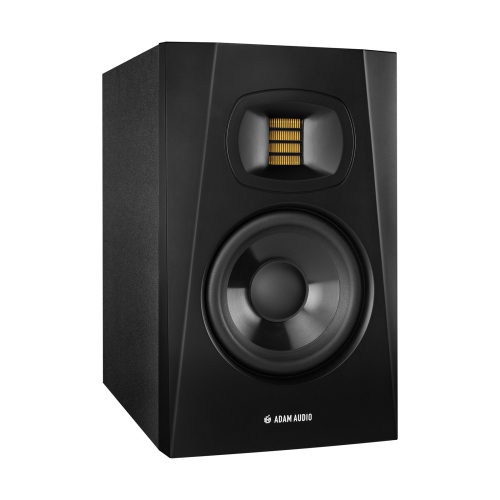
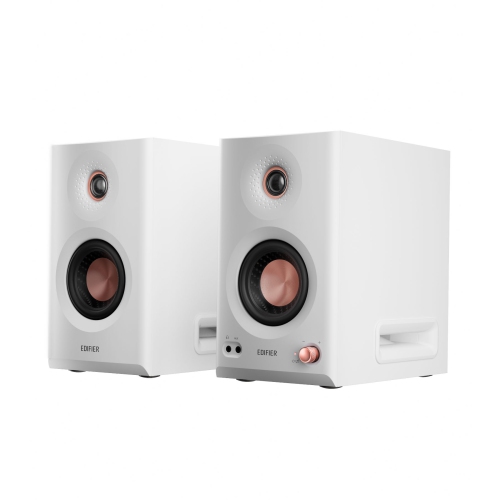

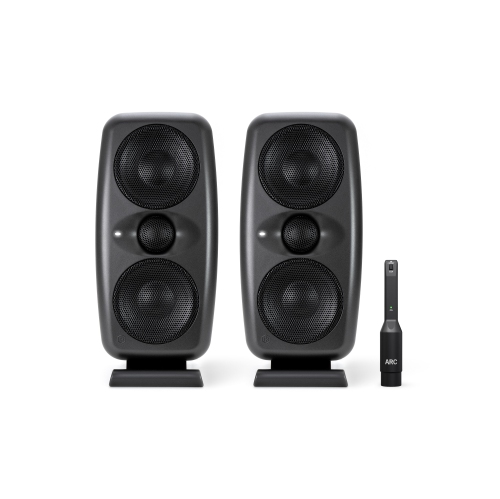
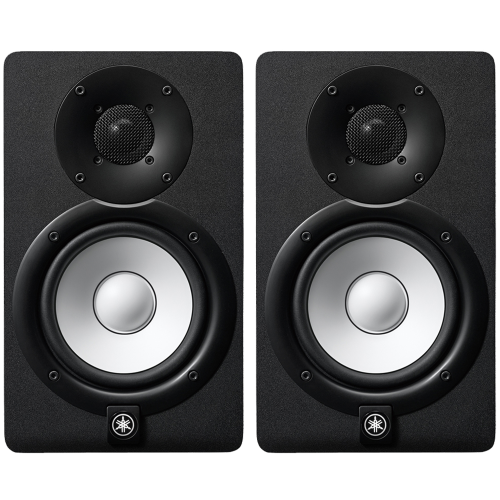
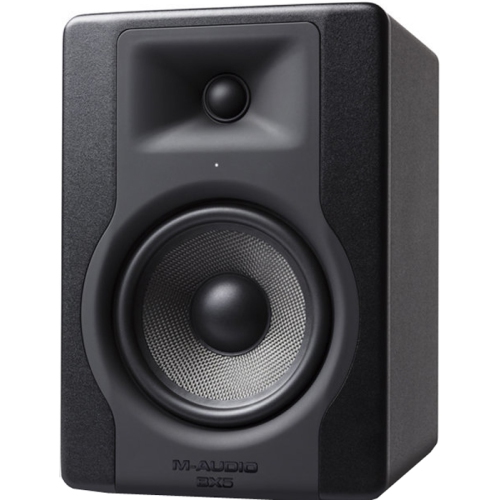
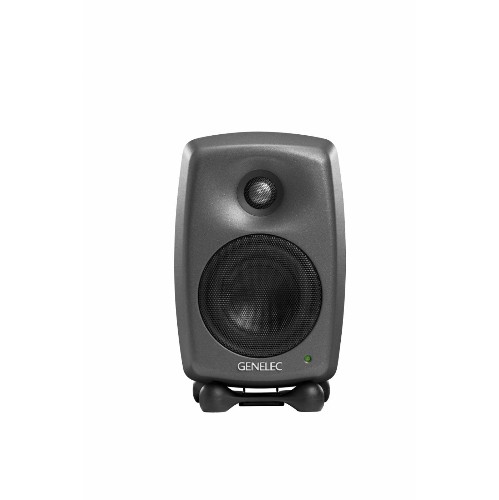
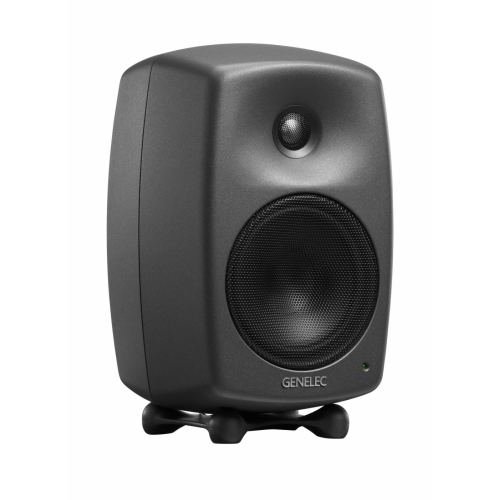
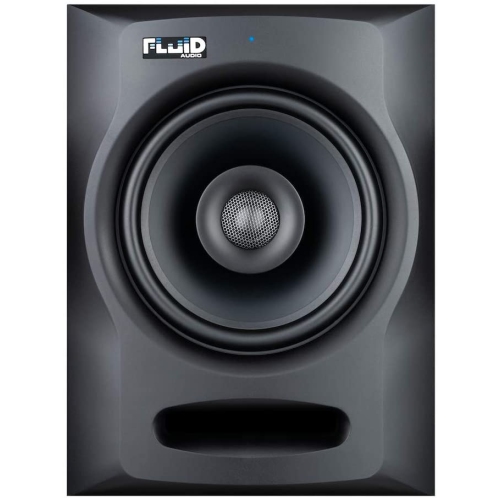
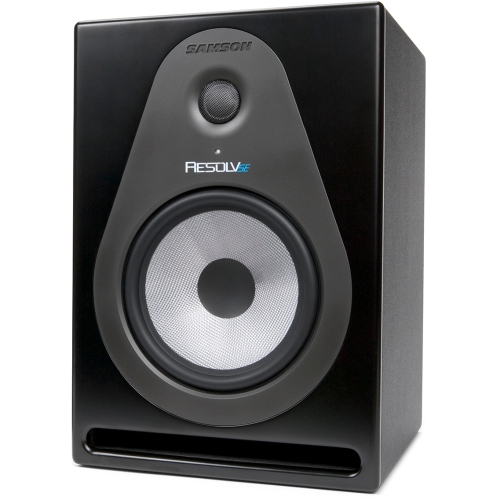
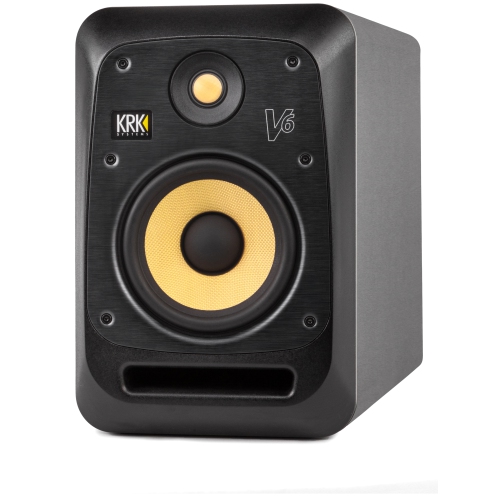
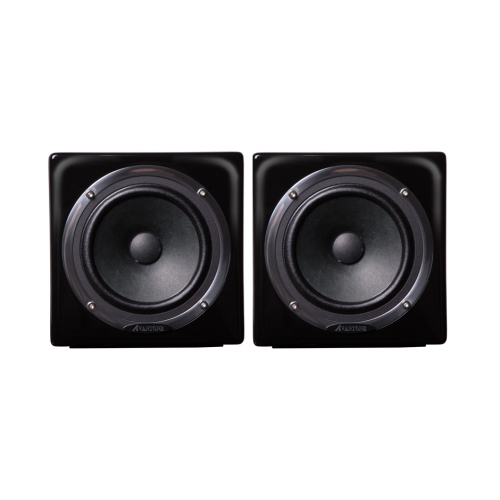

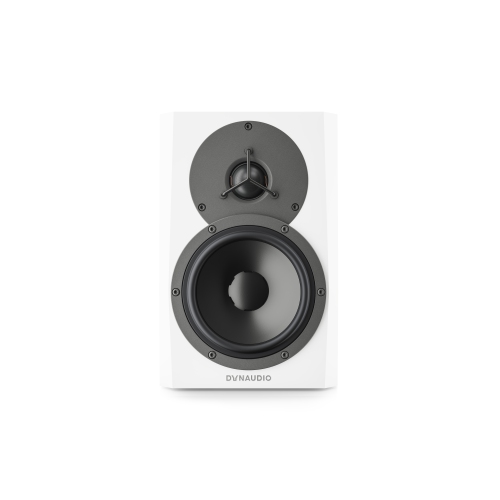
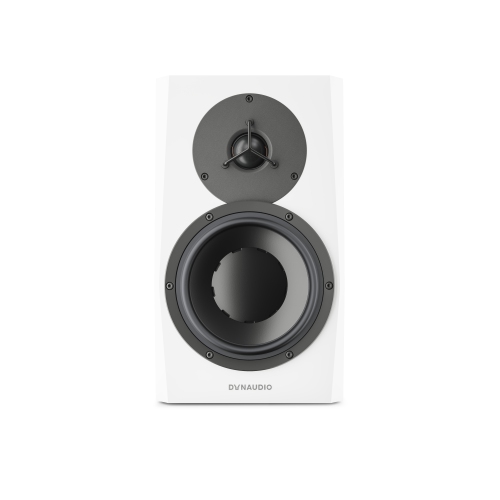
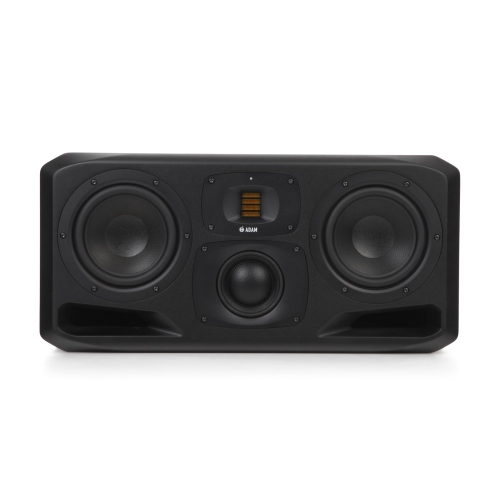
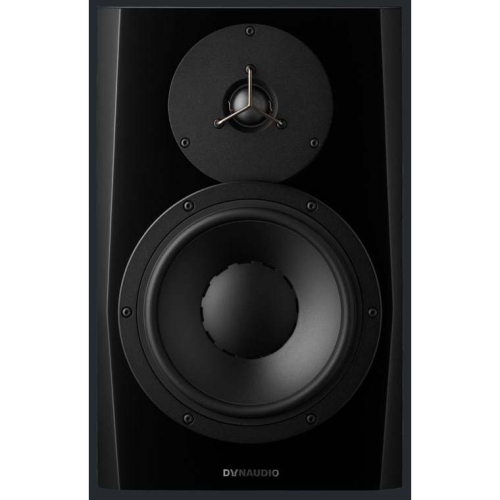
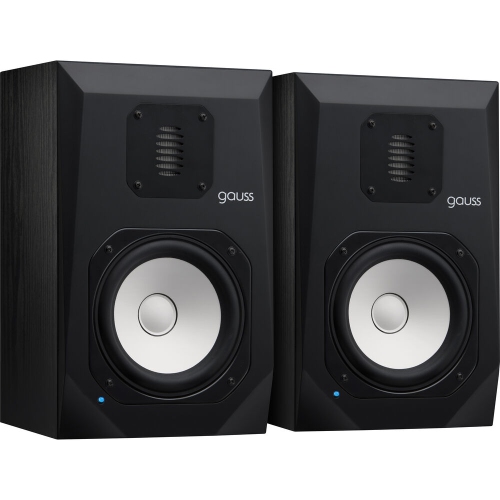
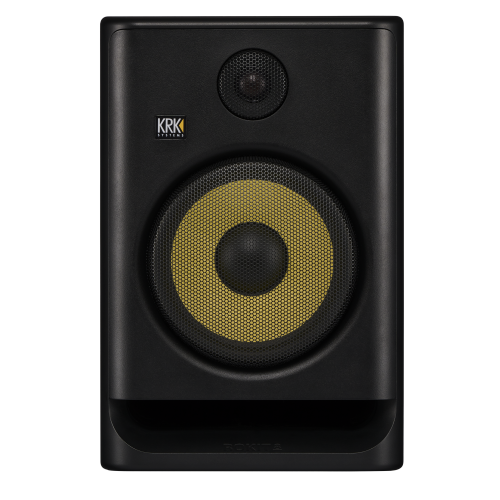
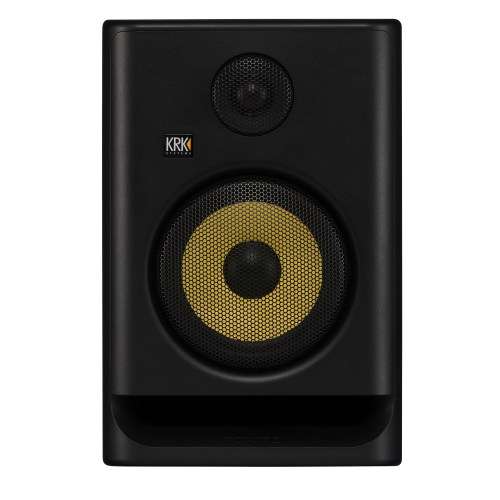
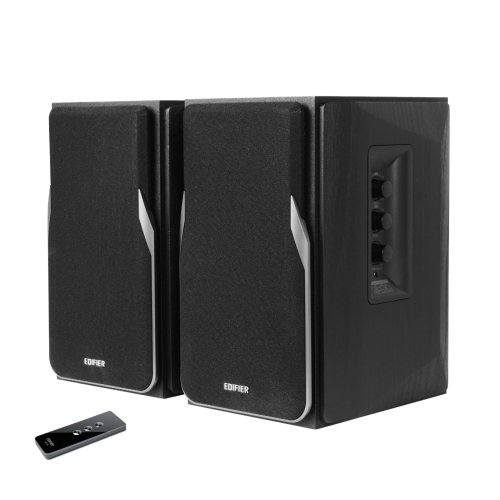
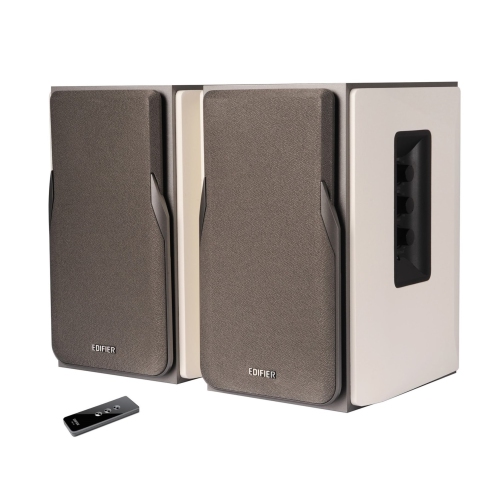
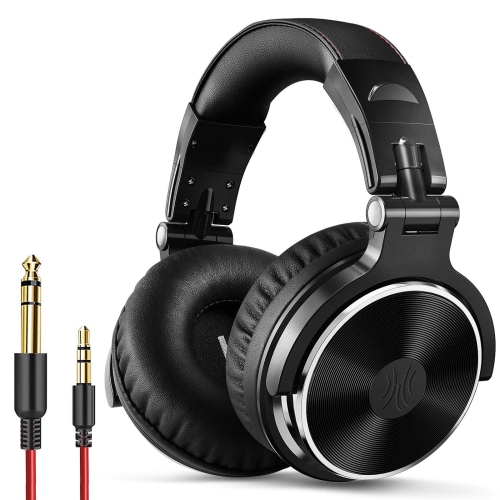
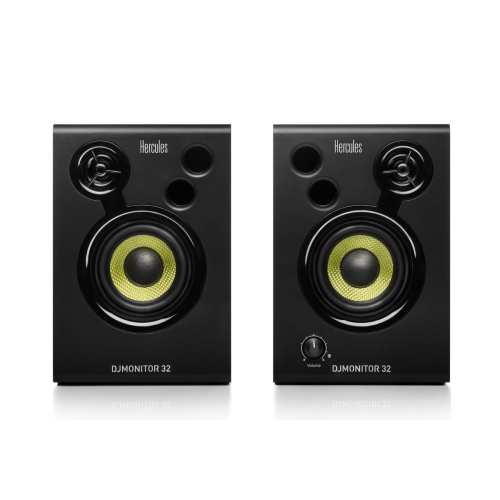
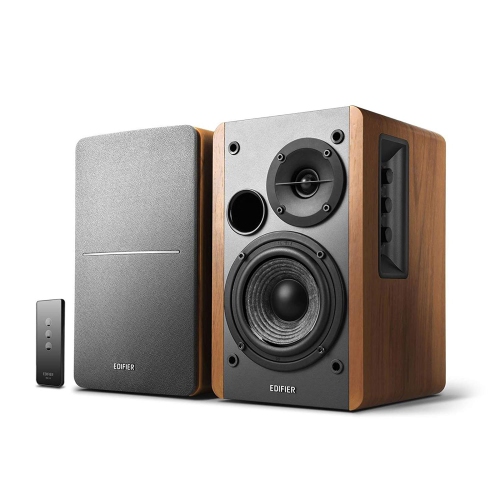
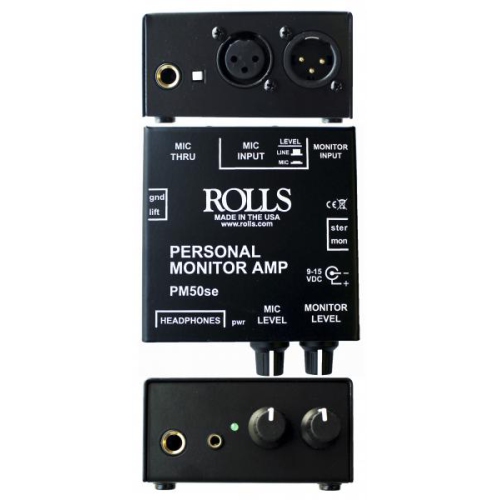
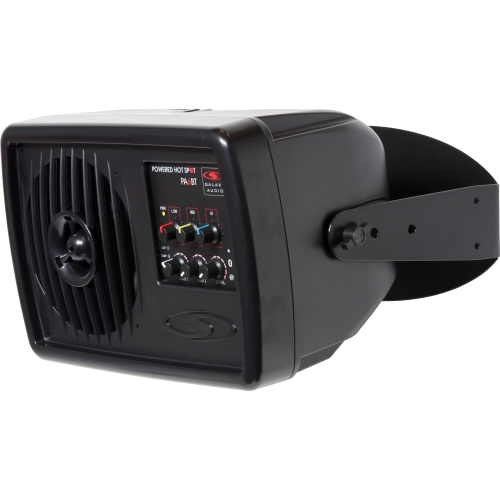
Accurate sound starts with the right monitors and setup
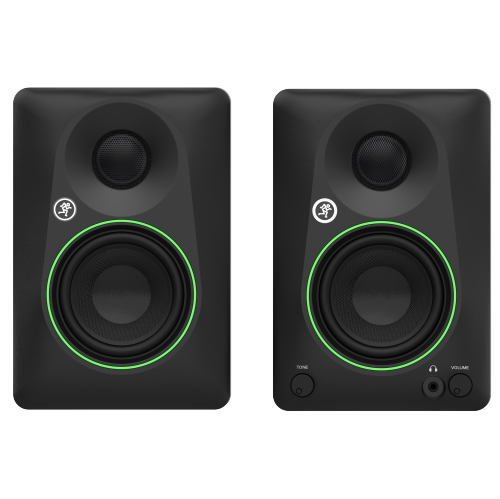
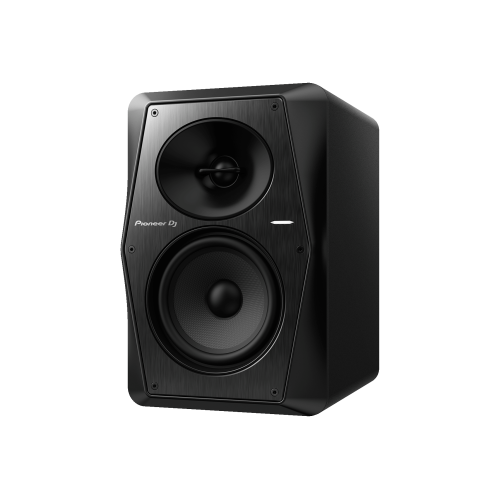
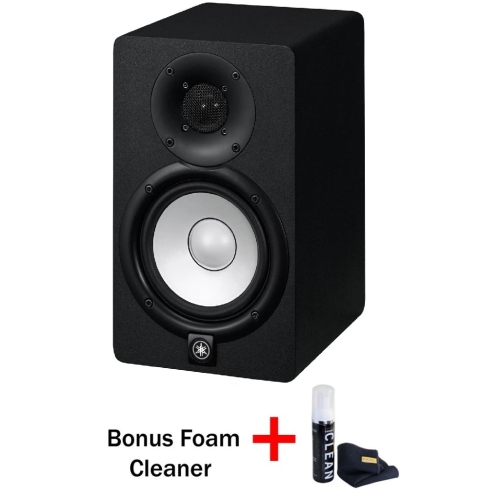
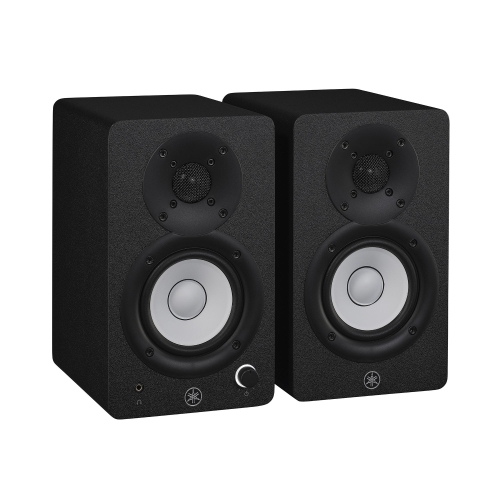
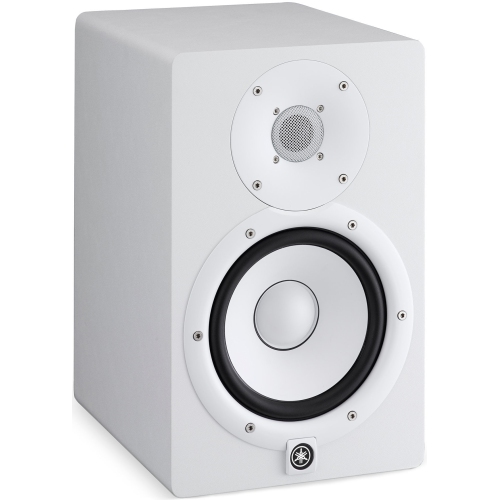
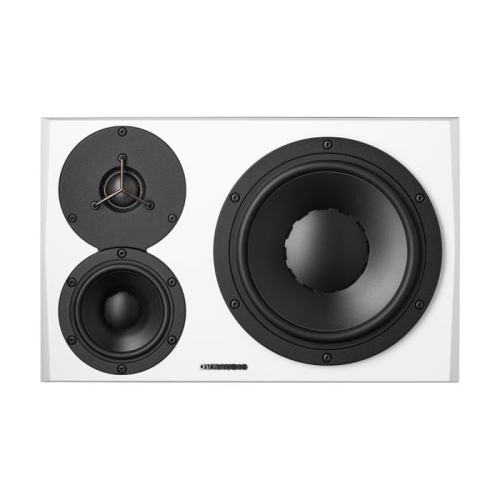
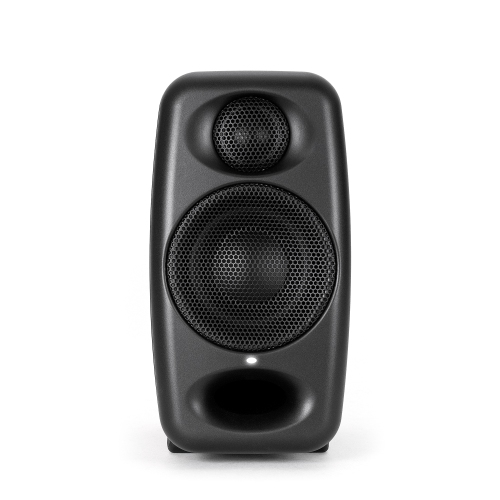
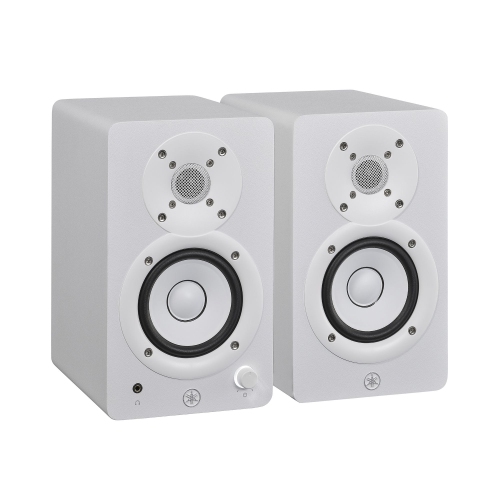
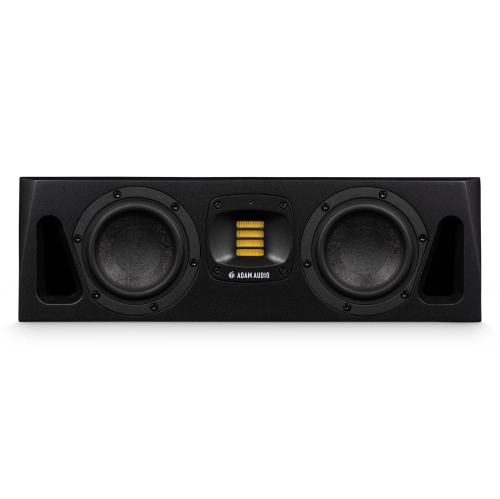
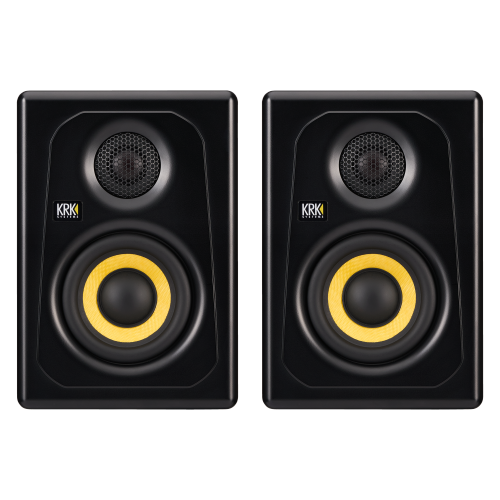
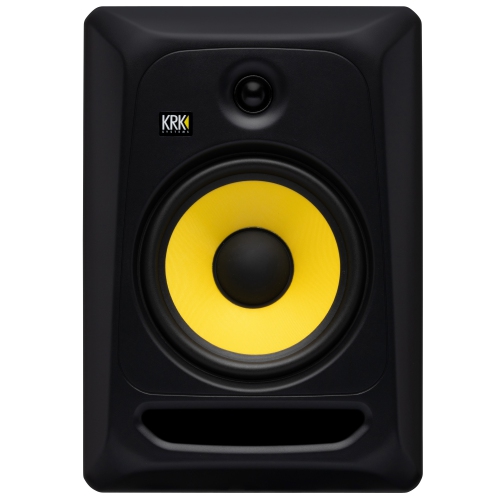
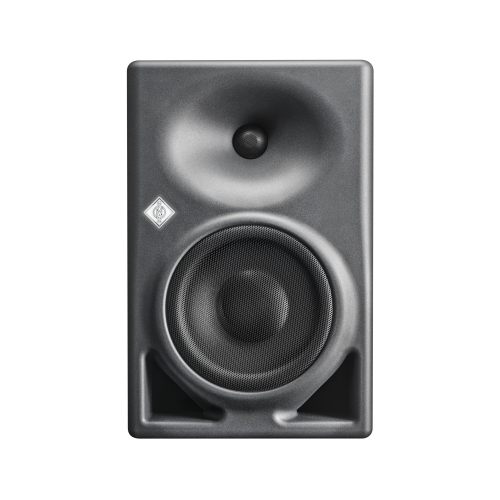
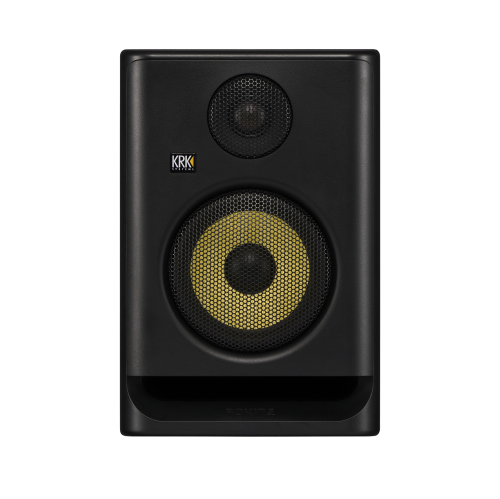
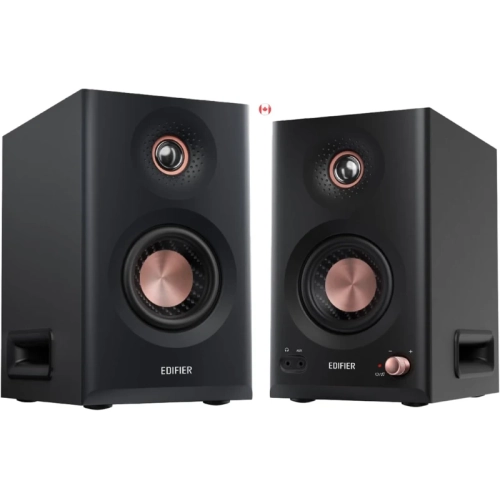
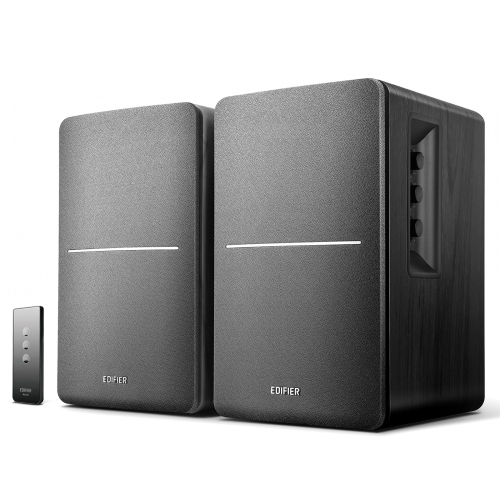
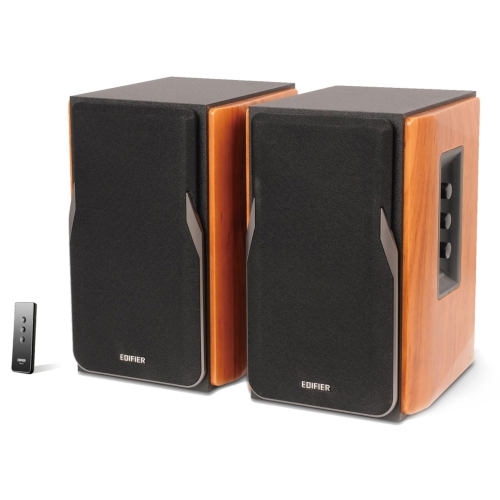
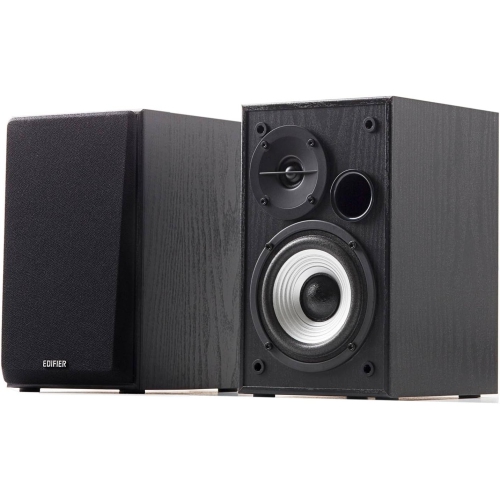
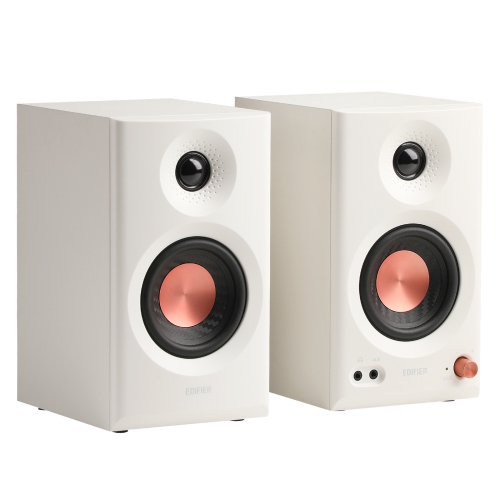
Home recording monitors are purpose-built speakers that help you hear music, podcasts, voiceovers, video soundtracks, and other recordings with greater accuracy than typical computer speakers or consumer audio systems. Rather than emphasizing bass, treble, or loudness to create a dramatic listening experience, studio monitors are designed to present a more balanced and revealing sound. That honest presentation makes it easier to notice details such as a muddy low end, harsh vocal frequencies, uneven volume, background noise, or a mix that feels crowded. They can be a valuable addition to a bedroom studio, home office, rehearsal space, content creation setup, or listening area where reliable sound matters. Musicians may use them while recording instruments and vocals, while producers and mixing enthusiasts rely on them to adjust levels, panning, equalization, and effects. They are also useful for podcasters, video editors, streamers, and voice actors who need to judge speech clarity and background ambience. When headphones are not enough for checking the natural space and balance of a recording, a well-positioned pair of monitors provides a wider, more physical soundstage. They can also make a thoughtful gift for someone building a home studio, learning music production, creating online videos, or upgrading from basic desktop speakers. For a compact overview of speaker styles and configurations, explore Desktop Studio Monitor Speakers.
Most home recording monitors are active, or powered, speakers with built-in amplifiers matched to their drivers. This design simplifies a recording setup because each speaker can connect directly to an audio interface, mixer, computer, or other compatible source without a separate power amplifier. Passive monitors, which require external amplification, can still suit certain systems, but powered models are often a practical choice for home users who want fewer components and straightforward setup. Check the available inputs before choosing, especially if your interface uses balanced XLR or TRS connections. Balanced connections can help reduce unwanted hum over longer cable runs, while some monitors also include unbalanced inputs for convenient connection to other equipment. Front-panel volume controls, rear-panel level adjustments, tone controls, and headphone outputs can make everyday use more comfortable, particularly when the speakers share a desk with a computer. Woofer size is another important consideration. Smaller monitors with approximately 3-inch to 5-inch woofers can work well in bedrooms, offices, and other compact rooms, where a large speaker may overwhelm the space with bass. Larger woofers can reproduce deeper low frequencies and may be better suited to bigger rooms or setups where the listener sits farther away from the speakers. More bass is not automatically better for mixing; excessive low-end energy can make it harder to judge what is actually present in a recording. Consider the type of work you do, the size of the room, your listening distance, and whether you already use a subwoofer or other low-frequency equipment. If you create bass-heavy music, film audio, or full-range soundtracks, deeper extension may be useful, but careful placement and room treatment remain essential.
Placement often has as much influence on the result as the monitor itself. Set the two speakers and your listening position in an approximately equilateral triangle, with each speaker angled toward your head and the tweeters close to ear level. Keep the left and right speakers at equal distances from the listening position, and avoid placing one speaker tight against a side wall while leaving the other in open space. Positioning the monitors symmetrically helps preserve the stereo image, making it easier to locate vocals, instruments, and effects across the soundstage. Desk vibrations can add unwanted resonance, so isolation pads or dedicated stands may help prevent low frequencies from travelling through the tabletop. Leave appropriate space around rear-ported speakers, follow the manufacturer’s clearance recommendations, and begin with the volume set low before gradually adjusting it to a comfortable working level. A quiet room is not required, but soft furnishings, bookshelves, curtains, and other irregular surfaces can reduce some reflections that make a recording seem brighter or bassier than it really is. During the cooler months, a home studio may become a particularly inviting place to practise, edit a family video, record a podcast, or work on a late-evening music project, but consistent placement is useful in every season. The best choice is the monitor that fits your room, equipment, listening distance, and creative habits. With thoughtful setup, home recording monitors can reveal the character of a recording clearly and help your finished work sound more consistent on headphones, car audio systems, televisions, and everyday speakers.
Most home recording monitors are active, or powered, speakers with built-in amplifiers matched to their drivers. This design simplifies a recording setup because each speaker can connect directly to an audio interface, mixer, computer, or other compatible source without a separate power amplifier. Passive monitors, which require external amplification, can still suit certain systems, but powered models are often a practical choice for home users who want fewer components and straightforward setup. Check the available inputs before choosing, especially if your interface uses balanced XLR or TRS connections. Balanced connections can help reduce unwanted hum over longer cable runs, while some monitors also include unbalanced inputs for convenient connection to other equipment. Front-panel volume controls, rear-panel level adjustments, tone controls, and headphone outputs can make everyday use more comfortable, particularly when the speakers share a desk with a computer. Woofer size is another important consideration. Smaller monitors with approximately 3-inch to 5-inch woofers can work well in bedrooms, offices, and other compact rooms, where a large speaker may overwhelm the space with bass. Larger woofers can reproduce deeper low frequencies and may be better suited to bigger rooms or setups where the listener sits farther away from the speakers. More bass is not automatically better for mixing; excessive low-end energy can make it harder to judge what is actually present in a recording. Consider the type of work you do, the size of the room, your listening distance, and whether you already use a subwoofer or other low-frequency equipment. If you create bass-heavy music, film audio, or full-range soundtracks, deeper extension may be useful, but careful placement and room treatment remain essential.
Placement often has as much influence on the result as the monitor itself. Set the two speakers and your listening position in an approximately equilateral triangle, with each speaker angled toward your head and the tweeters close to ear level. Keep the left and right speakers at equal distances from the listening position, and avoid placing one speaker tight against a side wall while leaving the other in open space. Positioning the monitors symmetrically helps preserve the stereo image, making it easier to locate vocals, instruments, and effects across the soundstage. Desk vibrations can add unwanted resonance, so isolation pads or dedicated stands may help prevent low frequencies from travelling through the tabletop. Leave appropriate space around rear-ported speakers, follow the manufacturer’s clearance recommendations, and begin with the volume set low before gradually adjusting it to a comfortable working level. A quiet room is not required, but soft furnishings, bookshelves, curtains, and other irregular surfaces can reduce some reflections that make a recording seem brighter or bassier than it really is. During the cooler months, a home studio may become a particularly inviting place to practise, edit a family video, record a podcast, or work on a late-evening music project, but consistent placement is useful in every season. The best choice is the monitor that fits your room, equipment, listening distance, and creative habits. With thoughtful setup, home recording monitors can reveal the character of a recording clearly and help your finished work sound more consistent on headphones, car audio systems, televisions, and everyday speakers.
Top selling and popular products
-
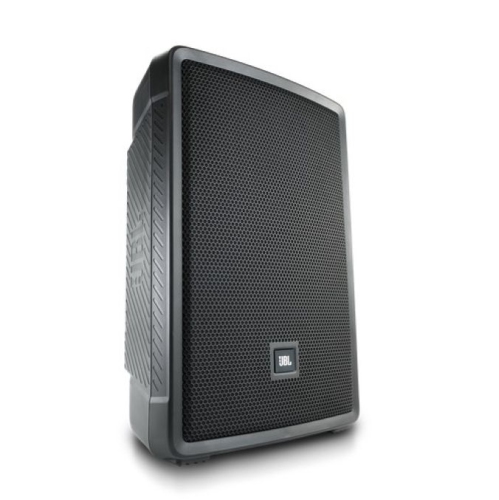 Your price for this item is $719.99
 -
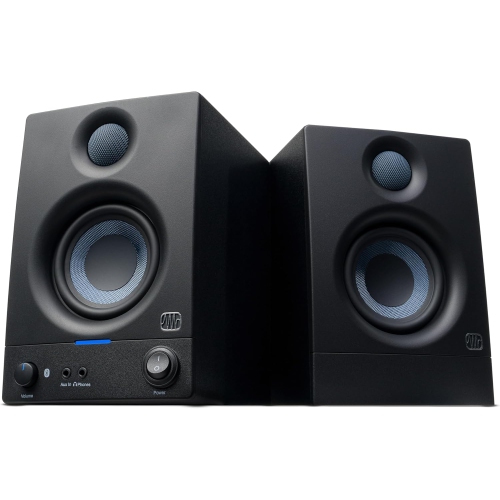 Your price for this item is $199
 -
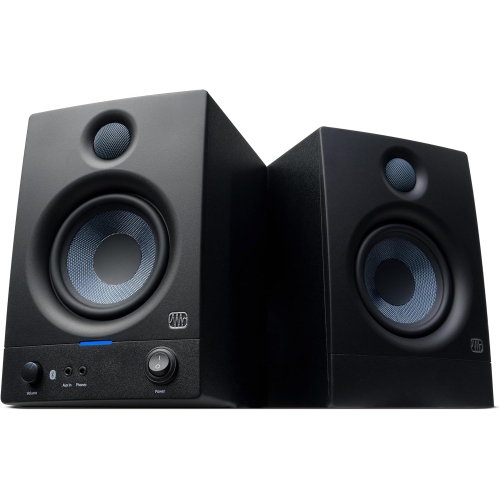 Your price for this item is $249
 -
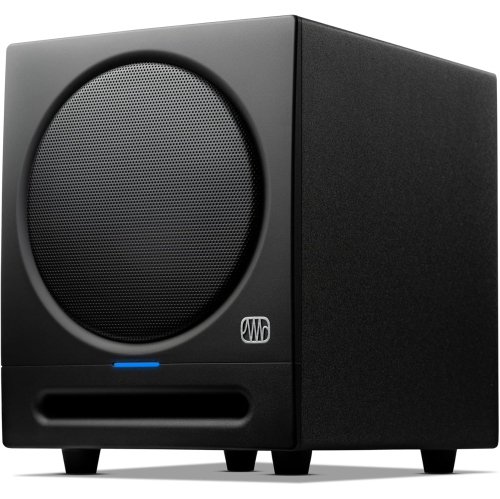 Your price for this item is $199
 -
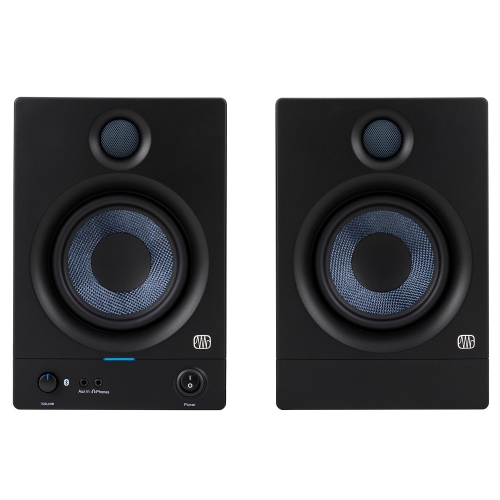 Your price for this item is $299
 -
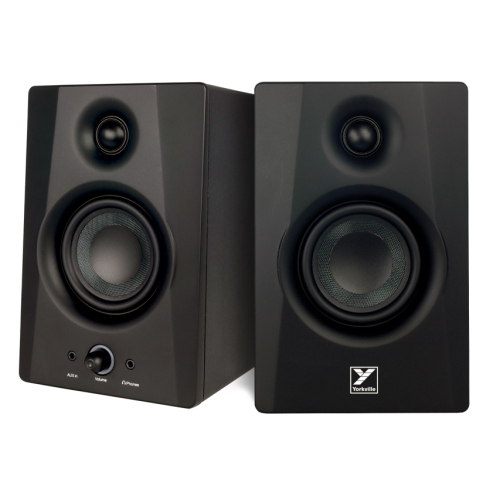 Your price for this item is $169
 -
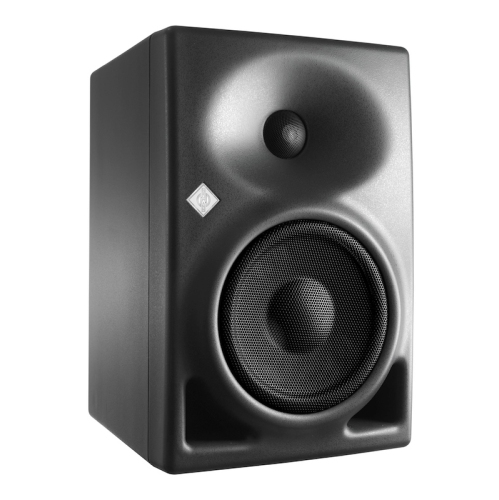 Your price for this item is $899
 -
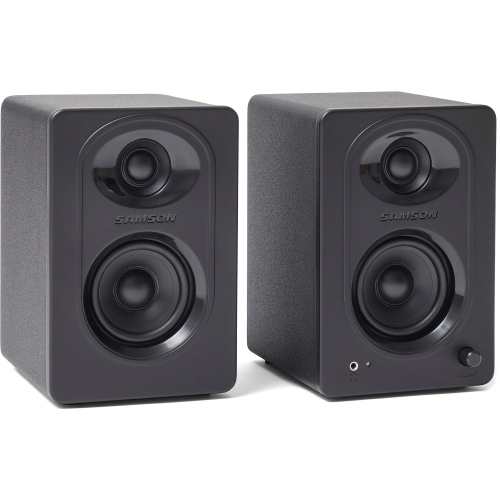 Your price for this item is $149.99
Discover more categories related to Home Recording Monitors
Top Collections:
Pokemon Centers, Kindle Devices, Best Budget Office Chairs, Apple iPhones 16, Best Laptops for Writers, iPhone 15 Apple, Canon G7X Cameras, Refurbished Apple Laptops, Alarm Clock, Motorola Razr Phones
Some products may be subject to Environmental Handling Fees
(EHF) depending on your province.
Learn more about EHFs.