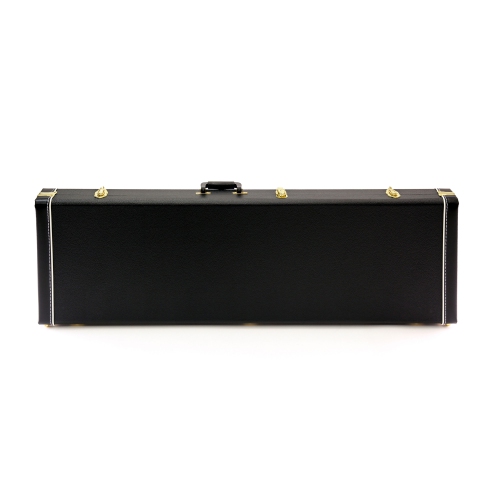
Instrument Gig Bags
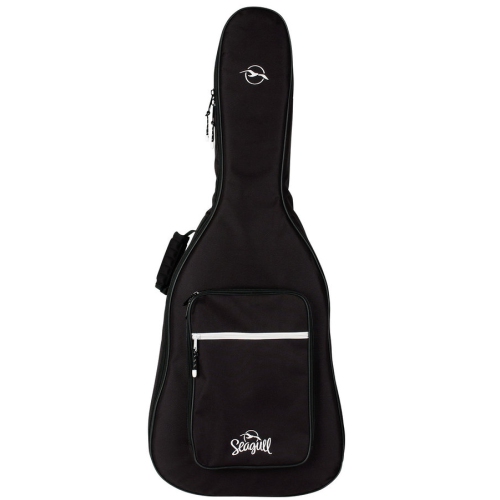
Keep your instruments safe and sound on the go with our wide selection of instrument gig bags. Whether you're a professional musician touring the world or a hobbyist jamming with friends, our gig bags provide the ultimate protection for your valuable instruments. Designed with durability and convenience in mind, these gig bags are available in various sizes and styles to accommodate different instruments, from guitars and keyboards to brass and woodwind instruments. With features like padded interiors, reinforced handles, and multiple storage compartments, our gig bags ensure that your instruments stay secure and organized while you're on the move. Browse our collection today and find the perfect gig bag to safeguard your musical investment.
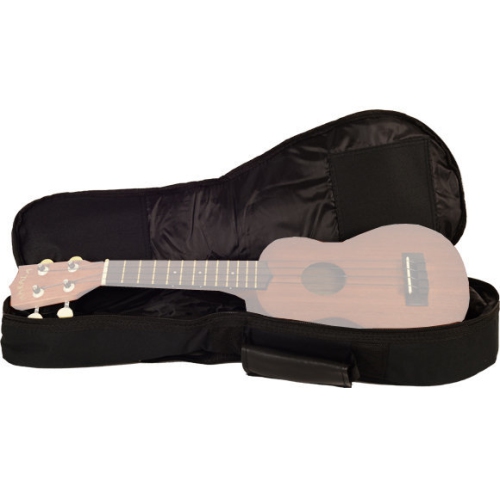
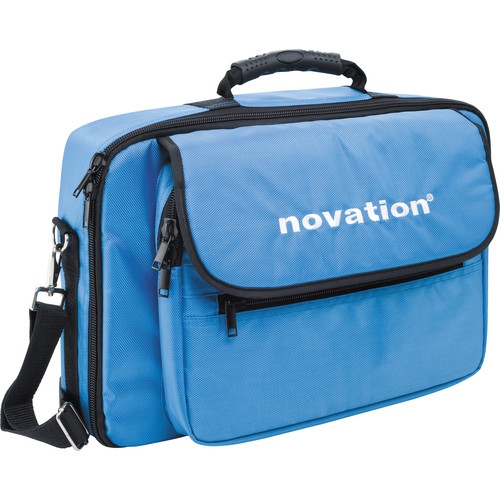
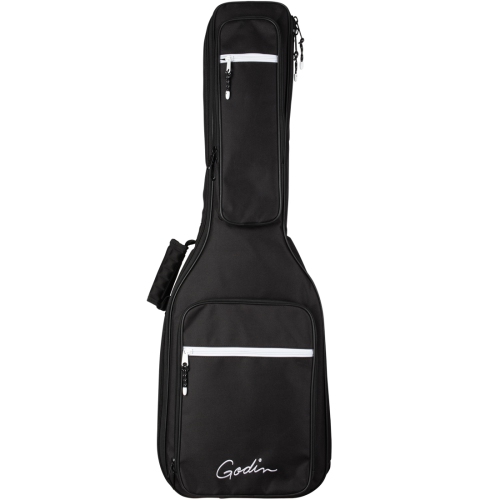
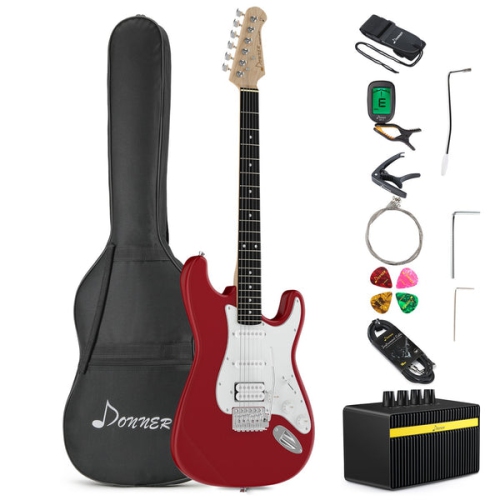
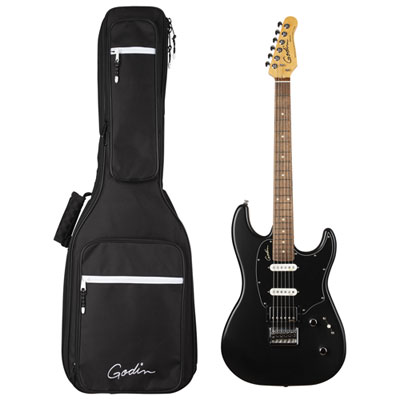
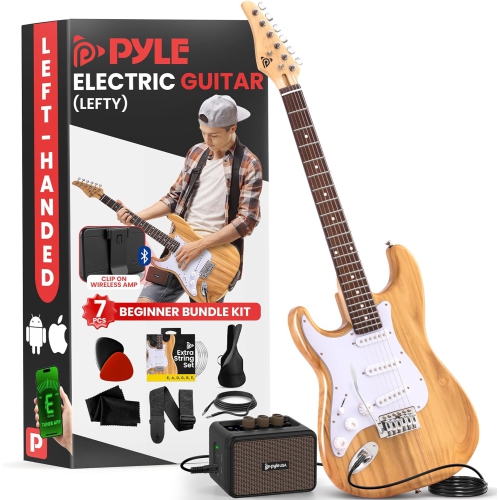
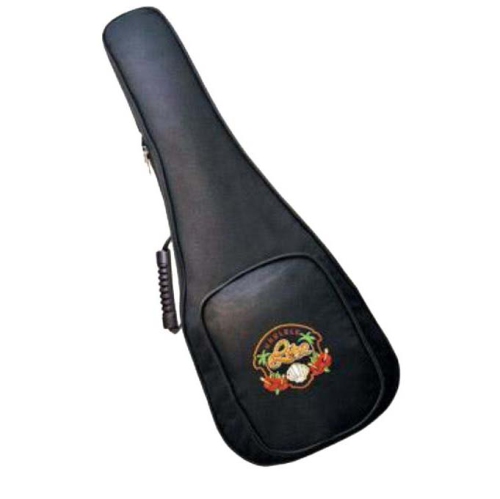
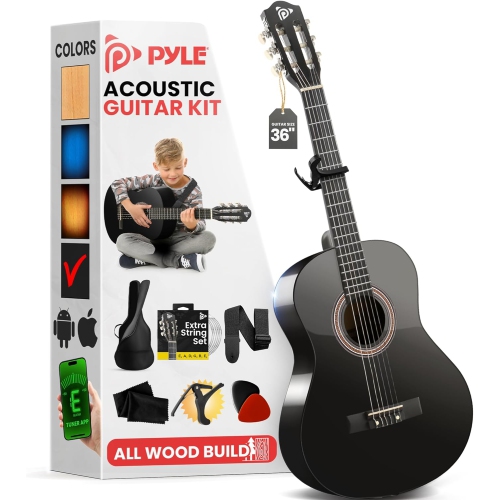
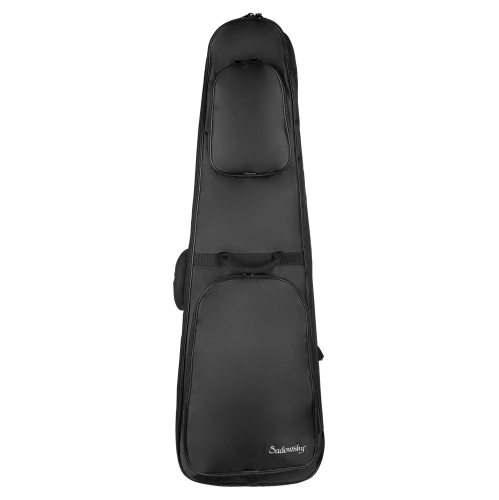
Practical protection and easier transport for everyday musicians
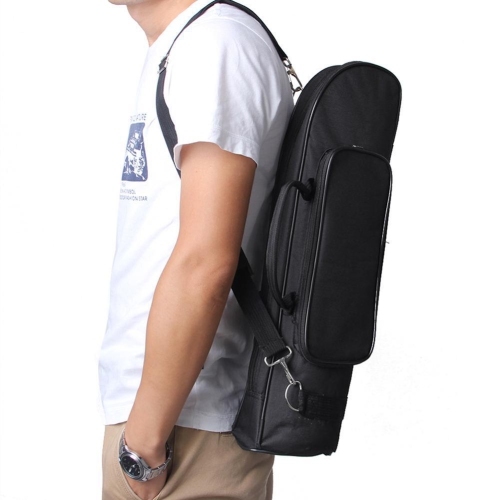
Portability is one of the main advantages of an instrument gig bag, so pay close attention to how it can be carried. Adjustable shoulder straps allow the bag to sit more comfortably against the body, while backpack-style dual straps can distribute weight more evenly during longer walks. Reinforced grab handles are useful when lifting the instrument into a vehicle, carrying it through a narrow space, or moving quickly between rooms. Some bags include padded straps, chest or waist supports, and multiple carrying points for added flexibility. Exterior pockets and compartments can be just as valuable as the main instrument compartment. Depending on the design, these spaces may hold a tuner, picks, strings, rosin, a metronome, cables, a music folder, a tablet, headphones, or small personal items. If the musician regularly attends rehearsals or lessons, a larger front pocket can help keep sheet music and accessories organized instead of leaving them loose in another bag. A water-resistant outer material can provide useful protection from light rain, damp pavement, and changing conditions during the cooler months, although a gig bag should not be treated as fully waterproof unless it is specifically designed for that purpose. Before heading outside, make sure all zippers are closed and avoid placing the bag directly on wet ground. In colder weather, allow the instrument to adjust gradually when moving between outdoor conditions and a heated room. Sudden temperature and humidity changes can affect some instruments, so giving the instrument time to acclimatize and storing it away from radiators, vents, and other direct heat sources is a sensible part of regular care. A gig bag protects best when it is used alongside careful handling, sensible storage, and attention to the instrument’s individual requirements.
The right instrument gig bag should match the musician’s routine as closely as it matches the instrument itself. Someone who walks to weekly lessons may value lightweight construction, comfortable backpack straps, and a weather-resistant exterior, while a performer travelling with pedals, cables, stands, or music accessories may prefer several expandable compartments. A student may appreciate a straightforward case that is easy to open and close, whereas a frequent performer may benefit from heavier padding, reinforced stress points, and durable hardware built for repeated travel. Check the bag’s listed compatibility carefully, including the instrument category, body dimensions, neck length, headstock shape, and space for accessories. A case intended for one style of instrument may not provide the correct support for another, even if the overall shape appears similar. It is also worth considering where the bag will be stored when it is not in use. A hanging loop, compact profile, or flexible construction can be helpful in smaller homes, rehearsal rooms, and shared storage areas. For musicians shopping during the transition from warmer weather to cooler days, a dependable gig bag can make regular practice and travel feel less cumbersome, whether the destination is a lesson across town or a performance several hours away. Those comparing carrying options for guitar-focused setups can also browse Gig Bag Guitars to find compatible instruments and bags in one place. With the right fit, padding, storage, carrying system, and weather protection, an instrument gig bag can become an everyday part of a musician’s routine, helping keep their instrument close at hand and ready for the next rehearsal, lesson, session, or performance.
Top selling and popular products
-
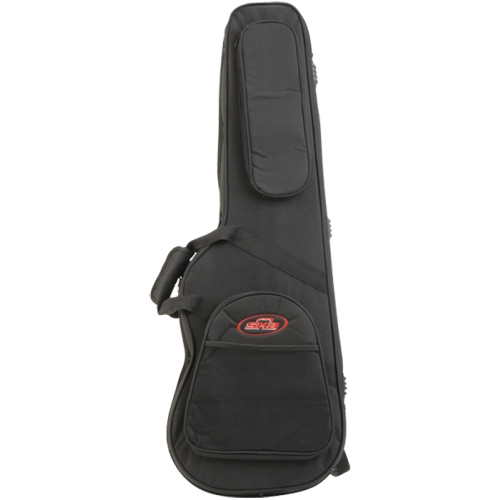 Your price for this item is $159.99
 -
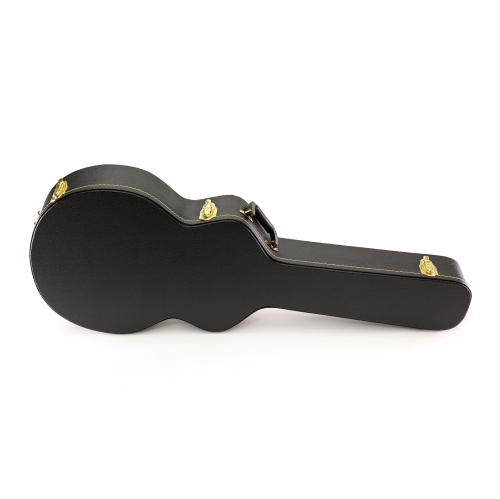 Your price for this item is $139
 -
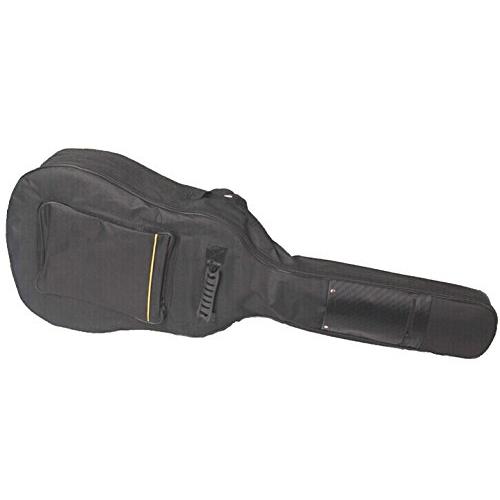 Your price for this item is $22.99
 -
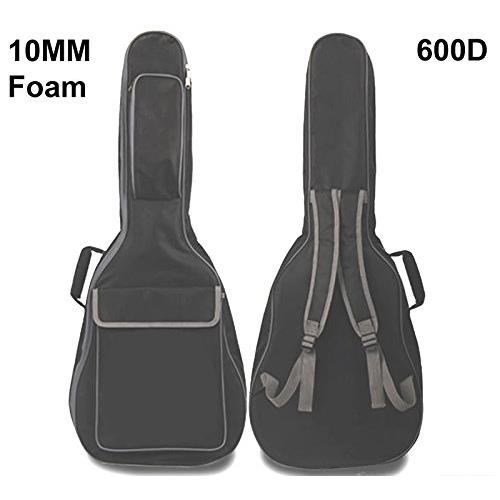 Your price for this item is $34.99
 -
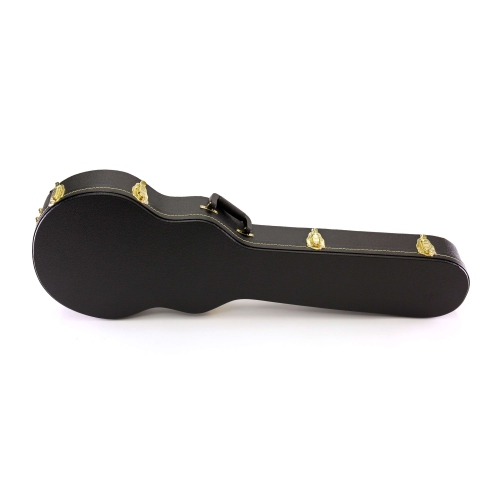 Your price for this item is $129
 -
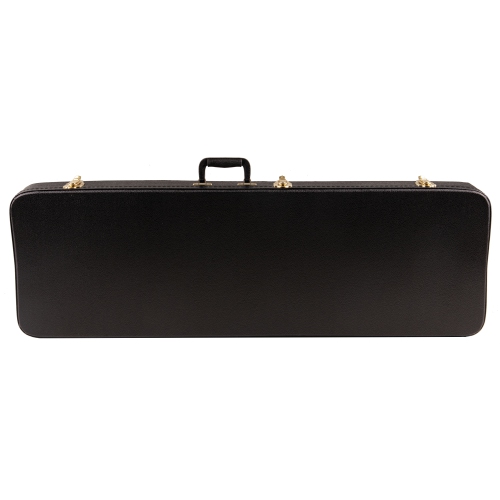 Your price for this item is $139
 -
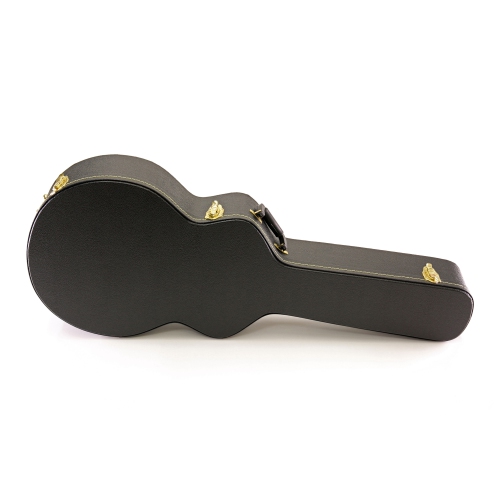 Your price for this item is $139
 -
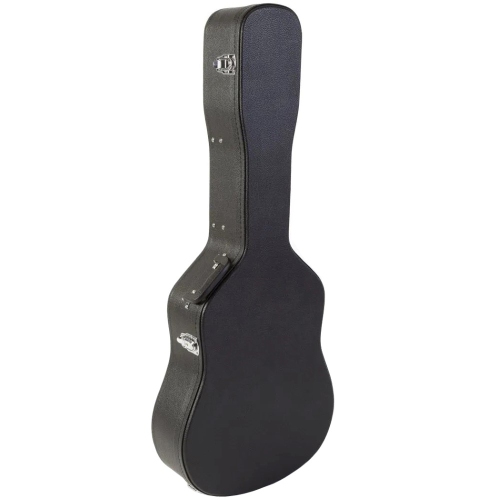 Your price for this item is $119.99