Professional Guitars
If you're looking to take your guitar playing to the next level, look no further than these professional guitars. Whether you're a seasoned musician or just starting out, these top-tier instruments are designed to deliver exceptional sound quality and performance. From sleek electric guitars to rich-toned acoustic models, these guitars offer a wide range of options to suit every style and genre. With their superior craftsmanship and cutting-edge features, these professional guitars are sure to inspire creativity and elevate your musical journey.
Sort
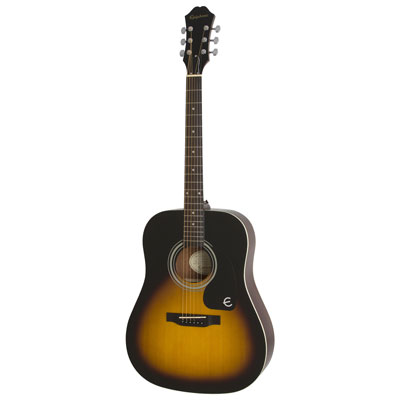

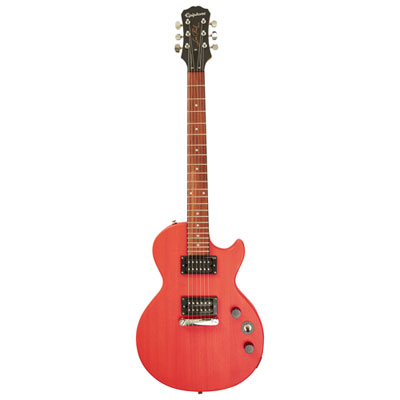
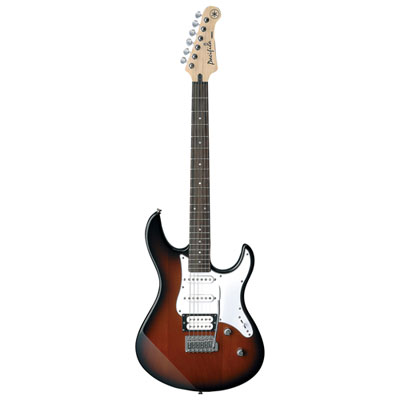
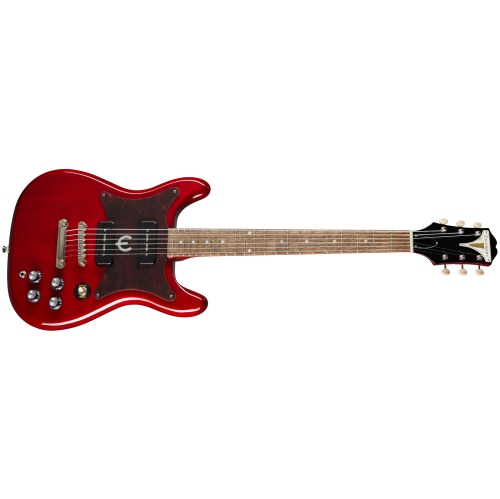

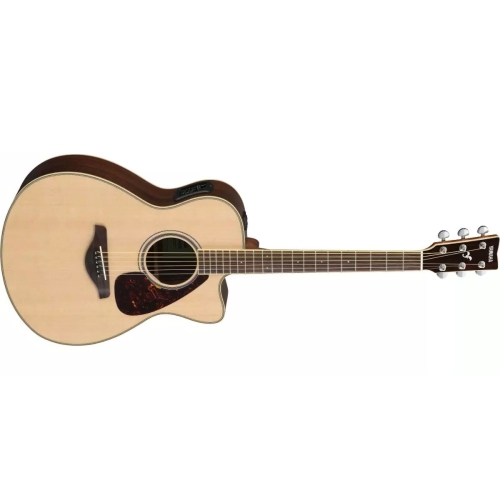
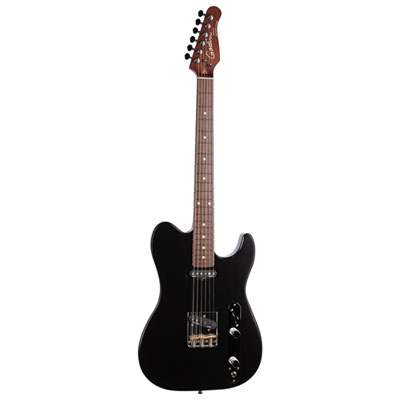
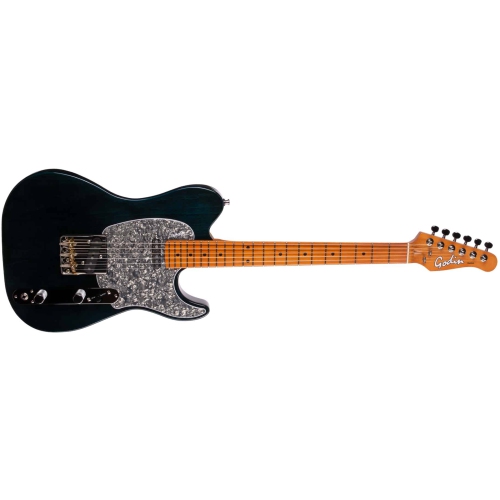
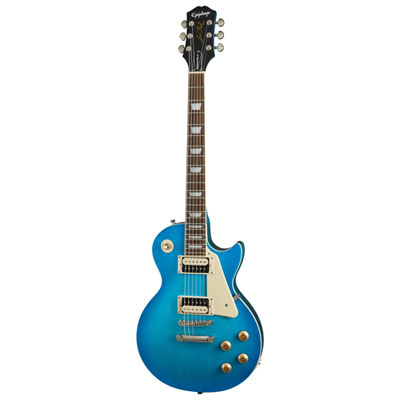

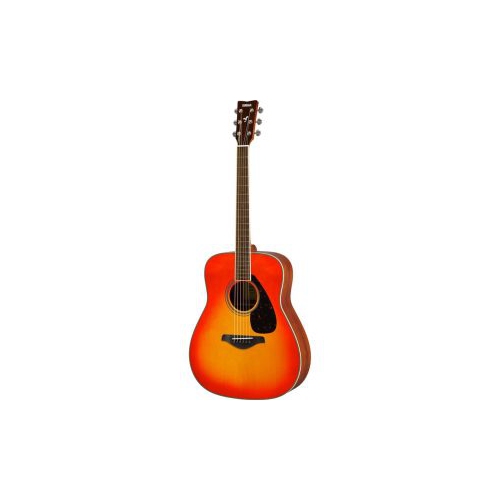
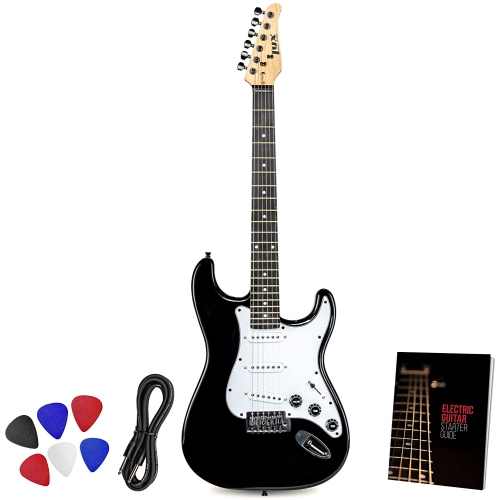
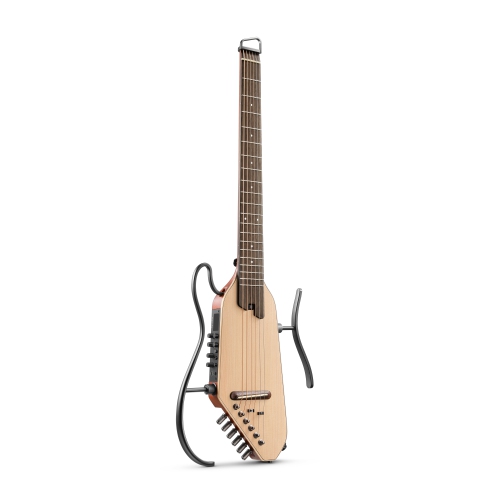
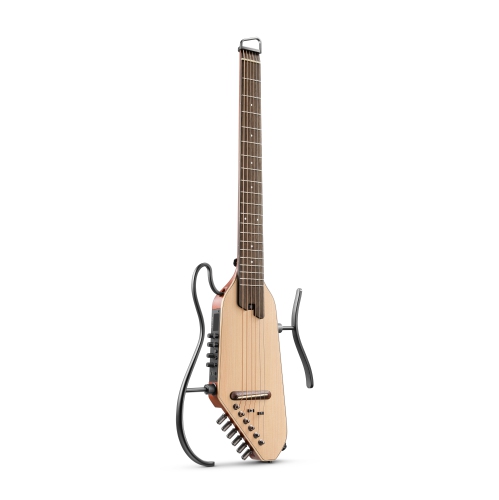
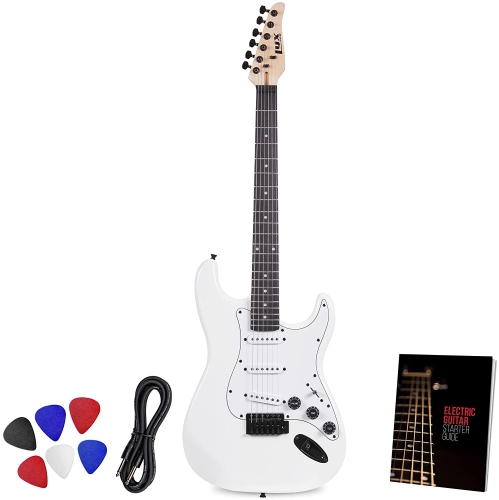
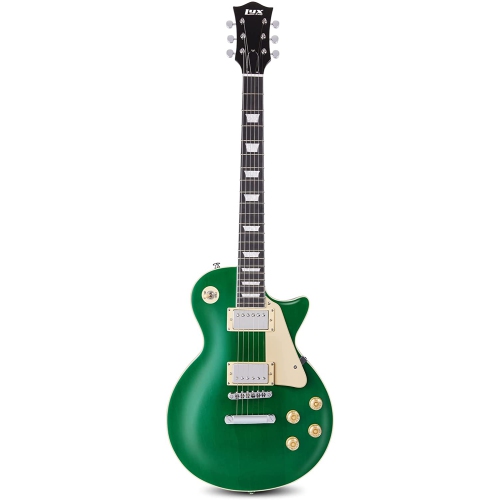
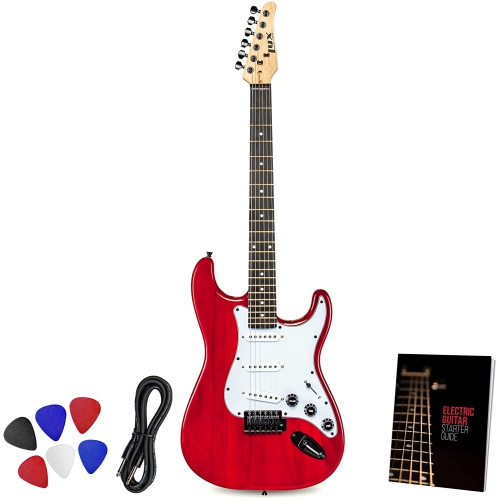

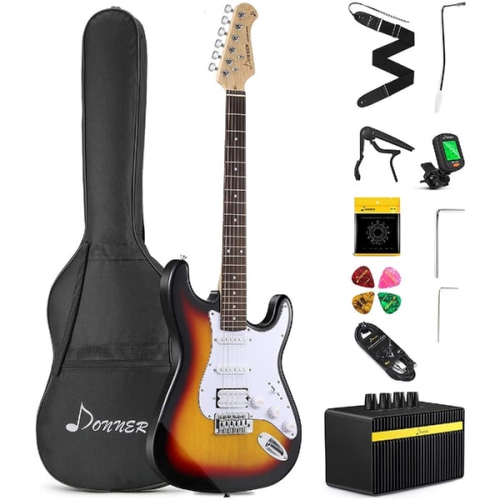
Refined sound and reliable performance for serious players
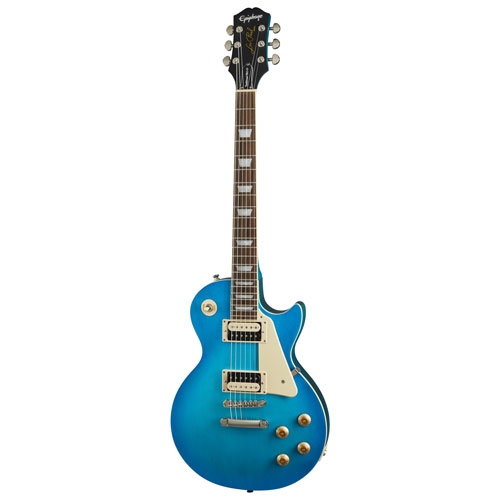
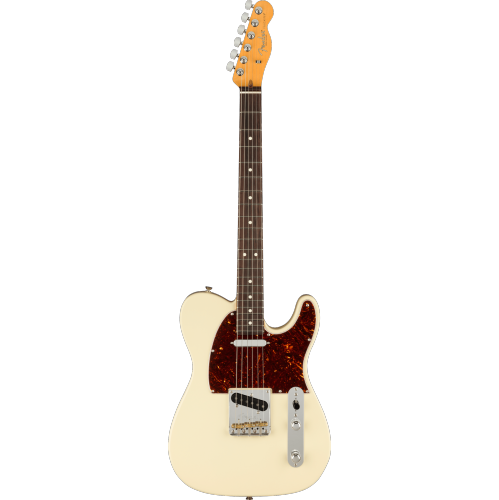
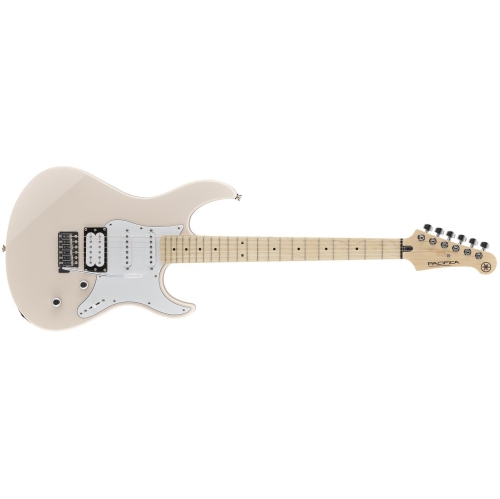
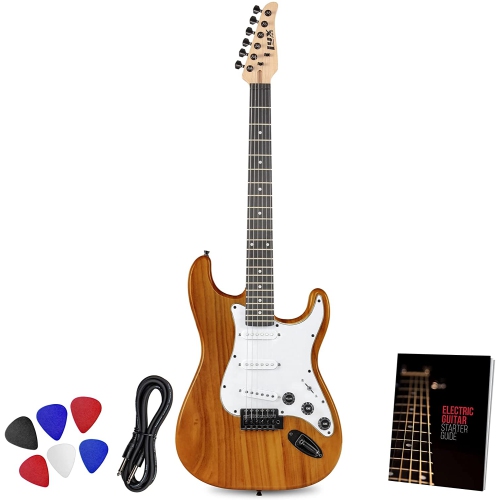
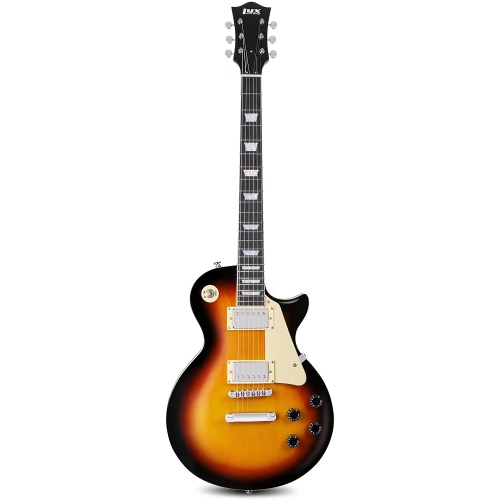
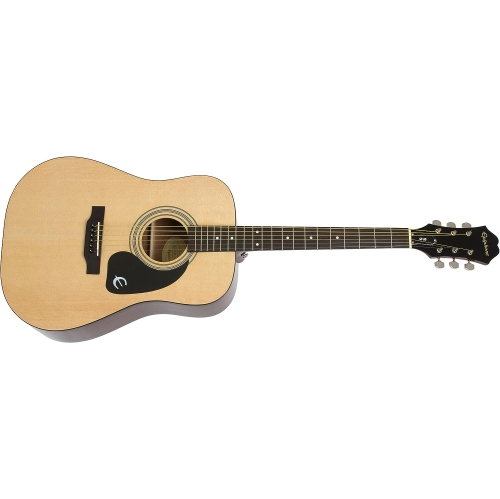
Professional guitars are designed for players who expect dependable performance, refined sound and lasting comfort in rehearsals, recording sessions, lessons and live shows. While many musicians begin with an entry-level instrument, a professional guitar offers details that can become increasingly important as playing develops: carefully selected tonewoods, precise fretwork, stable tuning, responsive electronics and a neck profile that feels natural through long practice sessions. Professional models commonly fall in the $2,000 to $4,200 range in Canada, although pricing can vary according to construction, finish, hardware, pickup systems and limited design features. Acoustic guitars in this category often use a solid spruce, cedar or other premium wood top paired with carefully voiced back and sides, producing a balanced blend of warmth, clarity and projection. Their tone may open up as the instrument is played, rewarding expressive fingerpicking while retaining enough headroom for confident strumming. Electric guitars built for professional use may focus on fast, comfortable necks, carefully matched pickups, dependable bridges and quiet electronics that respond accurately to changes in picking strength, volume and effects. The right choice depends less on a label and more on the way the instrument supports a player’s technique, repertoire and working environment. A singer-songwriter may value a rich acoustic voice that fills a small room without excessive amplification, while a session player may prioritize tonal versatility and precise intonation across multiple tunings. A touring guitarist may look for robust hardware, reliable tuning stability and a finish that feels comfortable under stage lighting. Players who spend hours recording may be especially attentive to how evenly each string responds, how cleanly chords separate and how the guitar sits in a mix. These instruments can also make meaningful gifts for experienced musicians, graduates of formal music programs or dedicated players reaching an important milestone, particularly when the recipient has developed a clear preference for acoustic or electric tone. Because fit and feel are personal, gift shoppers may want to consider the player’s existing instrument, preferred genres and playing style before choosing, while an adjustable accessory or service plan can provide useful flexibility when the guitar needs setup after purchase.
When comparing professional guitars, start with the instrument’s role in the player’s musical life. For acoustic performance, body shape influences both sound and comfort. Auditorium and grand auditorium designs offer a versatile balance between articulate treble, rounded bass and comfortable dimensions, making them well suited to fingerstyle, light accompaniment and full strumming. Dreadnought-style bodies can provide strong projection and a broad low end, while smaller bodies may feel easier to hold during seated practice, travel or extended recording sessions. Examine the neck width and profile, scale length, fret access and action, as these factors affect everything from intricate chord voicings to expressive bends. A well-finished fretboard and smoothly dressed frets can make position changes feel effortless, while accurate intonation helps chords remain convincing higher up the neck. For electric guitars, pickup configuration is one of the most noticeable factors in shaping the instrument’s voice. Single-coil designs can offer articulate attack and shimmering high frequencies, while humbucker-style pickups often deliver a fuller, thicker response with reduced noise. Other pickup systems provide additional tonal combinations, useful for musicians who move between clean accompaniment, blues phrasing, rock rhythm and sustained lead work. Controls should be easy to reach without interfering with the picking hand, and the bridge and tuning machines should operate smoothly and hold their settings through rehearsals and performances. A professional guitar should also feel balanced on a strap and comfortable against the body, since a beautiful tone is less useful when the instrument causes fatigue during a long set. Consider how the guitar will be amplified, recorded or paired with effects, and check whether onboard preamps, output options or switching controls suit the rest of the setup. For home studios, an instrument with a clear acoustic response and low handling noise can simplify microphone placement; for stages, consistent output and dependable controls can make sound checks more straightforward. Players building a complete music room may also explore complementary instruments such as Professional Pianos, along with amplifiers, stands, tuners, cables, cases and recording equipment that help turn a guitar into a reliable part of a broader setup.
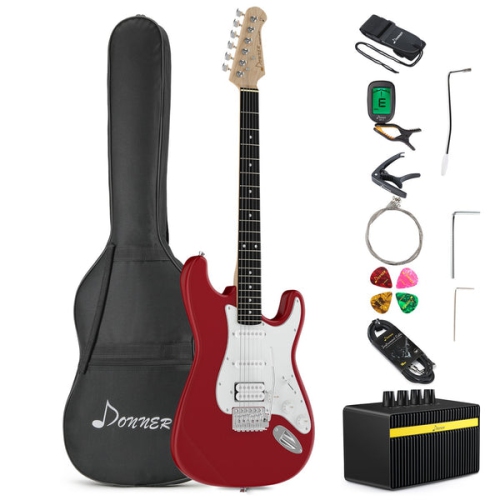
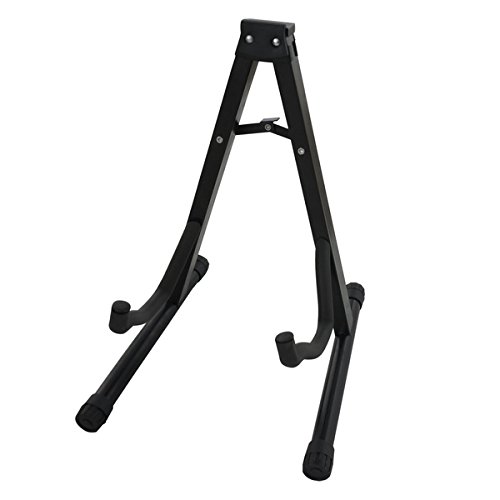
Care and setup have a direct effect on the performance of a professional guitar. Changes in temperature and humidity during the cooler months can affect wood, neck relief and string height, especially when an instrument moves between a heated home, a rehearsal space and a colder vehicle. Keeping the guitar in a suitable case when it is not being played, allowing it to adjust gradually to a new room and avoiding direct heat sources can help preserve its condition. Regular string changes keep the response lively, while occasional cleaning removes residue from the fretboard, bridge and finish. A qualified setup can address intonation, action, neck relief and pickup height, helping the guitar perform at its best for a player’s particular touch. Acoustic players may appreciate strings chosen for warmth, projection or reduced tension, while electric players can select gauges that suit bends, alternate tunings or heavier rhythm work. It is also worth considering the practical details that support daily use: a comfortable strap, a dependable tuner, a padded gig bag or hard case, spare picks and an appropriate stand can make practice more inviting and prevent avoidable interruptions. For someone recording at home, a quality cable, interface and microphone can reveal the detail that drew them to the instrument in the first place. For a performer, a backup cable, fresh batteries where applicable and a secure case can bring welcome peace of mind before a set. Professional guitars are ultimately tools for communication, whether they are carrying a quiet fingerpicked melody in a living room, anchoring a band rehearsal or adding layered texture to a finished recording. Choosing an instrument with the right construction, voice, comfort and supporting features helps a player spend less time adjusting equipment and more time shaping music with confidence.
When comparing professional guitars, start with the instrument’s role in the player’s musical life. For acoustic performance, body shape influences both sound and comfort. Auditorium and grand auditorium designs offer a versatile balance between articulate treble, rounded bass and comfortable dimensions, making them well suited to fingerstyle, light accompaniment and full strumming. Dreadnought-style bodies can provide strong projection and a broad low end, while smaller bodies may feel easier to hold during seated practice, travel or extended recording sessions. Examine the neck width and profile, scale length, fret access and action, as these factors affect everything from intricate chord voicings to expressive bends. A well-finished fretboard and smoothly dressed frets can make position changes feel effortless, while accurate intonation helps chords remain convincing higher up the neck. For electric guitars, pickup configuration is one of the most noticeable factors in shaping the instrument’s voice. Single-coil designs can offer articulate attack and shimmering high frequencies, while humbucker-style pickups often deliver a fuller, thicker response with reduced noise. Other pickup systems provide additional tonal combinations, useful for musicians who move between clean accompaniment, blues phrasing, rock rhythm and sustained lead work. Controls should be easy to reach without interfering with the picking hand, and the bridge and tuning machines should operate smoothly and hold their settings through rehearsals and performances. A professional guitar should also feel balanced on a strap and comfortable against the body, since a beautiful tone is less useful when the instrument causes fatigue during a long set. Consider how the guitar will be amplified, recorded or paired with effects, and check whether onboard preamps, output options or switching controls suit the rest of the setup. For home studios, an instrument with a clear acoustic response and low handling noise can simplify microphone placement; for stages, consistent output and dependable controls can make sound checks more straightforward. Players building a complete music room may also explore complementary instruments such as Professional Pianos, along with amplifiers, stands, tuners, cables, cases and recording equipment that help turn a guitar into a reliable part of a broader setup.
Care and setup have a direct effect on the performance of a professional guitar. Changes in temperature and humidity during the cooler months can affect wood, neck relief and string height, especially when an instrument moves between a heated home, a rehearsal space and a colder vehicle. Keeping the guitar in a suitable case when it is not being played, allowing it to adjust gradually to a new room and avoiding direct heat sources can help preserve its condition. Regular string changes keep the response lively, while occasional cleaning removes residue from the fretboard, bridge and finish. A qualified setup can address intonation, action, neck relief and pickup height, helping the guitar perform at its best for a player’s particular touch. Acoustic players may appreciate strings chosen for warmth, projection or reduced tension, while electric players can select gauges that suit bends, alternate tunings or heavier rhythm work. It is also worth considering the practical details that support daily use: a comfortable strap, a dependable tuner, a padded gig bag or hard case, spare picks and an appropriate stand can make practice more inviting and prevent avoidable interruptions. For someone recording at home, a quality cable, interface and microphone can reveal the detail that drew them to the instrument in the first place. For a performer, a backup cable, fresh batteries where applicable and a secure case can bring welcome peace of mind before a set. Professional guitars are ultimately tools for communication, whether they are carrying a quiet fingerpicked melody in a living room, anchoring a band rehearsal or adding layered texture to a finished recording. Choosing an instrument with the right construction, voice, comfort and supporting features helps a player spend less time adjusting equipment and more time shaping music with confidence.
Top selling and popular products
-
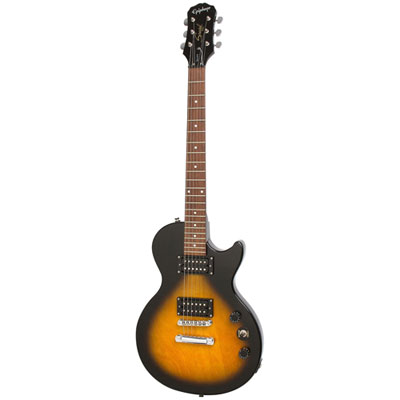 Your price for this item is $299.99
 -
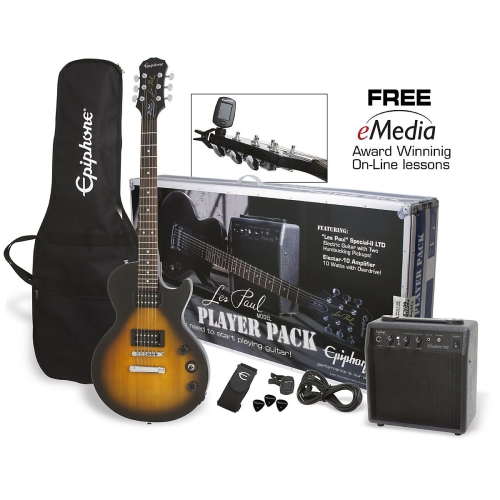 Your price for this item is $429
 -
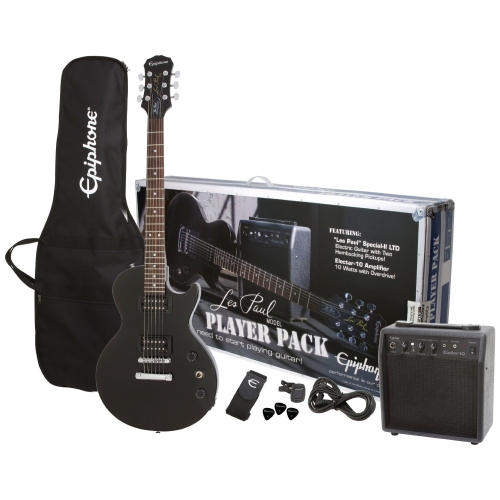 Your price for this item is $494.49
 -
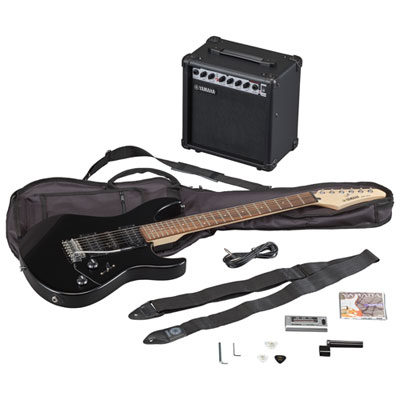 Your price for this item is $349.99
 -
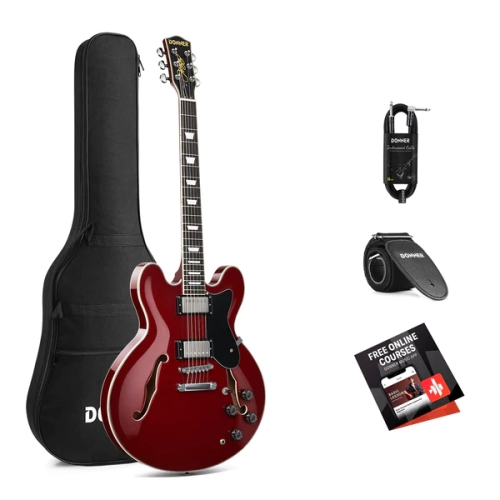 Your price for this item is $395.99
 -
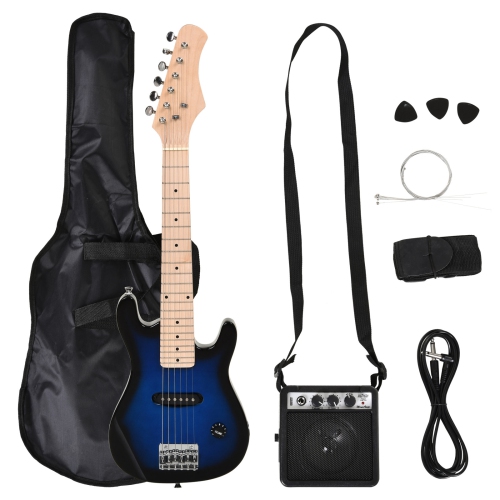 Your price for this item is $116.99
 -
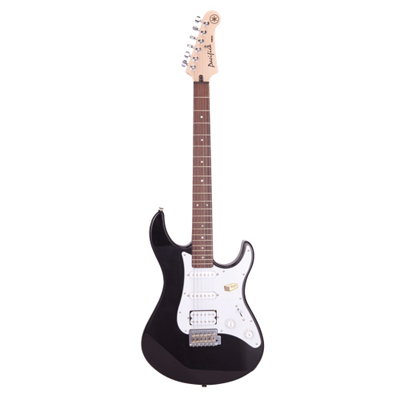 Your price for this item is $279.99
 -
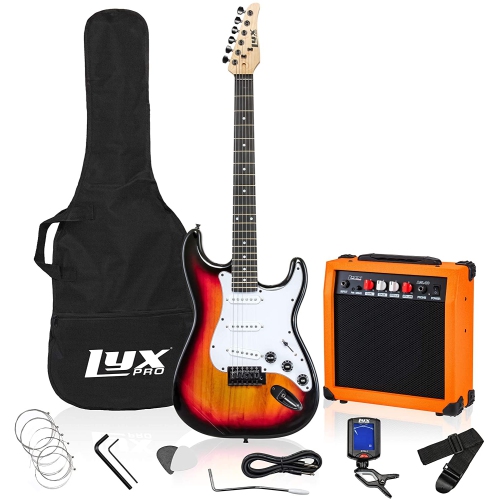 Your price for this item is $239.99
Discover more categories related to Professional Guitars
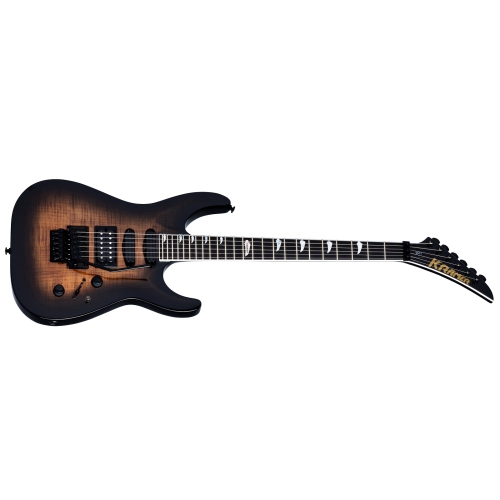
Top Collections:
Pokemon Centers, Kindle Devices, Best Budget Office Chairs, Apple iPhones 16, Best Laptops for Writers, iPhone 15 Apple, Canon G7X Cameras, Refurbished Apple Laptops, Alarm Clock, Motorola Razr Phones
Some products may be subject to Environmental Handling Fees
(EHF) depending on your province.
Learn more about EHFs.