XLR Cables for Studio Monitors
Elevate your audio setup with xlr cables for studio monitors, designed to deliver reliable connectivity and clear sound in any studio. Whether you're setting up a home studio or upgrading professional equipment, these cables provide the essential link between your audio interface and studio monitors. Explore a wide selection of xlr cables for studio monitors to find the right length and configuration for your unique setup, ensuring seamless integration and optimal performance for every recording or mixing session.
Sort
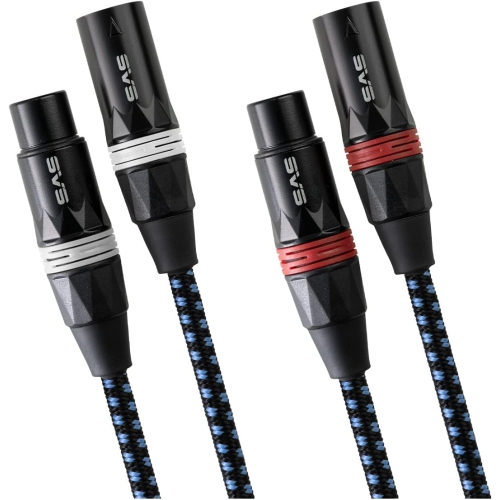
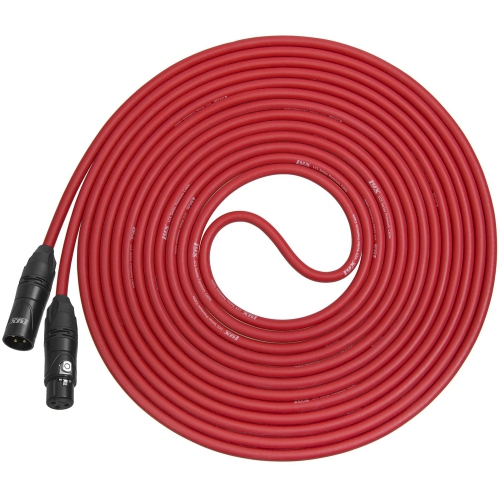
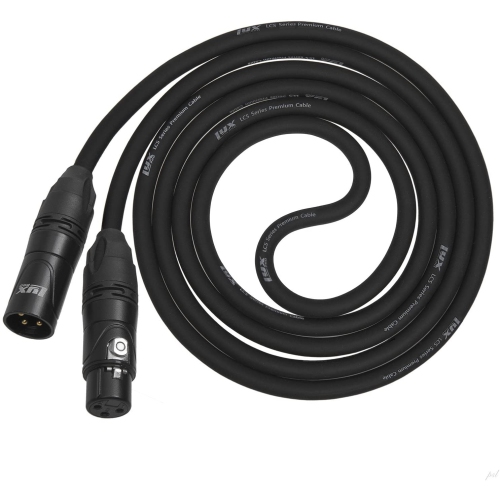
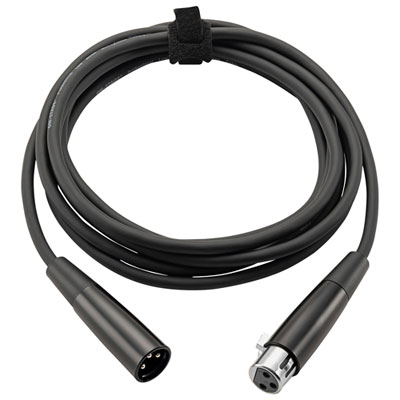
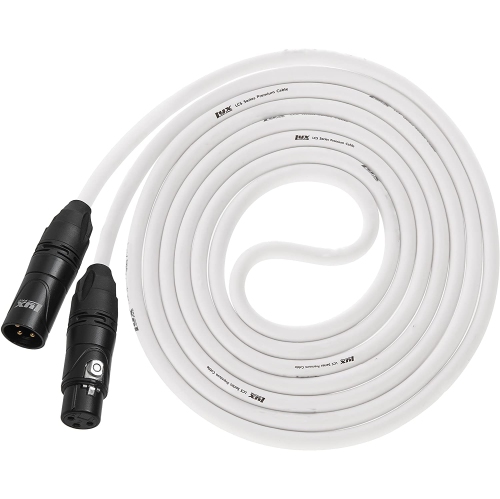

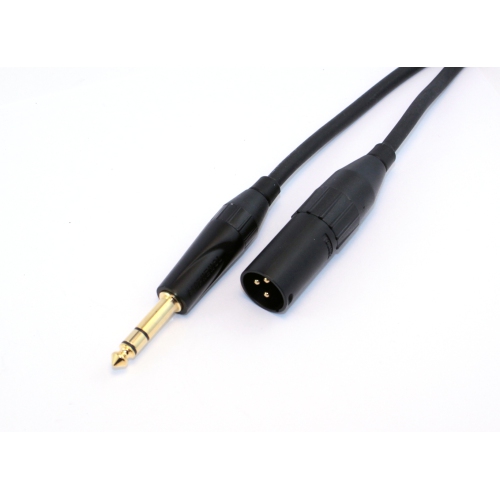
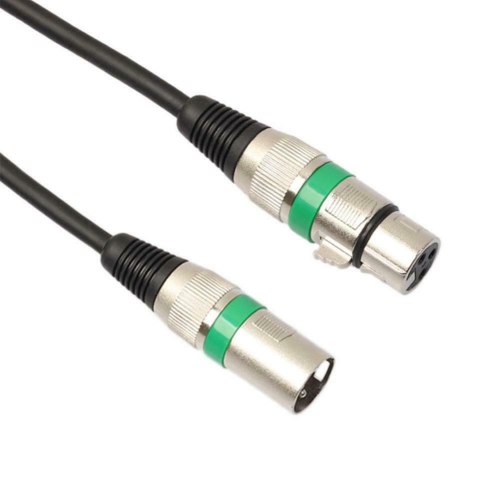
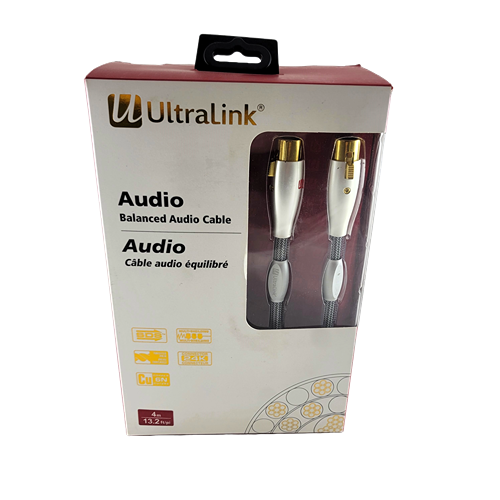
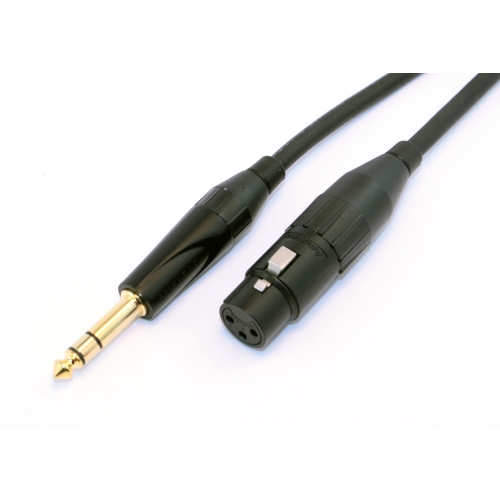
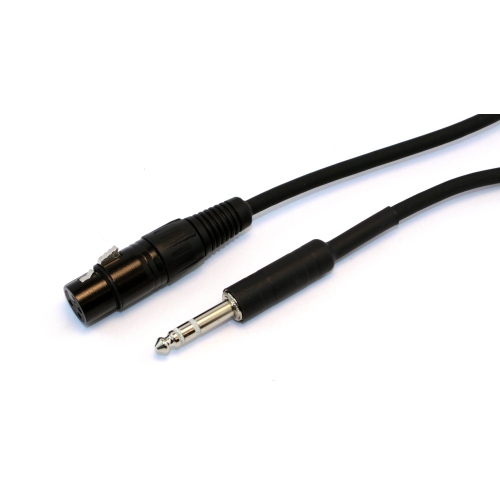

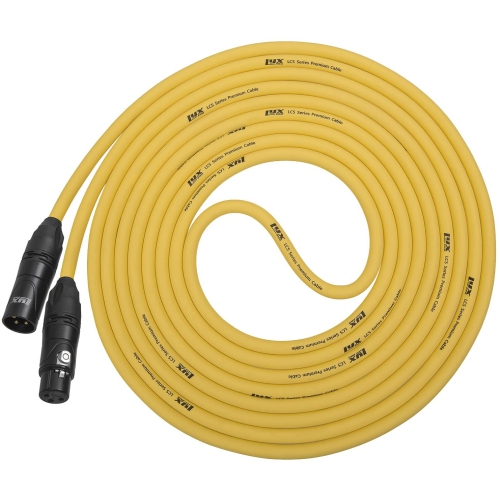
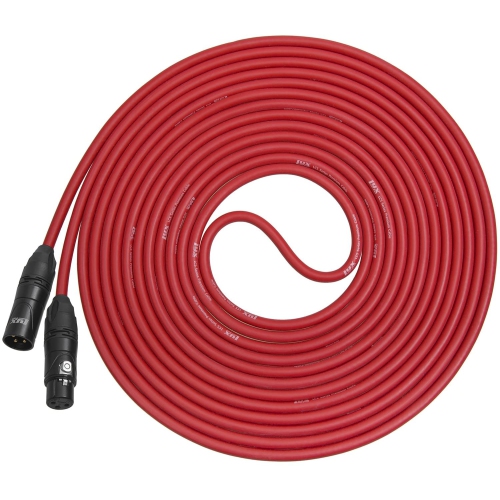
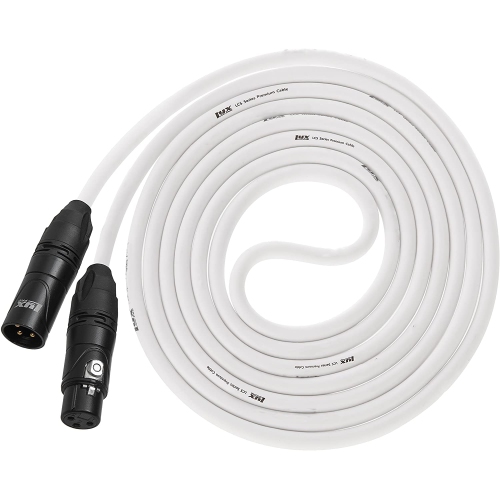
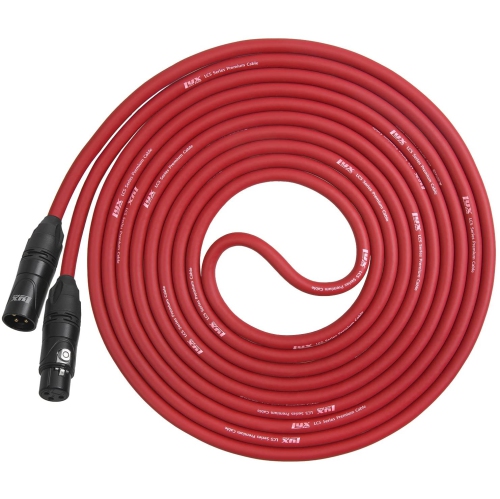
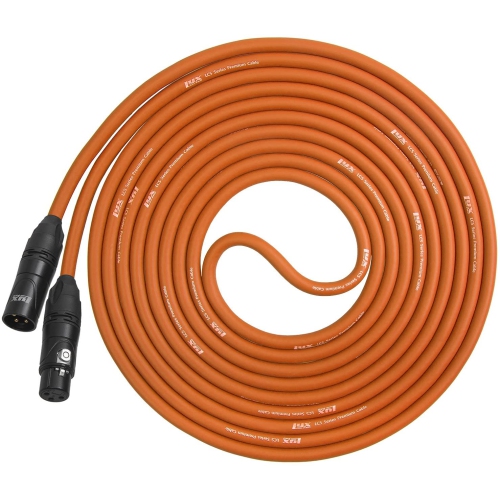
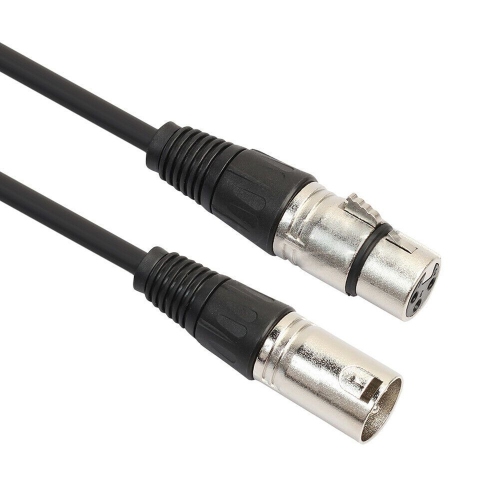
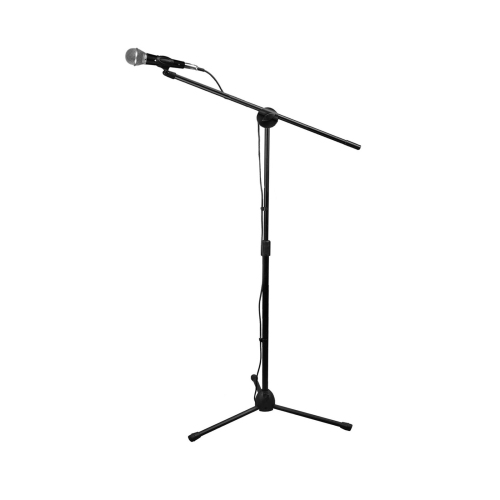
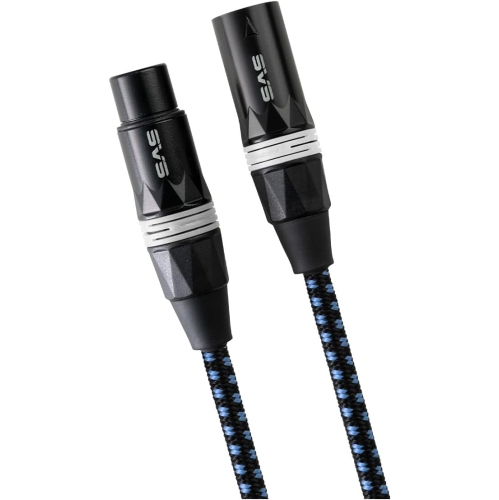
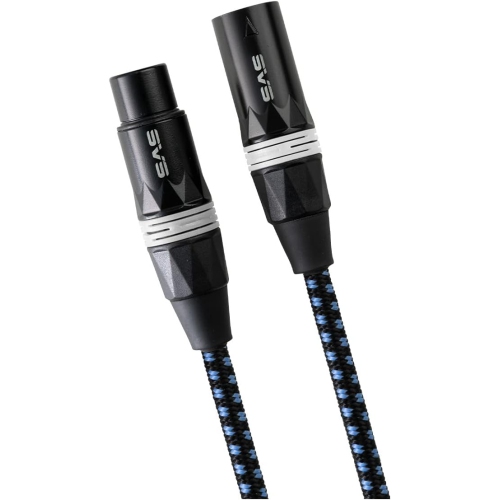
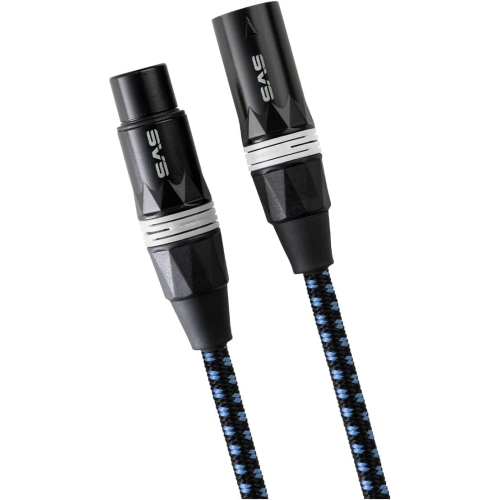
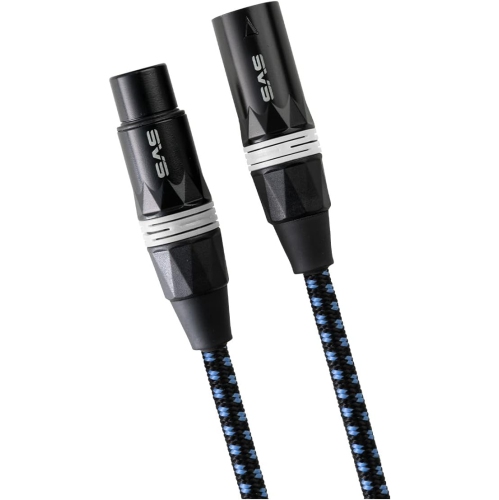
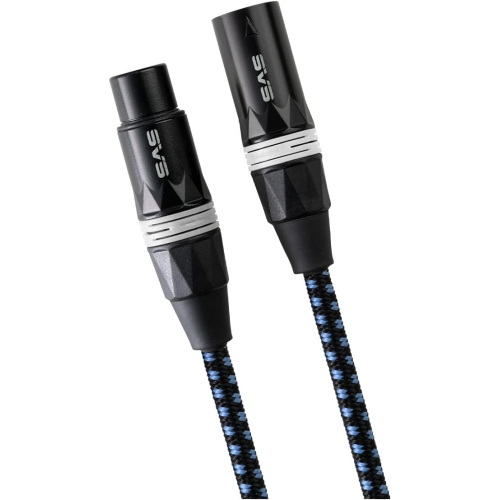
Balanced connections help studios deliver clear, reliable sound
When setting up a professional or home studio, choosing the right XLR cables for studio monitors is essential to achieving clear, reliable sound. Balanced XLR cables are specifically designed to minimize noise and interference, making them the preferred choice for connecting audio interfaces, mixers, or other studio equipment to powered monitors. The robust, locking connectors on XLR cables provide a secure fit, which is especially valuable if your studio monitors are frequently repositioned or if your workspace is subject to movement. Many producers, audio engineers, and musicians rely on XLR cables to maintain signal integrity, especially when working with high-quality monitors where every detail in the mix matters. Whether you’re outfitting a new studio, upgrading your existing setup, or helping a friend or family member fine-tune their workspace, XLR cables are a thoughtful and practical choice—ideal for anyone passionate about audio, from hobbyists experimenting with their first home studio to professionals recording and mixing full albums.
When selecting XLR cables for studio monitors, there are a few key considerations to keep in mind. Cable length is important: while it’s tempting to buy the longest cables available, choosing cables that are only slightly longer than you need (typically 10 to 15 feet for most home or project studios) helps prevent excess clutter and reduces the risk of signal degradation or unwanted noise. It’s also a good idea to use cables of equal length for both left and right monitors, ensuring balanced audio timing and a consistent stereo image—though minor differences in length are generally not a problem in smaller spaces. High-quality shielding and durable connectors are vital for protecting against electromagnetic interference and ensuring longevity, especially as the weather warms and open windows or increased electronic activity can introduce new sources of noise. Balanced XLR-to-XLR or XLR-to-1/4 inch TRS cables are the standard for most studio monitor connections, and using the correct cable type is crucial; unbalanced cables like TS (instrument) cables should be avoided, as they can introduce hum, buzzing, and radio interference that can disrupt your critical listening environment.
XLR cables for studio monitors also make a practical gift for anyone with a passion for music production, podcasting, or content creation. They’re often overlooked during initial studio setups, but upgrading to well-shielded, reliable cables can make a noticeable difference in sound quality, especially when fine-tuning mixes or enjoying favourite tracks during the longer days of late spring and summer. Whether you’re helping someone set up their first recording space or refreshing your own gear for a new season of creative projects, investing in quality XLR cables ensures your studio monitors deliver the detailed, accurate sound you expect—day in and day out.
When selecting XLR cables for studio monitors, there are a few key considerations to keep in mind. Cable length is important: while it’s tempting to buy the longest cables available, choosing cables that are only slightly longer than you need (typically 10 to 15 feet for most home or project studios) helps prevent excess clutter and reduces the risk of signal degradation or unwanted noise. It’s also a good idea to use cables of equal length for both left and right monitors, ensuring balanced audio timing and a consistent stereo image—though minor differences in length are generally not a problem in smaller spaces. High-quality shielding and durable connectors are vital for protecting against electromagnetic interference and ensuring longevity, especially as the weather warms and open windows or increased electronic activity can introduce new sources of noise. Balanced XLR-to-XLR or XLR-to-1/4 inch TRS cables are the standard for most studio monitor connections, and using the correct cable type is crucial; unbalanced cables like TS (instrument) cables should be avoided, as they can introduce hum, buzzing, and radio interference that can disrupt your critical listening environment.
XLR cables for studio monitors also make a practical gift for anyone with a passion for music production, podcasting, or content creation. They’re often overlooked during initial studio setups, but upgrading to well-shielded, reliable cables can make a noticeable difference in sound quality, especially when fine-tuning mixes or enjoying favourite tracks during the longer days of late spring and summer. Whether you’re helping someone set up their first recording space or refreshing your own gear for a new season of creative projects, investing in quality XLR cables ensures your studio monitors deliver the detailed, accurate sound you expect—day in and day out.
Top selling and popular products
-
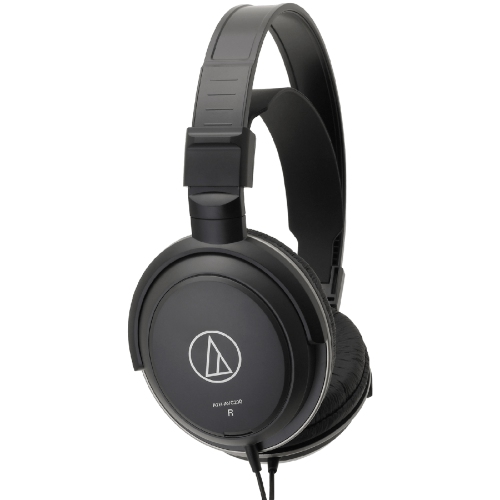 Your price for this item is $52.68
 -
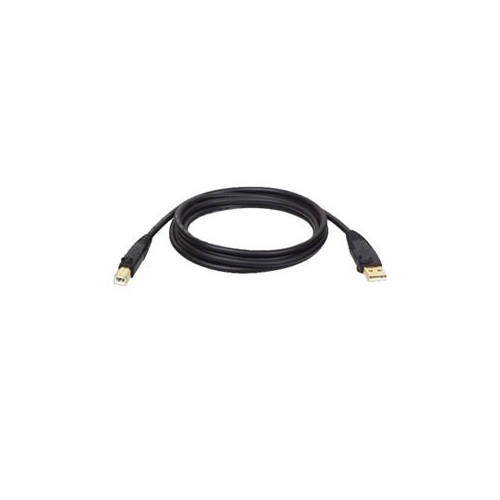 Your price for this item is $18.99
 -
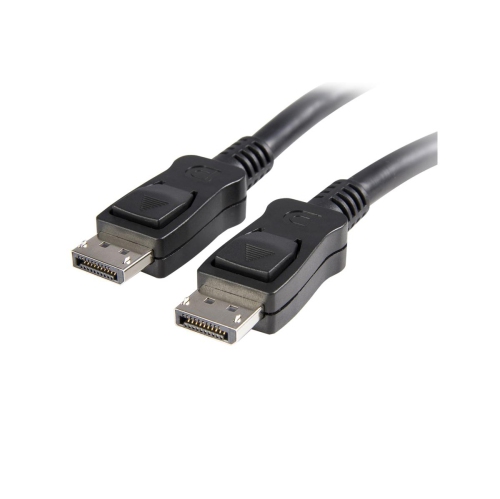 Your price for this item is $18.68
 -
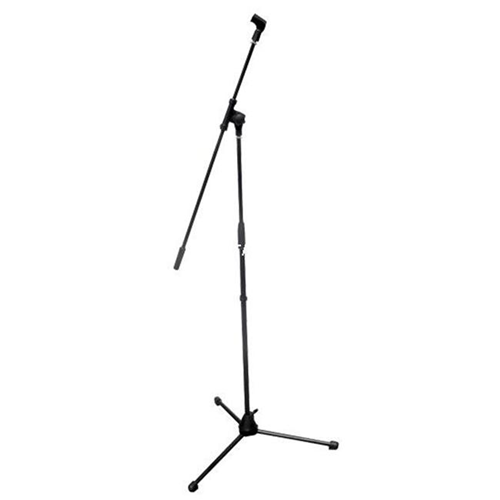 Your price for this item is $39.99
 -
![VIR Siamese Dream (Remastered & Reissued) - Smashing Pumpkins, The [2Lp (180 Gram)]](https://multimedia.bbycastatic.ca/multimedia/products/500x500/105/10540/10540226.jpg) Your price for this item is $89.99
Your price for this item is $89.99 -
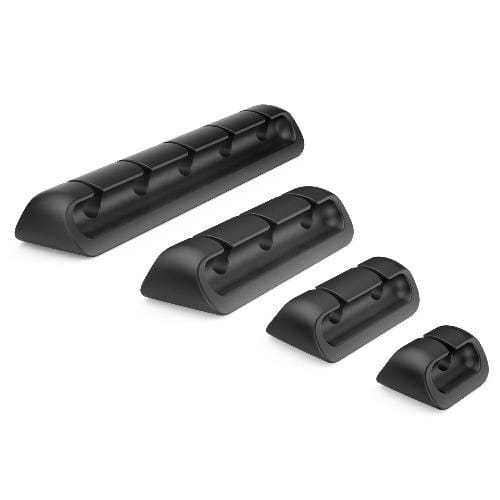 Your price for this item is $38
 -
 Your price for this item is $22.99
 -
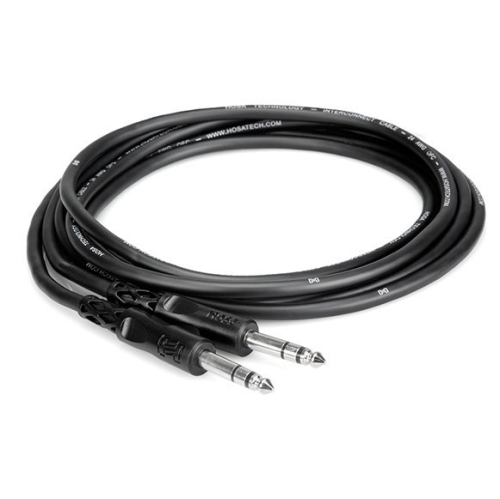 Your price for this item is $13.59
Discover more categories related to XLR Cables for Studio Monitors
Top Collections:
Pokemon Centers, Kindle Devices, Best Budget Office Chairs, Apple iPhones 16, Best Laptops for Writers, iPhone 15 Apple, Canon G7X Cameras, Refurbished Apple Laptops, Alarm Clock, Motorola Razr Phones
Some products may be subject to Environmental Handling Fees
(EHF) depending on your province.
Learn more about EHFs.