White Contemporary Nightstands
Nightstands are a great way to add storage and style to your bedroom. They're also a great place to set down your alarm clock or stash your phone, wallet, and other items you need quick access to. Here are some of the best white contemporary nightstands on the market today.
Sort




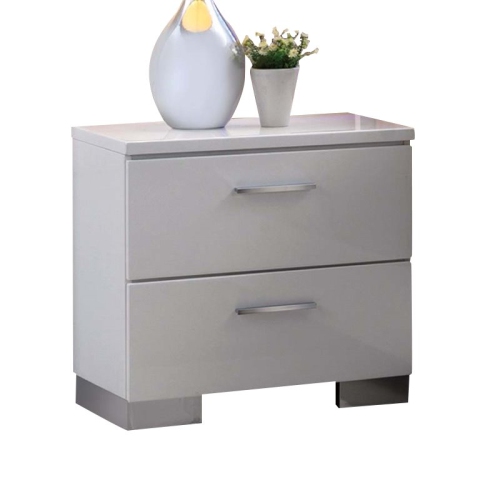
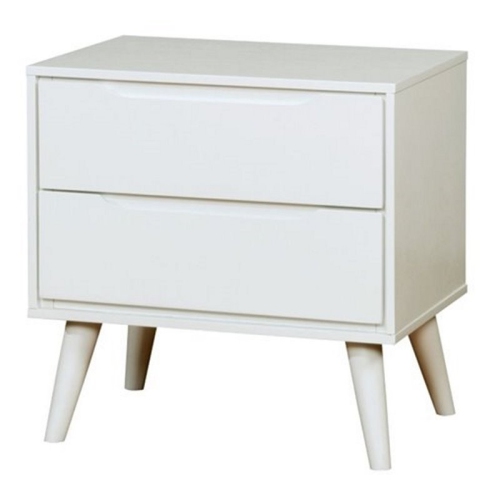
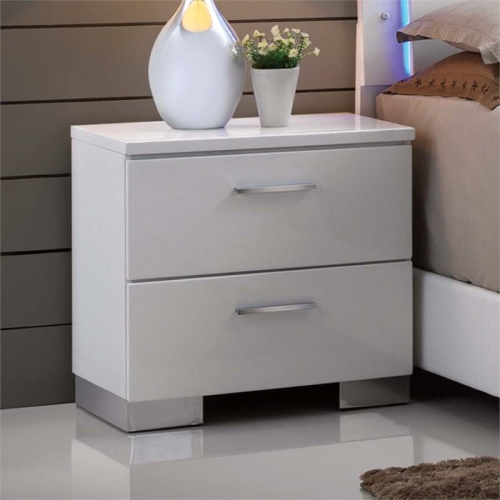
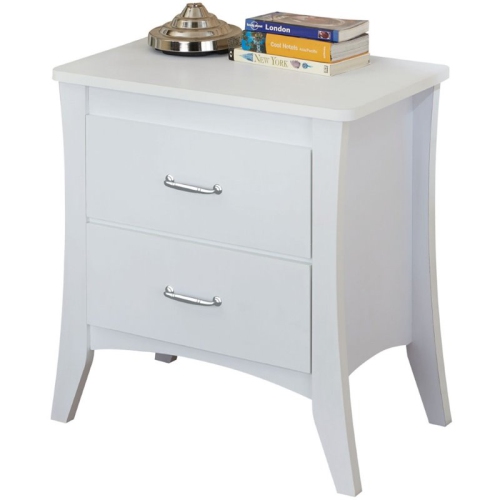
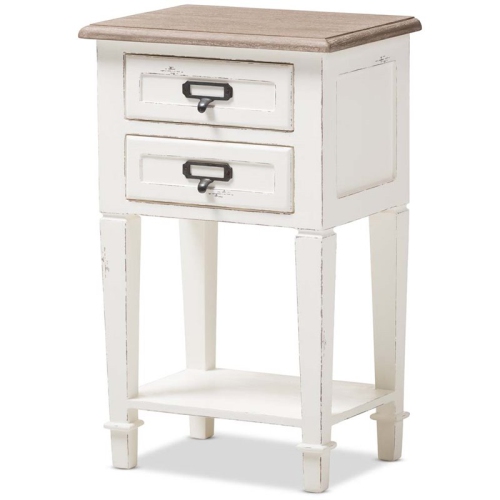
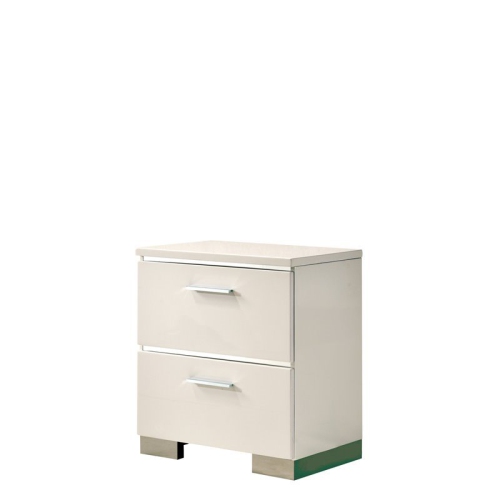
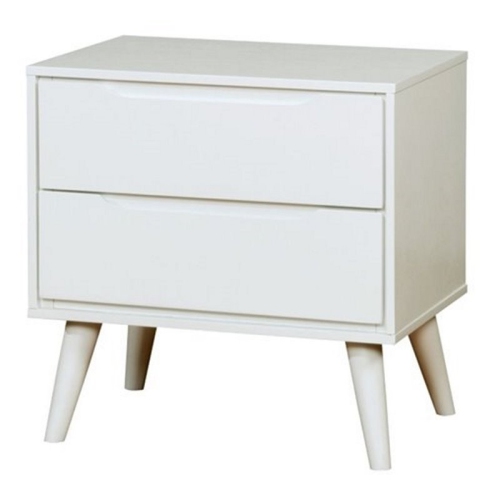
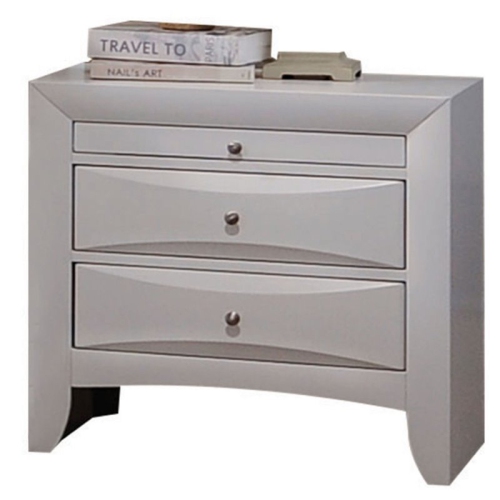
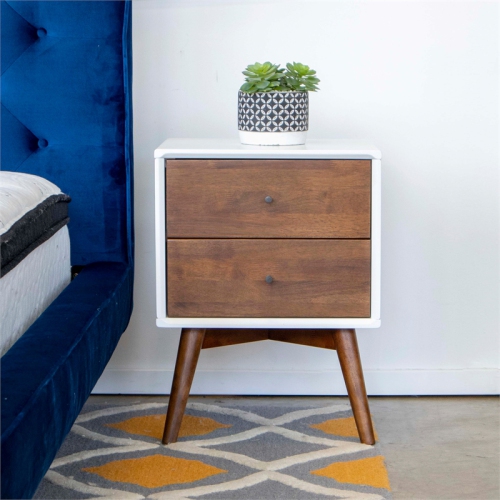
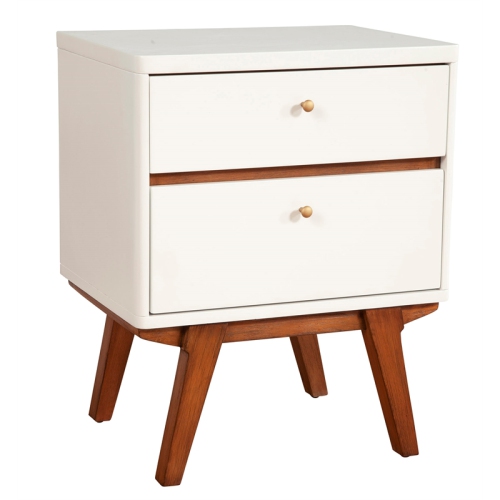
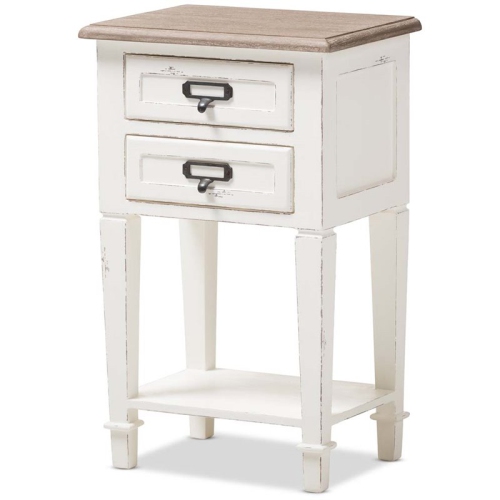

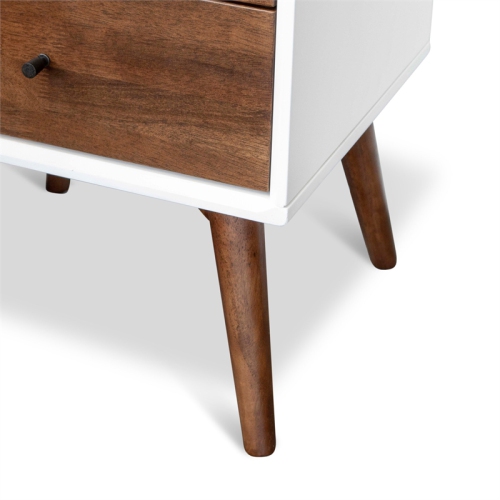

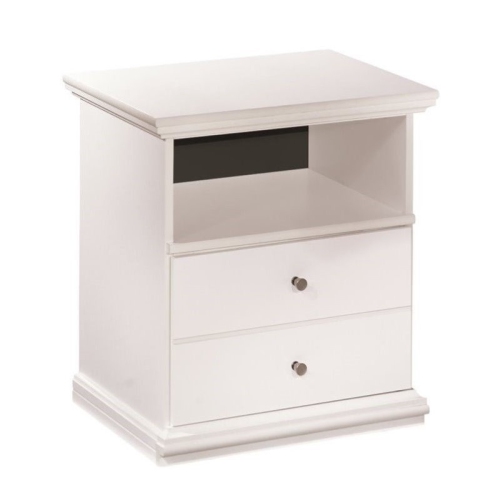
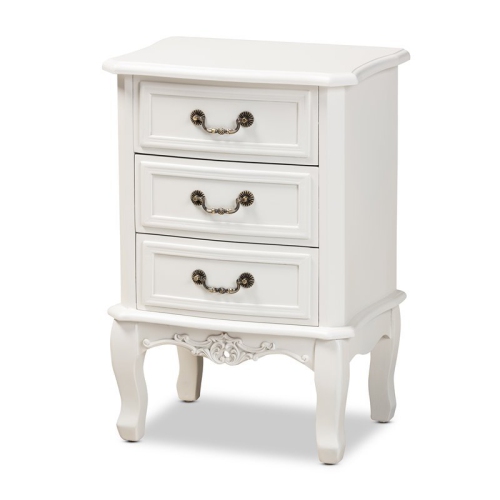
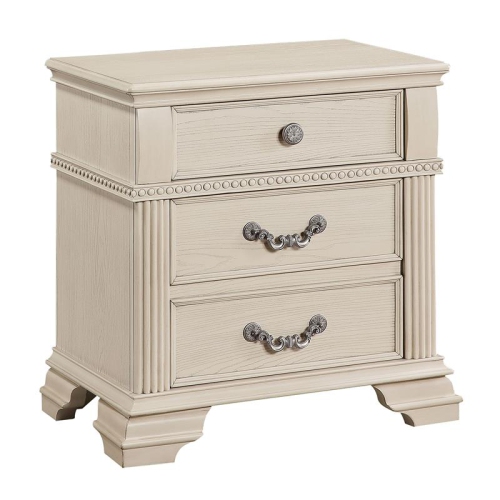
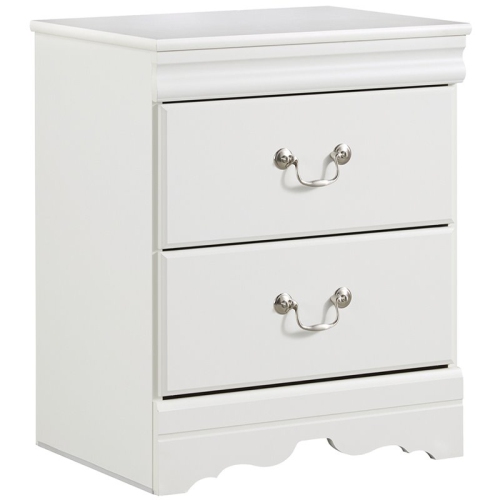
Streamlined bedside storage that leaves room to move
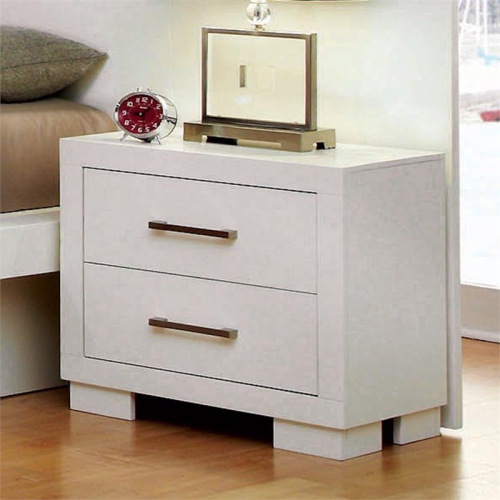
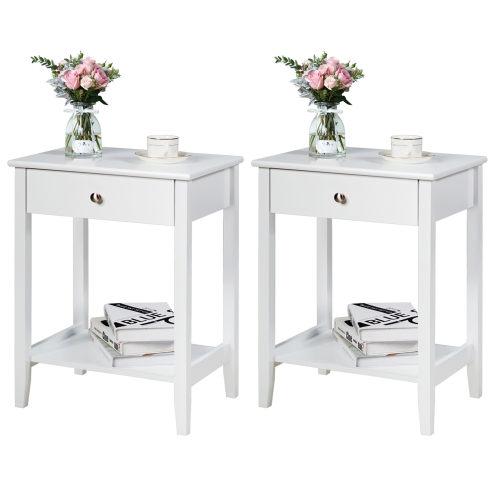
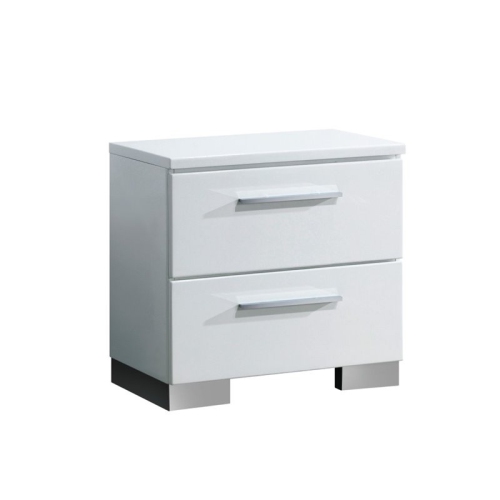
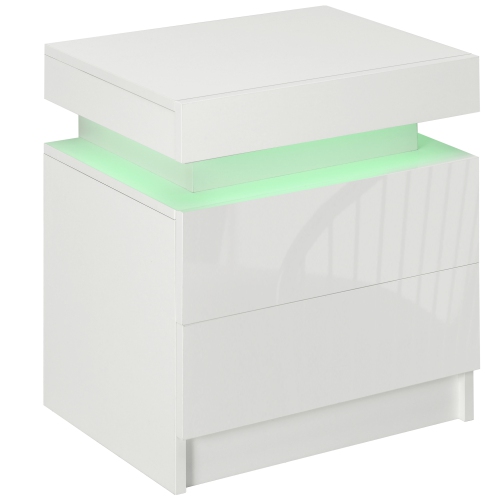
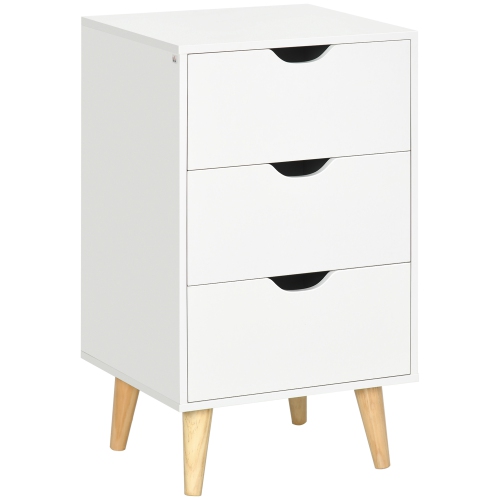
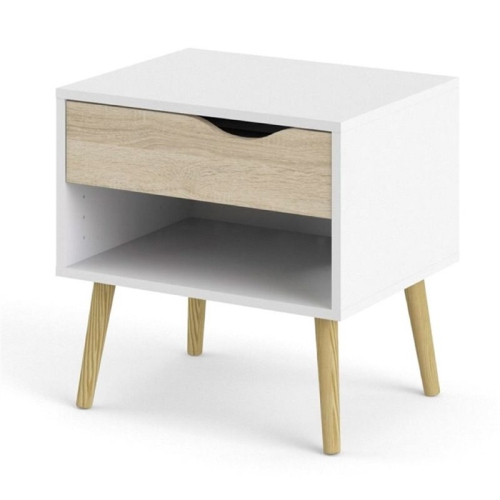
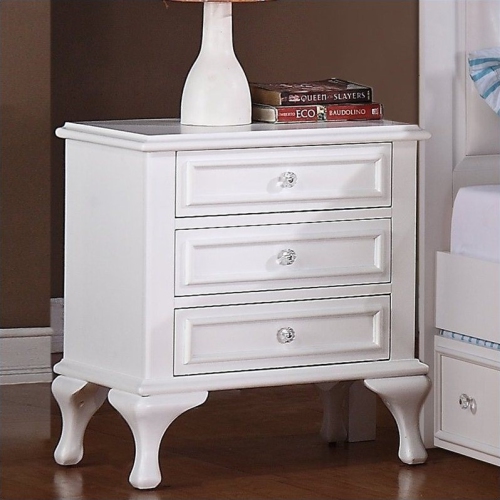
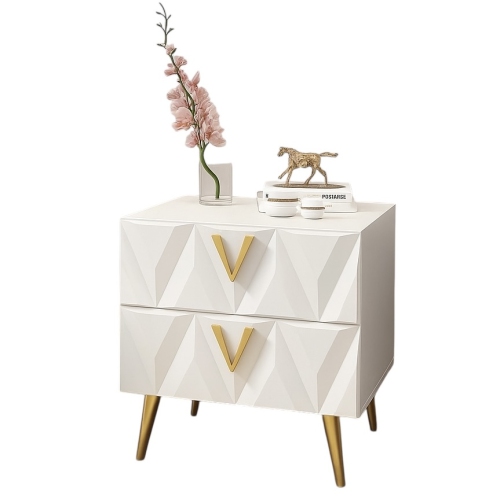
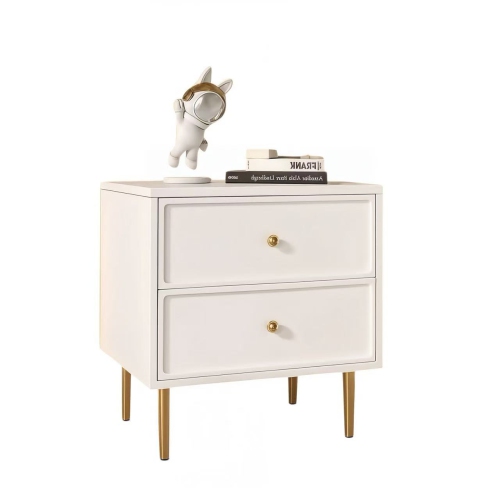
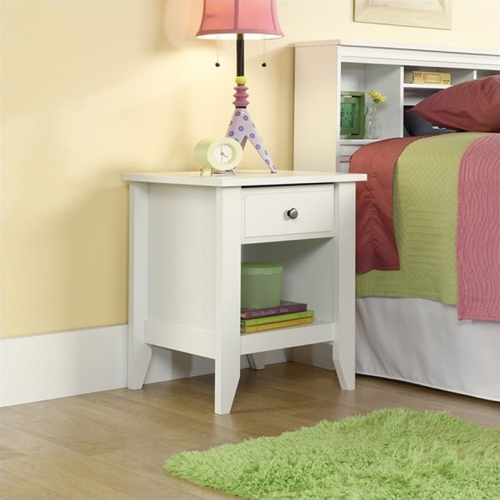
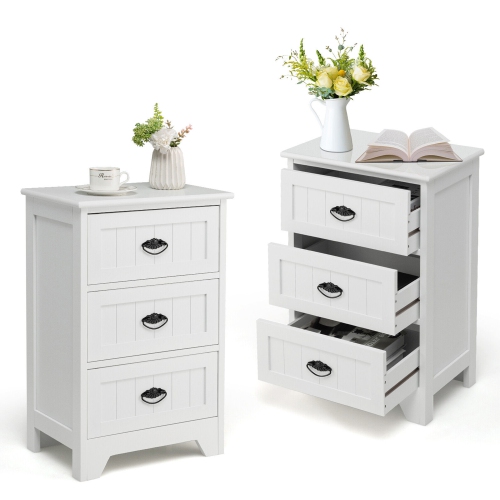
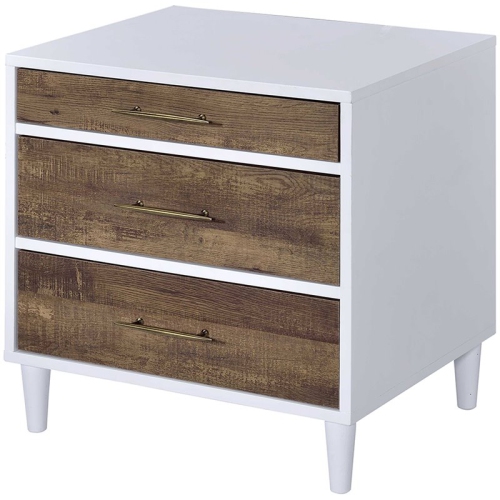
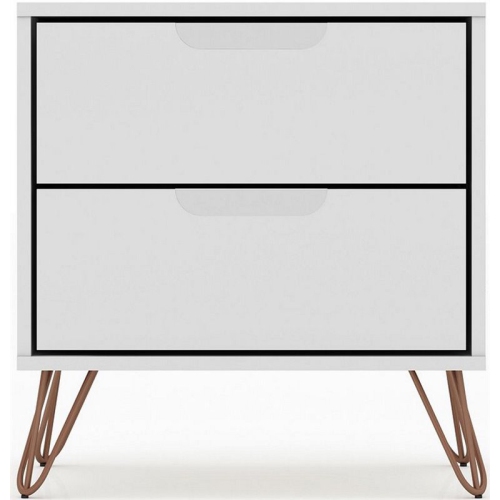
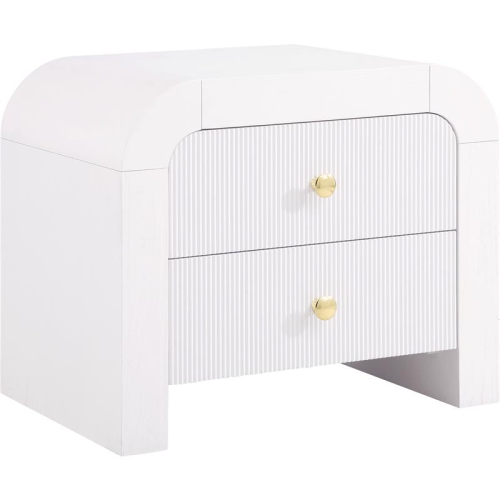
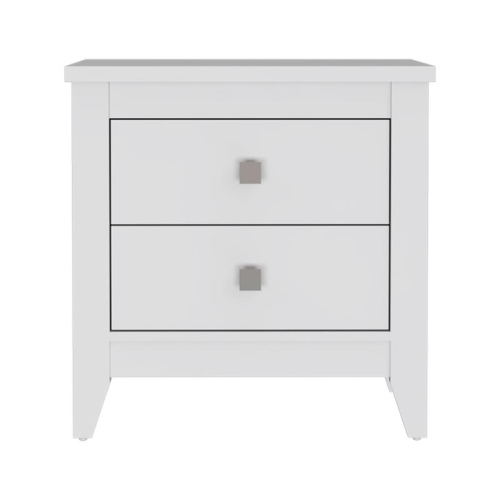
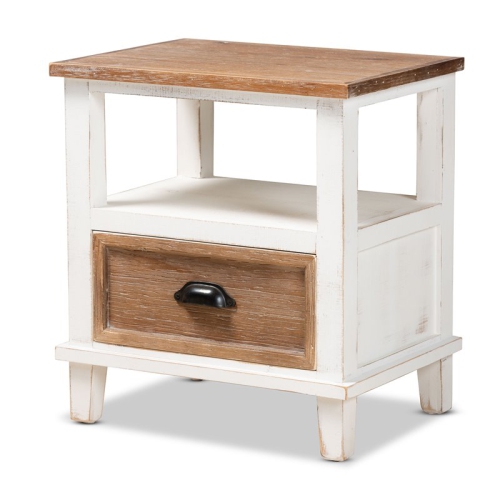
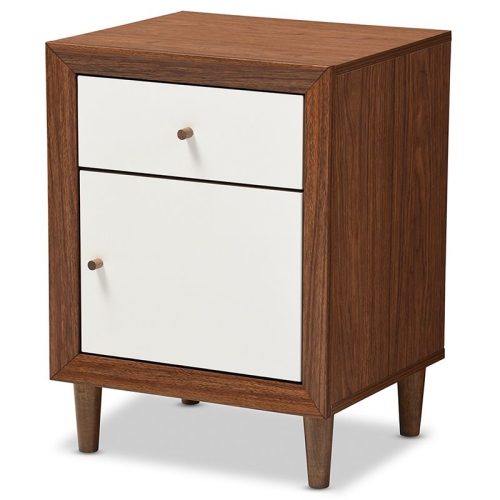
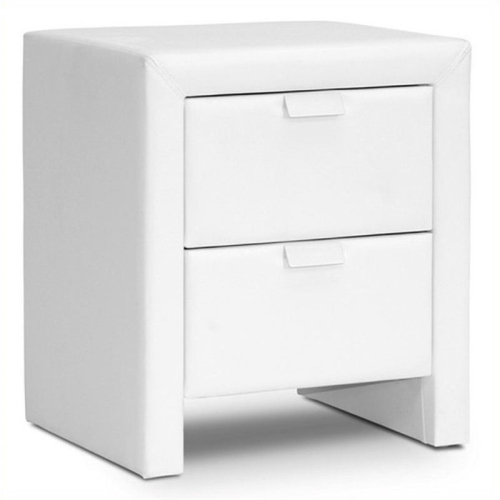
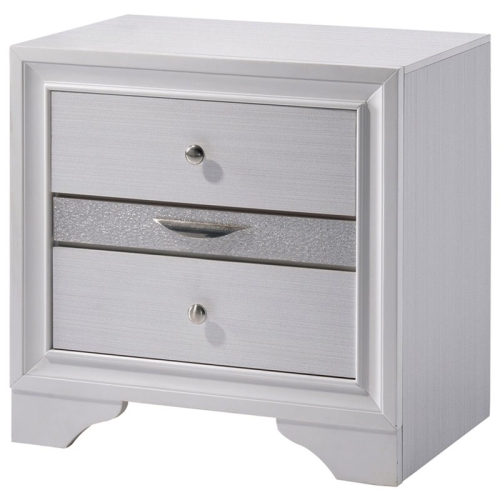
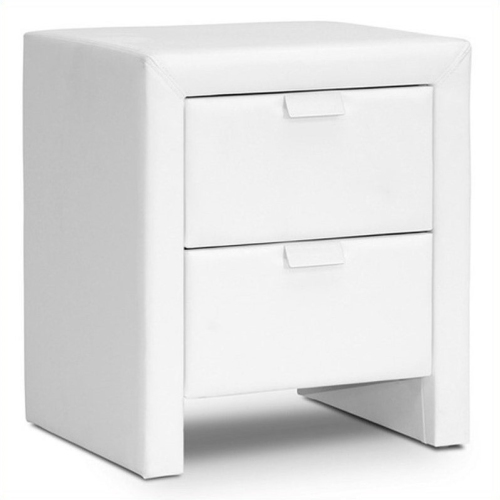
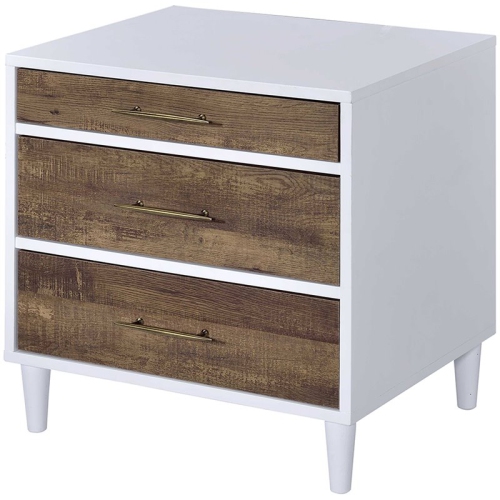
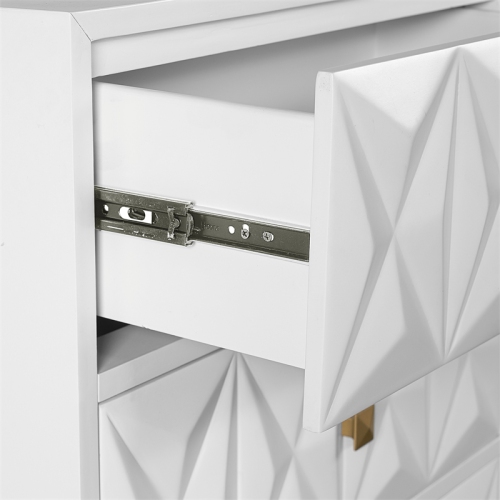
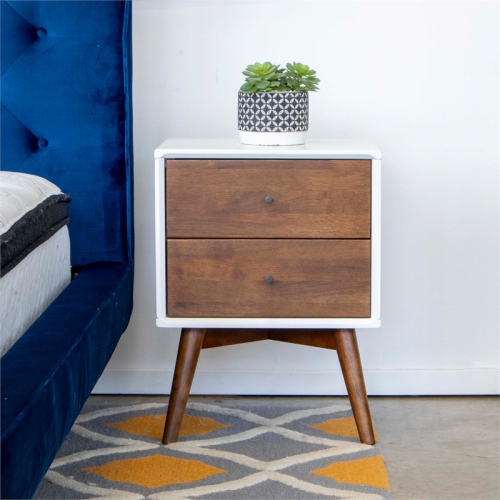
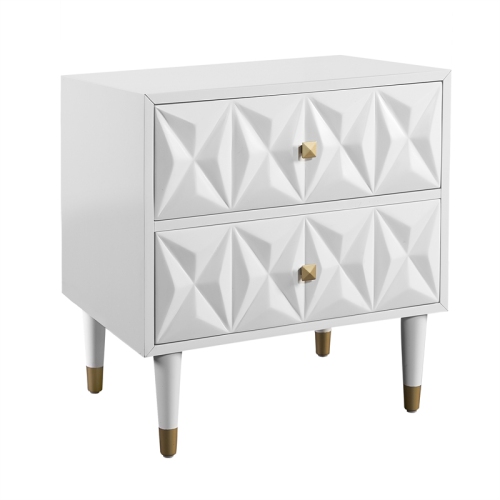
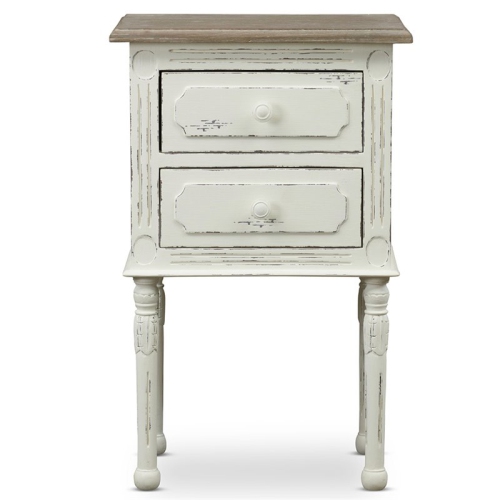
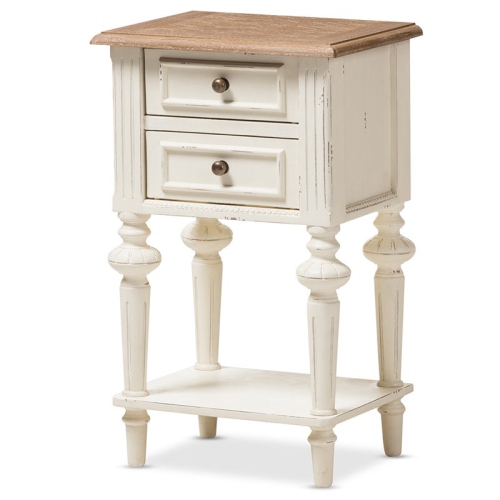
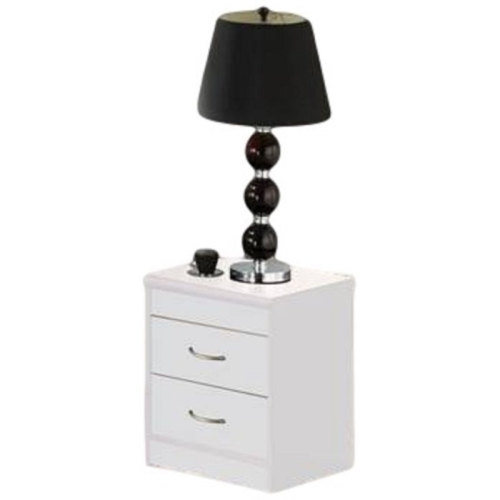
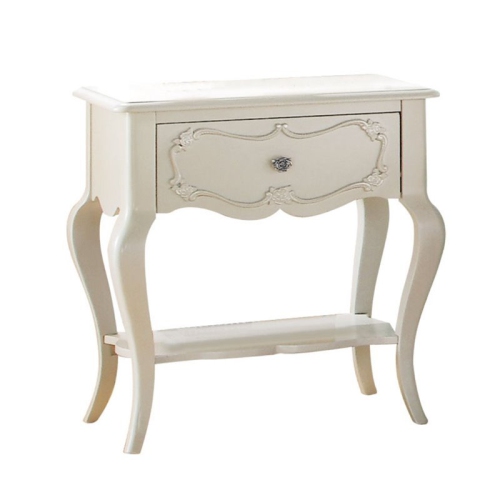
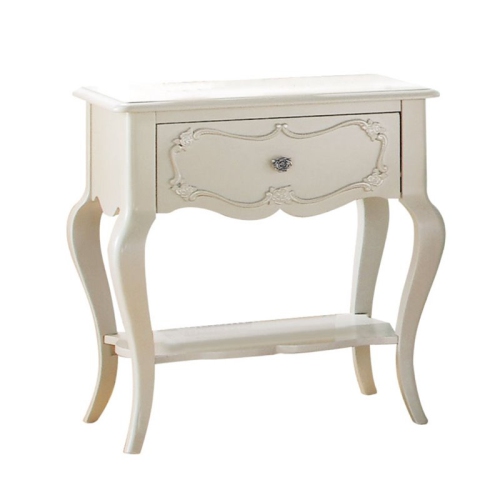
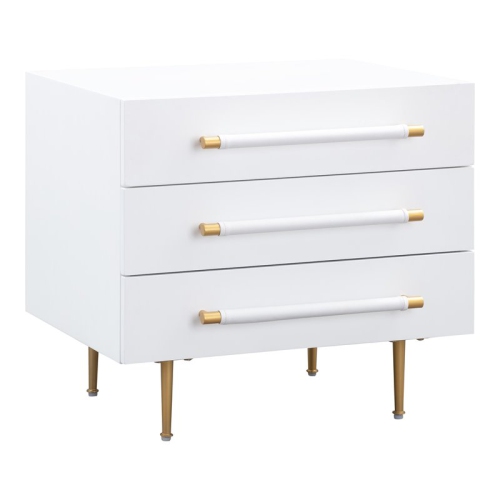
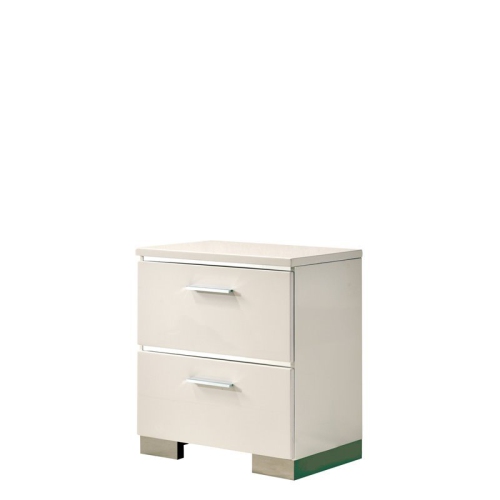
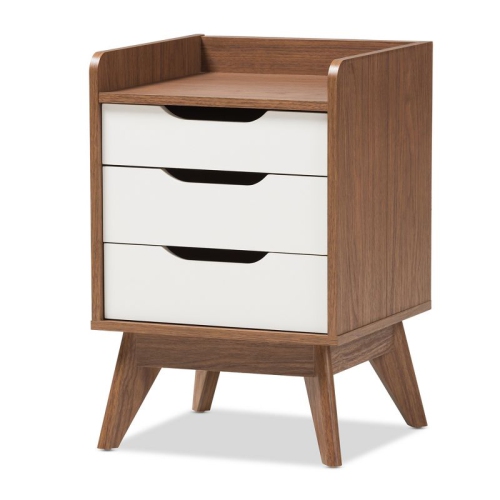
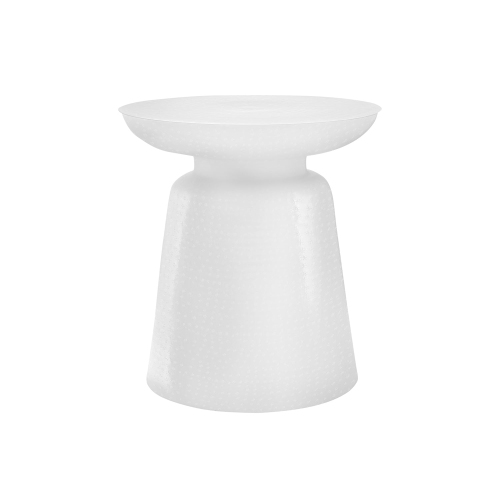
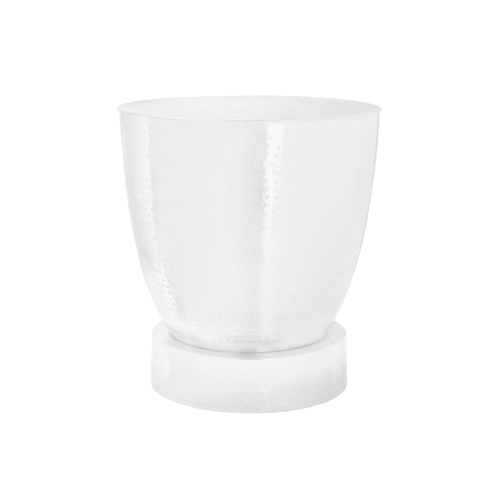
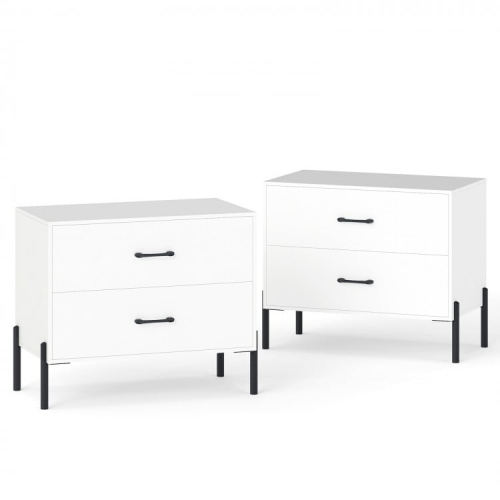
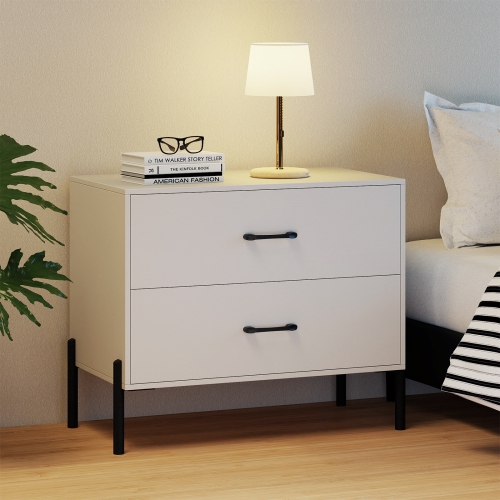
White contemporary nightstands combine clean lines, a light neutral finish, and practical bedside storage. Their simple profiles suit bedrooms where furniture needs to feel coordinated without making the room look crowded. A white bedside table can sit quietly beside an upholstered bed, brighten the appearance of a dark wood frame, or provide a crisp contrast against a painted accent wall. The details shape the overall effect: flat drawer fronts and recessed pulls create a streamlined look, while fluted panels, rounded corners, and slender metal legs add texture or definition. Matte finishes have a softer appearance, whereas glossy surfaces reflect more light and draw attention to the furniture’s outline. White finishes also vary in tone, from warm ivory shades to cooler, brighter whites, so pieces described with the same colour name may not look identical beside one another. Matching a nightstand to the undertones of nearby furniture often creates a more cohesive result than trying to make every surface exactly the same shade. Within the broader range of Contemporary Nightstands, white designs offer a versatile base for bedding, lamps, and personal accents in many colours. Their usefulness extends beyond a coordinated primary bedroom. A compact white nightstand can provide essential storage in a condo, give a guest a place for glasses and a phone, or bring a more grown-up look to a teenager’s room. Two matching nightstands create visual balance around a bed, but identical pieces are not essential. Different widths can work when one side of the bed is closer to a wall, especially when the finishes and heights relate to each other. A modest tabletop with room for a reading lamp, a water glass, and a small tray often feels more useful than a larger surface that interrupts the path around the bed.
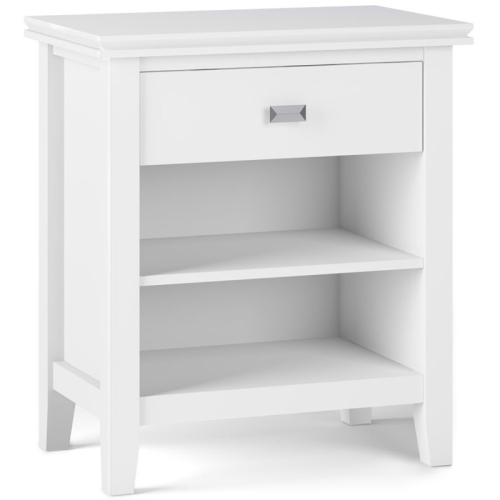
Proportion matters as much as appearance when a nightstand becomes part of a daily routine. A tabletop approximately level with the top of the mattress generally keeps bedside essentials within comfortable reach; a slightly higher surface may also work, depending on the bed and the person using it. Mattress toppers and tall bed bases affect that relationship, making the finished mattress height more relevant than the frame height alone. Width determines how much space remains beside the bed, while depth influences whether the nightstand projects into a walkway or makes the bedside feel tight. Drawer clearance deserves equal attention, particularly beside beds with projecting frames or built-in storage. A drawer that opens smoothly in an empty room may be difficult to use once bedding, a nearby dresser, or an upholstered headboard occupies the same space. Storage layouts serve different habits. An open shelf keeps a novel or tablet easy to retrieve, while enclosed drawers conceal charging cables, reading glasses, and other small belongings. A combination of a drawer and a shelf separates frequently used essentials from things that can remain visible. Deeper drawers can accommodate bulkier belongings, although internal measurements, rather than the dimensions of the cabinet, determine what fits. Materials contribute to both the appearance and the feel of the piece. Solid wood can provide substantial construction, with durability depending on the wood species, joinery, and finish. Engineered wood, including medium-density fibreboard and particleboard, supports smooth painted, laminated, or wrapped surfaces that suit contemporary styling. A veneer introduces a thin layer of real wood over a supporting core, while laminate provides a separate surface layer with its own care requirements. Metal frames and legs can create a lighter-looking silhouette, but overall stability still depends on the construction and assembly. Smooth drawer movement, neatly finished edges, secure hardware, and stated weight limits are useful indicators of how a nightstand will handle everyday use. A sturdy top and reliable drawer supports matter more than decorative details when the furniture will be opened and used several times a day.
Bedside features are most useful when they support the way the room is actually used. Cable openings can help keep a charging lead from trailing across the tabletop, and integrated charging connections may reduce the need for a separate adapter within reach of the bed. Where those features are included, the connection type, electrical requirements, and placement of the nearest wall outlet affect their convenience. Cables still need a clear route that avoids pinching behind the cabinet or passing through moving drawer parts. A raised base leaves more floor visible and may provide access for cleaning underneath, while a low, enclosed base gives the piece a more grounded appearance. Handle shape can make a noticeable difference, too: projecting pulls offer a defined grip, while recessed handles maintain an uncluttered front. Rounded edges may be welcome beside a narrow route through the room, though any furniture used around children should follow the manufacturer’s safety and anchoring directions. Caring for a white nightstand usually starts with gentle, consistent cleaning suited to its surface. A soft cloth removes dust without unnecessary abrasion, and spills are best wiped promptly so moisture does not linger around seams or edges. Coasters beneath drinks help protect the finish, particularly on painted wood and engineered wood surfaces. Strong cleaners, abrasive pads, and excessive water can damage some finishes, so the manufacturer’s care information remains the best reference. White surfaces make some marks easier to notice, but that also makes small spills and smudges easier to catch before they build up. Durability depends on everyday habits as well as materials: avoiding overloaded drawers, keeping fasteners secure, and lifting rather than dragging the furniture can help preserve its condition. For a guest room, simple storage and a clear tabletop make unfamiliar surroundings easier to use. In a shared bedroom, separate drawers give each person space for their own essentials. The most satisfying white contemporary nightstands bring these practical details together in a form that feels proportionate to the bed, comfortable to reach, and easy to keep tidy.
Proportion matters as much as appearance when a nightstand becomes part of a daily routine. A tabletop approximately level with the top of the mattress generally keeps bedside essentials within comfortable reach; a slightly higher surface may also work, depending on the bed and the person using it. Mattress toppers and tall bed bases affect that relationship, making the finished mattress height more relevant than the frame height alone. Width determines how much space remains beside the bed, while depth influences whether the nightstand projects into a walkway or makes the bedside feel tight. Drawer clearance deserves equal attention, particularly beside beds with projecting frames or built-in storage. A drawer that opens smoothly in an empty room may be difficult to use once bedding, a nearby dresser, or an upholstered headboard occupies the same space. Storage layouts serve different habits. An open shelf keeps a novel or tablet easy to retrieve, while enclosed drawers conceal charging cables, reading glasses, and other small belongings. A combination of a drawer and a shelf separates frequently used essentials from things that can remain visible. Deeper drawers can accommodate bulkier belongings, although internal measurements, rather than the dimensions of the cabinet, determine what fits. Materials contribute to both the appearance and the feel of the piece. Solid wood can provide substantial construction, with durability depending on the wood species, joinery, and finish. Engineered wood, including medium-density fibreboard and particleboard, supports smooth painted, laminated, or wrapped surfaces that suit contemporary styling. A veneer introduces a thin layer of real wood over a supporting core, while laminate provides a separate surface layer with its own care requirements. Metal frames and legs can create a lighter-looking silhouette, but overall stability still depends on the construction and assembly. Smooth drawer movement, neatly finished edges, secure hardware, and stated weight limits are useful indicators of how a nightstand will handle everyday use. A sturdy top and reliable drawer supports matter more than decorative details when the furniture will be opened and used several times a day.
Bedside features are most useful when they support the way the room is actually used. Cable openings can help keep a charging lead from trailing across the tabletop, and integrated charging connections may reduce the need for a separate adapter within reach of the bed. Where those features are included, the connection type, electrical requirements, and placement of the nearest wall outlet affect their convenience. Cables still need a clear route that avoids pinching behind the cabinet or passing through moving drawer parts. A raised base leaves more floor visible and may provide access for cleaning underneath, while a low, enclosed base gives the piece a more grounded appearance. Handle shape can make a noticeable difference, too: projecting pulls offer a defined grip, while recessed handles maintain an uncluttered front. Rounded edges may be welcome beside a narrow route through the room, though any furniture used around children should follow the manufacturer’s safety and anchoring directions. Caring for a white nightstand usually starts with gentle, consistent cleaning suited to its surface. A soft cloth removes dust without unnecessary abrasion, and spills are best wiped promptly so moisture does not linger around seams or edges. Coasters beneath drinks help protect the finish, particularly on painted wood and engineered wood surfaces. Strong cleaners, abrasive pads, and excessive water can damage some finishes, so the manufacturer’s care information remains the best reference. White surfaces make some marks easier to notice, but that also makes small spills and smudges easier to catch before they build up. Durability depends on everyday habits as well as materials: avoiding overloaded drawers, keeping fasteners secure, and lifting rather than dragging the furniture can help preserve its condition. For a guest room, simple storage and a clear tabletop make unfamiliar surroundings easier to use. In a shared bedroom, separate drawers give each person space for their own essentials. The most satisfying white contemporary nightstands bring these practical details together in a form that feels proportionate to the bed, comfortable to reach, and easy to keep tidy.
Top selling and popular products
-
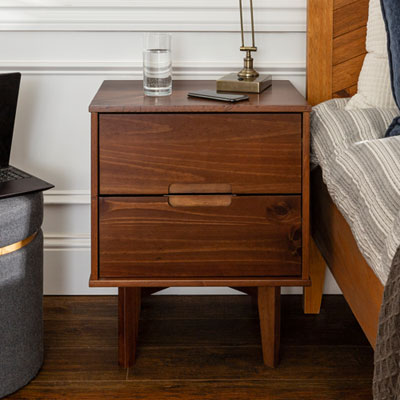 Your price for this item is $188.99
 -
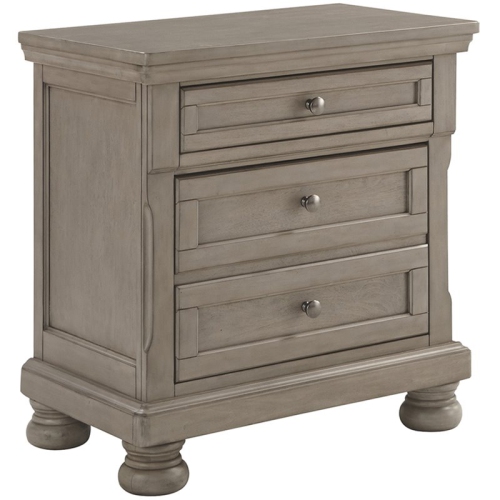 Your price for this item is $1029.75
 -
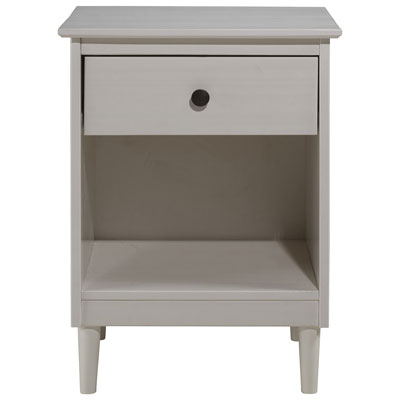 Your price for this item is $179.99
 -
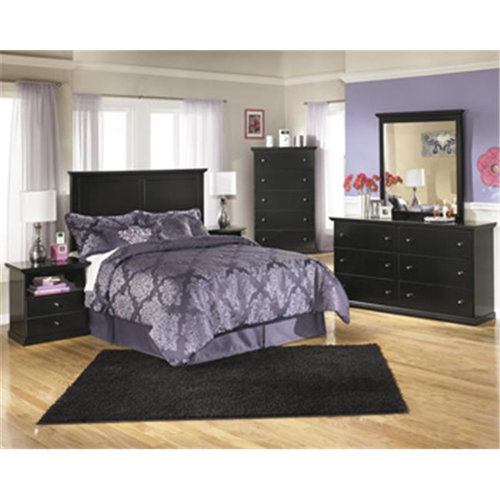 Your price for this item is $586.84
 -
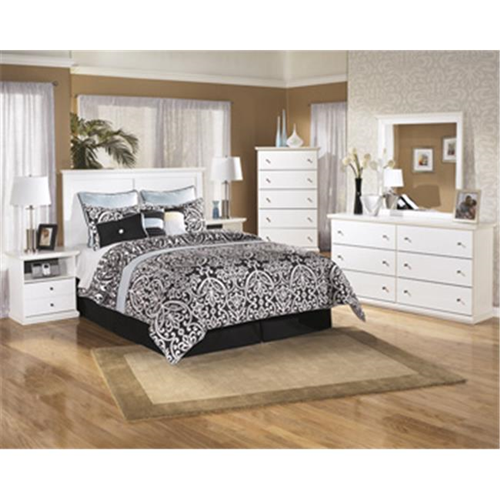 Your price for this item is $585.87
 -
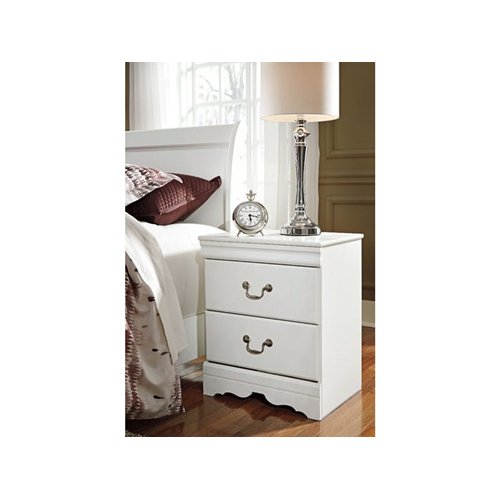 Your price for this item is $566.12
 -
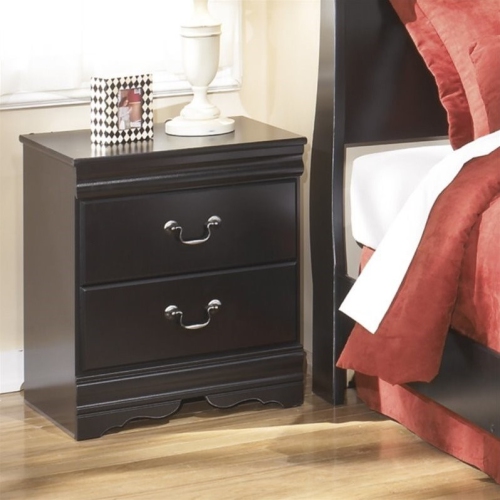 Your price for this item is $554.73
 -
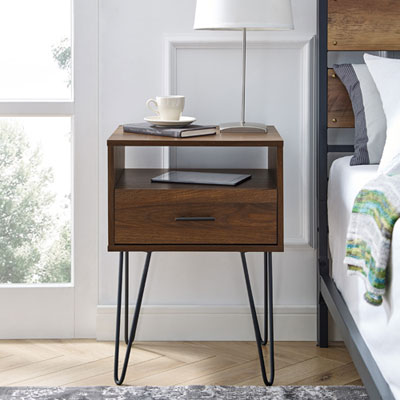 Your price for this item is $266.99
Discover more categories related to White Contemporary Nightstands
Top Collections:
Pokemon Centers, Kindle Devices, Best Budget Office Chairs, Apple iPhones 16, Best Laptops for Writers, iPhone 15 Apple, Canon G7X Cameras, Refurbished Apple Laptops, Alarm Clock, Motorola Razr Phones
Some products may be subject to Environmental Handling Fees
(EHF) depending on your province.
Learn more about EHFs.