Good Quality Nursing Bras
A nursing bra is a must-have for any new mother. It provides the support and comfort you need while you're breastfeeding, and it can help prevent back pain. Here are some of the best quality nursing bras available today.
Sort
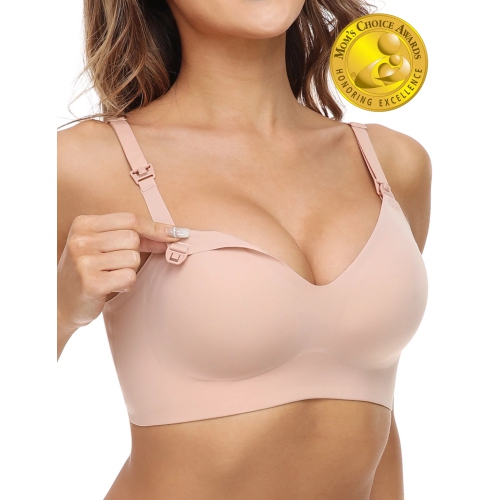
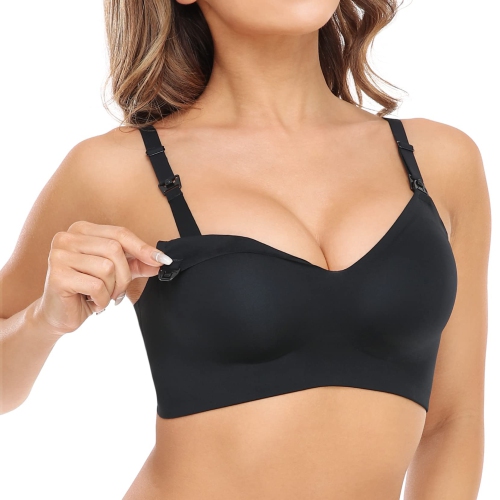
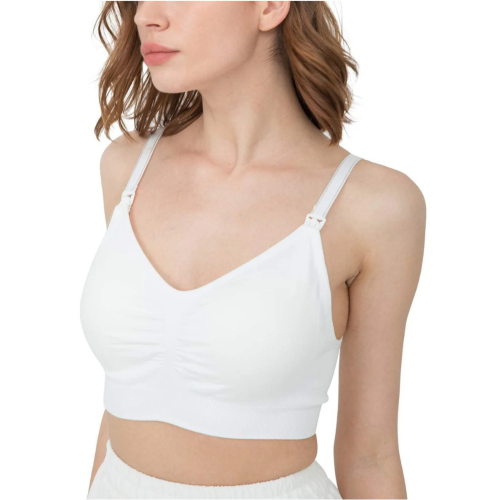
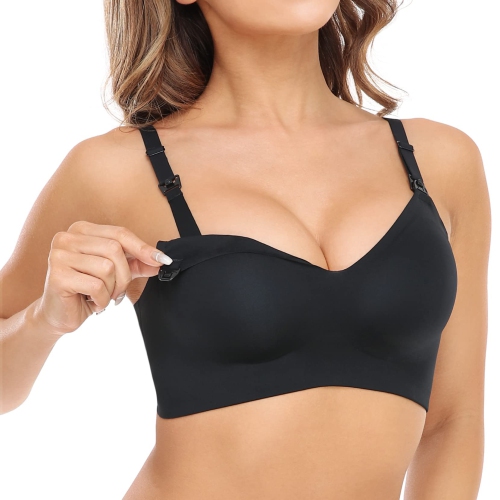
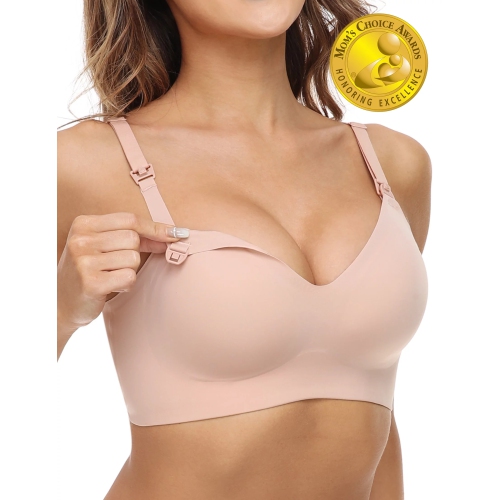
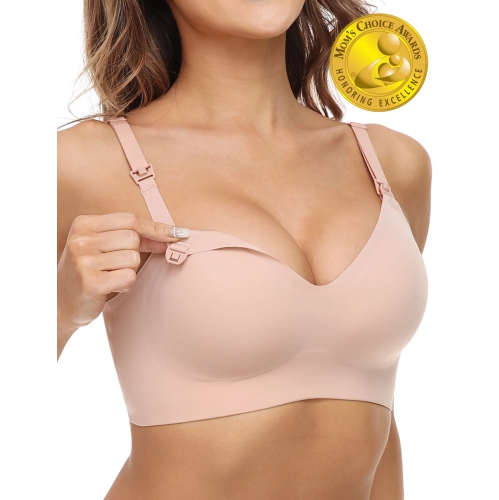
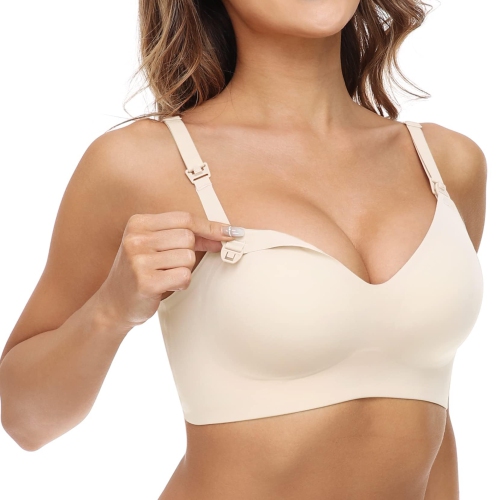
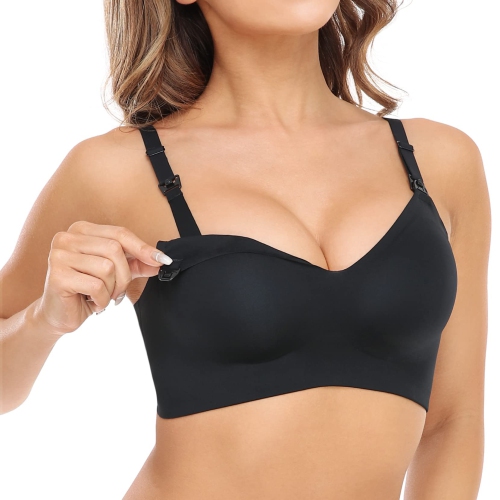

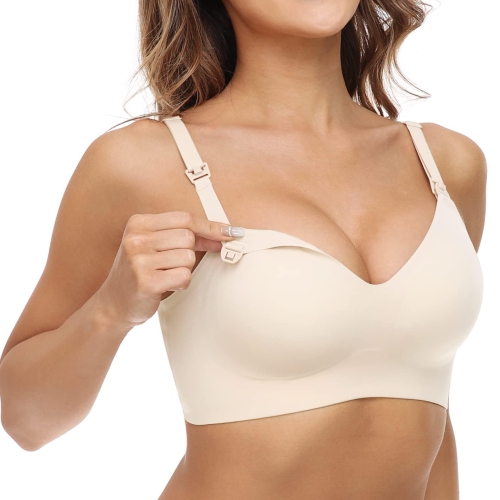
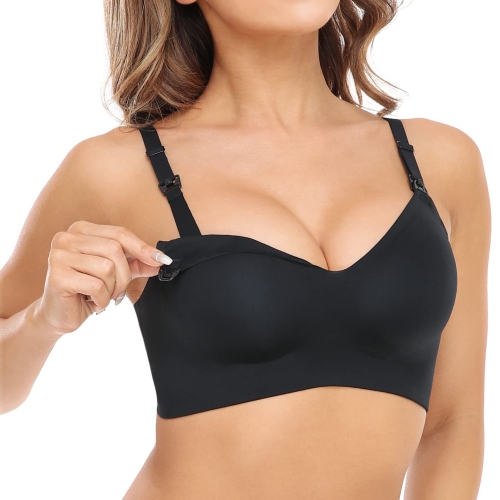
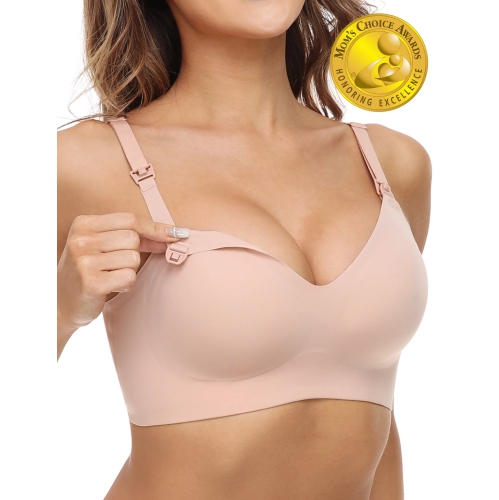
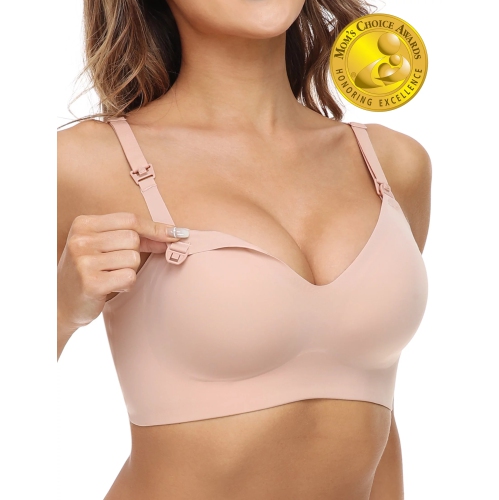
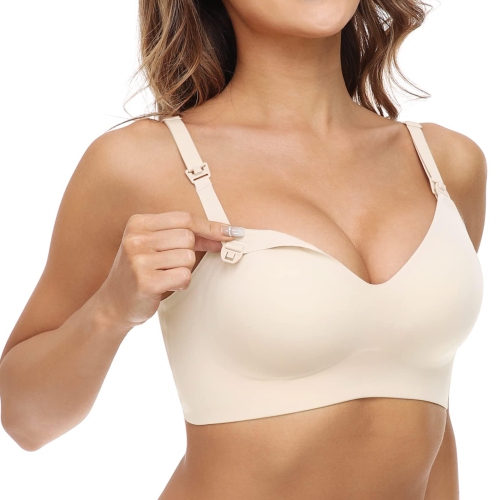
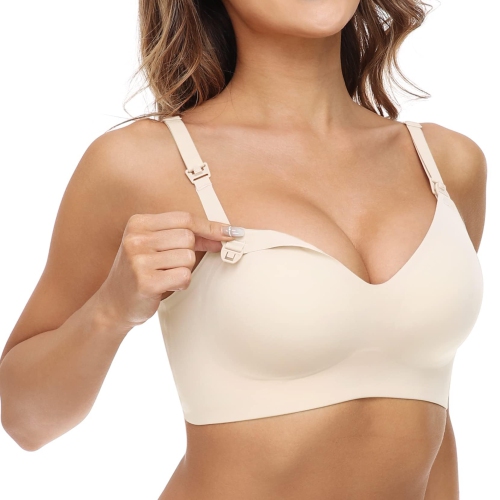
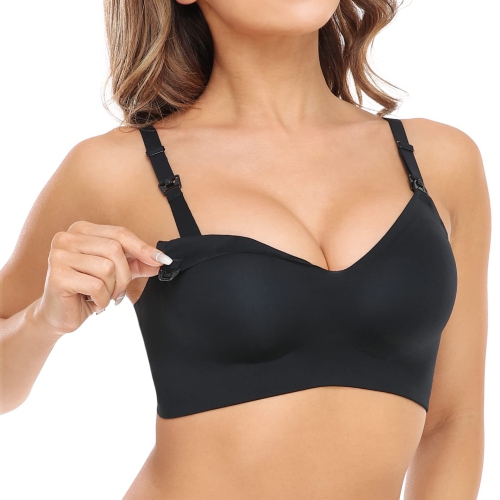
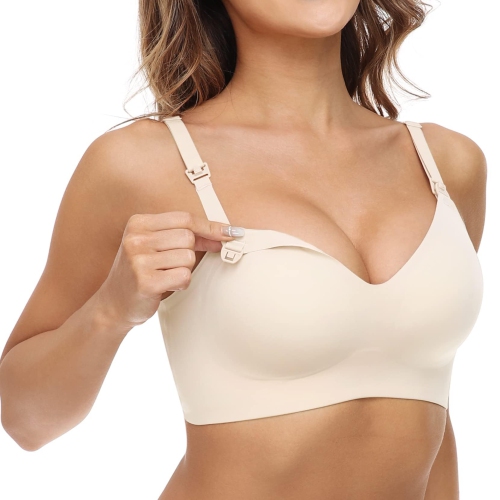
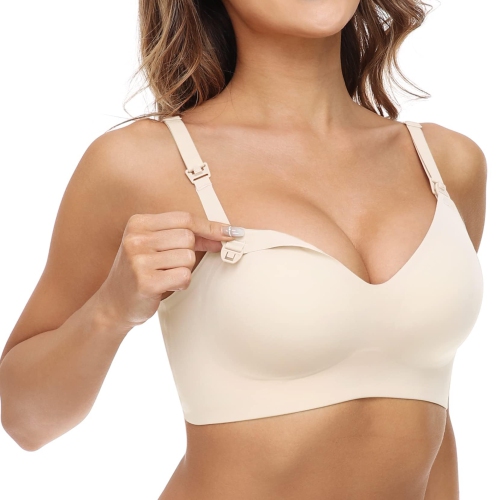
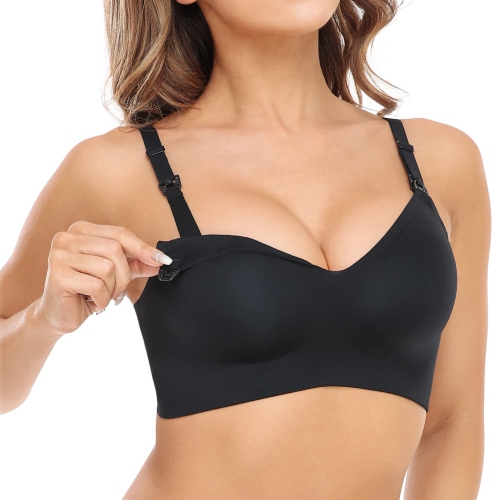
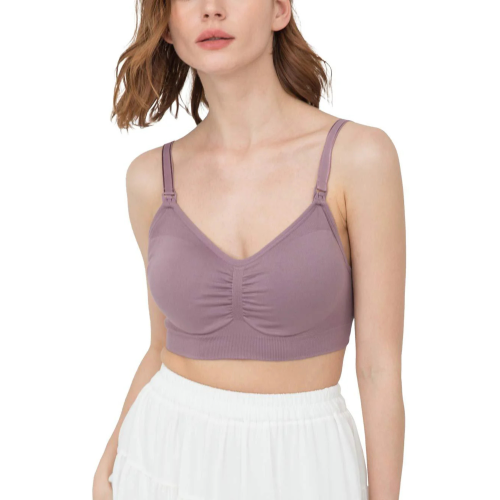
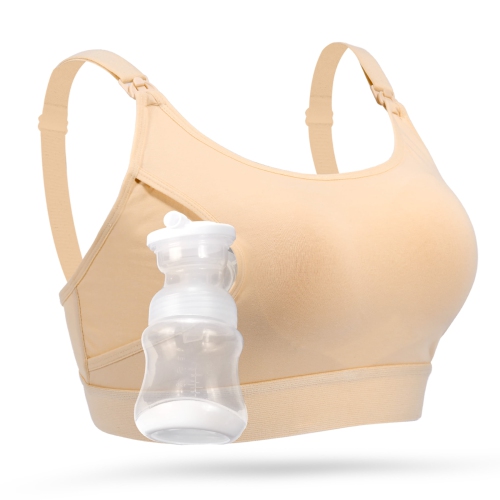
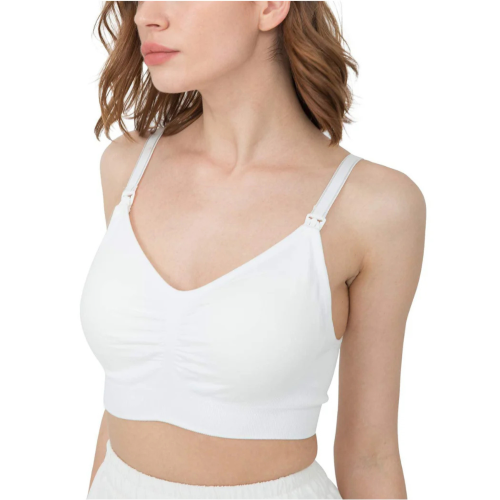
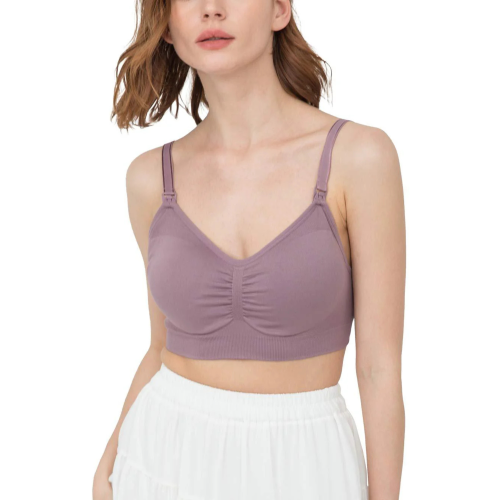
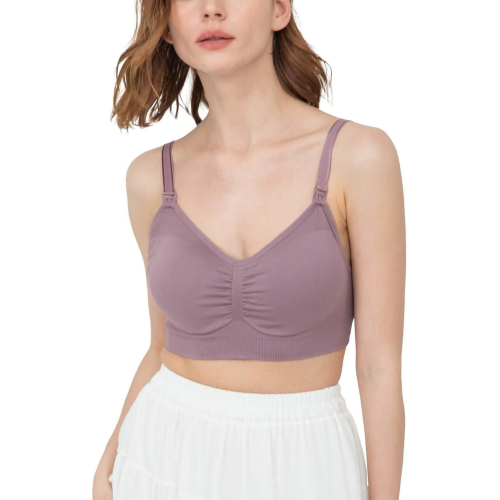
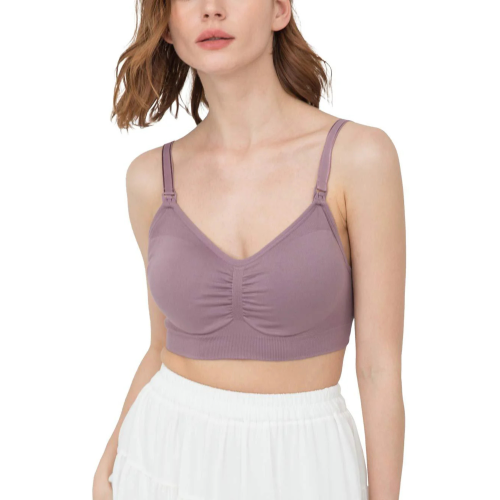
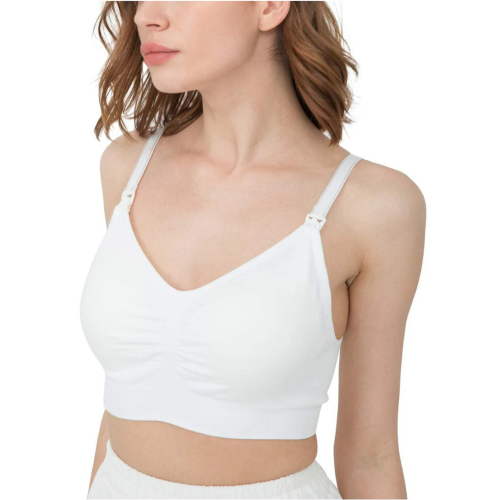
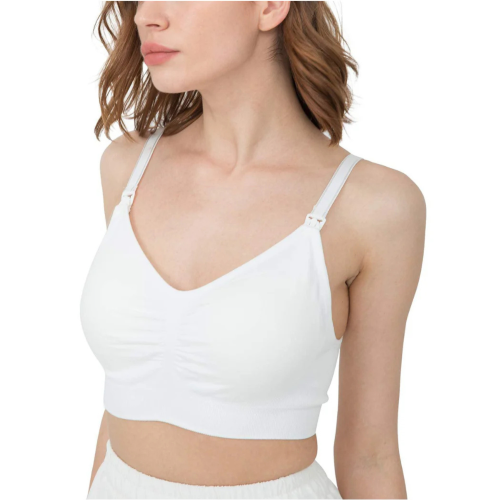
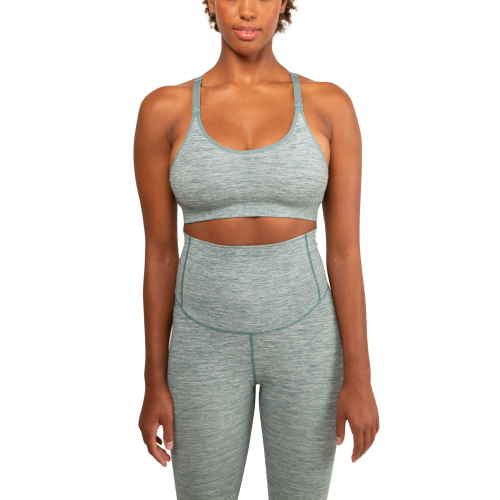
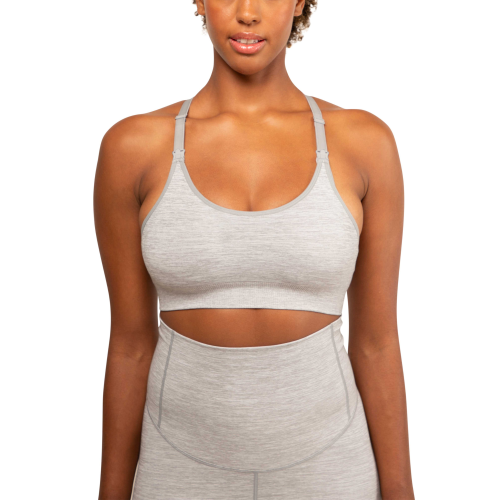
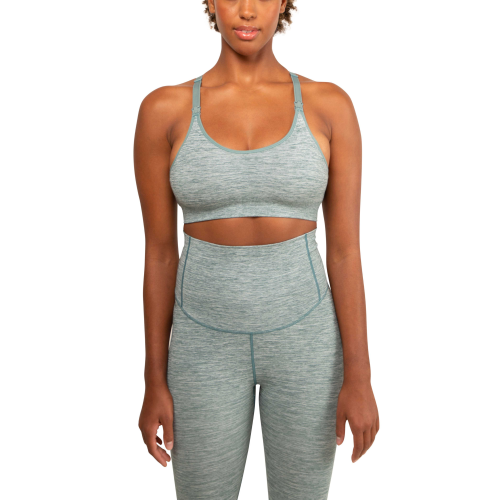
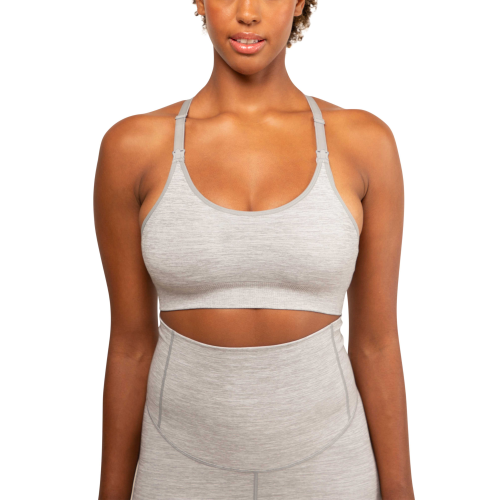
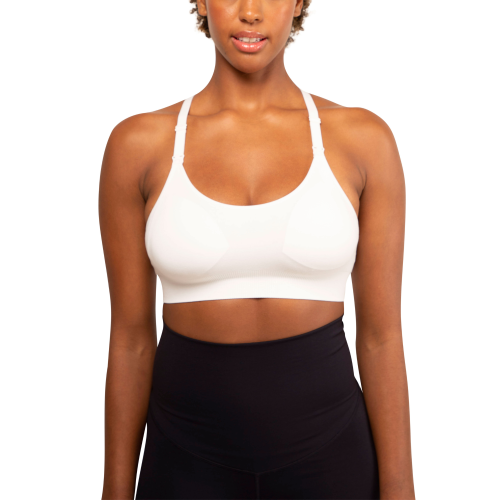
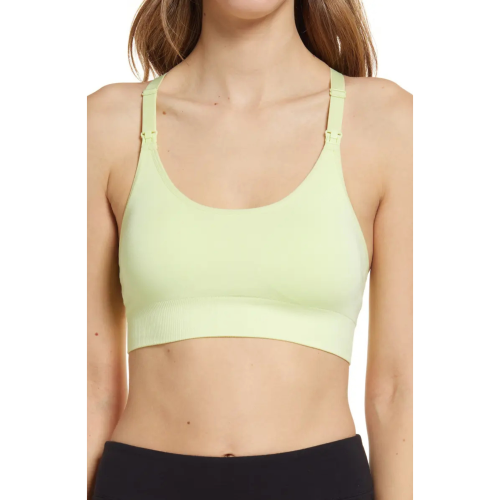
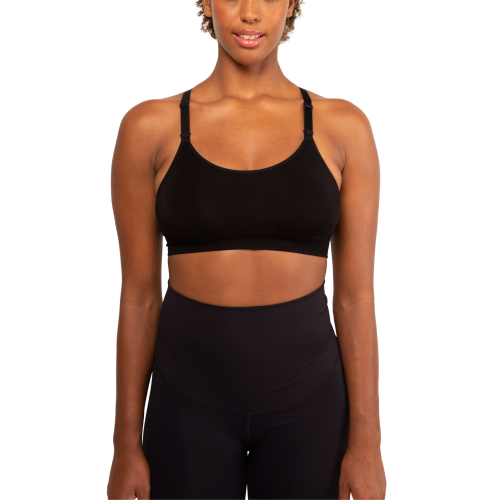
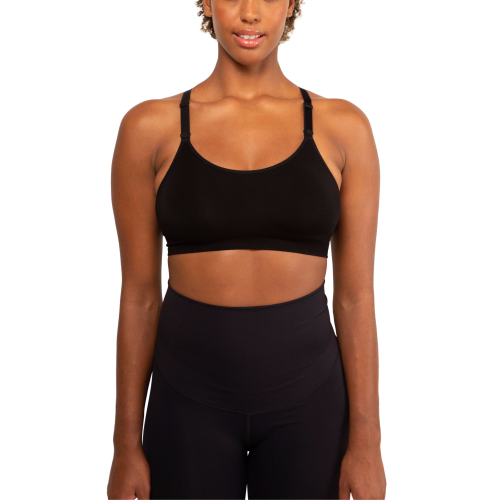
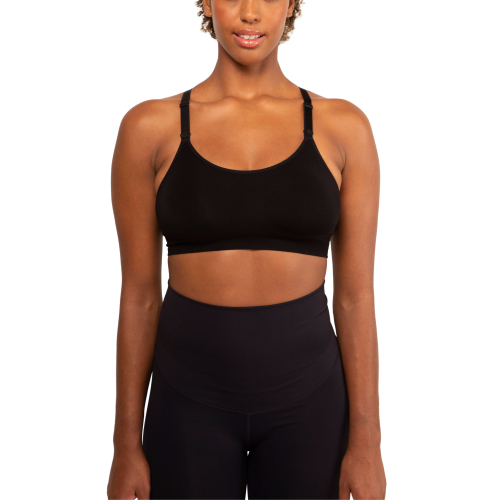
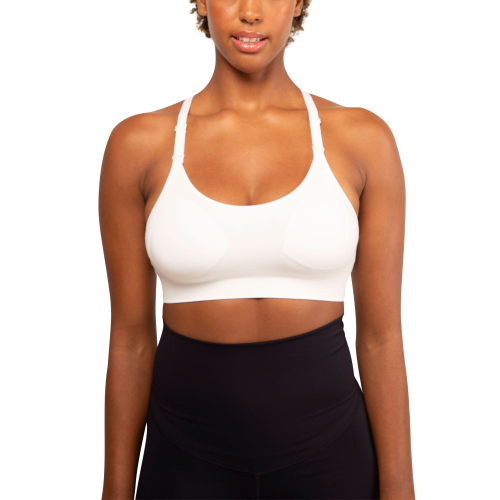
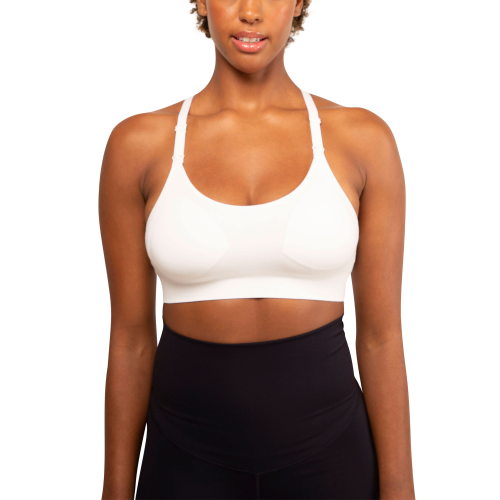
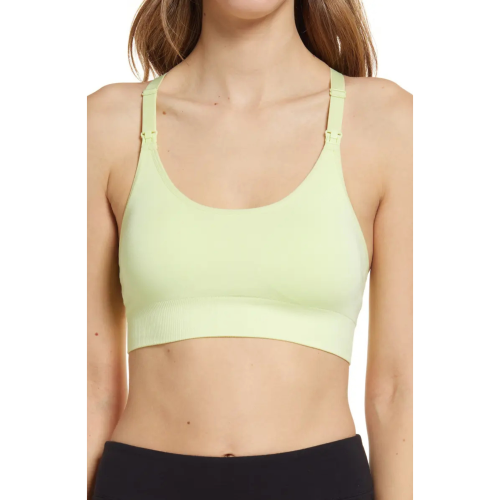
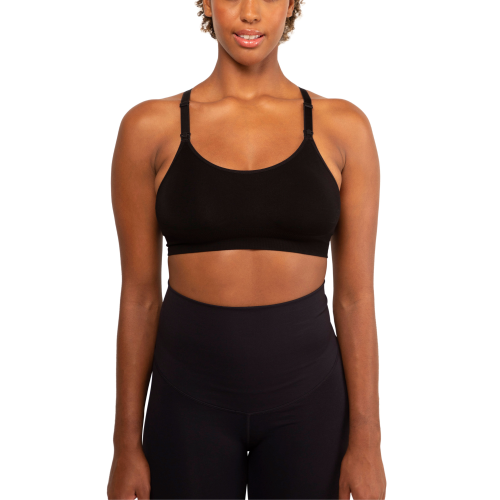
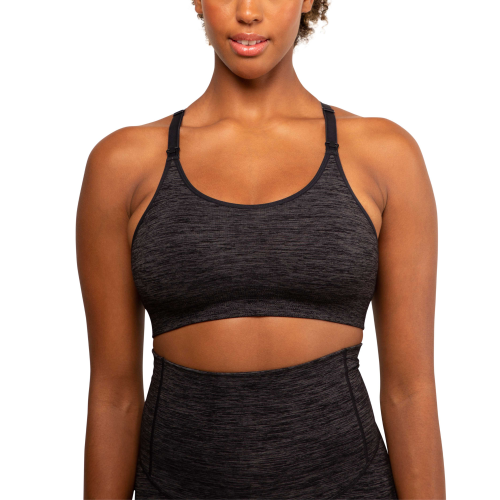
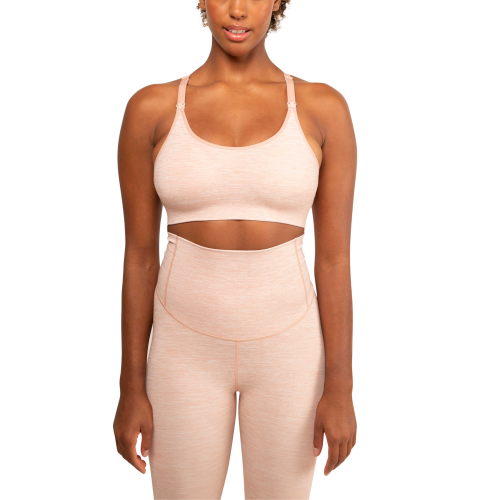
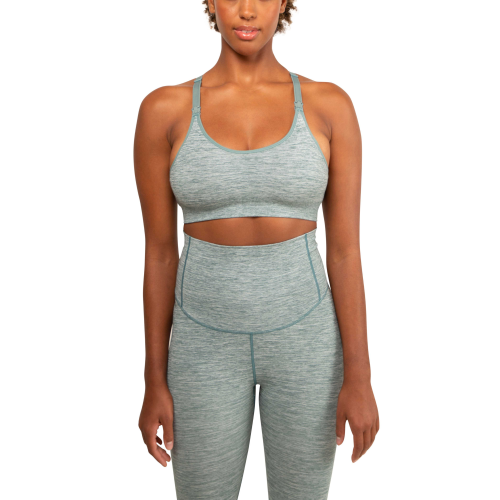
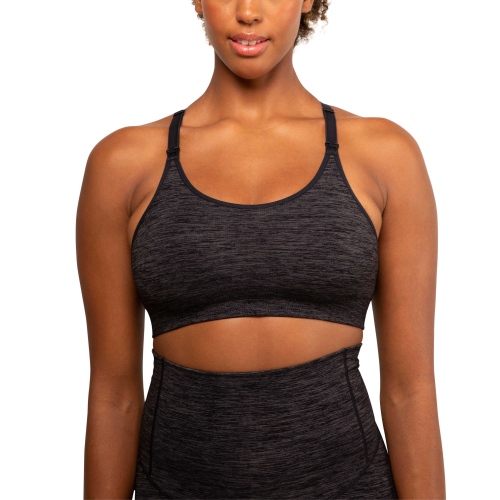
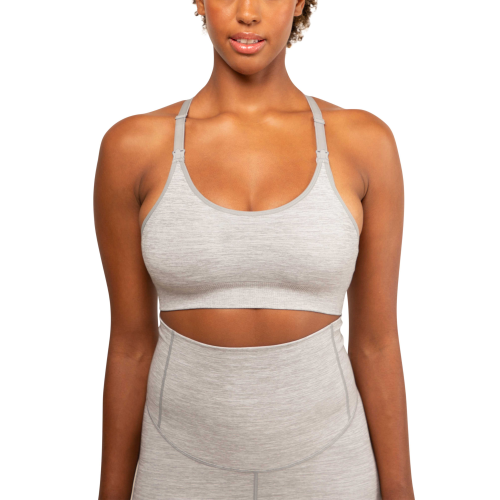
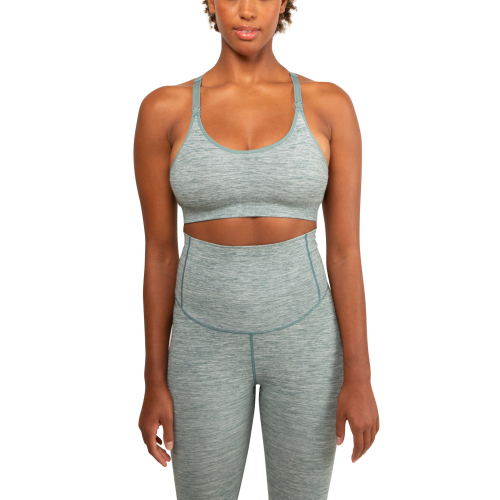
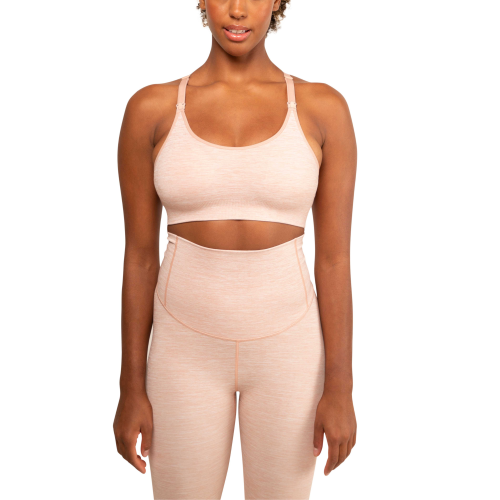
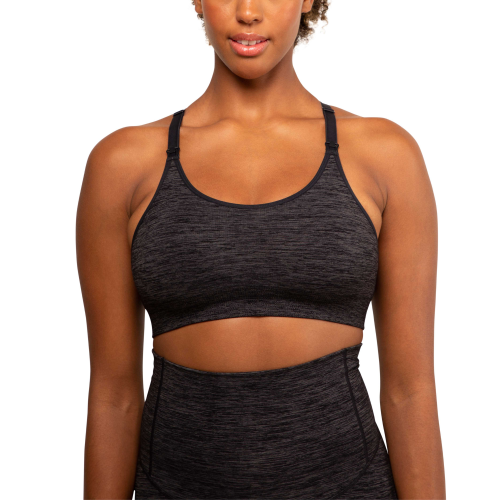
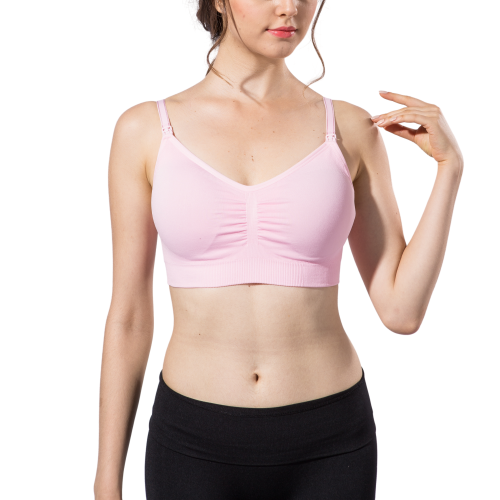
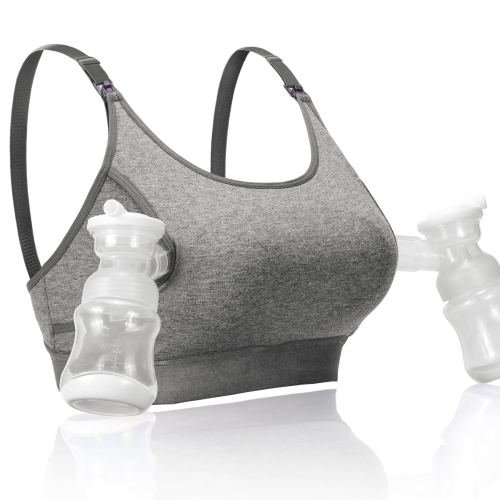
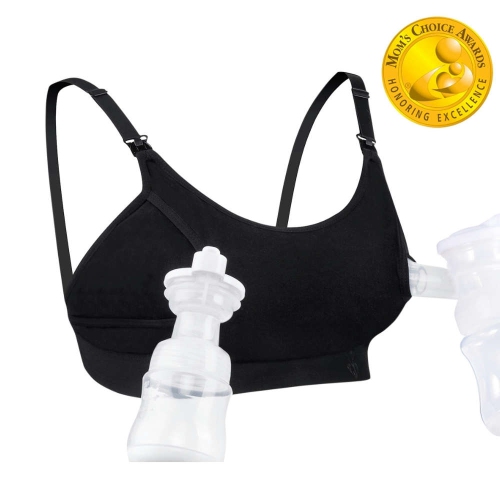
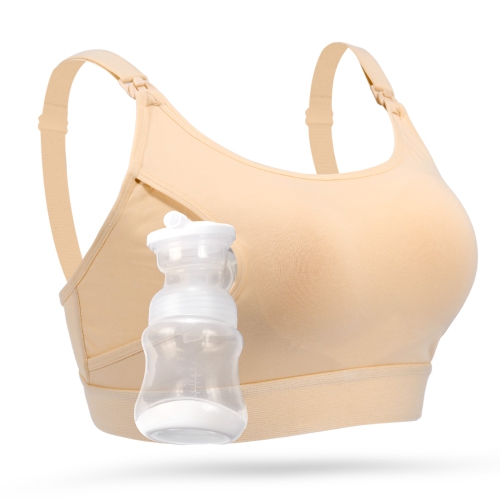
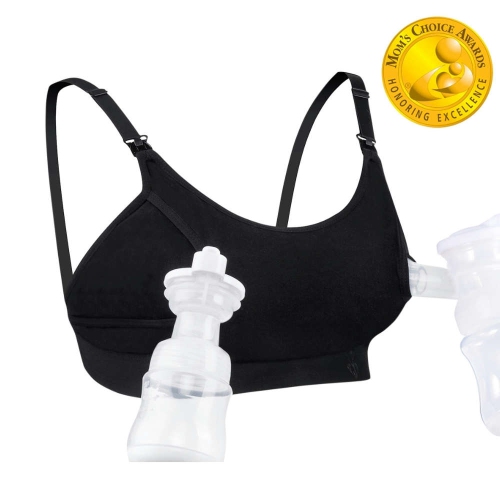
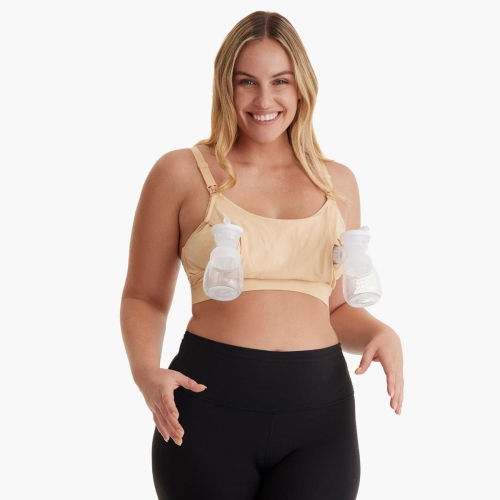
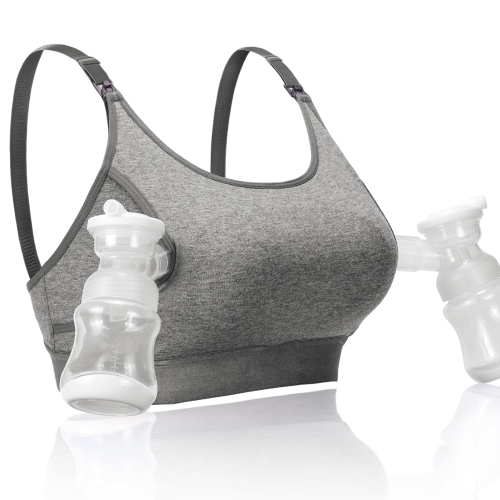
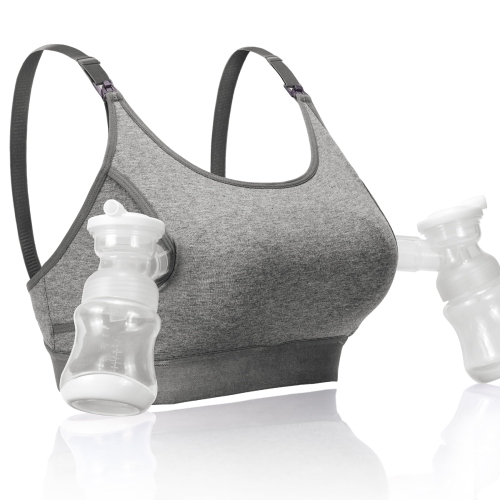
Small details that support comfort through everyday feeds
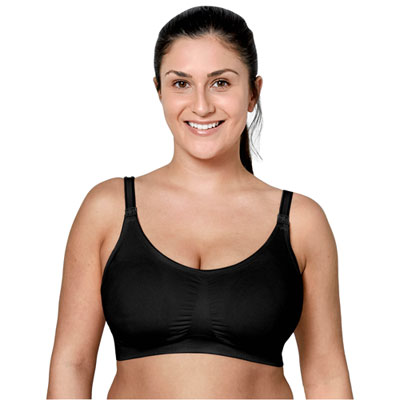
Good quality nursing bras combine comfortable support, straightforward feeding access, and fabrics that hold their shape through frequent wear and washing. Designed for breastfeeding parents, they accommodate changes in breast fullness while making it easier to feed a baby without removing an entire layer of clothing. Their quality often shows in small details: smooth cup edges, securely attached straps, clasps that open easily but stay closed when fastened, and a band that feels supportive without pinching. Soft cotton blends offer a familiar, breathable feel against the skin, while nylon or polyester blended with elastane provides stretch and a smoother finish beneath clothing. Fabric composition alone does not determine comfort; the placement of seams, the thickness of cup linings, and the amount of stretch all influence how a bra feels after several hours. A brushed interior may feel gentle against sensitive skin, while lighter fabric can be comfortable beneath a warm sweater during the cooler months. Seamless construction reduces the number of stitched joins across the cups, though a well-finished seamed bra can also provide comfortable shaping and support. Removable pads offer flexibility in coverage but may shift during washing, whereas fixed linings avoid the need to reposition inserts. Neither option replaces nursing pads intended to absorb milk leakage, so enough room for those pads can be useful without making the cups feel crowded. For everyday wear, a good nursing bra balances softness with structure rather than relying on tight compression. The fabric should move with the body when reaching into a cot, settling into a feeding chair, or carrying a baby across the room. A comfortable style can serve through repeated feeds, naps, and outings, with practical details that make a difference during ordinary routines. Quality is less about a particular fabric label or construction style than how well those details work together for the person wearing it.
Fit is especially important because breast size and sensitivity can change during pregnancy, after birth, and between feeds. A well-fitting nursing bra has a band that sits level around the torso, cups that contain the breasts without cutting across them, and straps that stay in place without carrying all the weight. Deep strap marks, a band that rides up, or cup edges that press into breast tissue can indicate that the size or shape is not suitable. Stretchy cups allow some variation in fullness, but stretch cannot fully compensate for a band that is too loose or cups that are too small. Multiple rows of hook-and-eye fastenings provide room to adjust the band, and adjustable straps help refine the fit as the body changes. Sizing varies between manufacturers, making the measurements and size chart associated with each style more useful than assuming a familiar size will always fit. Fuller busts may benefit from deeper cups, wider bands, broader straps, and side support that distributes weight comfortably. Wire-free construction offers flexibility for lounging and everyday wear, while underwired designs depend on a careful fit, with the wire resting around rather than on breast tissue. For anyone moving from pregnancy into feeding, Good Maternity Bras offer related options focused on support during body changes, although maternity bras do not necessarily include nursing access. Nursing bras are distinguished by features such as drop-down cups, clips, or crossover fronts that allow access to the breast. A clip-down design can be convenient when one hand is occupied, provided the clasp is easy to release and refasten. A crossover front avoids clips altogether and may suit quiet feeds at home or overnight. The opening should provide enough space for feeding without a tight fabric edge pressing against the breast. Interior slings can offer support while a cup is lowered, but their shape and position affect how open the feeding area feels.
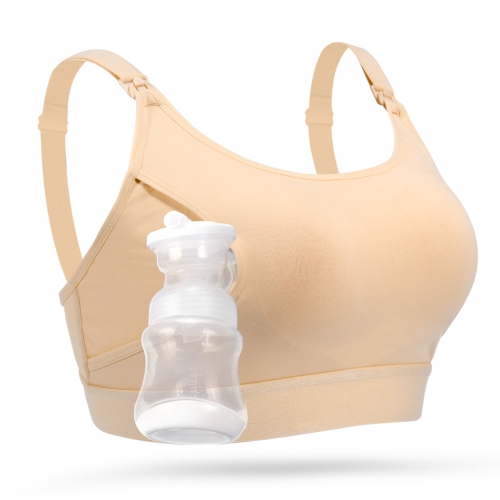
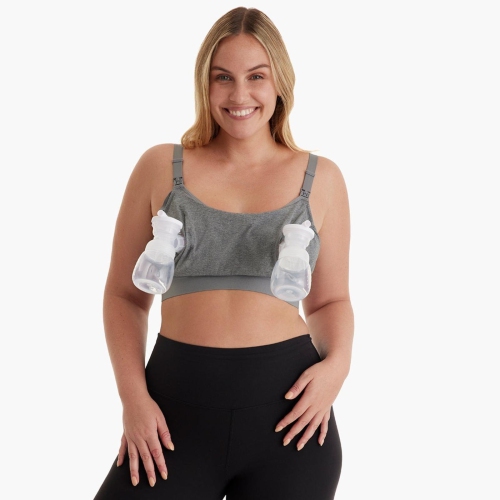
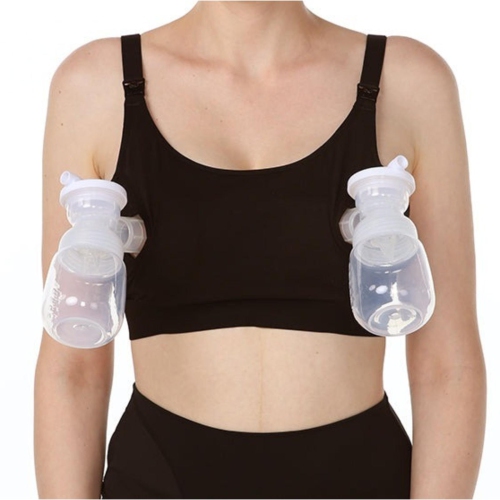
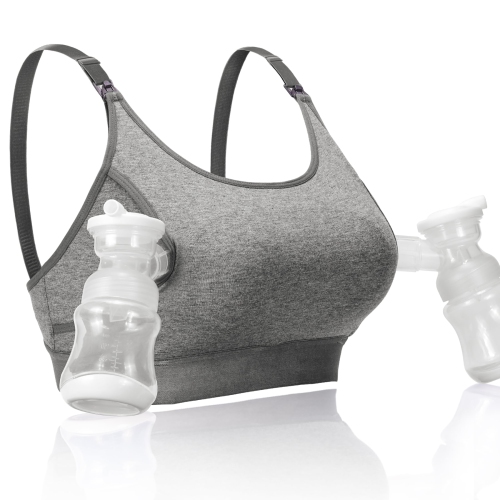
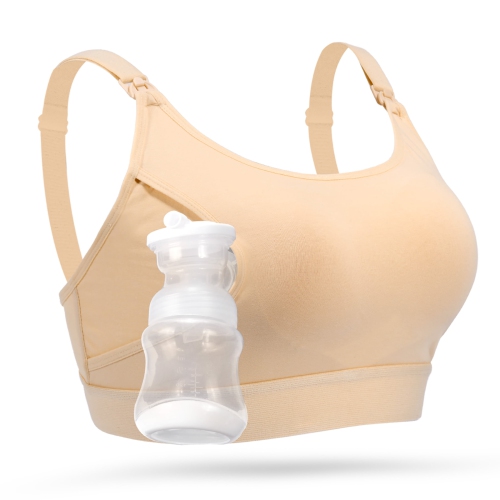
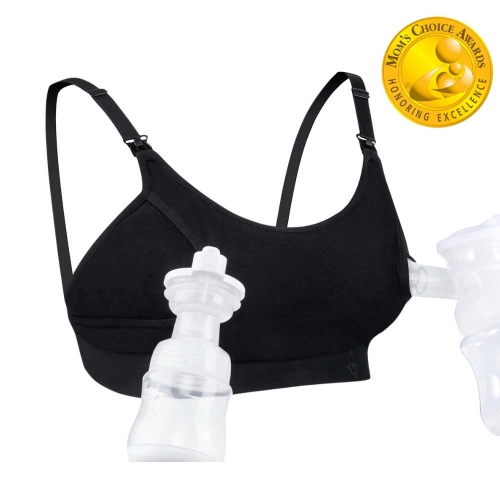
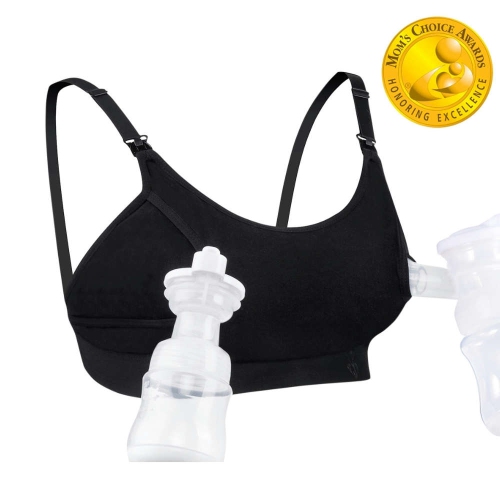
Different nursing routines call for different levels of coverage, support, and access. A lightly structured everyday bra may sit smoothly beneath a T-shirt or knit top, while a soft, low-profile style can feel less bulky when resting between overnight feeds. Sleep styles generally offer gentler support than daytime bras, and comfort while lying on either side matters as much as comfort while standing. For walks with a stroller or more active outings, a secure band and straps can help limit shifting; higher-impact exercise requires support suited to that activity rather than simply a snugger nursing bra. Feeding access and pumping access are also distinct features. A standard drop-down cup exposes the breast but does not necessarily hold a pump flange in place. Hands-free pumping styles need openings or panels designed for that purpose, and fit depends on the pump components being used. Wearable pumps take up space inside the cups, so compatibility and the intended fit deserve attention rather than assuming any stretchy bra will work. Durability matters across all these uses because repeated fastening, stretching, and laundering can affect both comfort and support. Neat stitching, reinforced attachment points, and elastic that returns to shape after gentle stretching are useful signs of thoughtful construction, though long-term performance also depends on care. Following the garment’s care label helps protect its fabric and hardware. Where machine washing is permitted, fastening hooks and placing the bra in a mesh laundry bag can reduce snagging; removable inserts may need separate attention according to their care instructions. Gentle washing and air-drying, when specified, help avoid unnecessary heat exposure that can weaken elastic. Changing out of damp bras and replacing wet nursing pads helps keep fabric against the skin dry and comfortable. Having more than one bra in rotation also leaves time for washing and thorough drying between wears. As a practical gift for an expectant or breastfeeding parent, nursing bras are most useful when the recipient’s size, preferred fastening, and support needs are known. The most successful choice fits an actual daily routine, whether that means easy access during frequent feeds, gentle support at night, or dependable comfort beneath everyday clothes.
Fit is especially important because breast size and sensitivity can change during pregnancy, after birth, and between feeds. A well-fitting nursing bra has a band that sits level around the torso, cups that contain the breasts without cutting across them, and straps that stay in place without carrying all the weight. Deep strap marks, a band that rides up, or cup edges that press into breast tissue can indicate that the size or shape is not suitable. Stretchy cups allow some variation in fullness, but stretch cannot fully compensate for a band that is too loose or cups that are too small. Multiple rows of hook-and-eye fastenings provide room to adjust the band, and adjustable straps help refine the fit as the body changes. Sizing varies between manufacturers, making the measurements and size chart associated with each style more useful than assuming a familiar size will always fit. Fuller busts may benefit from deeper cups, wider bands, broader straps, and side support that distributes weight comfortably. Wire-free construction offers flexibility for lounging and everyday wear, while underwired designs depend on a careful fit, with the wire resting around rather than on breast tissue. For anyone moving from pregnancy into feeding, Good Maternity Bras offer related options focused on support during body changes, although maternity bras do not necessarily include nursing access. Nursing bras are distinguished by features such as drop-down cups, clips, or crossover fronts that allow access to the breast. A clip-down design can be convenient when one hand is occupied, provided the clasp is easy to release and refasten. A crossover front avoids clips altogether and may suit quiet feeds at home or overnight. The opening should provide enough space for feeding without a tight fabric edge pressing against the breast. Interior slings can offer support while a cup is lowered, but their shape and position affect how open the feeding area feels.
Different nursing routines call for different levels of coverage, support, and access. A lightly structured everyday bra may sit smoothly beneath a T-shirt or knit top, while a soft, low-profile style can feel less bulky when resting between overnight feeds. Sleep styles generally offer gentler support than daytime bras, and comfort while lying on either side matters as much as comfort while standing. For walks with a stroller or more active outings, a secure band and straps can help limit shifting; higher-impact exercise requires support suited to that activity rather than simply a snugger nursing bra. Feeding access and pumping access are also distinct features. A standard drop-down cup exposes the breast but does not necessarily hold a pump flange in place. Hands-free pumping styles need openings or panels designed for that purpose, and fit depends on the pump components being used. Wearable pumps take up space inside the cups, so compatibility and the intended fit deserve attention rather than assuming any stretchy bra will work. Durability matters across all these uses because repeated fastening, stretching, and laundering can affect both comfort and support. Neat stitching, reinforced attachment points, and elastic that returns to shape after gentle stretching are useful signs of thoughtful construction, though long-term performance also depends on care. Following the garment’s care label helps protect its fabric and hardware. Where machine washing is permitted, fastening hooks and placing the bra in a mesh laundry bag can reduce snagging; removable inserts may need separate attention according to their care instructions. Gentle washing and air-drying, when specified, help avoid unnecessary heat exposure that can weaken elastic. Changing out of damp bras and replacing wet nursing pads helps keep fabric against the skin dry and comfortable. Having more than one bra in rotation also leaves time for washing and thorough drying between wears. As a practical gift for an expectant or breastfeeding parent, nursing bras are most useful when the recipient’s size, preferred fastening, and support needs are known. The most successful choice fits an actual daily routine, whether that means easy access during frequent feeds, gentle support at night, or dependable comfort beneath everyday clothes.
Top selling and popular products
-
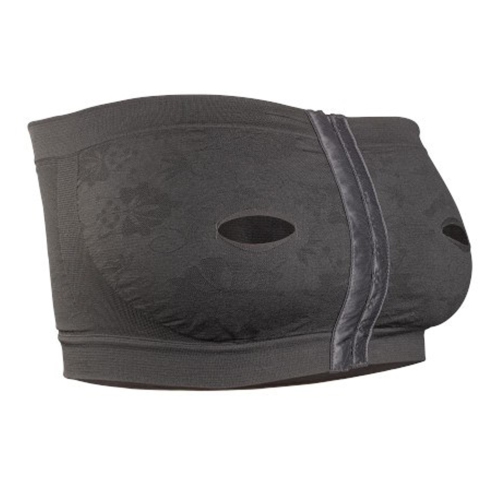 Your price for this item is $34.98
 -
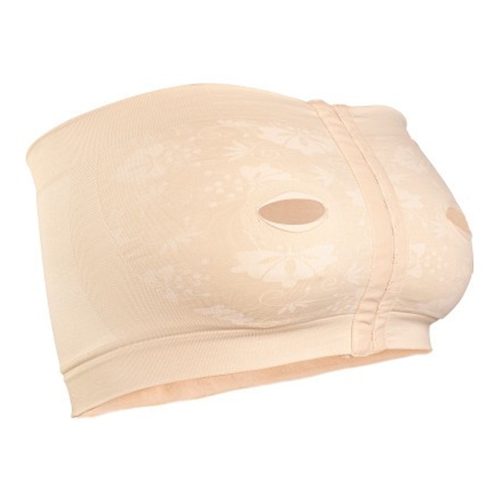 Your price for this item is $34.98
 -
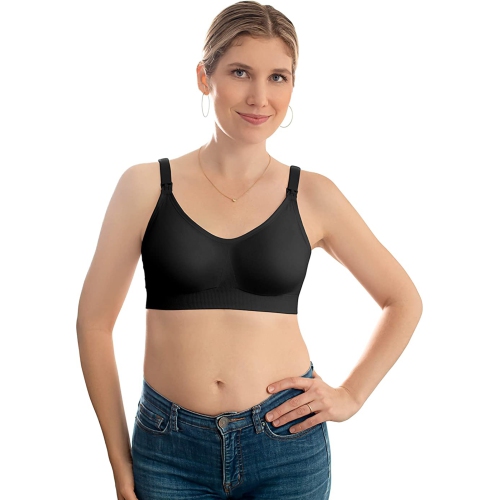 Your price for this item is $39.98
 -
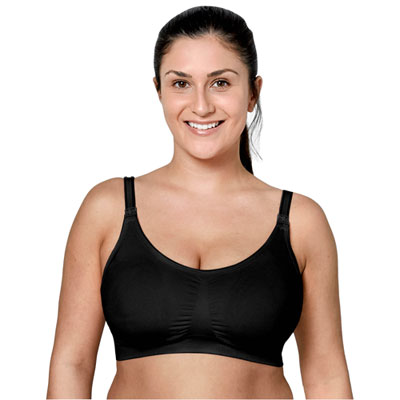 Your price for this item is $49.99
 -
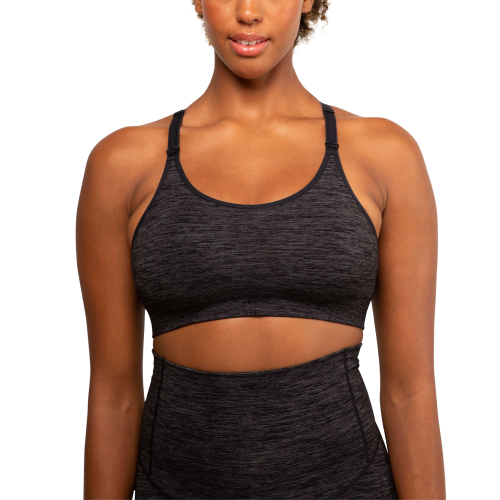 Your price for this item is $45
 -
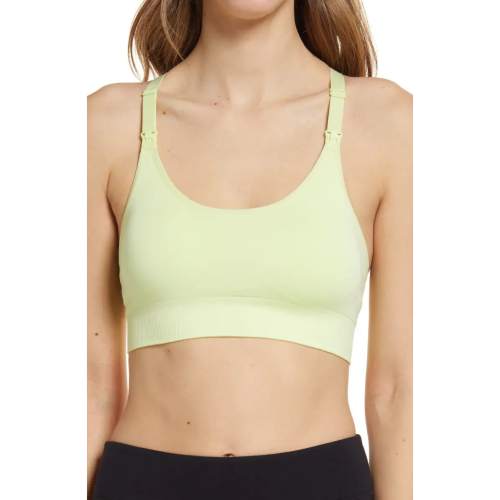 Your price for this item is $38
 -
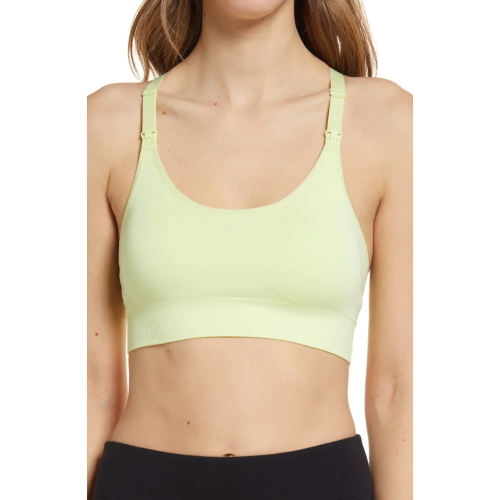 Your price for this item is $38
 -
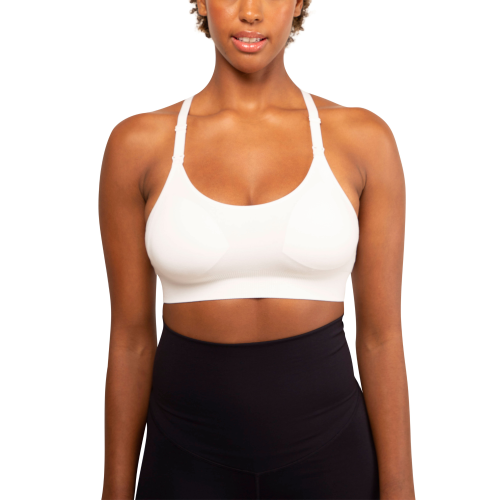 Your price for this item is $38
Discover more categories related to Good Quality Nursing Bras
Top Collections:
Pokemon Centers, Kindle Devices, Best Budget Office Chairs, Apple iPhones 16, Canon G7X Cameras, iPhone 15 Apple, Alarm Clock, Refurbished Apple Laptops, Flip Phones, Best Laptops for Writers
Some products may be subject to Environmental Handling Fees
(EHF) depending on your province.
Learn more about EHFs.