9 Volt Batteries for Smoke Detectors
9 Volt Batteries for Smoke Detectors are essential for keeping your home and loved ones safe. Whether you’re replacing old batteries or stocking up for future use, having reliable 9 volt batteries ensures your smoke detectors stay powered and ready to alert you in case of an emergency. Explore a wide selection designed to fit most smoke detector models, so you can easily find the right option for your needs. Shop with confidence and keep peace of mind knowing your safety devices are always prepared.
Sort







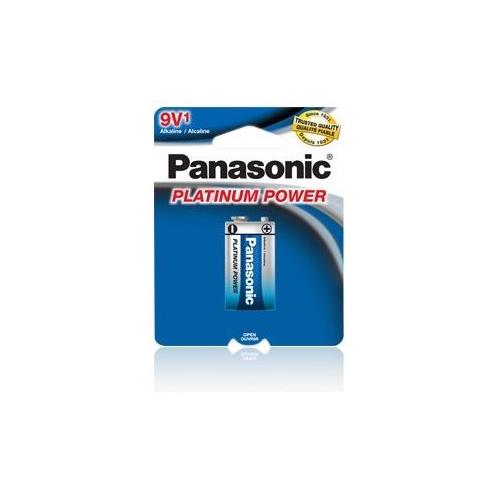


Smoke alarm battery compatibility goes beyond voltage
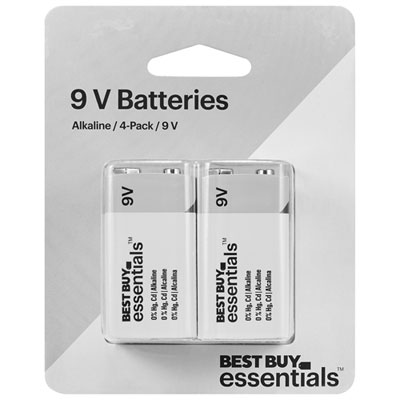
9 volt batteries for smoke detectors provide power for compatible battery-operated alarms and backup power for some hardwired models. A fresh battery of the type specified by the alarm manufacturer helps keep these important household devices ready to operate. Although alkaline and lithium 9V batteries share the same nominal voltage and familiar rectangular shape, they are not automatically interchangeable in every smoke alarm. The correct choice depends on the battery chemistry and specifications listed in the alarm’s manual or inside its battery compartment. Alkaline 9V batteries are commonly used in alarms with replaceable batteries, while certain models also accept specified lithium alternatives. Lithium options can offer longer service life in suitable devices, but any claim about runtime must be considered alongside the alarm’s own replacement requirements. A battery described as long-lasting does not remove the need for regular testing or scheduled replacement. The rectangular casing and two snap-style terminals make a 9V battery easy to recognize, but appearance alone is not enough to confirm compatibility. Smoke alarms may instead use AA batteries, a sealed power source, or another arrangement, so checking the device before choosing a replacement prevents an unsuitable match. For households with several alarms, the battery requirements can differ from room to room, particularly when devices were installed at different times. A hallway alarm and a bedroom alarm that look similar may not take the same battery. Keeping a simple record of each alarm’s model, battery type, and replacement date makes routine upkeep easier without relying on memory. These batteries are practical household maintenance supplies for homeowners, renters responsible for routine battery care, and property managers looking after multiple compatible devices. Their intended role is specific: to power the alarm as designed, not to extend the usable life of an ageing detector or compensate for a fault. Choosing an approved replacement is therefore more important than choosing solely by a broad longevity claim or by the battery’s physical size.
Battery construction, terminal condition, and fit all matter when selecting replacements for smoke alarms. The casing should be intact, with no swelling, leakage, or visible damage, and the contacts should be clean. Alkaline and lithium batteries use different internal materials, which affect their storage characteristics and performance, even when both are labelled 9V. Some lithium batteries retain usable charge for longer in storage than alkaline alternatives, but shelf life is not the same as operating life inside a detector. Packaging dates and manufacturer guidance provide a better basis for planning than assuming every unused battery remains suitable indefinitely. A battery that has spent time powering another device should not be treated as a fresh replacement for a smoke alarm. Rechargeable 9V batteries also require particular care in selection: depending on their design, their voltage characteristics and discharge behaviour can differ from disposable types. They should only be used if the alarm manufacturer explicitly permits them. Physical fit deserves the same attention as chemistry. Small differences in casing dimensions or terminal design can affect how a battery sits in a close-fitting compartment, and the drawer or cover should close properly without forcing it. Matching the positive and negative terminals to the markings in the compartment helps ensure the correct connection; a battery should never need a modified connector or improvised attachment to fit. For homes with more than one compatible alarm, keeping enough fresh replacements on hand can make a low-battery alert less disruptive. Original packaging keeps unused batteries organized and helps prevent their terminals from touching metal objects. This is especially important with 9V batteries because both terminals sit close together on one end. Loose batteries should not share a drawer with keys, coins, screws, or other conductive objects that could bridge the contacts and cause a short circuit. A dry storage location, away from children and pets, helps keep household battery supplies protected and easy for responsible adults to find.
Reliable smoke alarm power depends on both a suitable battery and a detector that remains within its service life. In a battery-operated alarm, the replaceable battery may be the sole power source; in a hardwired alarm, it may support operation when household electricity is interrupted. The exact backup arrangement varies by model, so a hardwired connection should not be taken as a reason to ignore battery maintenance. A low-battery chirp calls for prompt attention, but not every chirp means the same thing. Some alarms use different sound patterns to indicate a fault or the end of the device’s life, and the manual explains what those signals mean. Removing the battery to silence a warning leaves the alarm without the protection that power source provides. Similarly, fitting a new battery will not resolve an expired sensor or a damaged alarm. Many smoke alarms are designed for replacement after about 10 years, though the manufacturer’s stated service life and replacement markings are the deciding references. Models with sealed batteries are generally designed to have the entire alarm replaced when required, rather than having the sealed battery opened or exchanged. For alarms that accept a replaceable 9V battery, a secure connection, a fully closed compartment, and testing with the alarm’s test button after replacement are important checks. Regular testing, typically monthly or as directed by the manufacturer, remains part of ongoing care even when a battery has been changed recently. Gentle cleaning according to the alarm instructions can also help keep dust from accumulating around its openings; battery replacement alone does not address that buildup. Households maintaining both smoke and carbon monoxide alarms may also find 9 Volt Batteries for Carbon Monoxide Detectors relevant, while checking each device’s requirements separately rather than assuming a shared battery type. Whether replacing one depleted battery or organizing supplies for several rooms, the most useful choice is a fresh, undamaged battery that meets the detector’s exact specifications and fits correctly. That combination supports straightforward maintenance and dependable power without treating any battery as a substitute for a working, regularly tested alarm.
Top selling and popular products
-
 Your price for this item is $11.99
-
 Your price for this item is $10.97
-
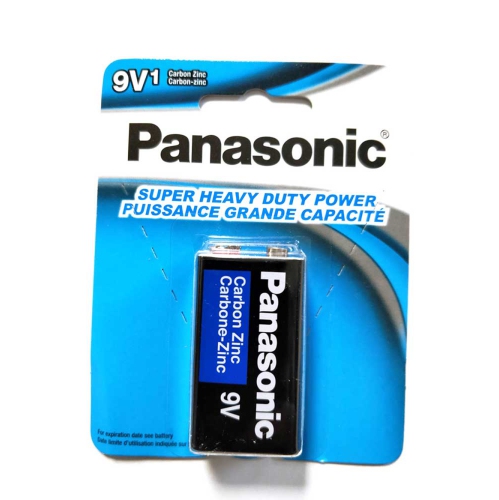 Your price for this item is $2.75
-
 Your price for this item is $29.99
-
 Your price for this item is $64.69
-
 Your price for this item is $119.97
-
 Your price for this item is $54.97
-
 Your price for this item is $48.97
Discover more categories related to 9 Volt Batteries for Smoke Detectors

Top Collections:
Pokemon Centers, Best Budget Office Chairs, Kindle Devices, Best Laptops for Writers, Apple iPhones 16, Canon G7X Cameras, Best Cell Phones Under $300, Samsung Galaxy Phones, iPhone 15 Apple, Flip Phones
Some products may be subject to Environmental Handling Fees
(EHF) depending on your province.
Learn more about EHFs.