Batteries for Smoke Detectors
Batteries for smoke detectors are essential for maintaining the reliability and performance of your home safety systems. Choosing the right batteries ensures that your smoke detectors are always ready to alert you in case of an emergency. Explore a wide selection of batteries for smoke detectors designed to help keep your devices powered and functioning properly, so you can have peace of mind knowing your home is protected.
Sort
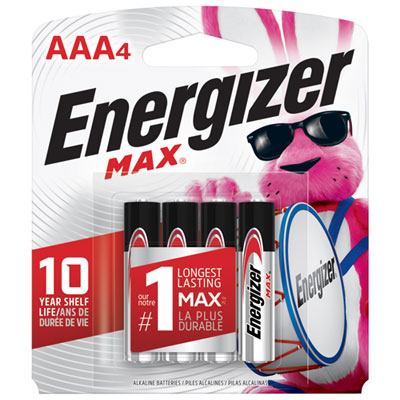

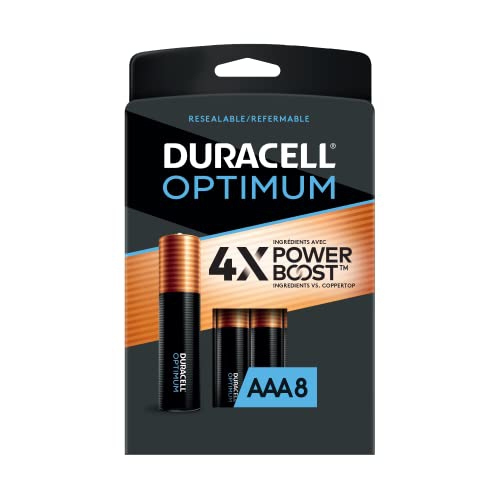


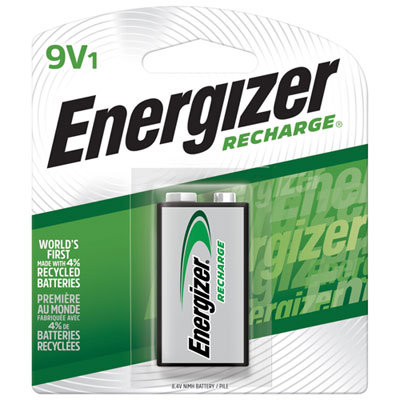

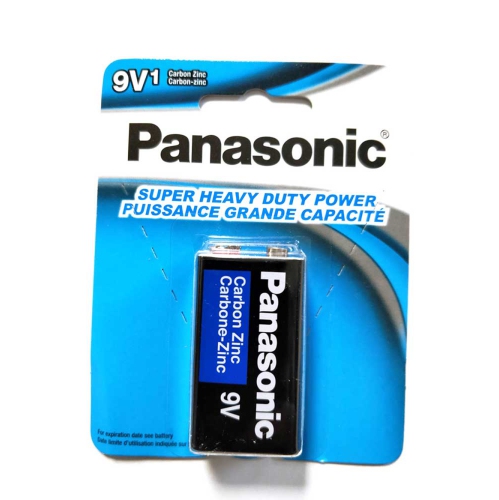
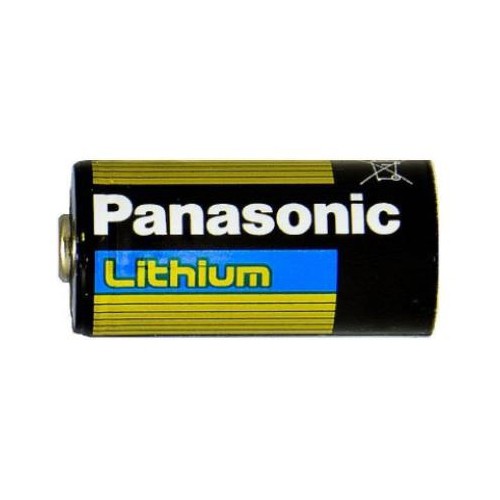

Understand battery types, replacement timing, and alarm safety checks
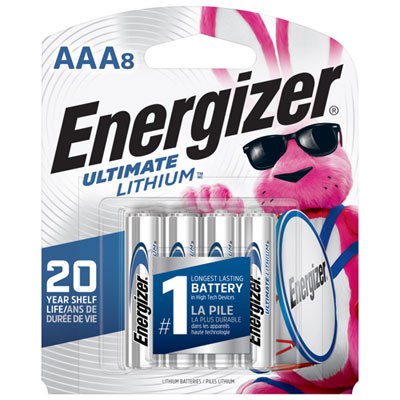
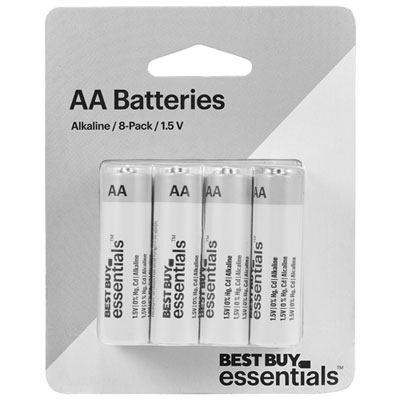
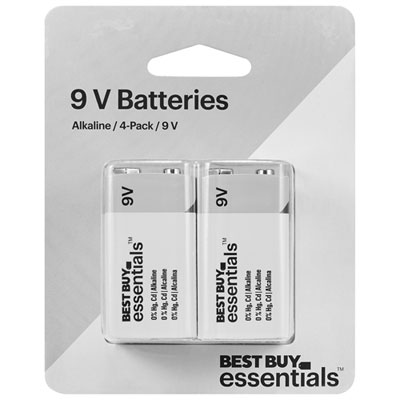
Finding the right batteries for smoke detectors starts with identifying the battery format required by the alarm. Many standard battery-operated smoke detectors use a 9-volt battery, while some newer or compact models use one or more AA batteries. Hardwired smoke detectors may also use a replaceable battery as a backup during a power outage. Check the label inside the battery compartment, the markings on the existing battery, or the smoke detector’s owner’s manual before purchasing. Battery compartments can look similar even when the required sizes are different, and using the wrong type can prevent the detector from operating properly. If the alarm is part of an interconnected system, check each unit individually because different detectors in the same home may not always use the same battery. Standard alkaline batteries are a common choice for many compatible smoke alarms, while lithium batteries can offer a longer service life in devices that are designed to accept them. Some smoke detectors have a sealed 10-year lithium battery built into the unit; these batteries are not intended to be removed or replaced, so the complete detector must be replaced when it reaches the end of its service life or when the manufacturer recommends replacement. Never force a battery into place, alter the battery compartment, or use a battery type that is not approved for the detector. Rechargeable batteries may not be suitable for smoke alarms because their voltage can decline differently from disposable batteries, potentially affecting low-battery warnings or operating time. Follow the instructions supplied with your particular smoke detector, and use only the battery chemistry and size specified by the manufacturer.
Batteries for smoke detectors are useful for homeowners, renters, landlords, caregivers, students living away from home, and anyone responsible for a property’s safety equipment. They are also a thoughtful practical addition to a housewarming package or a moving-day essentials kit, especially for someone settling into an older home where the existing alarms may need fresh batteries. Keeping a spare pack in a clearly labelled household drawer can make it easier to respond when an alarm begins its familiar intermittent chirp, often heard in the quiet of the night or during a busy morning routine. Before replacing a battery, ask everyone in the home to expect the alarm sound and avoid removing the battery unless a replacement is ready. If the detector is mounted high on a ceiling or wall, use a stable step ladder and have another person nearby when appropriate. Take note of the installation date and the replacement date, then close the compartment securely so the battery makes full contact with the terminals. Many households replace standard smoke detector batteries about once a year, but the correct schedule depends on the detector, the battery, the manufacturer’s instructions, and how often the alarm is activated. Test the detector after installing a new battery by pressing its test button and listening for the full alarm signal. A brief chirp may indicate a low battery, an improperly closed compartment, dust inside the unit, or another issue, while a continuous alarm can indicate smoke or another condition that requires immediate attention. Do not silence, disconnect, or remove a smoke detector simply because it is sounding unexpectedly. Move to a safe location and follow your home’s fire safety plan whenever an alarm indicates a possible emergency. For homes with carbon monoxide alarms that use a replaceable 9-volt battery, browse 9V Batteries for Carbon Monoxide Detectors to find options suited to that related safety device.
When choosing replacement batteries, consider the number of detectors in the home, the battery sizes required, the recommended replacement interval, and whether a longer shelf life would be useful for keeping spares on hand. Look for batteries with a clearly printed expiry or best-before date, particularly when purchasing a multi-pack for several rooms. Store unused batteries in their original packaging or in a clean, dry indoor location away from direct heat, moisture, loose metal objects, and children. Avoid keeping them in a vehicle, garage, attic, or other place where extreme temperatures may affect storage performance. Do not mix old and new batteries, combine different battery chemistries, or install batteries from different packs in the same detector unless the manufacturer specifically permits it. If a battery leaks, appears swollen, is damaged, or has corroded terminals, do not use it; follow local guidance for handling and disposal. Battery replacement is only one part of maintaining a smoke alarm system. Test every detector regularly according to the manufacturer’s instructions, keep the openings clear of dust and paint, and make sure alarms are installed in the locations recommended for the home. Smoke detectors themselves generally need replacement after about 10 years, even when they still appear to work, because sensors can become less reliable with age. Check the date printed on the back or side of each unit, and replace older alarms with compatible models rather than relying on a fresh battery to extend their service life. During the cooler months, when windows are often closed and heating equipment is in use, it is especially helpful to confirm that alarms are accessible, powered, and audible from bedrooms and living areas. A small supply of correctly matched batteries, paired with regular testing and timely detector replacement, helps keep this essential home safety equipment ready to respond when it is needed.
Top selling and popular products
-
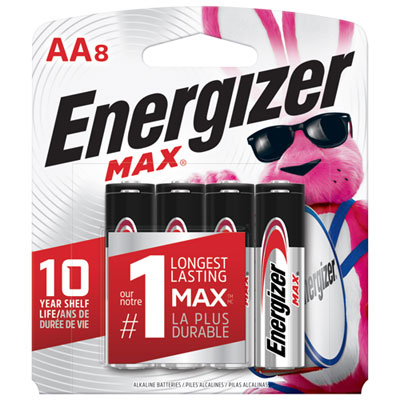 Your price for this item is $11.99
-
 Your price for this item is $57.97
-
 Your price for this item is $19.97
-
 Your price for this item is $38.97
-
 Your price for this item is $38.97
-
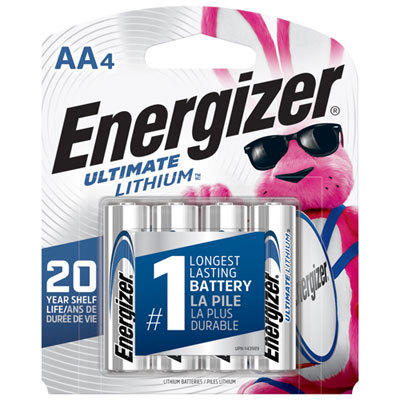 Your price for this item is $17.99
-
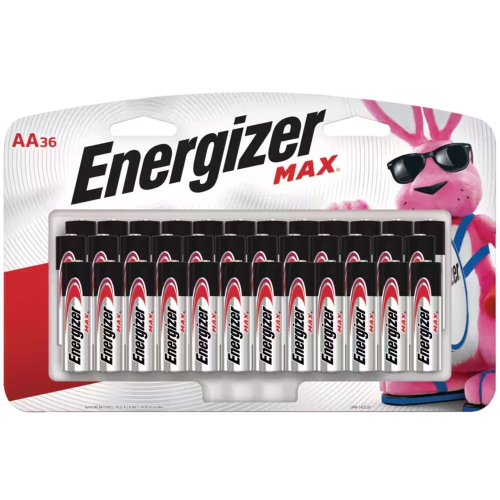 Your price for this item is $19.99
-
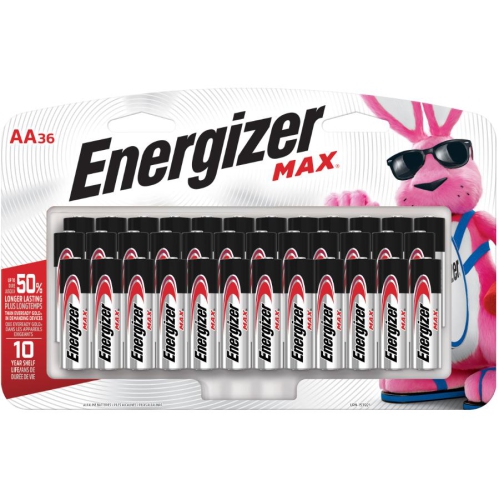 Your price for this item is $27.99
Discover more categories related to Batteries for Smoke Detectors

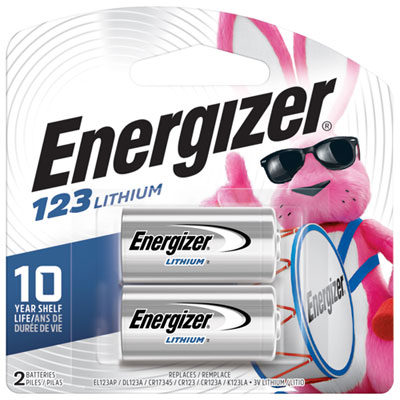
Top Collections:
Pokemon Centers, Best Budget Office Chairs, Kindle Devices, Best Laptops for Writers, Apple iPhones 16, Canon G7X Cameras, Best Cell Phones Under $300, Samsung Galaxy Phones, iPhone 15 Apple, Flip Phones
Some products may be subject to Environmental Handling Fees
(EHF) depending on your province.
Learn more about EHFs.