Adhesive Notes
Adhesive notes are versatile tools that help you stay organized, jot down quick reminders, and keep track of important information in your daily life. Whether you're a student needing to mark key points in textbooks, a professional managing tasks at the office, or a busy parent leaving messages for your family members, adhesive notes offer a convenient way to capture thoughts on the spot. With their sticky backing and various sizes and colors available, these handy little notes can be easily placed on surfaces to ensure that you never forget an important detail again.
Sort
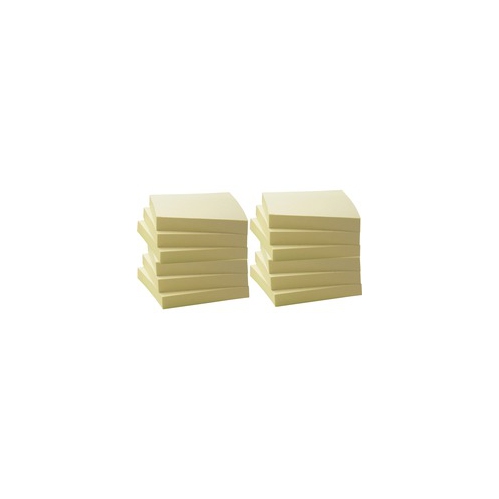
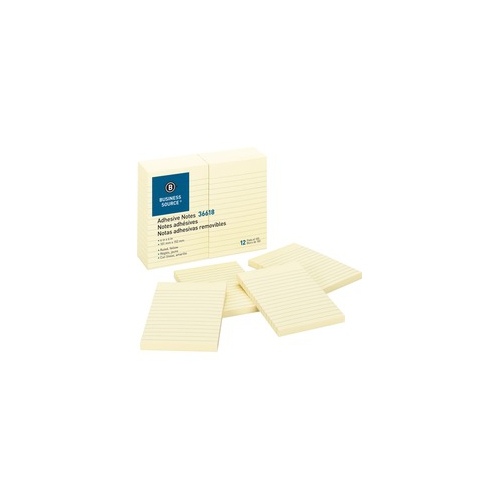
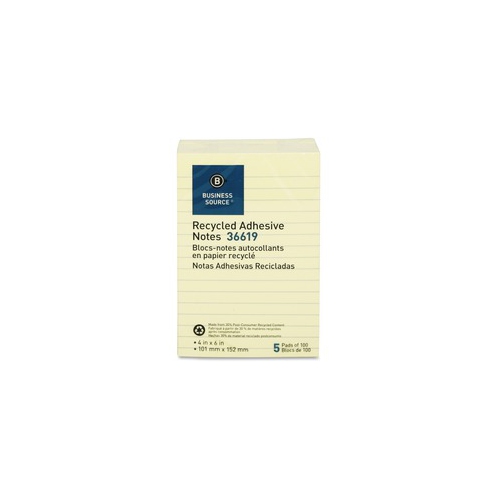
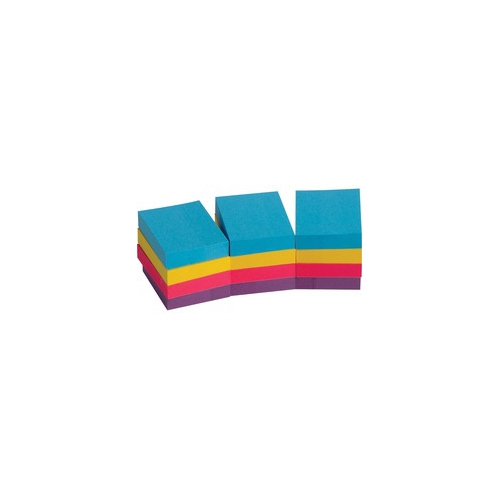


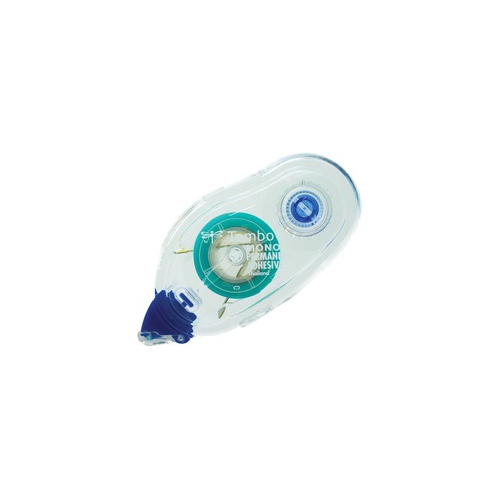
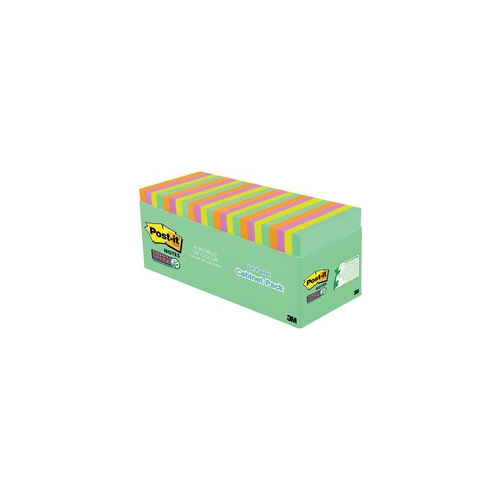
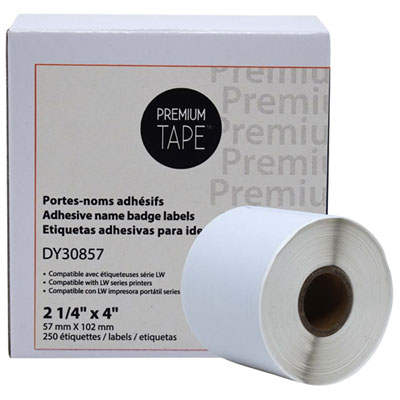
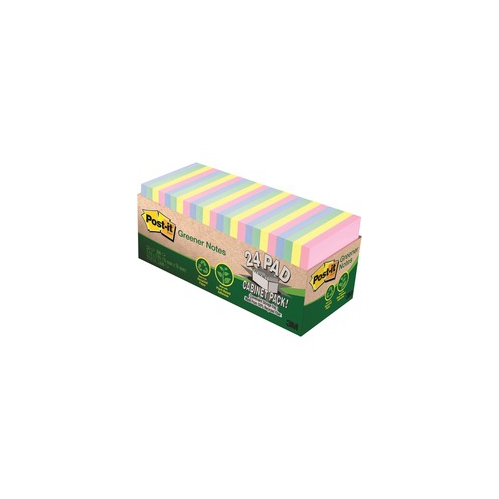
Practical reminders for home, work, school, and study
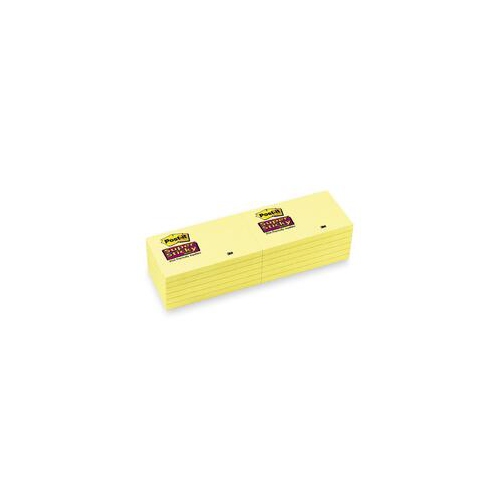
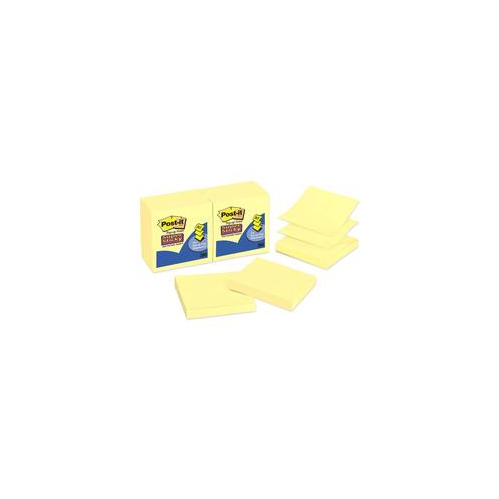
Adhesive notes are compact paper reminders with a repositionable strip that makes it easy to leave a message, mark a page, or capture an idea without reaching for a notebook. Their simple format suits busy homes, classrooms, offices, studios, and shared workspaces because they can be written on quickly and placed where the information is most useful. A note beside a computer can flag an urgent task, while one on a fridge can remind someone to pick up an ingredient or bring an item along when heading out. They are equally handy for sorting paperwork, labelling storage boxes, highlighting a signature line, or leaving a friendly message for a family member. Many people keep a pad near the phone, at a desk, in a kitchen drawer, or beside a bedside table so a thought can be recorded before it disappears. Adhesive notes can also make thoughtful additions to a student’s supplies, a new-home bundle, a teacher’s desk, or a care package for someone settling into a new routine. For a broad selection of familiar formats and colours, explore Post-it Notes alongside other office essentials.
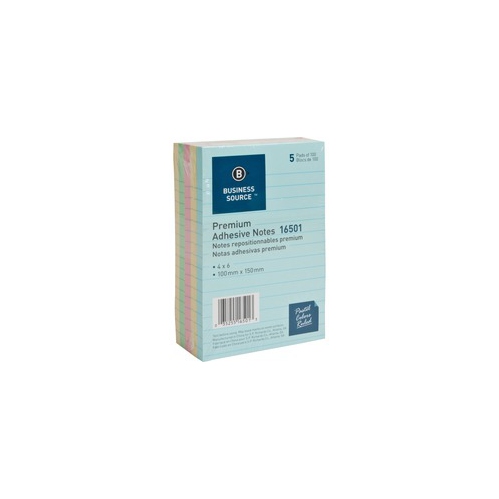
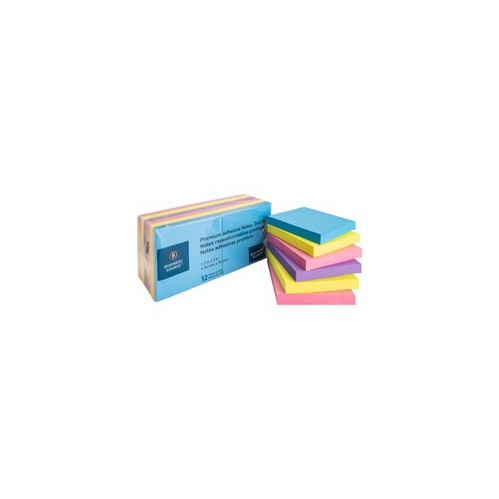
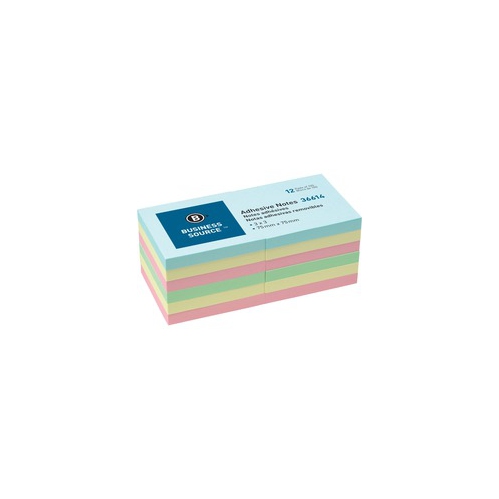
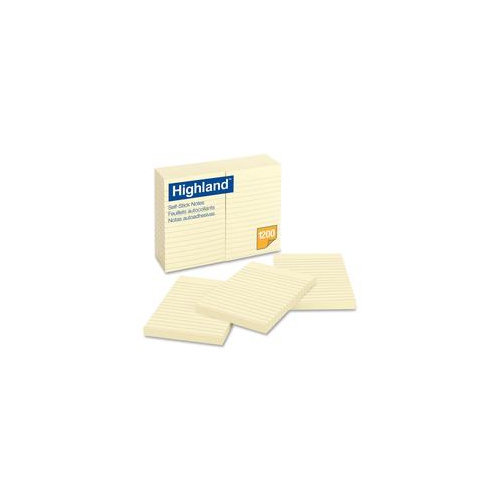
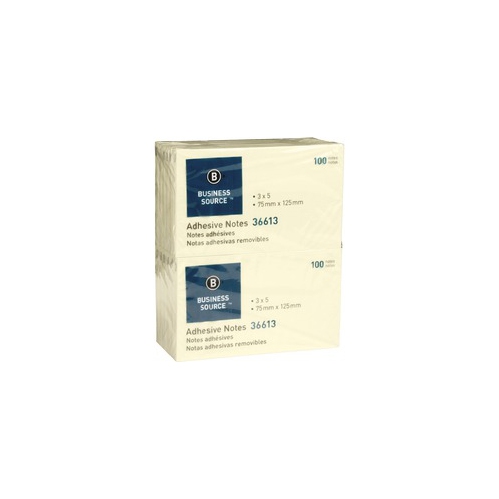
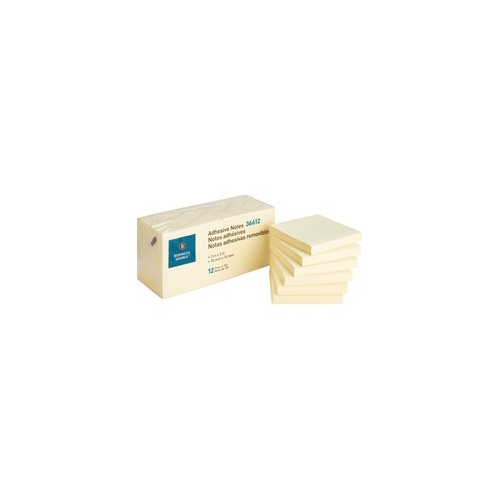
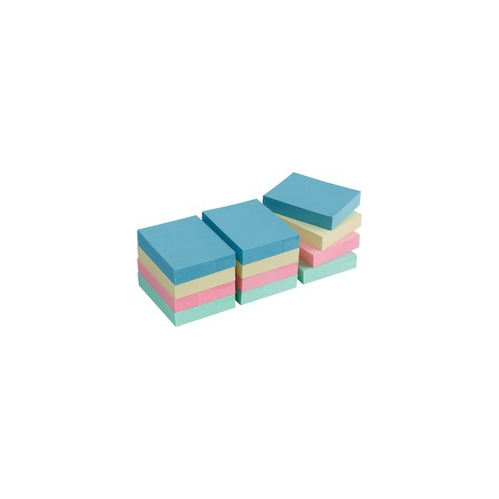
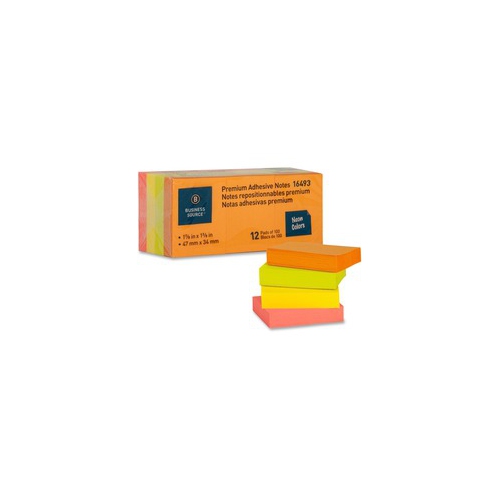
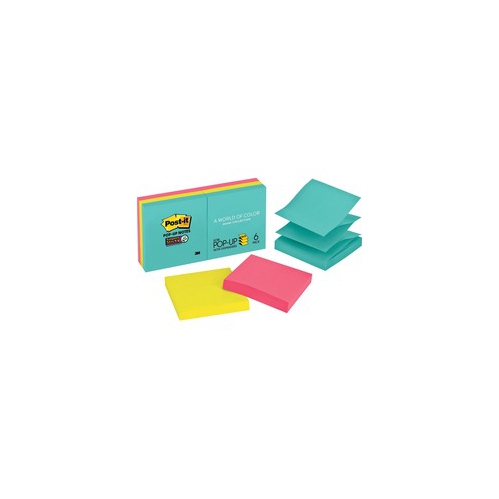
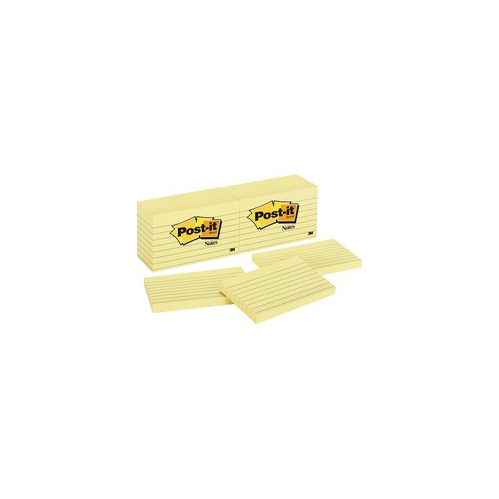
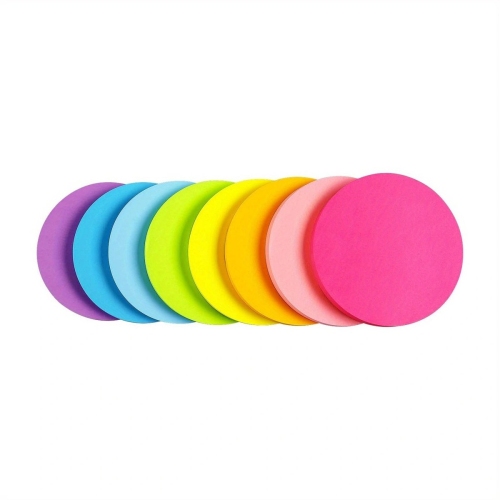
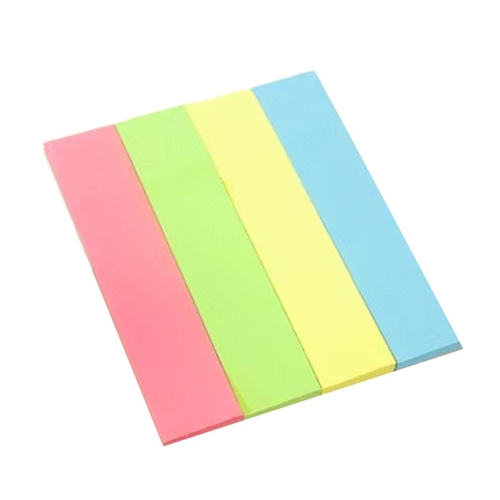
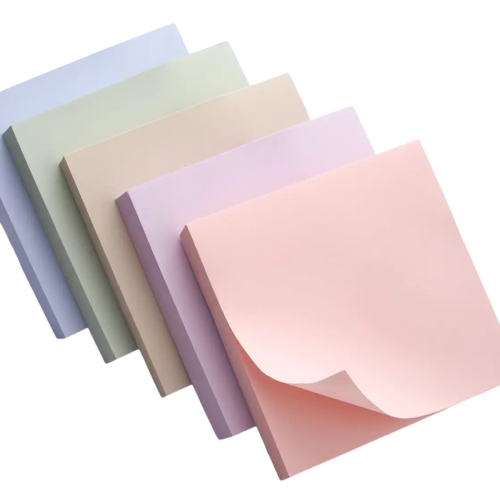
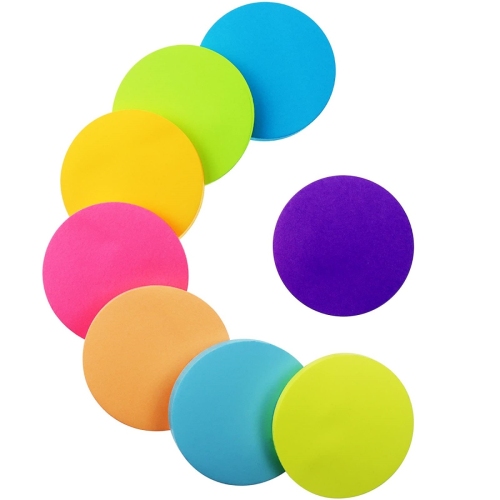
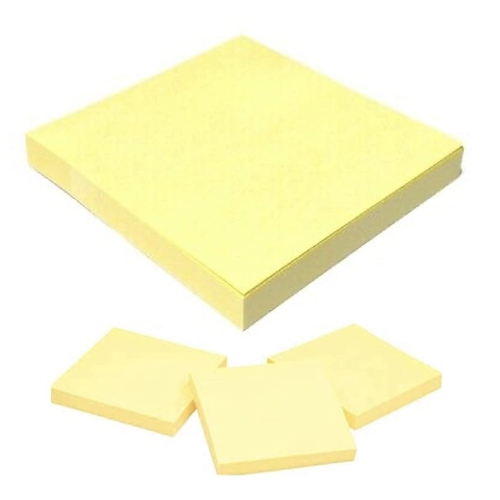
The best adhesive notes depend on where they will be used and how much information each sheet needs to hold. Standard square notes are well suited to short reminders, phone numbers, keywords, and quick task lists. Larger rectangular formats give you more space for several steps, appointment details, packing lists, or study summaries, while lined sheets help keep longer notes neat and easy to scan. Blank sheets are useful for sketches, arrows, symbols, and flexible layouts, especially when planning a project or sorting ideas across a wall or desk. Colour can add practical organisation rather than simply visual variety: one shade can represent personal tasks, another can identify follow-ups, and a third can mark items that need review. Assorted packs are helpful in shared spaces because different people can use separate colours, or because a busy list becomes easier to read when related items are grouped together. Traditional pale yellow is easy to recognise and comfortable for everyday writing, while bright and fluorescent shades stand out on a crowded desk or noticeboard. When choosing a pack, consider sheet count as well as colour and size. A smaller pack may suit occasional household reminders, whereas a multi-pad set can keep several rooms, workstations, or school subjects supplied without constant restocking.
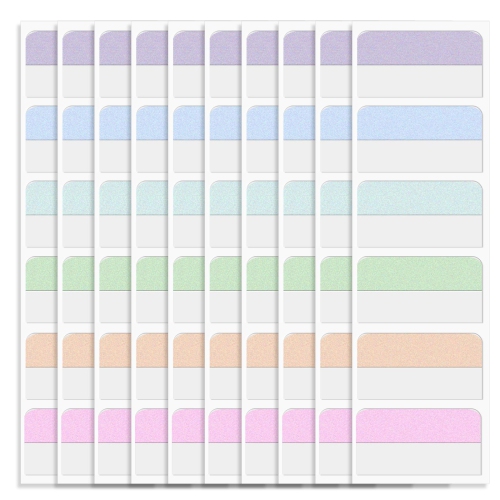
Adhesion is another important consideration. Low-tack notes are generally a good choice for paper documents, books, folders, and other surfaces where a temporary marker is needed and easy removal matters. They can identify a page during a review, create a movable index, or hold a short instruction without covering the original content permanently. For vertical surfaces such as doors, cabinets, glass, monitors, and painted walls, a stronger adhesive strip can help the note stay in place for longer. Surface condition still matters: dust, moisture, textured finishes, and frequent handling may reduce grip, so placing a note on a clean, dry area usually gives the best result. It is also wise to test an unfamiliar surface in a discreet spot before leaving a note for an extended period. For writing, ballpoint pens, pencils, and fine-tip markers are common choices; heavily applied ink may show through thinner paper, while broad markers can make small notes difficult to read. At home, adhesive notes bring order to meal planning, errands, chore rotations, and school mornings. At work, they support meeting follow-ups, brainstorming, filing, and temporary reminders that can be moved as priorities change. Students can use them to break revision into small topics, flag important textbook pages, or create a visual study plan. During the cooler months, when routines often move indoors and desks become gathering points for work, school, and personal projects, a well-placed note can provide a small but useful prompt without adding clutter. To choose confidently, match the note size to the amount of writing, select the adhesive strength for the intended surface, and use colours and ruling that make information easy to find at a glance.
The best adhesive notes depend on where they will be used and how much information each sheet needs to hold. Standard square notes are well suited to short reminders, phone numbers, keywords, and quick task lists. Larger rectangular formats give you more space for several steps, appointment details, packing lists, or study summaries, while lined sheets help keep longer notes neat and easy to scan. Blank sheets are useful for sketches, arrows, symbols, and flexible layouts, especially when planning a project or sorting ideas across a wall or desk. Colour can add practical organisation rather than simply visual variety: one shade can represent personal tasks, another can identify follow-ups, and a third can mark items that need review. Assorted packs are helpful in shared spaces because different people can use separate colours, or because a busy list becomes easier to read when related items are grouped together. Traditional pale yellow is easy to recognise and comfortable for everyday writing, while bright and fluorescent shades stand out on a crowded desk or noticeboard. When choosing a pack, consider sheet count as well as colour and size. A smaller pack may suit occasional household reminders, whereas a multi-pad set can keep several rooms, workstations, or school subjects supplied without constant restocking.
Adhesion is another important consideration. Low-tack notes are generally a good choice for paper documents, books, folders, and other surfaces where a temporary marker is needed and easy removal matters. They can identify a page during a review, create a movable index, or hold a short instruction without covering the original content permanently. For vertical surfaces such as doors, cabinets, glass, monitors, and painted walls, a stronger adhesive strip can help the note stay in place for longer. Surface condition still matters: dust, moisture, textured finishes, and frequent handling may reduce grip, so placing a note on a clean, dry area usually gives the best result. It is also wise to test an unfamiliar surface in a discreet spot before leaving a note for an extended period. For writing, ballpoint pens, pencils, and fine-tip markers are common choices; heavily applied ink may show through thinner paper, while broad markers can make small notes difficult to read. At home, adhesive notes bring order to meal planning, errands, chore rotations, and school mornings. At work, they support meeting follow-ups, brainstorming, filing, and temporary reminders that can be moved as priorities change. Students can use them to break revision into small topics, flag important textbook pages, or create a visual study plan. During the cooler months, when routines often move indoors and desks become gathering points for work, school, and personal projects, a well-placed note can provide a small but useful prompt without adding clutter. To choose confidently, match the note size to the amount of writing, select the adhesive strength for the intended surface, and use colours and ruling that make information easy to find at a glance.
Top selling and popular products
-
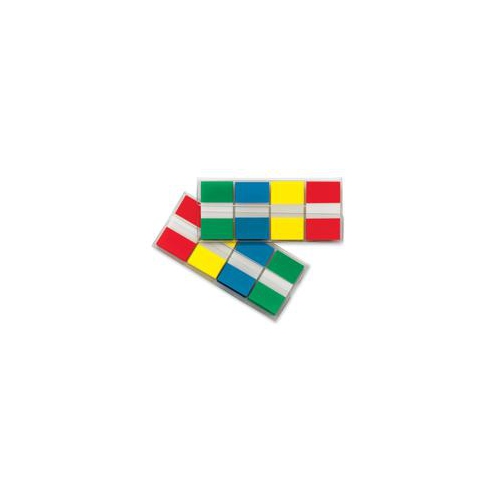 Your price for this item is $11.99
 -
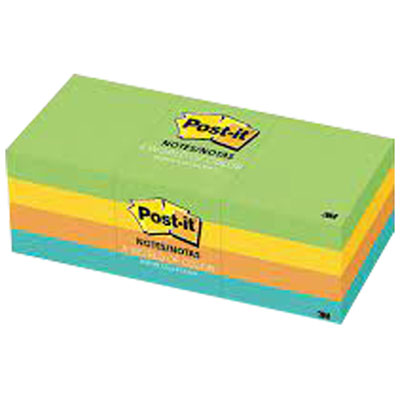 Your price for this item is $13.99
 -
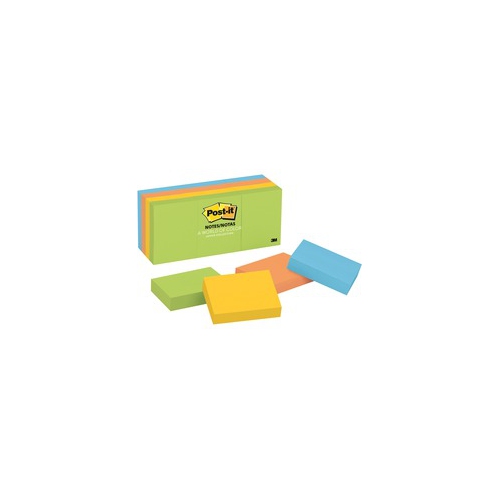 Your price for this item is $10.99
 -
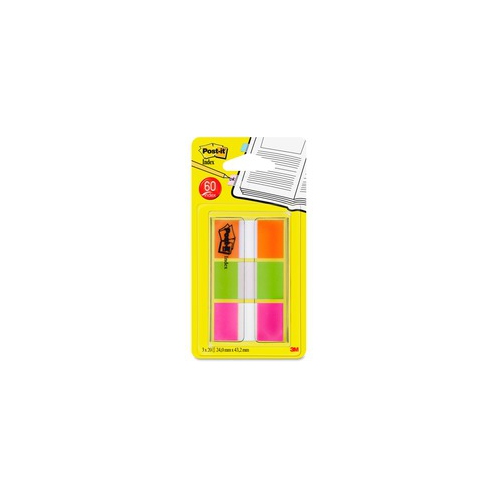 Your price for this item is $4.99
 -
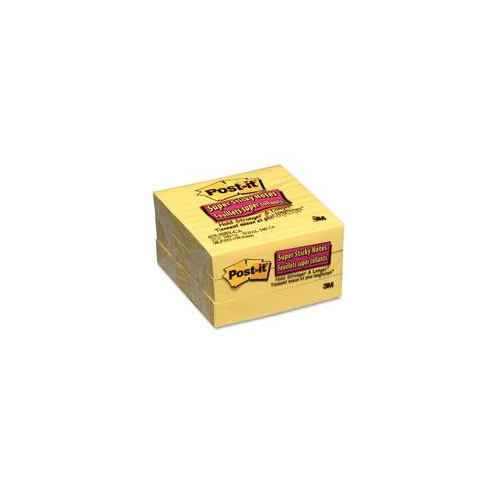 Your price for this item is $10.99
 -
 Your price for this item is $5.99
 -
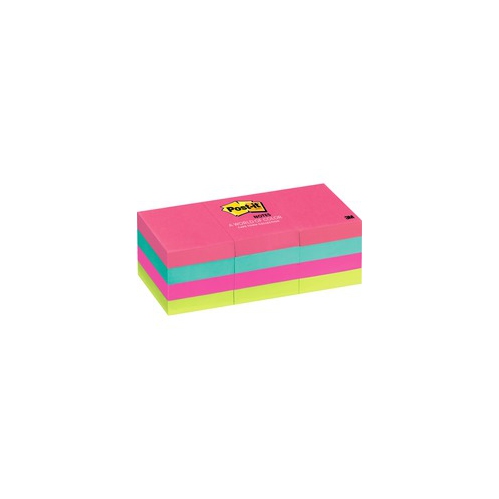 Your price for this item is $13.99
 -
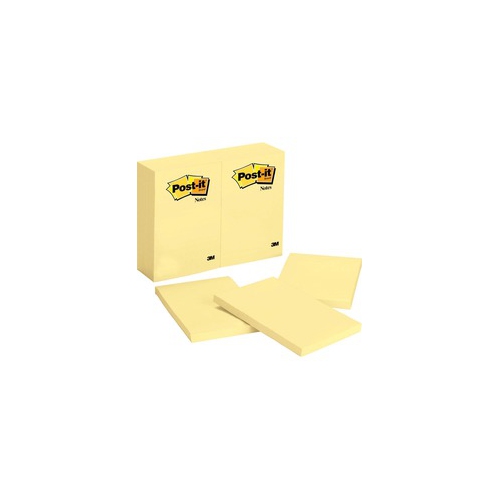 Your price for this item is $3.99
Discover more categories related to Adhesive Notes
Top Collections:
Pokemon Centers, Kindle Devices, Best Budget Office Chairs, Apple iPhones 16, Best Laptops for Writers, iPhone 15 Apple, Canon G7X Cameras, Refurbished Apple Laptops, Alarm Clock, Motorola Razr Phones
Some products may be subject to Environmental Handling Fees
(EHF) depending on your province.
Learn more about EHFs.