Back to School Scissors & Cutting Tools for School Projects

Find back-to-school scissors and cutting tools for classroom crafts, art assignments, and school projects. Browse options for everyday cutting tasks, and compare age recommendations, blade styles, and grip designs to choose tools suited to your student and the materials they’ll be working with.
Read More

Sort

Back to School Scissors & Cutting Tools for School Projects

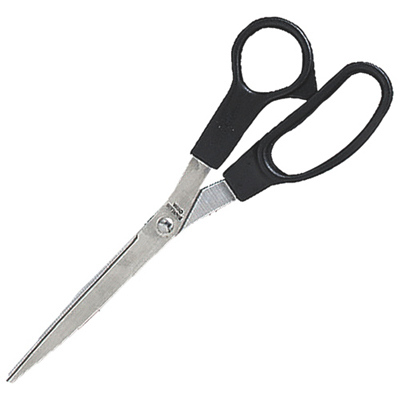
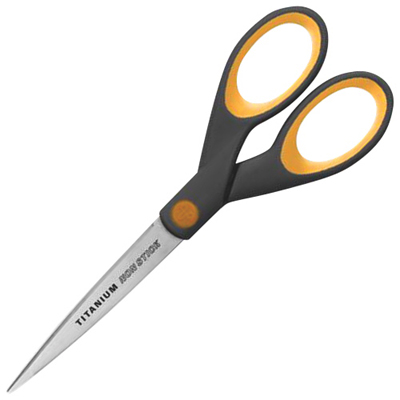
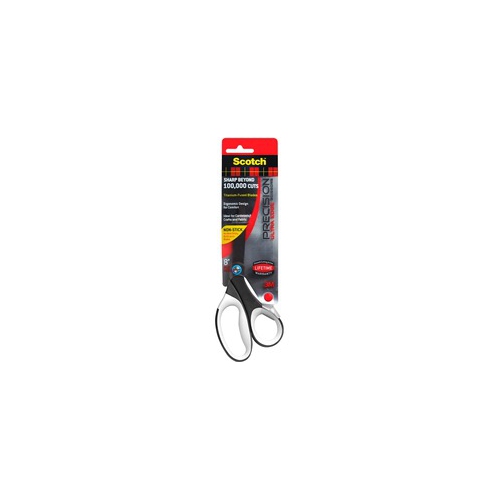
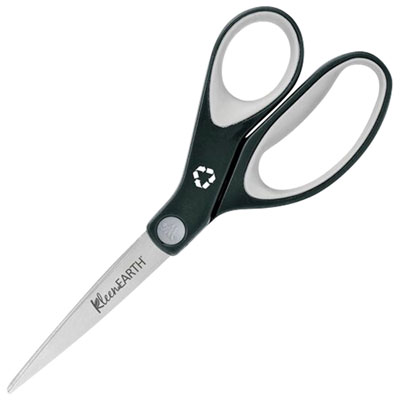
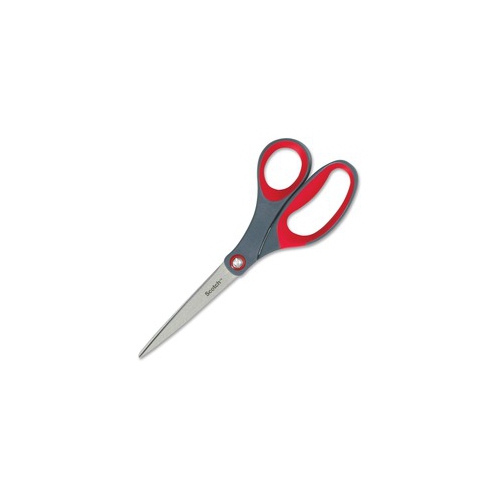
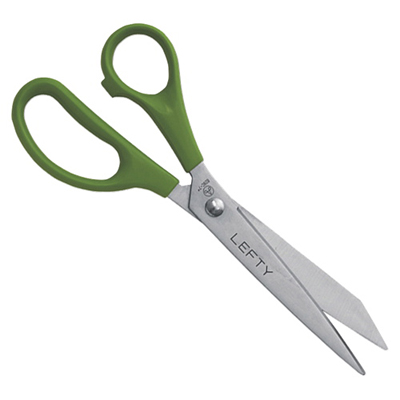
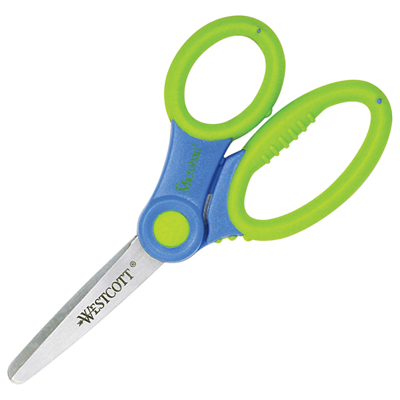
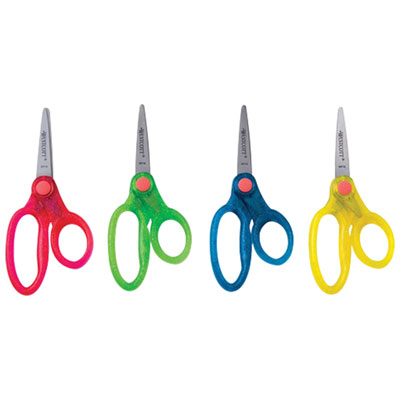
From the first classroom collage to a carefully assembled science fair display, the right cutting tools can make school projects easier to manage and more satisfying to finish. Back to School Scissors & Cutting Tools for School Projects brings together essentials for the small, hands-on tasks that fill a school year: trimming photos, shaping construction paper, cutting out labels, and giving a presentation board its final tidy edges. For younger students, start with scissors suited to their age, hand size, and classroom requirements. Rounded tips, comfortable finger loops, and a manageable blade length are useful features to look for, though children still need appropriate supervision. Students who cut with their left hand may find true left-handed scissors easier to use, since the blade arrangement helps them see the cutting line without twisting their wrist. A pair that opens and closes smoothly can also make a difference during a long afternoon of paper crafts. Think of those familiar kitchen-table scenes—pencil outlines, scattered paper shapes, and a glue stick rolling just out of reach—where a comfortable, well-chosen tool helps a child focus on making something they are proud to bring to class.

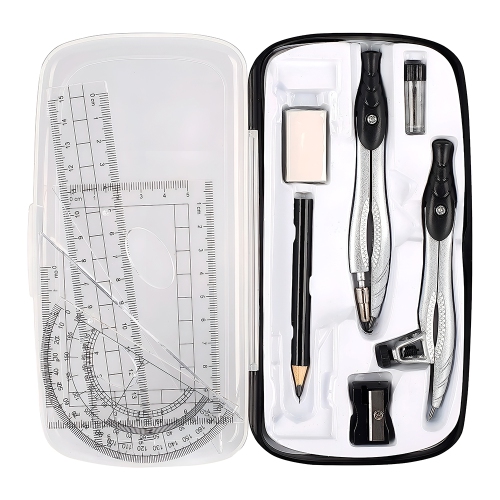
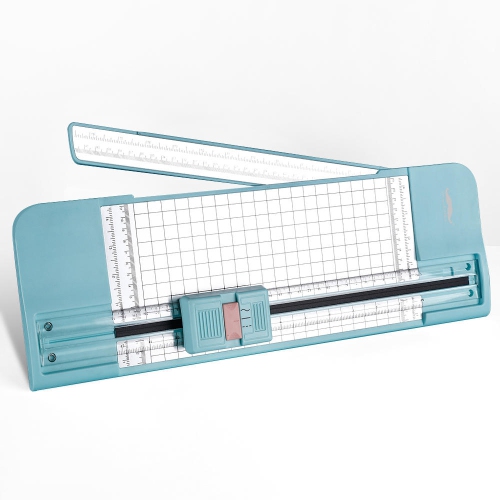
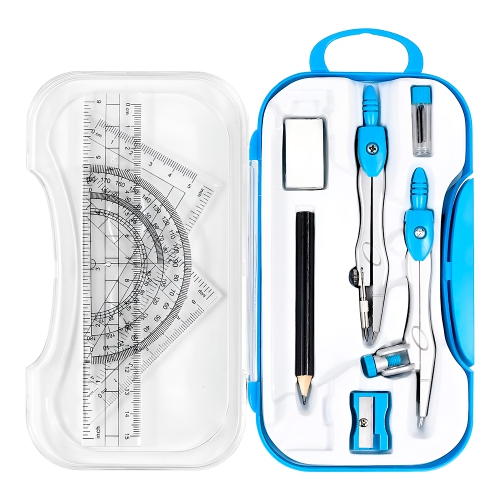
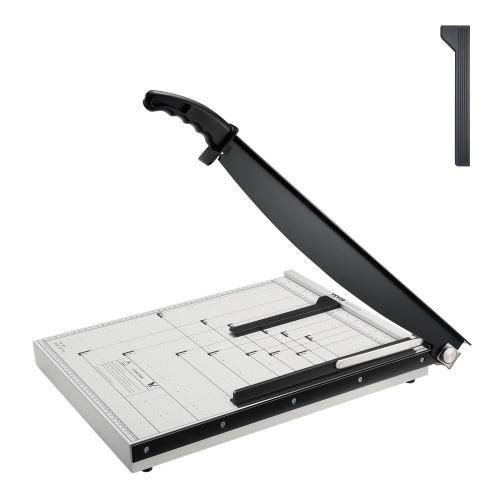
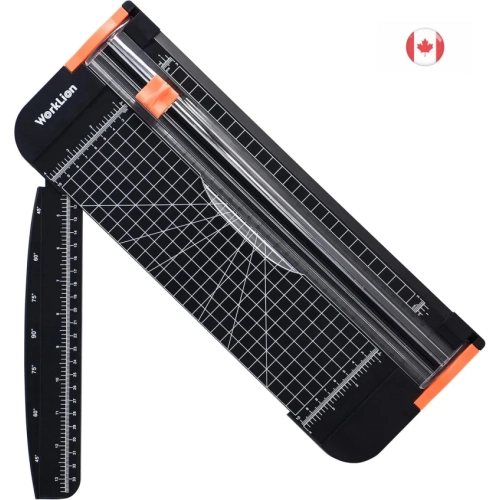
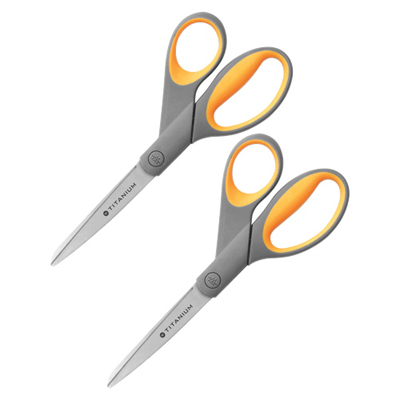
The materials on a school supply list are a practical starting point when choosing scissors and cutting tools. Everyday paper scissors are useful for worksheets, notebook inserts, and lightweight craft paper, while thicker cardstock, felt, foam sheets, or fabric may call for tools specifically rated for those materials. Check the intended use rather than assuming a larger blade will handle every task; using the right tool helps produce cleaner edges and avoids unnecessary strain. Comfortable handles are worth considering for students who enjoy detailed craft work, and blade length should suit both the user and the project. Shorter blades can offer control around small shapes, while longer blades may be more convenient for straight cuts across larger sheets. For older students working on art portfolios, photography assignments, or presentation materials, a paper trimmer with clear measurement markings and an appropriate cutting capacity can help keep repeated cuts consistent. Look for guards and other safety features, and follow the manufacturer's age and use guidance. Precision knives and exposed-blade cutters belong only in age-appropriate, supervised settings, with a suitable cutting mat and secure storage between uses.

A useful school cutting kit should fit the way it will actually be carried, shared, and put away. Scissors that fit neatly inside a pencil case are convenient for daily classroom use, while a larger trimmer is better suited to a dedicated homework or craft space. Blade covers, protective cases, and clearly labelled storage can help keep supplies organised and cutting edges covered when not in use. Teachers and caregivers may want separate tools for paper and fabric, especially where several students share a craft station; keeping fabric scissors for their intended material helps preserve their cutting performance. For a back-to-school gift, age-appropriate scissors paired with paper, washable art supplies, and a sturdy storage pouch can be a thoughtful choice for a child who loves making cards, decorations, or miniature sets for classroom presentations. Older students may appreciate tools chosen around their art or design coursework. Whether the task is a quick worksheet cut-out or the final lettering for a group project, choosing for comfort, material compatibility, and safe handling helps make these everyday supplies genuinely useful throughout the school year.

Read More

FAQ

Some products may be subject to Environmental Handling Fees (EHF) depending on your province. Learn more about EHFs.