Batteries for Pocket Watches
Looking to keep your pocket watch ticking? Look no further! Our selection of batteries for pocket watches ensures that you'll always have the power you need to keep your timepiece running smoothly. Whether you're a collector, a fashion enthusiast, or simply want to bring a touch of vintage charm to your everyday style, our range of high-quality batteries is here to provide reliable performance and long-lasting power. Say goodbye to winding and hello to convenience with our selection of pocket watch batteries.
Sort






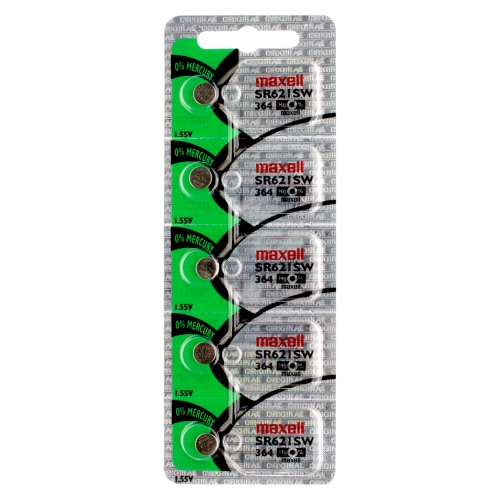
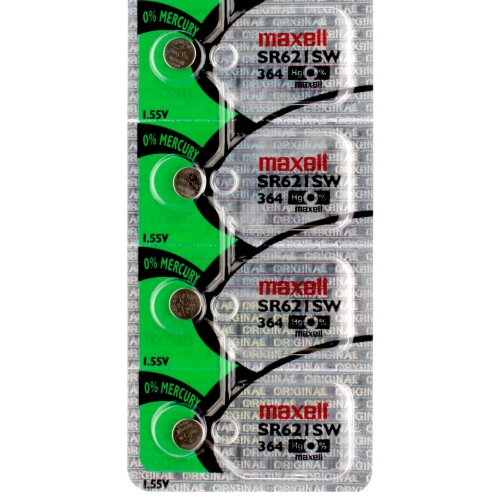

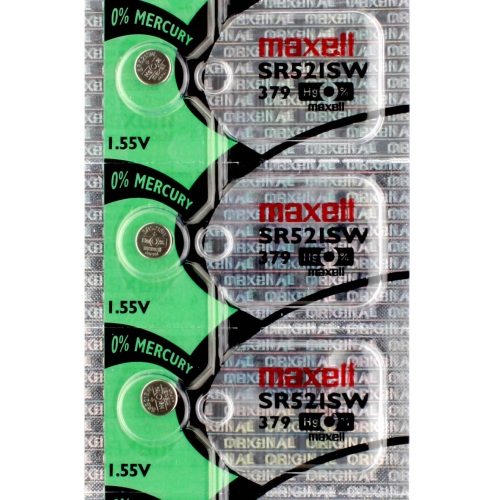
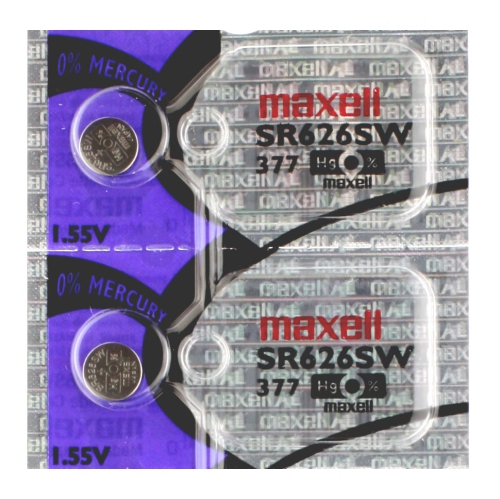

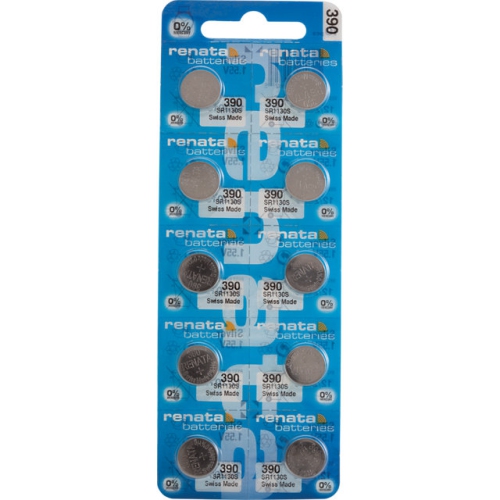
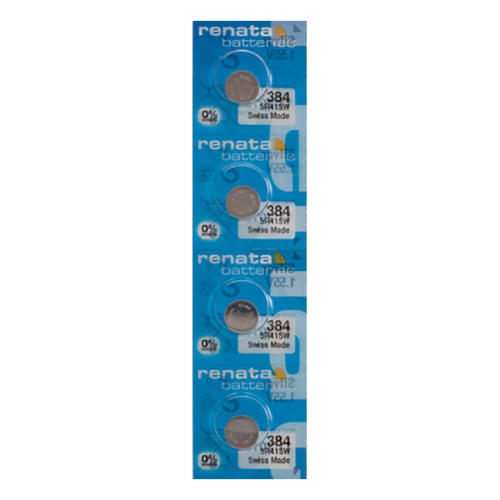
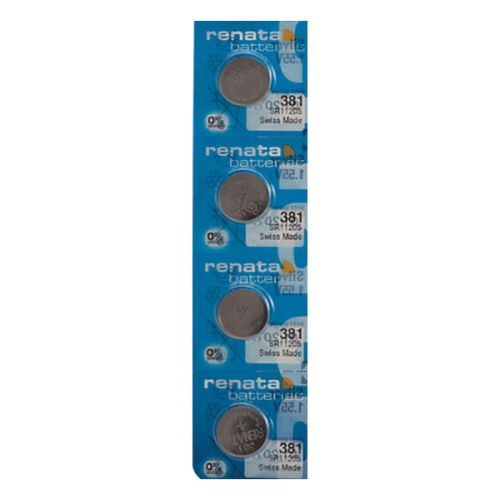

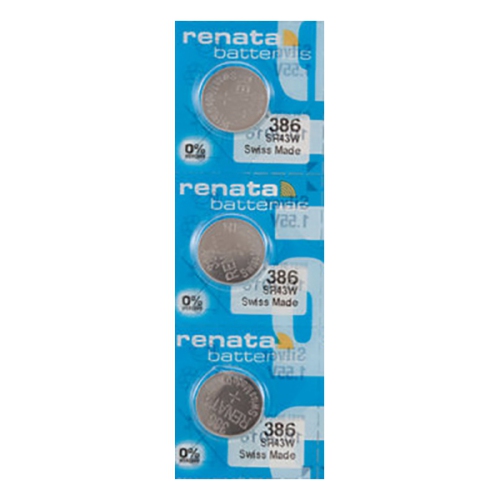



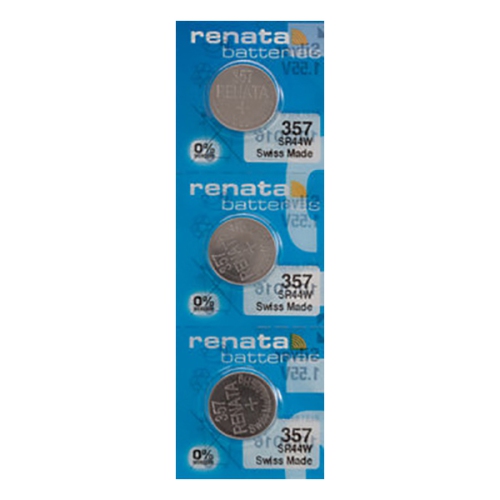
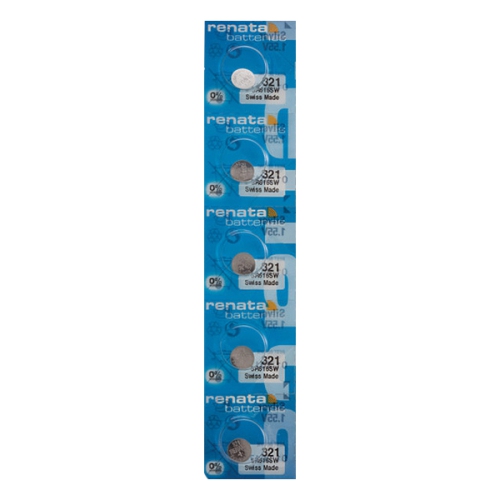
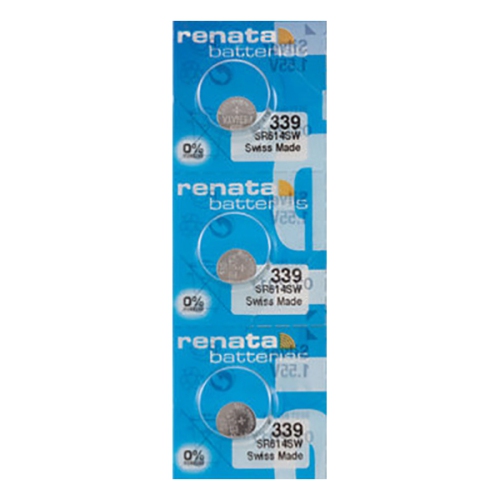
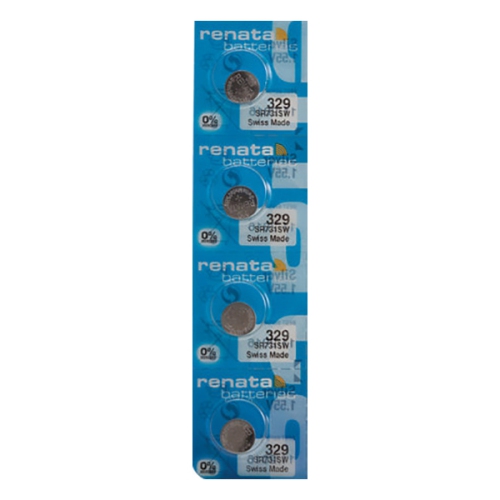
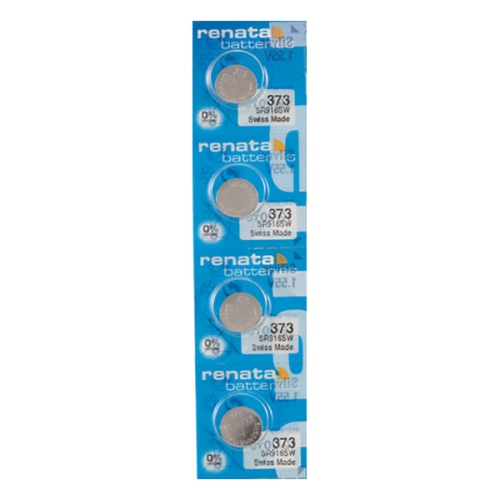
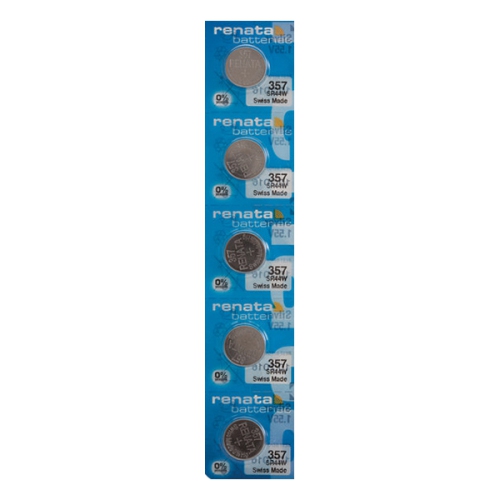
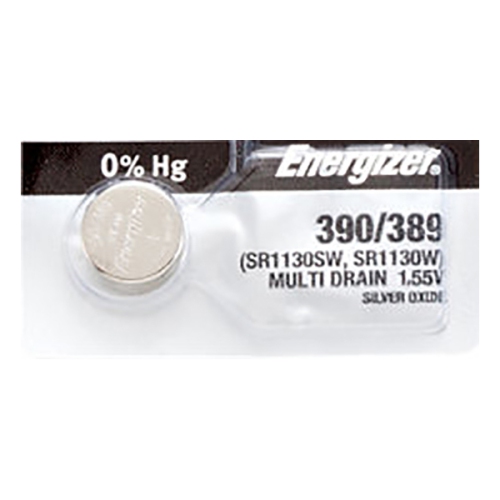
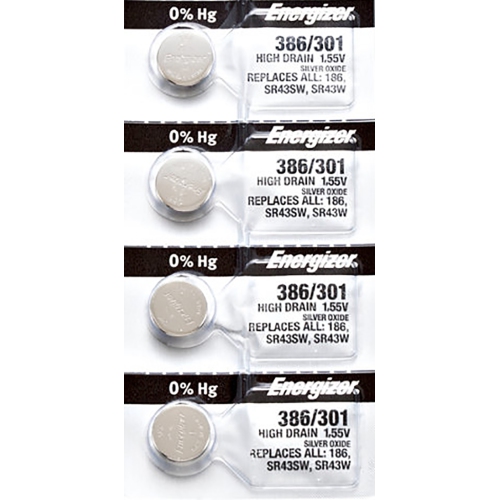
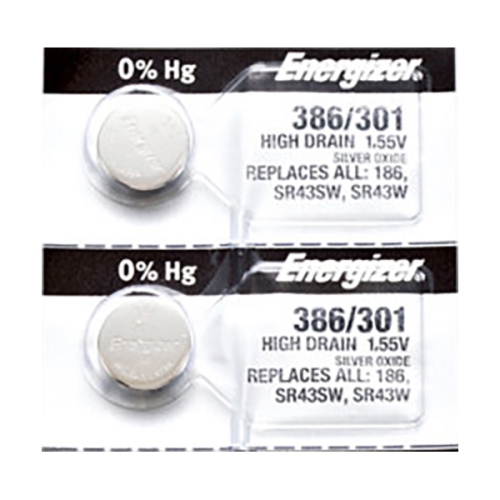
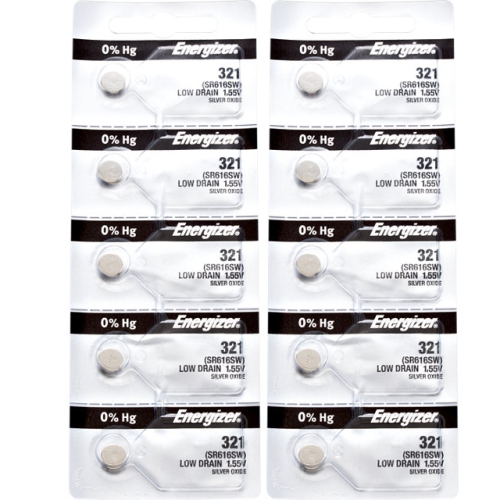


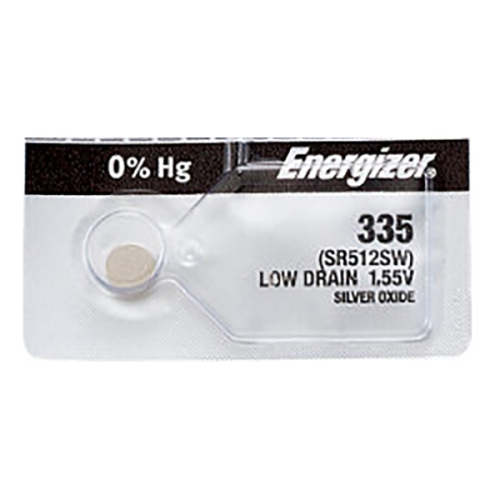
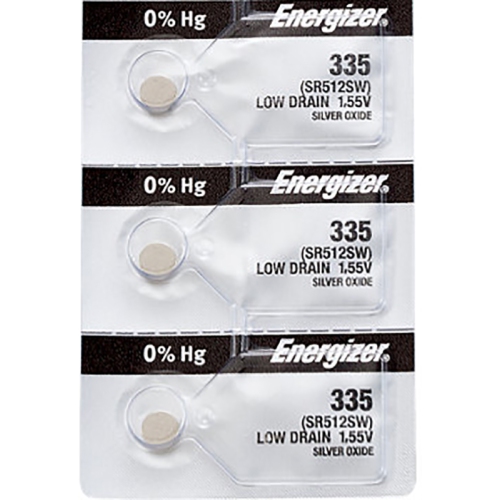

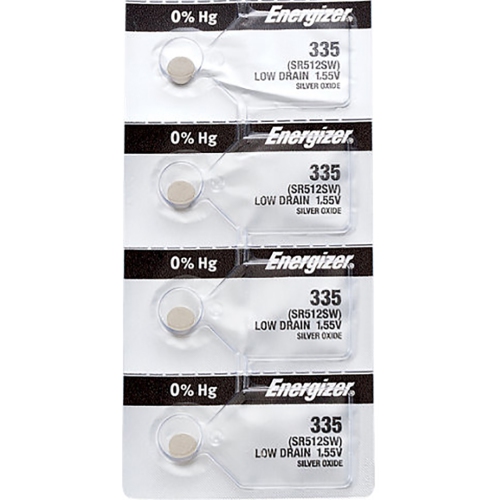
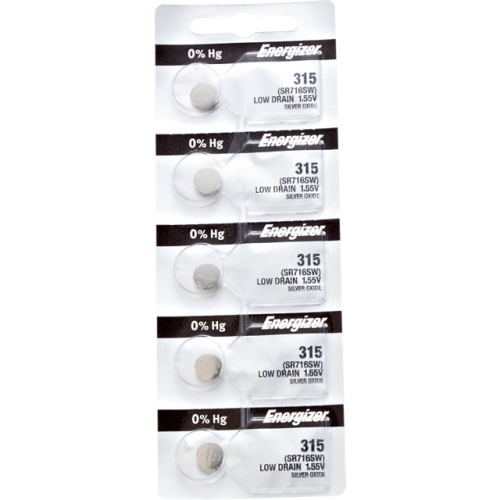
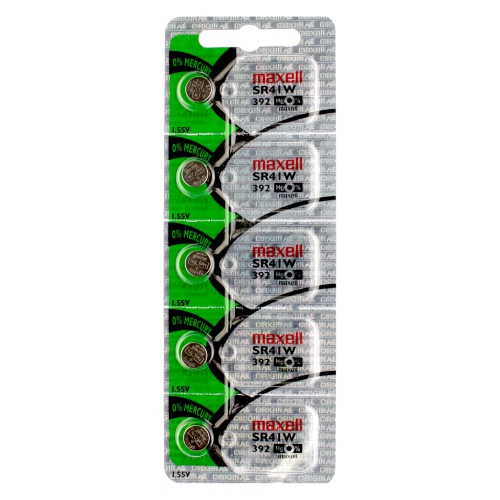
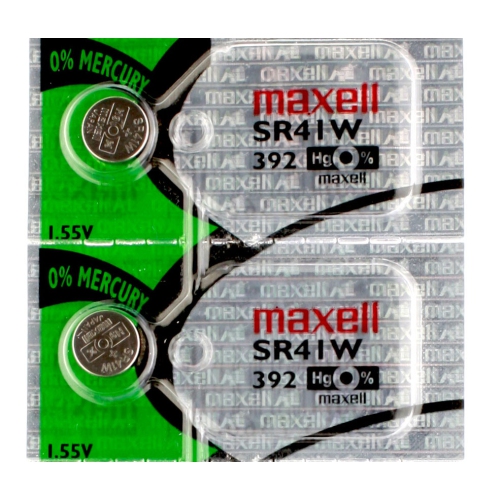
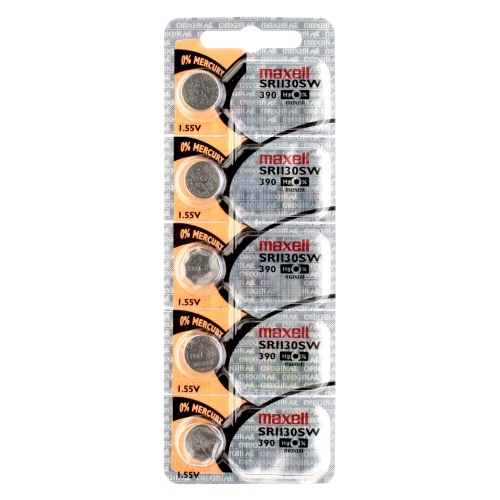
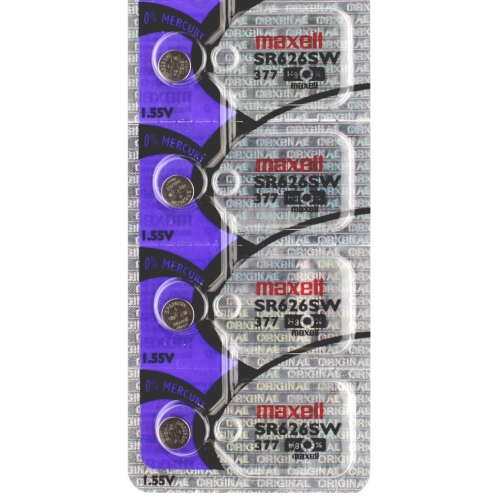
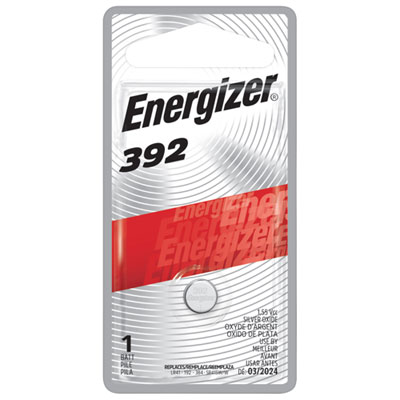
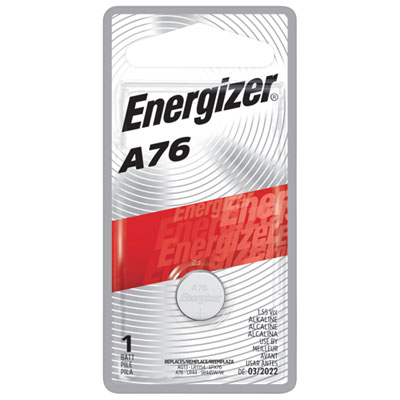
The right battery match starts with the movement
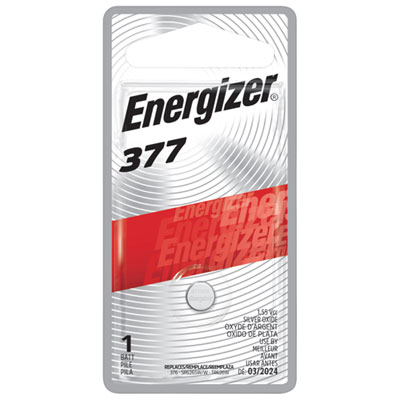
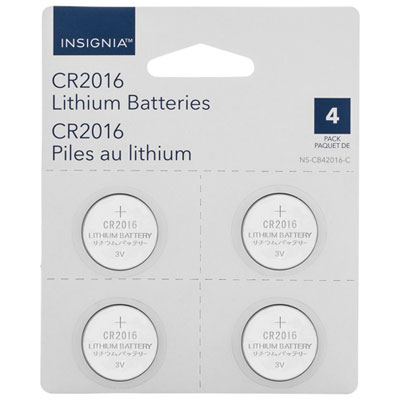
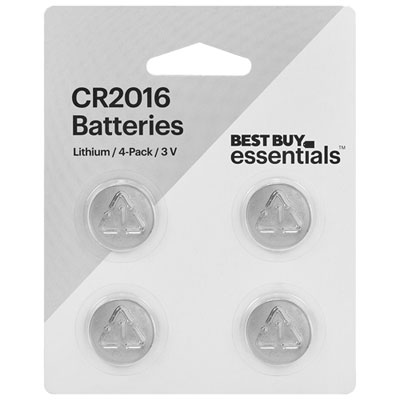
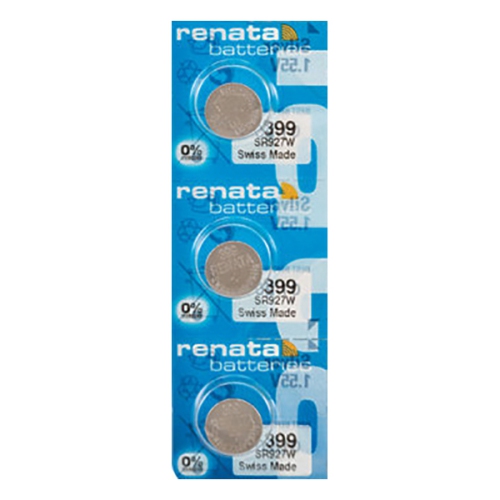
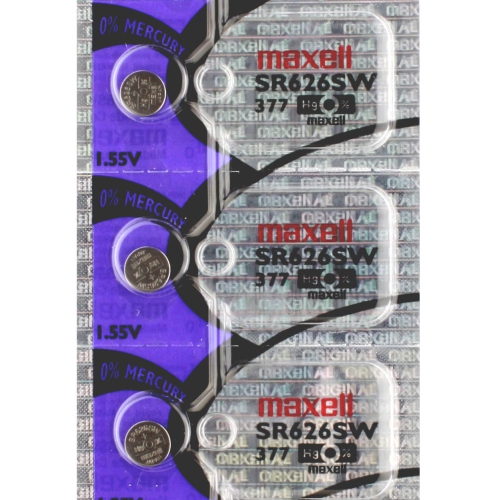
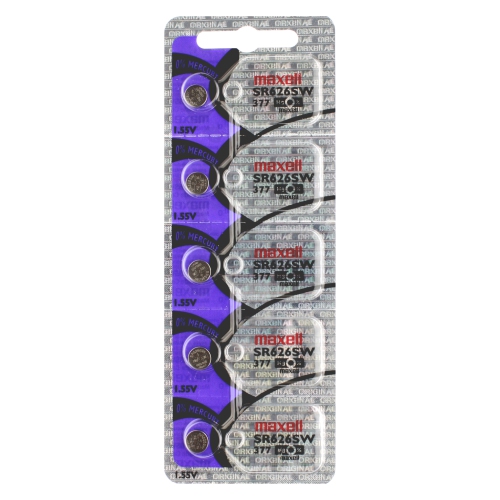
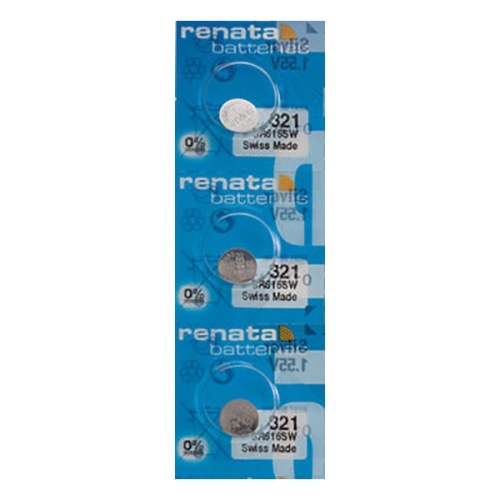
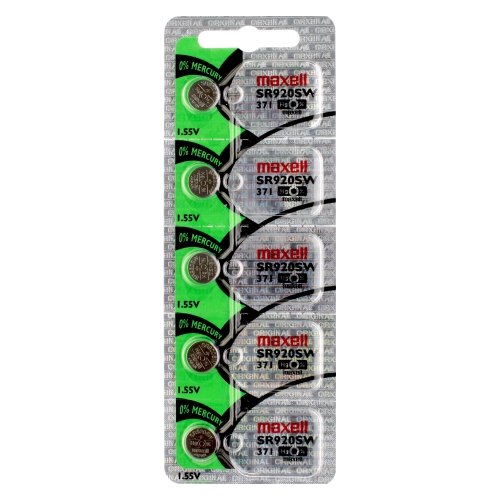
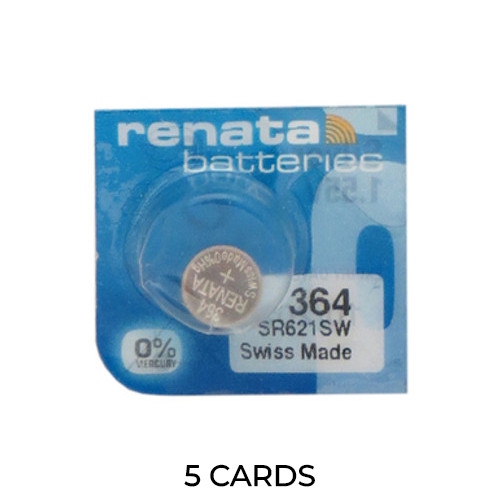
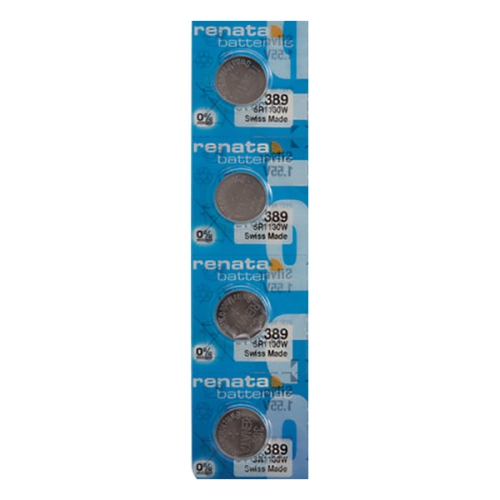
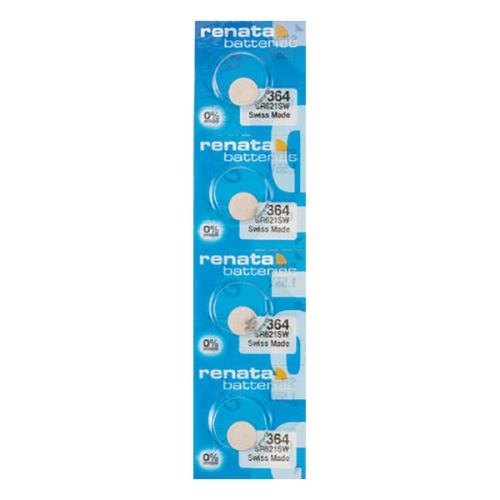
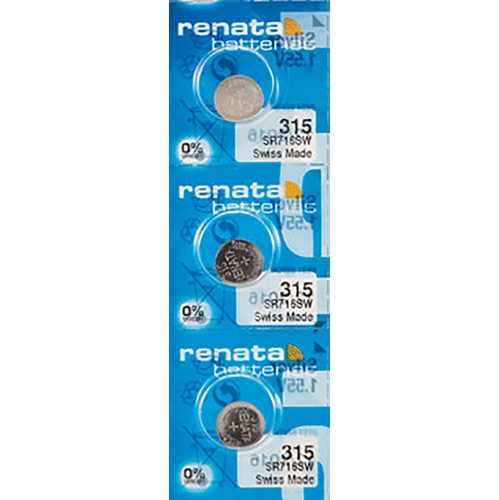
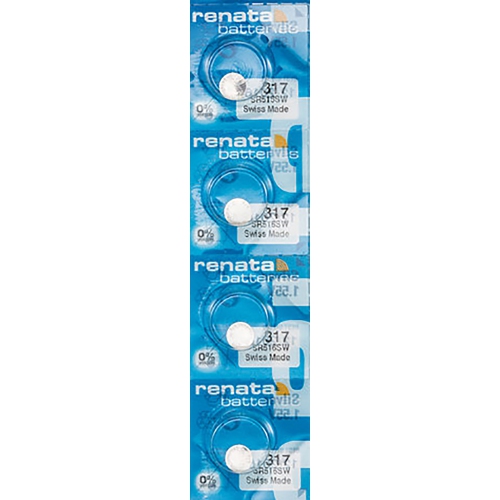
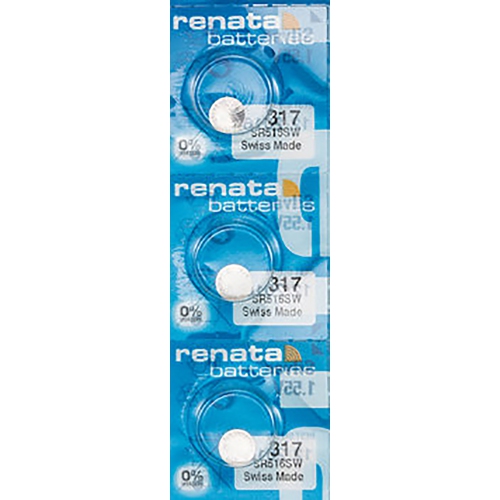
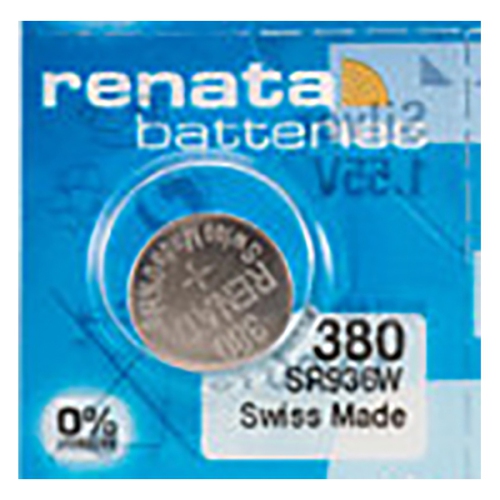
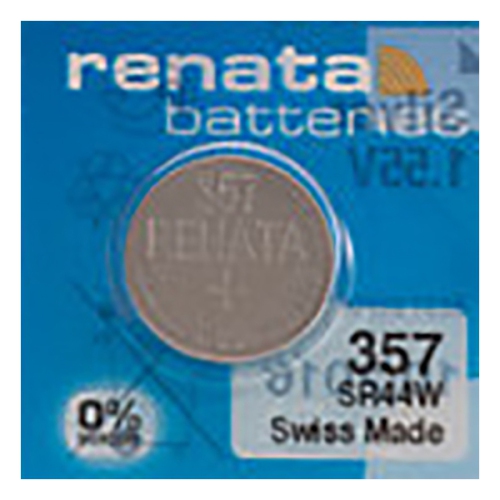
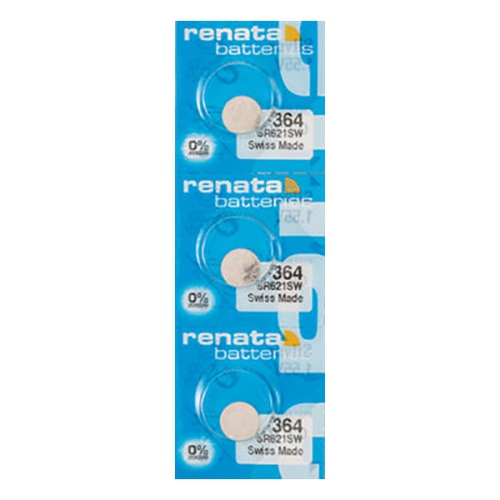
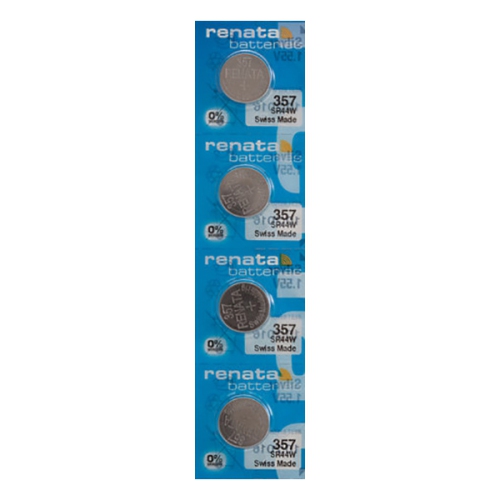
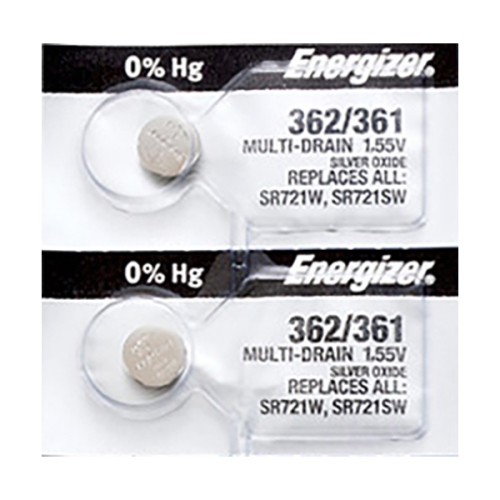
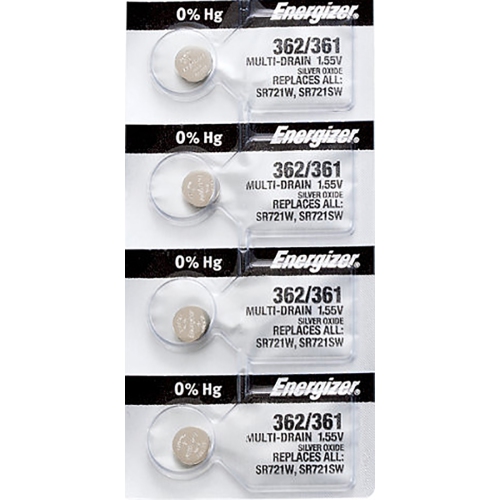
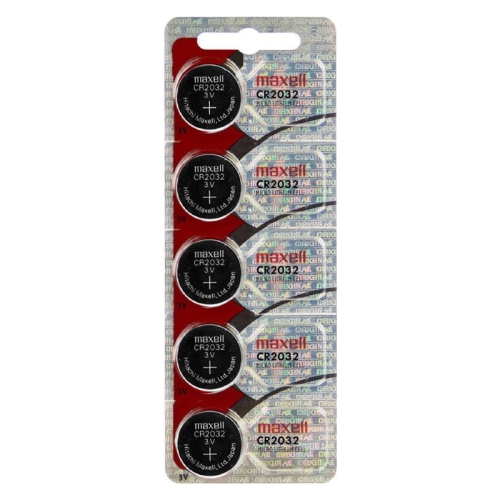
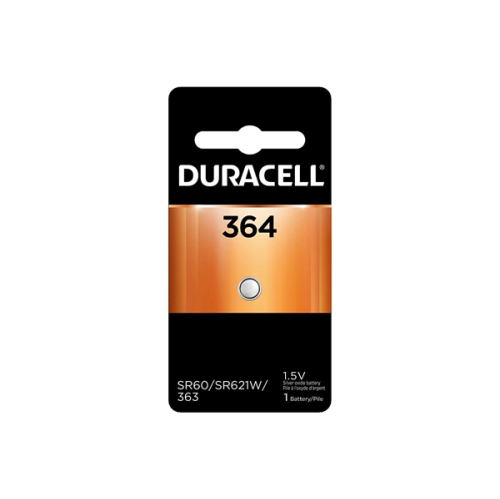
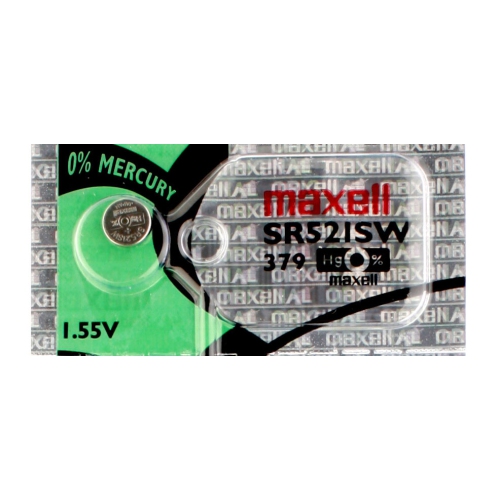
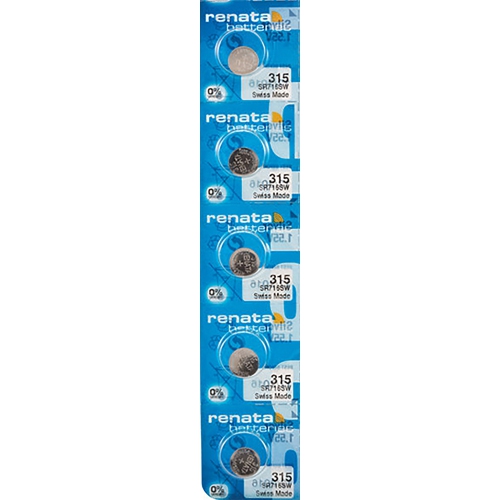
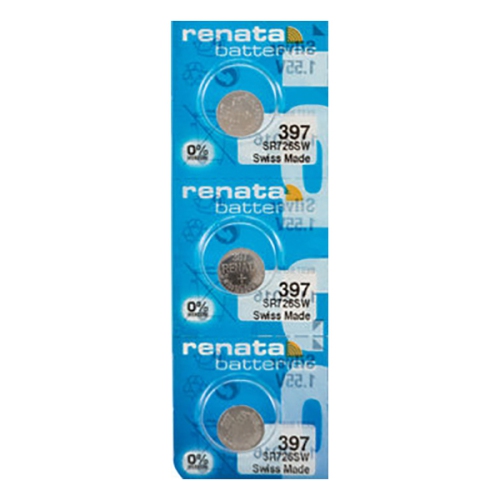
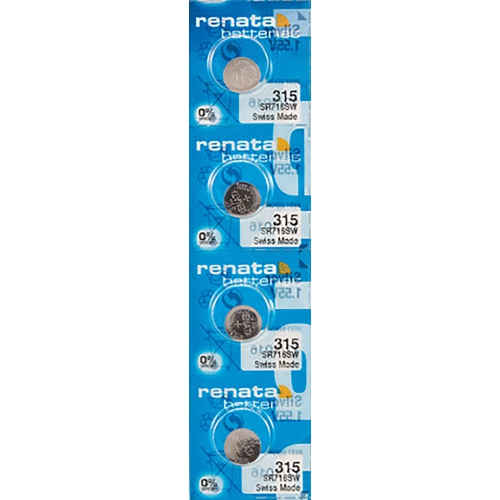
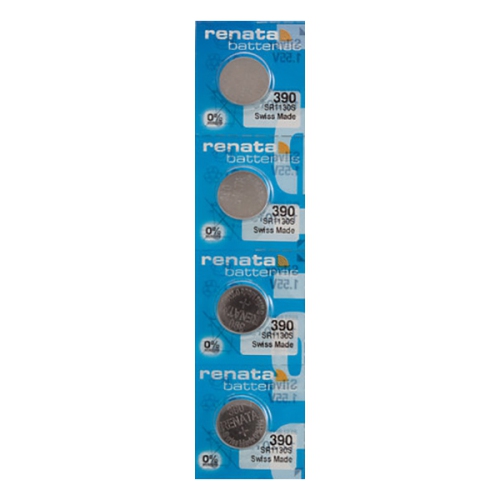
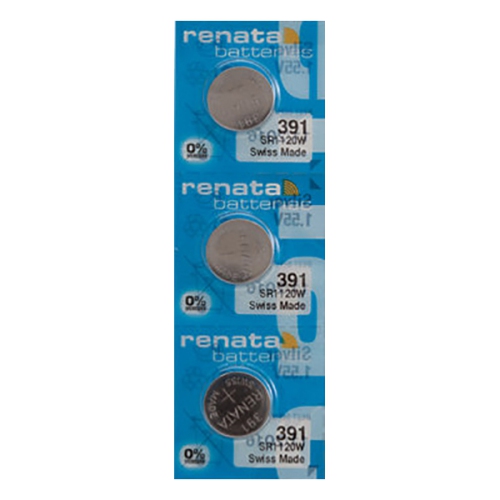
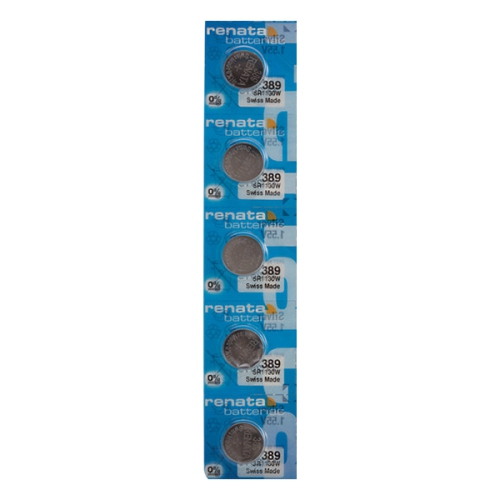
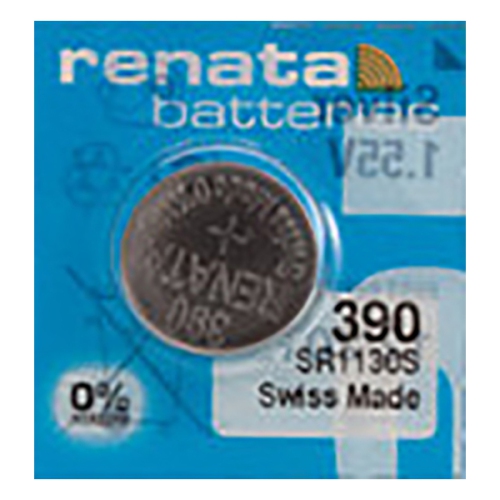
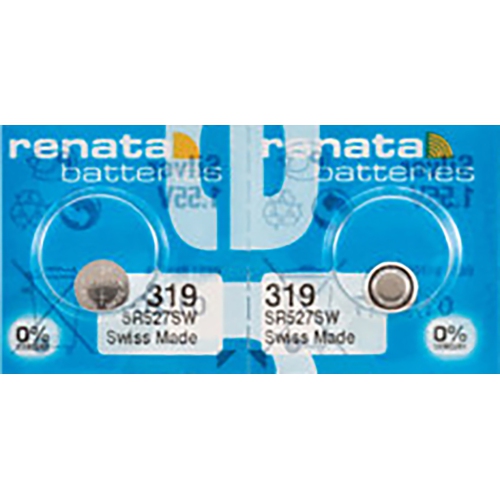
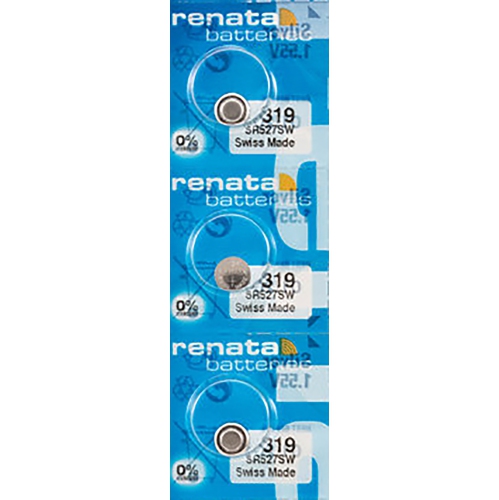
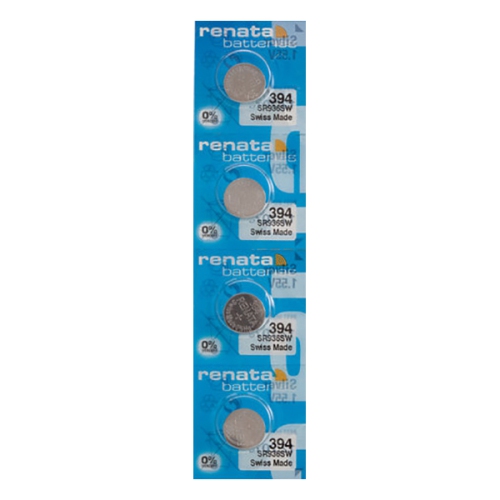
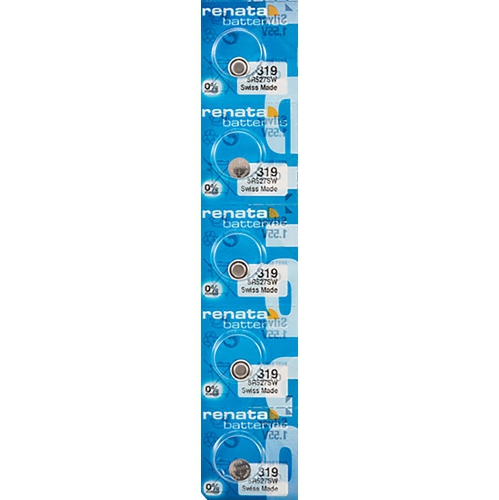
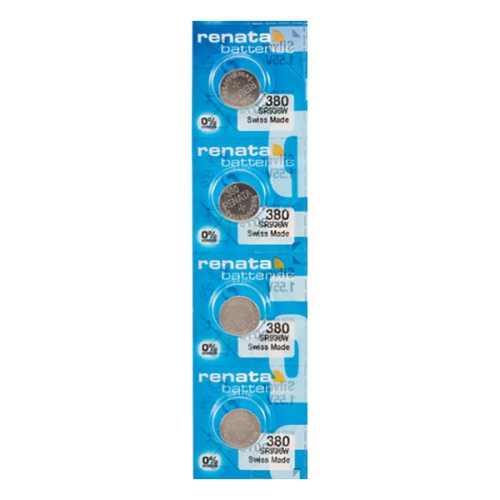
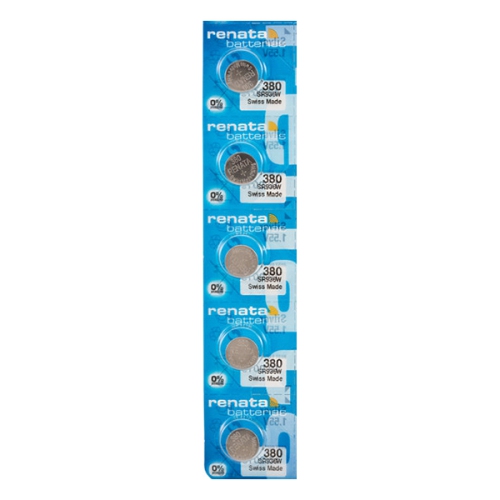
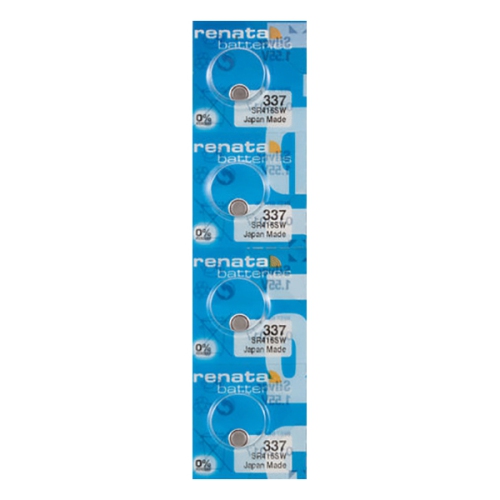
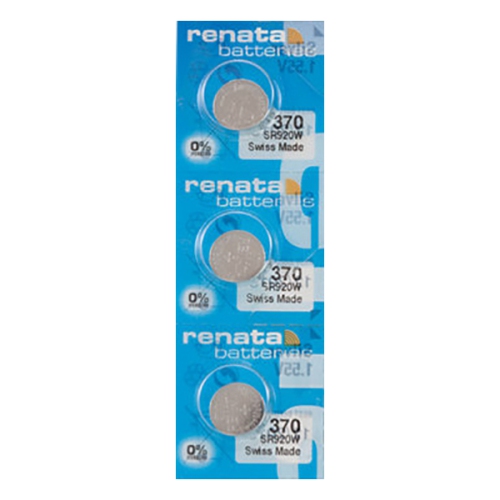
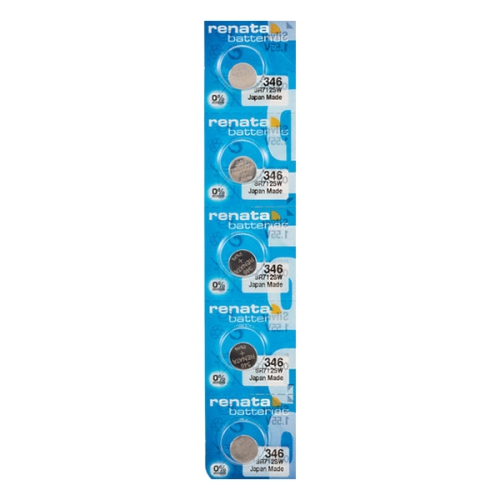
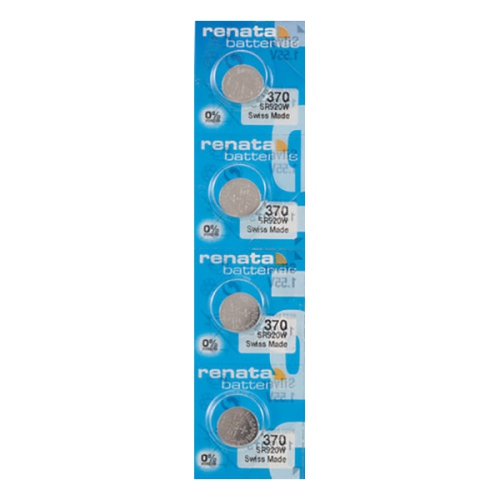
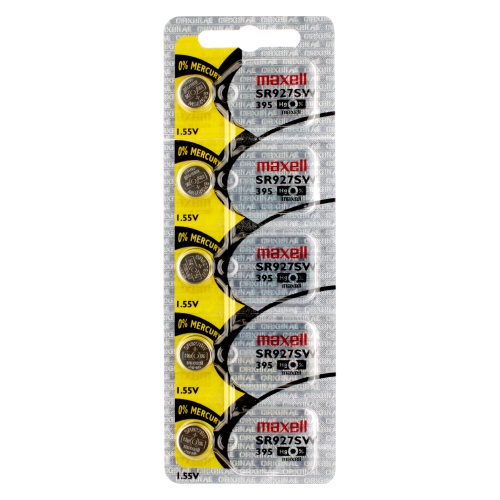
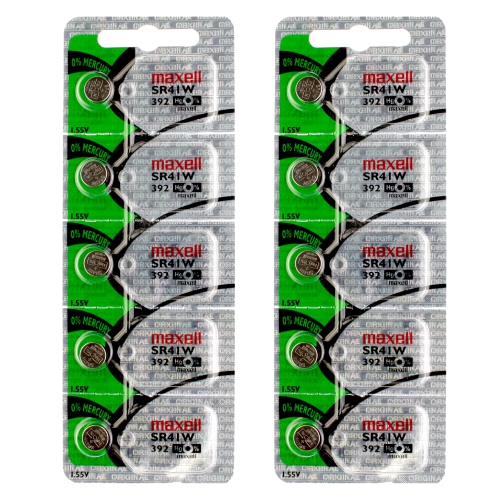
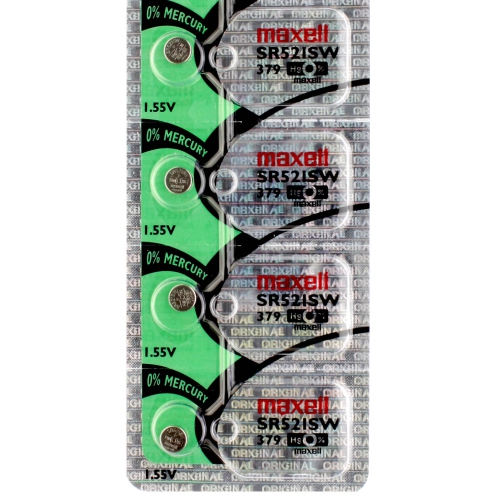
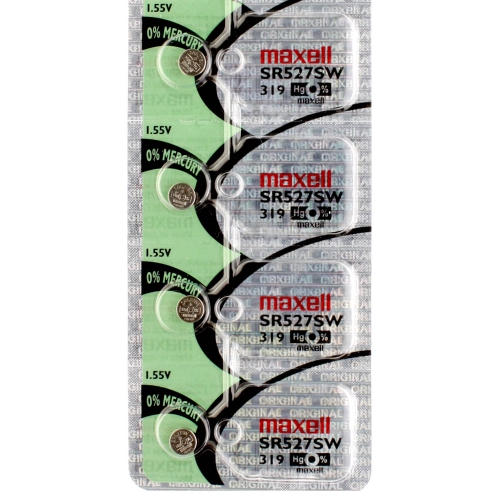
Batteries for pocket watches supply the compact, steady power that quartz movements need to keep time. Most battery-powered pocket watches use a small button or coin cell, with silver-oxide cells common in analogue designs and lithium coin cells used in some digital, multifunction, or other quartz models. The correct replacement depends on the movement’s specified battery code, dimensions, chemistry, and voltage—not simply the size or appearance of the watch. Silver-oxide watch batteries typically provide a nominal 1.55 volts, while many lithium coin cells provide 3 volts; these types are not interchangeable unless the watch manufacturer explicitly specifies otherwise. Traditional mechanical pocket watches, including hand-wound and automatic designs, do not use batteries at all. That distinction matters when choosing a power source for an inherited timepiece, a dress accessory, or a watch carried every day on a waistcoat chain. A hinged cover, ornate case, or vintage-inspired dial does not reveal what powers the movement inside. For a quartz model, the battery designation in the watch documentation is the strongest starting point, supported by the marking on an existing cell known to be correct. Diameter and thickness both matter because the battery must sit securely beneath its retaining contact without putting pressure on the movement or case back. Two cells can look almost identical across a counter yet differ enough in height or electrical characteristics to make one unsuitable. Cross-reference information can help identify equivalent designations, but an equivalent must match the required specifications rather than merely resemble the original. This makes pocket watch batteries a compatibility-led purchase: the best fit is the cell the movement was designed to use. Whether the watch has a simple pair of hands, a separate seconds dial, or added electronic functions, a properly matched battery supports its intended operation while preserving the compact proportions that make a pocket watch comfortable to carry.
Chemistry is one of the main differences between watch batteries. Silver-oxide cells are valued for their relatively steady discharge voltage, which suits many small quartz movements. Alkaline button cells generally have a nominal voltage of 1.5 volts, but a similar voltage and size do not automatically make them suitable replacements for silver-oxide cells. Their discharge behaviour and service life can differ, so the manufacturer’s specified chemistry remains important. Lithium coin cells belong in movements designed for their higher voltage and particular dimensions. Within some battery families, there are also distinctions related to electrical demand, making the full designation more useful than a partial number or a quick visual match. A straightforward analogue movement and a watch with an alarm, light, or digital display may place different demands on their batteries, although the functions alone cannot identify the correct cell. Battery capacity can influence running time, but actual service life also depends on the movement, how often additional features are used, the condition of the watch, and how long the cell was stored before installation. No single lifespan applies to every pocket watch. The metal casing of a button cell serves as both a protective enclosure and part of its electrical contact system, while an insulating seal separates its terminals. That construction is compact and practical, but it is not intended to withstand crushing, bending, puncturing, or forced installation. A thicker battery is not an upgrade if the compartment calls for a thinner one, and extra capacity is useful only within a fully compatible specification. Clearly marked packaging helps distinguish visually similar cells and makes it easier to retain the battery designation for the next replacement. For someone maintaining several quartz timepieces, keeping each watch’s battery requirement recorded alongside its care information can prevent mix-ups. An occasional-use dress watch and a daily-carry pocket watch may look much alike on the outside while needing entirely different cells inside.
Care and handling matter just as much as selecting the right battery. Pocket watch cases may have snap-on backs, threaded closures, small screws, or other arrangements, and decorative finishes can be easily marked by unsuitable tools. A watch repair professional is a sensible option for a valuable, sentimental, tightly sealed, or unfamiliar timepiece, particularly when the battery is held by a delicate clip or sits close to exposed movement components. Professional replacement can also provide an opportunity to inspect the contacts and any case gasket; changing a battery alone does not confirm that a watch retains its stated water resistance. Inside the watch, clean contact surfaces and correct polarity help the cell supply power as intended. Outside the watch, spare batteries are best kept in their original protective packaging, away from moisture and loose metal objects. A cell carried with keys or coins can short-circuit if its terminals are bridged. Used batteries also need careful handling: button and coin cells can cause severe internal injury if swallowed or inserted into the body, so both new and depleted cells must be kept out of children’s reach. Suspected swallowing or insertion requires immediate medical attention. These cells are generally single-use and must not be recharged unless expressly designed and labelled for that purpose. A depleted battery should not remain forgotten inside a pocket watch, since leakage can damage contacts and nearby components. If a watch still fails to run with the correct fresh cell, the fault may lie elsewhere in the movement rather than with the battery specification. For collectors, regular wearers, or someone bringing a family keepsake back into use, the appeal of a suitable replacement is simple: a familiar watch can return to its everyday role without changing its character. A compatible spare can also be a practical addition to a quartz pocket watch given as a gift, provided it stays safely packaged. For separate household timepieces, Batteries for Clocks covers a related need, though each clock’s battery requirements should be checked independently rather than assumed to match a pocket watch.
Chemistry is one of the main differences between watch batteries. Silver-oxide cells are valued for their relatively steady discharge voltage, which suits many small quartz movements. Alkaline button cells generally have a nominal voltage of 1.5 volts, but a similar voltage and size do not automatically make them suitable replacements for silver-oxide cells. Their discharge behaviour and service life can differ, so the manufacturer’s specified chemistry remains important. Lithium coin cells belong in movements designed for their higher voltage and particular dimensions. Within some battery families, there are also distinctions related to electrical demand, making the full designation more useful than a partial number or a quick visual match. A straightforward analogue movement and a watch with an alarm, light, or digital display may place different demands on their batteries, although the functions alone cannot identify the correct cell. Battery capacity can influence running time, but actual service life also depends on the movement, how often additional features are used, the condition of the watch, and how long the cell was stored before installation. No single lifespan applies to every pocket watch. The metal casing of a button cell serves as both a protective enclosure and part of its electrical contact system, while an insulating seal separates its terminals. That construction is compact and practical, but it is not intended to withstand crushing, bending, puncturing, or forced installation. A thicker battery is not an upgrade if the compartment calls for a thinner one, and extra capacity is useful only within a fully compatible specification. Clearly marked packaging helps distinguish visually similar cells and makes it easier to retain the battery designation for the next replacement. For someone maintaining several quartz timepieces, keeping each watch’s battery requirement recorded alongside its care information can prevent mix-ups. An occasional-use dress watch and a daily-carry pocket watch may look much alike on the outside while needing entirely different cells inside.
Care and handling matter just as much as selecting the right battery. Pocket watch cases may have snap-on backs, threaded closures, small screws, or other arrangements, and decorative finishes can be easily marked by unsuitable tools. A watch repair professional is a sensible option for a valuable, sentimental, tightly sealed, or unfamiliar timepiece, particularly when the battery is held by a delicate clip or sits close to exposed movement components. Professional replacement can also provide an opportunity to inspect the contacts and any case gasket; changing a battery alone does not confirm that a watch retains its stated water resistance. Inside the watch, clean contact surfaces and correct polarity help the cell supply power as intended. Outside the watch, spare batteries are best kept in their original protective packaging, away from moisture and loose metal objects. A cell carried with keys or coins can short-circuit if its terminals are bridged. Used batteries also need careful handling: button and coin cells can cause severe internal injury if swallowed or inserted into the body, so both new and depleted cells must be kept out of children’s reach. Suspected swallowing or insertion requires immediate medical attention. These cells are generally single-use and must not be recharged unless expressly designed and labelled for that purpose. A depleted battery should not remain forgotten inside a pocket watch, since leakage can damage contacts and nearby components. If a watch still fails to run with the correct fresh cell, the fault may lie elsewhere in the movement rather than with the battery specification. For collectors, regular wearers, or someone bringing a family keepsake back into use, the appeal of a suitable replacement is simple: a familiar watch can return to its everyday role without changing its character. A compatible spare can also be a practical addition to a quartz pocket watch given as a gift, provided it stays safely packaged. For separate household timepieces, Batteries for Clocks covers a related need, though each clock’s battery requirements should be checked independently rather than assumed to match a pocket watch.
Top selling and popular products
-
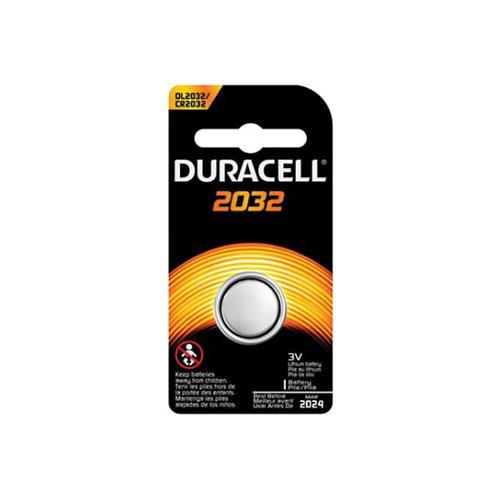 Your price for this item is $25.97
 -
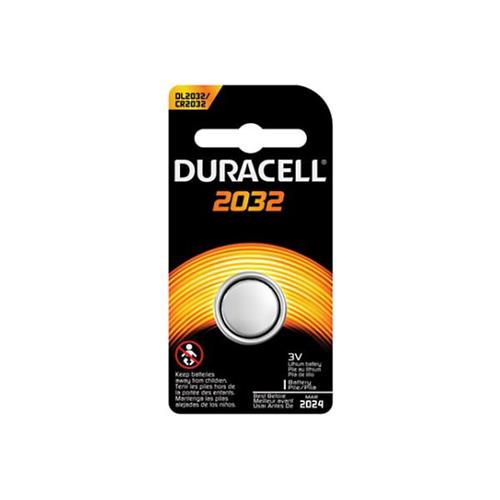 Your price for this item is $45.97
 -
 Your price for this item is $9.99
 -
 Your price for this item is $10.99
 -
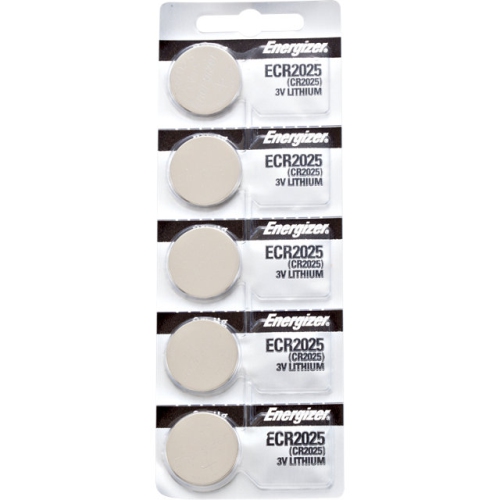 Your price for this item is $6.99
 -
 Your price for this item is $6.97
 -
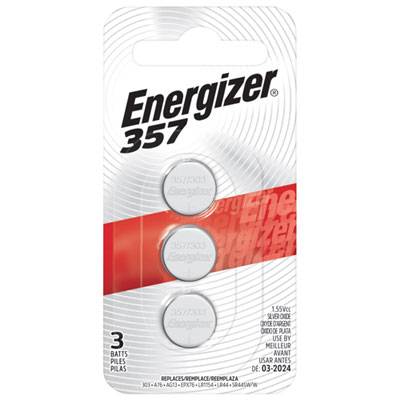 Your price for this item is $12.99
 -
 Your price for this item is $10.99
Discover more categories related to Batteries for Pocket Watches

Top Collections:
Pokemon Centers, Kindle Devices, Best Budget Office Chairs, Apple iPhones 16, Best Laptops for Writers, iPhone 15 Apple, Canon G7X Cameras, Refurbished Apple Laptops, Alarm Clock, Motorola Razr Phones
Some products may be subject to Environmental Handling Fees
(EHF) depending on your province.
Learn more about EHFs.