Binder Sheets
Organize your documents with ease using binder sheets, the perfect solution for keeping papers neat and accessible. Whether you're a student managing class notes, a professional handling important paperwork, or simply looking to tidy up your home office, binder sheets offer the versatility and convenience you need. Designed to fit seamlessly into any standard binder, these sheets help streamline your filing system, making it easier than ever to find what you're looking for. Explore our selection and discover how binder sheets can enhance your organizational efforts today.
Sort
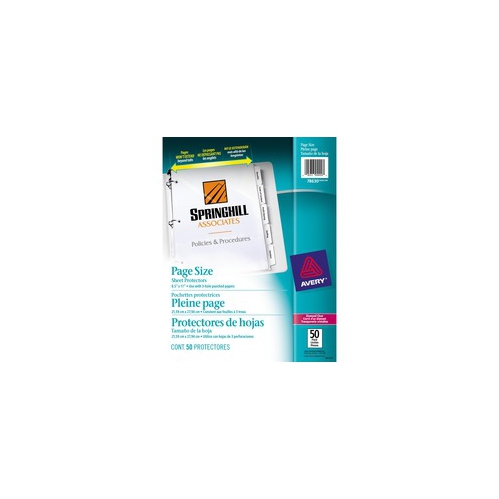

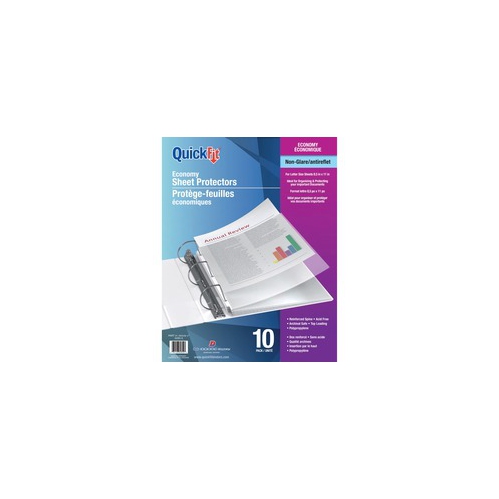
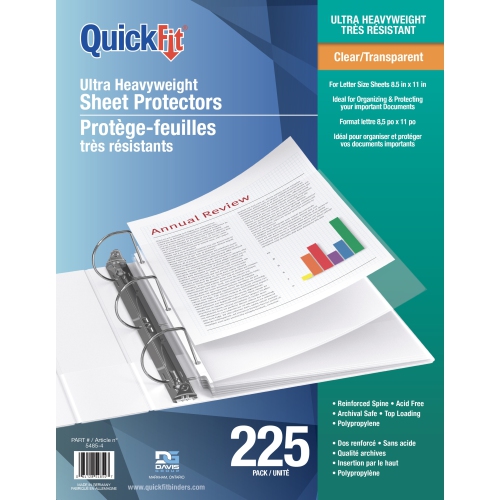
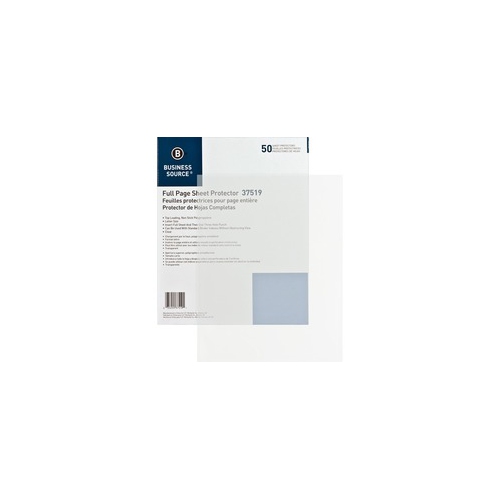

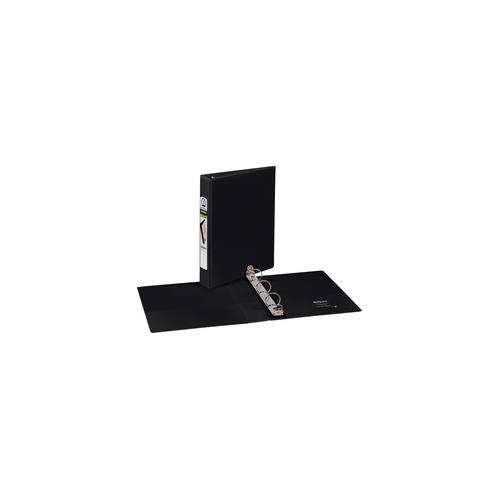
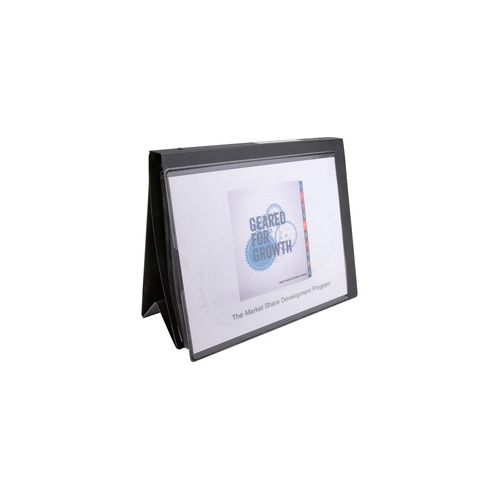
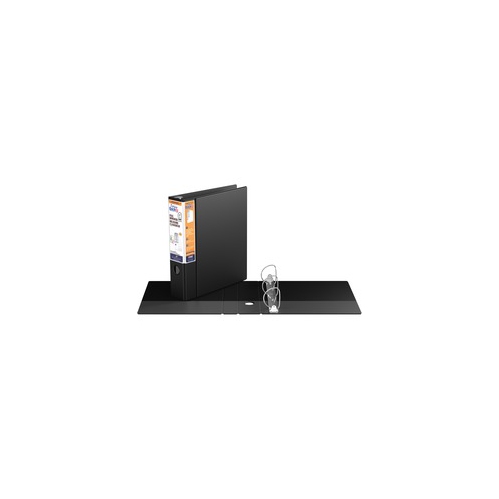
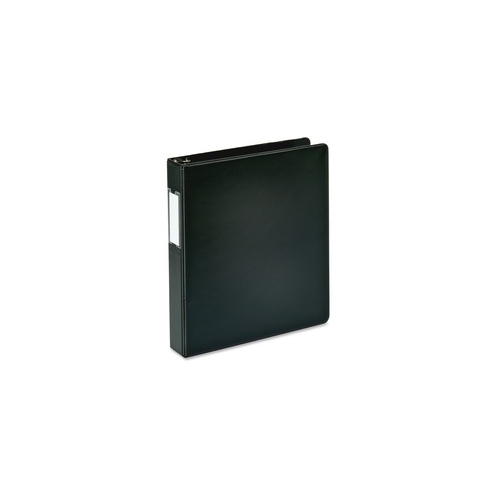
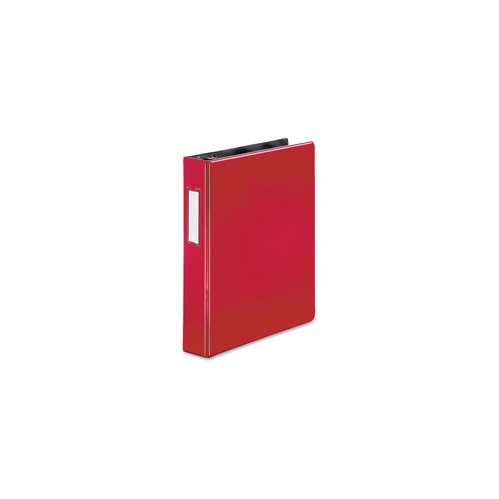
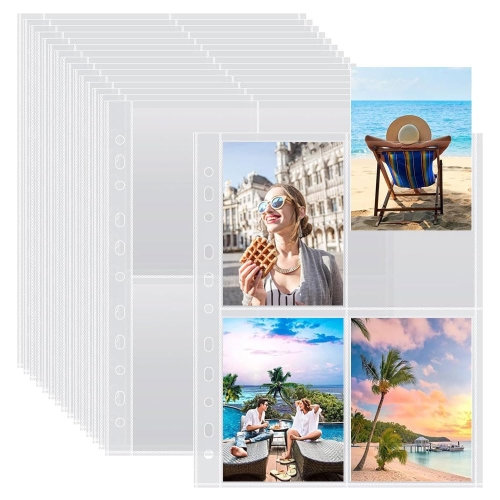
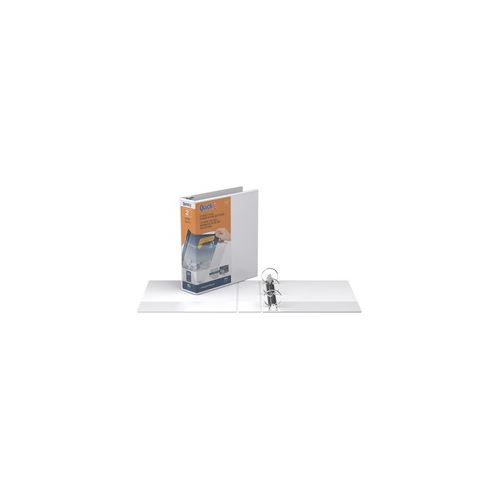
Movable pages for growing projects and collections
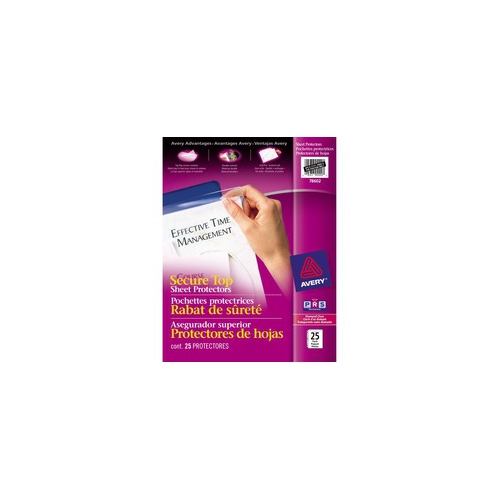
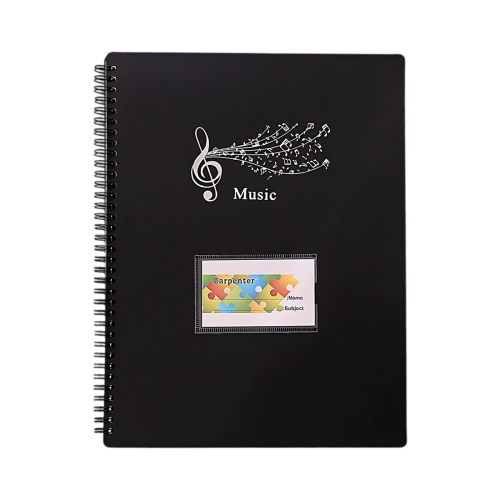
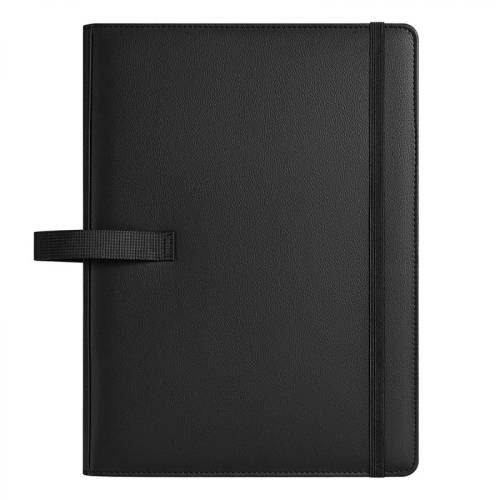
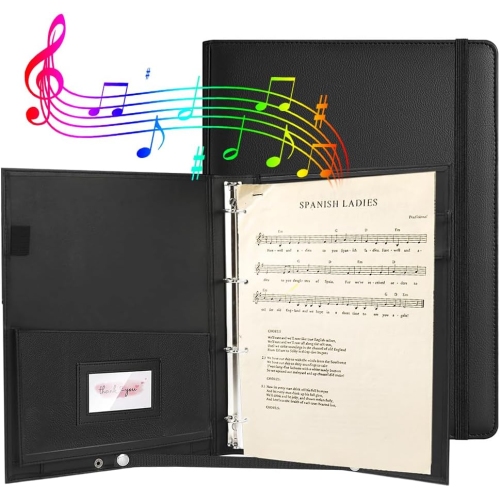
Binder sheets are removable pages designed for ring binders, including loose-leaf writing paper, clear sheet protectors, and divided pocket pages for cards, photographs, and other small documents. Each type serves a different purpose: filler paper provides a surface for notes and sketches, protective sleeves hold documents without punching holes in them, and pocket pages keep smaller pieces separated and visible. Together, they turn a binder into a flexible workspace or reference collection, with pages that can move as projects develop. A student might keep handwritten class notes beside printed assignments, while a home office binder might hold equipment instructions, receipts, and warranty paperwork in separate sections. Lined sheets suit meeting notes, journal entries, and written coursework; graph paper supports calculations, measured drawings, and charts; and blank sheets leave room for diagrams or freehand layouts. Ruling width affects how much writing fits on a page, with wider spacing giving larger handwriting more breathing room and narrower spacing accommodating denser notes. Paper weight, surface texture, and opacity also influence everyday comfort. Thin paper keeps a large binder lighter, while heavier paper generally feels sturdier during frequent page turning. Greater opacity helps reduce distracting show-through when both sides are used, although ink performance still depends on the pen and paper combination. For someone working through practice problems or keeping a running project log, a smooth writing surface and clearly printed lines can matter as much as the number of sheets. Loose-leaf pages also make it easier to replace a rough draft without disturbing the rest of a section. During the cooler months, when school assignments and indoor projects can bring more paperwork to the desk, that ability to rearrange pages helps keep active work separate from finished material. Binder sheets are useful wherever information needs to remain accessible rather than permanently bound, from a household recipe collection to a training binder that changes as procedures are updated.
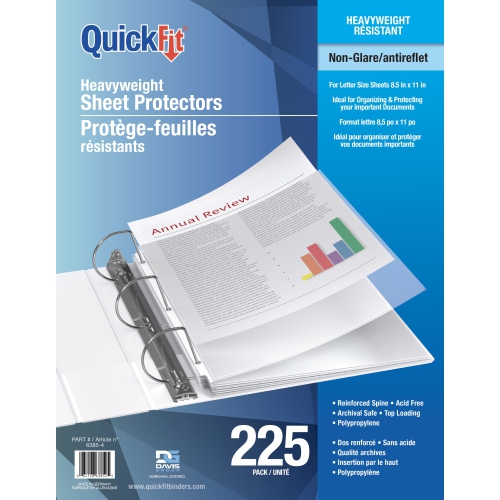
Fit begins with both the page dimensions and the punched-hole pattern. Letter-size binder sheets typically accommodate 8.5 × 11 inch paper, a common format for schoolwork and office documents in Canada. A4 paper measures 210 × 297 mm and is slightly narrower and longer, so a sleeve or binder designed around one format may not suit the other neatly. Smaller planner refills require the same attention to dimensions, hole spacing, and ring count; a page described by size alone is not necessarily compatible with every binder of that size. Clear protectors usually extend beyond the edges of the document they hold, making the binder’s cover width and the visibility of divider tabs worth considering. An extended-width divider can remain readable beside sleeves that would otherwise hide a standard tab. Ring capacity matters, too, because filled sleeves and pocket pages take up more space than individual sheets of paper. Leaving room for pages to turn freely helps prevent crumpled edges and strain around the holes. Clear sheet protectors are commonly made from polypropylene, though materials vary, and their thickness affects both flexibility and handling. A lightweight sleeve can keep a large reference binder manageable, while a thicker sleeve may feel more substantial when handled repeatedly. Reinforced punched margins help resist tearing along the edge where pages attach to the rings. Top-loading sleeves make inserting full-size documents straightforward, while side-loading or flap-style designs may offer a more enclosed opening, depending on their construction. A glossy finish can give printed colours a crisp appearance, whereas a textured or matte finish may reduce glare under overhead lighting. Neither finish suits every task equally: close reading, copying, and viewing fine image details can each place different demands on clarity. Related folders, dividers, and other organisational essentials in Binders Supplies can help complete a setup that keeps writing pages, protected documents, and labelled sections working together. The most practical combination leaves enough space to add material without making the binder awkward to carry or difficult to close.
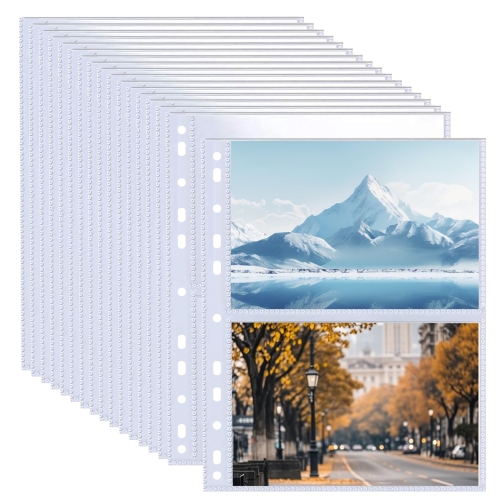
Divided binder sheets bring a different kind of order to material that would otherwise slip between larger pages. Trading card pocket pages, photo sleeves, and business card sheets separate individual pieces while allowing a collection to be browsed without repeatedly removing its contents. Pocket dimensions are more important than pocket count alone: a card inside an additional protective sleeve needs more room than a bare card, and photographs should sit flat without bent corners or pressure along their edges. Loading direction can also affect how securely contents stay in place when a binder is carried upright or laid flat. For photographs, keepsakes, and valued paper documents, material specifications deserve particular attention. Acid-free, PVC-free, and archival suitability claims describe different properties, so a clear sleeve should not automatically be treated as appropriate for long-term storage. Materials identified as suitable for the intended contents are a better match for family photographs or collectible cards than an unspecified general-purpose sleeve. Even suitable storage pages cannot prevent every source of damage; direct sunlight, excess heat, moisture, and rough handling can still affect paper and printed images. Routine care is usually simple. Clean, dry hands help limit fingerprints, and dust on empty plastic sleeves can often be removed with a soft cloth, following any care directions supplied with the sheets. Harsh cleaners or abrasive wiping can cloud or scratch the surface. Paper refills benefit from dry storage and protection from curled corners, while filled binders are best kept without heavy pressure that could distort pages or their contents. In a kitchen reference binder, sleeves help keep recipe pages separated from everyday handling, but open edges mean they are not a waterproof seal against spills. In a workshop or craft space, removable pages make it easy to place a measurement chart or project sketch beside the task, then return it to the correct section. For teachers, students, collectors, and anyone organising household paperwork, binder sheets offer a straightforward way to give each page a place. They can also be a thoughtful addition to a stationery gift when the recipient’s binder size, writing preferences, or collection format is known, making the gift useful from the first page.
Fit begins with both the page dimensions and the punched-hole pattern. Letter-size binder sheets typically accommodate 8.5 × 11 inch paper, a common format for schoolwork and office documents in Canada. A4 paper measures 210 × 297 mm and is slightly narrower and longer, so a sleeve or binder designed around one format may not suit the other neatly. Smaller planner refills require the same attention to dimensions, hole spacing, and ring count; a page described by size alone is not necessarily compatible with every binder of that size. Clear protectors usually extend beyond the edges of the document they hold, making the binder’s cover width and the visibility of divider tabs worth considering. An extended-width divider can remain readable beside sleeves that would otherwise hide a standard tab. Ring capacity matters, too, because filled sleeves and pocket pages take up more space than individual sheets of paper. Leaving room for pages to turn freely helps prevent crumpled edges and strain around the holes. Clear sheet protectors are commonly made from polypropylene, though materials vary, and their thickness affects both flexibility and handling. A lightweight sleeve can keep a large reference binder manageable, while a thicker sleeve may feel more substantial when handled repeatedly. Reinforced punched margins help resist tearing along the edge where pages attach to the rings. Top-loading sleeves make inserting full-size documents straightforward, while side-loading or flap-style designs may offer a more enclosed opening, depending on their construction. A glossy finish can give printed colours a crisp appearance, whereas a textured or matte finish may reduce glare under overhead lighting. Neither finish suits every task equally: close reading, copying, and viewing fine image details can each place different demands on clarity. Related folders, dividers, and other organisational essentials in Binders Supplies can help complete a setup that keeps writing pages, protected documents, and labelled sections working together. The most practical combination leaves enough space to add material without making the binder awkward to carry or difficult to close.
Divided binder sheets bring a different kind of order to material that would otherwise slip between larger pages. Trading card pocket pages, photo sleeves, and business card sheets separate individual pieces while allowing a collection to be browsed without repeatedly removing its contents. Pocket dimensions are more important than pocket count alone: a card inside an additional protective sleeve needs more room than a bare card, and photographs should sit flat without bent corners or pressure along their edges. Loading direction can also affect how securely contents stay in place when a binder is carried upright or laid flat. For photographs, keepsakes, and valued paper documents, material specifications deserve particular attention. Acid-free, PVC-free, and archival suitability claims describe different properties, so a clear sleeve should not automatically be treated as appropriate for long-term storage. Materials identified as suitable for the intended contents are a better match for family photographs or collectible cards than an unspecified general-purpose sleeve. Even suitable storage pages cannot prevent every source of damage; direct sunlight, excess heat, moisture, and rough handling can still affect paper and printed images. Routine care is usually simple. Clean, dry hands help limit fingerprints, and dust on empty plastic sleeves can often be removed with a soft cloth, following any care directions supplied with the sheets. Harsh cleaners or abrasive wiping can cloud or scratch the surface. Paper refills benefit from dry storage and protection from curled corners, while filled binders are best kept without heavy pressure that could distort pages or their contents. In a kitchen reference binder, sleeves help keep recipe pages separated from everyday handling, but open edges mean they are not a waterproof seal against spills. In a workshop or craft space, removable pages make it easy to place a measurement chart or project sketch beside the task, then return it to the correct section. For teachers, students, collectors, and anyone organising household paperwork, binder sheets offer a straightforward way to give each page a place. They can also be a thoughtful addition to a stationery gift when the recipient’s binder size, writing preferences, or collection format is known, making the gift useful from the first page.
Top selling and popular products
-
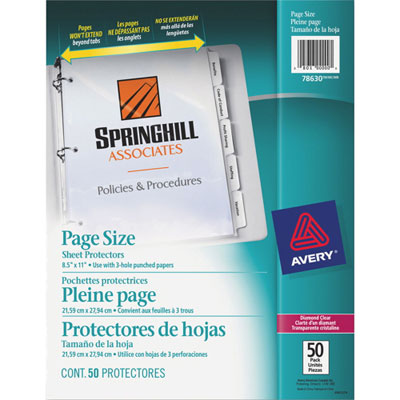 Your price for this item is $19.99
 -
 Your price for this item is $19.99
 -
 Your price for this item is $19.99
 -
 Your price for this item is $27.45
 -
 Your price for this item is $53.99
 -
 Your price for this item is $19.99
 -
 Your price for this item is $2.99
 -
 Your price for this item is $6.99
Discover more categories related to Binder Sheets
Top Collections:
Pokemon Centers, Kindle Devices, Best Budget Office Chairs, Apple iPhones 16, Best Laptops for Writers, iPhone 15 Apple, Canon G7X Cameras, Refurbished Apple Laptops, Alarm Clock, Motorola Razr Phones
Some products may be subject to Environmental Handling Fees
(EHF) depending on your province.
Learn more about EHFs.