Calculators for Engineers
Whether you're a seasoned engineer or just starting out in the field, a reliable and accurate calculator is an essential tool for any technical professional. From solving complex equations to performing advanced calculations, having the right calculator can greatly enhance your productivity and efficiency. At Best Buy, we understand the importance of finding the perfect calculator that meets your specific engineering needs. That's why we offer a wide selection of calculators designed specifically for engineers. Explore our collection today and discover the precision and functionality you need to tackle any engineering task with confidence.
Sort
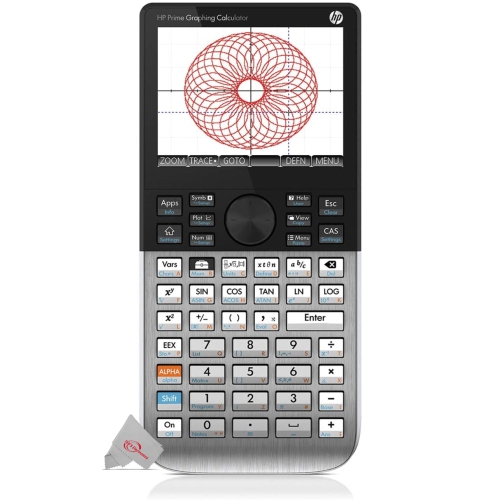
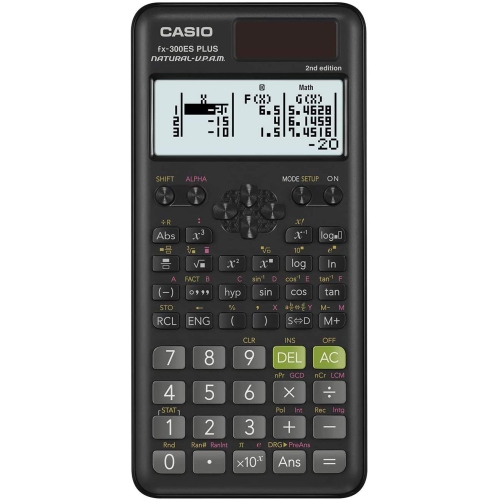
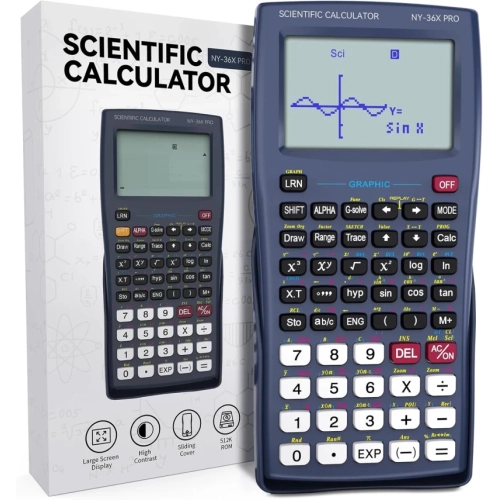
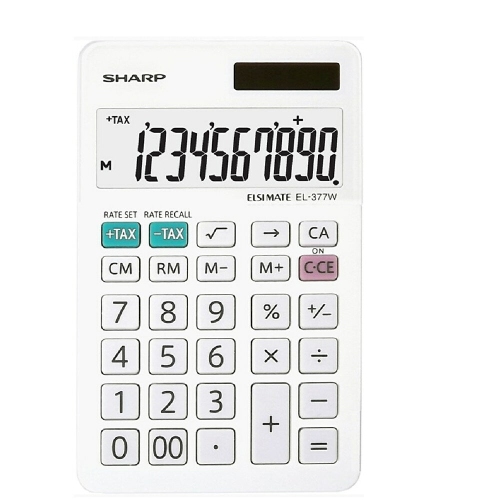
Advanced calculation support from classrooms to job sites
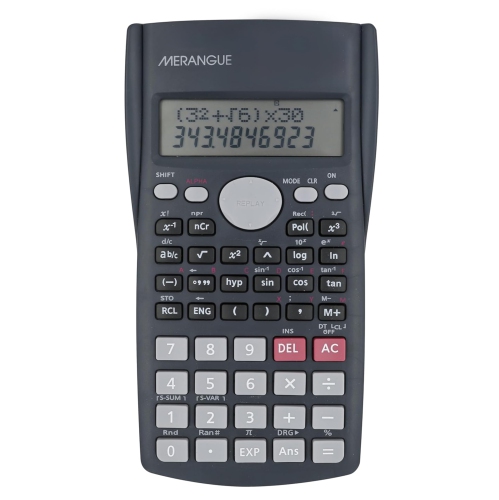
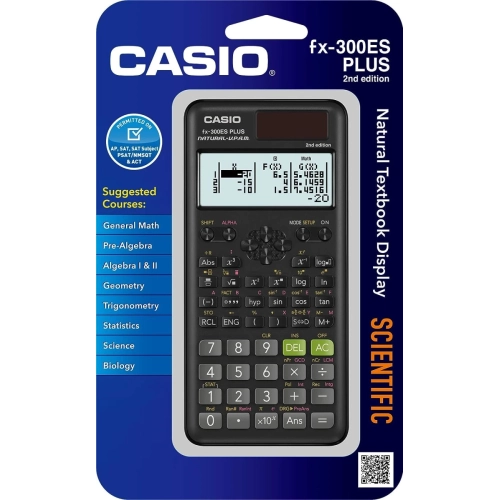
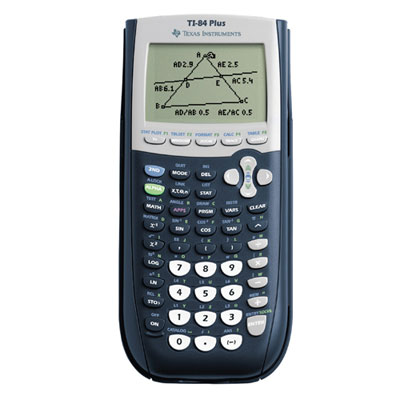
Engineering calculators are designed to make demanding calculations more manageable in classrooms, laboratories, workshops, job sites, and professional offices. Unlike a basic four-function calculator, an engineering-focused scientific calculator may support fractions, powers, roots, logarithms, trigonometry, statistics, complex numbers, permutations, combinations, and unit conversions. Many advanced non-graphing models also handle matrix and vector calculations, polynomial equations, simultaneous equations, numerical integration, and numerical differentiation. These functions can be especially useful when checking a beam calculation, working through circuit values, analysing fluid flow, reviewing material properties, or verifying results from a spreadsheet or computer program. A natural textbook-style display can make equations appear in a familiar format, with fractions, exponents, and roots arranged much like they are in a notebook. This can make it easier to spot a misplaced bracket or exponent before it affects an entire solution. When comparing calculators for engineers, consider the discipline, course requirements, workplace expectations, and the type of calculations performed most often. Mechanical, civil, electrical, chemical, environmental, and computer engineering students may all need slightly different capabilities, even when they share the same core scientific functions. A calculator with matrix and vector operations can be valuable for systems of equations and coordinate work, while complex-number functions are particularly helpful for electrical and electronics applications. Statistics tools can support lab reports, quality-control work, and experimental data, while unit-conversion features can reduce the effort involved in moving between metric and imperial measurements. Battery life, solar assistance, screen clarity, key layout, protective covers, and the ability to store commonly used values are also worth considering. A comfortable keypad matters during long study sessions, especially when a student is moving between handwritten notes, a textbook, and a calculator on a crowded desk. For a closer look at suitable options for coursework and technical study, browse Top Calculators for Engineering and STEM Students.
Calculator rules can be just as important as calculator features. Many universities, colleges, training programmes, and professional examinations restrict the use of graphing calculators, programmable calculators, or models with computer algebra systems. A non-graphing scientific calculator is often the safer choice for introductory courses and exam settings because it can provide advanced mathematical functions without offering features that may be prohibited. Students preparing for engineering licensing or board examinations should check the official rules well before test day, including the permitted model list, memory requirements, and restrictions on covers, labels, or stored formulas. Choosing an approved layout early can help students build familiarity through repeated use rather than learning unfamiliar keys under exam pressure. Graphing and computer algebra calculators can still be useful where they are permitted. They may display equations and graphs in colour, solve more involved symbolic problems, explore functions visually, and handle larger calculations quickly. However, their usefulness depends on the institution and assessment rules, so a powerful calculator is not automatically the most practical choice. For many learners, a reliable scientific model with a clear display and well-organized menus provides the right balance of capability, portability, and exam compatibility. Professional engineers may keep one in a laptop bag, tool case, desk drawer, or vehicle for quick checks when opening a full software package is impractical. On a worksite, it can help with dimensions, angles, loads, electrical values, or field measurements; in an office, it can provide a fast independent check beside design software and spreadsheets. Calculators for engineers can also be thoughtful gifts for students beginning a technical programme, apprentices moving into more advanced coursework, or graduates preparing for certification exams. A calculator may look modest beside larger technology, but it becomes a familiar daily tool: the click of the keys during a quiet study session, the quick verification of a result before submitting an assignment, or the reassuring second check before a measurement is recorded. Look for a durable design, readable screen, sensible menu navigation, and functions that match the recipient’s programme rather than paying for features they cannot use. During the cooler months, when classes, labs, and evening study sessions often take place indoors, a dependable calculator can remain close at hand for everything from routine arithmetic to multi-step engineering analysis.
Calculator rules can be just as important as calculator features. Many universities, colleges, training programmes, and professional examinations restrict the use of graphing calculators, programmable calculators, or models with computer algebra systems. A non-graphing scientific calculator is often the safer choice for introductory courses and exam settings because it can provide advanced mathematical functions without offering features that may be prohibited. Students preparing for engineering licensing or board examinations should check the official rules well before test day, including the permitted model list, memory requirements, and restrictions on covers, labels, or stored formulas. Choosing an approved layout early can help students build familiarity through repeated use rather than learning unfamiliar keys under exam pressure. Graphing and computer algebra calculators can still be useful where they are permitted. They may display equations and graphs in colour, solve more involved symbolic problems, explore functions visually, and handle larger calculations quickly. However, their usefulness depends on the institution and assessment rules, so a powerful calculator is not automatically the most practical choice. For many learners, a reliable scientific model with a clear display and well-organized menus provides the right balance of capability, portability, and exam compatibility. Professional engineers may keep one in a laptop bag, tool case, desk drawer, or vehicle for quick checks when opening a full software package is impractical. On a worksite, it can help with dimensions, angles, loads, electrical values, or field measurements; in an office, it can provide a fast independent check beside design software and spreadsheets. Calculators for engineers can also be thoughtful gifts for students beginning a technical programme, apprentices moving into more advanced coursework, or graduates preparing for certification exams. A calculator may look modest beside larger technology, but it becomes a familiar daily tool: the click of the keys during a quiet study session, the quick verification of a result before submitting an assignment, or the reassuring second check before a measurement is recorded. Look for a durable design, readable screen, sensible menu navigation, and functions that match the recipient’s programme rather than paying for features they cannot use. During the cooler months, when classes, labs, and evening study sessions often take place indoors, a dependable calculator can remain close at hand for everything from routine arithmetic to multi-step engineering analysis.
Top selling and popular products
-
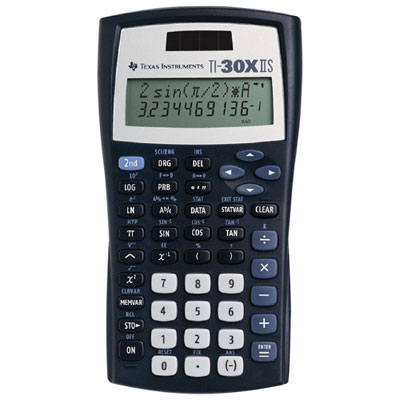 Your price for this item is $18.99
 -
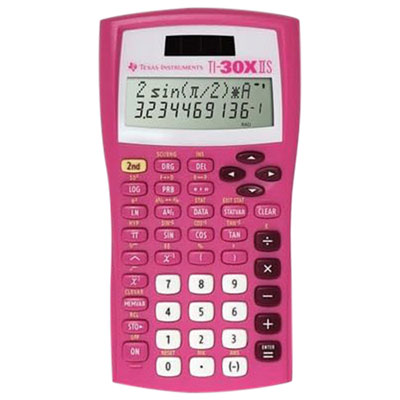 Your price for this item is $25.99
 -
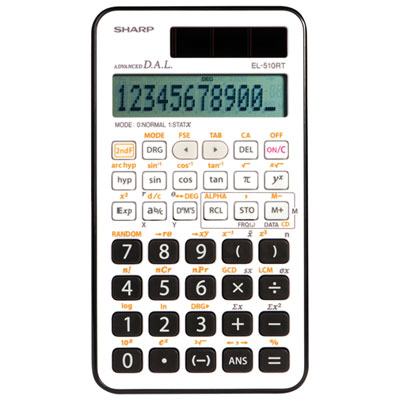 Your price for this item is $16.99
 -
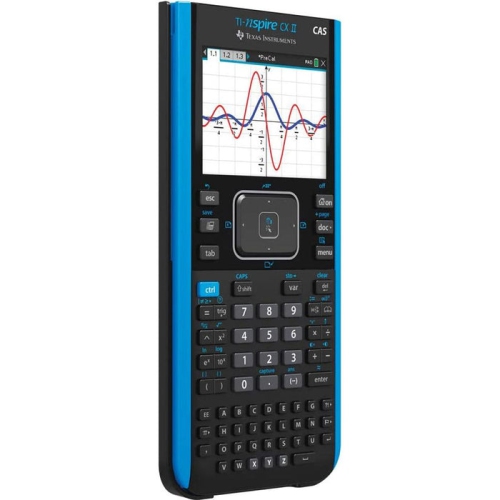 Your price for this item is $1822.99
 -
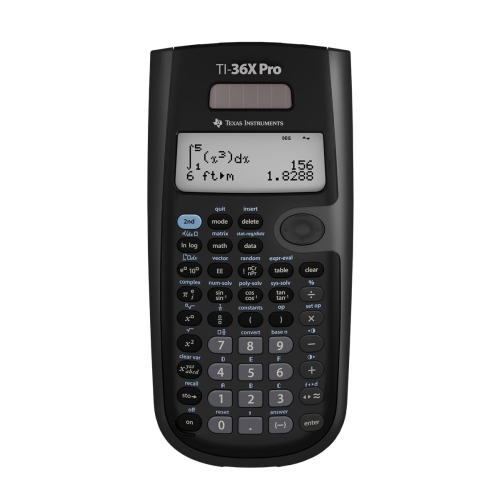 Your price for this item is $55.99
 -
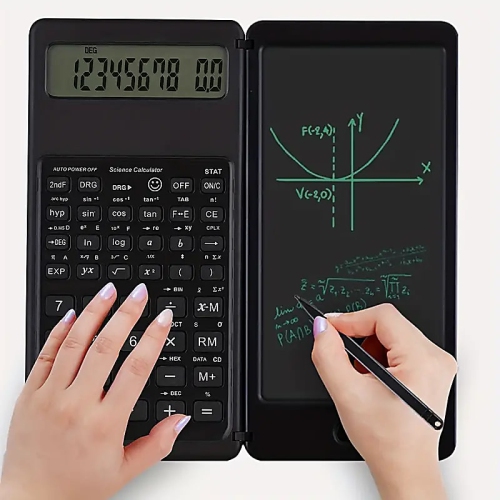 Your price for this item is $29.98
 -
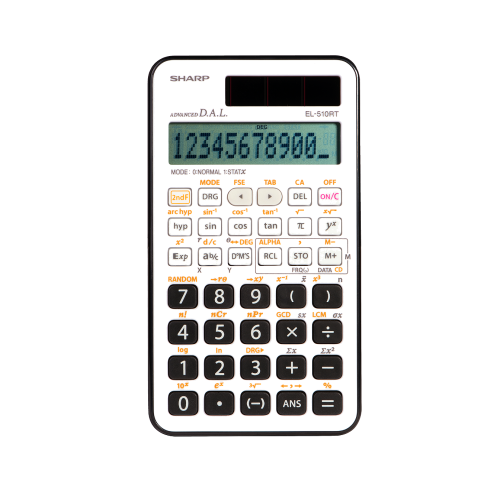 Your price for this item is $13.99
 -
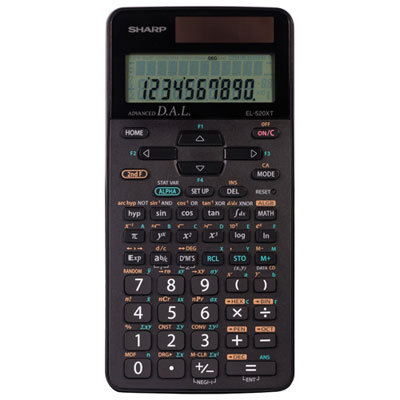 Your price for this item is $25.99
Discover more categories related to Calculators for Engineers

Top Collections:
Pokemon Centers, Kindle Devices, Best Cell Phones Under $500, Alarm Clock, Canon G7X Cameras, iPhone 15 Apple, Apple iPhones 16, Laptops for Students, iPhone 14 256GB, Budget Smartphones
Some products may be subject to Environmental Handling Fees
(EHF) depending on your province.
Learn more about EHFs.